Home / Ports / Sakaiminato / See
See in Sakaiminato · #6 of the port's ten~7h with Adachi — the round trip from the gangway, with the 60-minute margin kept aside.
Tap a photo to see it large. 7 photographs, each credited.
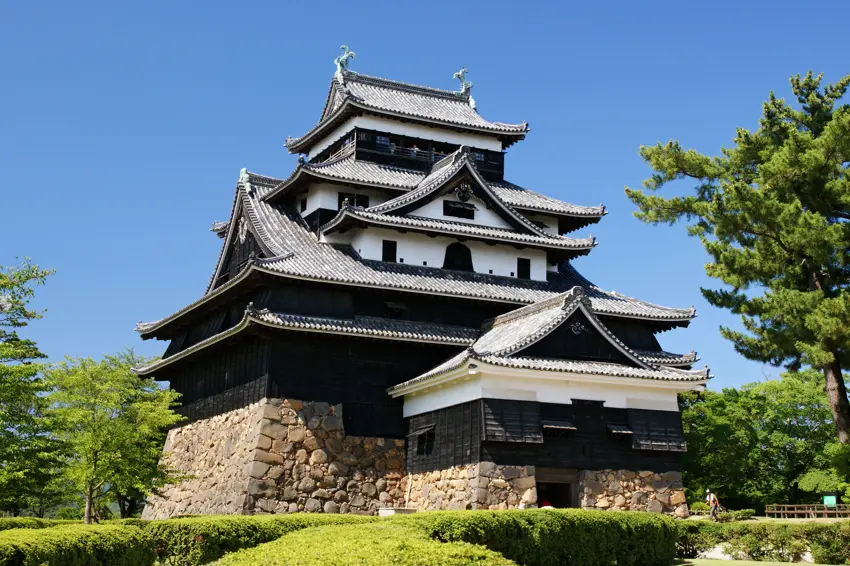
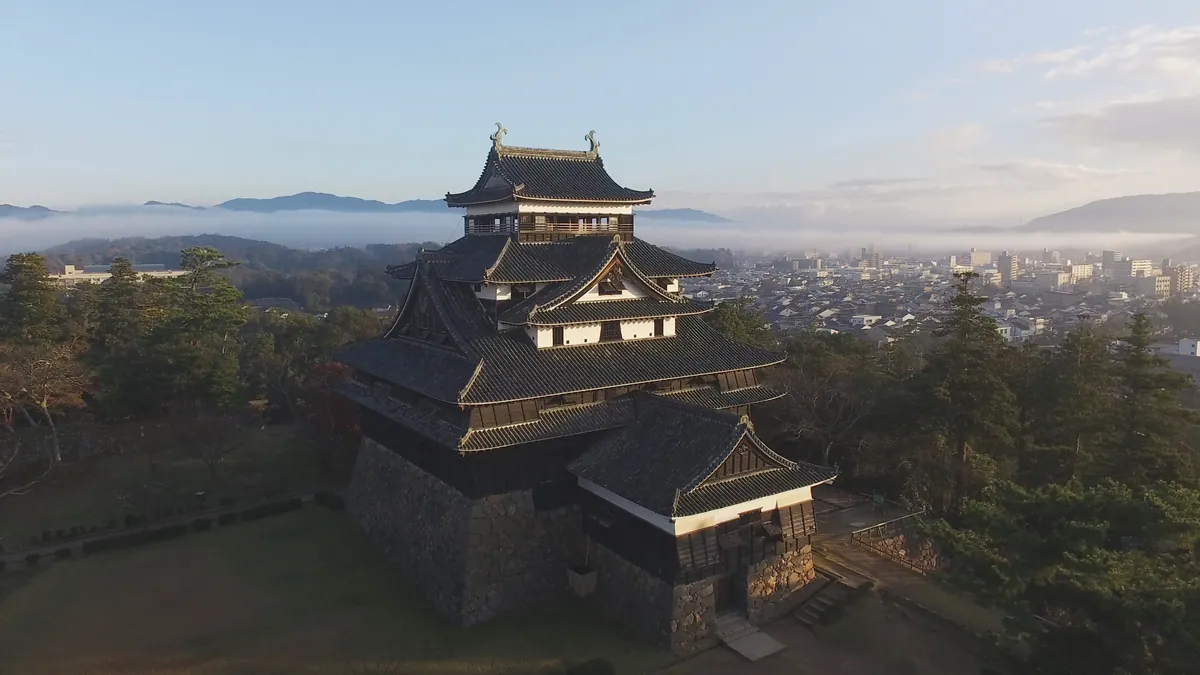
One of five original castles ranked National Treasure — black, brooding, never burned. The lake-city around it pairs on the same excursion day as Adachi.
A Greek-Irish journalist who came for a year, stayed for life, and told the West its first Japanese ghost stories
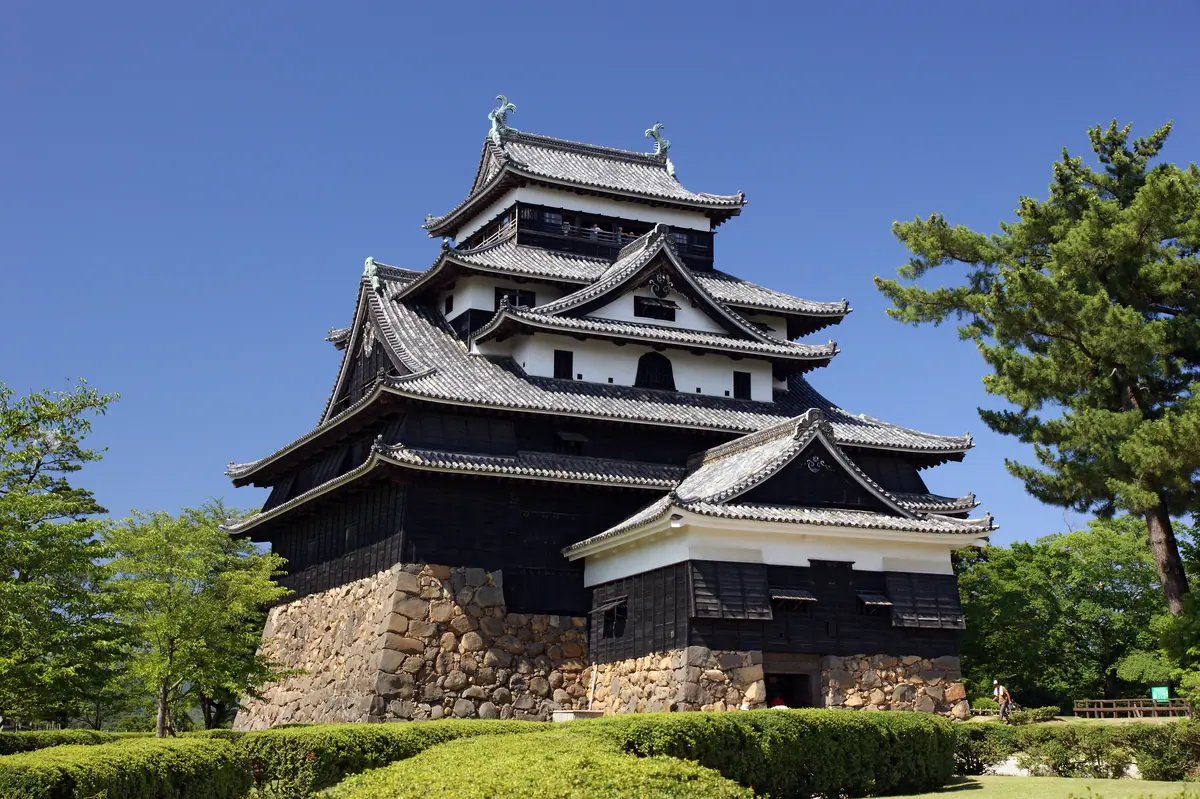
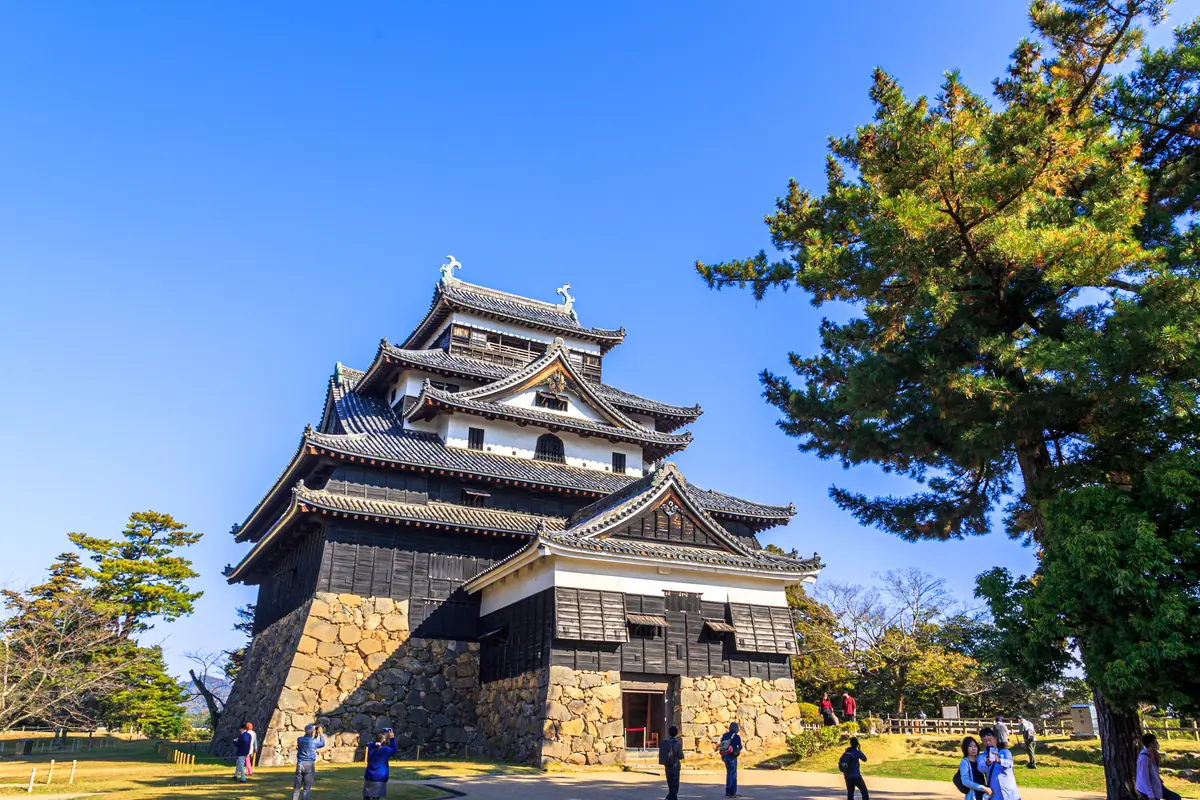
One of the twelve surviving original keeps, completed in 1611 and designated a National Treasure in 2015 after a document proving its date was found in a nearby shrine. It is a black, plain, military building rather than a decorative one, which is what a keep actually was.
Lafcadio Hearn arrived in Matsue in 1890 as a foreign correspondent, blind in one eye, half Greek and half Irish, having already lived in Ireland, England, America and the Caribbean. He stayed in Japan, married into a samurai family, took Japanese citizenship and a Japanese name, and wrote the books that shaped how the West imagined this country for fifty years.
Matsue Castle is one of only twelve Japanese castles whose keep survives from the feudal era, and one of only five designated National Treasures. It is black, plain and defensive rather than decorative — built in 1611 and never prettified.
A few minutes away is the house where Lafcadio Hearn lived, and the memorial museum beside it. He came in 1890, married Koizumi Setsu of a samurai family, took Japanese citizenship as Koizumi Yakumo, and wrote the Japanese ghost stories the English-speaking world knows. His wife told them to him; he wrote them down.
Irish father, Greek mother; raised in Dublin
Newspaper work in Cincinnati and New Orleans
Fifteen months that define the rest of his life
Who tells him the stories, in Japanese, slowly
Visit the house and the museum in Matsue together. Forty minutes from the port, and better than either sounds.
Both pins on one map, so the distance is a fact rather than a feeling.
Yes — one of only twelve Japanese castles whose keep survives from the feudal era, and one of five designated National Treasures. It was completed in 1611 and is black, plain and defensive rather than decorative. The internal stairs are steep and shoes come off.
Yes, on a call of six hours or more. His residence and the memorial museum are in Matsue, about forty minutes from the port, and the garden he wrote about survives. Matsue Castle is a few minutes away, so the two work as a half-day together.
Each one is a finished day we have walked and timed, with this stop in it. Read the route rather than assembling it yourself.
Each of these still lands you back aboard with the hour to spare.
 See · ~2h on foot
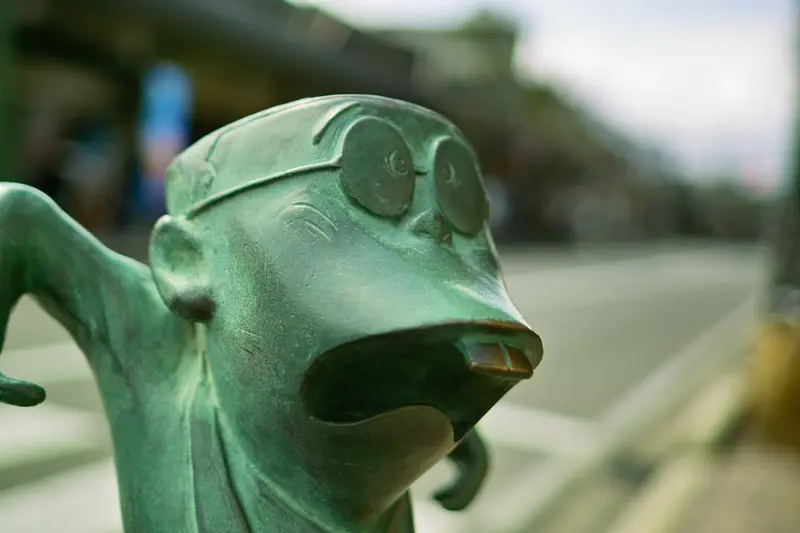
177 bronze yokai spirits line the 800 metres from the station to the museum — Japan’s strangest, most charming main street, drawn from the manga master born here.
See the detail →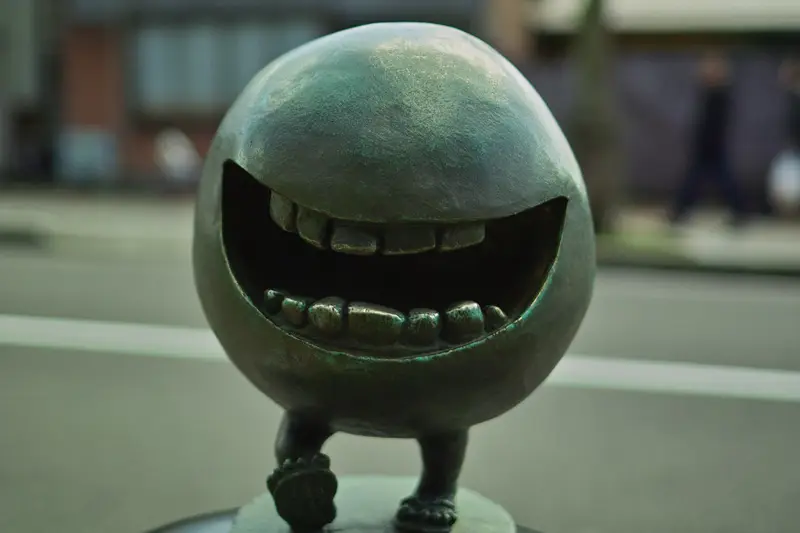 See · ~2.5h with the Road
The life behind the monsters — war, lost arm, late fame — told with the warmth that made GeGeGe no Kitaro a national treasure.
See the detail →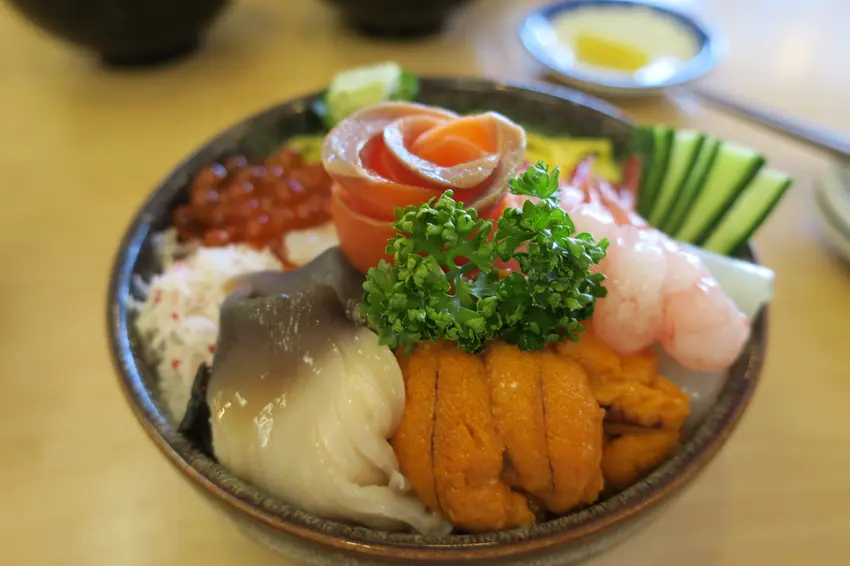 Eat · ~2.5h
Japan’s biggest crab port puts the morning’s catch straight over rice — red snow crab most of the year, matsuba in winter.
See the detail →No typing needed — jump straight in:
Just docked? — the gangway toolStart from your shipThe ride from every berthAsk the editorGlossary