Every pre-cruise checklist for Japan now says “register on Visit Japan Web”. It is good advice for the flight in. It is not what happens at the pier, and the gap between the two produces the same question on every Japan cruise forum: will the QR code work when we arrive by ship?
The short answer, from the two agencies that run the system: no reader is waiting for you at a cruise terminal. Here is what they say, and what you do instead.
What Visit Japan Web is, in one paragraph
Visit Japan Web is the Digital Agency’s free web service for two arrival procedures, the foreign-national immigration record and the customs declaration. You enter passport and trip details in advance and get QR codes. The Digital Agency’s English page describes it as “a web service that can be used for immigration procedures (immigration clearance, customs declaration)”; its registration example asks for “your airline ticket, passport, and email address”. The Japanese manual is more specific about where the code is used: after registering, you “present the QR code to a reading terminal at the airport” for immigration and customs.
Nowhere in either document does the agency say the service covers arrival by ship. That silence is the whole story.
Where the readers are: seven airports, no port
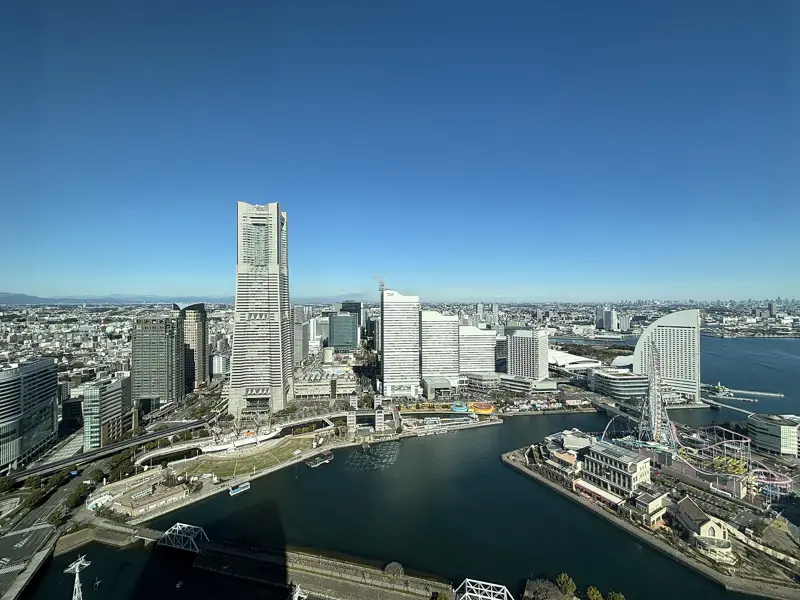
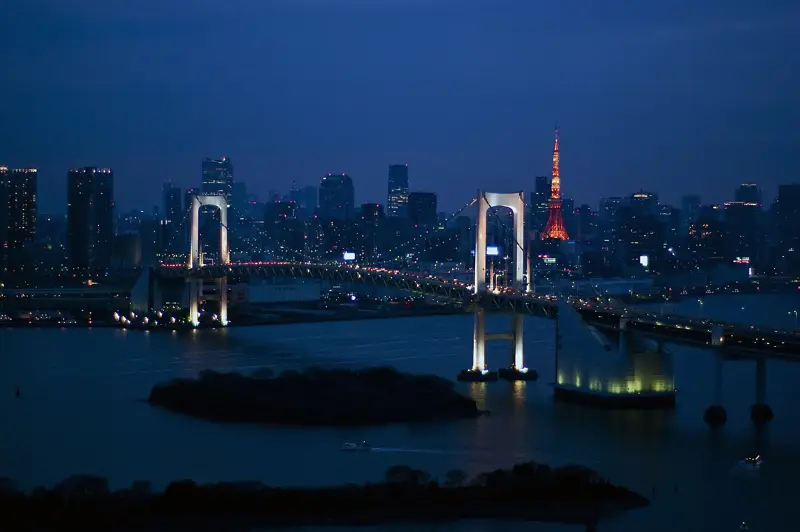
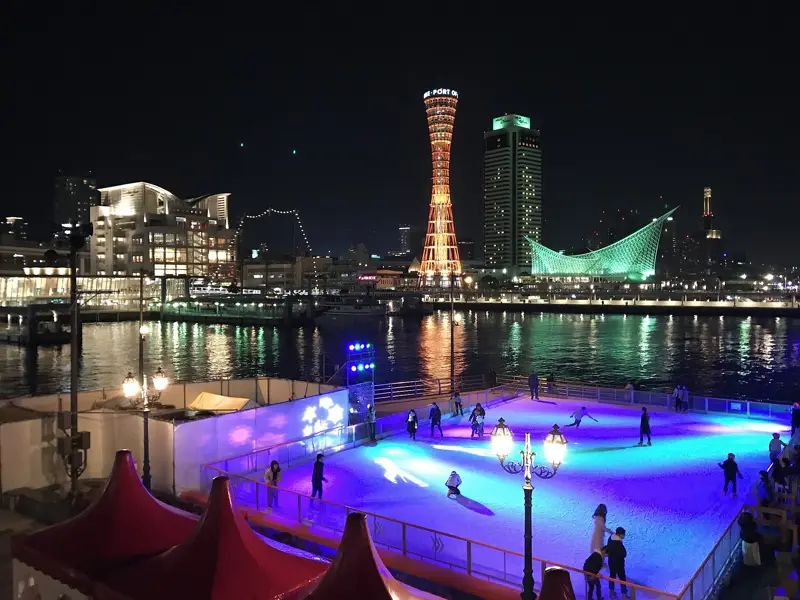
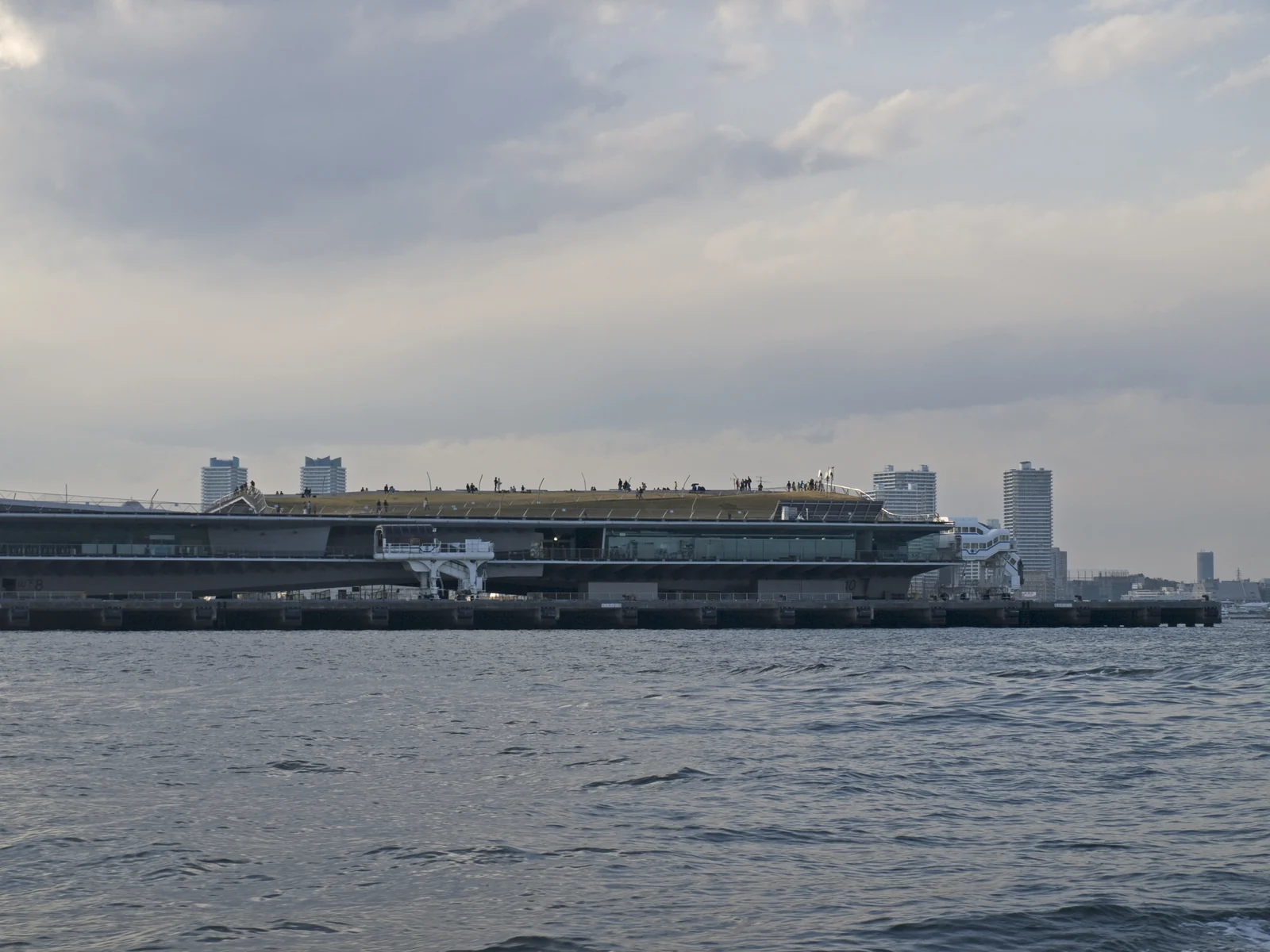
Japan Customs publishes the list of places with its electronic declaration gates. As of its April 2025 update there are seven airports: New Chitose (Sapporo), Narita, Haneda, Chubu (Nagoya), Kansai (Osaka), Fukuoka and Naha. The electronic declaration terminals, Customs says, “are installed in the customs inspection areas of airports where e-gates are deployed”. No cruise terminal is on the list — not Yokohama’s Osanbashi, not Tokyo’s Odaiba terminal, not Kobe, not Hakata, not Naha’s Tomari Wharf.
Customs adds one softening line: some staffed inspection desks have a terminal that can read the code, so an officer at a port may accept it. Treat that as a bonus, not a plan.
What you actually do at the pier
- The customs form is paper. Japan Customs is categorical: every person entering Japan files the 携帯品・別送品申告書 (declaration of accompanied and unaccompanied articles), and the forms are available “on the plane, the ship, or at Customs”. Cruise lines hand them out on board the night before the first Japanese port, one per person or per family travelling together. Nothing to declare means the short line.
- Immigration is face to face, from the manifest. Officers set up in the terminal or come aboard, and every foreign passenger is inspected once at the first Japanese port — fingerprints included. The landing permission is a seal in the passport, or the cruise landing permit card if the ship uses that scheme. No QR code is involved. The queue and the calling order are explained in Port of entry into Japan: what happens at immigration.
- Do it again after any foreign port. A Yokohama loop that touches Busan, or a southern itinerary that touches Keelung or Jeju, re-enters Japan afterwards. The customs form and the inspection are due again at the first Japanese port after it.
So should you register at all?
Yes, if you fly in. A pre-cruise night in Tokyo means arriving at Haneda or Narita, two of the seven airports, and the customs code genuinely saves the paper form there. The same on the way home. Registration is free, takes ten minutes, and nothing bad happens if the code goes unused at the pier. What you should not do is skip the ship’s paper form because you “already did it online”.
JESTA: the thing that will change, and when
Japan’s pre-travel authorisation, JESTA, is the airport-style electronic screening that the United States (ESTA) and others already run. The Immigration Services Agency’s outline of the 2026 law lists who it covers: visa-exempt visitors on short stays, cruise ship passengers (explicitly: people arriving on a designated cruise ship who wish to land for sightseeing), and some transit passengers, with authorisation required for each new entry. That last clause matters on a Korea loop, which produces two entries.
The start date is not fixed. The law leaves it to a Cabinet Order, to be set “no later than 31 March 2029”. Until that order is published, visa-exempt nationalities need nothing in advance for a Japan cruise. We will update this page when a date is set.
The one-line version
Register on Visit Japan Web for the flight, fill in the paper customs form the ship gives you at the first Japanese port (and again after Busan or Keelung), carry whatever landing document the ship issues, and ignore JESTA until a start date exists.
Sources are listed below; the legal references were checked against the e-Gov text of the Immigration Control Act on 27 October 2026. Procedures change — your ship’s daily programme is the final word on the day.
Guided days at the ports in this article
Shared cars with a guide first; each page says who should skip it. Booked through Viator; there is no tour desk at the pier.
 YokohamaSmall group4.9★ · 58
Yokohama: Guided Cup Noodles Museum Tour & Make Your Own Cup
A 90-minute guided visit to the Cup Noodles Museum in Minato Mirai, including making your own cup of noodles, …
from US$61 per person · max 8Why it is here TokyoPrivate5.0★ · 180
Private Tailor-made Akihabara Anime Tour with a Local Otaku Guide
Three private hours in Akihabara with a local anime and games enthusiast, built around the series your party a…
from US$154 per person · max 6Why it is here KobePrivate4.9★ · 90
Kobe: Customizable Private Tour w/ Local Student Guide
A private four-hour Kobe walk with a trained English-speaking student guide from Link Roots: Ikuta Shrine and …
from US$194 per person · max 10Why it is hereIf you book, we may earn a small commission at no extra cost to you. It never decides what we recommend.