Cruise lines sell the sailing; nobody owns the two days before it. Yet those two days decide more of your cruise than any excursion: arrive wrong and you spend the first three sea days as a jet-lagged ghost. Here is the whole pre-cruise decision — nights, city, hotel type, taxes — in one place.
Rule one: two nights. Three is better. One is the classic regret.
The single most-repeated mistake in Japan-cruise post-mortems is the one-night arrival. From North America or Europe you cross eight to sixteen time zones; at our readership’s age the honest adjustment rate is about a day per time zone survived with grace, and no one has grace on night one. Two nights makes embarkation day human. Three adds a real sightseeing day — and a full-day buffer against the delayed flight that would otherwise miss your ship. (Cruise-line air desks rebook you; they do not un-ruin the start.)
Rule two: sleep where your ship is — usually Yokohama
First, confirm which pier your ship actually uses — “Tokyo” on the brochure usually means Yokohama. If it is Osanbashi or Shinko Pier, the playbook is decisive:
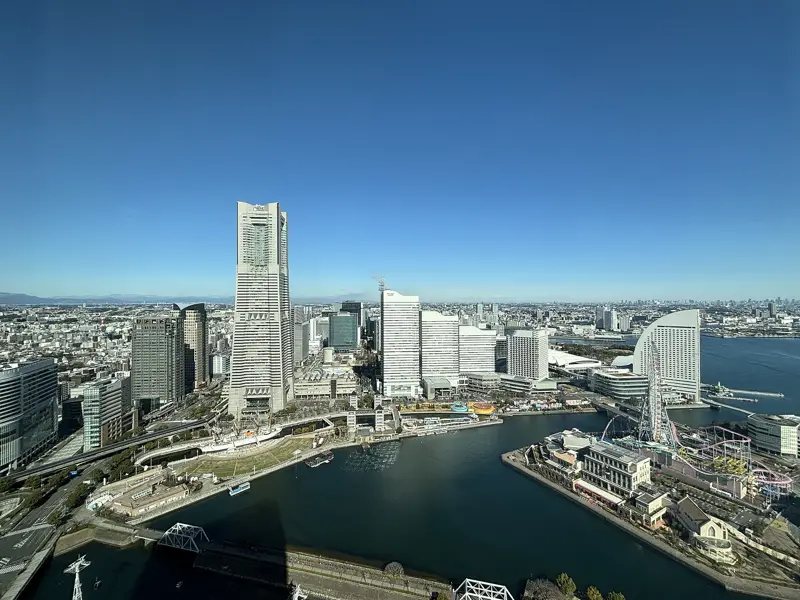
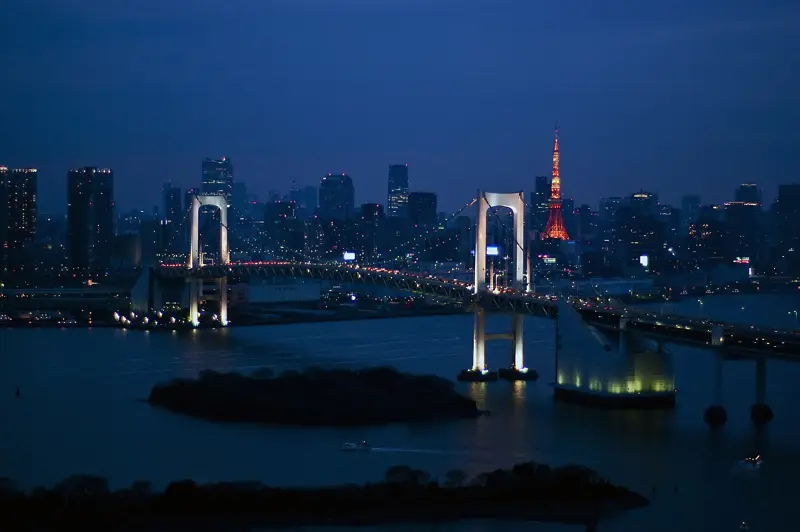
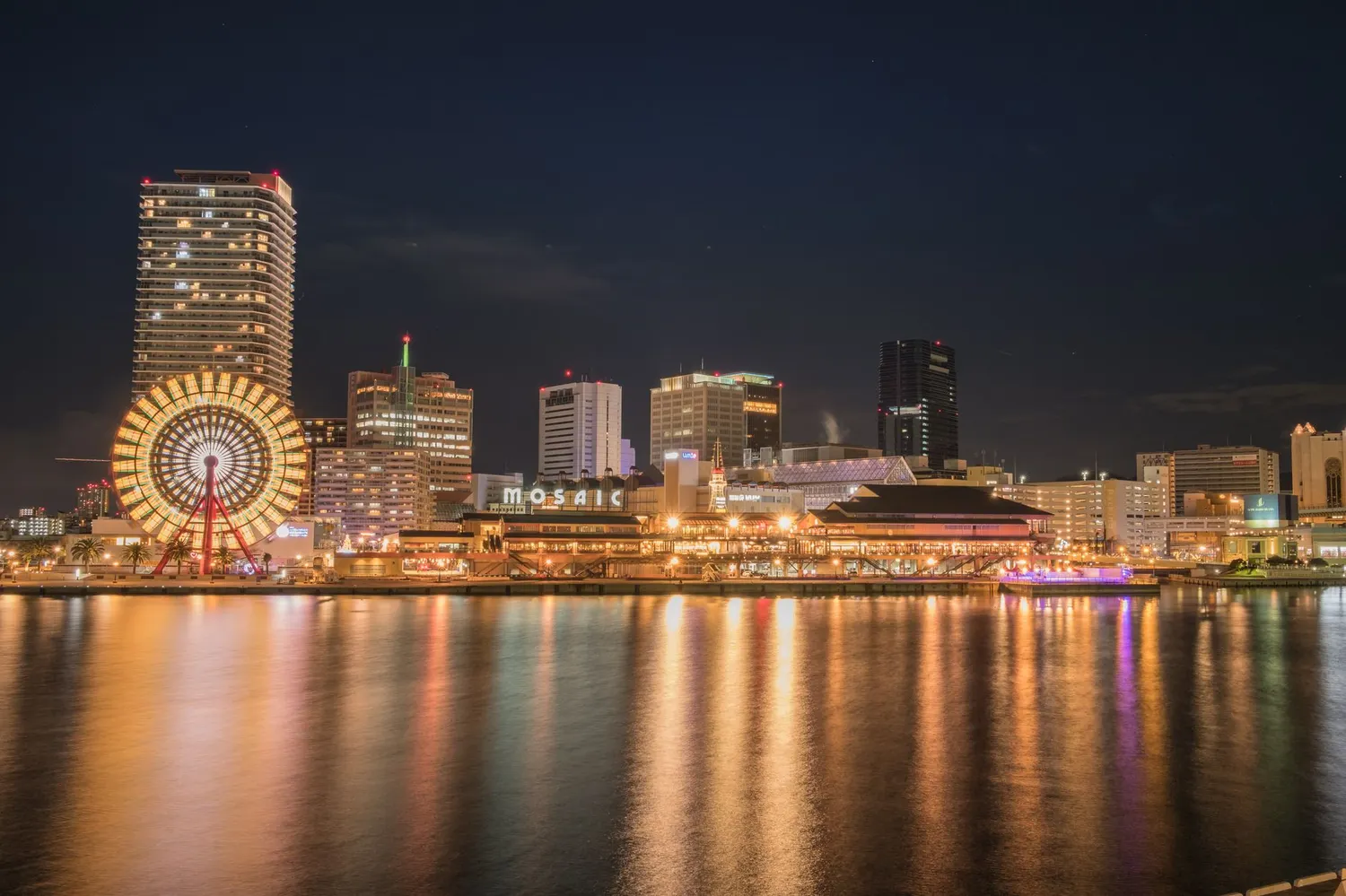
Stay in Yokohama. The hotels are cheaper than Tokyo’s, Yokohama charges no lodging tax at all, Minato Mirai at night is one of Japan’s great free spectacles, and on embarkation morning your luggage travels ten minutes, not ninety. Tokyo is still yours: 30 minutes by trains that run every few minutes. Sleeping in Tokyo “to see Tokyo” while sailing from Yokohama is paying more to add a logistics problem.
(TICT/Odaiba departures are the exception — stay Tokyo bay-side. Daikoku departures: Yokohama again, budget the shuttle.)
Rule three: book Japanese chains, not the brands you know
The quiet money-saver of the whole trip. Western cruisers default to the international names they recognize and pay international-brand prices. Japan’s own business-hotel chains — Dormy Inn (famous for rooftop onsen baths and free late-night noodles), Mitsui Garden, JR East’s hotel brands, Toyoko Inn — sell smaller rooms with better breakfasts, immaculate housekeeping and frequently a proper hot-spring bath, at prices that routinely undercut the global brands by wide margins in the same district. The room will be compact. After a transpacific flight, the bath wins.
Two booking notes with teeth:
- Book the hotel when you book the cruise. Passengers tracking 2027 sailings watched prices climb visibly within months; Osaka’s hotel rates jumped over 30% in its Expo year and never fully retreated. Take a refundable rate and stop watching.
- Lodging taxes now vary wildly: Yokohama ¥0 · Tokyo ¥100–200 · Osaka up to ¥500 · Kyoto up to ¥10,000 a night since March 2026. A Kyoto pre-stay is wonderful — price the tax line before you’re surprised by it.
The embarkation-morning mechanics (Yokohama edition)
From a Yokohama hotel: taxi to Osanbashi, ten minutes, done — or, with heavy luggage from the airport route, YCAT at Yokohama Station stores bags (¥1,000/day, staffed) while you wander, because Osanbashi itself has only 28 coin lockers and a ship’s worth of passengers. Drop bags per your line’s instructions, then give Chinatown the send-off lunch it deserves — the Yokohama guide has the timed version.
Arrive rested, sail happy. It is the cheapest upgrade in cruising.
Verified August 2026: lodging tax rates from municipal announcements (Yokohama none; Osaka Sep 2025 revision; Kyoto Mar 2026 revision); hotel-price dynamics from passenger reports and published Osaka ADR data. Jet-lag arithmetic: ours, and we stand by it.
Guided days at the ports in this article
Shared cars with a guide first; each page says who should skip it. Booked through Viator; there is no tour desk at the pier.
 YokohamaPrivate car · per person5.0★ · 38
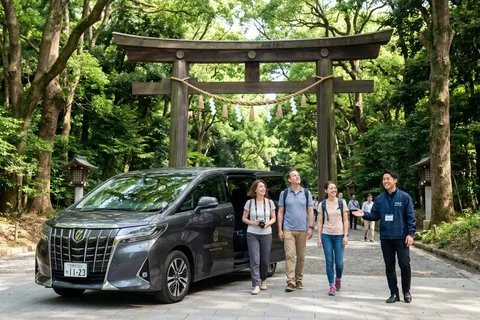
Tokyo in 1 Day from Yokohama by Car with Licensed Guide
A private car day in Tokyo with a licensed guide, choosing three or four sights from a long list, starting fro…
from US$482 per person · max 7Why it is here →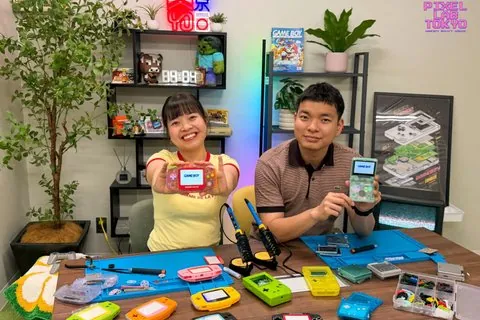 TokyoSmall group5.0★ · 202
Pixel Lab Tokyo: Gameboy Mod Workshop (Classic/Advance/SP)
A three-hour workshop building and customising your own Game Boy, Classic, Advance or SP, to take home.
from US$350 per person · max 8Why it is here →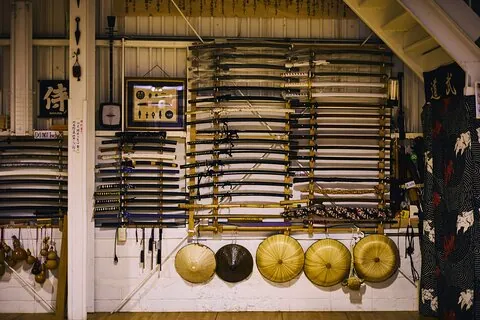 OsakaSmall group5.0★ · 598
Samurai Training Experience KENDO in Osaka
A two-hour kendo lesson in a real Osaka dojo, in armour, taught in English — the most-reviewed bookable experi…
from US$128 per person · max 12Why it is here →If you book, we may earn a small commission at no extra cost to you. It never decides what we recommend.