 Photo: 663highland / CC BY 2.5
Taketomi island
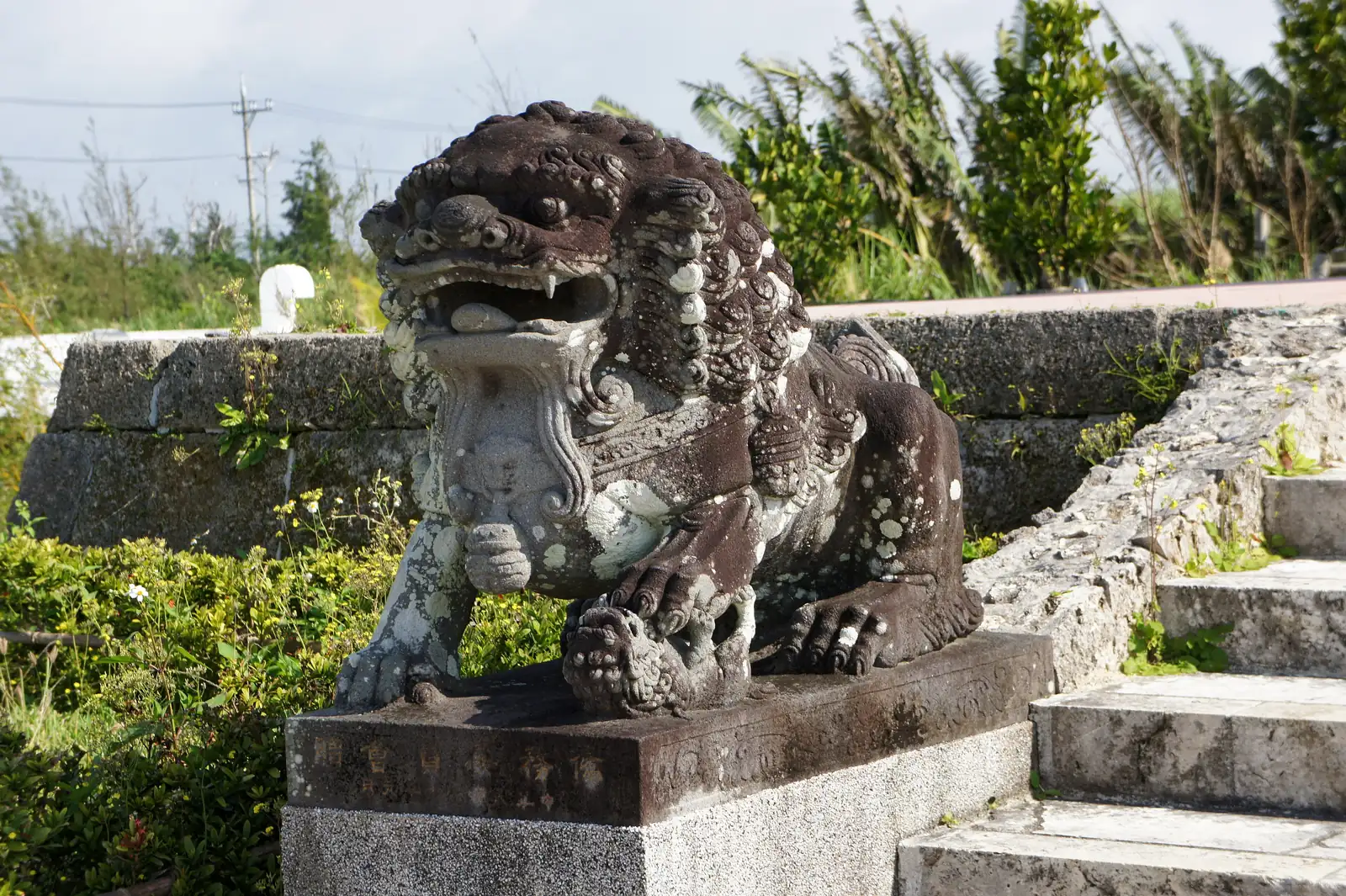
Coral walls, red-tiled roofs weighted against typhoons, shisa on every ridge, and white sand lanes that residents rake by hand every morning before visitors arrive. A preservation district where the rules are enforced by the community rather than a government office.
Ferry 10–15 minFull guide: Taketomi →Kabira Bay
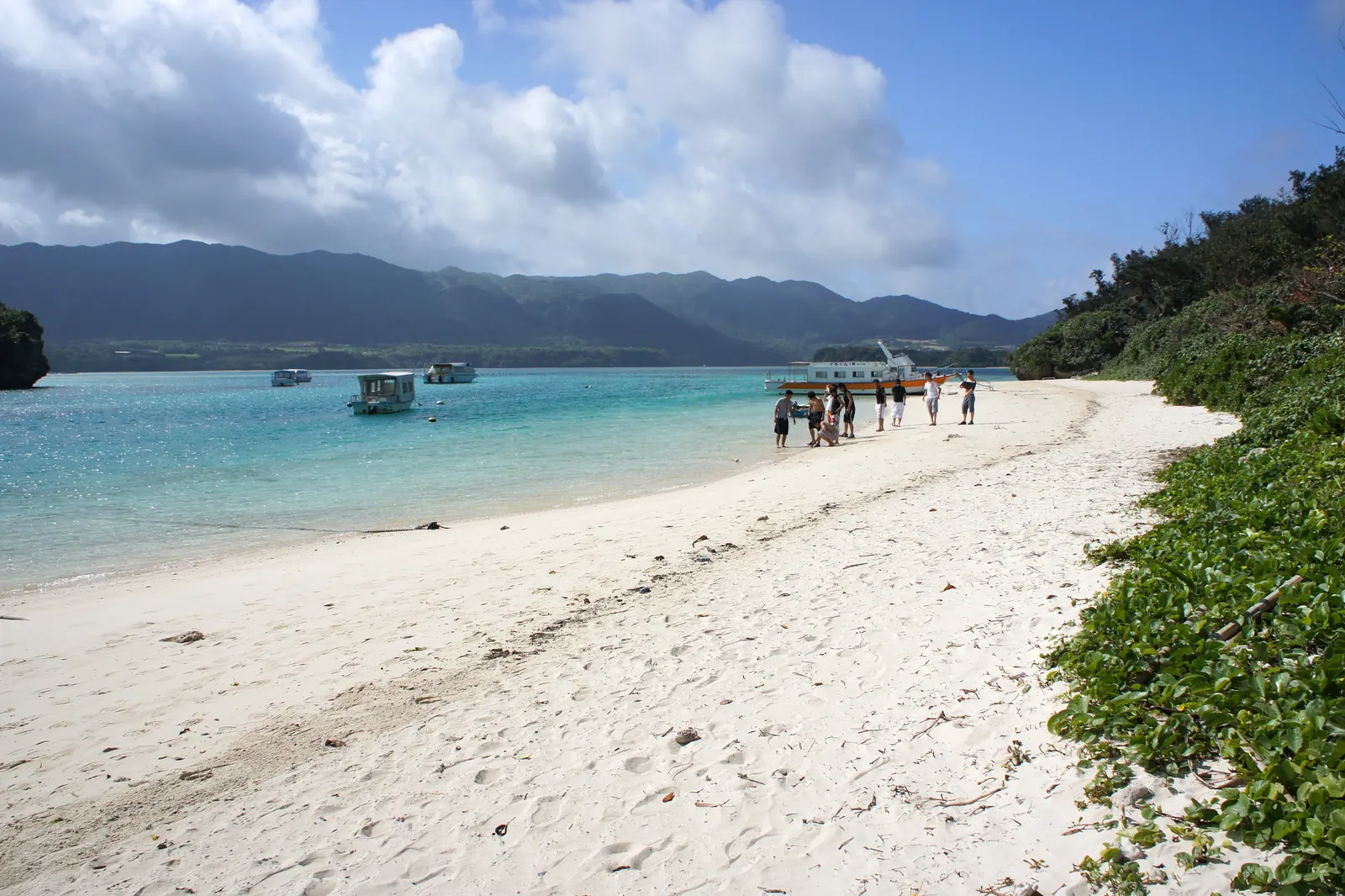
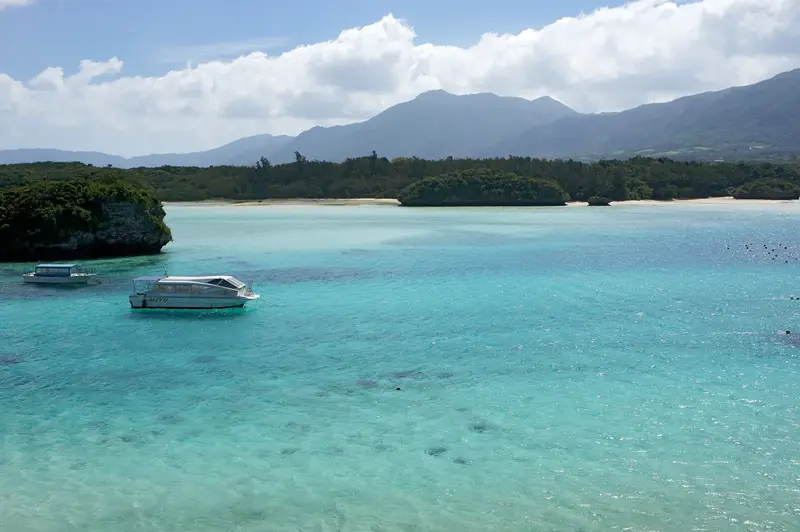
The water really is that colour — shallow, white-sand-floored and lit from below. You cannot swim: the current is serious and black pearls are farmed in the shallows. Glass-bottom boats are the intended way to see it, and they are worth the fare.
Car ~35 minFull guide: Kabira Bay →Ishigaki beef, at lunch
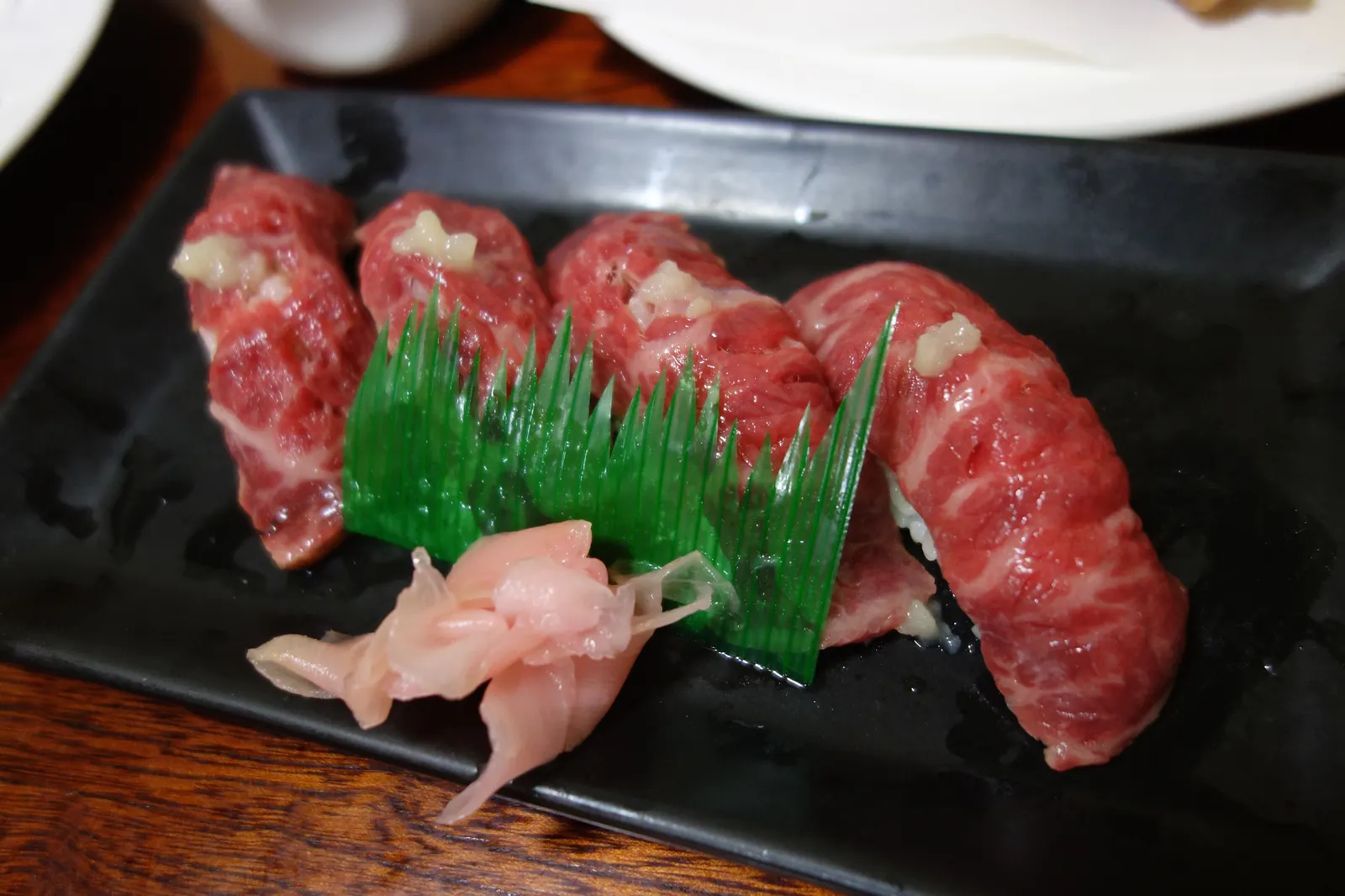
Island-raised black wagyu, grazed on subtropical grass and finished here. A lunch set costs a fraction of the dinner price for the same animal, and this is the one place in Japan where wagyu is a local product rather than an import from somewhere better known.
In townGoogle Maps →Yaeyama soba
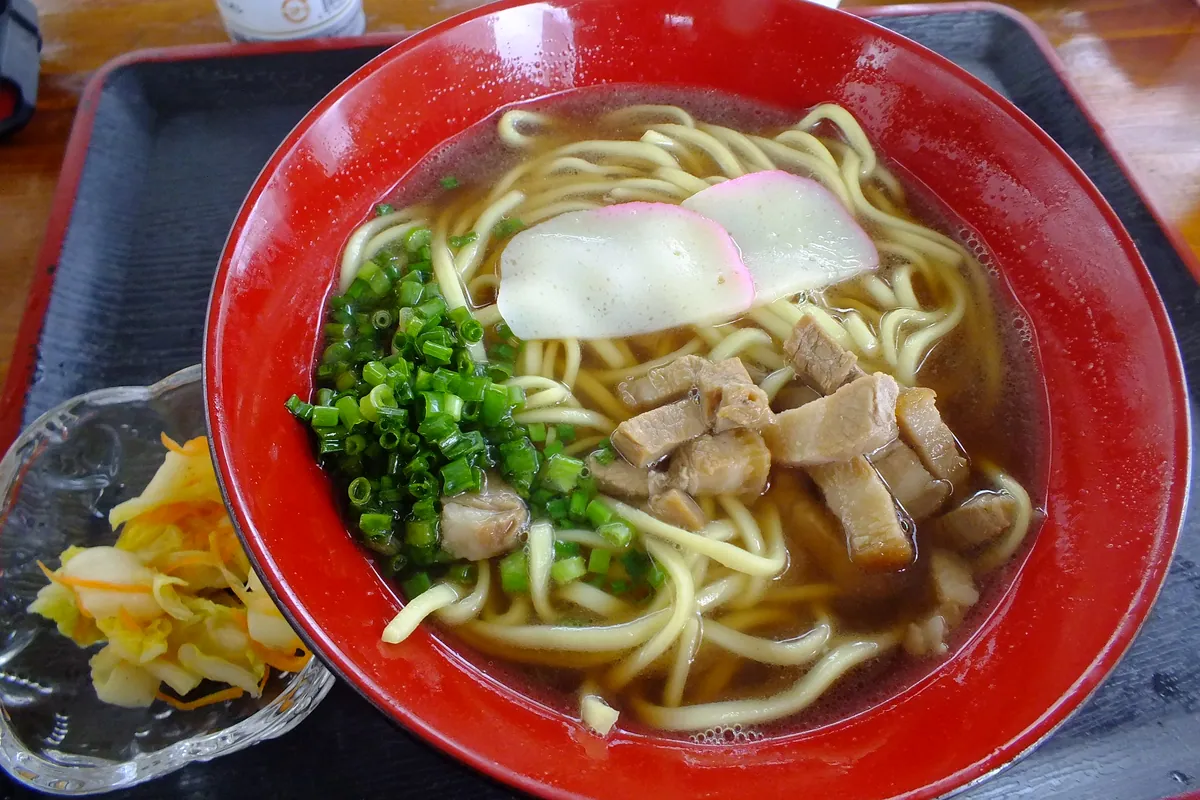
Round, thin, slightly chewy wheat noodles in a light pork-and-bonito broth, with kamaboko and diced pork belly. It is not Okinawa soba, which uses flat noodles and a heavier broth, and asking about the difference is a reliable way to start a conversation.
Shuttle to townGoogle Maps →The public market and Euglena Mall
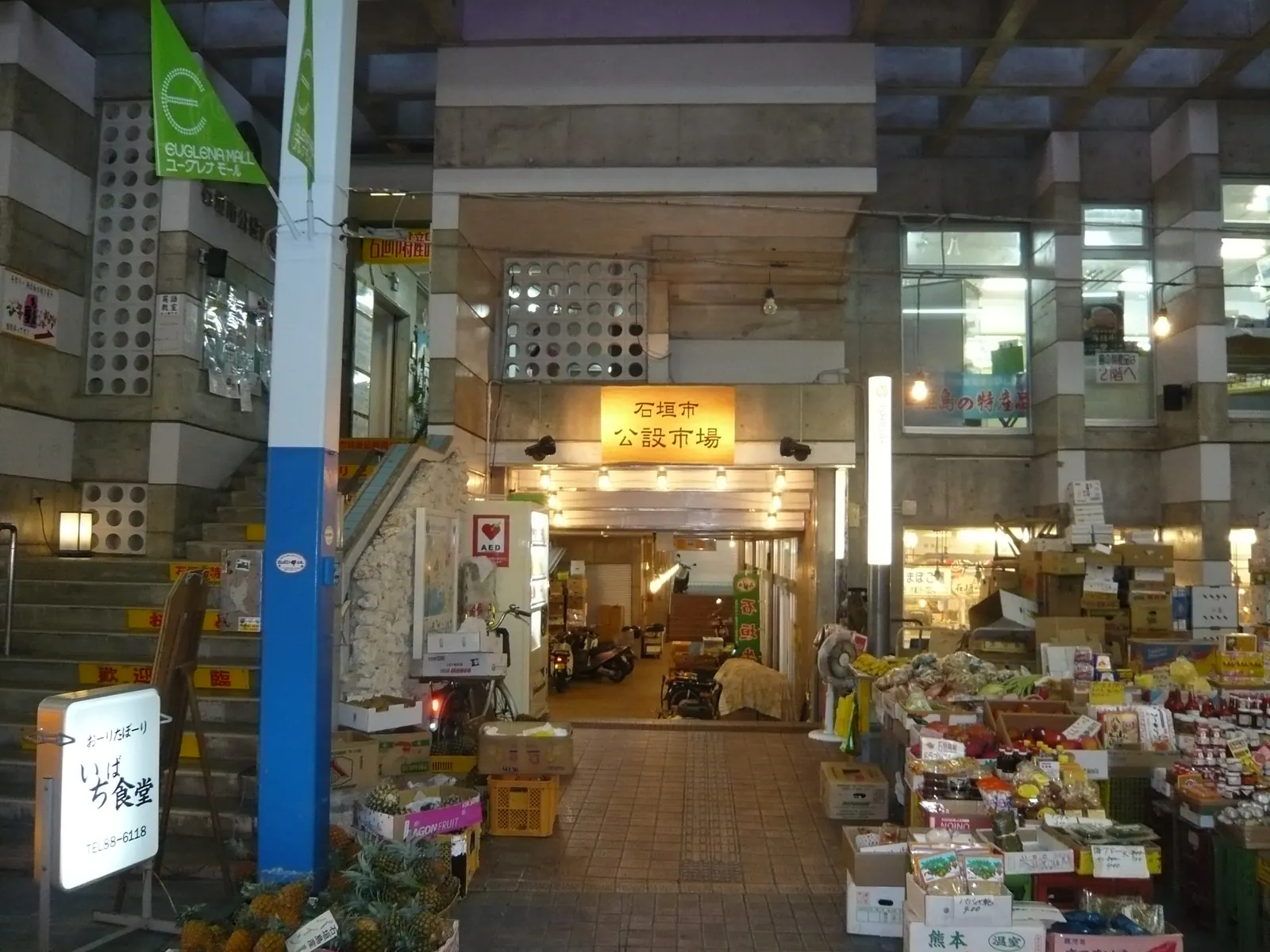
Fish in colours that look wrong downstairs, a food court above, and the whole Yaeyama larder in between — island salt, chilli oil in awamori, brown sugar, and dried bonito. Covered, which matters when subtropical rain arrives.
Shuttle to townFull guide: The town →Minsah weaving
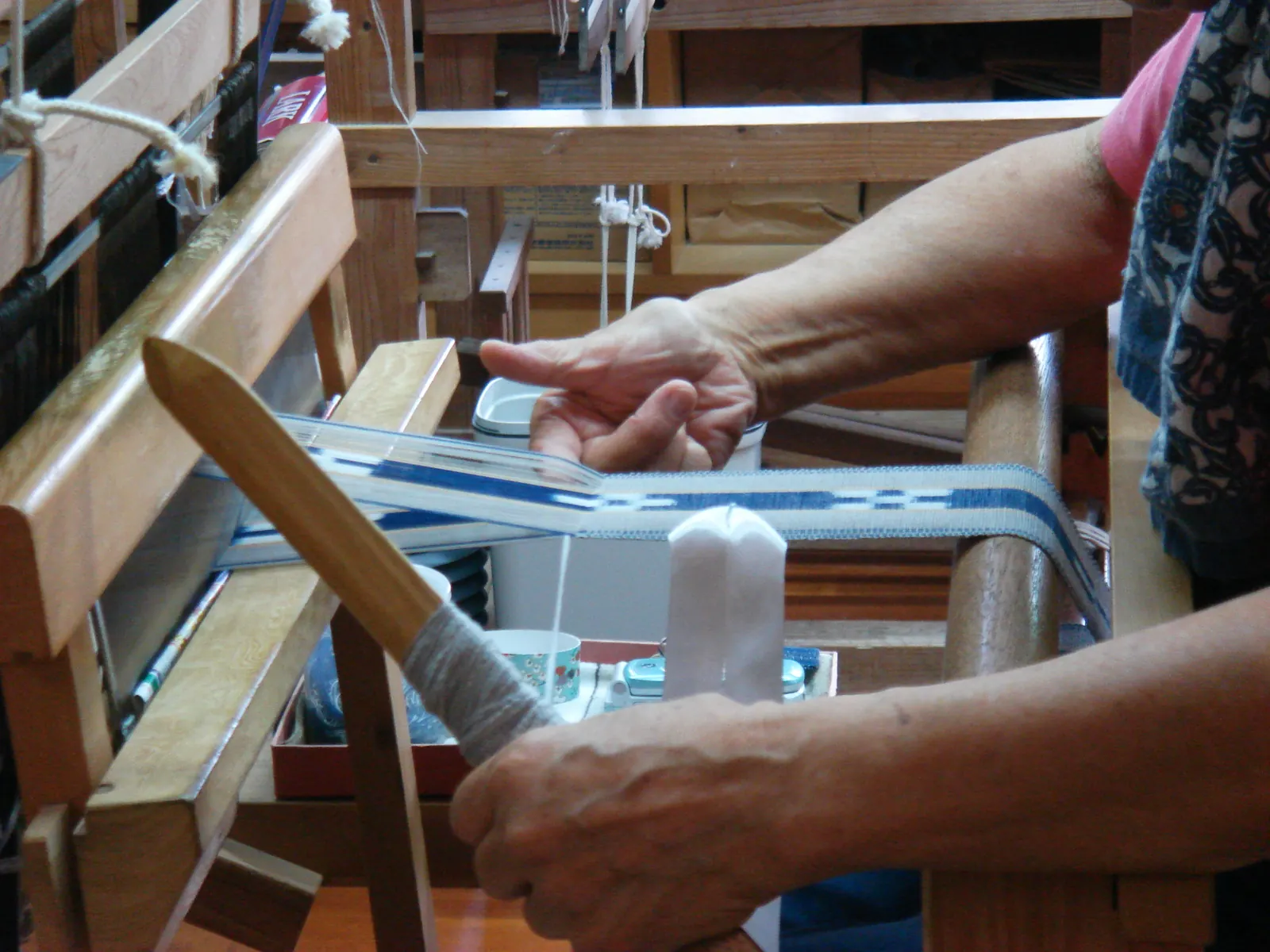
A belt woven in a repeating five-and-four square pattern, traditionally given by a woman to a man. The numbers are a pun: itsu no yo made mo — "for all time." Nowhere else in Japan makes it, and a small woven piece packs flat.
In townGoogle Maps →Miyara Dunchi
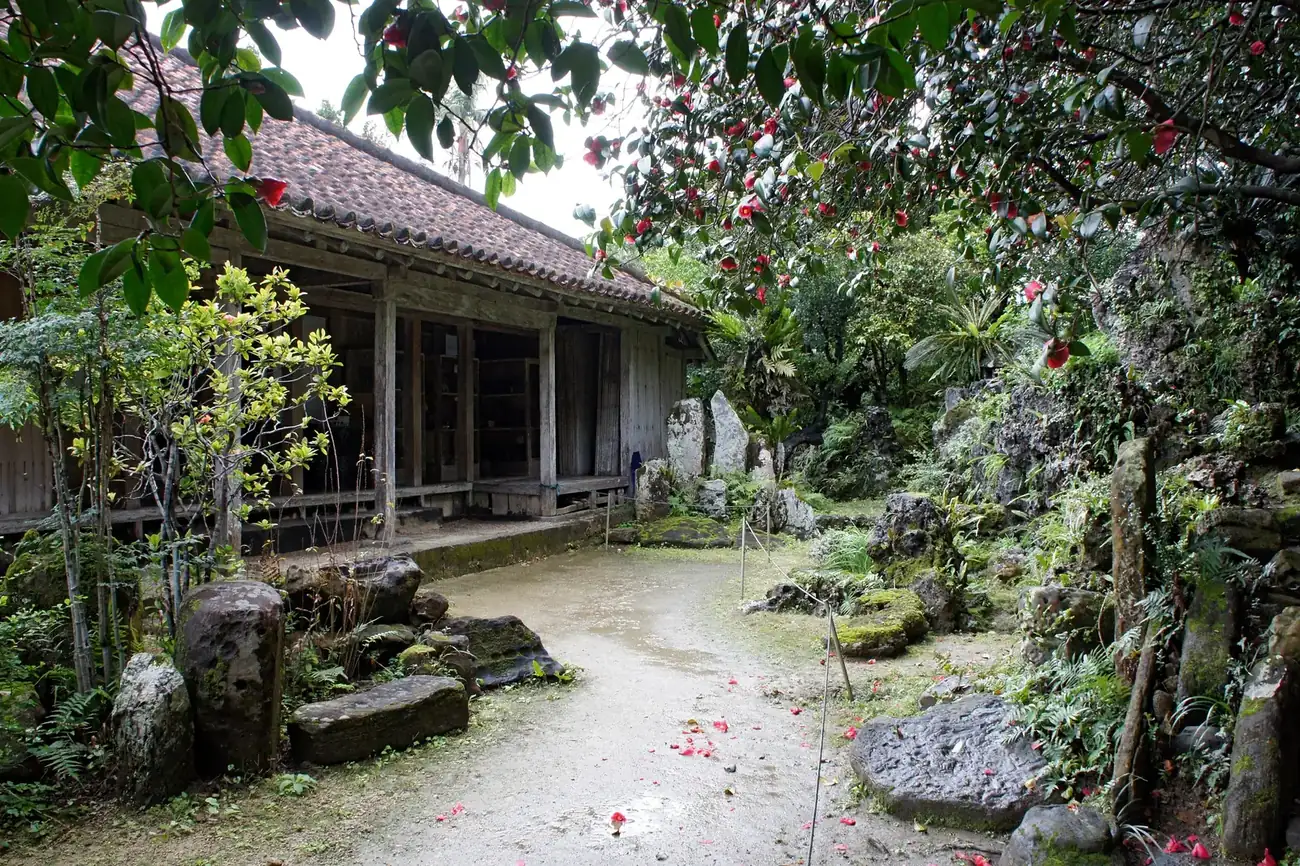
Built in 1819 and the only surviving Ryukyuan aristocratic residence in the Yaeyamas. It was ordered altered at the time because a provincial official was not permitted a house in the capital’s style — and the garden of coral rock behind it is the real reason to go in.
Hirakubozaki, the northern cape
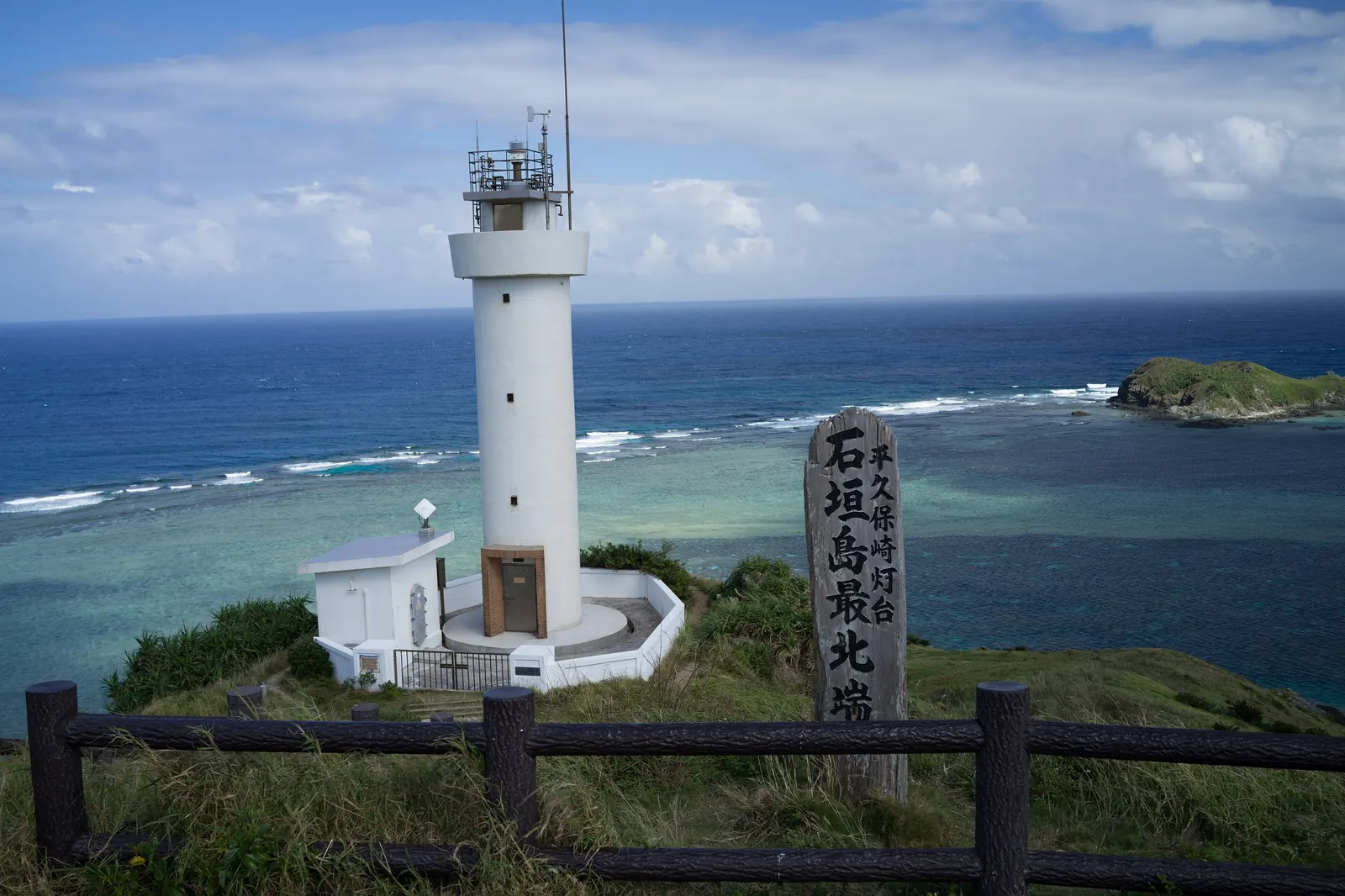
A white lighthouse on a grass headland with water on three sides and cattle grazing up to the fence. An hour each way, so it only works on a long call — and on a clear day it is the best view in the Yaeyamas.
Car ~1hGoogle Maps →Tojinbaka, and a very strange history
In 1852, Chinese labourers being shipped to California revolted aboard an American vessel that then wrecked here. Islanders sheltered the survivors; British and American ships hunted them. The memorial is loud, ornate, and almost nobody visits it.
Snorkelling on the reef
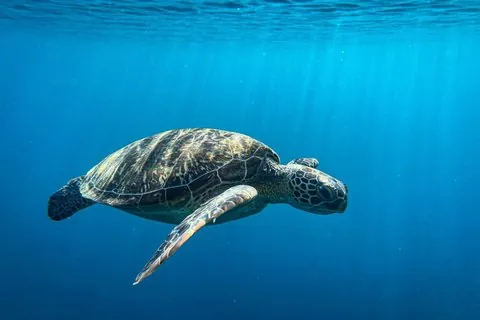
The reef here is genuinely good and the operators are licensed and used to nervous first-timers. If you have ever wanted to try it in warm, clear, shallow water with someone holding the rope, this is the port for it.