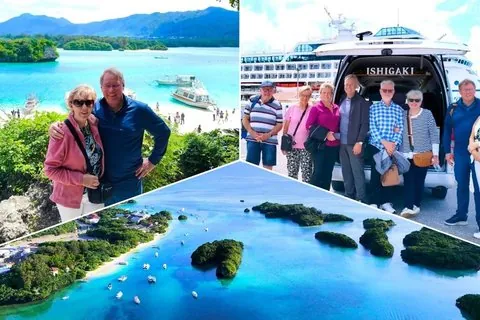
Pick your hours and you get a finished day — every step timed from the gangway and back, and each route says how much room it leaves you before all-aboard. Swap anything you don't fancy.
Round trips are measured from the gangway and include getting back. Two stops in the same direction overlap, so a real day usually comes in under the total you see, never over it.
① Ship shuttle to the Euglena ferry terminal, ~10 min — some lines run one free; a paid shuttle runs irregularly when they don’t (not every call); otherwise taxi
No public bus serves the cruise quay — the operator’s full route list confirms it. Walking is possible but the city’s own figure is 40–50 minutes.
The one rule: be back on board 60 minutes before all-aboard — every day above already banks it.Phones auto-switch to local time, but all-aboard runs on ship time. Check the daily programme's clock, not your lock screen.More to pick from on the Ishigaki guide and theTop 10.
MY SHIP DAY — fill this in before you walk off
Ship
Date
Docked at (berth)
All-aboard (SHIP time)
My deadline = all-aboard − 60 min
Last shuttle back
Phones auto-switch to local time; all-aboard runs on ship time. Write both if they differ.
GETTING AROUND — the facts that don't change by day (today's times: ship's program or Google Maps)
Town & the island ferry terminal: ① Ship shuttle to the Euglena ferry terminal, ~10 min — some lines run one free; a paid shuttle runs irregularly when they don’t (not every call); otherwise taxi
SHOW THIS TO A TAXI DRIVER — 運転手さんへ
Please take me back to the cruise ship (Ishigaki port)
クルーズ船乗り場までお願いします
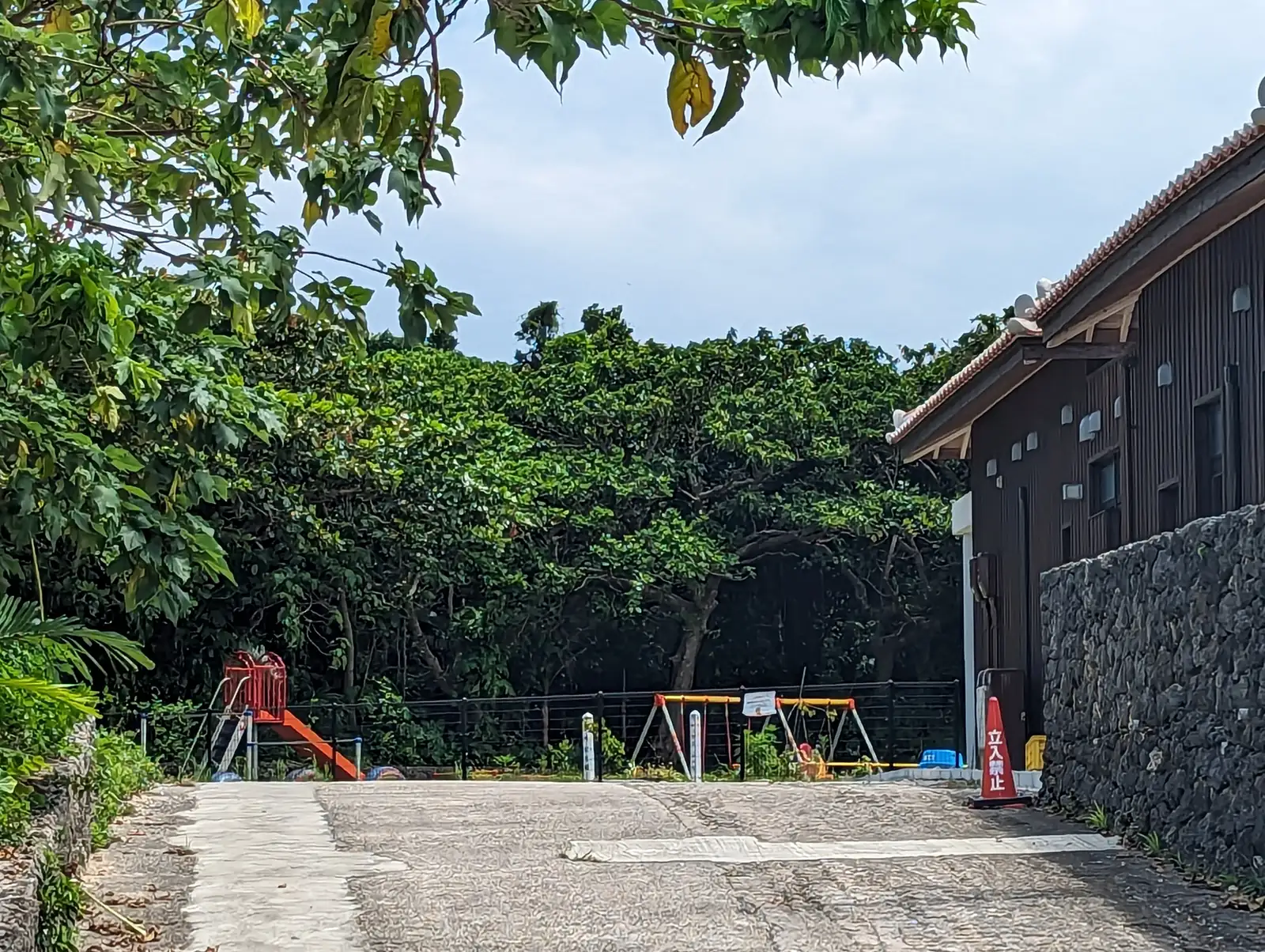
Taketomi island
竹富島
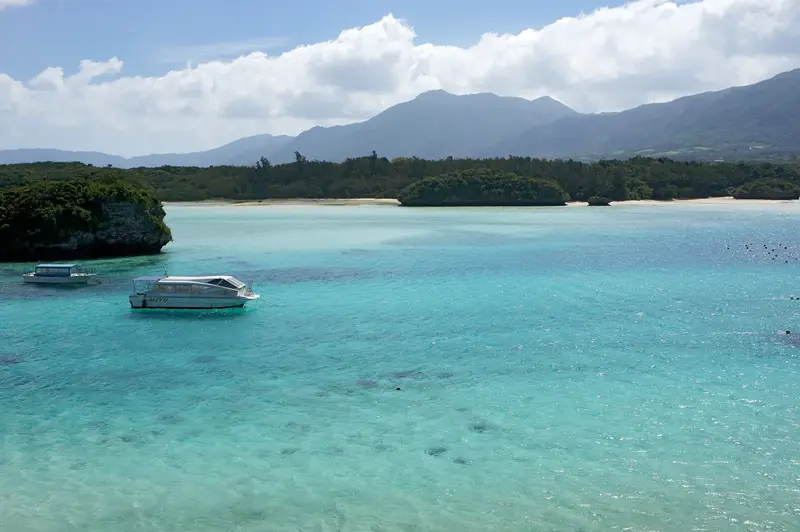
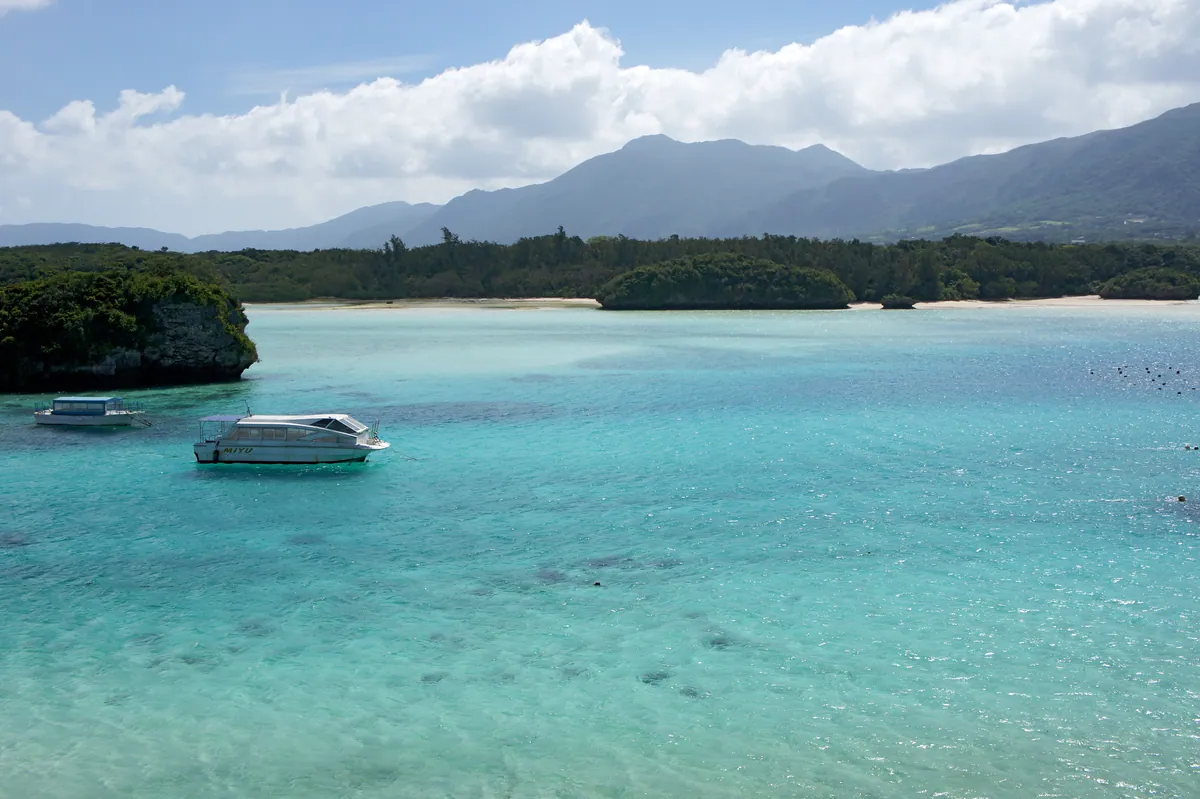
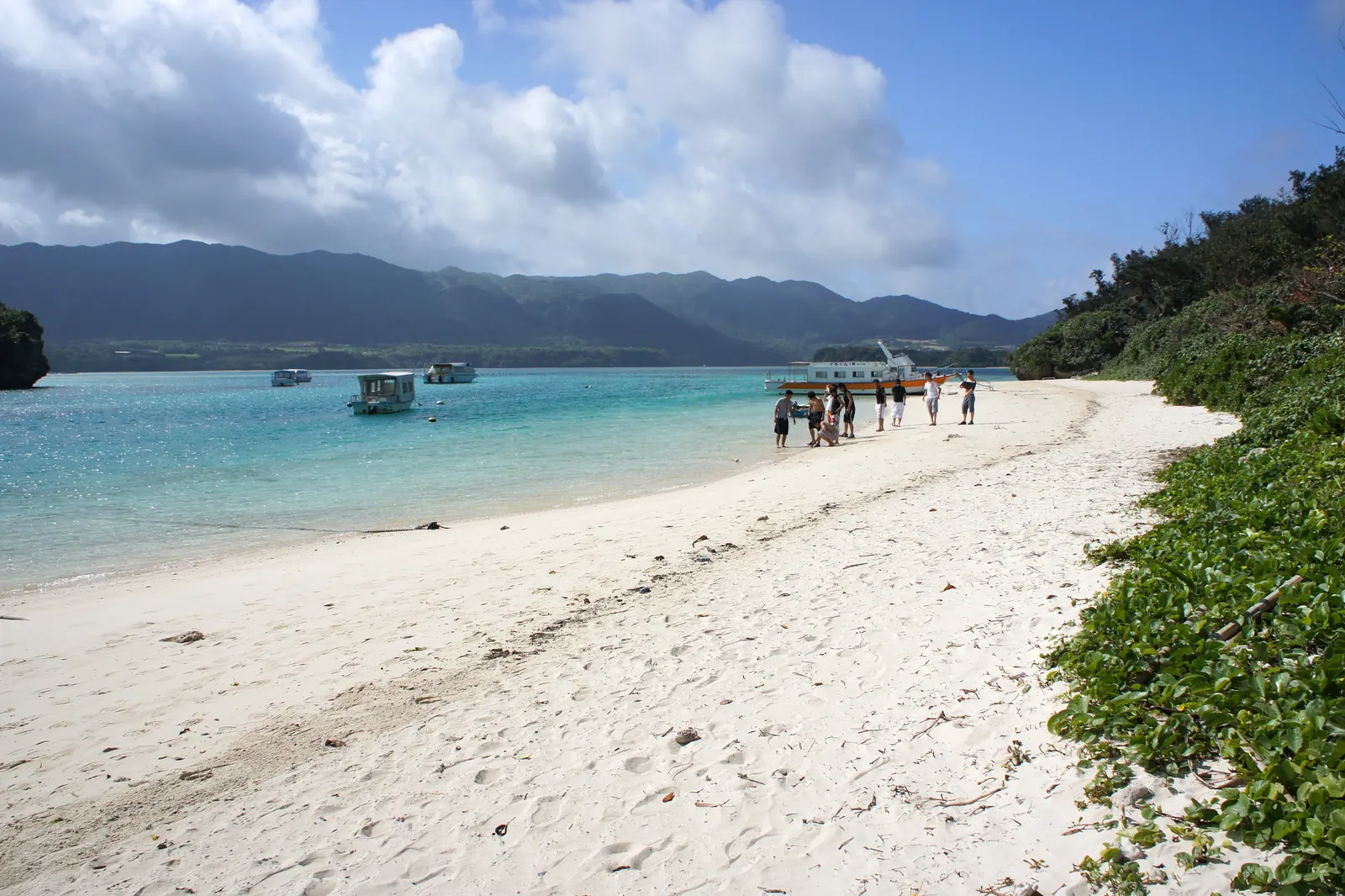
Kabira Bay
川平湾
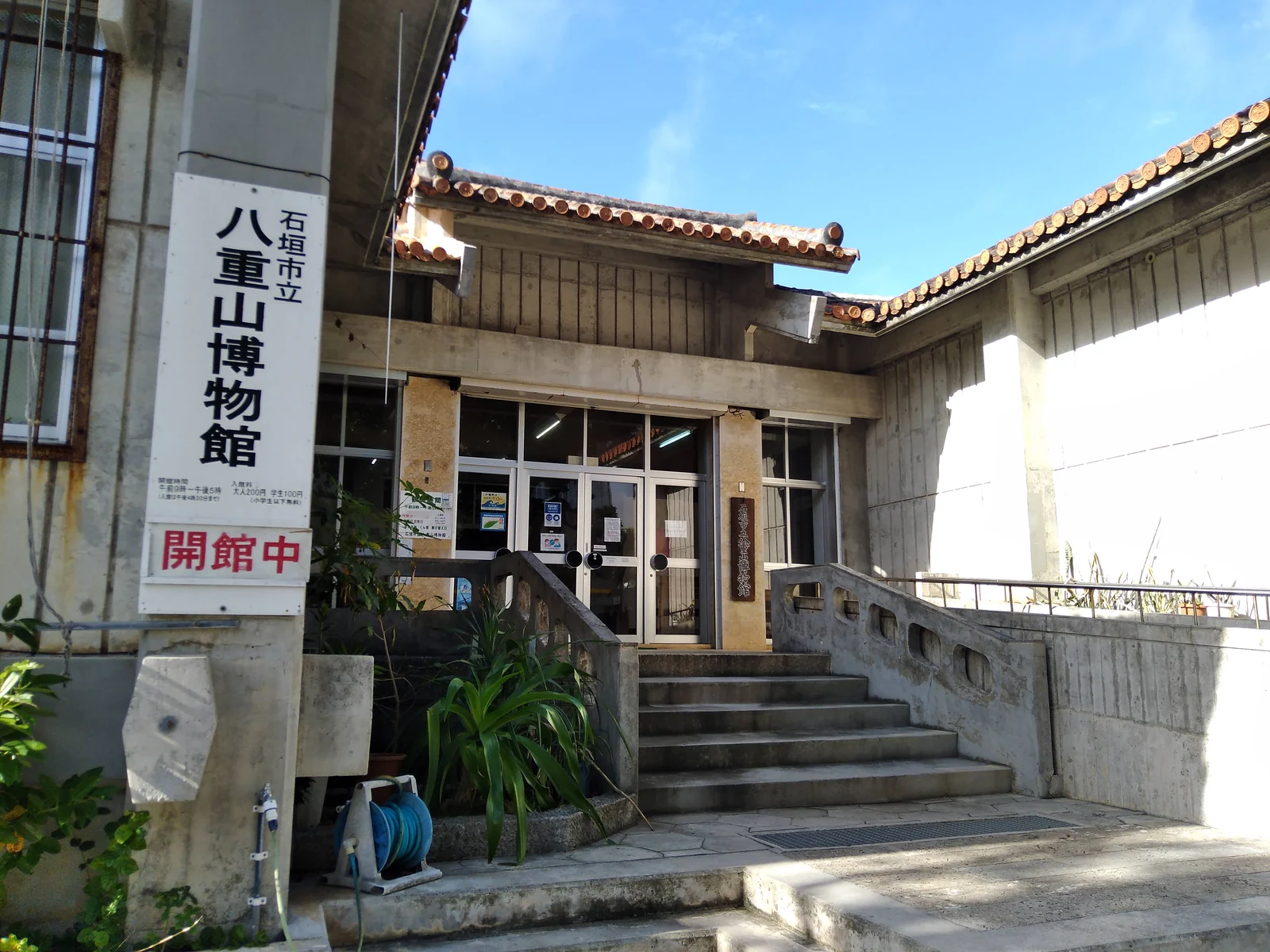
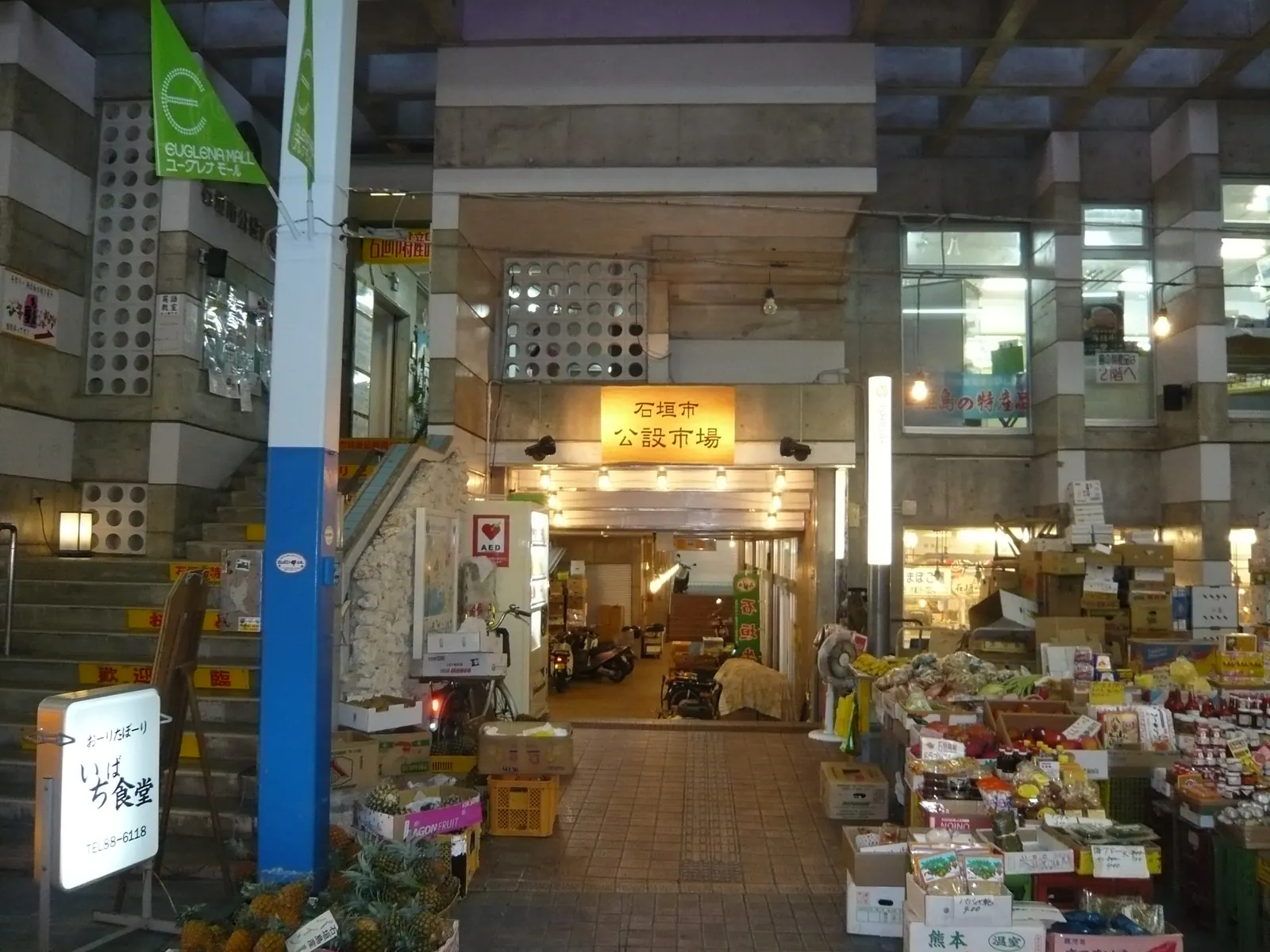
The public market and Euglena Mall
石垣市公設市場
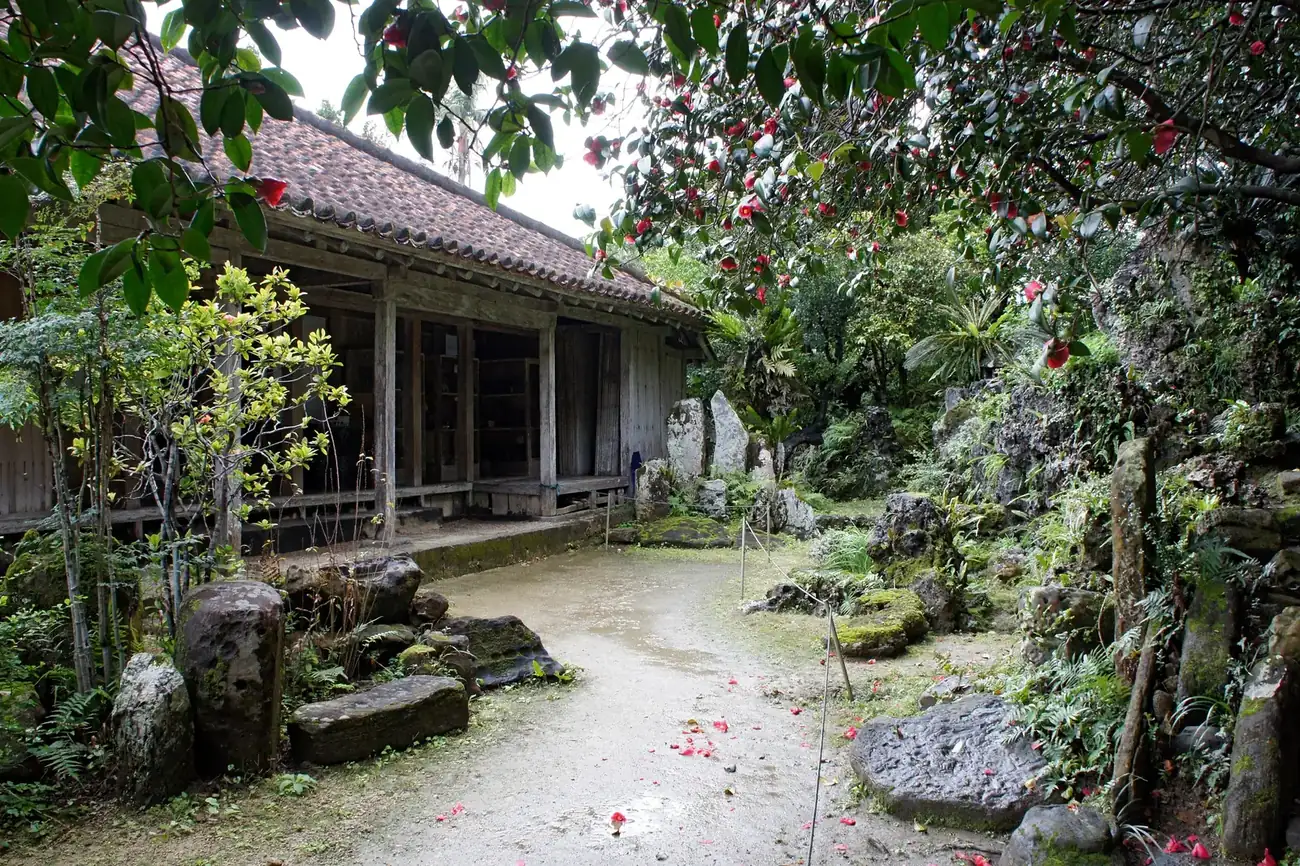
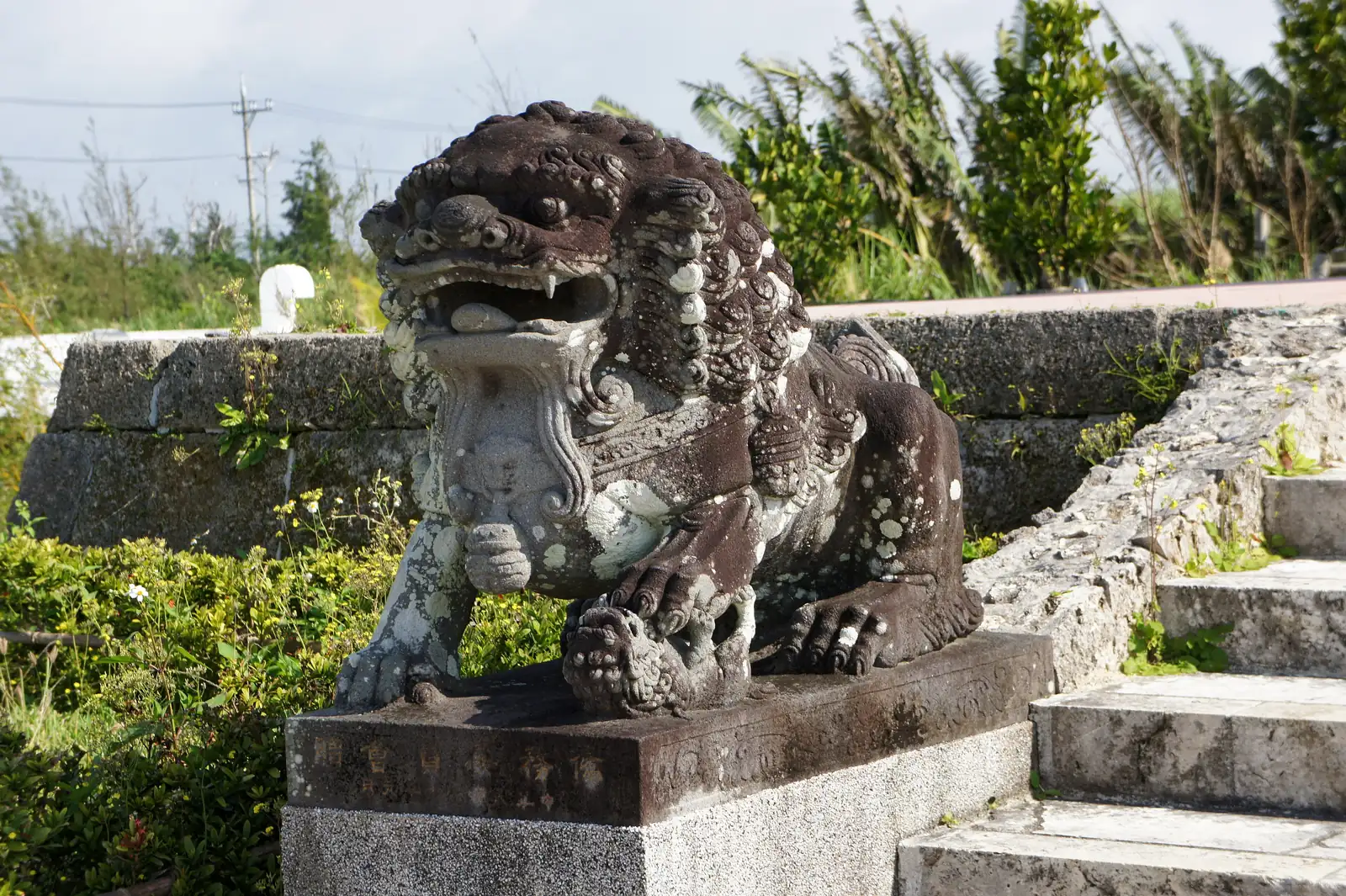
Miyara Dunchi
宮良殿内
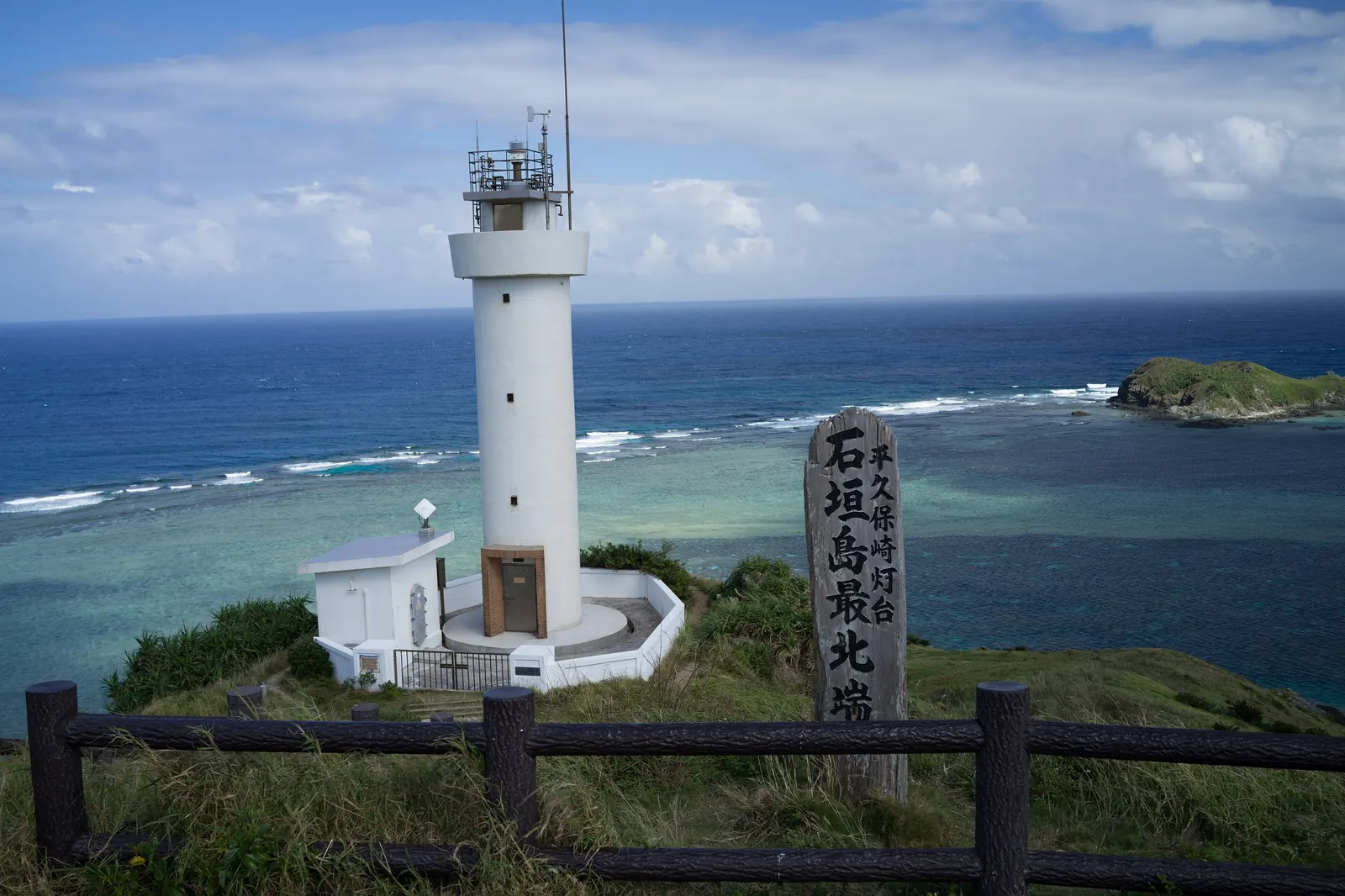
Hirakubozaki, the northern cape
平久保崎灯台
Point at a line. Taxis are metered and honest; tipping is not expected in Japan.
THE TWO-MINUTE PORT TALK — read aloud at breakfast
Yaeyama. Ishigaki is in Okinawa Prefecture and is not Okinawan. The Yaeyama islands are further from Naha than Tokyo is from Osaka, closer to Taipei than to their own prefectural capital, and they have their own languages, weaves, songs and a long memory of being taxed by people who lived somewhere else.
The Meiwa tsunami. On the morning of 4 April 1771, an earthquake off the Yaeyamas sent a wave into these islands that killed roughly twelve thousand people — about a third of everyone alive here. Boulders the size of houses are still sitting inland where the water put them.
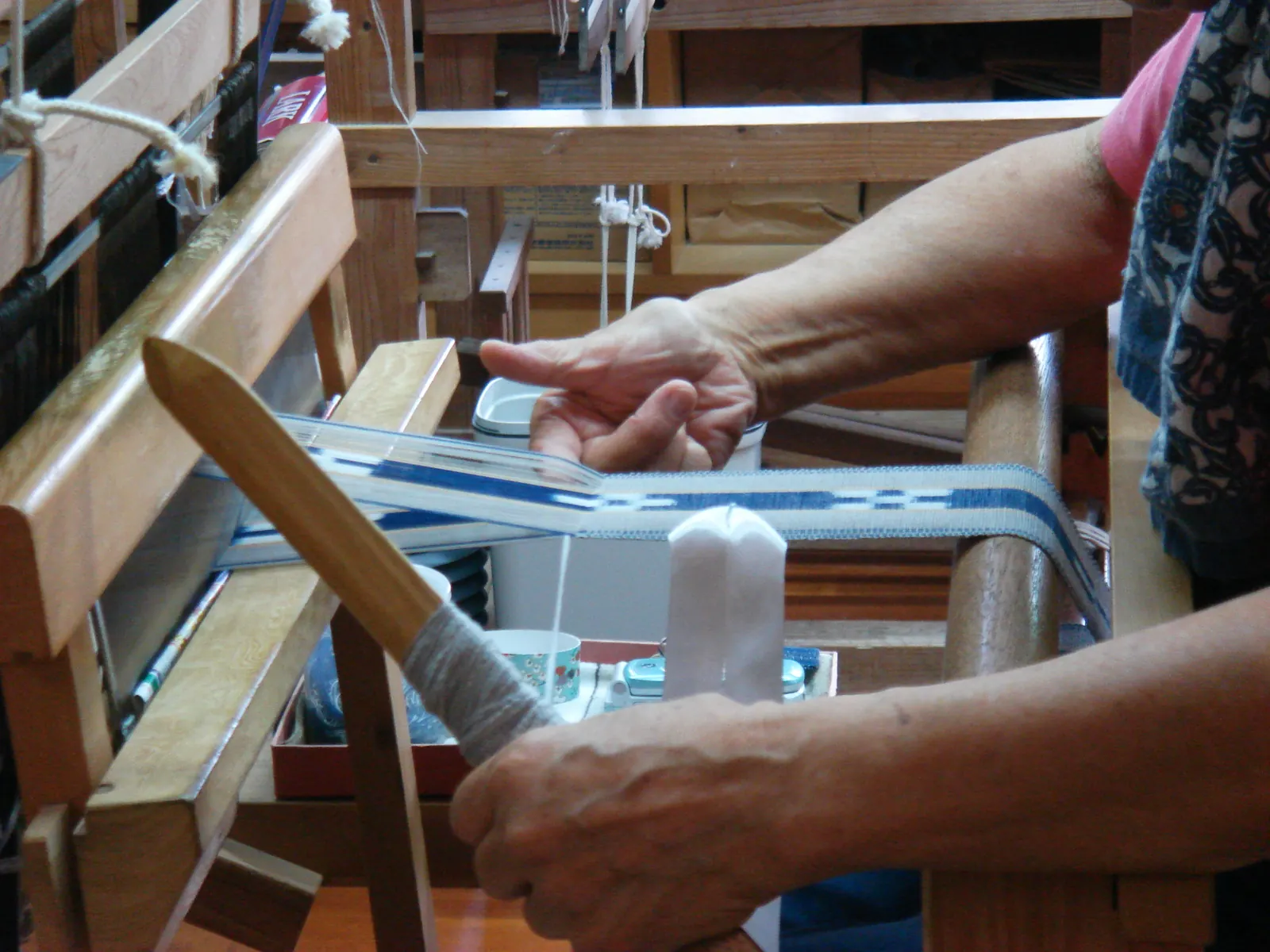
Five and four. A minsah belt carries two blocks of squares — one of five, one of four — repeated down its length. The numbers are a pun in the local language: itsu no yo made mo, "for all time." A woman wove one and gave it to a man, and the belt said what she was not going to say out loud.
The rules of Taketomi. In the 1970s outside developers began buying land on Taketomi. The islanders responded with a written charter: do not sell, do not soil, do not destroy, do not damage, and make use of what is here. Fifty years later the village looks the way it does because of that document.
The one rule: be back on board 60 minutes before all-aboard — every plan above already banks it. · Free guide: port-of-japan.com/ishigaki/ · By Takumi Yamada, Tokyo, Japan