Why Ishigaki is worth getting off the ship for
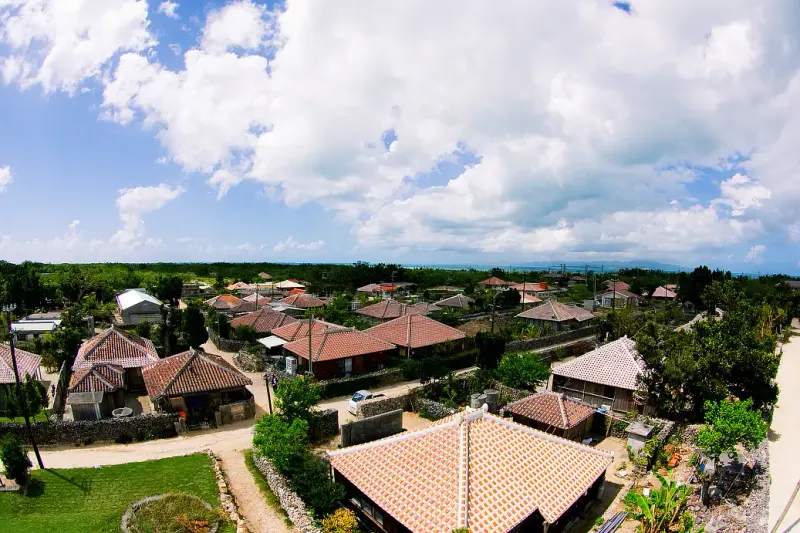
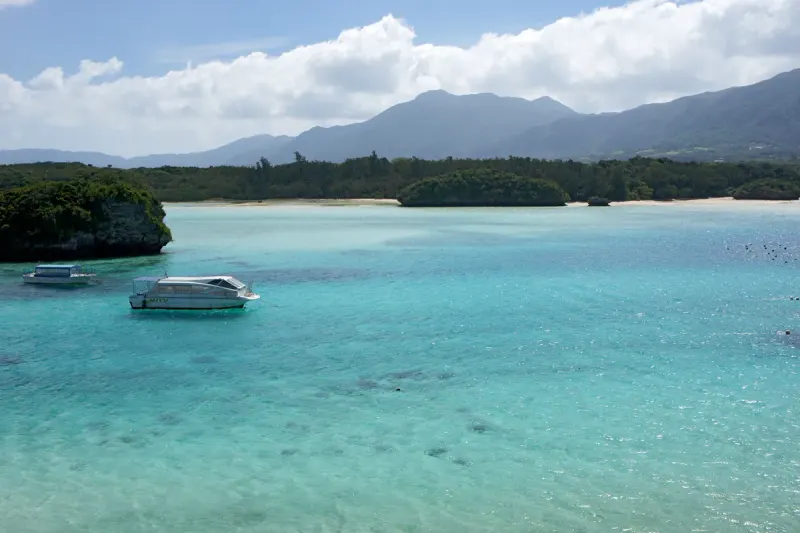
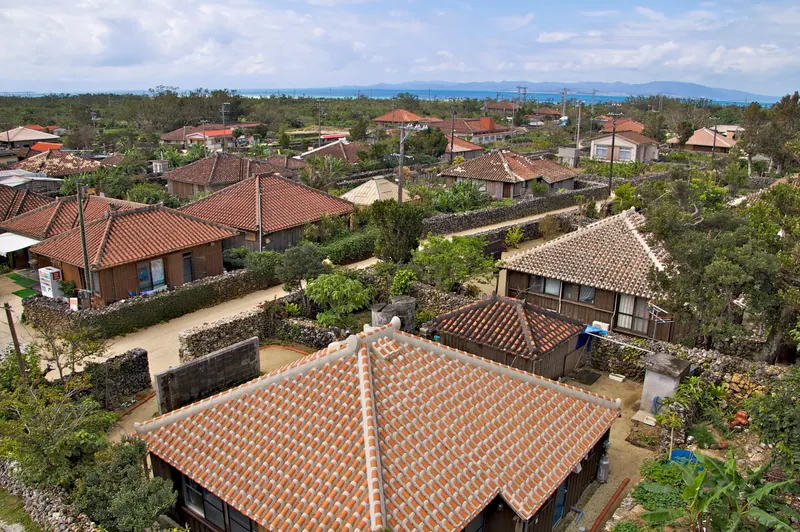
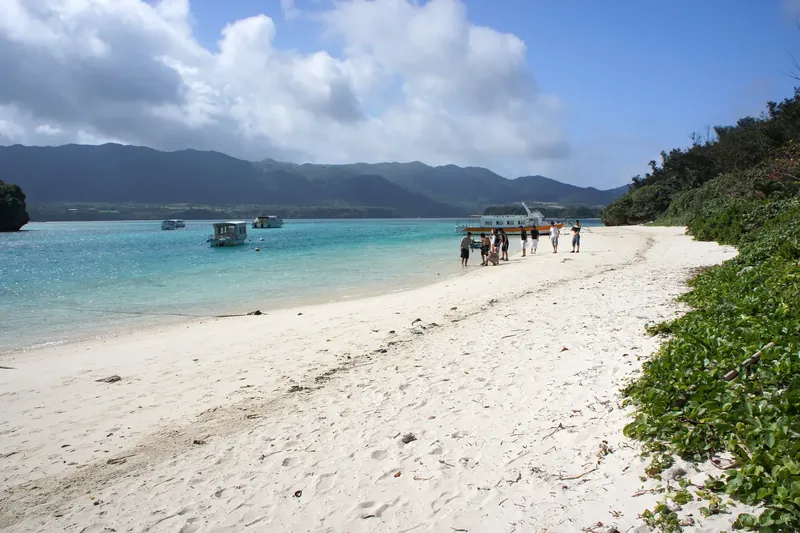
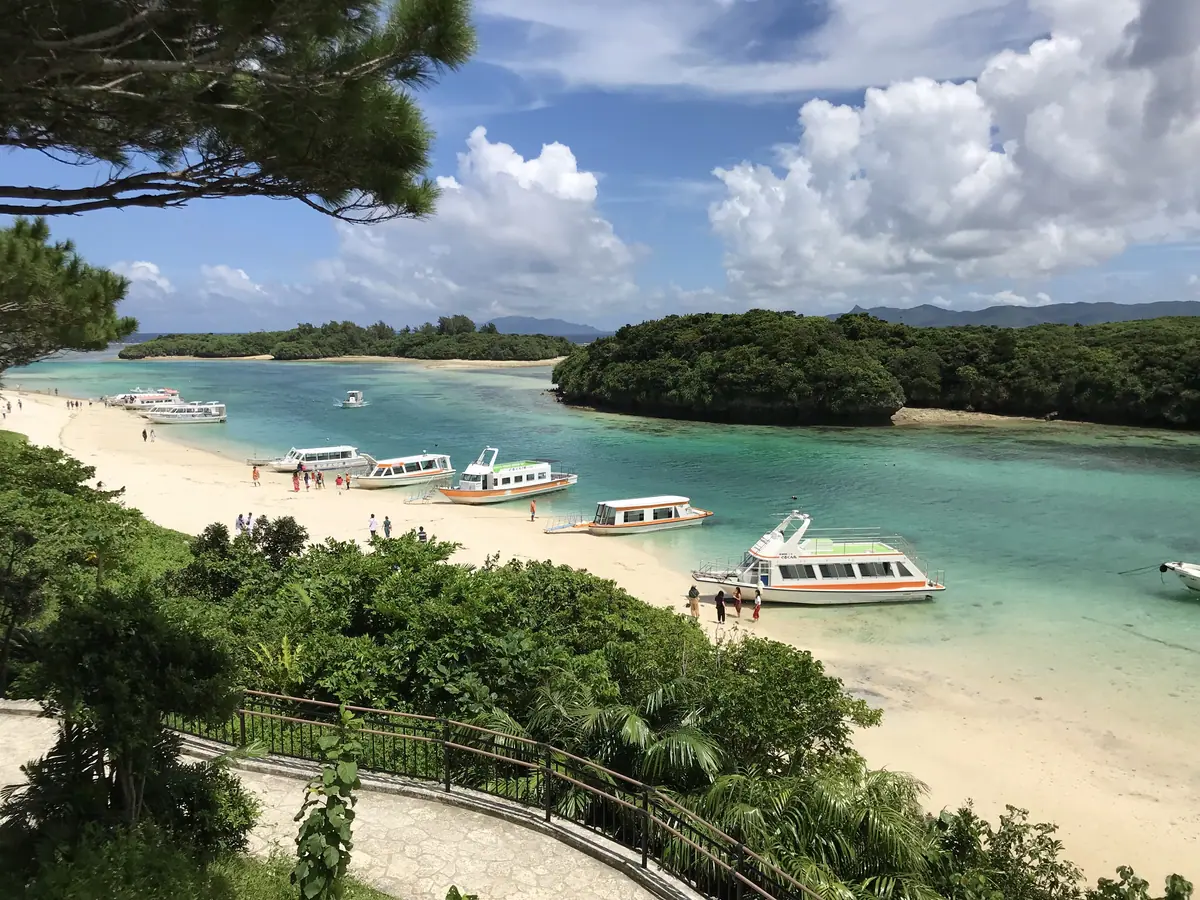
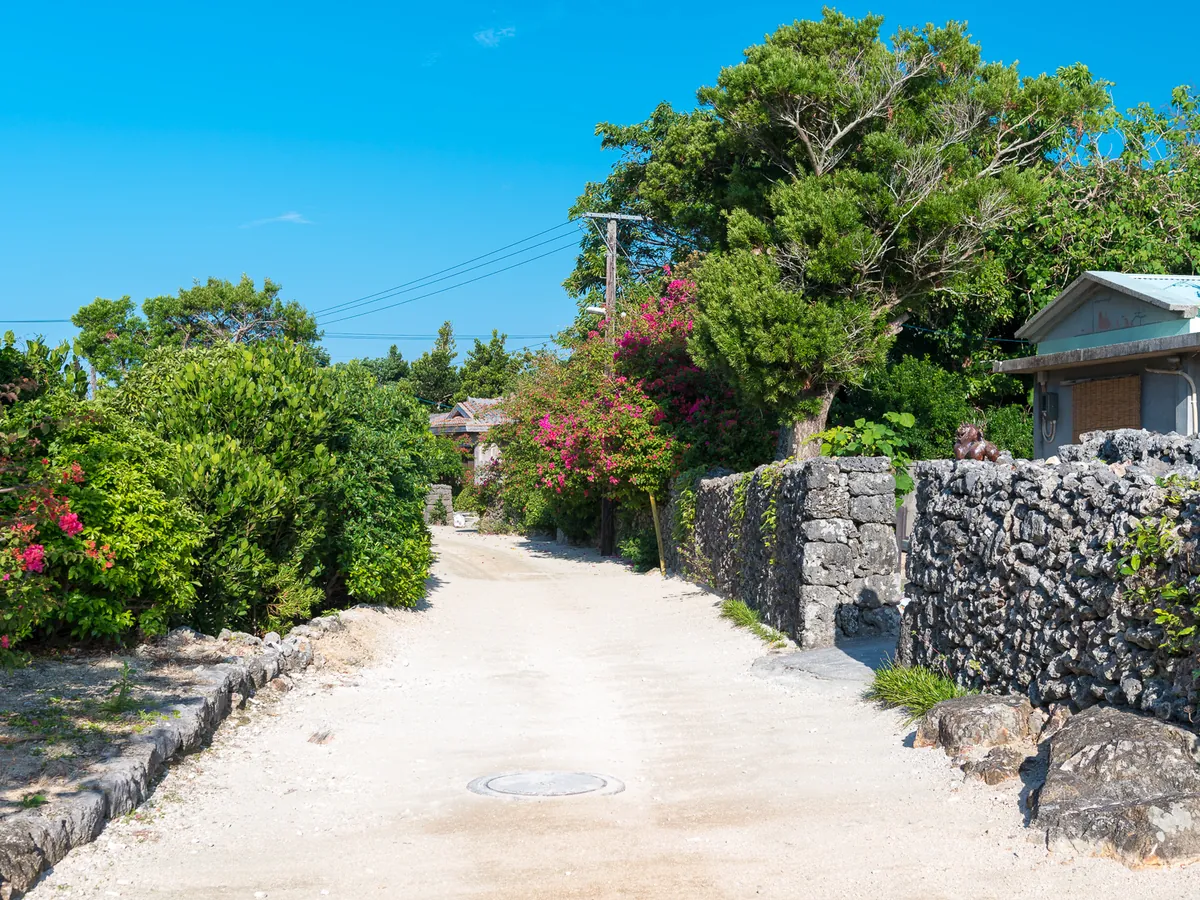
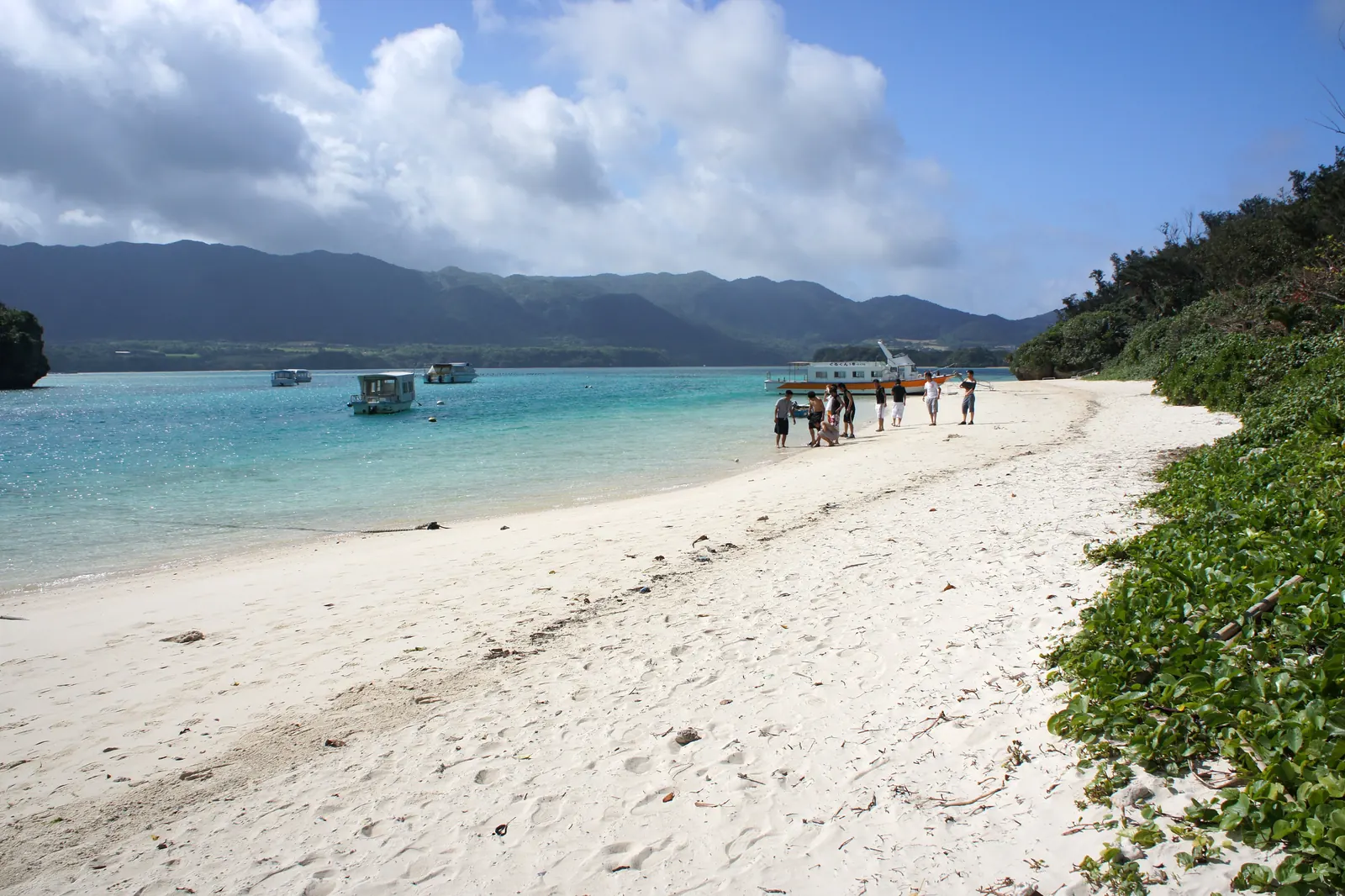
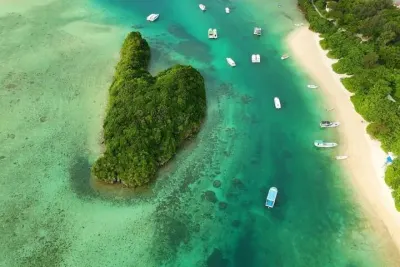
Ishigaki is the port for water and villages rather than temples and castles. Two things bring people here. Kabira Bay is the turquoise-over-white-sand view that sells the island, farmed for black pearls and seen from a glass-bottom boat. Taketomi, ten to fifteen minutes offshore by ferry, is a whole village kept as it was: coral-stone walls, red-tiled roofs, lanes of white sand, and water buffalo pulling carts at a walking pace.
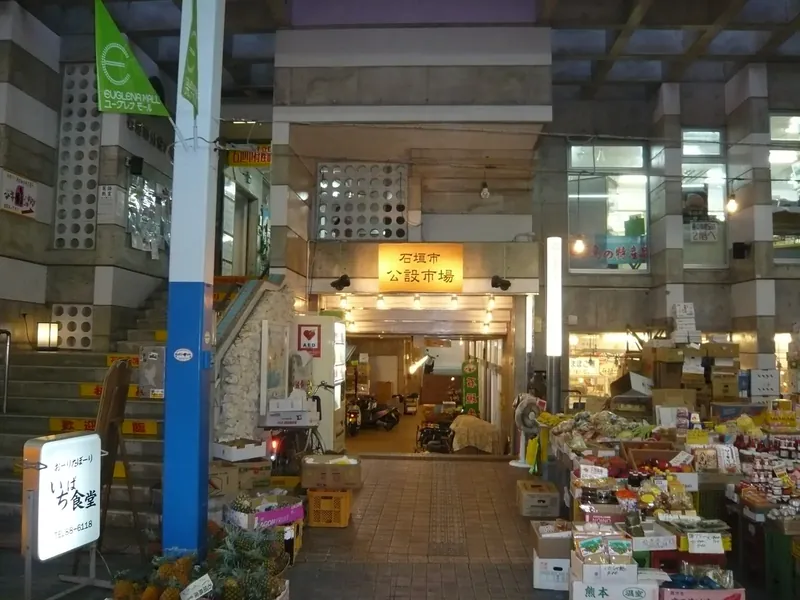
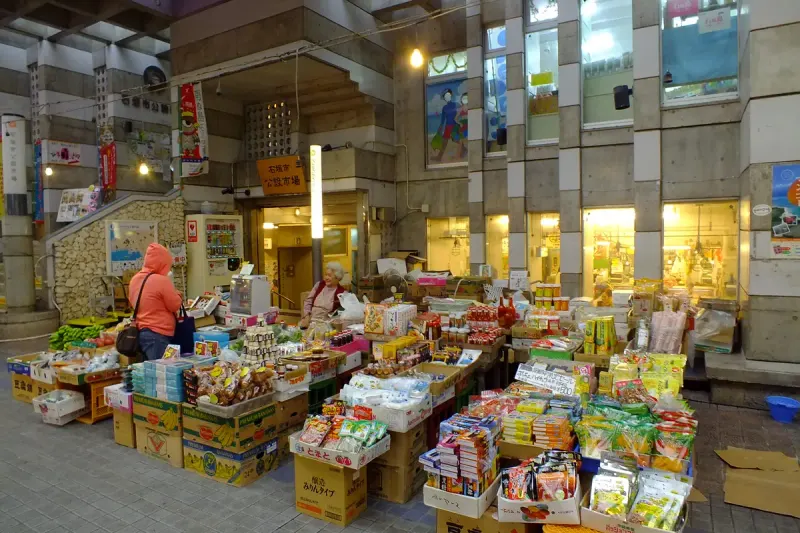
Between them sits the town — the public market, the covered Euglena Mall, Yaeyama soba and lunch-priced Ishigaki beef — a few hundred metres from the ferry terminal where every day here starts.
The two signatures lie in different directions: Kabira half an hour by road, Taketomi across the water. On the commonest calls of 9 and 10 hours that is the whole question. This guide answers it from the city's port pages, the national port spec sheet, the bus and ferry timetables for October 2026 to March 2027 and the official call list, checked on 30 September 2026. Where a figure comes from a travel listing rather than the operator, or from our own map estimate, we say so.
What Ishigaki is not: a port where you step off into town. The quay is on a reclaimed island with a car park and toilets, and everything worth your day begins with a shuttle or a taxi across the bridge.
Ishigaki to Kabira Bay and Taketomi: what is actually possible
The real picture, from the October 2026 – March 2027 timetables:
- Kabira by bus works — in the morning. Azuma Route 9, the Kabira Resort Line, leaves the bus terminal at 09:45 (calling at the ferry terminal a minute later) and reaches Kabira-Koen-mae at 10:28. Route 8 leaves at 10:45 and arrives 11:23. The useful buses back leave Kabira at 12:53 (arriving 13:45), 13:37 (14:11) and 13:59 (14:45); after that the next is 17:19. The fare is ¥770 each way, or ¥1,000 for a day pass sold on board, and since March 2024 you can tap a contactless Visa, JCB or Amex card on and off. Many cruise pages say there is no practical bus to Kabira; on a call of 9 hours or more there is.
- Kabira by taxi is about 35–40 minutes and roughly ¥4,600 each way — about ¥9,200 a car for the round trip — and it frees you from the timetable. It is the only way on a 6-hour call, or on a 14:00 arrival, when the last useful outbound bus reaches the bay after the boats have stopped.
- Taketomi is easy. Two companies, Anei Kanko and Yaeyama Kanko Ferry (YKF), cross in 10–15 minutes for ¥970 one way or ¥1,880 return each. Between them there are 18 sailings out and 19 back, roughly every 30–60 minutes; the only gap is around midday (nothing from 11:30 until 12:30, then nothing until 13:30). The last boat back is 17:50 with both companies.
- Both in one day fits a call of about 10 hours — but only Kabira first. Bus out at 09:45, bus back at 12:53, ferry out at 14:30 and back at 16:20, and you reach the gangway about 16:50 on a 19:00 departure. Reverse it and the 12:55 bus out to Kabira leaves you twenty minutes at the bay.
From the gangway to Taketomi takes 40–60 minutes door to door: about 10 minutes to the ferry terminal, up to half an hour's wait for a boat, and the crossing. So the minimum realistic Taketomi visit is about three and a half hours from gangway back to gangway, with an hour and a half on the island. Kabira by taxi needs about 2½–3 hours for an hour at the bay; by bus, about four.
Taketomi: how to do it well
The village is always open; the ferries set the hours. Which company? They charge the same and both come back at 17:50. Seats on both are unreserved. YKF caps the number of tickets sold for each sailing and asks you to buy about 30 minutes before departure (boarding starts 15 minutes before); its online e-tickets are for a named sailing and cannot be changed, so on a port day the counter is the flexible choice. Anei sells discounted tickets online, and its counter at Ishigaki takes cards, transit IC cards and QR payments, while its counter on Taketomi takes cash only. A ticket from one company is not valid on the other's boats — YKF ended the shared ticket in 2020 — so come back with the company you went out with.
There is a voluntary ¥300 entry fee per person, paid at ticket machines at the Ishigaki ferry terminal or at Taketomi port; it goes to the foundation that looks after the island's natural heritage.
On the island:
- The lanes on foot. Give it two to three hours: the coral walls, the red roofs, the white sand lanes, and Kondoi beach.
- The water-buffalo cart. Travel listings put the Taketomi Kanko Center ride at about ¥3,300 (¥3,900 in March, July and August) for 20–30 minutes, with a free five-minute transfer from the port, and say the carts run from about 9:00 to about 15:30 — so on an afternoon visit, go to the cart first. The Taketomi Kanko Center says the cart is cashless only and does not take cash, so carry a card or e-money.
- Yugafu-kan, the visitor centre, takes 15–20 minutes and is the place to understand what you are walking through.
Weather matters more than crowds: both companies publish their operating status each day and say times may change with the sea. YKF will not board passengers in wet clothing — change after the beach.
Kabira Bay: what to expect
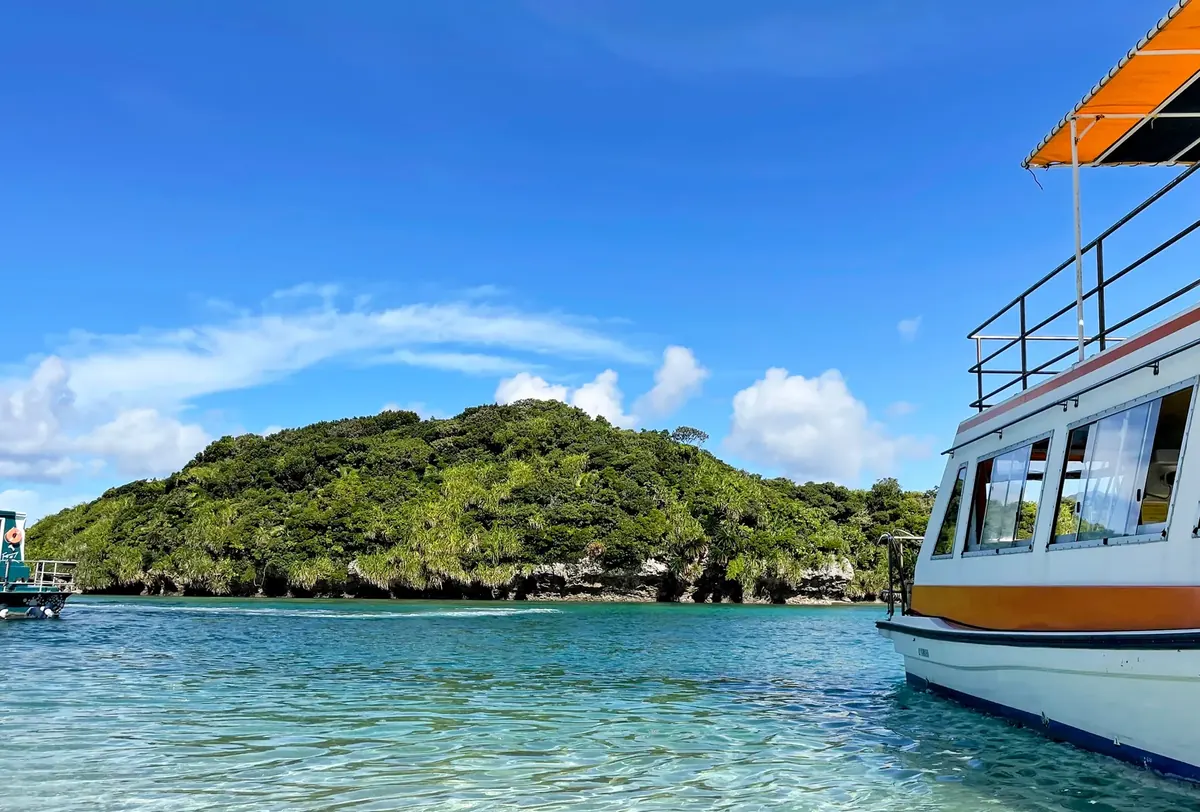
Kabira Bay is a national Place of Scenic Beauty, and it has one rule: no swimming, because the tidal currents are strong. The bay is also farmed for black pearls. The way onto the water is a glass-bottom boat, which leave about every 15 minutes from 9:00, last boat 17:00, for about 30 minutes, at about ¥1,700 and up per adult, set by each operator (one revised its fare on 1 June 2026); confirm at the pier. Kabira Marine, the pier operator, charges ¥2,300; some agents sell it for less. One operator advertises a discount for passengers who arrive by route bus; ask. Some boats take e-money; bring cash anyway.
Allow an hour to an hour and a half on site: the boat, then the viewpoint in Kabira Park above the beach. On the bus plan that is exactly what you get — 10:28 to 12:53 — with time for a coffee. If you want to swim, book the reef snorkel below rather than look for a beach from the bus.
Iriomote, a rental car or the airport
Three questions come up often enough to answer here, though none is the usual port day.
- Iriomote. The big jungle island is a longer crossing than Taketomi: Anei Kanko's timetable gives 40–45 minutes to Ohara and 45–55 minutes to Uehara, at ¥2,520 one way or ¥4,880 return to Ohara (¥6,370 return to Uehara). There are only a handful of sailings a day, and Anei asks for at least 30 minutes between connections at Ishigaki and on the islands. By our arithmetic, a mangrove river trip there needs a call of about 10 hours, and a tour that handles the boats is the sensible way to do it. On a 9-hour call, Taketomi is the realistic island.
- A rental car. Possible, but only from a company that will bring the car to the cruise quay — and the city closes the quay car park to private cars for two to three hours after a ship arrives, so agree the handover point in writing. JNTO says you need your home licence, your passport and an International Driving Permit issued under the 1949 Geneva Convention, in booklet form; drivers from Germany, France, Switzerland, Belgium, Monaco and Taiwan carry an official Japanese translation instead. Japan drives on the left.
- The airport. New Ishigaki Airport is about 25 minutes and 15.6 km from the quay by our map estimate, roughly ¥3,700 by taxi as a floor. The Azuma airport bus costs ¥550 one way (¥1,000 return) but leaves from the bus terminal and the ferry terminal in town, not from the quay. If you are joining or leaving a ship here, book a taxi.
The best things to do in Ishigaki on a port day
Our full list, with the time each takes from the quay, is on the Ishigaki top 10. In brief:
- Taketomi island — the coral-walled village by ferry; about 3½ hours gangway to gangway.
- Kabira Bay — the glass-bottom boat and the viewpoint; about three hours by taxi, four by bus.
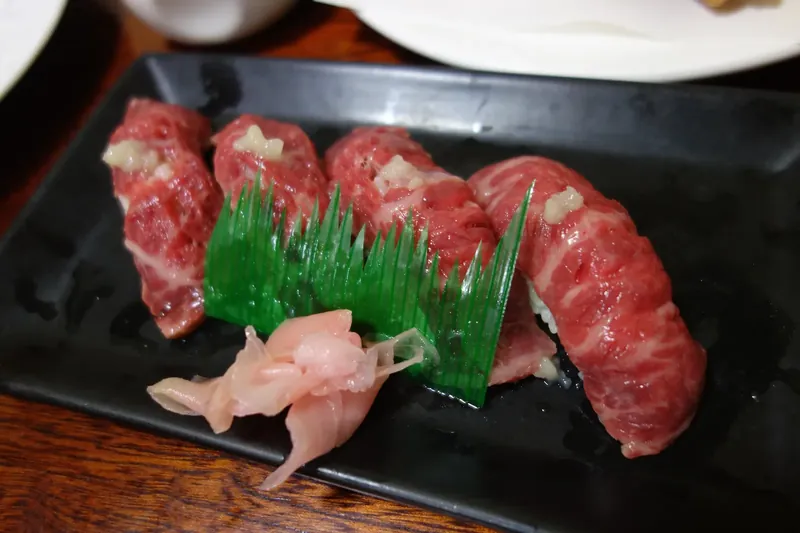
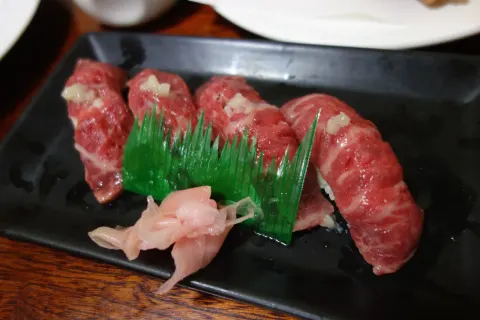
- Ishigaki beef, at lunch — Kitauchi Bokujo's Hamasaki shop near the ferry terminal serves beef from its own black cattle, lunch 11:30–14:30 (last order 14:00); in past winters closed Tuesdays and Wednesdays, November to February (2026–27 not published; phone 0980-83-7000).
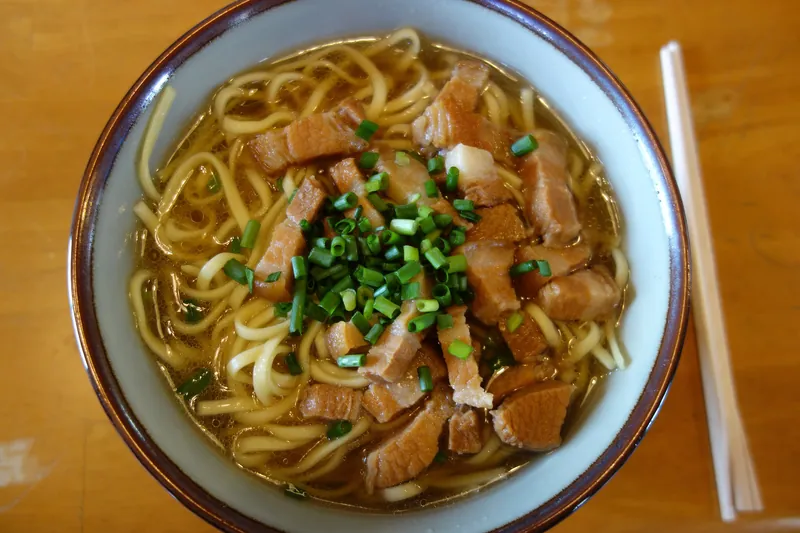
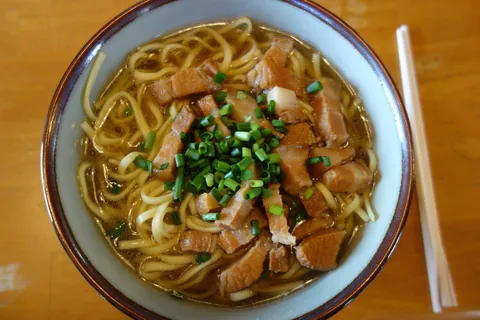
- Yaeyama soba — the island's own noodle soup. Kimi Shokudo in Tonoshiro has served it for more than 50 years (10:00 until sold out, closed Thursdays); Kunatsuyu opens 10:00–14:00, closed Wednesdays, Thursdays and Sundays.
- The public market and Euglena Mall — produce and souvenirs under one roof; the market building opens 8:00–21:00 and closes on the 2nd and 4th Sundays and 1–3 January.
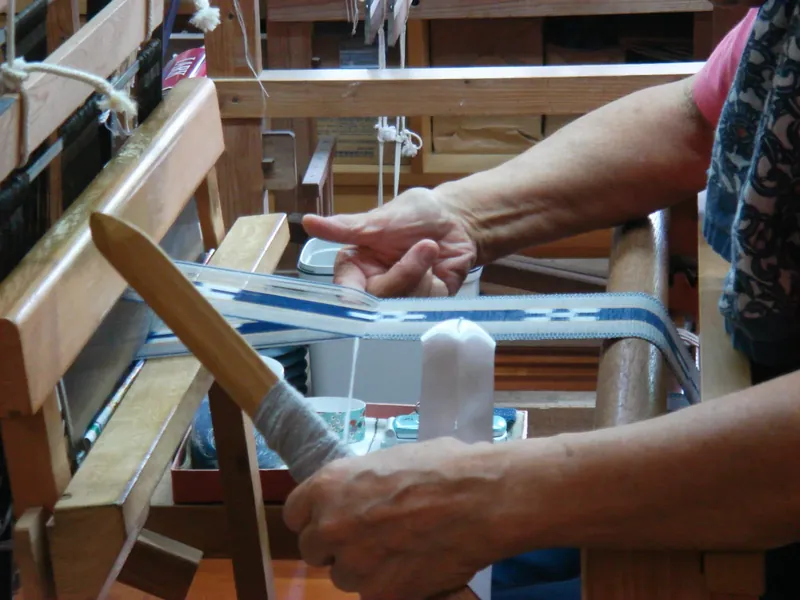
- Minsah weaving — the woven belts and cloth you will find in the town's craft shops, and on Taketomi.
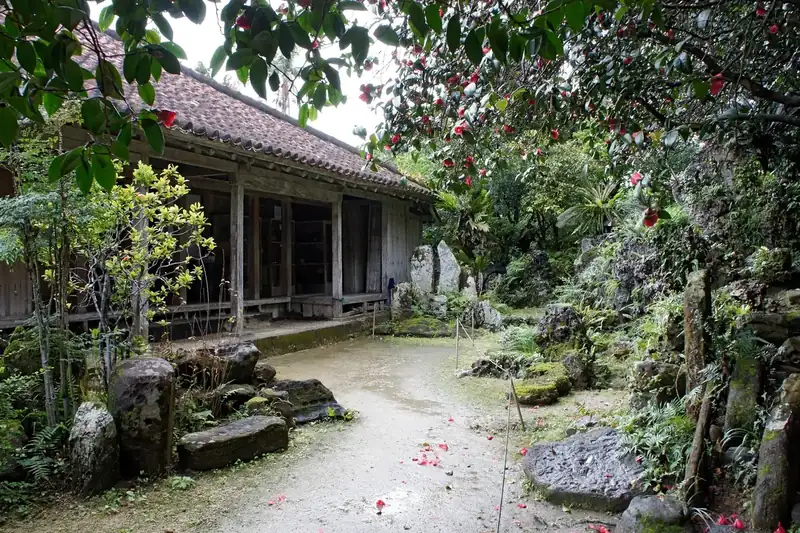
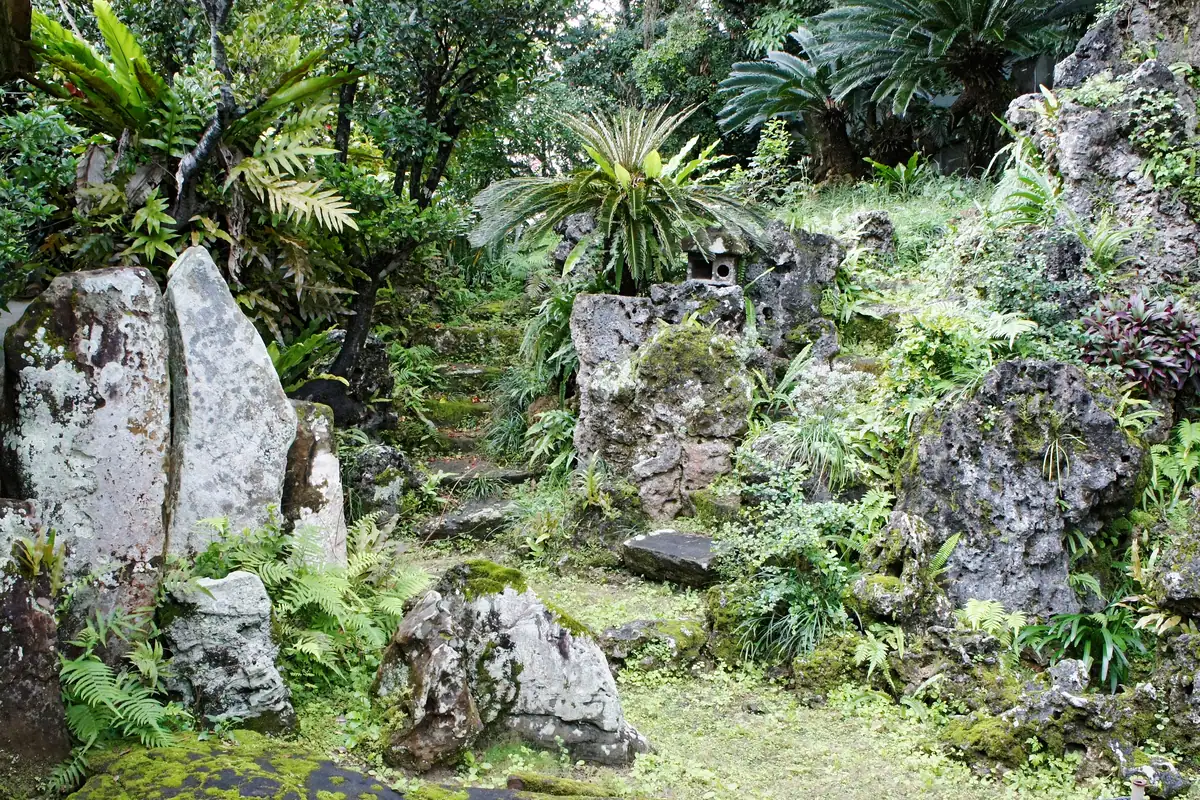
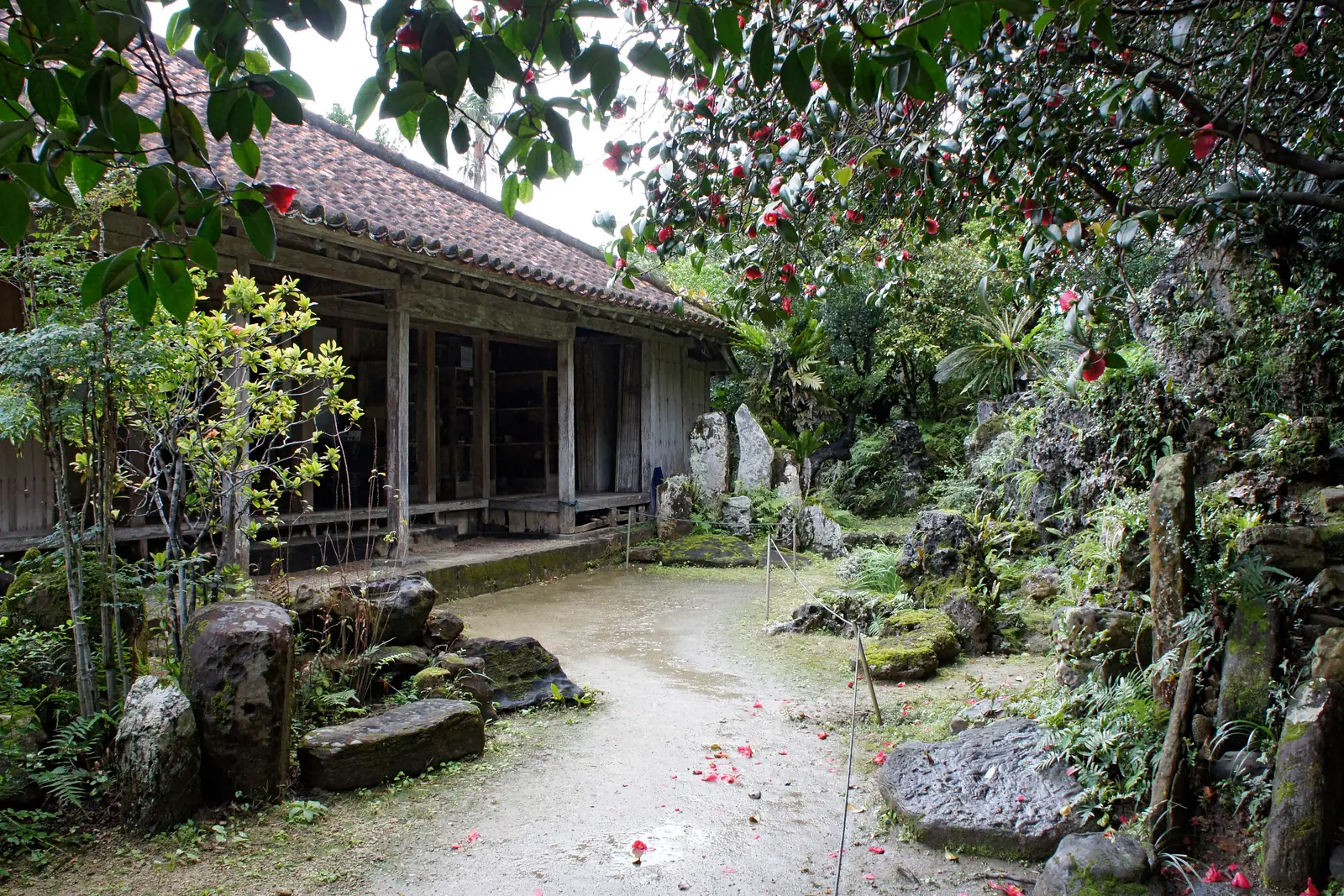
- Miyara Dunchi — an 1819 residence and garden a short walk from the ferry terminal; travel listings give about ¥200, 9:00–17:00, closed Tuesdays.
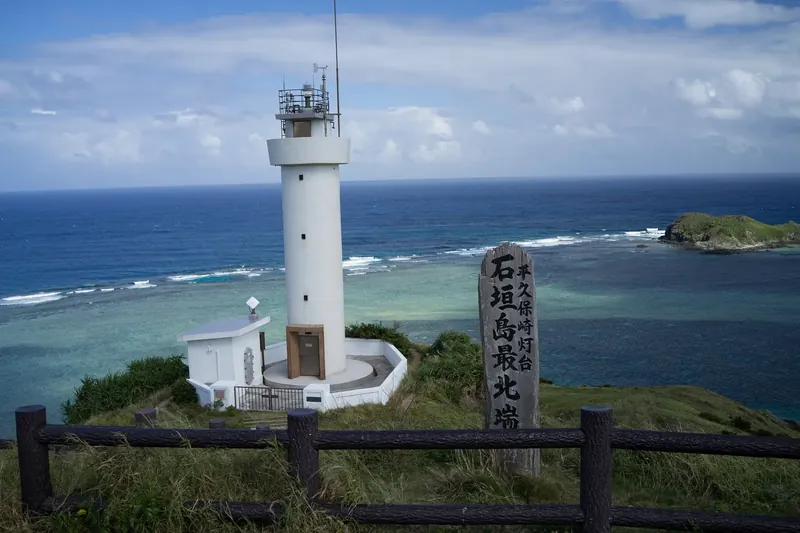
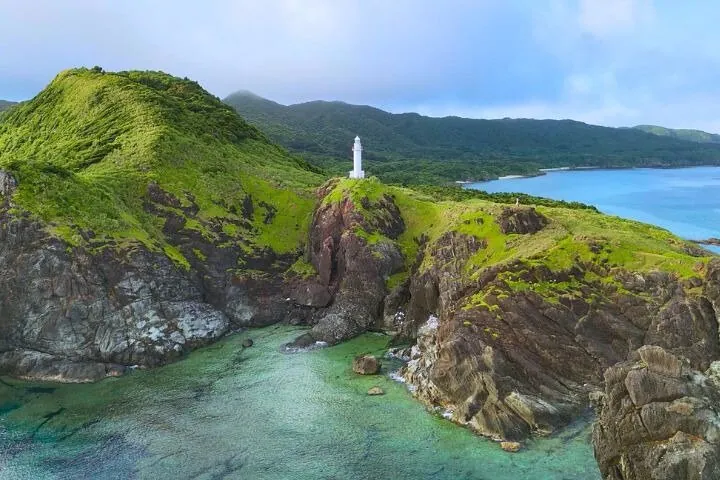
- Hirakubozaki, the northern cape — a lighthouse at the island's northern tip, about 55 minutes and ¥9,600 each way by taxi; a long-call extra.
- Tojinbaka — the memorial to Chinese labourers who died here after an 1852 incident, rebuilt in 1971; about 15 minutes and ¥2,000 by taxi, or about 25 minutes on Route 9.
- Snorkelling on the reef — the way to be in the water, since Kabira is not; book with an operator.
Rainy day: the Yaeyama Museum (¥200, 9:00–17:00, closed Mondays and holidays) and the covered Euglena Mall. Ishigaki Yaima Village, a collection of old island houses, is about 20 minutes by taxi (about ¥2,700) or 30 minutes on Route 9, open 9:00–17:30.
How to think about your hours
Work backwards from the ship. Your all-aboard time is usually 30 minutes before departure (check the daily programme), you want to be back at the gangway an hour before that, and the first half hour after arrival goes on getting off. So the time you can actually use is the call length minus about two hours — and here, take another 10–15 minutes off each end for the shuttle or taxi between the quay and the ferry terminal.
| Call | Usable | What fits from the Painuhama quay |
|---|
| 4–5 hours | about 2–3 | Town only: the market, Euglena Mall, Miyara Dunchi (not Tuesdays), Yaeyama soba. Taketomi leaves under an hour on the island. |
| 6 hours | about 4 | One of: Taketomi, with 2–2½ hours on the island; or Kabira by taxi, about 1½ hours at the bay and about ¥9,200 a car. The Kabira bus does not fit. |
| 8–9 hours | about 6–7 | Taketomi unhurried plus the town; or Kabira and the town. Both is tight, and only with a taxi to Kabira. |
| 10 hours+ | about 8 | Both, by bus and ferry, Kabira first; or a five-to-six-hour tour plus the town. |
The official list from November 2026 to March 2027 is strikingly regular. Nine-hour calls are 41% and ten-hour calls 39%; eight-hour calls and a handful of others make up the rest, and the shortest is Star Seeker's five hours on 7 March 2027. The patterns to recognise:
- MSC Bellissima, 09:00–19:00 — November 2026 to January 2027. The both-islands day fits.
- Star Navigator, 10:00–19:00 on its Keelung round trips (10:00–20:00 on 21 November 2026) — the Taketomi day, or Kabira by taxi.
- Star Navigator, 14:00–23:00 on its Naha-to-Keelung runs, several times from November 2026 to March 2027. Taketomi in the late afternoon, with the 17:50 as your only spare boat, then dinner in town.
- Western ships (Westerdam, Seabourn Encore, Asuka II, Norwegian Jade) often arrive at 07:00 and leave at 16:00 or 17:00: the Taketomi day, three hours earlier.
There are no overnight calls in this period. Navigator of the Seas on 3 March 2027 is filed as 00:00–23:59, which is a placeholder rather than a real call length; check its actual times with the line. See every call on the Ishigaki cruise calendar.
About the return to the ship. None of the Ishigaki tours we list promises in writing to get you back on time; the closest is the cruise-only island loop, which says its pickup times are adjusted to your ship's schedule. Three of the five do not name the cruise quay as a pickup point, and one of those (the perfume workshop) has no pickup at all. Three habits protect you: get the quay or ferry-terminal meeting point confirmed in writing, tell the guide your all-aboard time when you meet, and agree to be back at the gangway an hour before it. All five offer a full refund if you cancel 24 hours ahead. More options, and how we choose, are on guided tours in Ishigaki and our Ishigaki plans.
Money, cards and the practical stuff
There is nothing at the quay: no ATM, no exchange, no shop. Cards work on the buses and on the Ishigaki side of the ferries; cash is still the safe choice on Taketomi and at small places.
| Place | Pay with |
|---|
| Azuma route buses | Cash, paper coupons, or tap a contactless credit card on and off |
| Anei ferry counter, Ishigaki | Cash, card, transit IC, e-money or QR |
| Anei ferry counter, Taketomi | Cash only |
| YKF and Anei boarding | Tap-to-pay card readers at the pier (Visa, JCB, Amex and others) |
| Taketomi ¥300 entry fee | Ticket machines at both ports |
| Kabira glass-bottom boats | Mixed; some take e-money — bring cash |
| Miyara Dunchi, soba shops | Bring cash |
| Taketomi buffalo cart | Card or e-money only, no cash |
| Taxis | Bring cash |
The nearest cash machines are in town: a 24-hour FamilyMart about 250 m from the ferry terminal, and Yaeyama Post Office about 375 m away, whose Japan Post Bank ATM is the one most likely to take a foreign card. Bank branches nearby keep weekday hours. Bring ¥10,000 or so in notes from the ship if you plan Taketomi and a taxi.
Earthquakes and tsunami. The quay is on reclaimed land at the water's edge, and the Yaeyama islands take tsunami warnings seriously: on 3 April 2024 the Japan Meteorological Agency issued one for the Miyako and Yaeyama islands three minutes after an earthquake near Taiwan. The agency's Ishigaki office cites an Okinawa Prefecture model of the 1771 Yaeyama tsunami in which waves reach parts of the islands within 10 minutes and stand about 10 m high at the coast. Its advice: if you feel strong shaking, or weaker shaking that goes on for a long time, or hear a warning while near the sea, leave the shore at once on foot for high ground or the upper floors of a tall reinforced-concrete building — the agency's manual lists several hotels around the ferry terminal as evacuation buildings — and stay there until the warning is lifted. If you are on board or at the quay, follow the crew's instructions.
Closed days worth checking against your date.
- Miyara Dunchi closes on Tuesdays, which catches several calls, among them MSC Bellissima on 24 November, 15 December and 12 January, Westerdam on 23 February and Sapphire Princess on 2 March.
- The Yaeyama Museum closes on Mondays (MSC Bellissima on 7 December and 4 January, Diamond Princess on 30 November), from 29 December to 3 January (Mitsui Ocean Sakura on 29 December, Star Navigator on 30 December, MSC Bellissima on 31 December) and on public holidays (Westerdam on 23 February).
- The public market closes on the 2nd and 4th Sundays (MSC Bellissima on 27 December and Adora Flora City on 25 July 2027) and on 1–3 January.
- Kimi Shokudo closes on Thursdays, including MSC Bellissima's 3 and 31 December calls; Kunatsuyu, which closes Wednesdays, Thursdays and Sundays, misses most calls — have a second soba shop in mind.
When to go: seasons and crowds
Ishigaki is subtropical, and the cruise season falls in its mild half.
| Month | Average high | Rain |
|---|
| October | 28.8 °C | 211 mm |
| November | 26.2 °C | 138 mm |
| December | 23.0 °C | 155 mm |
| January | 21.5 °C | 135 mm |
| February | 22.0 °C | 124 mm |
| March | 23.7 °C | 134 mm |
- Autumn (October–November) is still warm enough to want the sea. October is the tail of the typhoon season.
- Winter (December–February) is mild but windy — a steady north-north-easterly averaging over 5 m/s — and grey: January has about 85 hours of sun against 261 in July. Strong winter wind can stop the island ferries; the ferry companies post the day's sailings on their own pages.
- Cherry blossom here is the deep-pink hikan-zakura, which first blooms around 18 January in a normal year (4 February in 2026) and is in full bloom around 10 February.
- Typhoons approach the Okinawa region about 7.7 times a year, most often in August (2.2) and September (1.9); October still averages about one. Calls can be cancelled from July to October. Read our journal on typhoons and your Japan cruise.
- Crowds are capped by the one-ship rule. The Ishigaki Island Marathon in late January is the day the city may turn ships away; on the triathlon in April calls need coordinating with the organisers.
- Rain plan: the Yaeyama Museum, the covered Euglena Mall and the public market. In heavy rain or strong wind, check the ferry companies' daily status before you set off for Taketomi.