~4h — the round trip from the gangway, with the 60-minute margin kept aside.
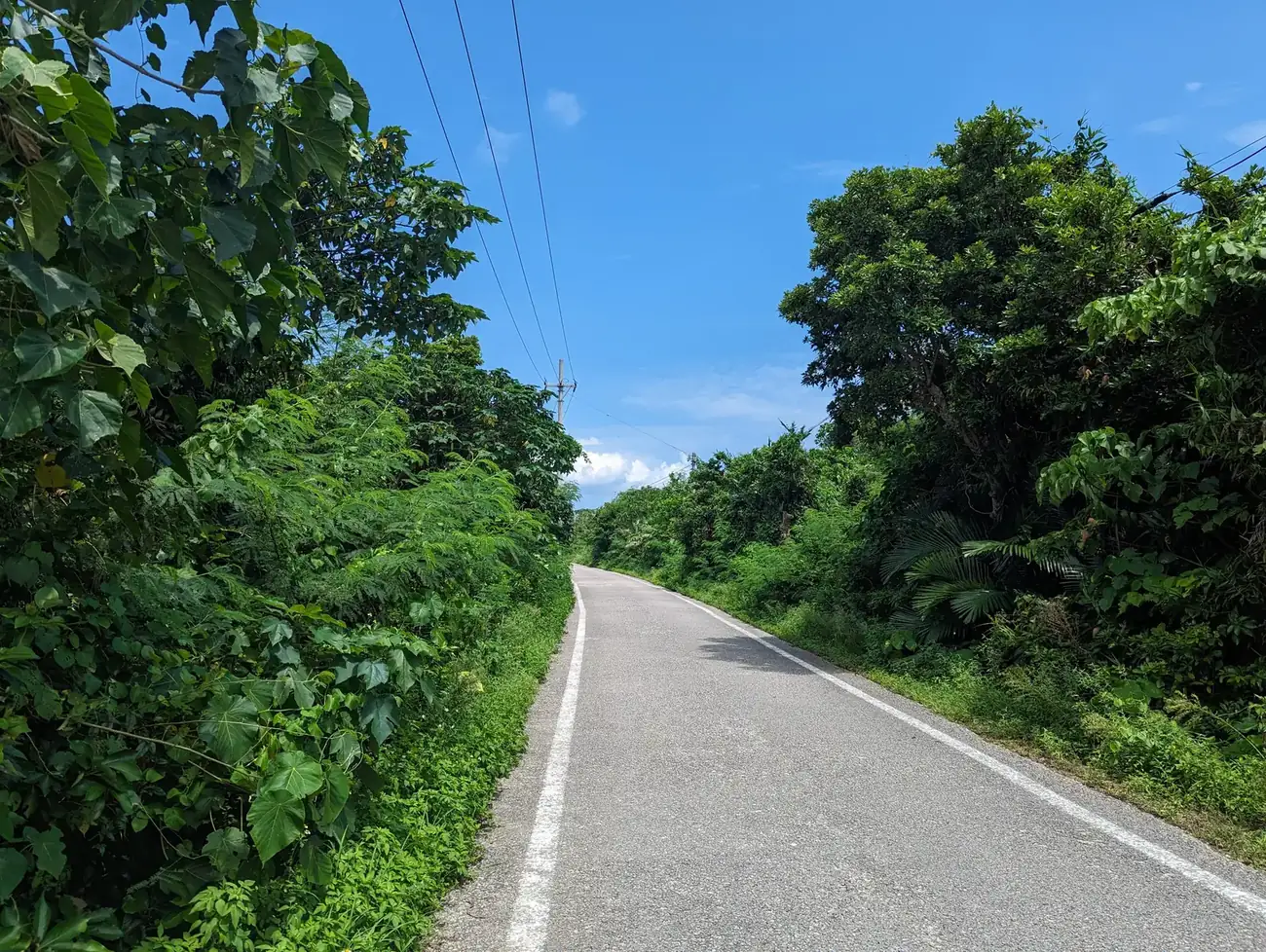
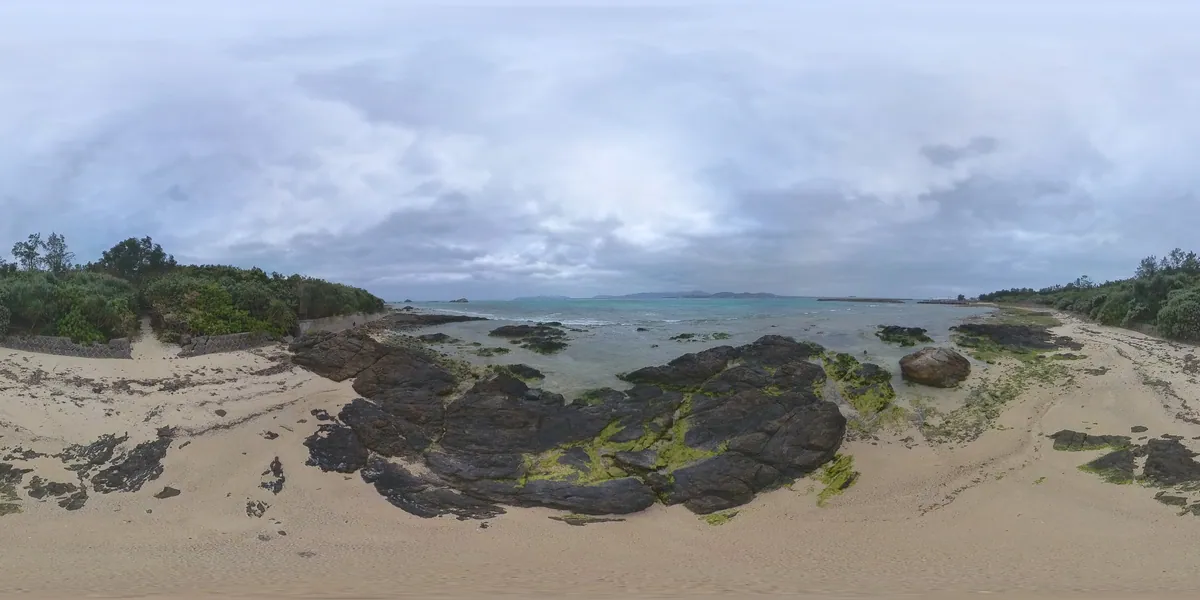
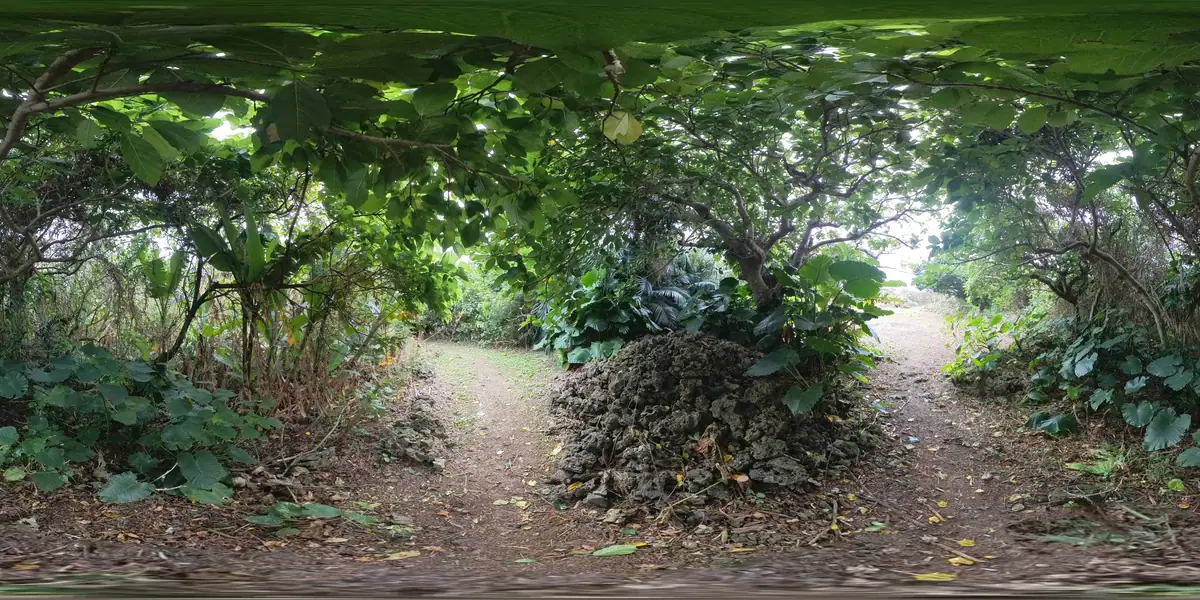
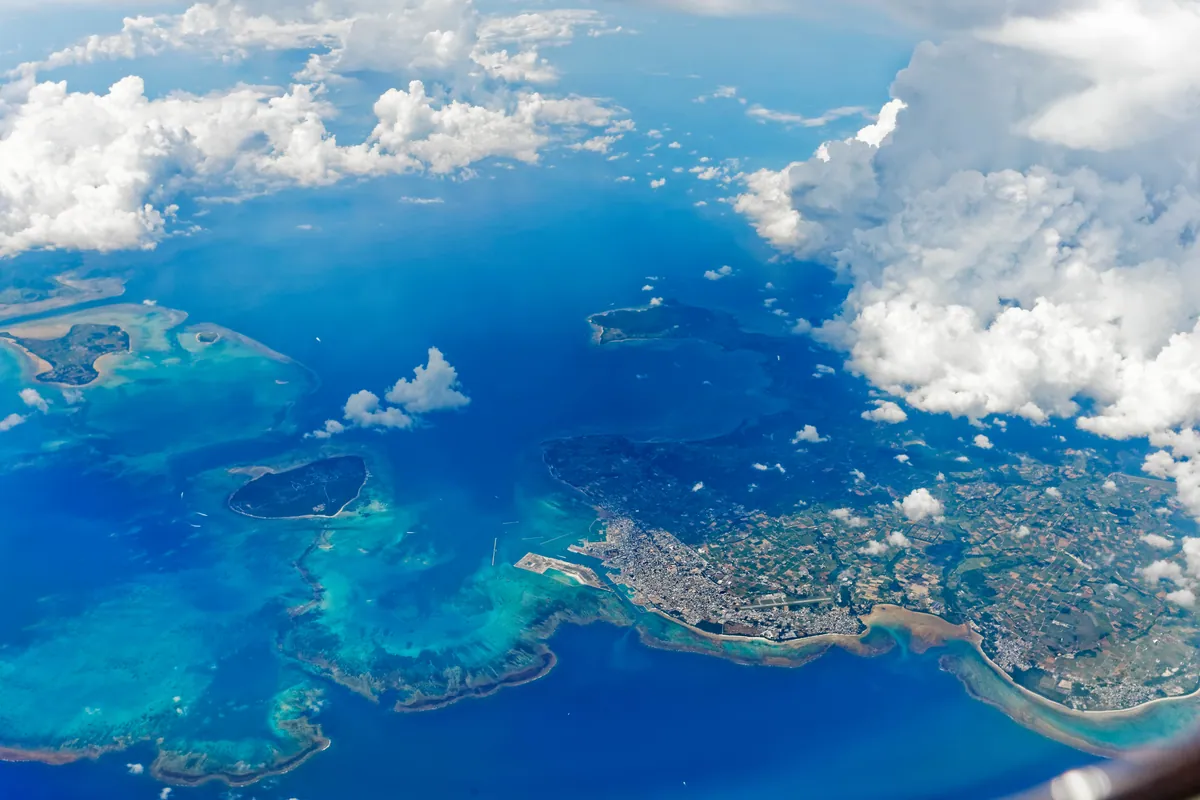
Tap a photo to see it large. 5 photographs, each credited.
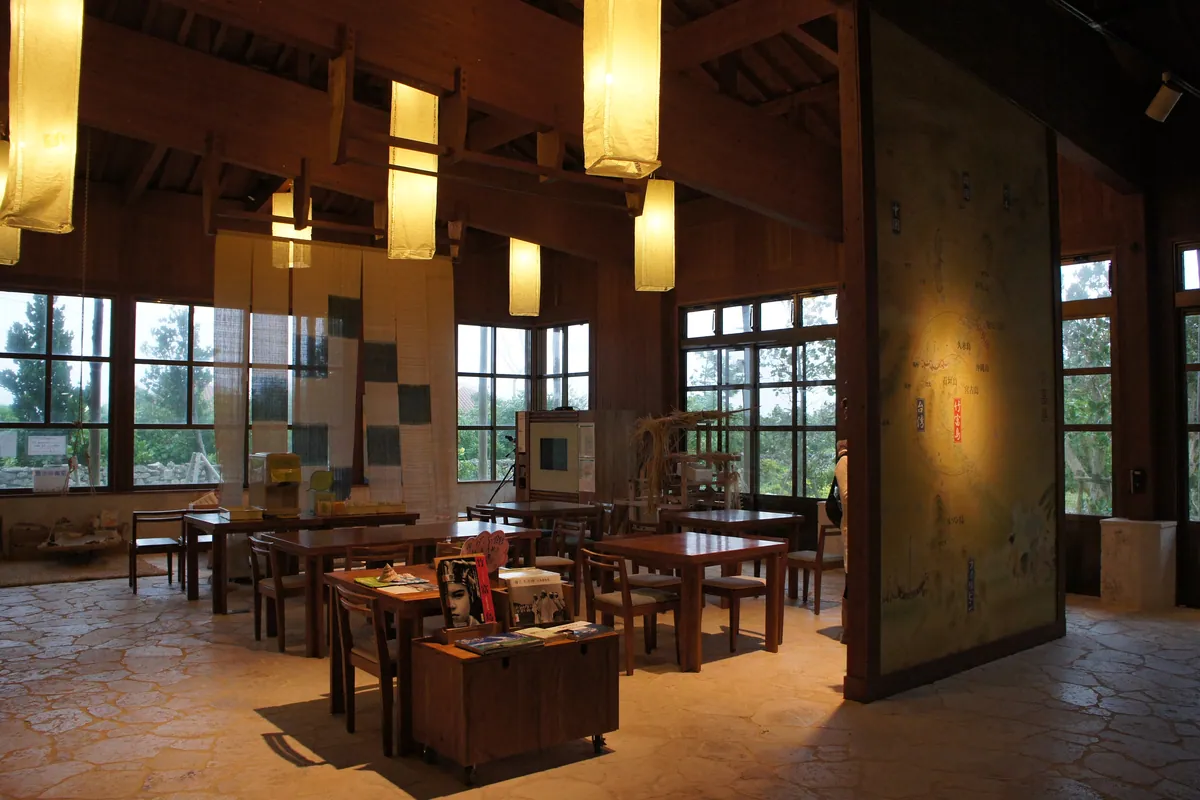
Coral walls, red-tiled roofs weighted against typhoons, shisa on every ridge, and white sand lanes that residents rake by hand every morning before visitors arrive. A preservation district where the rules are enforced by the community rather than a government office.
A village of 350 people that decided, in 1986, not to sell
Taketomi is a flat coral island of about 350 people where the whole village is a Preservation District: red-tiled roofs, coral walls, white sand streets raked every morning. Building rules are enforced by a village charter older than the national designation. Water buffalo carts still work the lanes, which is tourism now but was farming within living memory.
In the 1970s outside developers began buying land on Taketomi. The islanders responded with a written charter: do not sell, do not soil, do not destroy, do not damage, and make use of what is here. Fifty years later the village looks the way it does because of that document.
A flat coral island about ten minutes offshore with one village of low houses behind coral walls, red-tiled roofs mortared against typhoons, a shisa on every ridge and no two alike. It is a designated preservation district, and the rules are enforced by the residents rather than by an office.
The sand lanes are raked by hand each morning before the first ferry. That is not a performance for visitors — it is a communal obligation that predates them, and it is the reason the village looks the way it does at nine in the morning and rather less so at four.
The ordinary threat
Do not sell, soil, destroy, disorder — make use of
But the neighbours are the enforcement
Before the first ferry
Take the first ferry. Raked lanes, better light, and a village that has not yet turned to face the visitors.
Both pins on one map, so the distance is a fact rather than a feeling.
Counted from the moment you step off the gangway. The hour before all-aboard is not in this bar; it is already set aside.
13 minutes each way is the honest figure for ferry 10–15 min, not the optimistic one. If your ship is late, cut the 3 hr 34 min in the middle. Never cut the hour at the end.
On a call of eight hours or more it is the best day this port offers — a preserved coral-walled village ten minutes offshore, with buffalo carts and a star-sand beach. On four to six hours it is possible but tight, and on a short call the ferry timetable makes it unsafe.
They always have been, and residents rake them by hand each morning before the first ferry arrives — a communal obligation that long predates tourism. It is why the village looks immaculate at nine and noticeably less so by late afternoon.
Each one is a finished day we have walked and timed, with this stop in it. Read the route rather than assembling it yourself.
Each of these still lands you back aboard with the hour to spare.
 See · ~3h
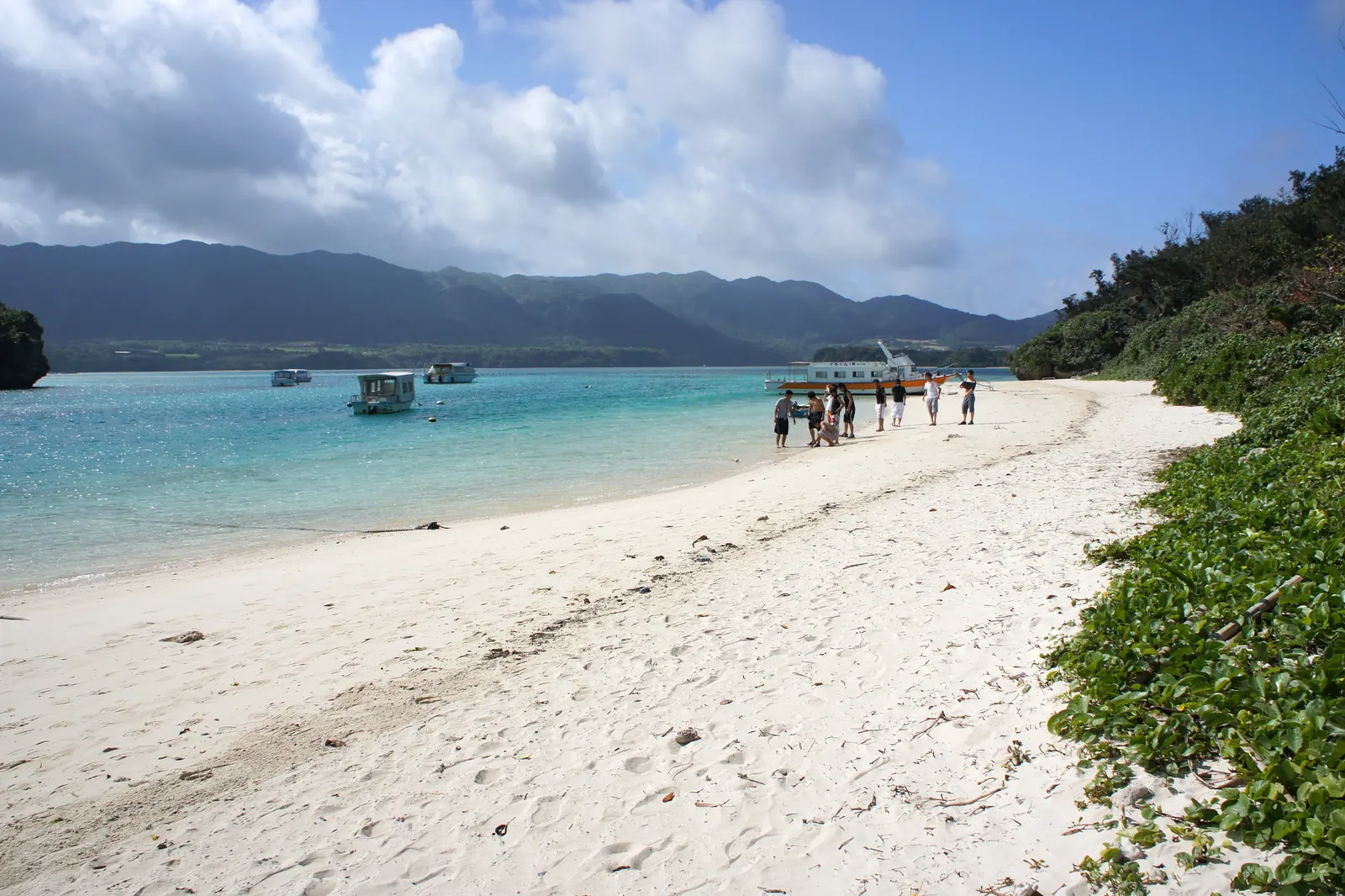
The water really is that colour — shallow, white-sand-floored and lit from below.
See the detail →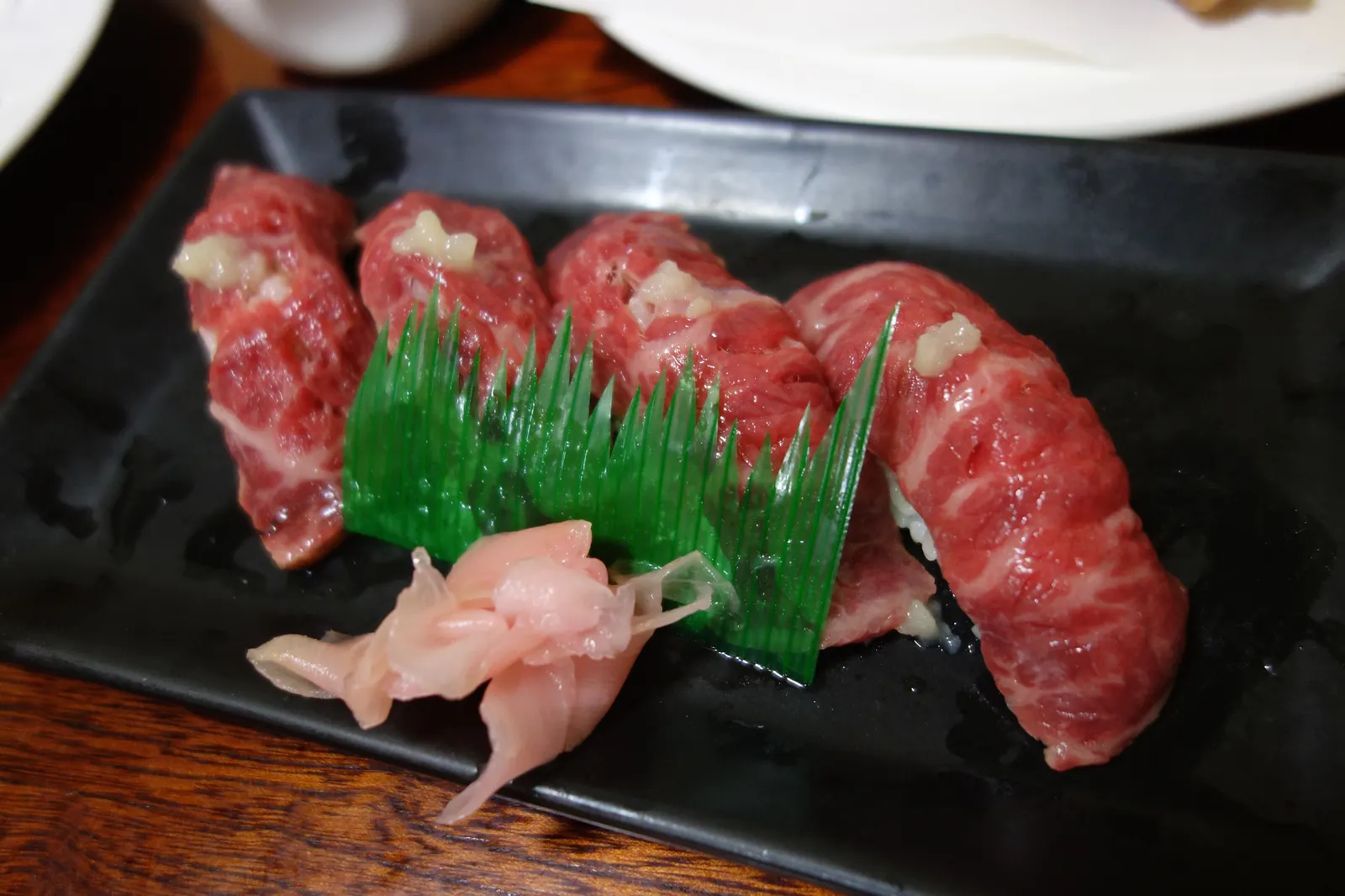 Eat · ~2h
Island-raised black wagyu, grazed on subtropical grass and finished here.
See the detail →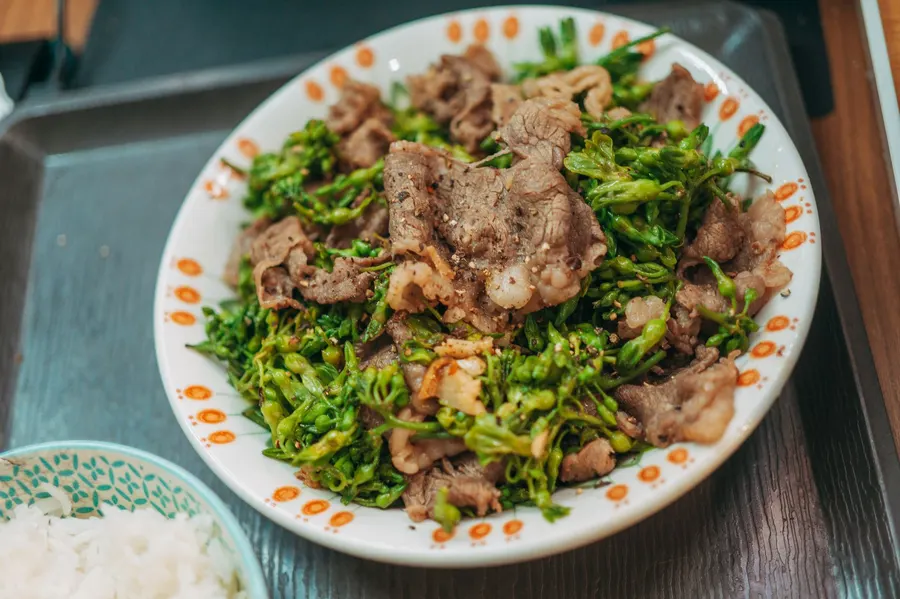 Eat · ~1.5h
Round, thin, slightly chewy wheat noodles in a light pork-and-bonito broth, with kamaboko and diced pork belly.
See the detail →No typing needed — jump straight in:
Just docked? — the gangway toolStart from your shipThe ride from every berthAsk the editorGlossary