
The rules of Taketomi
A village of 350 people that decided, in 1986, not to sell
In the 1970s outside developers began buying land on Taketomi. The islanders responded with a written charter: do not sell, do not soil, do not destroy, do not damage, and make use of what is here. Fifty years later the village looks the way it does because of that document.
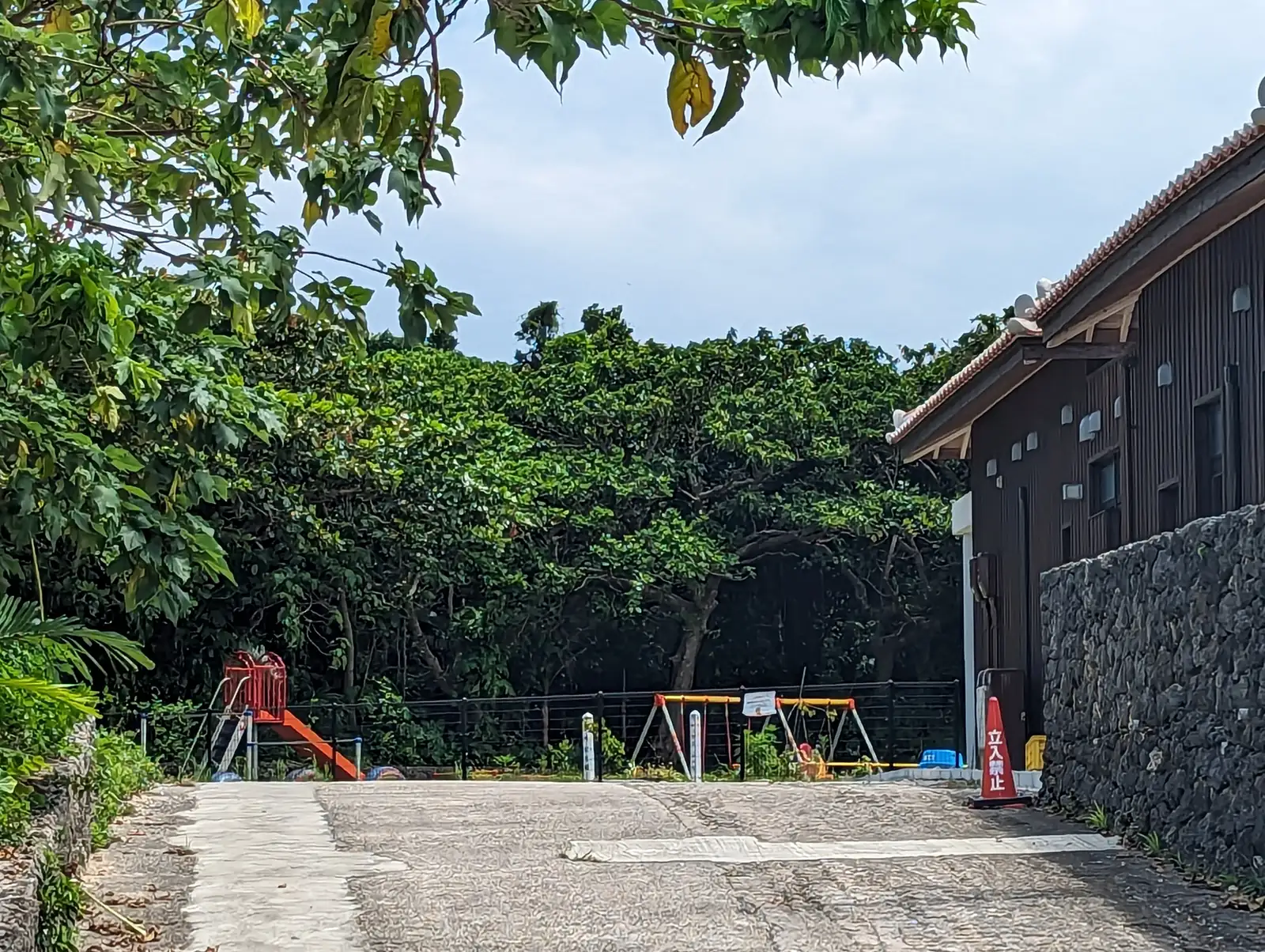
Taketomi is flat, coral, about nine kilometres around, and has one village of roughly three hundred and fifty people. Low houses sit behind walls of stacked coral rock, roofs are red tile mortared down against typhoons, and every ridge carries a shisa — hand-made, and no two the same.
The charter
The threat was ordinary: resort development, land sold to outsiders, the village becoming a backdrop. In 1986 the community adopted a set of principles usually rendered as uranai, yogosanai, kowasanai, midasanai, ikasu — do not sell, do not soil, do not destroy, do not disorder, make use of.
The island was designated a national preservation district for groups of traditional buildings in 1987. But the enforcement that matters is not the designation — it is the neighbours.
The white sand lanes are raked by hand every morning, by residents, before the first ferry arrives. It is a communal obligation, not a service.
What the rules actually cover
New building must follow the traditional form: single storey, red tile, coral wall, set back behind a hinpun — the screen wall inside the gate that blocks both wind and evil spirits and stops anyone seeing straight into the house.
That last detail matters for visitors. The houses are not open. Photographing into a courtyard is photographing into someone’s living room, and the village asks — politely, on signs, repeatedly — that you do not.
And the water buffalo
The carts are slow, the driver plays sanshin and sings, and it is easy to file this as a tourist ride. It is also the only economic activity that lets a village of 350 people fund the charter, and the songs are Yaeyaman.
Go early. The lanes are raked before the first boat, the light is better, and the village at nine in the morning is a different place from the village at three in the afternoon.
How it happened
- 1970sOutside developers begin buying land
The ordinary threat
- 1986The community adopts its charter
Do not sell, soil, destroy, disorder — make use of
- 1987National preservation district designation
But the neighbours are the enforcement
- every morningThe sand lanes are raked by hand
Before the first ferry
- today~350 residents
And a village that looks like a decision
Where this becomes real on your port day
Take the first ferry. Raked lanes, better light, and a village that has not yet turned to face the visitors.

The vocabulary of Taketomi
- Hinpun ヒンプン
- The screen wall inside the gate. Blocks wind, spirits and sightlines.
- Shisa シーサー
- Roof guardians, hand-made. No two the same here.
- Akagawara 赤瓦
- Red tile, mortared down against typhoons.
- Kenshō 憲章
- The 1986 charter. Five verbs, and fifty years of holding.
FAQ
Why does Taketomi look so well preserved?
Because the community wrote it down. Facing resort development in the 1970s, the islanders adopted a charter in 1986 — do not sell, do not soil, do not destroy, do not disorder, make use of what is here — followed by national preservation designation in 1987. New building must be single-storey with red tile and coral walls, and the rules are enforced by neighbours rather than an office.
What should visitors avoid doing on Taketomi?
Photographing into courtyards. The houses are lived in by about 350 people, and the screen wall inside each gate exists partly to stop anyone seeing in. Keep your voice down in the lanes, do not enter private ground, and go early — the sand lanes are raked by hand before the first ferry.
More from Ishigaki
Four hundred kilometres from Okinawa, two hundred and seventy from Taiwan
Read →
A third of the Yaeyamas died in one morning in 1771, and the rocks are still where it left them
Read →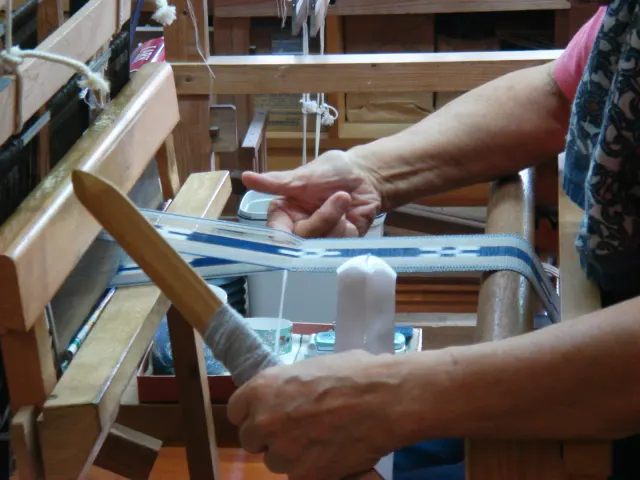
A pattern that is also a sentence, and once was also a tax
Read →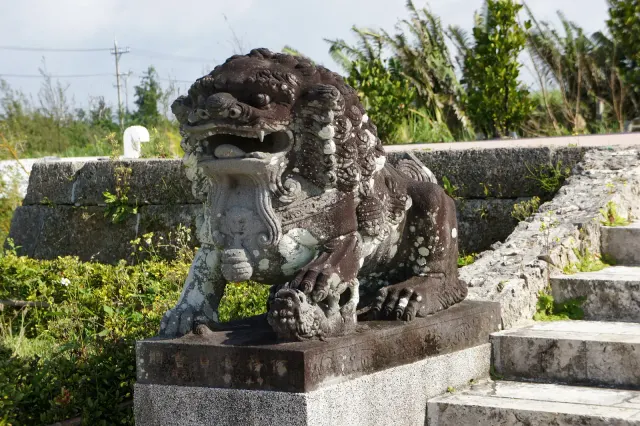
Japan’s first Dark Sky Place, and the only part of the country that sees the Southern Cross
Read →