PORT OF JAPAN
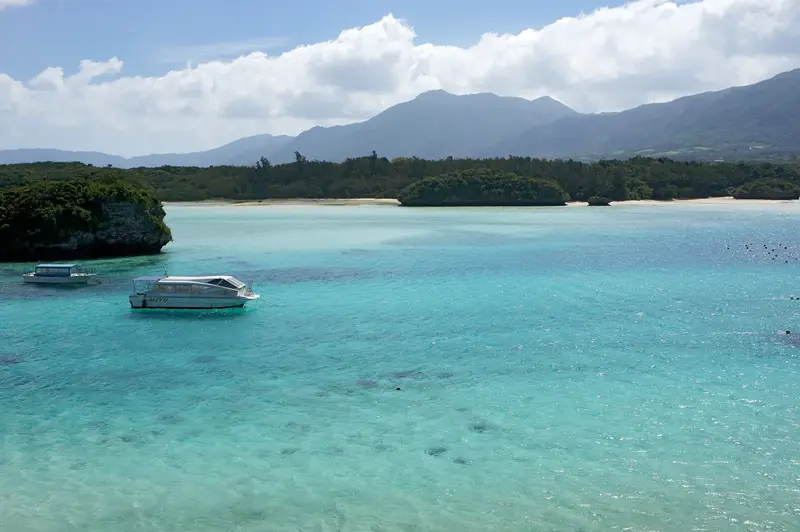
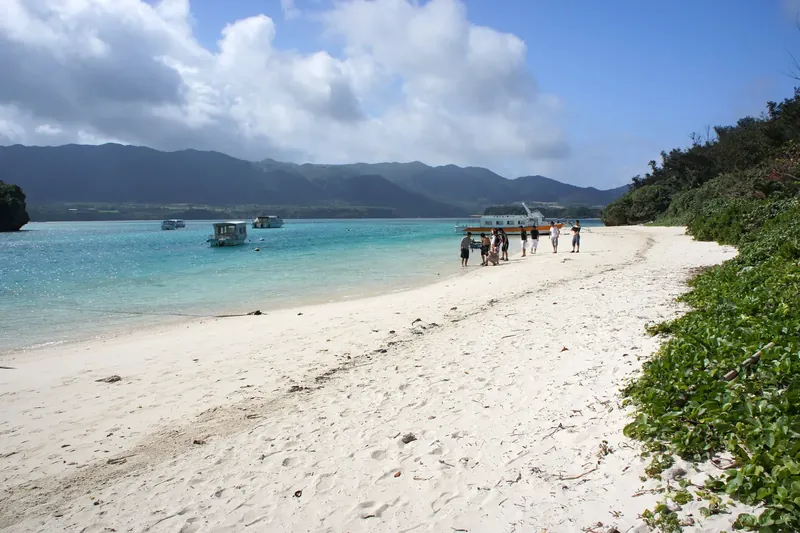
The turquoise water of Kabira Bay, Ishigaki
Culture & history · 石垣

Why Ishigaki is Ishigakithe stories behind your port day

Ports are not interchangeable. These are the things that happened here — and only here — told properly, then tied to what you can see, taste and book while your ship waits.

Photo: 663highland / CC BY 2.5
← Ishigaki port guideTimed plans →
Kabira Bay seen from the headland, Ishigaki
The identity

Yaeyama

Four hundred kilometres from Okinawa, two hundred and seventy from Taiwan

Read the story →
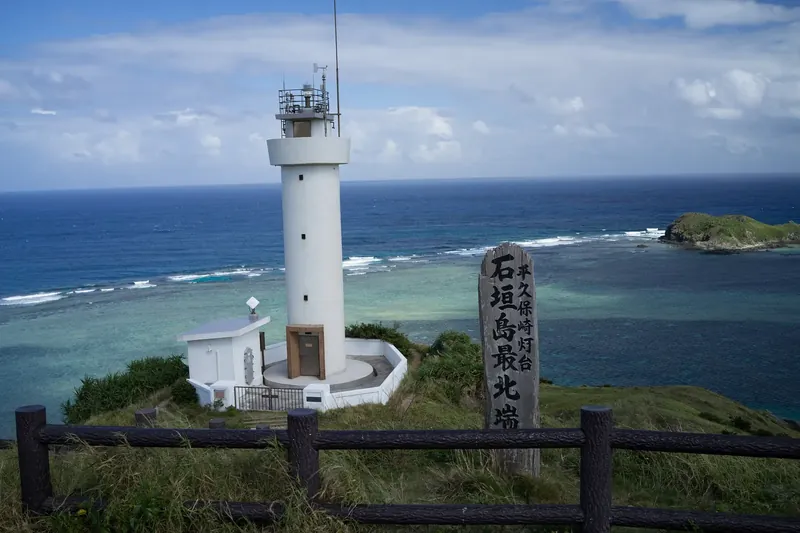
The coast and lighthouse at the northern cape of Ishigaki
The wave

The Meiwa tsunami

A third of the Yaeyamas died in one morning in 1771, and the rocks are still where it left them

Read the story →
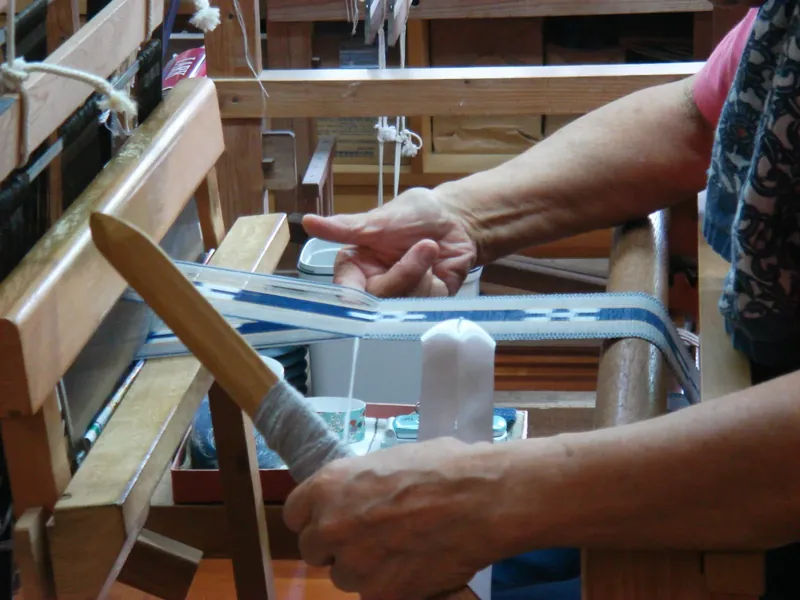
A minsah belt being woven on Taketomi island
The weave

Five and four

A pattern that is also a sentence, and once was also a tax

Read the story →
Coral walls and red-tiled roofs on Taketomi island
The village

The rules of Taketomi

A village of 350 people that decided, in 1986, not to sell

Read the story →
The Tojinbaka memorial on Ishigaki
The sky

Eighty-four of eighty-eight

Japan’s first Dark Sky Place, and the only part of the country that sees the Southern Cross

Read the story →
The year in Ishigaki

When to come, and what you'll find

Cruise seasons run spring to autumn, but the port changes underneath them. What each month actually offers — and the traps.

Jan–FebCool, dry, and the season starts

Around 18–20°C. Japan’s earliest cherry blossom, and the Southern Cross begins to clear the horizon.

MarchWarming, and whales offshore

Comfortable everywhere. Humpbacks pass these waters into April.

AprilThe best month

Warm without humidity, the sea already swimmable, and the clearest southern sky of the year.

MayThe rains arrive early

Yaeyama’s rainy season starts before the mainland’s. Heavy, warm and short each day.

JuneRain easing; sagaribana opens

The night-blooming flower starts, and is gone by dawn each morning.

JulyHot, bright and busy

Peak sea season. Kabira and Taketomi are at their most crowded.

AugustTyphoon season begins

Ships do reroute. When it is clear, the water is at its best all year.

SeptemberThe typhoon peak

The highest risk month for this port. Check rather than assume.

OctoberCalmer, and still warm

The sea holds its heat and the crowds have gone. An excellent month.

Nov–DecMild and open

Around 22°C while the rest of Japan closes for winter. The reason this port has a winter season.

Read the culture, then plan the clock: the Ishigaki timed plans and the Top 10 turn all of this into a day that ends at the gangway with an hour to spare.