
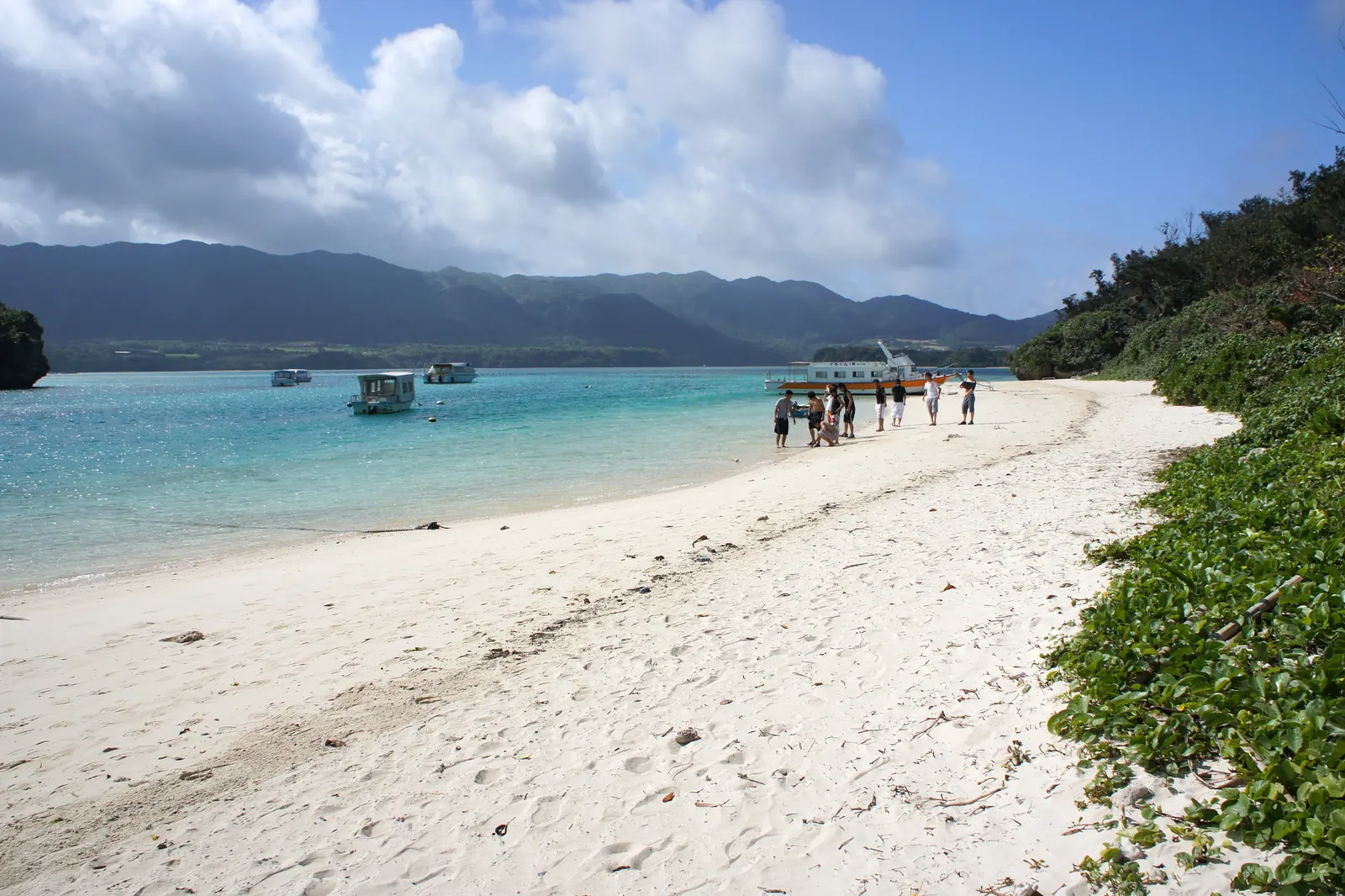
Yaeyama
Four hundred kilometres from Okinawa, two hundred and seventy from Taiwan
Ishigaki is in Okinawa Prefecture and is not Okinawan. The Yaeyama islands are further from Naha than Tokyo is from Osaka, closer to Taipei than to their own prefectural capital, and they have their own languages, weaves, songs and a long memory of being taxed by people who lived somewhere else.
The distances are the whole story. Ishigaki to Naha is roughly 410 kilometres. Ishigaki to Taiwan is about 270. On a clear day from the western capes you are looking toward another country, and it is the nearer one.
A separate language, not a dialect
The Yaeyama languages are classified by linguists as distinct languages within the Japonic family, not as dialects of Japanese or of Okinawan. A speaker from Naha does not understand Yaeyaman, and speakers from Taketomi and Ishigaki do not fully understand each other.
All of them are now severely endangered. The people who speak them fluently are mostly over seventy.
The Ryukyu Kingdom conquered these islands in 1500 and then taxed them brutally. Yaeyama history is not a story of Okinawan solidarity; it is a story of being governed from Shuri.
The head tax
After Satsuma’s invasion of the Ryukyus in 1609, the kingdom passed the pressure downward. From 1637 the Yaeyamas were subject to the nintōzei, a poll tax levied on every adult regardless of ability to pay, collected in grain, cloth or woven textile.
It ran for over two hundred and fifty years and was not abolished until 1903, decades after Japan annexed the kingdom. Islanders wove minsah and jofu cloth to pay it. The famous weaving traditions of these islands are, in part, a tax record.
What that means for a visitor
Locals will correct you, gently, if you call the food or the music Okinawan. Yaeyama soba is not Okinawa soba. The songs are Yaeyaman. The weave is Yaeyaman.
It is not defensiveness — it is precision about a place that has spent five hundred years being described by people from elsewhere. Getting it right takes one sentence and it changes every conversation you have here.
How it happened
- 1500The Ryukyu Kingdom conquers the Yaeyamas
Governed from Shuri, 410 km away
- 1609Satsuma invades the Ryukyus
And the kingdom passes the cost downward
- 1637The poll tax begins
Levied per adult, paid in grain and cloth
- 1771The Meiwa tsunami
About a third of the population dies
- 1903The poll tax is finally abolished
After more than 250 years
- todayThe Yaeyama languages are endangered
Fluent speakers are mostly over seventy
Where this becomes real on your port day
Say "Yaeyama" rather than "Okinawa" once, deliberately, and watch the conversation change.
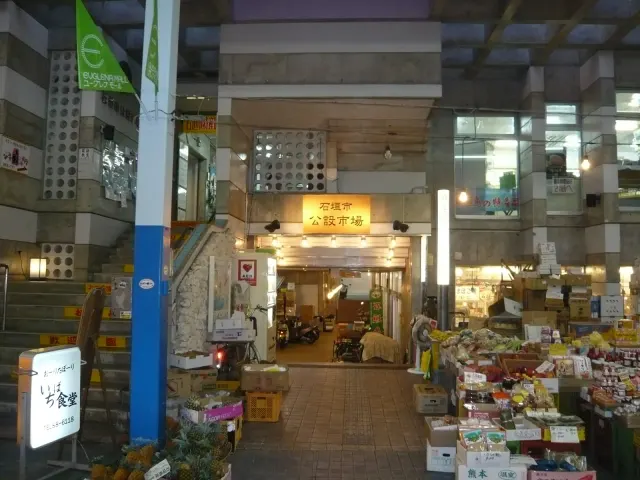

The vocabulary of Yaeyama
- Yaeyama 八重山
- These islands. Their own languages, weave and history.
- Nintōzei 人頭税
- The poll tax. 1637 to 1903, paid in grain and cloth.
- Sanshin 三線
- The three-string lute. Yaeyama songs are not Okinawan songs.
- Shimauta 島唄
- Island song. Ask which island it is from.
FAQ
Is Ishigaki part of Okinawa?
It is in Okinawa Prefecture, but the Yaeyama islands sit about 410 km from Okinawa’s main island and only 270 from Taiwan. They have their own Japonic languages — classified as separate languages rather than dialects — their own weaving and songs, and a history of being taxed from Shuri after the Ryukyu Kingdom conquered them in 1500.
What was the Yaeyama poll tax?
The nintōzei, levied from 1637 on every adult regardless of means and paid in grain, cloth or woven textile. It followed Satsuma’s 1609 invasion of the Ryukyus, when the kingdom passed the burden to its southern islands, and it was not abolished until 1903. The islands’ famous weaving traditions are in part a record of it.
More from Ishigaki
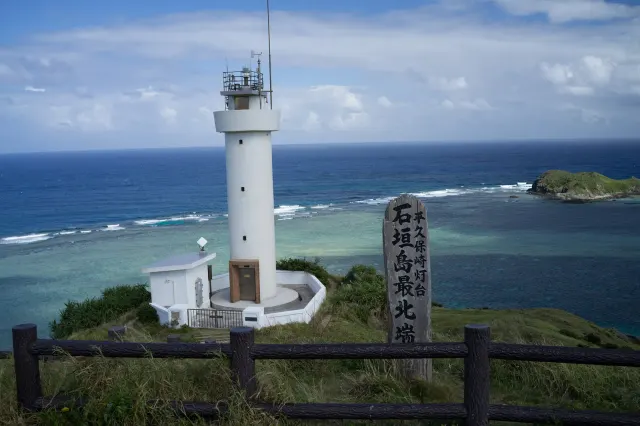
A third of the Yaeyamas died in one morning in 1771, and the rocks are still where it left them
Read →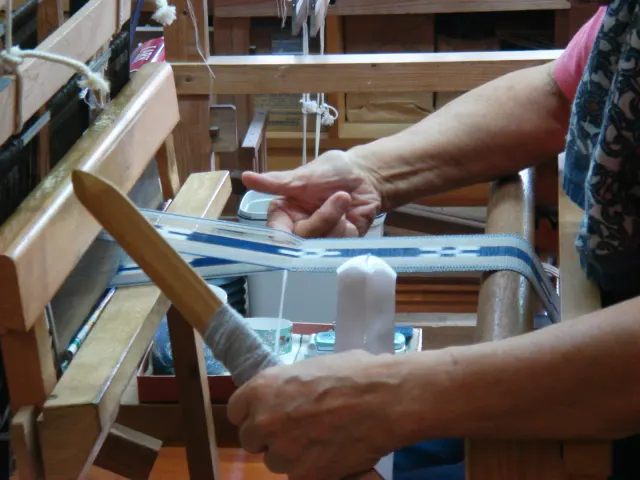
A pattern that is also a sentence, and once was also a tax
Read →
A village of 350 people that decided, in 1986, not to sell
Read →
Japan’s first Dark Sky Place, and the only part of the country that sees the Southern Cross
Read →