
 1 / 6
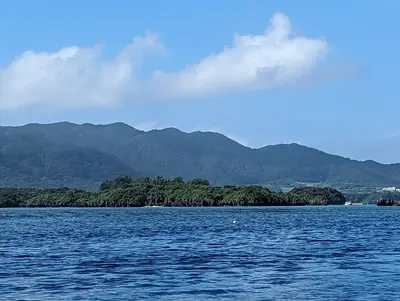
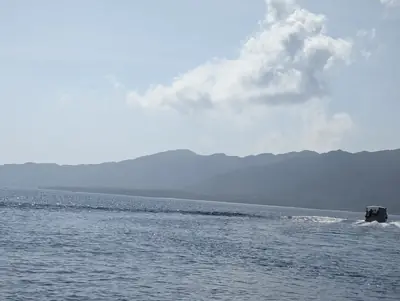
Kabira BayPhoto: 663highland / CC BY 2.5
Tap a photo to see it large. 6 photographs, every one credited.
Checked against official sources · updated · Takumi Yamada
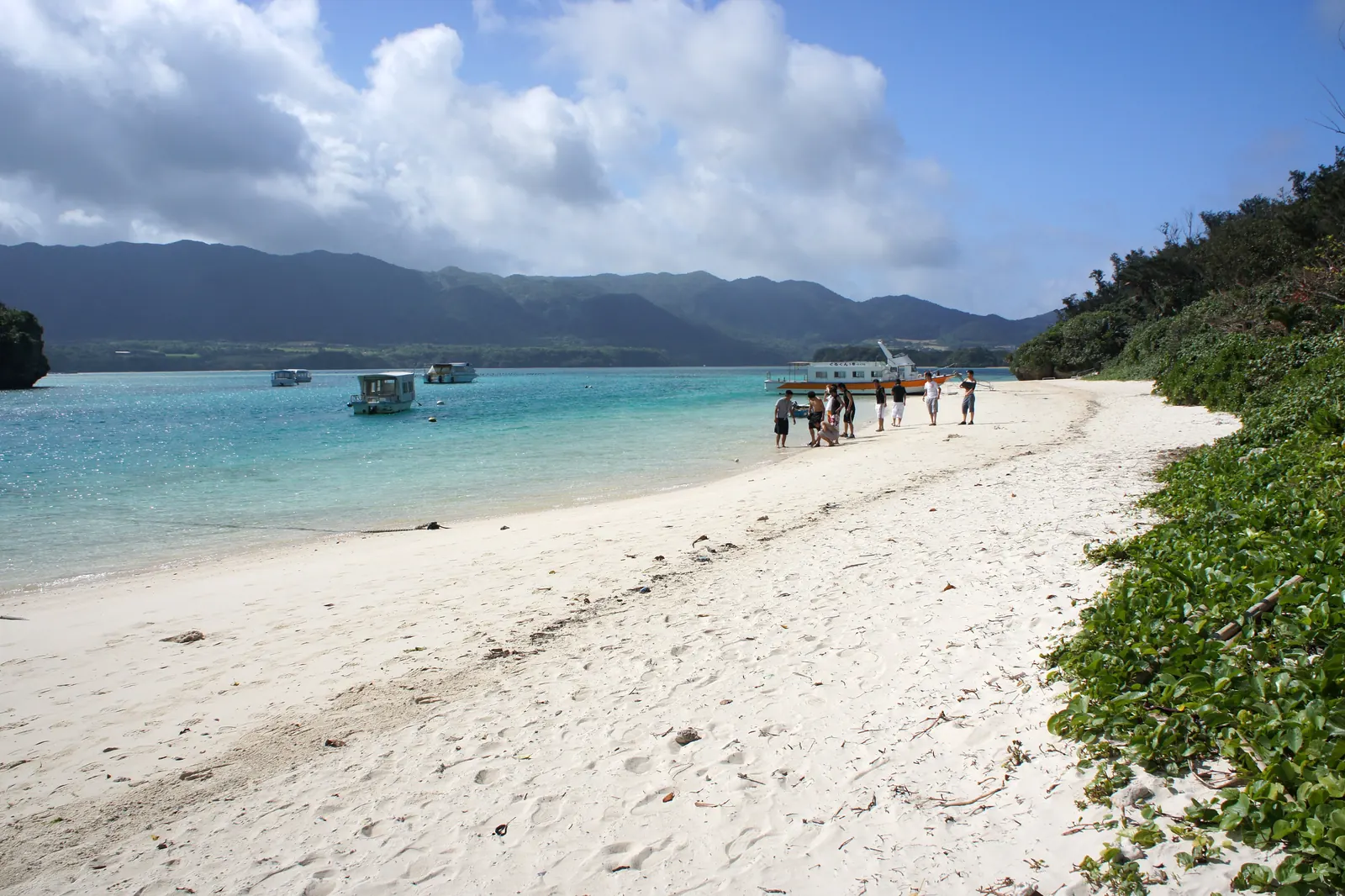
The water really is that colour — shallow, white-sand-floored and lit from below. You cannot swim: the current is serious and black pearls are farmed in the shallows. Glass-bottom boats are the intended way to see it, and they are worth the fare.
- Our number 2 for Ishigaki, out of ten. It is the first thing we would spend the hours on.
- Free; boat about ¥1,700 and up to visit — 30-minute trips; set by each operator (one revised its fare on 1 june 2026); confirm at the pier.
- On a 4–6h ashore call our verdict is "As the one thing" — out, boat, viewpoint, back, and lunch in town after.
- Always; boats ~9:00–17:00.
- 3 hr door to door needs a 5-hour call: a 2–3 hour stop cannot hold it. Pick something closer instead.
- No single published ride covers this one. Budget for a taxi both ways, or fold it into a guided day.
Why Kabira Bay is famous
Kabira is the postcard of the Yaeyama islands, and it is the rare famous bay you are not allowed to swim in: the current is strong and the water is a working black-pearl farm. Glass-bottom boats exist for exactly that reason. It is a national Place of Scenic Beauty.
Shallow water over white coral sand, with small wooded islets scattered across it. The colour is not a filter — it is what happens when sunlight passes through two metres of clear water and comes back off white sand.
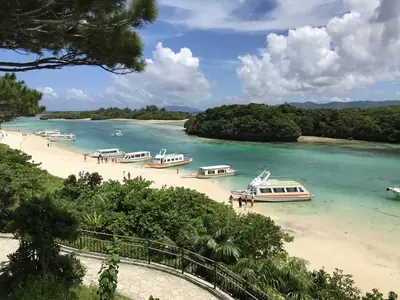
You cannot swim. The tidal current through the bay is genuinely dangerous, and black pearls are cultivated in the shallows. The glass-bottom boats are the intended way to see it, they run every fifteen minutes or so, and they are worth the fare.
Things worth knowing
- Fix your return before you get out of the car. There is no taxi rank at Kabira.
- The glass-bottom boat is the point. Standing on the viewpoint and leaving is half a visit.
- Light is best from late morning to early afternoon, when the sun is high enough to reach the sand.
- For a swim, Sukuji beach nearby is the shallow choice. Yonehara is a reef-snorkelling spot, not a casual swimming beach.
Kabira Bay and your ship
Both pins on one map, so the distance is a fact rather than a feeling.
Where the 3 hr goes
Counted from the moment you step off the gangway, about 30 minutes after the ship arrives. The hour before all-aboard is not in this bar; it is already set aside.
35 minutes each way is the measured figure for car ~35 min, not the optimistic one. If your ship is late, cut the 1 hr 50 min in the middle. Never cut the hour at the end.
Questions people send us
Why can’t you swim at Kabira Bay?
The tidal current through the bay is strong enough to be dangerous, and black pearls are cultivated in the shallows. Glass-bottom boats run instead and are the intended way to see the water. For a swim, Sukuji beach nearby is the shallow choice; Yonehara is a reef-snorkelling spot, not a casual swimming beach.
How do I get to Kabira Bay from the cruise berth?
By taxi or tour, about thirty-five minutes each way. On a 9–10 hour call the Azuma Route 9 bus also works: 9:45 from the bus terminal next to the ferry terminal, arriving 10:30. Back at 12:55 (arrives 13:45) or 13:55 (arrives 14:45). ¥770 each way or a ¥1,000 day pass. Fix your return before you get out of the car, because there is no taxi rank at the bay. Budget about three hours door to door.
Routes that already include it
Each one is a finished day timed from the official timetables, with this stop in it. Read the route rather than assembling it yourself.
What to put beside it
Each of these still lands you back aboard with the hour to spare.
 See · ~4h
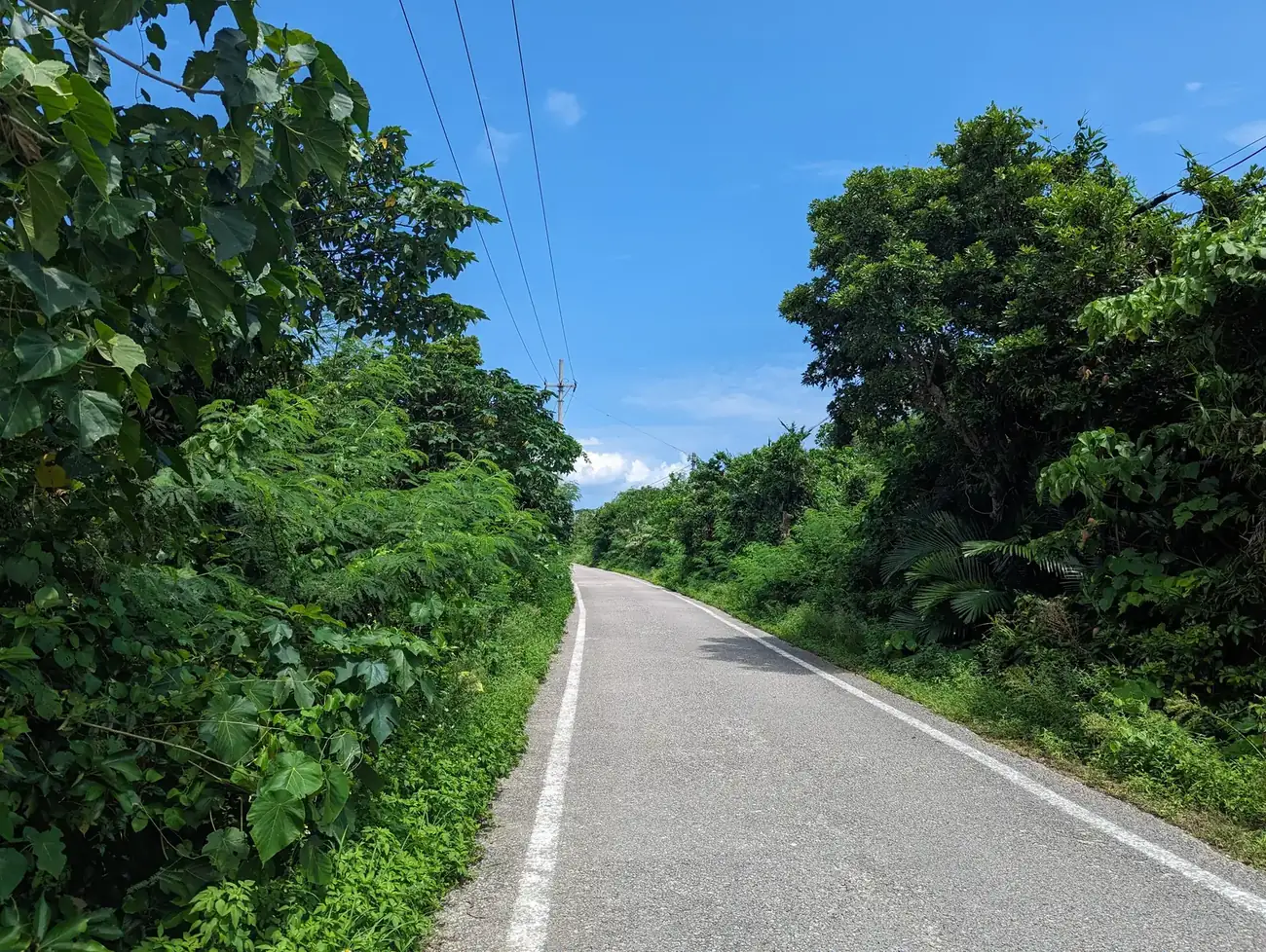
Taketomi island
Coral walls, red-tiled roofs weighted against typhoons, shisa on every ridge, and white sand lanes that residents rake by hand every morning before visitors arrive.
See the detail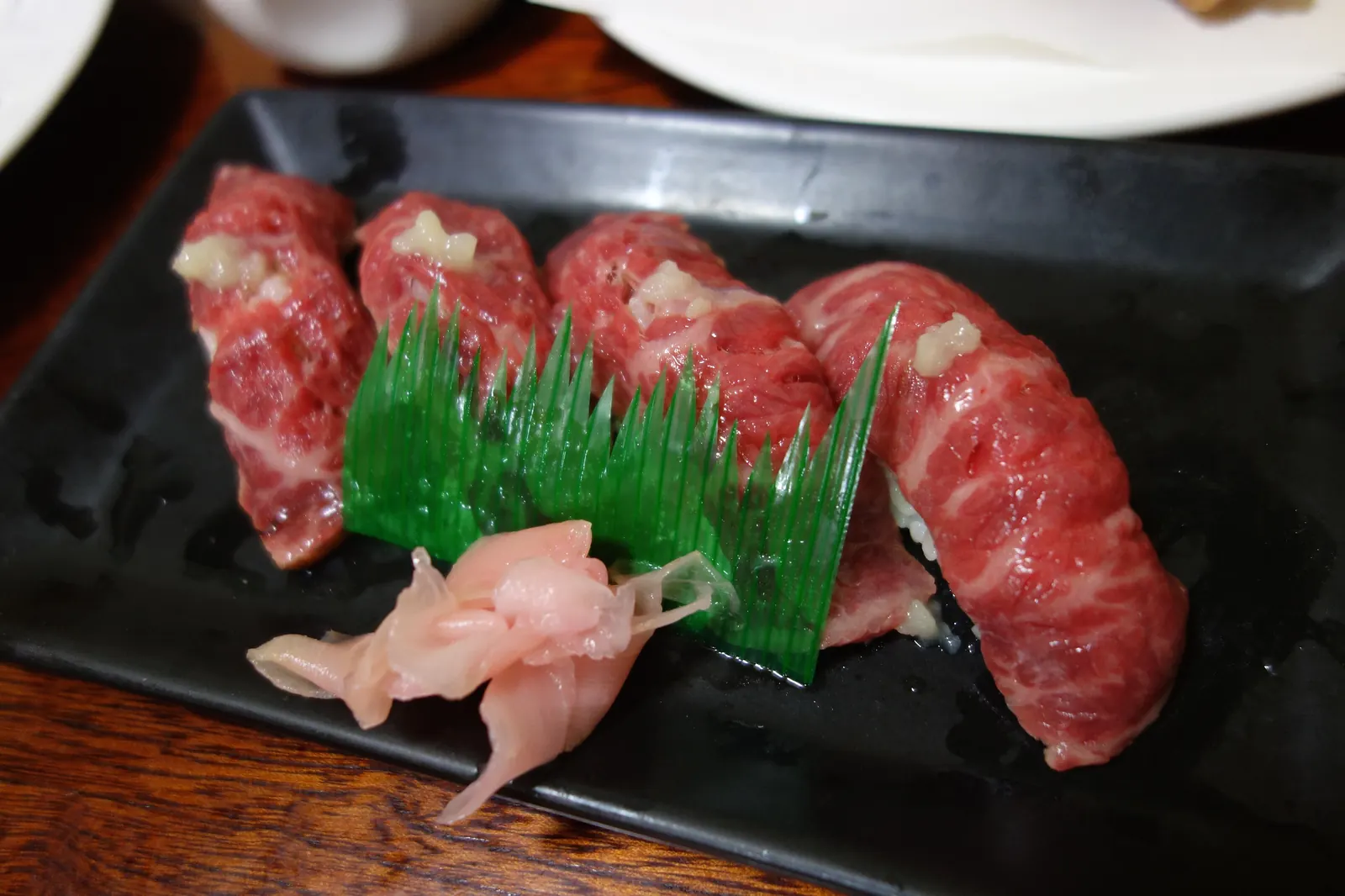 Eat · ~2h
Ishigaki beef, at lunch
Island-raised black wagyu, grazed on subtropical grass and finished here.
See the detail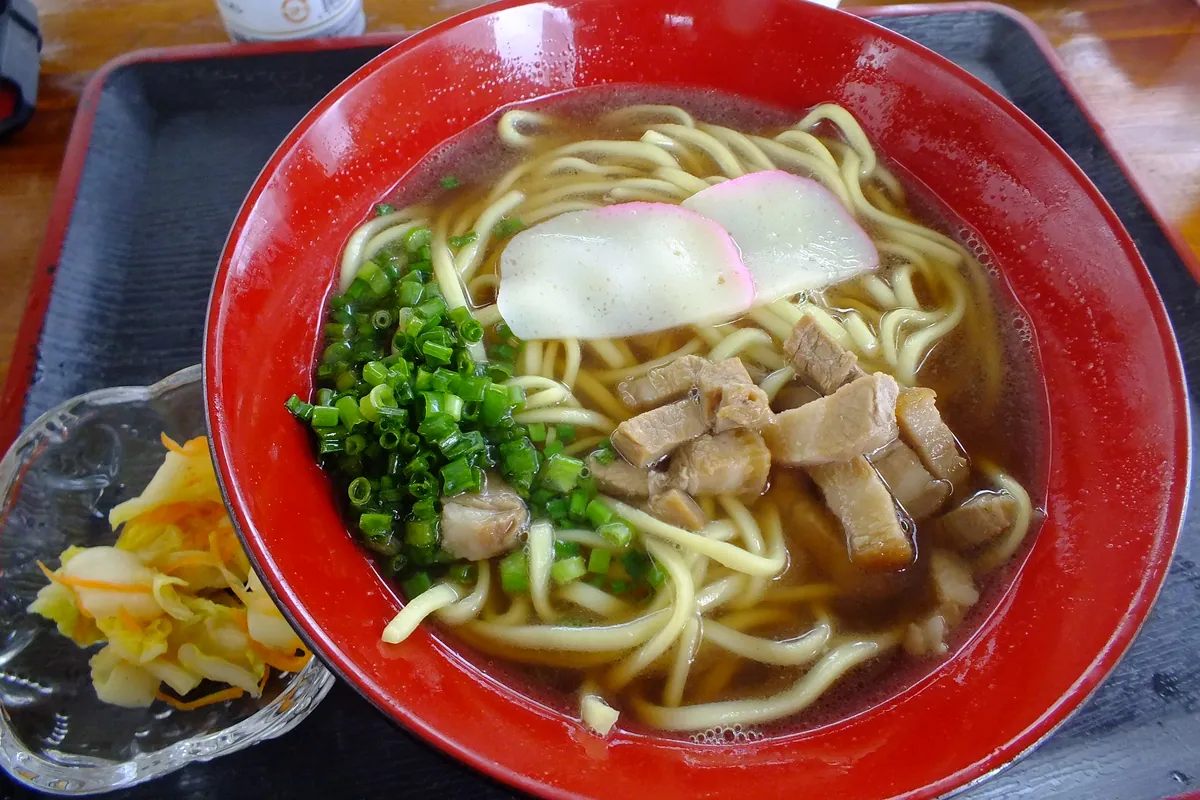 Eat · ~1.5h
Yaeyama soba
Round, thin, slightly chewy wheat noodles in a light pork-and-bonito broth, with kamaboko and diced pork belly.
See the detail