Tap a photo to see it large. 2 photographs, each credited.
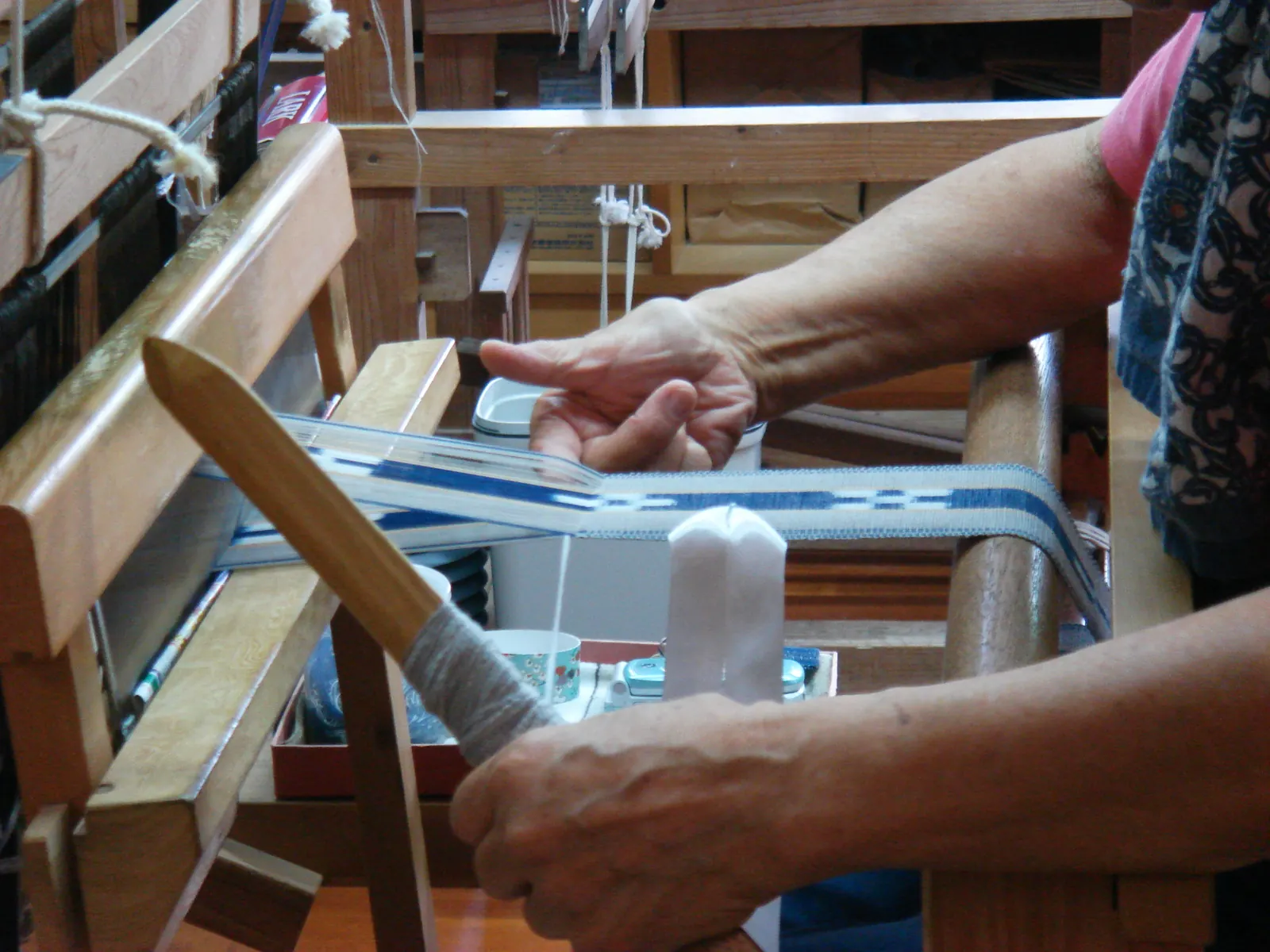
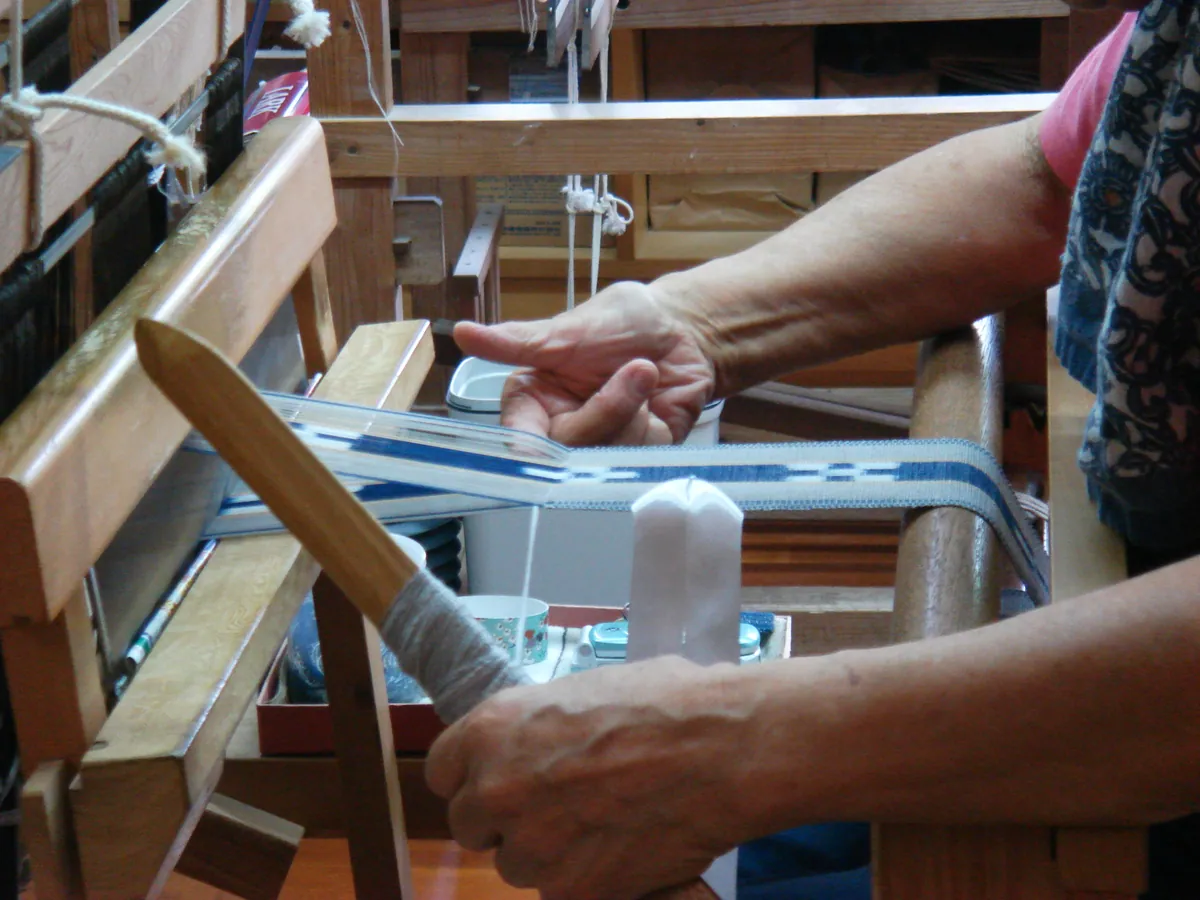
A belt woven in a repeating five-and-four square pattern, traditionally given by a woman to a man. The numbers are a pun: itsu no yo made mo — "for all time." Nowhere else in Japan makes it, and a small woven piece packs flat.
A pattern that is also a sentence, and once was also a tax
Minsah is a narrow cotton band woven in the Yaeyamas since the 17th century, with a pattern of five and four squares. It was given by a woman to the man she intended to marry, and the numbers are a pun: itsu no yo made mo, 'for ever'. Workshops on the island still weave it by hand.
A minsah belt carries two blocks of squares — one of five, one of four — repeated down its length. The numbers are a pun in the local language: itsu no yo made mo, "for all time." A woman wove one and gave it to a man, and the belt said what she was not going to say out loud.
Five squares and four: "for all time"
And is paid, in part, in woven cloth
The premium tax textile
The weaving continues
Buy something small and hand-woven, and check the reverse shows the pattern. Printed cloth does not.
Each of these still lands you back aboard with the hour to spare on a 6-hour stop ashore.
Each one is a finished day we have walked and timed, with this stop in it. Read the route rather than assembling it yourself.
Each of these still lands you back aboard with the hour to spare.
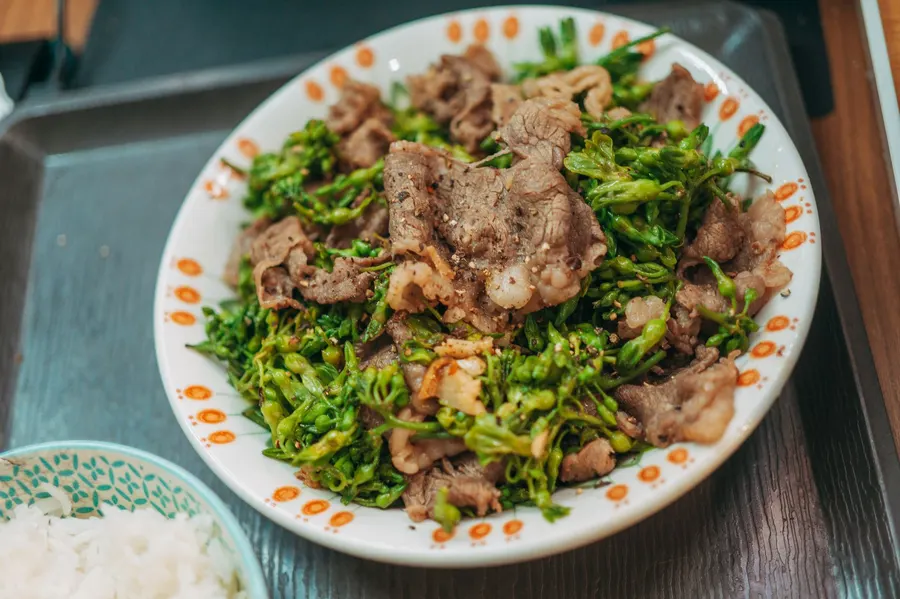 3 hr for both
Round, thin, slightly chewy wheat noodles in a light pork-and-bonito broth, with kamaboko and diced pork belly.
See the detail →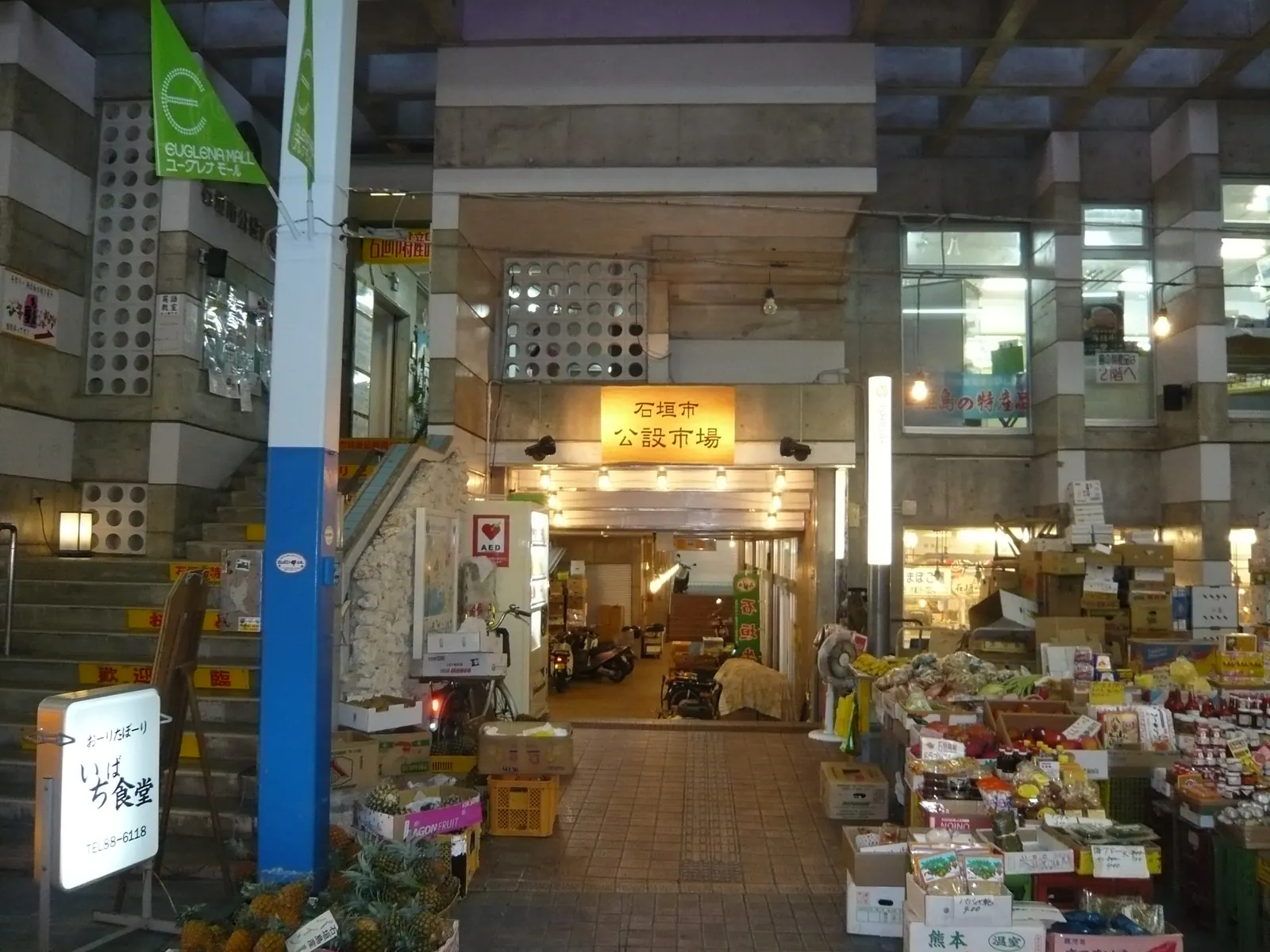 3 hr for both
Fish in colours that look wrong downstairs, a food court above, and the whole Yaeyama larder in between — island salt, chilli oil in awamori, brown sugar, and dried bonito.
See the detail →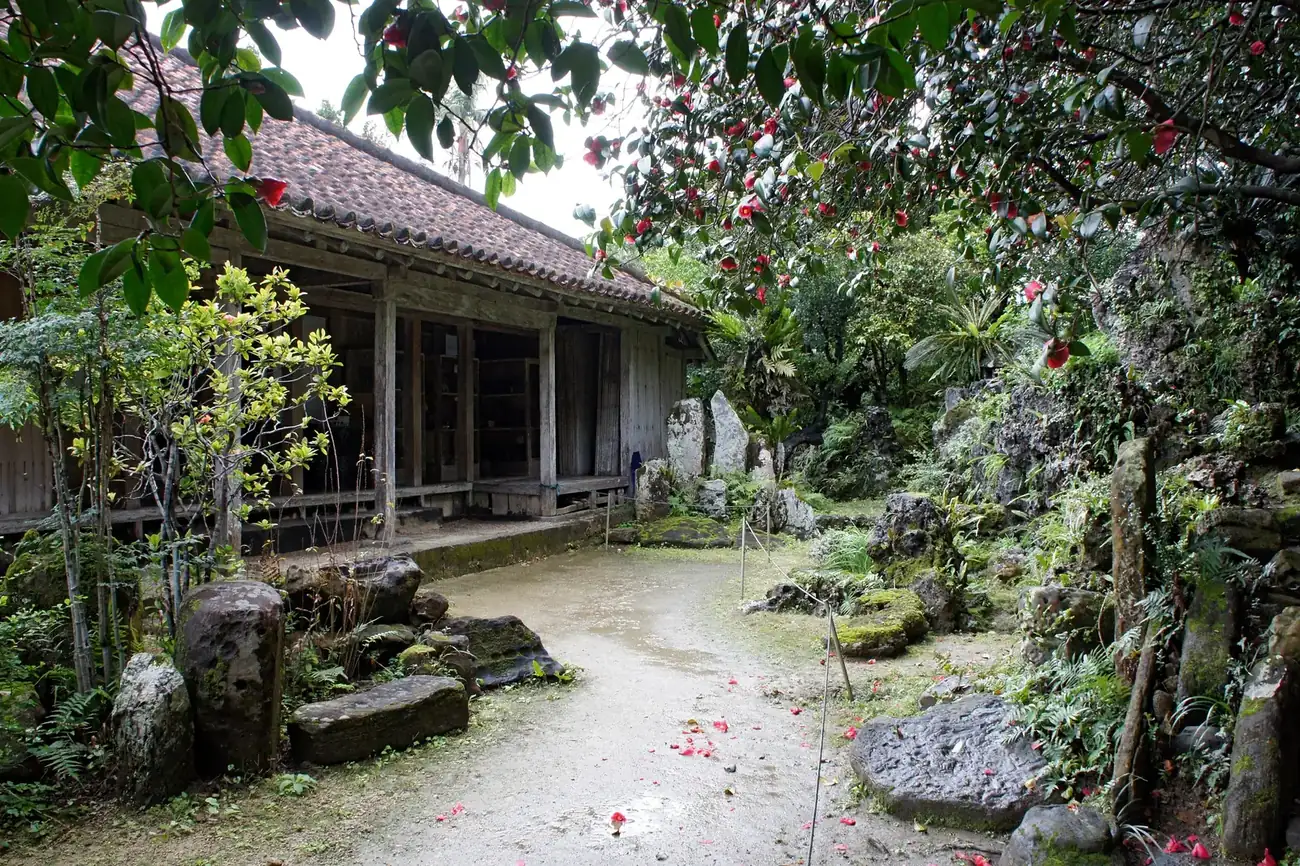 3 hr for both
Built in 1819 and the only surviving Ryukyuan aristocratic residence in the Yaeyamas.
See the detail →No typing needed — jump straight in:
Just docked? — the gangway toolStart from your shipThe ride from every berthAsk the editorGlossary