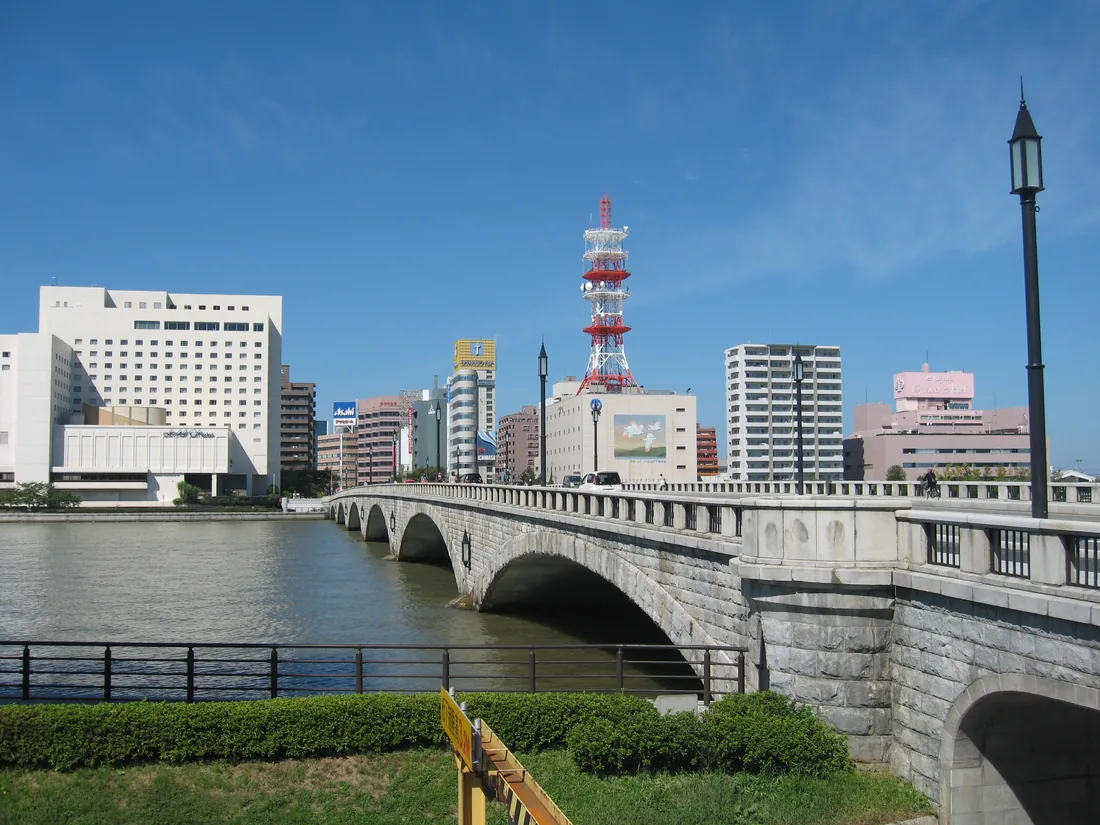
Two ports, four berths, and a difference in your day that nobody explains until you are standing on the gangway.
(Every port’s berth and shuttle reality is compiled in one place: the Shuttle & Berth Index. The two capital-region terminals below are the fullest case study.)
Tokyo Bay is where most Japan itineraries begin, end, or turn around. It is also where the single largest unforced error in Japanese cruising happens: planning a day for the terminal you assumed you had.
The four berths, and what each one means
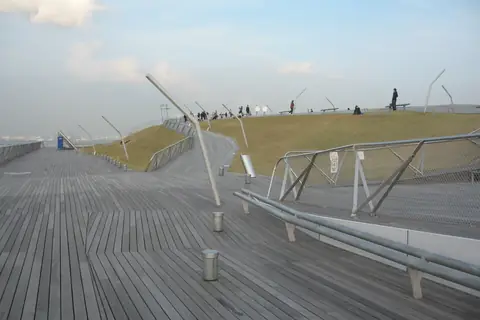
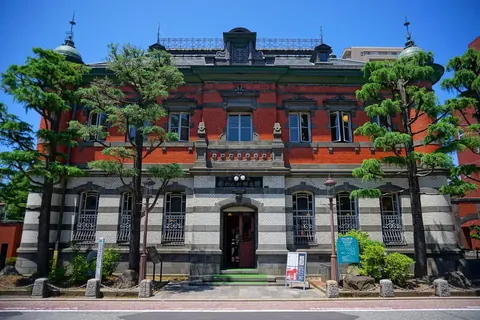
Osanbashi (Yokohama) — the good one. It sits in the middle of the city, and the terminal itself is worth twenty minutes: a folded-plate structure of Brazilian hardwood and lawn with no columns and no steps anywhere on it, whose roof is a free public park open twenty-four hours. Chinatown is twenty flat minutes on foot. The Red Brick Warehouse is ten. The Hotel New Grand is five.
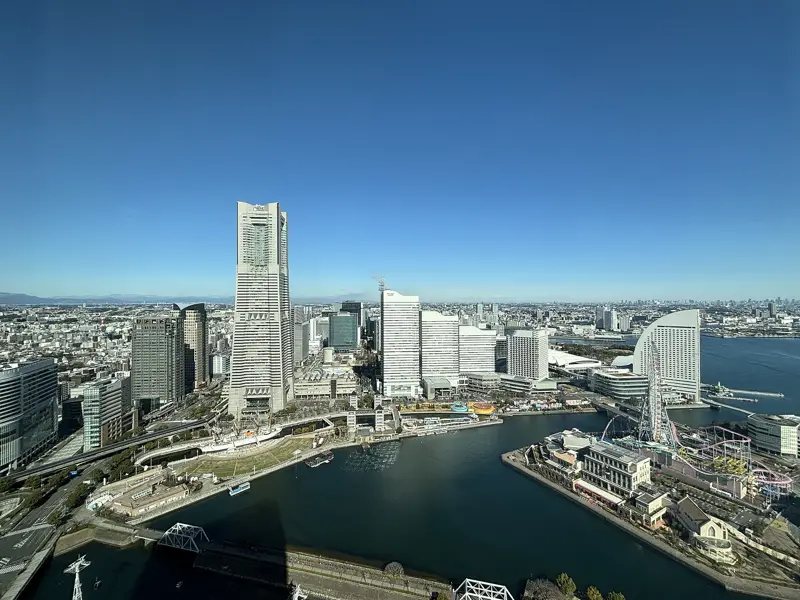
Yokohama Shinko / Hammerhead — also central, on the Minato Mirai waterfront, with the same city on your doorstep.
Daikoku Pier (Yokohama) — the one that changes everything. Daikoku is a man-made industrial island reached by expressway bridges, inside a working container terminal, with no pedestrian exit at all. You cannot walk off it. The shuttle bus is the only way out, and its timetable becomes the spine of your entire day.
Large ships are berthed here because they do not fit at Osanbashi. It is not a downgrade in service; it is a different geography.
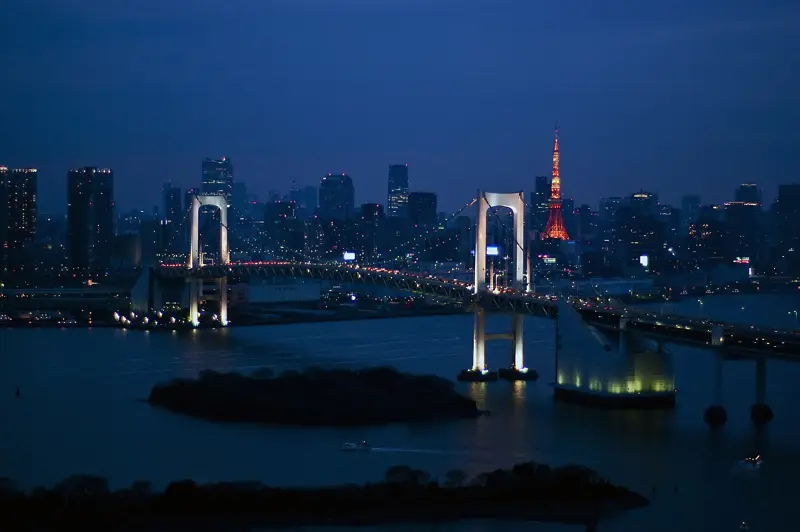
Tokyo International Cruise Terminal (Odaiba) — Tokyo’s own berth, on the bay south-east of the centre. Better than Daikoku, and still a genuine transfer to anywhere you have heard of.
Why this is the decision, not a detail
Run the same eight-hour stop ashore through two berths.
From Osanbashi: walk to Chinatown, eat, walk to the Red Brick Warehouse, take a train up to Kitano or out to Sankeien, come back through the waterfront at dusk. You have used seven of eight hours on the ground and none of them waiting.
From Daikoku: shuttle out on its schedule, arrive somewhere, work backwards from a return shuttle you must not miss, and lose an hour or more to the pier at both ends. The same eight hours yields perhaps five usable ones, and the flexibility to change your mind is gone.
Neither is bad. But a plan built for the first and executed at the second falls apart, and that is the failure people actually experience.
Finding out before you commit
Three sources, in order of reliability:
- The port authority’s published cruise schedule. Yokohama and Tokyo both publish vessel, date and berth. This is the primary source.
- Your ship’s own port guide, which usually names the terminal a few weeks before sailing.
- Your Roll Call thread, where somebody often has it earlier than either.
Ask before you book anything time-sensitive — a restaurant, a private guide, a sumo ticket. The answer changes what is possible.
Is Tokyo worth it from Yokohama? The honest arithmetic
This is the other question everyone asks, and the answer is arithmetic rather than opinion.
From Osanbashi, central Tokyo is roughly forty-five to sixty minutes each way including the walk to a station. From Daikoku, add the shuttle and its timetable and the round trip typically passes two and a half hours before you have seen anything.
So:
- Under six hours ashore: stay in Yokohama. It is a genuinely good city with a treaty-port history, Japan’s largest Chinatown, a ramen style invented at one address in 1974, and three dishes invented in one hotel. Going to Tokyo to spend ninety minutes in it is not a day.
- Eight hours or more: Tokyo works, from Osanbashi comfortably and from Daikoku with discipline. Pick one target — Asakusa or Shibuya or the Tsukiji Outer Market — and accept that you are not doing two.
- Overnight: now you have a real Tokyo day, and the calculation changes completely.
The rule for Tokyo’s own terminal
The same logic applies in reverse. From the Tokyo International Cruise Terminal, Senso-ji is forty to fifty-five minutes each way and Shibuya is forty-five to sixty. That round trip is why a four-hour stop ashore in Tokyo should have exactly one destination, and why a two-to-three-hour stop ashore should stay near the water.
Shibuya deserves a specific warning: the crossing itself lasts about ninety seconds. It is genuinely worth seeing once. It is not worth two hours of trains on a short call, and people make that trade because it is famous rather than because it fits.
What to do with this
Find out your berth. Then plan the day the berth allows, rather than the day the itinerary implied.
Both Yokohama and Tokyo port guides on this site are written with all four berths in mind, and both carry a plan sized to your exact hours ashore — including a wet-weather version, because Tokyo Bay in June does not care what you booked.
Guided days at the ports in this article
Shared cars with a guide first; each page says who should skip it. Booked through Viator; there is no tour desk at the pier.
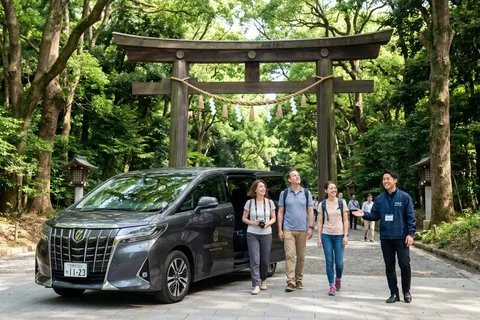 YokohamaPrivate car · per person5.0★ · 38
Tokyo in 1 Day from Yokohama by Car with Licensed Guide
A private car day in Tokyo with a licensed guide, choosing three or four sights from a long list, starting fro…
from US$482 per person · max 7Why it is here →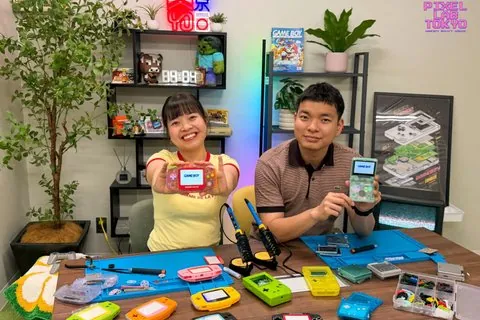 TokyoSmall group5.0★ · 202
Pixel Lab Tokyo: Gameboy Mod Workshop (Classic/Advance/SP)
A three-hour workshop building and customising your own Game Boy, Classic, Advance or SP, to take home.
from US$350 per person · max 8Why it is here →If you book, we may earn a small commission at no extra cost to you. It never decides what we recommend.