
Toyota Commemorative Museum of Industry and Technology
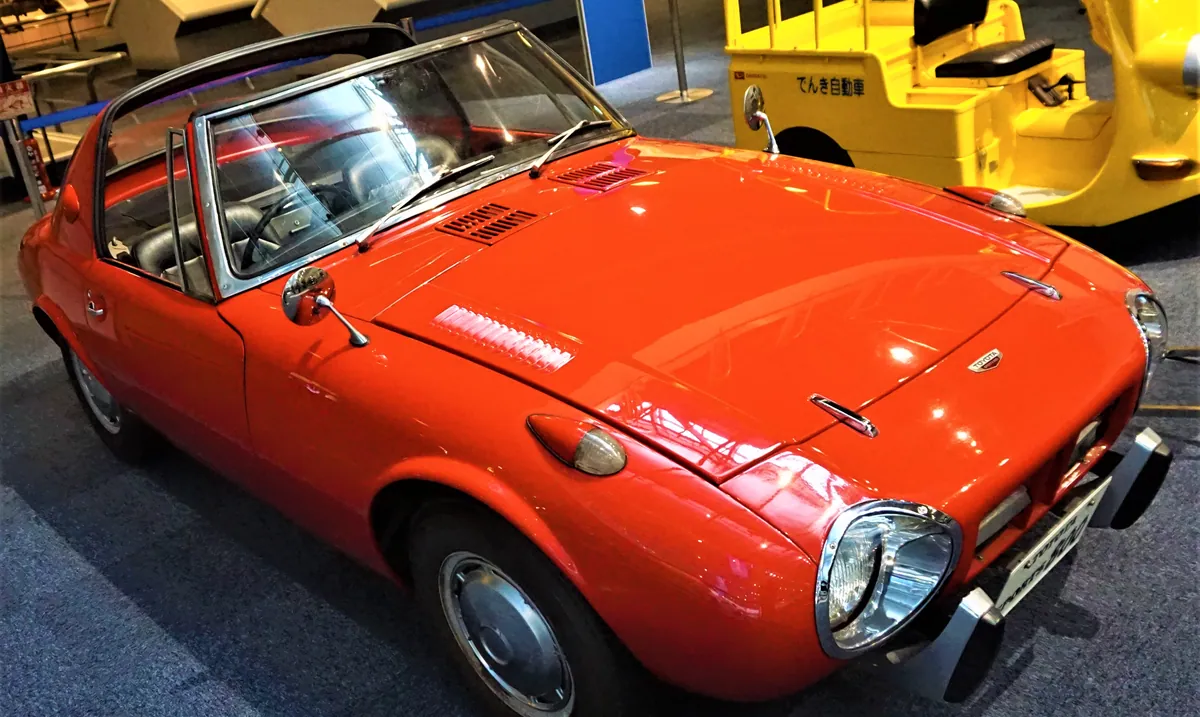 1 / 9
1 / 9Toyota Commemorative Museum of Industry and TechnologyPhoto: Bariston / CC BY-SA 4.0
Tap a photo to see it large. 9 photographs, every one credited.
One stop from Meitetsu Nagoya to Sako on a local train, then 3 minutes on foot. 9:30–17:00, last admission 16:30, adult ¥1,000. It closes on Mondays, so it is open on Tuesday 10 November, both Saturdays and the Friday Navigator of the Seas call. The Me~guru sightseeing bus stops at the main entrance, and a taxi from Nagoya Station takes 5 minutes. A museum, so the rain pick.
- On a 4–6h ashore call our verdict is "Yes" — rail in, two hours in the halls, lunch inside nagoya station on the way back, aonami line to the ship.
- It is not only a photo stop: a loom-maker's brick plant, a car company and japan's busiest cargo port.
- 9:30–17:00, last admission 16:30 — closed mondays (the next day if monday is a holiday) and at new year. open on 10, 14 and 28 nov 2026 and on fri 26 feb 2027 by that rule.
- 4 hr door to door means a 2–3 hour stop ashore cannot hold it. Pick something closer instead.
Why Toyota Commemorative Museum of Industry and Technology is famous
A loom-maker's brick plant, a car company and Japan's busiest cargo port
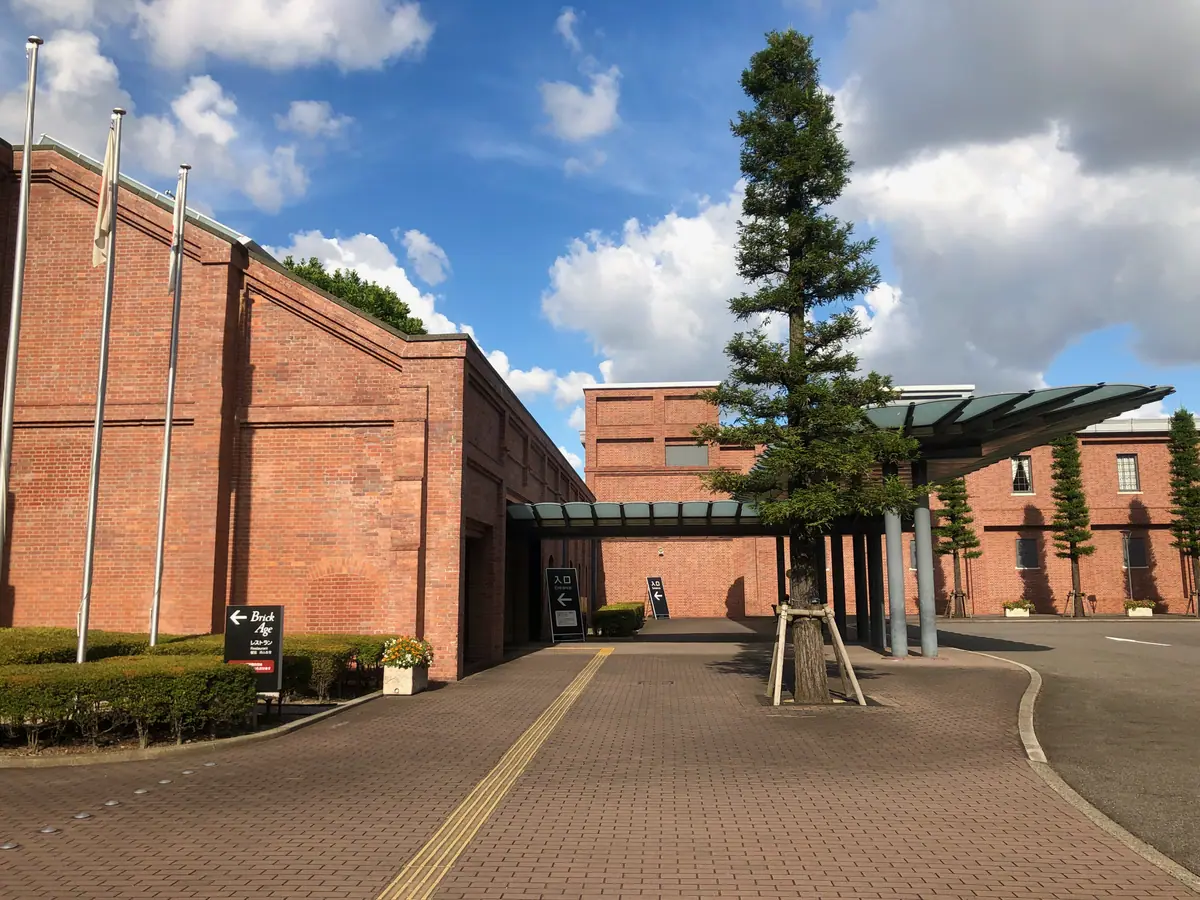
The museum is one stop from Meitetsu Nagoya, at Sako, a name written 栄生 and read sakō. The museum’s own access page gives three minutes on foot from that station, or five minutes by taxi from Nagoya Station, and the Me~guru sightseeing loop bus stops at its main entrance. It closes on Mondays, the day after when Monday is a holiday, and at New Year.
Your ship ties up in a working cargo port, the busiest in Japan by tonnage. The company that made the region rich began with looms, in a brick plant you can still walk through.
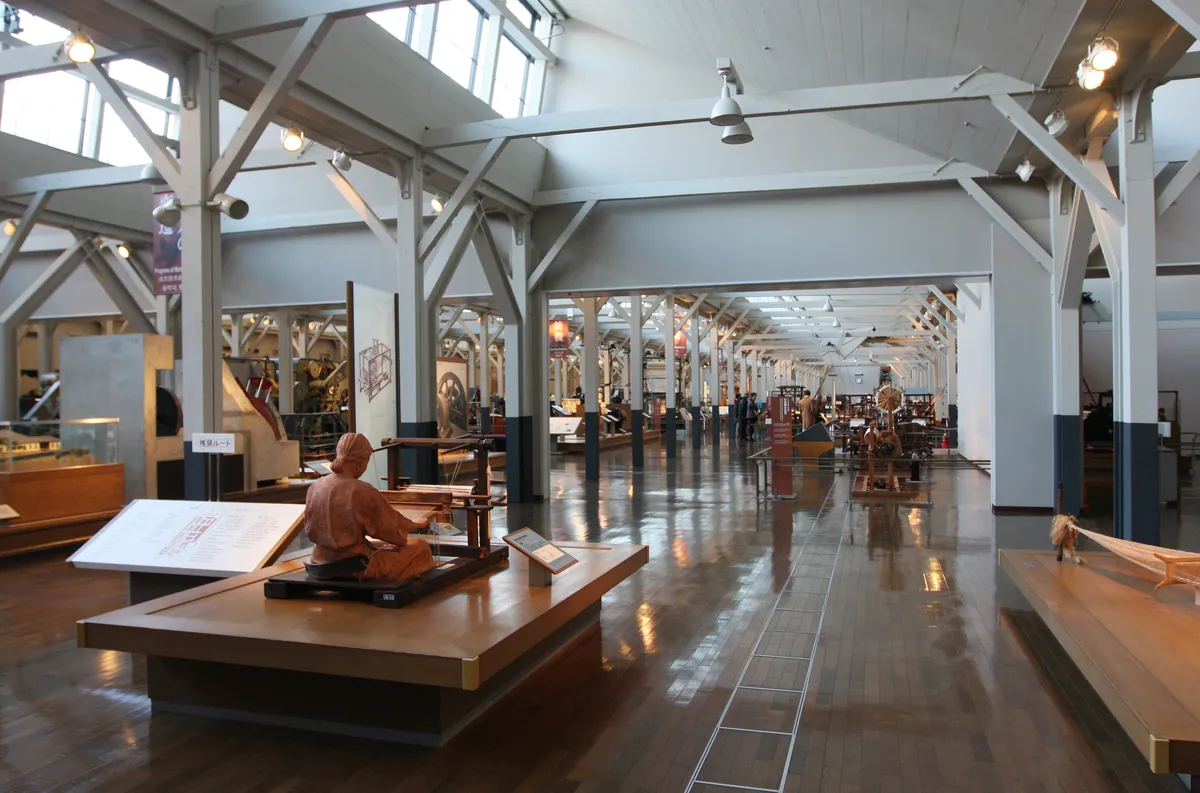
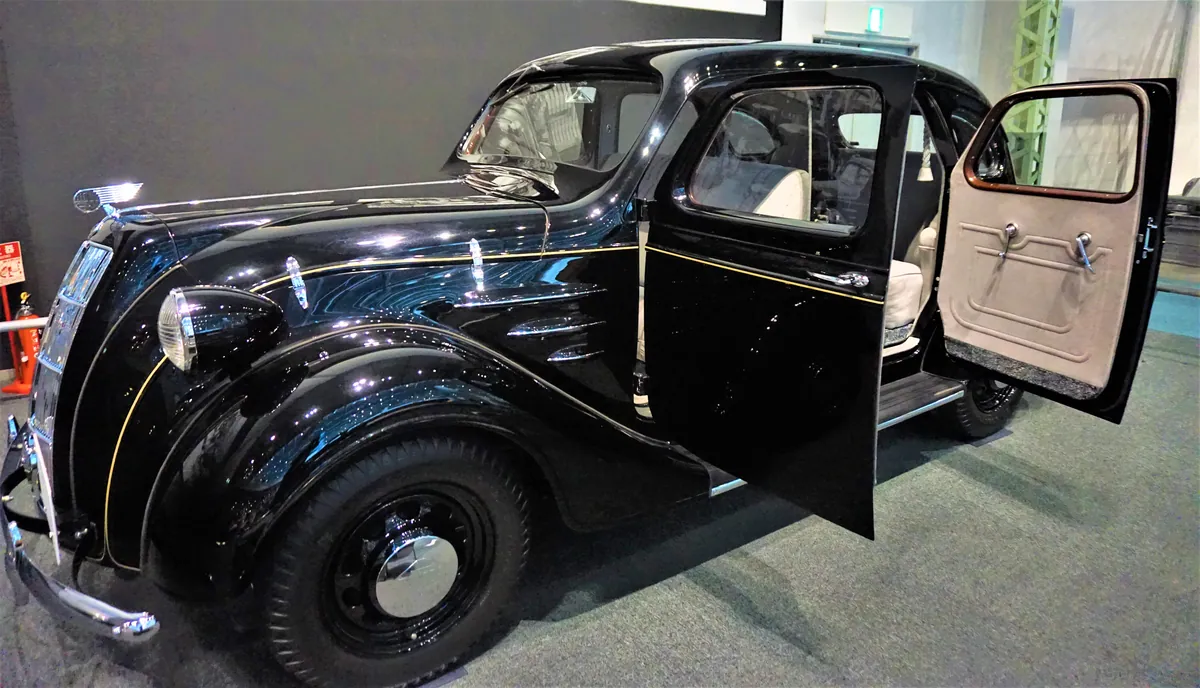
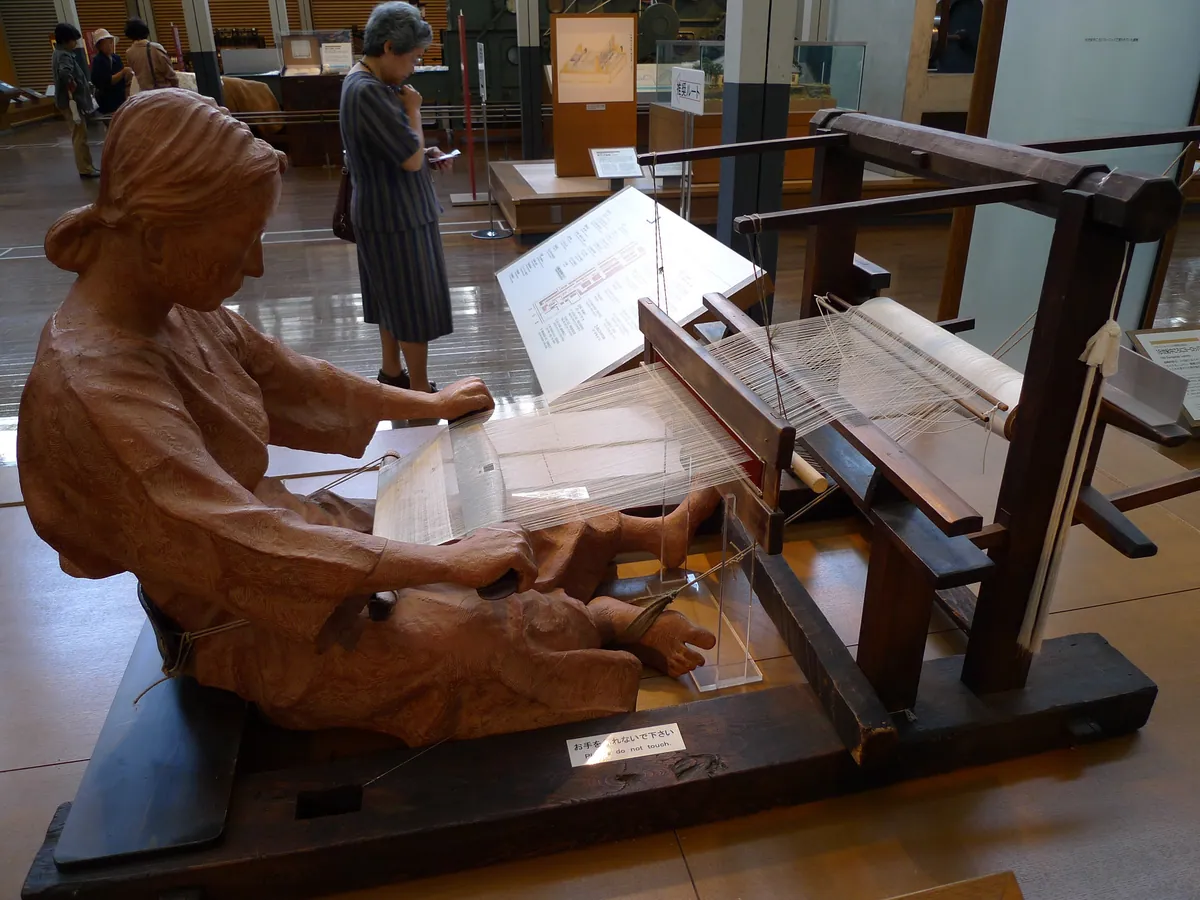
This is where the Toyota story starts, and it starts with looms. Sakichi Toyoda made a power loom of wood and iron in 1896, which the museum calls Japan's first. In 1911 he built a red-brick pilot plant here in Sako to develop automatic looms. His Type G of 1924 changed shuttles without stopping, and in 1929 he sold the patent to Platt Brothers of the UK. His son Kiichiro took the family into cars, and Toyota Motor Co. was established in 1937.
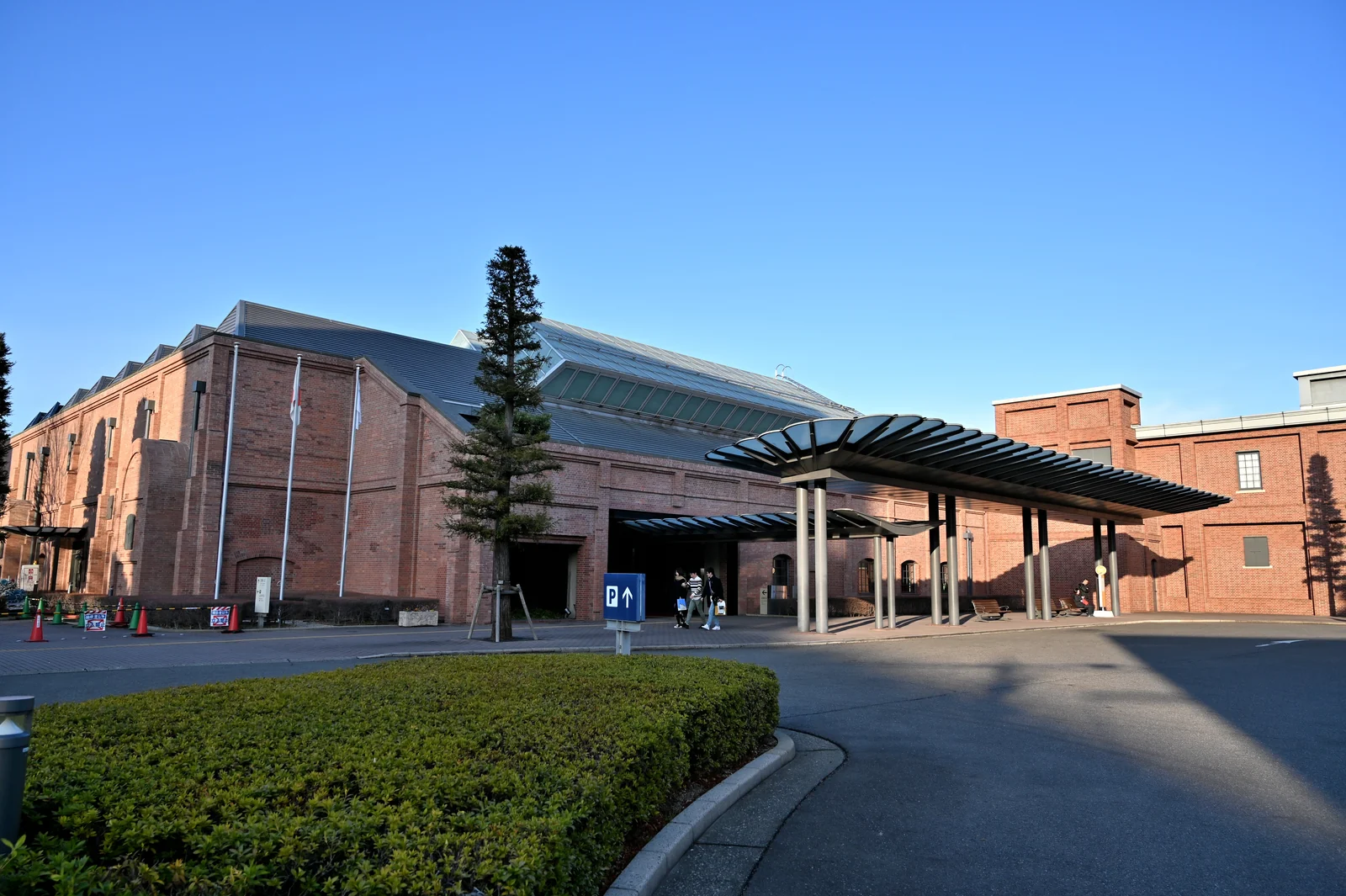
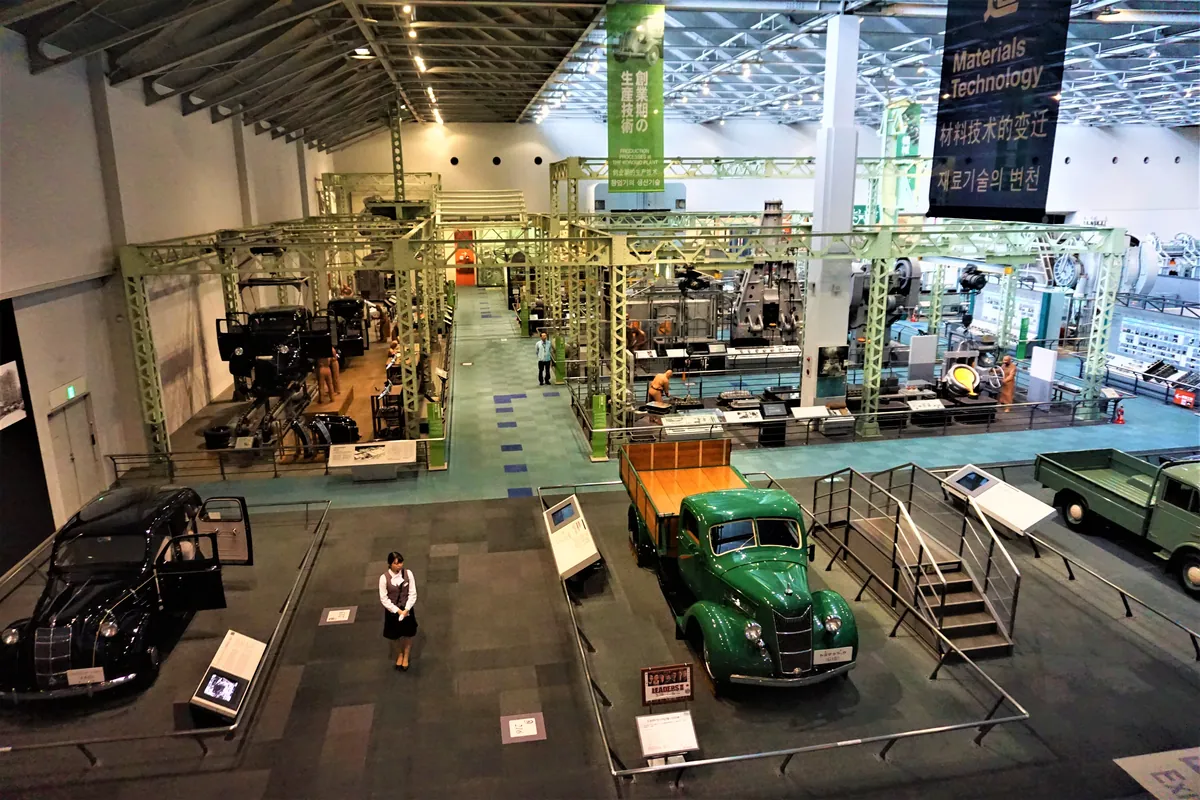
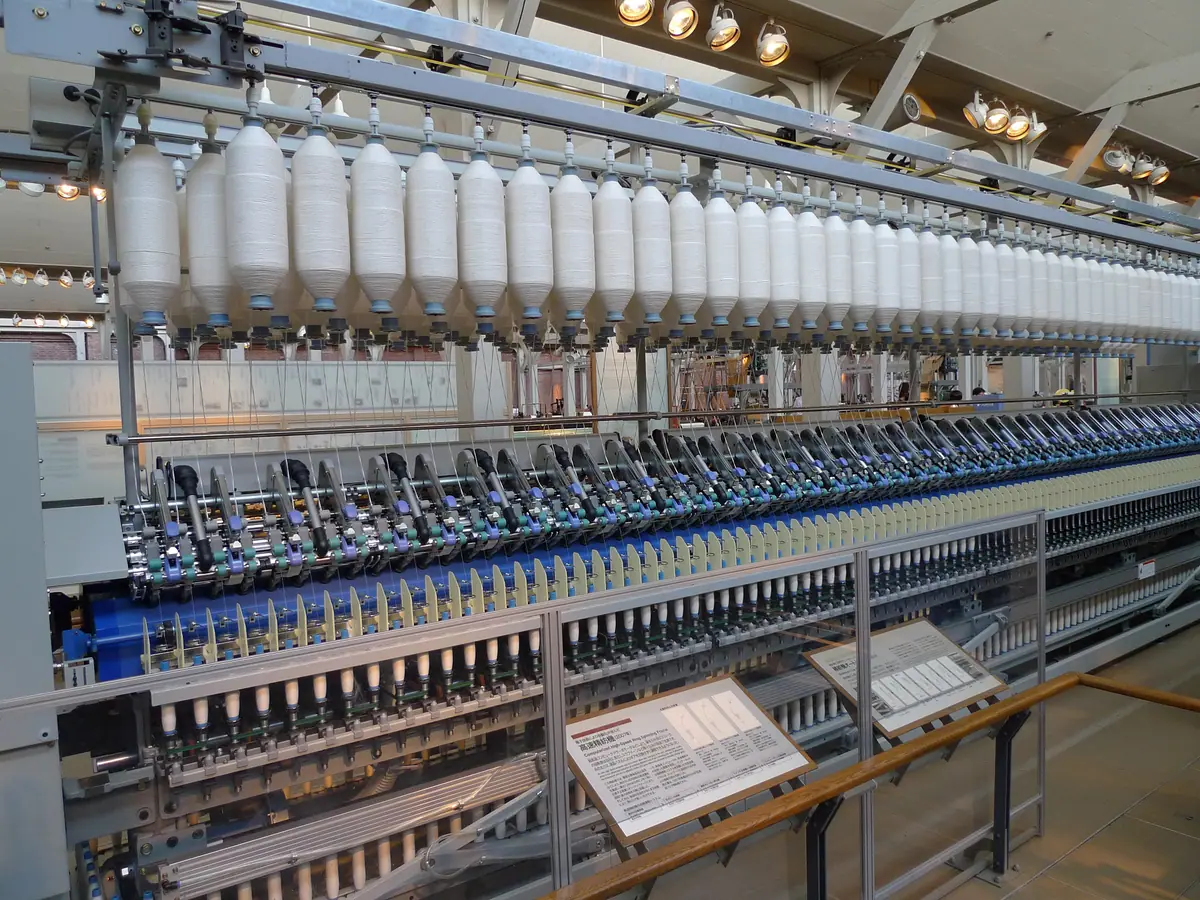
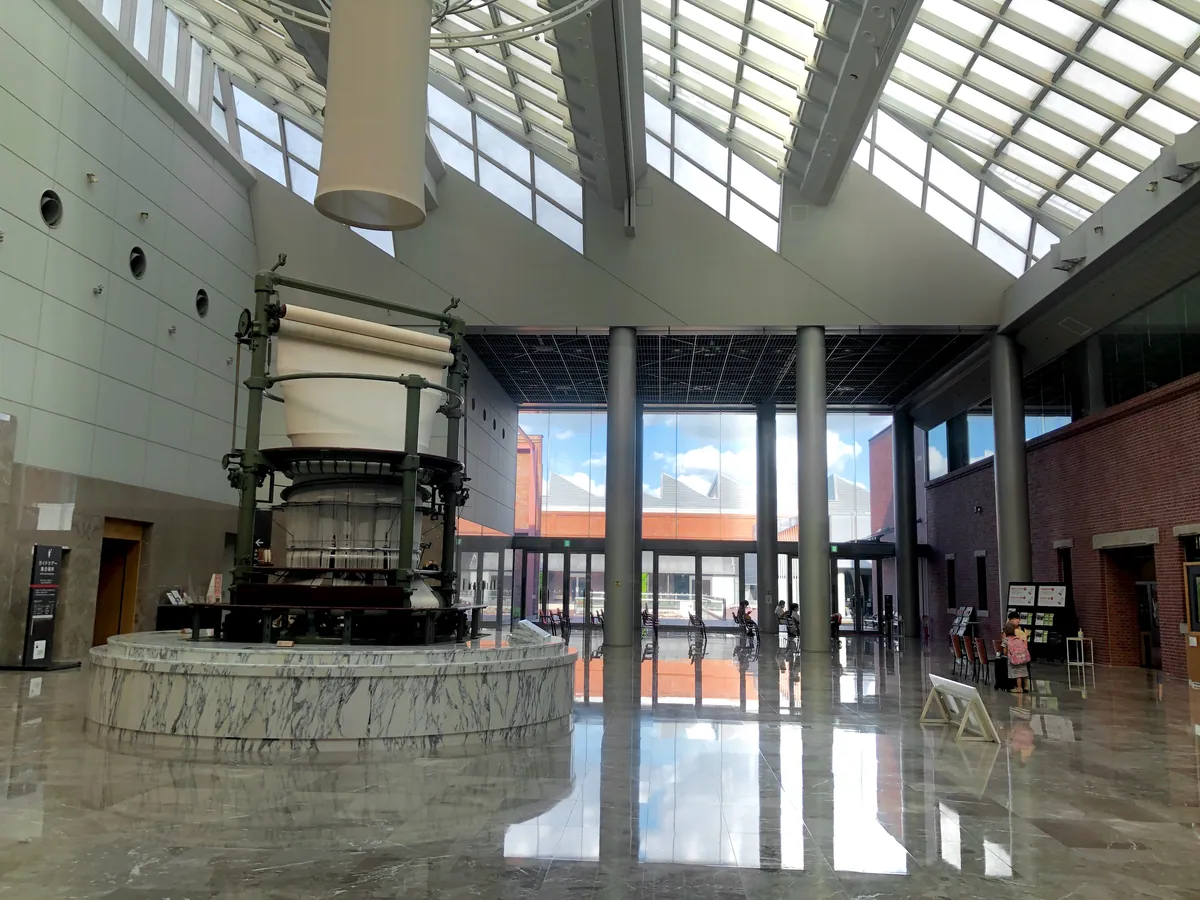
The Toyota Group companies opened the museum in that brick plant in June 1994. The government listed the building as Heritage of Industrial Modernization in 2007. It has two halls, the Textile Machinery Pavilion and the Automobile Pavilion. It is one stop from Meitetsu Nagoya, it is open on the Tuesday call when the railway museum at Kinjo Pier is shut, and it is under a roof from end to end.
In what is now Shizuoka Prefecture
Wood and iron; the museum calls it Japan's first
November; Atsuta port is renamed the Port of Nagoya. Garden Pier is its birthplace
A pilot plant in Sako for automatic looms, now the museum
Two ways to see it. On a Saturday call, walk from the ship to the SCMAGLEV and Railway Park beside Kinjo-futo Station. On any call, ride the Aonami Line to Nagoya and the Meitetsu line one stop to Sako for the Toyota museum. Allow two hours there.
Things worth knowing
- Sako (栄生) is one stop from Meitetsu Nagoya. The museum's directions are for local trains, so take a local.
- On Tuesday 10 November the SCMAGLEV and Railway Park at Kinjo Pier is closed. This museum is open, so it is the industrial swap for that day.
- On the 06:30 arrival on Saturday 14 November, eat breakfast at Nagoya Station first. The museum opens at 9:30; Yabaton's station branch opens at 7:00 and Komeda's morning service runs to 11:00.
- The Me~guru sightseeing bus stops at the main entrance. It runs Tuesday to Sunday; the 1-day pass is ¥500.
- Monozukuriものづくり — The making of things. The museum's word for what Kiichiro Toyoda devoted himself to.
- Jido shokki自動織機 — Automatic loom. Sakichi Toyoda's Type G of 1924 changed shuttles without stopping.
Toyota Commemorative Museum of Industry and Technology and your ship
Both pins on one map, so the distance is a fact rather than a feeling.
Where the 4 hr goes
Counted from the moment you step off the gangway. The hour before all-aboard is not in this bar; it is already set aside.
24 minutes each way is the measured figure for aonami line to nagoya 24 min, then meitetsu one stop to sako on a local train and 3 min on foot, or 5 min by taxi from nagoya station. taxi from the berth 17.4 km, about ¥7,700, our estimate, not the optimistic one. If your ship is late, cut the 3 hr 12 min in the middle. Never cut the hour at the end.
Questions people send us
Is the Toyota Commemorative Museum open on Tuesday 10 November 2026?
Yes. It closes on Mondays (the next day if Monday is a holiday) and at New Year, so it is open on 10, 14 and 28 November. Hours are 9:30–17:00, last admission 16:30.
How do I get to the Toyota Commemorative Museum from Kinjo Pier?
Walk or take the shuttle, if one runs, to Kinjo-futo Station. Take the Aonami Line to Nagoya (24 min, ¥360), then Meitetsu one stop to Sako on a local train and walk 3 minutes. About 1 hour each way by our estimate. A taxi from the berth is about 17.4 km, roughly ¥7,700 by our estimate before traffic.
How much is the Toyota Commemorative Museum and how long do I need?
¥1,000 for adults. Allow about two hours for both pavilions, by our estimate.
Routes that already include it
Each one is a finished day we have walked and timed, with this stop in it. Read the route rather than assembling it yourself.
What to put beside it
Each of these still lands you back aboard with the hour to spare.
 See · ~4h
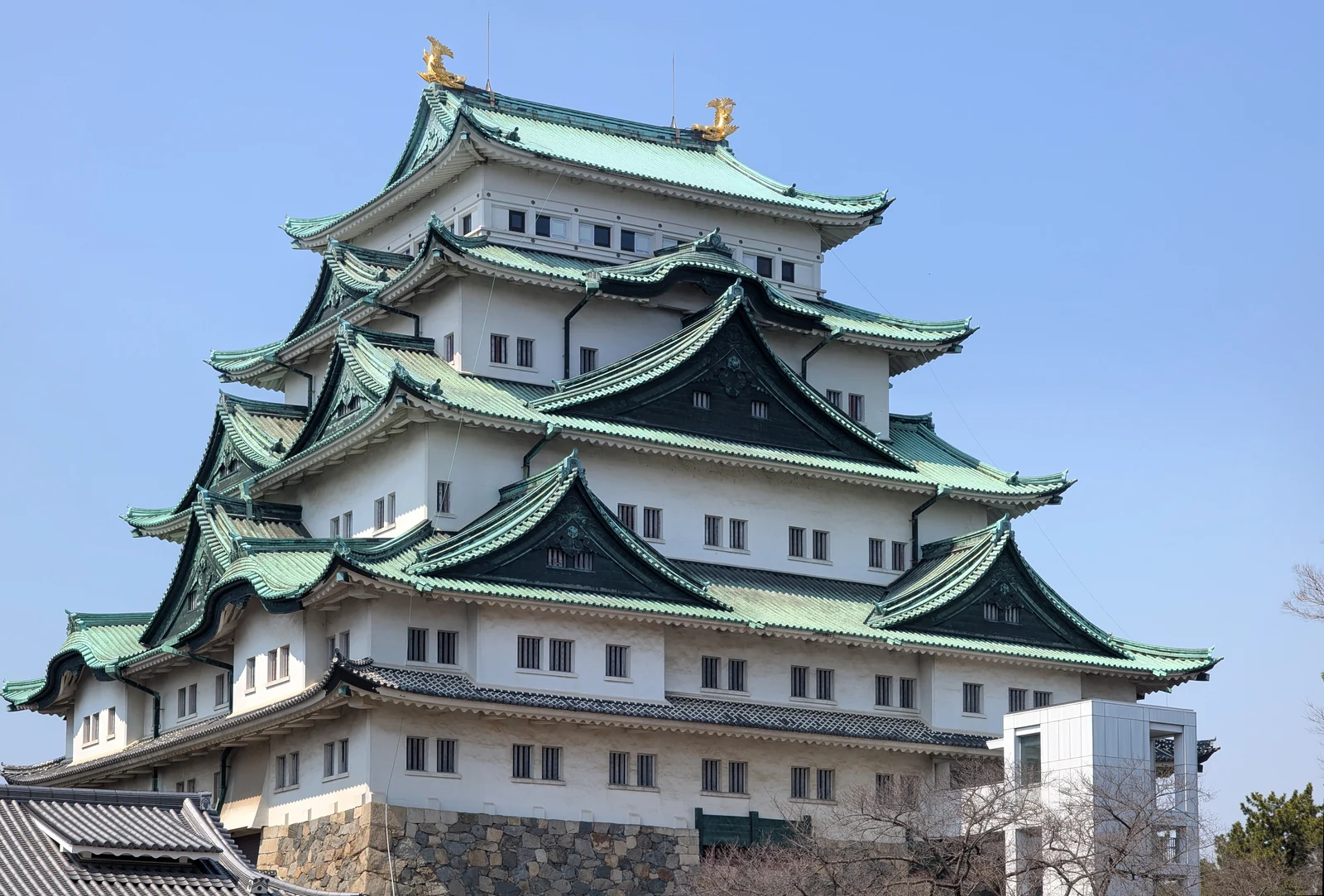
Nagoya Castle and the Hommaru Palace
The main keep is closed, so the visit is the Hommaru Palace, about 10 minutes on foot from the Main or East Gate, and the grounds.
See the detail →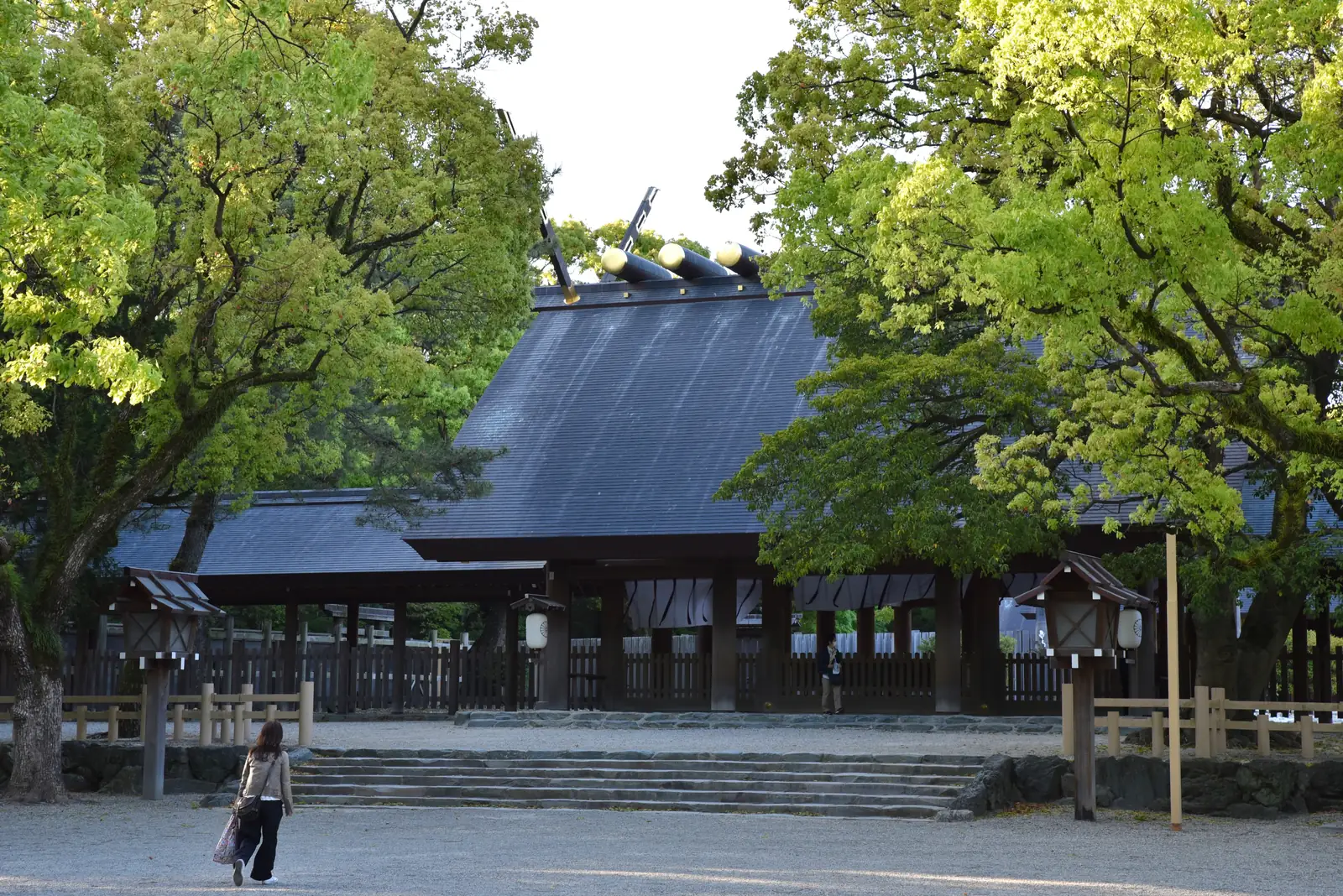 See · ~3.5h
Atsuta Jingu and the Kusanagi-kan sword museum
The shrine grounds are free; no official opening hours are published.
See the detail →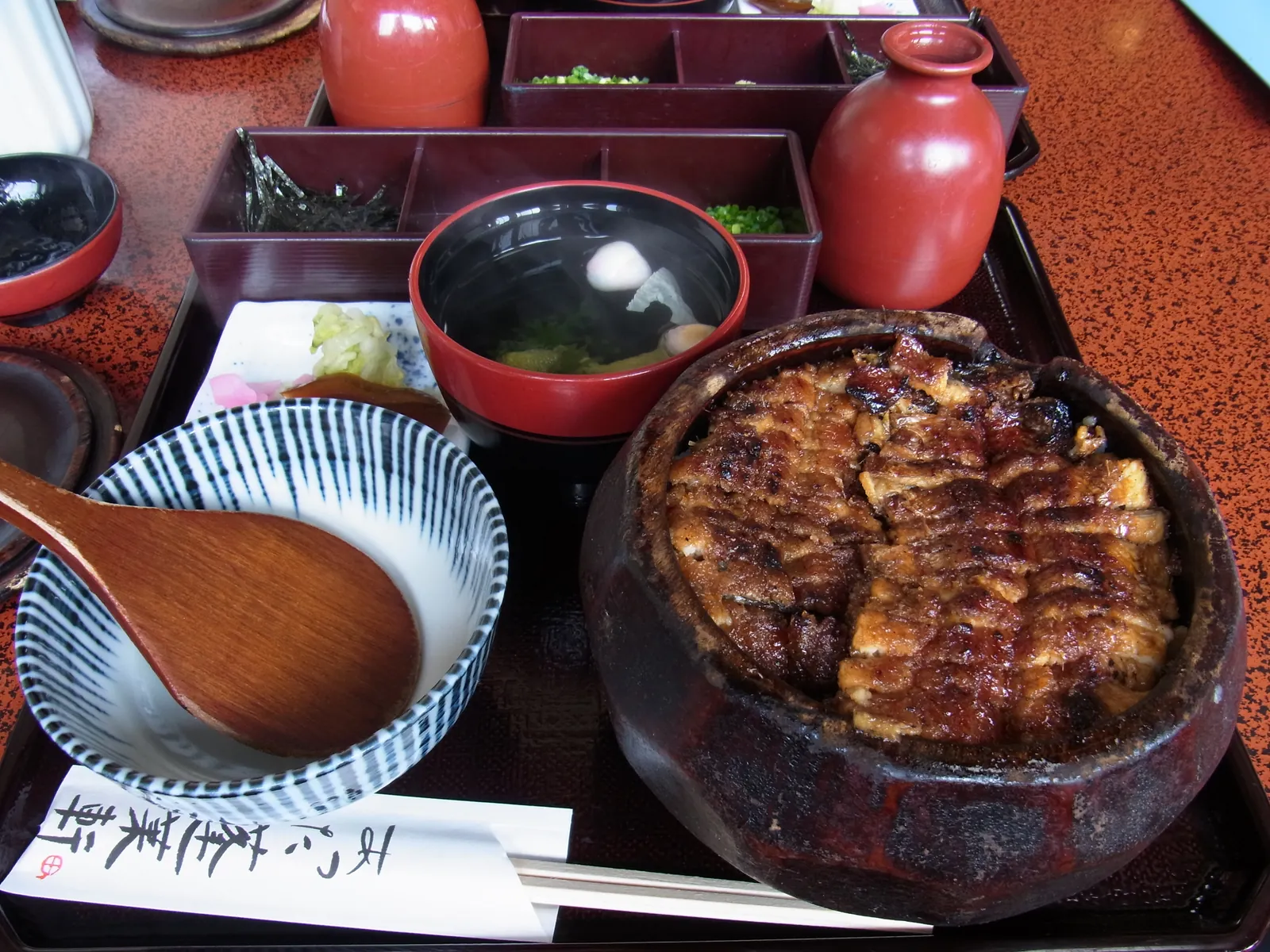 Eat · ~3.5h
Hitsumabushi at Atsuta Horaiken
Hitsumabushi is grilled eel on rice, and Atsuta Horaiken is the name for it.
See the detail →