
The workshop by the sea
A loom-maker's brick plant, a car company and Japan's busiest cargo port
Your ship ties up in a working cargo port, the busiest in Japan by tonnage. The company that made the region rich began with looms, in a brick plant you can still walk through.
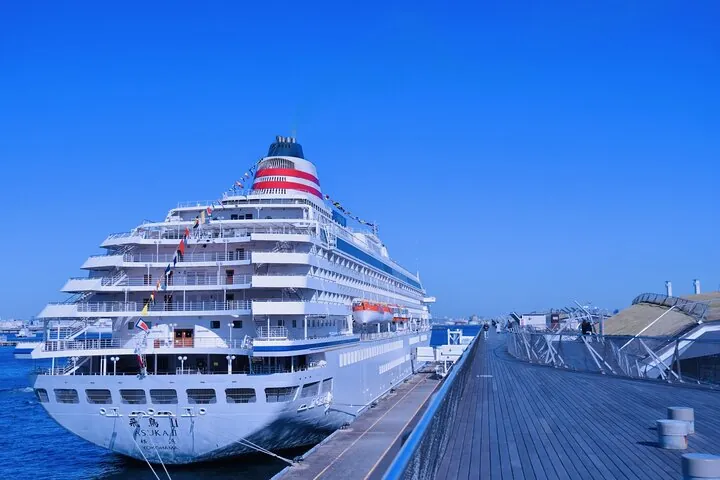
Large cruise ships berth at Kinjo Pier, berths 80–81. It is a cargo and exhibition pier, not a resort quay. There is no cruise terminal building, and the berths sit inside a restricted area. Most smaller ships use Garden Pier No.3 instead, five minutes on foot from the subway.
The port opened to foreign trade in November 1907, when Atsuta port was renamed the Port of Nagoya. The city calls Garden Pier the birthplace of the port. Today it handles more cargo than any other port in Japan. A July 2024 request from the Nagoya Chamber of Commerce and Industry put 2023 at 157.84 million tonnes, the 22nd year in a row at the top.
A loom before a car
Sakichi Toyoda was born in 1867 in what is now Shizuoka Prefecture. In 1890 he made a wooden hand loom. In 1896 he made a power loom of wood and iron, which the Toyota museum calls Japan's first. In 1911 he set up an automatic weaving works in Sako, Nagoya, with a red-brick pilot plant to develop his looms.
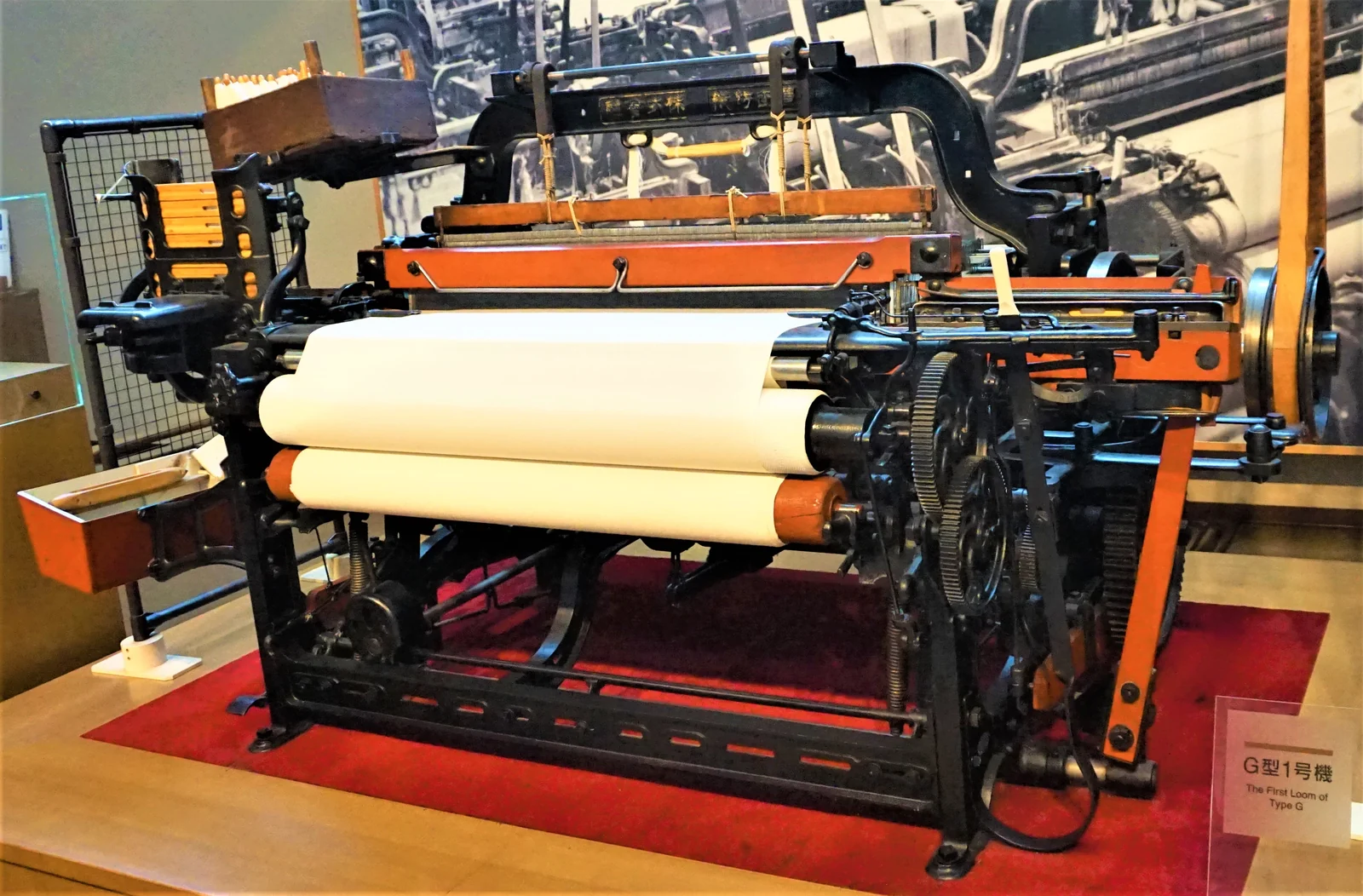
In 1924 he completed the Type G automatic loom, which changed shuttles without stopping. In 1926 he founded Toyoda Jido Shoki Seisakusho, today Toyota Industries. In 1929 he transferred the Type G patent to Platt Brothers & Co. of the UK. He died on 30 October 1930.
In 1929 a Nagoya loom patent was sold to a British machine-maker.
His son Kiichiro Toyoda (1894–1951) took the family into cars. The museum records the founding of Toyota Motor Co. in 1937. It names two ideas from the two men: Kiichiro's devotion to monozukuri, the making of things, and the "spirit of being studious and creative" that Sakichi wrote in his invention journal.
The brick plant
The Toyota Commemorative Museum of Industry and Technology opened in June 1994 in that 1911 brick plant, as a joint project of Toyota Group companies. The government listed the building as Heritage of Industrial Modernization in 2007. It has two halls: the Textile Machinery Pavilion and the Automobile Pavilion.
It is open 9:30–17:00, last admission 16:30, and closed on Mondays, so it is open on all three Jade calls. Adults pay ¥1,000. It is three minutes from Sako Station, one stop from Meitetsu Nagoya on local trains, or five minutes by taxi from Nagoya Station.
Beside the berth: trains
The SCMAGLEV and Railway Park is JR Central's museum on Kinjo Pier, two minutes on foot from Kinjo-futo Station. It opened on 14 March 2011. It shows 39 vehicles, maglev and conventional, some of which you can board. Three are set out as its symbols: the C62 17 steam locomotive, built in 1949; a 955-series Shinkansen test train; and the MLX01-1 superconducting maglev test car. The museum also has driving simulators and what it calls the largest diorama in Japan.
It is open 10:00–17:30, last entry 30 minutes before closing, and adults pay ¥1,200. It closes on Tuesdays. The 2026 calendar lists it closed on 4, 10, 17 and 24 November.
The rest of the pier
Kinjo Pier also has LEGOLAND Japan, the Port Messe exhibition halls and Maker's Pier, a shopping and dining centre four minutes from the station. Maker's Pier has free Wi-Fi and a Nagoya-meshi restaurant, Wami; shop hours vary. The Cruise Nagoya water bus links Kinjo and Garden Pier in 40 minutes for ¥1,200, but whether it runs on the November call days is not confirmed. At Garden Pier the Port Building and the icebreaker Fuji are closed until 30 November 2026; the aquarium is open.
How it happened
- 1867Sakichi Toyoda is born
In what is now Shizuoka Prefecture
- 1896The power loom
Wood and iron; the museum calls it Japan's first
- 1907The port opens
November; Atsuta port is renamed the Port of Nagoya. Garden Pier is its birthplace
- 1911The brick plant
A pilot plant in Sako for automatic looms, now the museum
- 1924Type G
An automatic loom that changes shuttles without stopping
- 1929Sold to Britain
The Type G patent goes to Platt Brothers & Co.
- 1937Toyota Motor Co.
Kiichiro Toyoda's car company is established
- 1994The museum opens
June, in the 1911 plant, by the Toyota Group companies
- 2011SCMAGLEV and Railway Park
JR Central's museum opens on Kinjo Pier on 14 March
- 202322 years at the top
The port's total cargo leads Japan again
Where this becomes real on your port day
Two ways to see it. On a Saturday call, walk from the ship to the SCMAGLEV and Railway Park beside Kinjo-futo Station. On any call, ride the Aonami Line to Nagoya and the Meitetsu line one stop to Sako for the Toyota museum. Allow two hours there.
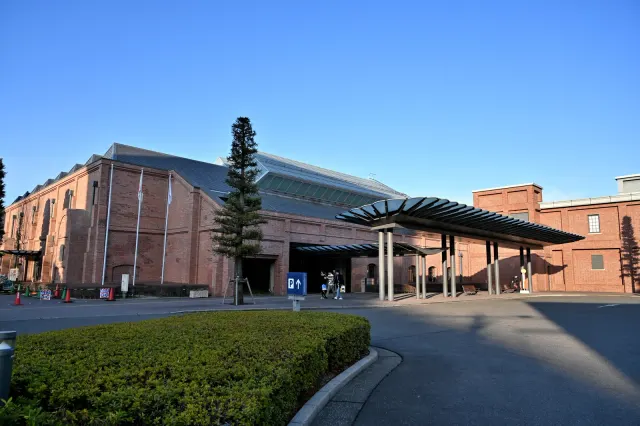
Sakichi Toyoda's looms and Toyota's first cars, in a 1911 brick plant one stop from Nagoya
Full guide →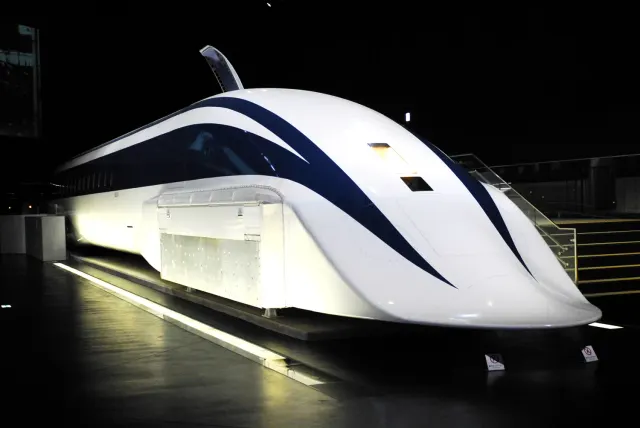
The railway museum, LEGOLAND Japan and Maker's Pier, all a walk from the ship. The railway museum is closed on Tuesday 10 November
Full guide →
The vocabulary of industrial Nagoya
- Monozukuri ものづくり
- The making of things. The museum's word for what Kiichiro Toyoda devoted himself to.
- Jido shokki 自動織機
- Automatic loom. Sakichi Toyoda's Type G of 1924 changed shuttles without stopping.
- Kinjo-futo 金城ふ頭
- Kinjo Pier: the cargo and exhibition pier where large cruise ships berth.
- Aonami-sen あおなみ線
- The Aonami Line, 24 minutes and ¥360 from Kinjo-futo to Nagoya.
- Rinia リニア
- Maglev. The word in the Japanese name of the SCMAGLEV and Railway Park.
- Sako 栄生
- The Meitetsu station for the Toyota museum, one stop from Meitetsu Nagoya.
FAQ
Is the SCMAGLEV and Railway Park open when my ship is in Nagoya?
It closes on Tuesdays. Its 2026 calendar lists 10 November as closed, so it is shut on the Norwegian Jade's first call. It is open on Saturday 14 and 28 November, 10:00–17:30, adults ¥1,200.
How do I get to the Toyota Commemorative Museum from the cruise port?
Aonami Line from Kinjo-futo to Nagoya (24 min, ¥360), then Meitetsu one stop to Sako and three minutes on foot. A taxi from Nagoya Station takes about five minutes. The museum is open 9:30–17:00, closed on Mondays; adults ¥1,000.
Why did Toyota start with looms?
Sakichi Toyoda was a loom inventor. His Type G automatic loom of 1924 was his best-known machine, and he sold the patent to Platt Brothers of the UK in 1929. His son Kiichiro took the family into cars, and Toyota Motor Co. was established in 1937.
Is there a cruise terminal at Kinjo Pier?
No terminal building is listed by any official source. The berths are inside a restricted area. The nearest station, Kinjo-futo, is about 10 minutes on foot by the ministry's figure, or 15–17 minutes by our estimate.
More from Nagoya
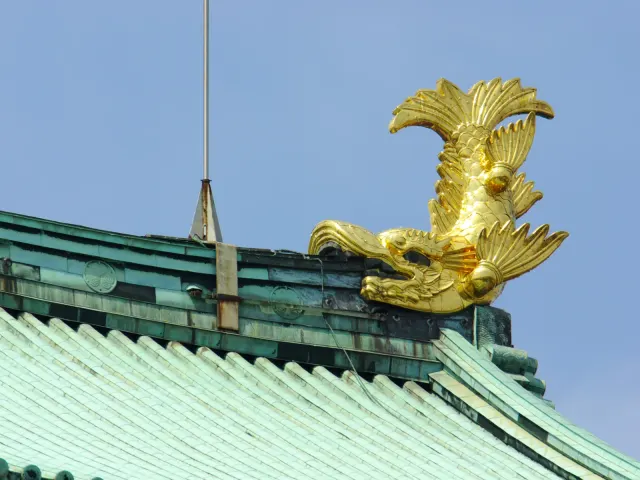
Two golden fish, a keep you cannot enter and a palace rebuilt from Edo-period plans
Read →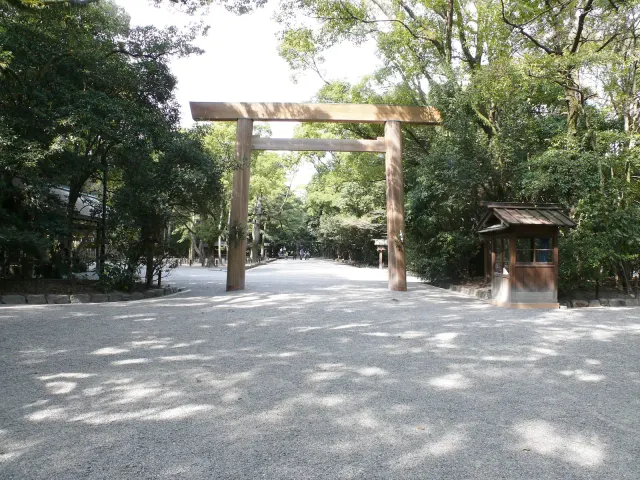
A shrine built around one of the three imperial treasures, and a museum of the swords you can see
Read →
Eel in three rounds, pork in dark miso, and toast with red beans at breakfast
Read →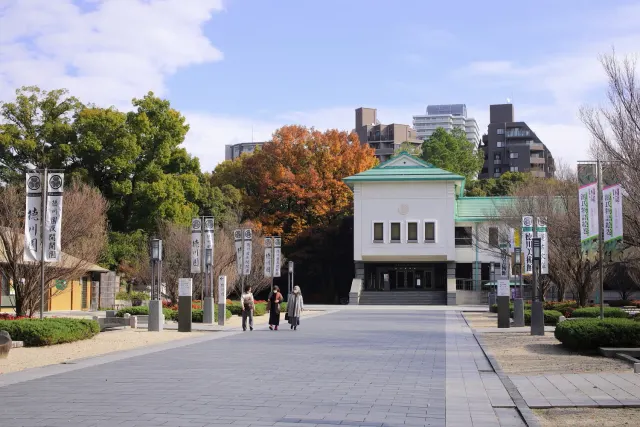
Ieyasu's bequest, a wedding set from 1639, the Tale of Genji scrolls and a lord's retirement garden
Read →