01 · The castle
Nagoya Castle
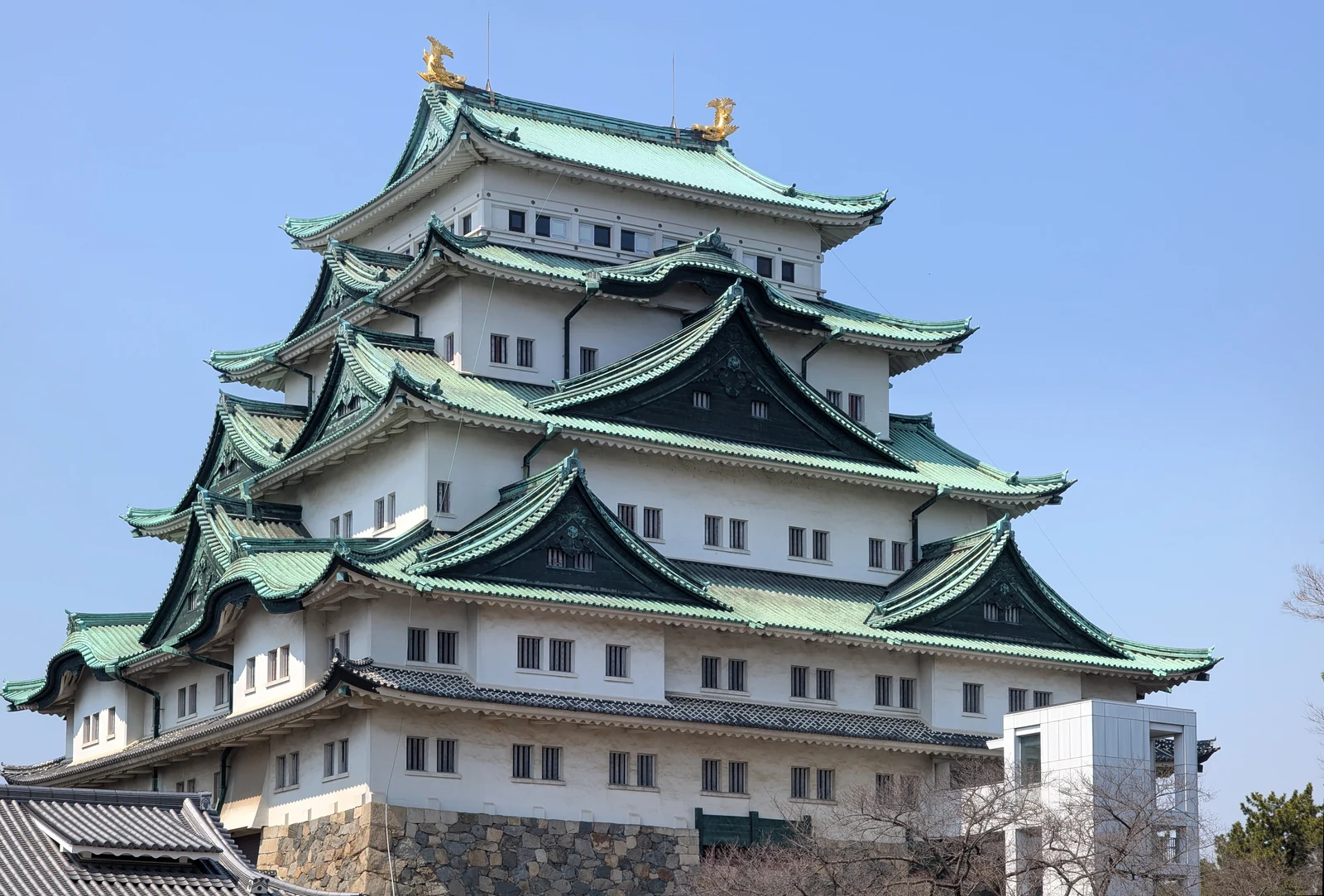
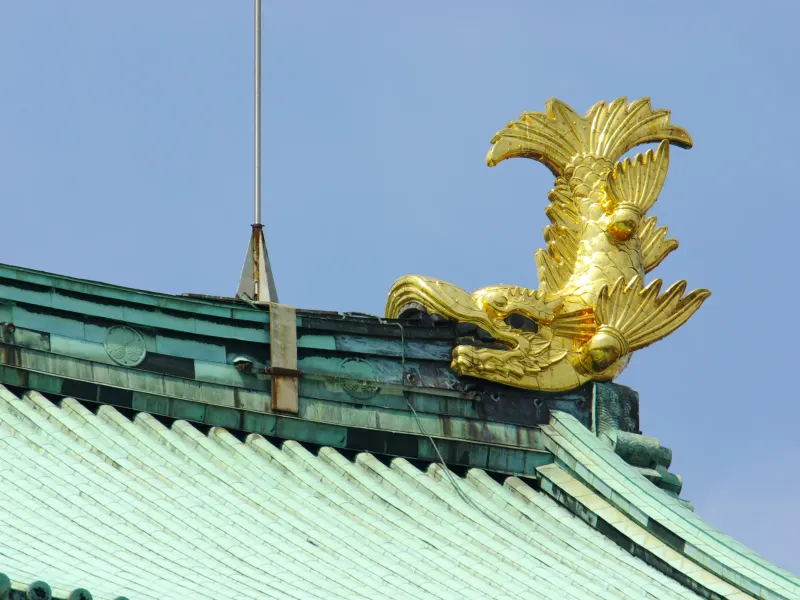
The keep on the skyline is a 1959 rebuild in concrete, and it has been shut since 2018. The palace beside it was rebuilt from Edo-period plans. That is the reason to come.
Read the story →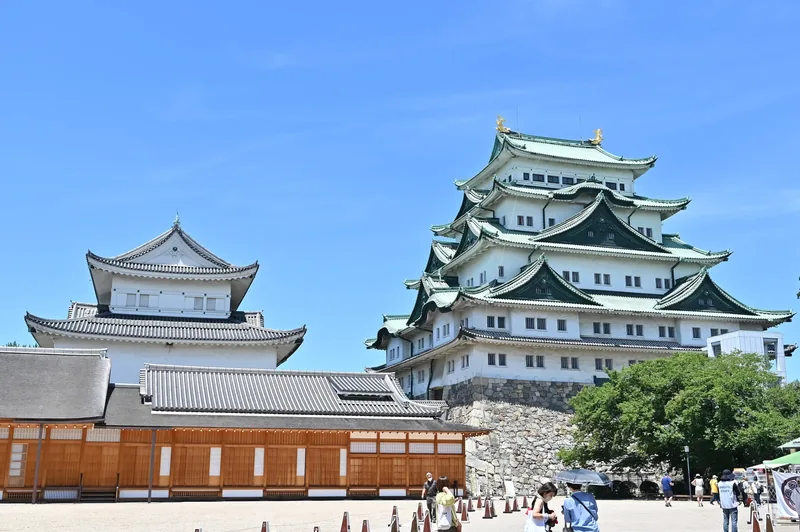 Photo: Bariston / CC BY-SA 4.0
Nagoya is the capital of Aichi Prefecture, and every railway into it meets at Nagoya Station. Big cruise ships berth on Kinjo Pier, beside a railway museum, LEGOLAND and an exhibition hall; the city centre is 24 minutes away by the Aonami Line. What people come for is a castle with a rebuilt palace, the sword shrine of Atsuta Jingu, the Toyota industry museum and a food culture of red miso, eel and fried chicken wings.
The keep on the skyline is a 1959 rebuild in concrete, and it has been shut since 2018. The palace beside it was rebuilt from Edo-period plans. That is the reason to come.
Read the story →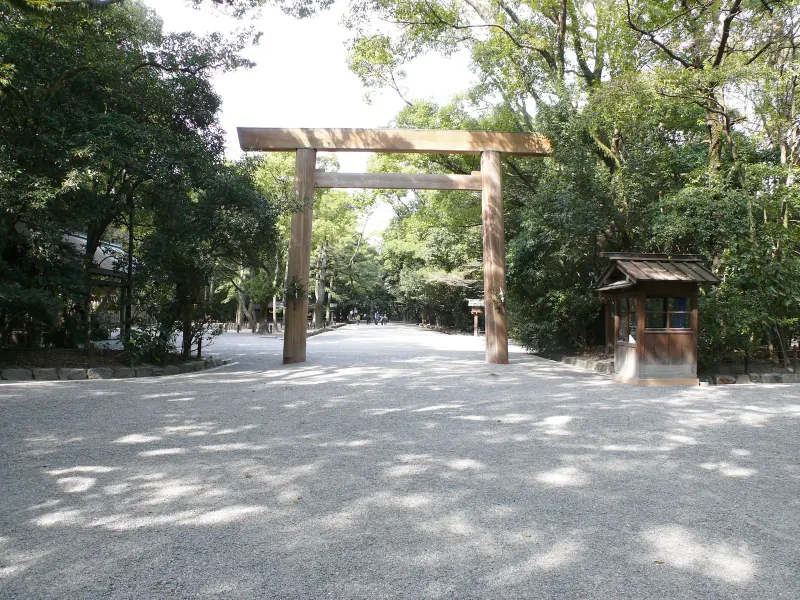
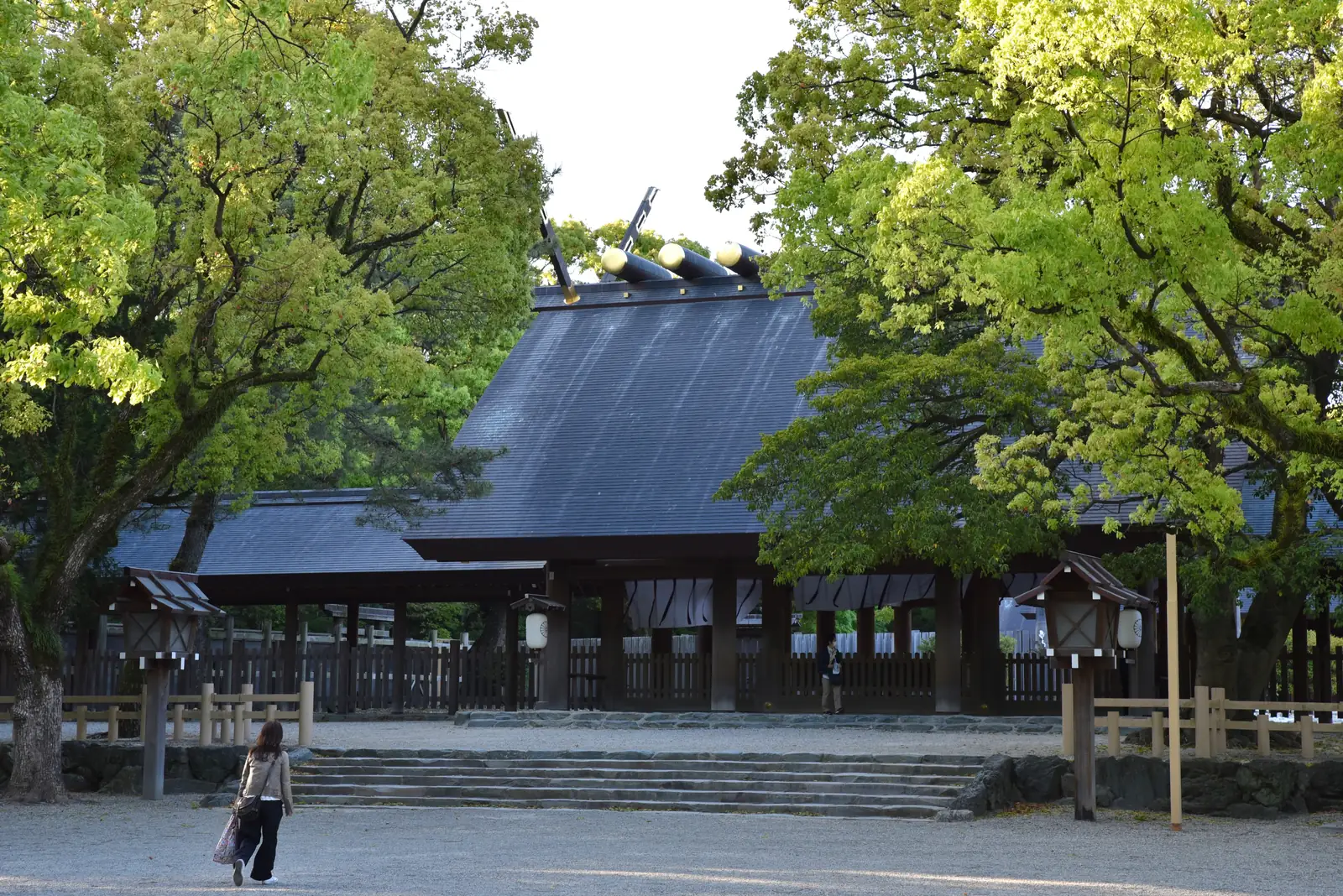
One of the three sacred treasures of the Japanese throne is held at a shrine about 14 km by road from the berth. It is not on display. The new museum next door holds about 450 other swords.
Read the story →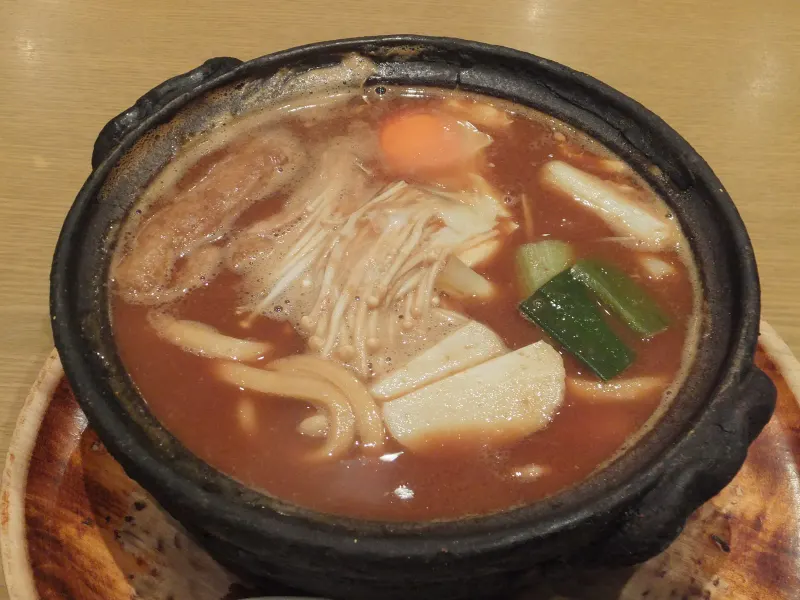
Nagoya sells its cooking under one name, Nagoya-meshi. Most of it runs on dark soybean miso, and most of it has a known shop and a known year behind it.
Read the story →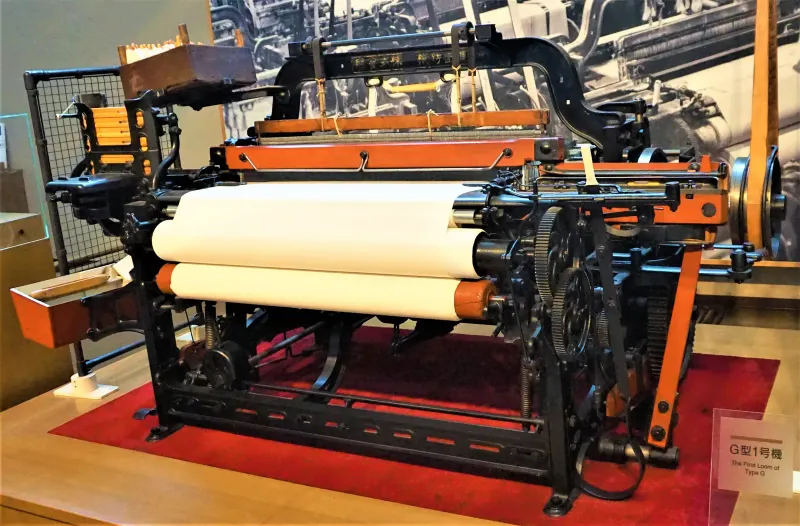
Your ship ties up in a working cargo port, the busiest in Japan by tonnage. The company that made the region rich began with looms, in a brick plant you can still walk through.
Read the story →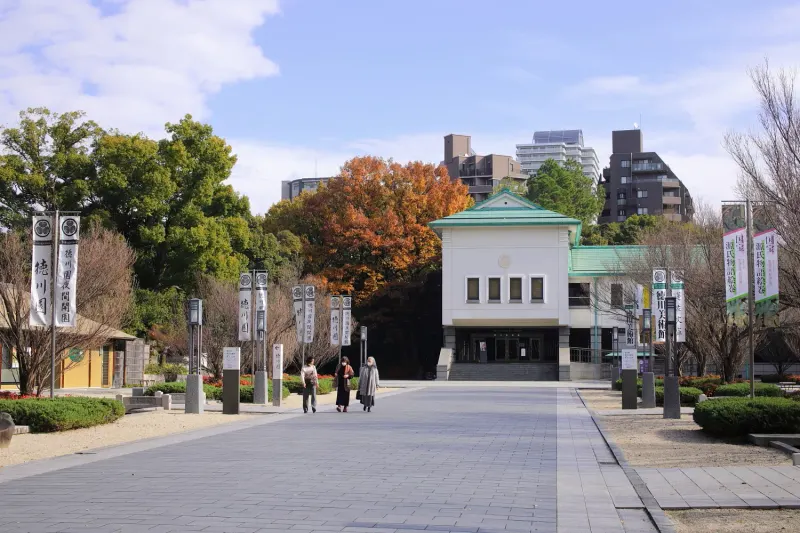
The family that held Nagoya Castle kept its belongings. They are now in a museum on the site of a lord's retirement villa, with his garden beside it. On two of the three November calls, the Genji scroll is out of storage.
Read the story →