
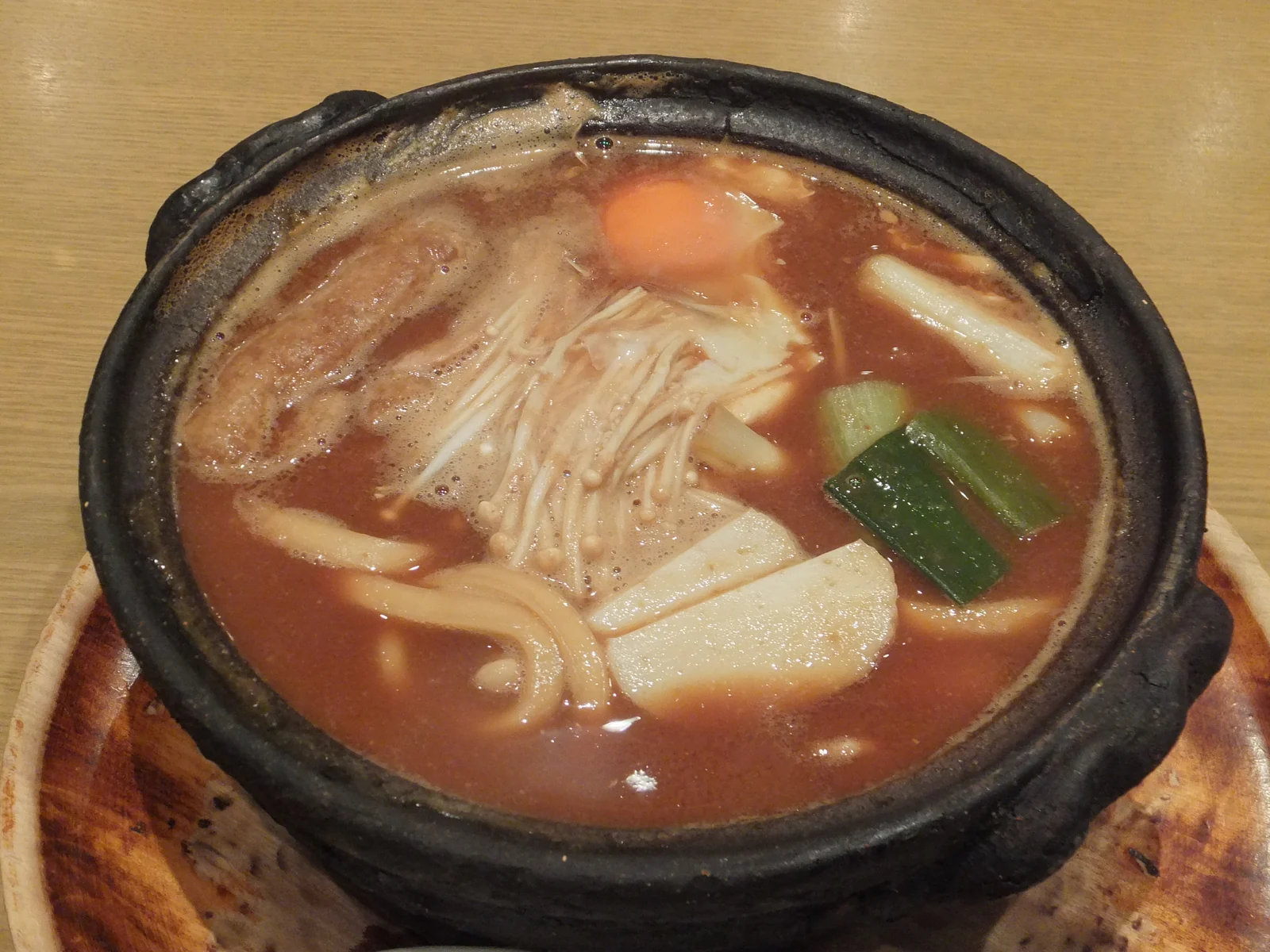
Nagoya-meshi
Eel in three rounds, pork in dark miso, and toast with red beans at breakfast
Nagoya sells its cooking under one name, Nagoya-meshi. Most of it runs on dark soybean miso, and most of it has a known shop and a known year behind it.
Nagoya-meshi means Nagoya food. In June 2015 Aichi Prefecture, the City of Nagoya, the Nagoya Chamber of Commerce and Industry, the prefecture's tourism association and the city's convention bureau set up a council to promote it. Its list is long. Six dishes matter on a port day.
The common thread is mame miso, soybean miso. It is darker and stronger than the miso most visitors know, and it keeps its flavour when simmered. It goes on fried pork and into the noodle pot.
Hitsumabushi, in three rounds
Atsuta Horaiken opened as a restaurant in 1873 in Atsuta, a post town on the Tokaido road. Its own history tells how hitsumabushi began. The shop sent out a lot of eel and chicken on delivery, and the empty bowls kept breaking on the way back. The second-generation owner, Jinzaburo, and his head maid, O-Ume, made sturdy wooden tubs and sent several servings of eel rice in one. Diners ate the eel and left the rice, so the kitchen chopped the eel and mixed it in. The name comes from that mixing. Hitsumabushi is now Horaiken's registered trademark.
The shop gives an order for eating it. First bowl plain. Second bowl with the condiments. Third bowl with broth or tea poured over. After that, however you like.
First plain, then with condiments, then with broth. After that, however you like.
On the Jade's Tuesday call, 10 November, choose the branch with care. The Honten, the main shop at Godo-cho in Atsuta, is open on Tuesdays, with lunch to 14:00 last order. The Jingu-ten by the shrine and the Matsuzakaya-ten in Sakae are closed on Tuesdays. Only kaiseki courses take bookings, so expect a queue.
Miso-katsu
Miso-katsu is a pork cutlet with a soybean-miso sauce. The council gives two origin stories. One says customers at post-war food stalls dipped kushikatsu skewers into a pot of dote-ni, pork stewed in miso. The other credits a pre-war chef in the Tokai region. Nobody has settled it.
Yabaton was founded in 1947. It says its sauce uses its own soybean miso, aged for a year and a half. The Yabacho Honten in Osu is open 11:00–21:00 with no closing day. The branch inside JR Nagoya Station opens at 7:00.
Tebasaki
Tebasaki are fried chicken wings in a sweet, savoury sauce. Furaibo, founded in 1963, says its founder started the dish. At the time, wings were mainly used for soup. He saw piles of them at a supplier and fried them with the sauce of his main dish, a fried half chicken. Furaibo opens only from 17:00. Sekai no Yamachan's Meieki Shinkansen-guchi branch opens at 11:30, the only Yamachan confirmed open at lunch.
Kishimen and miso-nikomi
Kishimen are flat noodles, usually about 1 cm wide, eaten here since the Edo period. The broth is based on tamari soy sauce. Basic toppings are fried tofu, fish cake, greens and bonito flakes. The council lists four theories for the name and calls the mid-Edo period, after soy sauce spread, the likeliest date. Miya Kishimen has a shop inside the Atsuta Jingu grounds.
Miso-nikomi udon is thick udon simmered in soybean-miso broth in a single clay pot. Yamamotoya Sohonke was founded in Osu in 1925. It makes its noodles from flour and water only, with no salt, so they can go raw into the broth. The pot is Shigaraki ware, and the lid has no steam hole because it doubles as a small plate. The Honke in Sakae is closed on Tuesdays and Wednesdays. The Towers branch at Nagoya Station is open 11:00–23:00.
The morning service
Order a coffee in the morning and toast and a boiled egg arrive free. This is moningu, the morning service. The council says it is common across Aichi and that two towns claim to have begun it: Ichinomiya, for textile workers, and Toyohashi, for workers coming off night shifts. It treats both as theories.
Ogura toast is buttered toast with sweet red bean paste. The council credits a cafe in Sakae, Matsuba, in the late Taisho period; its owner is said to have seen students dipping toast into red-bean soup. Komeda's Coffee runs its morning service from opening to 11:00 every day, and one of the free choices is its ogura-an.
How it happened
- Edo periodKishimen
Flat noodles in tamari broth; the likeliest date is the mid-Edo period
- 1873Atsuta Horaiken opens
A restaurant in the Tokaido post town of Atsuta; hitsumabushi grows out of its delivery trade
- Late TaishoOgura toast
Credited to Cafe Matsuba in Sakae, now closed
- 1925Yamamotoya Sohonke
Founded in Osu; salt-free noodles in a single clay pot
- 1947Yabaton
The miso-katsu house opens; its miso is aged a year and a half
- 1963Furaibo
The tebasaki house is founded; its founder fried the wings that used to go into soup
- 2015The Nagoya-meshi council
Prefecture, city and business bodies join to promote the city's food
Where this becomes real on your port day
Eat by the map. Hitsumabushi near Atsuta Jingu (Honten on Tuesdays), miso-katsu and miso-nikomi in Osu and Sakae, kishimen inside the shrine, and the morning service anywhere before 11:00. Tebasaki is mostly an evening dish.
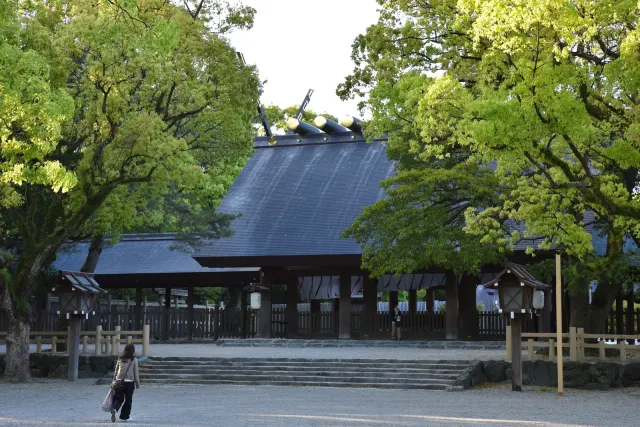
The shrine of the imperial sword, a museum of 450 others, and kishimen in the grounds
Full guide →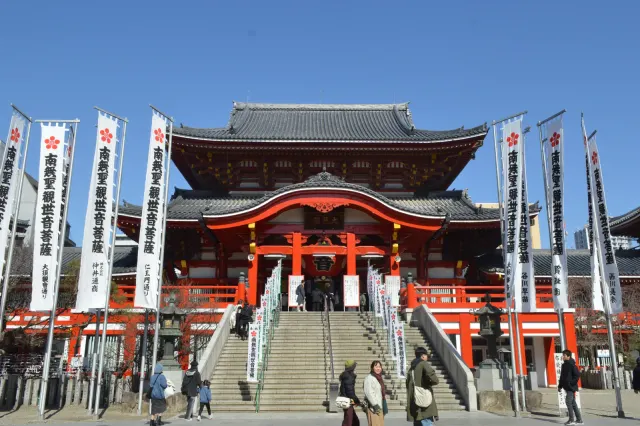
A temple moved here in 1612 and some 1,200 shops and restaurants around it
Full guide →
The vocabulary of Nagoya-meshi
- Nagoya-meshi なごやめし
- Nagoya food: the city's own dishes, promoted under one name since 2015.
- Hitsumabushi ひつまぶし
- Chopped grilled eel on rice in a wooden tub, eaten in three rounds. Atsuta Horaiken's registered trademark.
- Mame miso 豆味噌
- Soybean miso, dark and strong, the base of miso-katsu and miso-nikomi.
- Tebasaki 手羽先
- Fried chicken wings in a sweet, savoury sauce.
- Kishimen きしめん
- Flat noodles about 1 cm wide in tamari broth.
- Moningu モーニング
- The morning service: free toast and egg with a morning coffee.
FAQ
How do you eat hitsumabushi?
Atsuta Horaiken gives an order: the first bowl plain, the second with condiments, the third with broth or tea poured over, and the rest however you like.
Where can I eat hitsumabushi on Tuesday 10 November 2026?
At Atsuta Horaiken's Honten in Atsuta, which is open on Tuesdays (closed on Wednesdays and the 2nd and 4th Thursdays). The Jingu-ten and Matsuzakaya-ten are closed on Tuesdays. Lunch last order is 14:00 and only kaiseki courses take bookings.
What is the Nagoya morning service?
A coffee-shop custom: order a drink in the morning and toast, a boiled egg or similar comes free. At Komeda's Coffee it runs from opening to 11:00 every day, and red bean paste is one of the free options.
Which Nagoya food can I get near Nagoya Station early in the day?
Yabaton's JR Nagoya-eki-ten opens at 7:00 for miso-katsu. Yamamotoya Sohonke's Towers branch serves miso-nikomi from 11:00, and Sekai no Yamachan's Meieki Shinkansen-guchi branch serves tebasaki from 11:30.
More from Nagoya
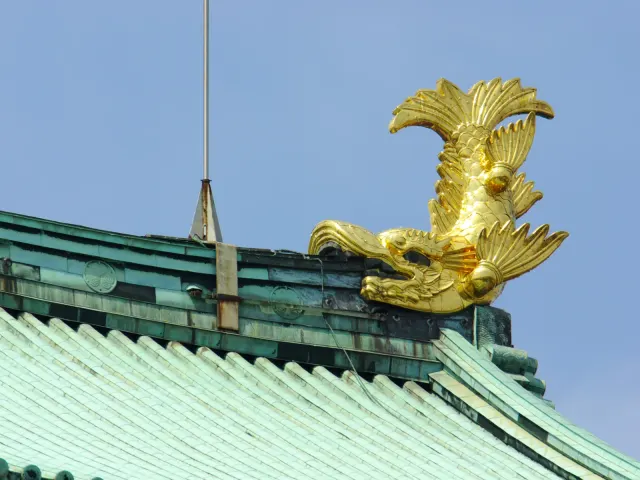
Two golden fish, a keep you cannot enter and a palace rebuilt from Edo-period plans
Read →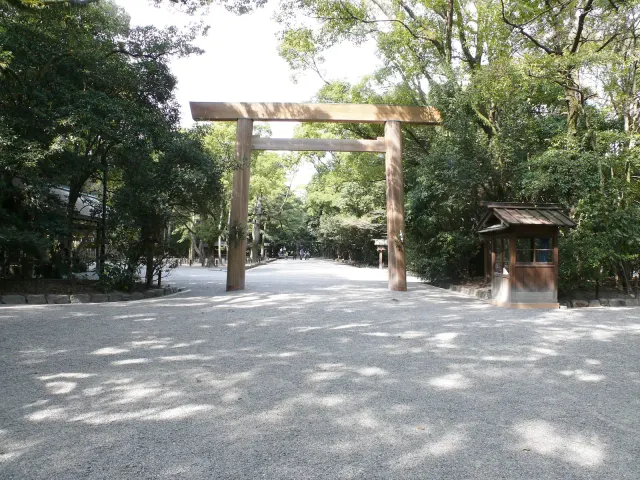
A shrine built around one of the three imperial treasures, and a museum of the swords you can see
Read →
A loom-maker's brick plant, a car company and Japan's busiest cargo port
Read →
Ieyasu's bequest, a wedding set from 1639, the Tale of Genji scrolls and a lord's retirement garden
Read →