 Photo: Fumihiko Ueno / CC BY 3.0
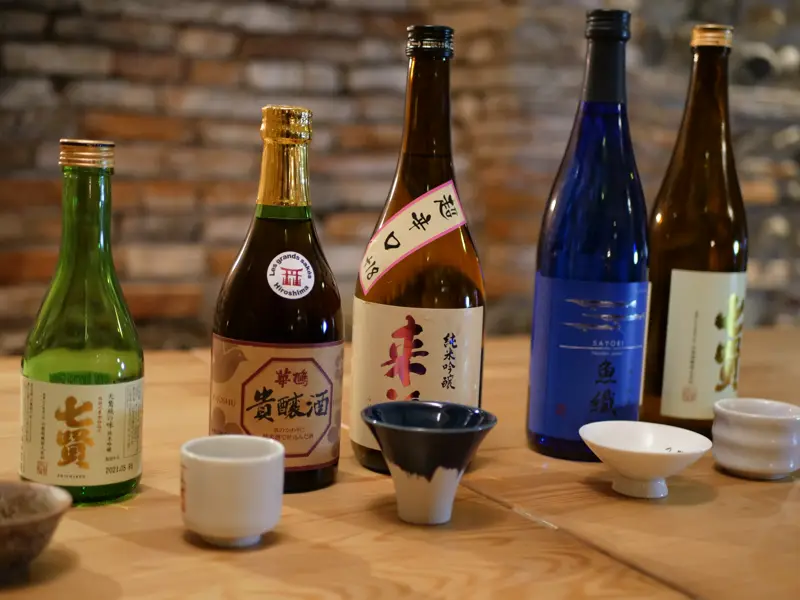
Ponshukan tasting hall
Five coins, one wall of the sake capital’s breweries — the single most efficient sake education in Japan, inside the station mall. ¥1,000, 20-and-over only.
In the station · ¥1,000Google Maps →Imayo Tsukasa brewery
A 1767 brewery you can walk to from the station — booked 30-minute tours daily (¥200), an English one at 14:00 on weekdays (¥550), free tasting after (premium ¥1,500). Come before any other sake: no entry to the brewery after drinking.
15 min walk · EN tour wkdy 14:00Google Maps →Bandai Bridge
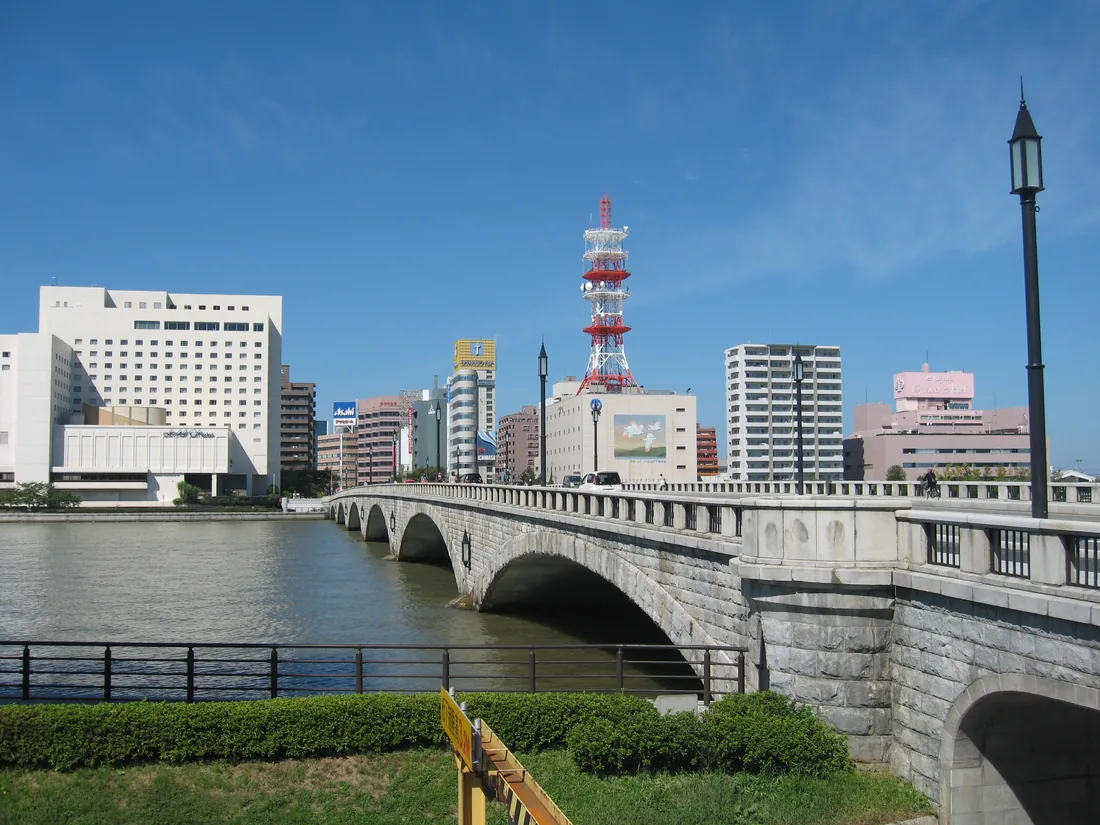
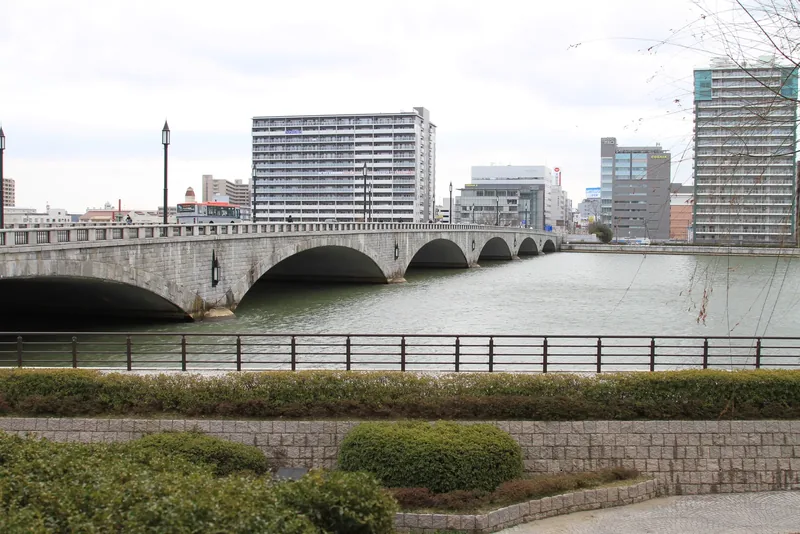
Six stone arches over Japan’s longest river since 1929 — an Important Cultural Property that survived war and earthquakes, and the city’s handshake.
Free · the emblemGoogle Maps →Pier Bandai market
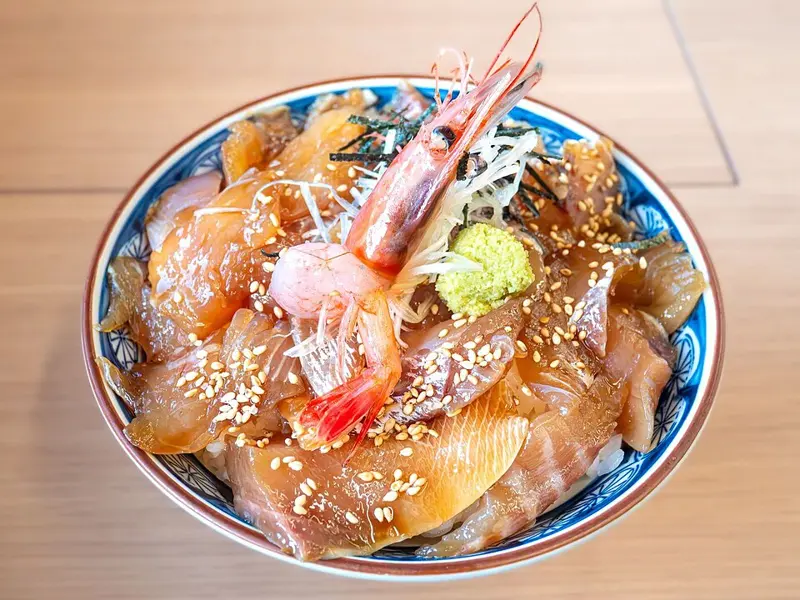
The fish market at the river mouth — sushi counters, crab stalls and Sado-strait seafood, opening from morning. The honest lunch answer.
Riverside · loop busFull guide: Pier Bandai Seafood Market →Nuttari Terrace
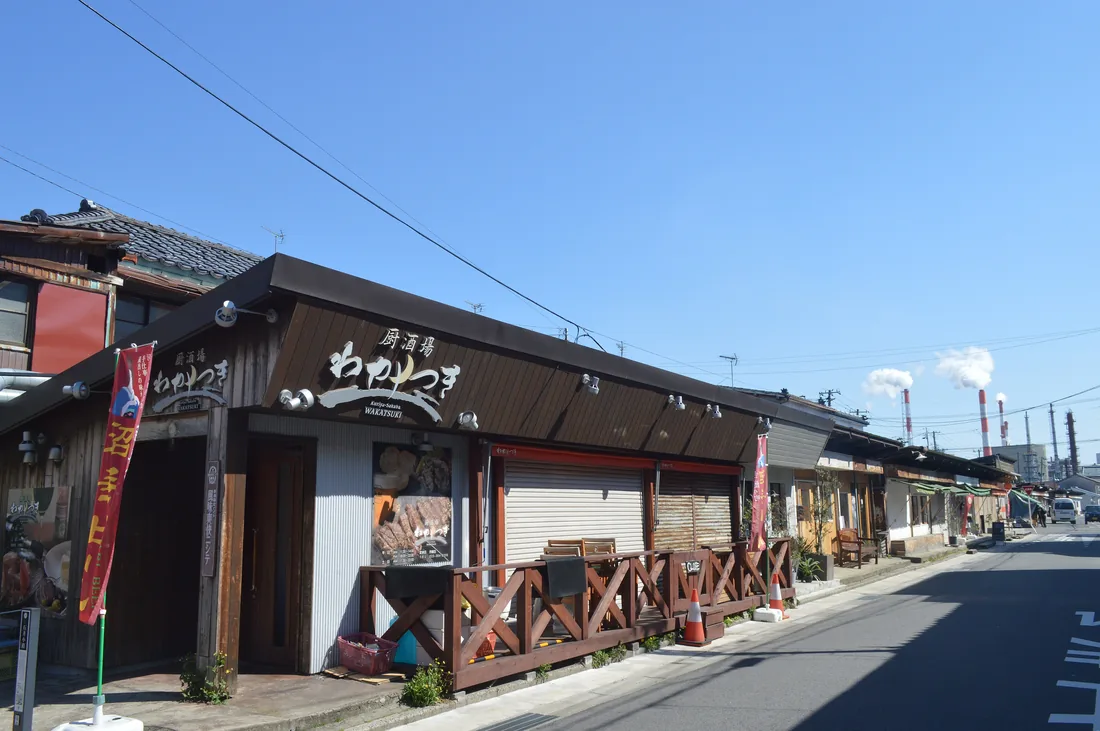
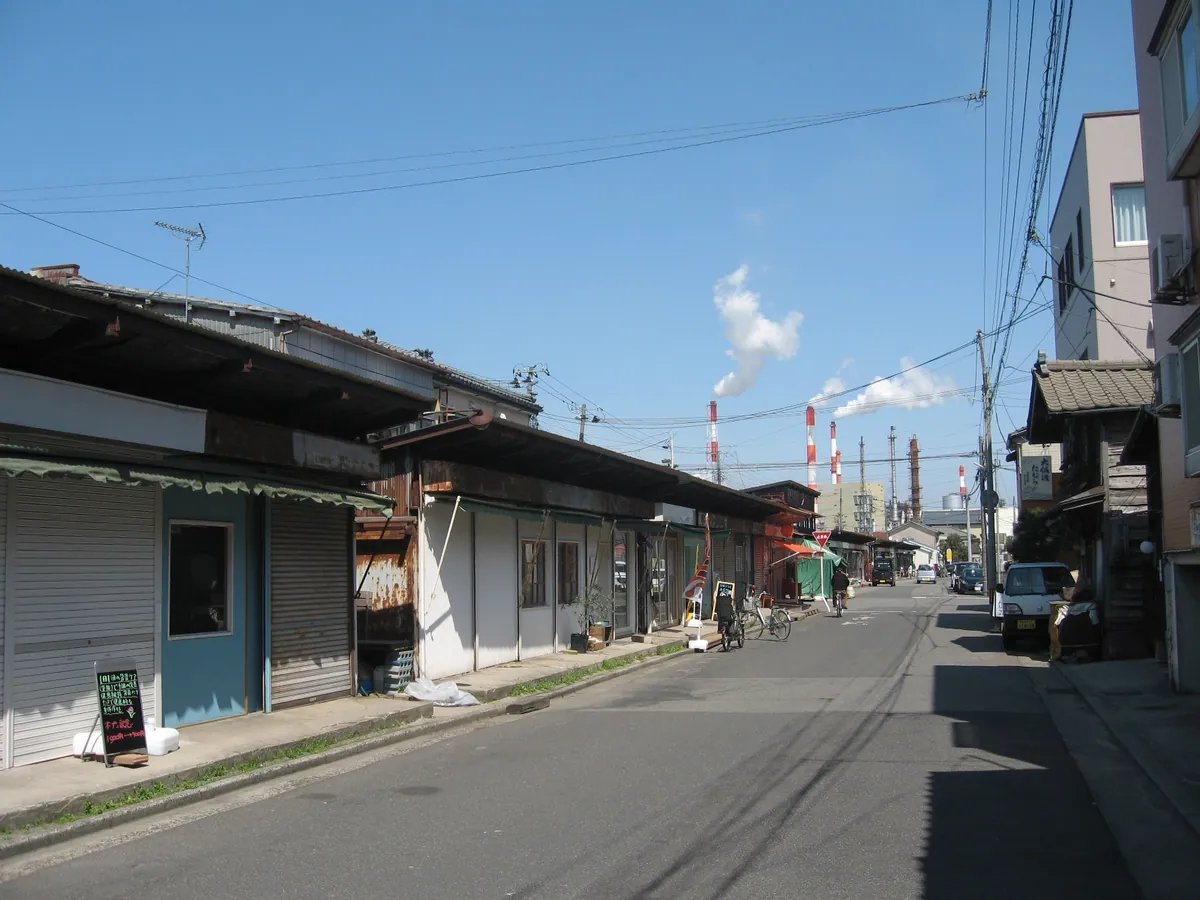
The old market lane reborn as pocket-sized craft shops and roasters. Best on weekends — many shops rest Tuesdays and Wednesdays, so check before detouring.
~20 min walkGoogle Maps →Saito Family Villa
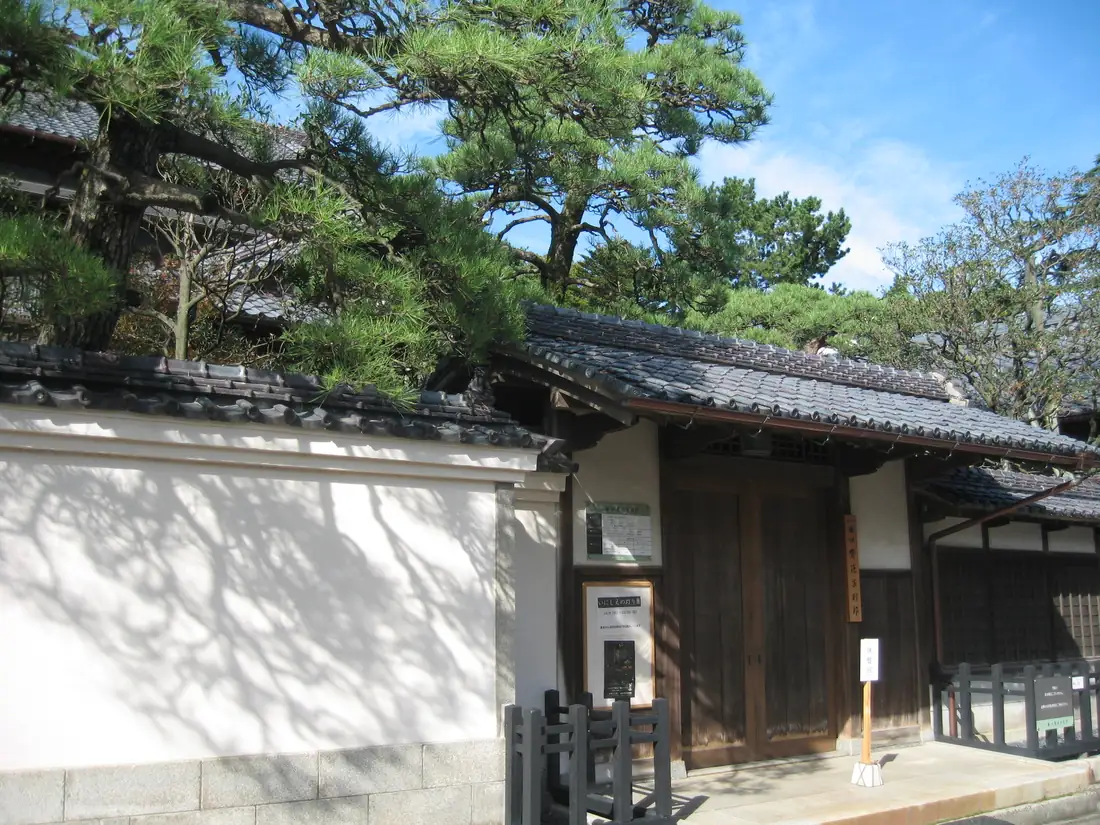
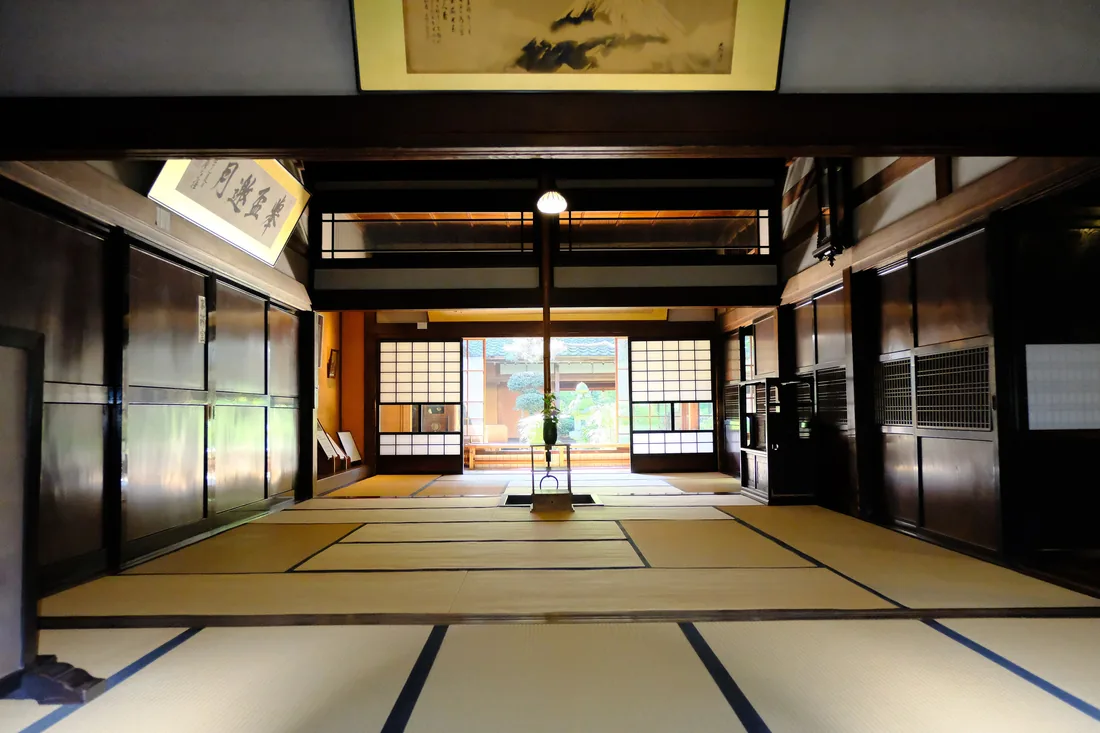
A rice-merchant’s summer villa where the garden was designed to be read from the tatami, floor by floor. ¥300 remains one of Japan’s great bargains.
¥300 · closed most Mondays (open Mon 2 Nov 2026) · expect queues on cruise daysGoogle Maps →Northern Culture Museum
The Ito family’s landowner estate of more than 60 rooms (built 1882–1889) — the countryside mirror of Sakata’s Homma story, with a wisteria courtyard that owns late April.
Taxi ~25 min · ¥800Full guide: Northern Culture Museum →Hegi-soba
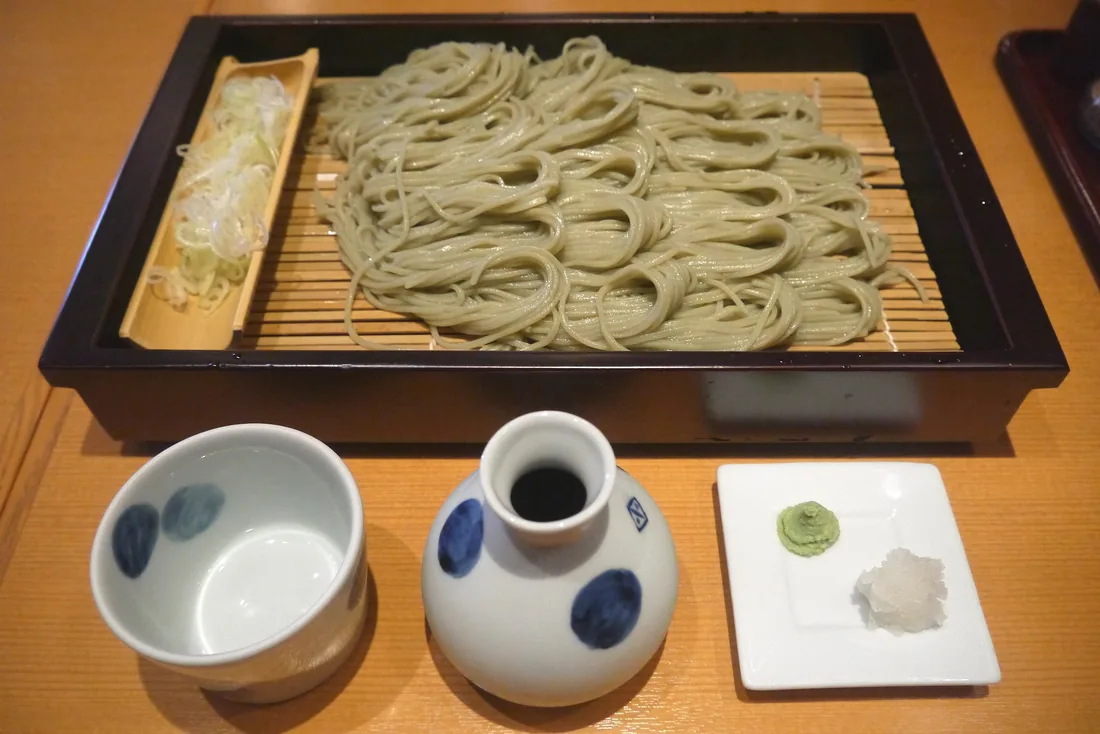
Soba bound with funori seaweed and laid out in bite-size waves on a cedar tray — chewier, greener, and better than it has any right to be.
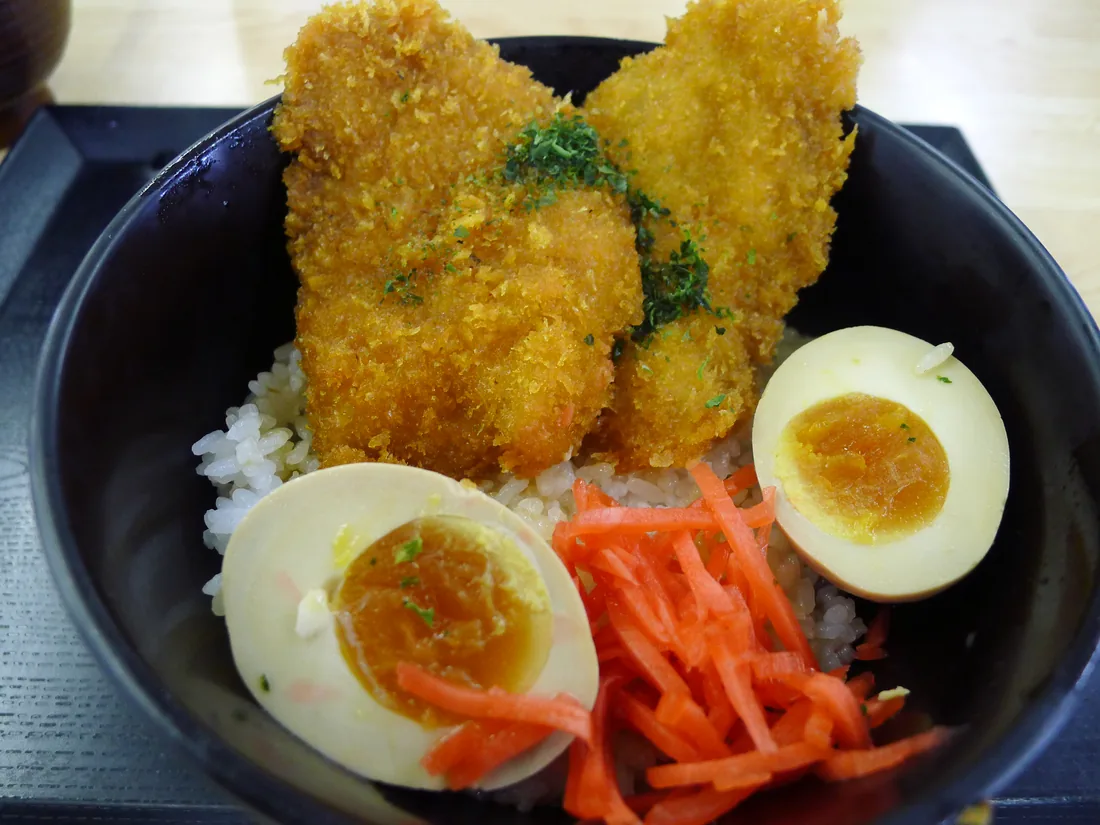
By the stationGoogle Maps →Tare-katsu-don
Thin, crisp cutlets dunked in sweet soy over rice — no egg, no apology. Niigata’s comfort lunch since about 1930.
DowntownGoogle Maps →Marinepia Nihonkai aquarium
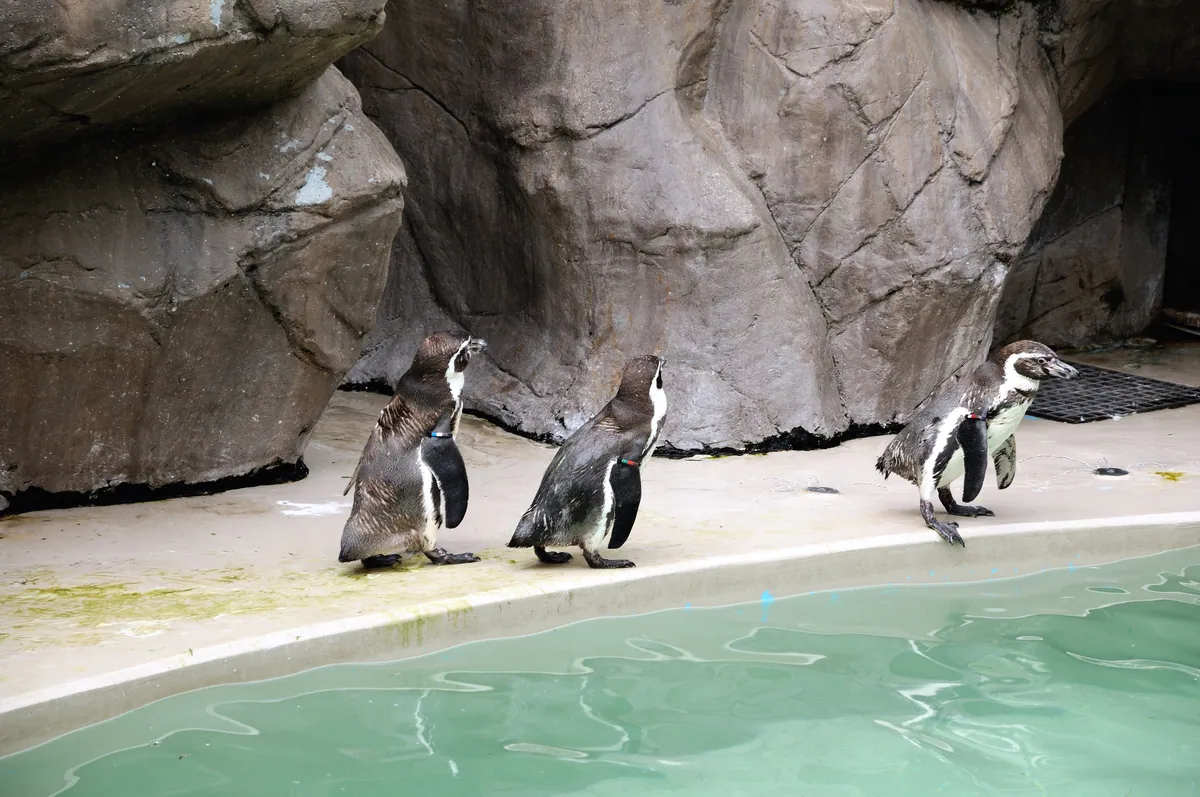
The Sea of Japan’s own aquarium on the city beach — dolphins, penguins and the loop-bus ride there passes the old quarter. The easy multigenerational pick.
Loop bus · ¥1,500Google Maps →