 Photo: KimonBerlin / CC BY-SA 2.0
Ritsurin Garden
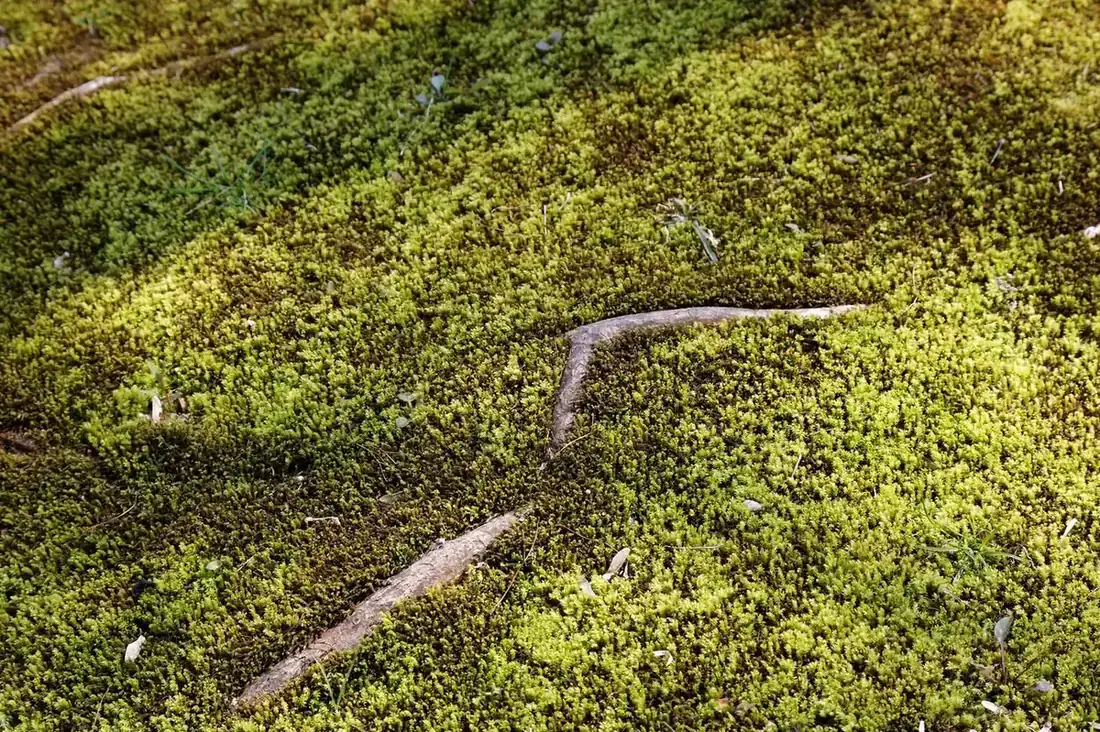
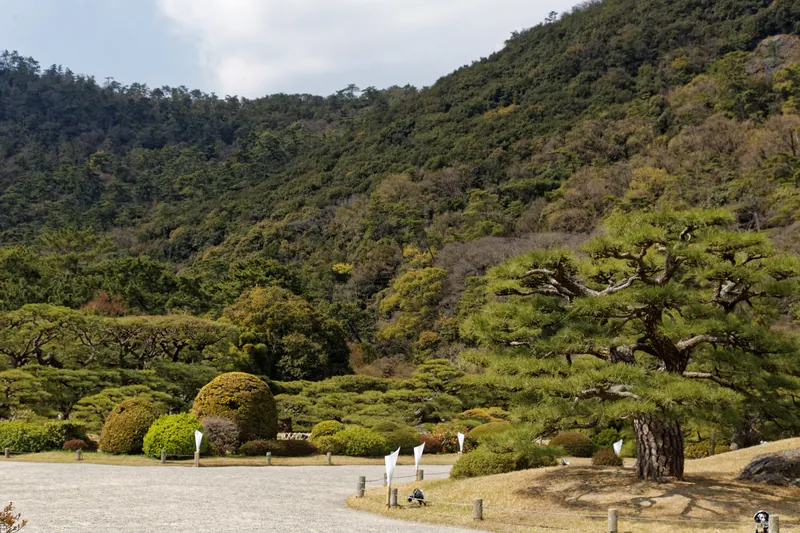
Seventy-five hectares, six ponds, thirteen landscaped hills and Mount Shiun standing behind it as borrowed scenery. It is larger than Kenroku-en, took more than a century to finish (completed 1745), and gets a fraction of the visitors. Walk the south circuit.
Train or taxiFull guide: Ritsurin →Udon at a self-service mill
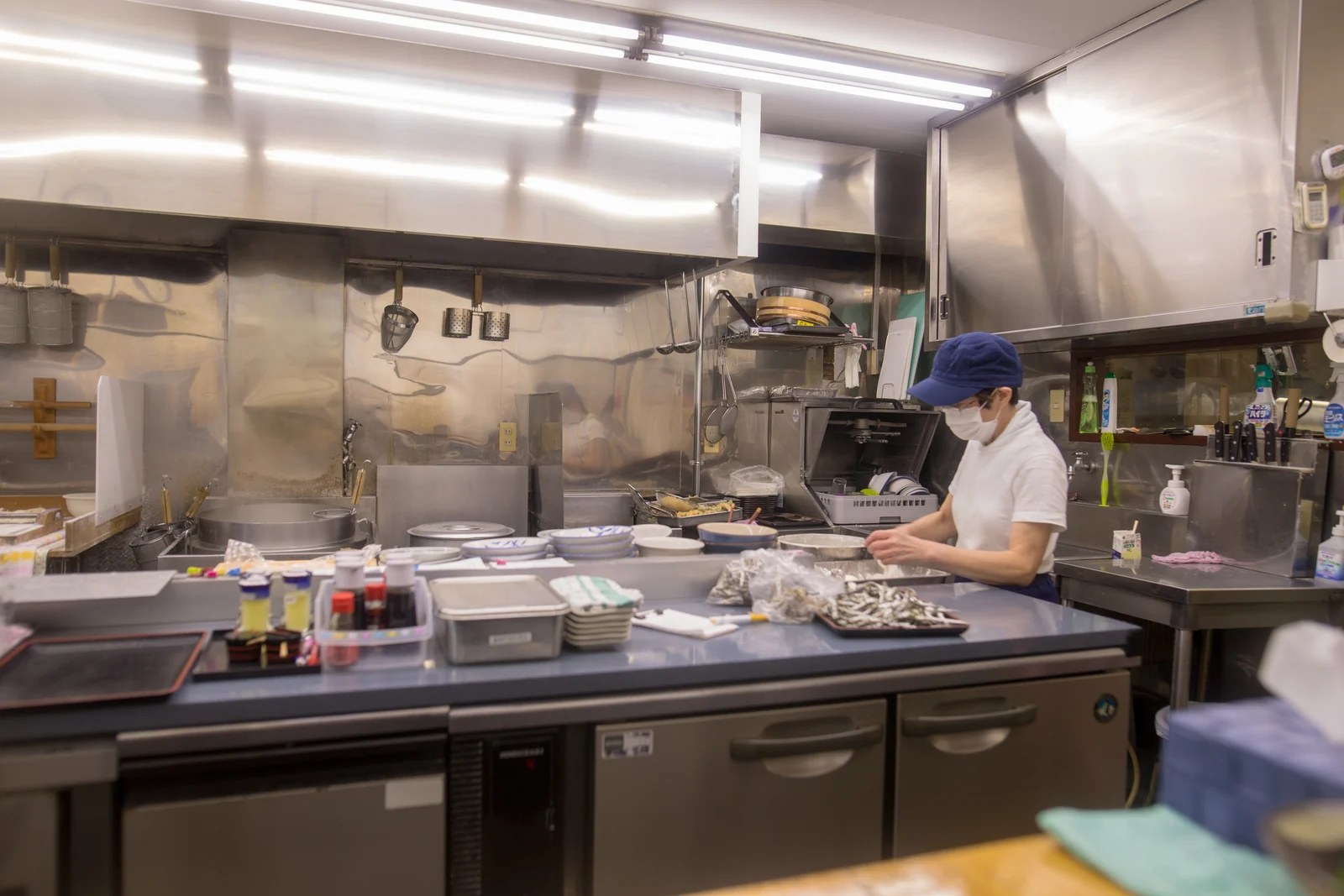
Kagawa eats more udon per head than anywhere in Japan. At a seimenjo you take a bowl, hand it over for noodles, add your own broth and toppings from the counter, and pay by the plate. From about ¥300, and better than anything you will pay ten times for.
Walk or taxiGoogle Maps →Naoshima
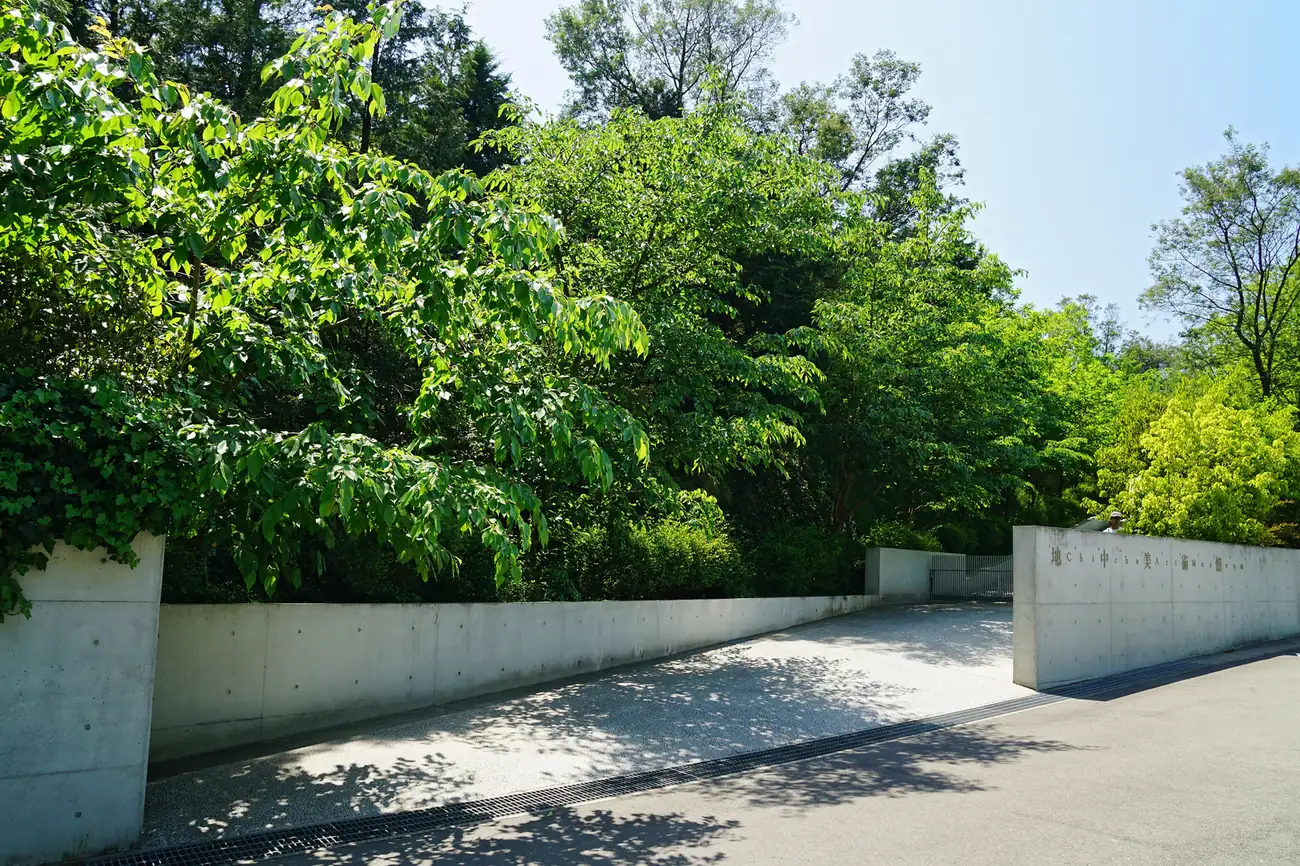
A copper-smelting island turned over to contemporary art from the 1990s: Tadao Ando concrete sunk into the hillside so nothing breaks the skyline, a Kusama pumpkin on the jetty, and old houses converted one at a time in Honmura.
Ferry ~50–60 minFull guide: Naoshima →Takamatsu Castle
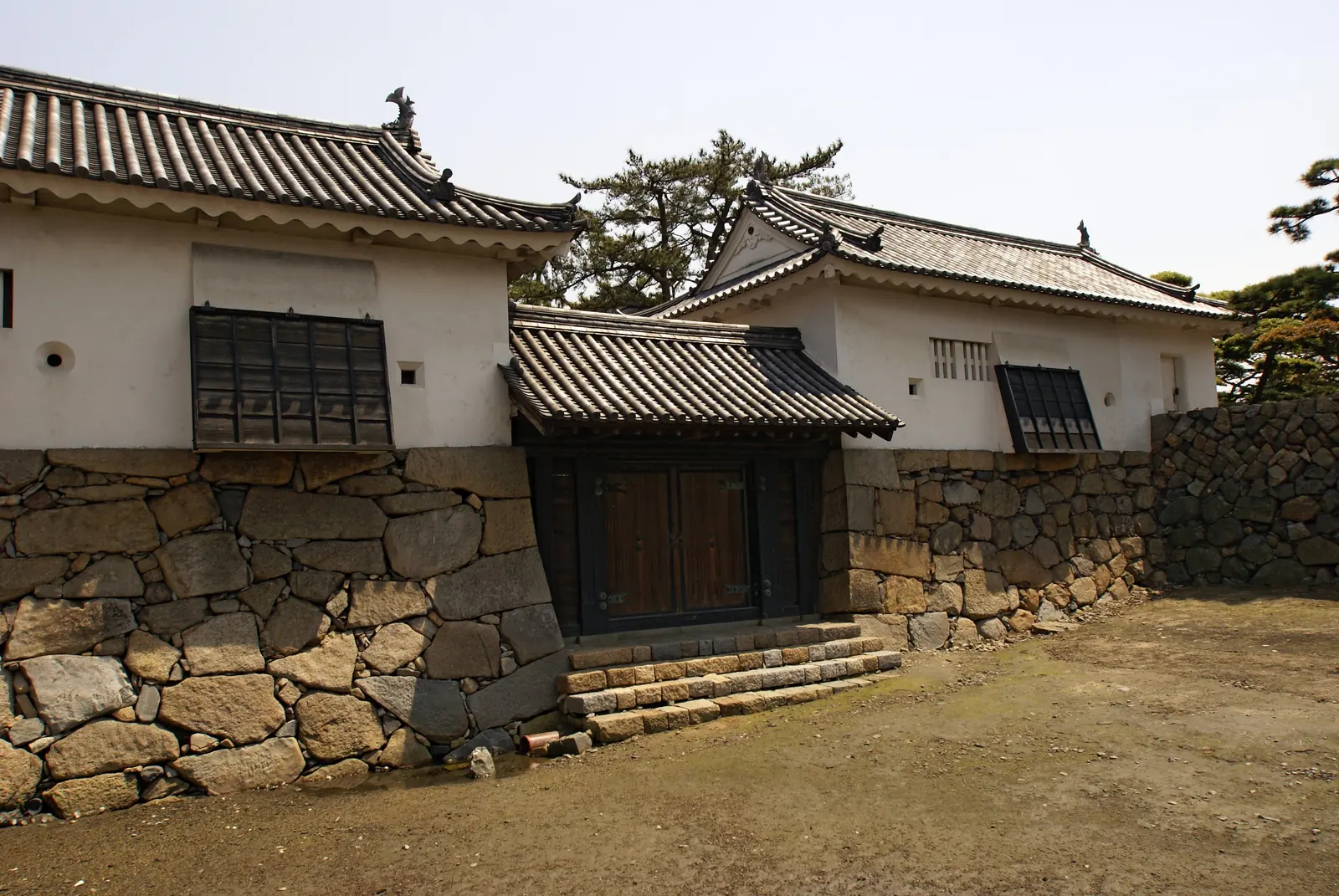
One of only three Japanese castles moated with seawater, taken directly from the sea. The fish in it are sea bream, there is a feeding platform, and it is five minutes from the gangway — the shortest walk to a real castle of any port on this site.
5 min walkFull guide: Takamatsu Castle →Honetsuki-dori
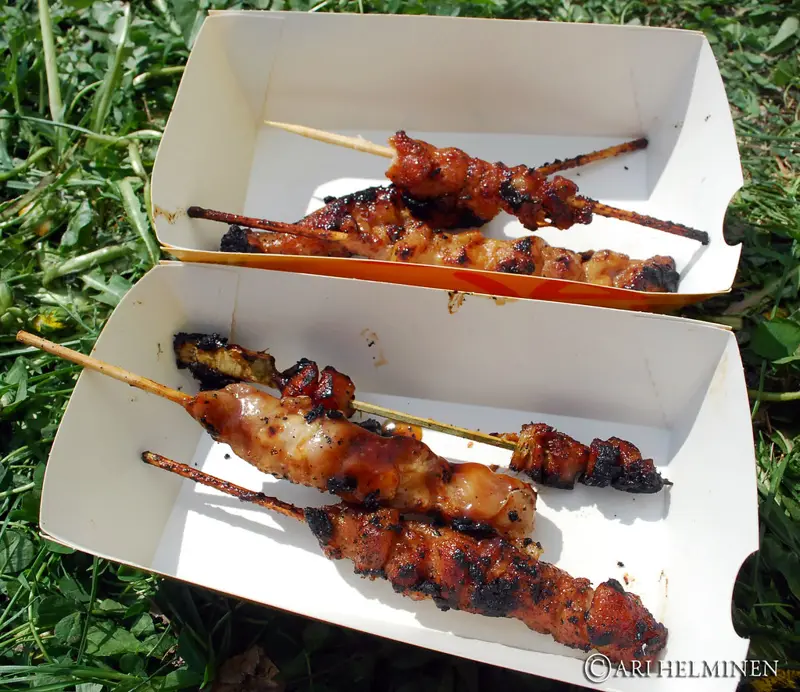
A whole chicken leg roasted hard with garlic and black pepper, eaten with your hands and mopped with cabbage. Order oyadori — the older bird, chewy and intense — rather than the tender hinadori, and drink something cold with it.
Town restaurantsGoogle Maps →Kotohira-gu, and 785 steps
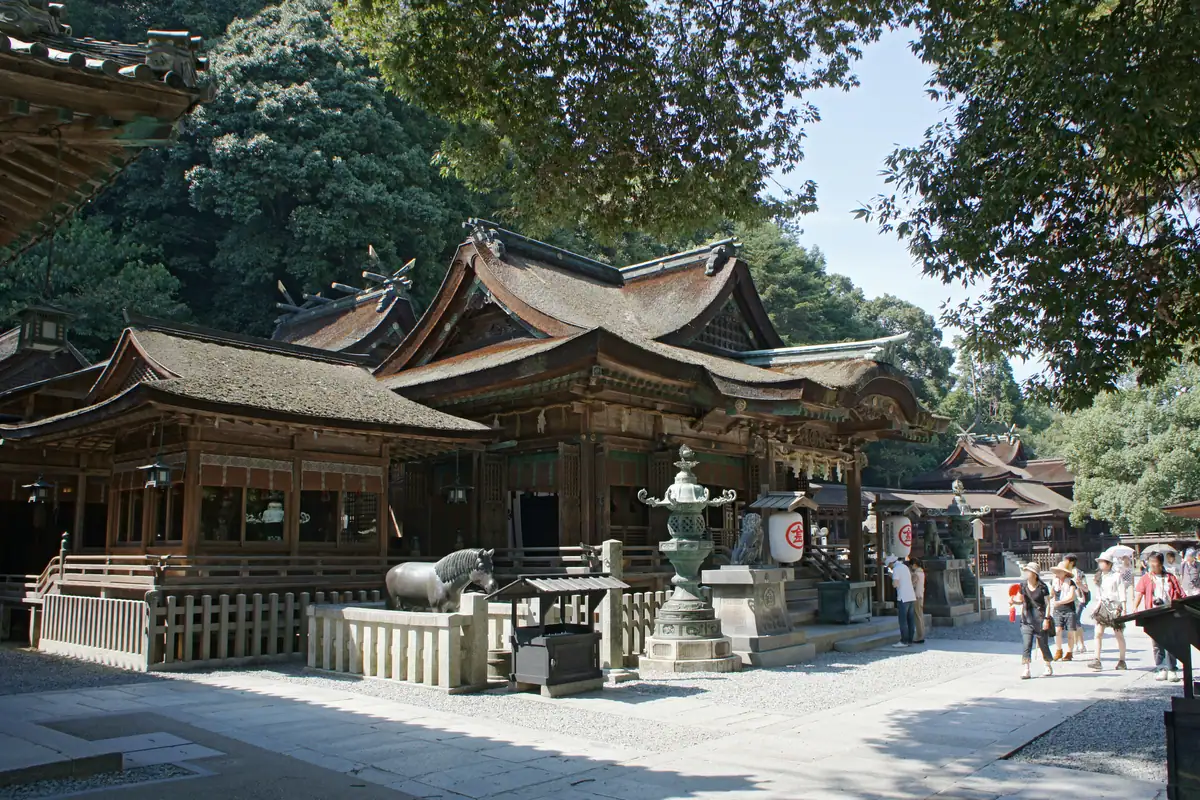
The shrine of Konpira, god of seafarers. For centuries sailors who could not make the climb sent offerings by proxy, and ships still hang votive plaques here. Seven hundred and eighty-five steps to the main hall; 1,368 to the inner shrine.
Megijima or Ogijima
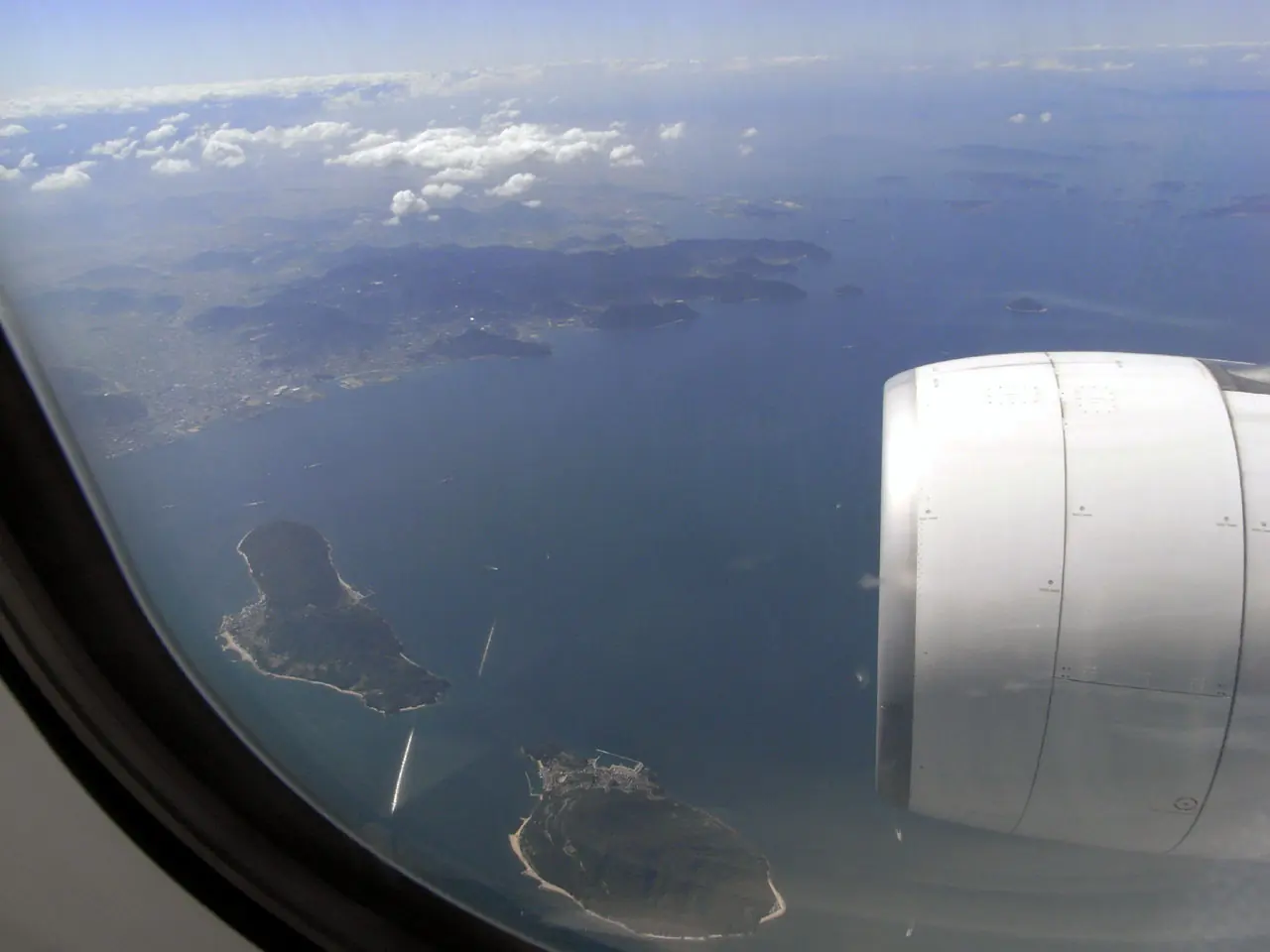
The near art islands. Twenty minutes to Megijima with its cave and its wind-walled village; forty to Ogijima and its hillside of white houses. Both carry Setouchi Triennale works, and both are near-empty compared with Naoshima.
Ferry 20–40 minFull guide: Megijima, the Ogre Island →Yashima and Shikoku Mura
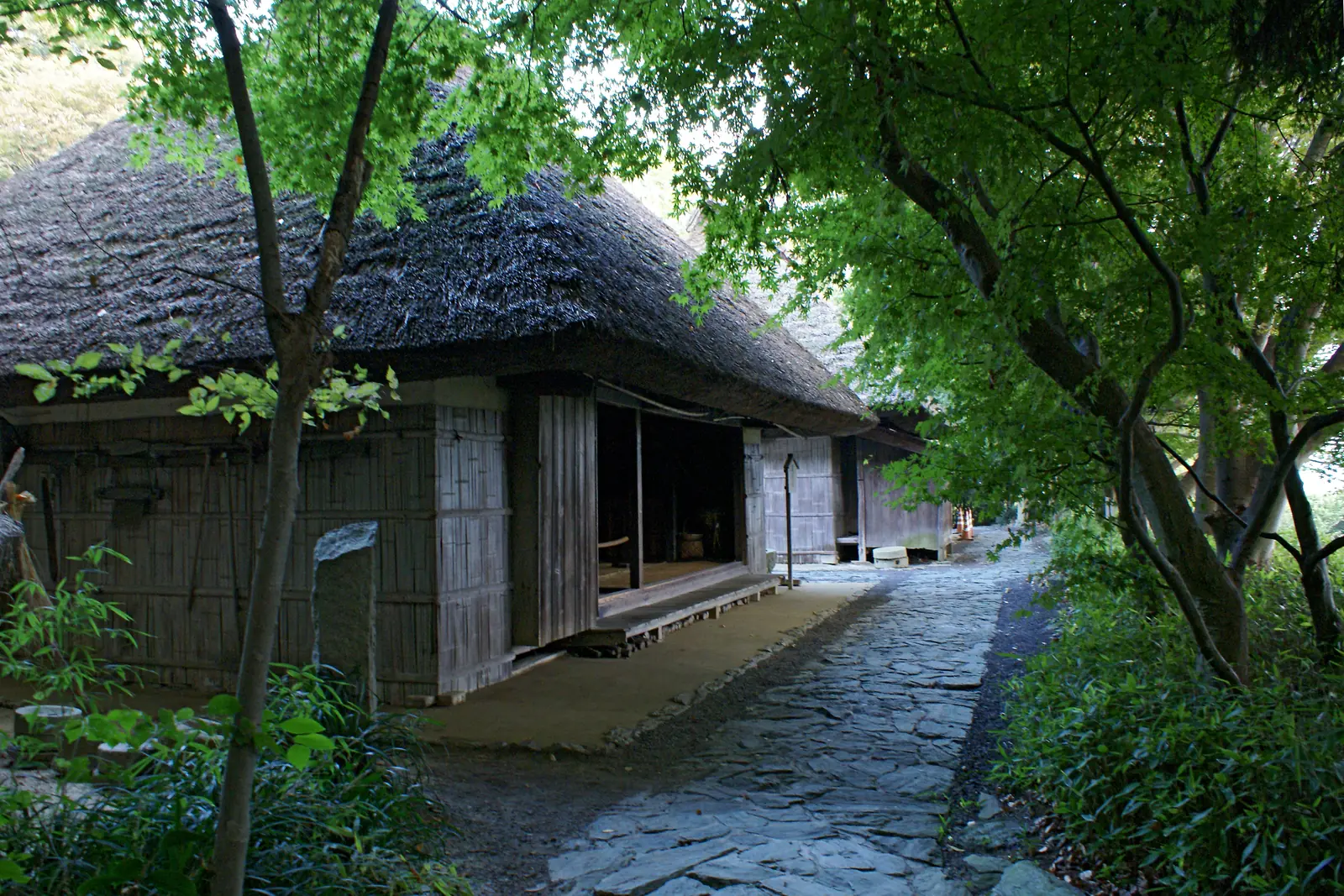
A flat-topped mountain where the Genpei war turned in 1185, with the city and the Inland Sea below. At its foot, Shikoku Mura holds thirty-odd relocated farmhouses and a vine bridge you are allowed to cross.
Bus or taxiFull guide: Shikoku Mura (Yashima) →Olive beef and olive hamachi
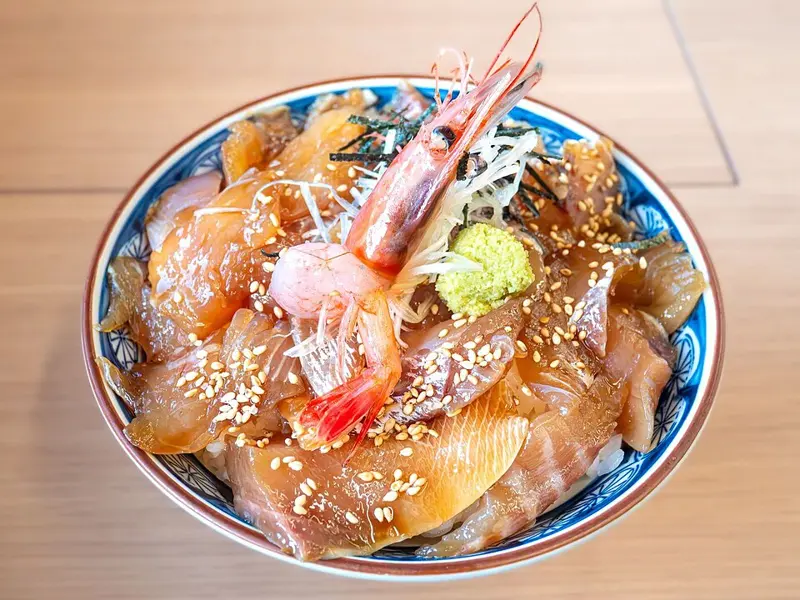
Shodoshima has grown olives since 1908, and the spent pulp from pressing is fed to cattle and farmed yellowtail. Both exist only here, and the hamachi in particular has a clean finish you will not find elsewhere.
Town izakayaGoogle Maps →Wasanbon sugar
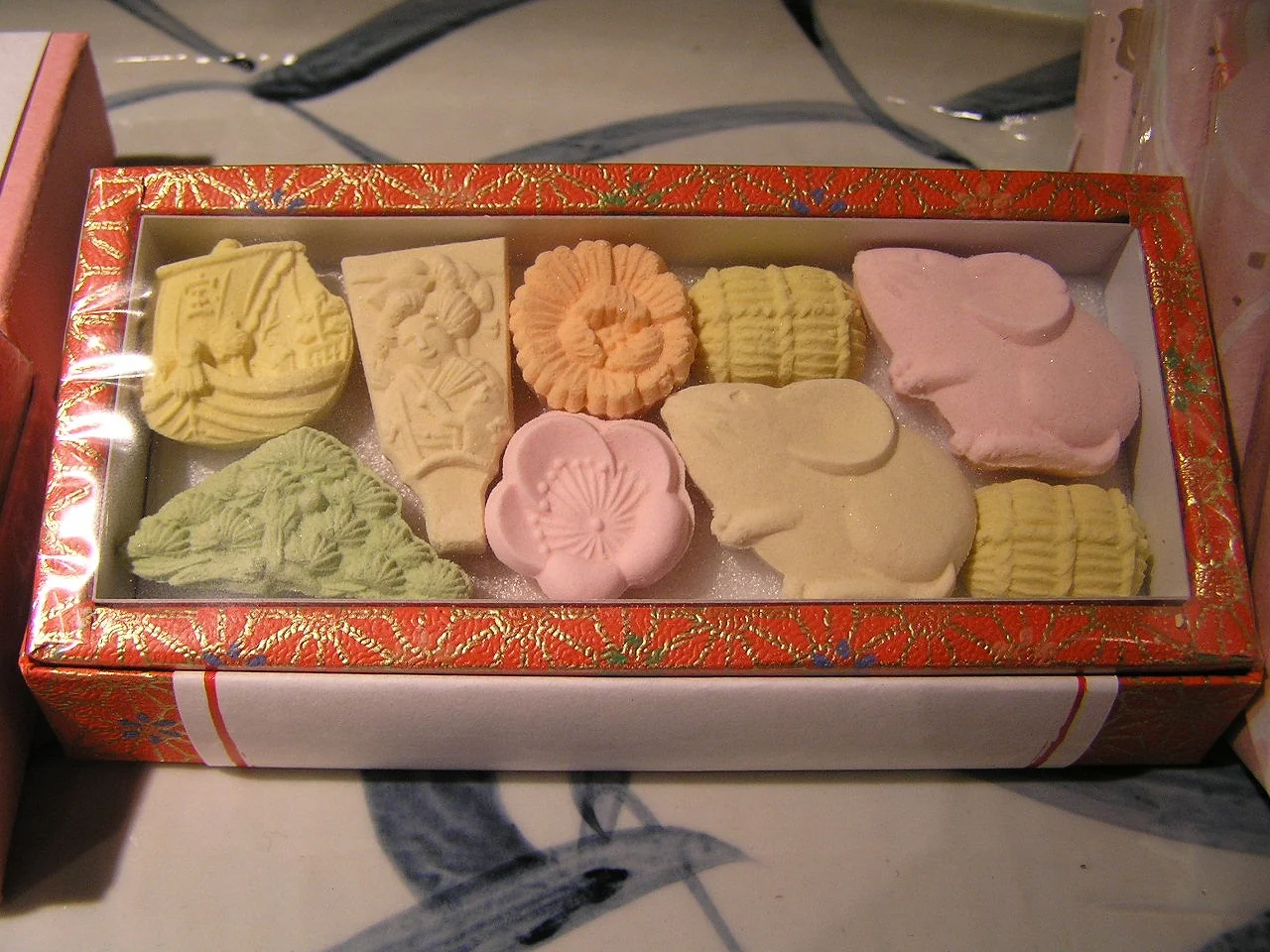
A fine-grained sugar made from local sugarcane by a hand-kneading process that takes days, pressed into small moulded sweets shaped as flowers and leaves. It dissolves instantly, keeps for months and packs completely flat.
Town confectionersGoogle Maps →