 Photo: Asturio Cantabrio / CC BY-SA 4.0
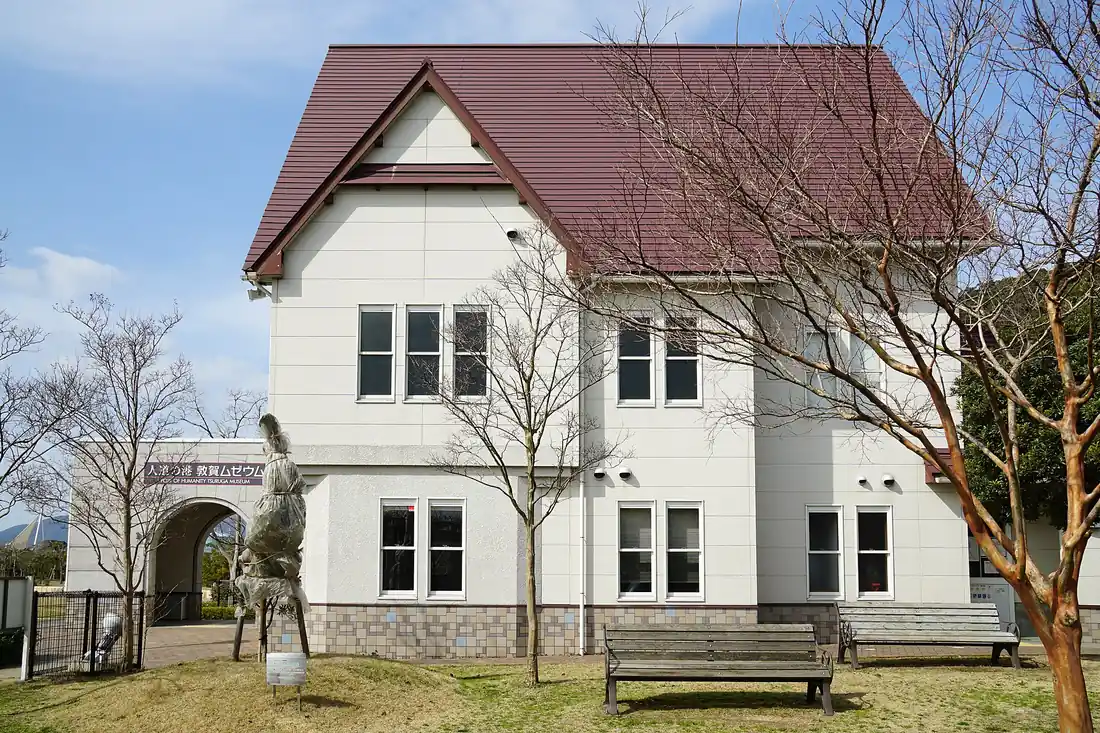
Port of Humanity Tsuruga Museum
The only Japanese port that received Sugihara-visa refugees and the rescued Polish orphans — and the museum stands where they stepped ashore. Closed Wednesdays.
Shuttle stop ① · ¥500Full guide: Port of Humanity Tsuruga Museum →Kehi Jingu great torii
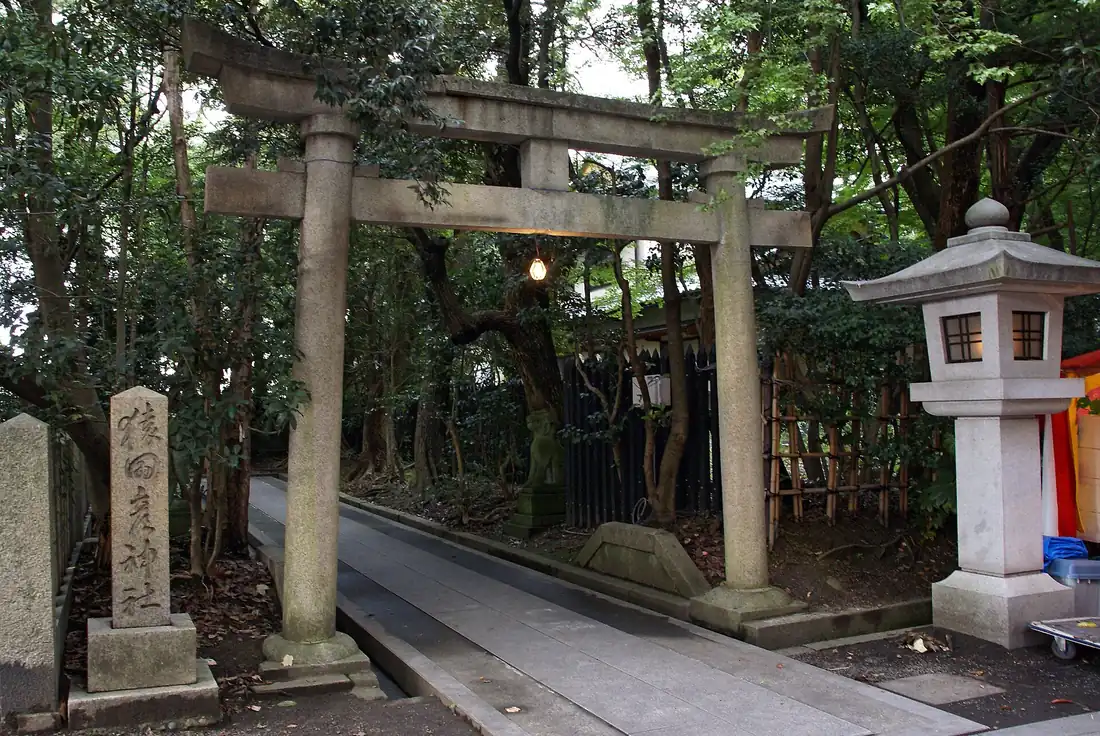
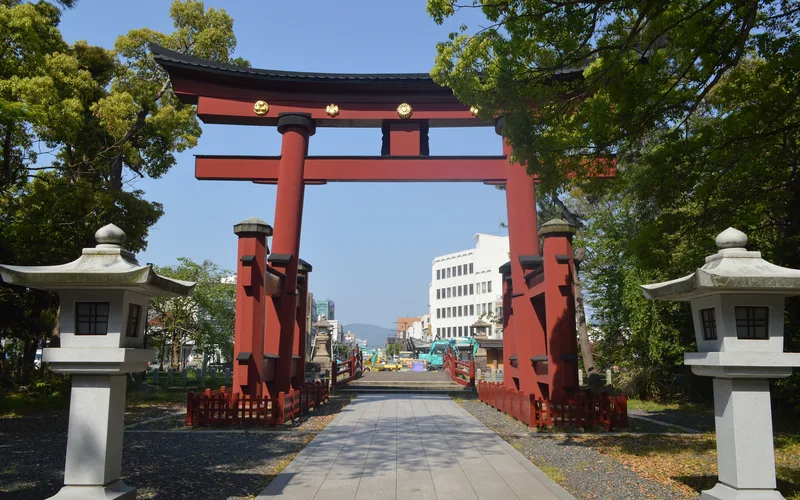
An 11-meter vermilion gate rebuilt in 1645 — one of Japan’s three great wooden torii, and the town’s spiritual front door. Open from early morning, so beat the shuttle crowd.
Shuttle stop ② · freeFull guide: Kehi Jingu →Red Brick Warehouse
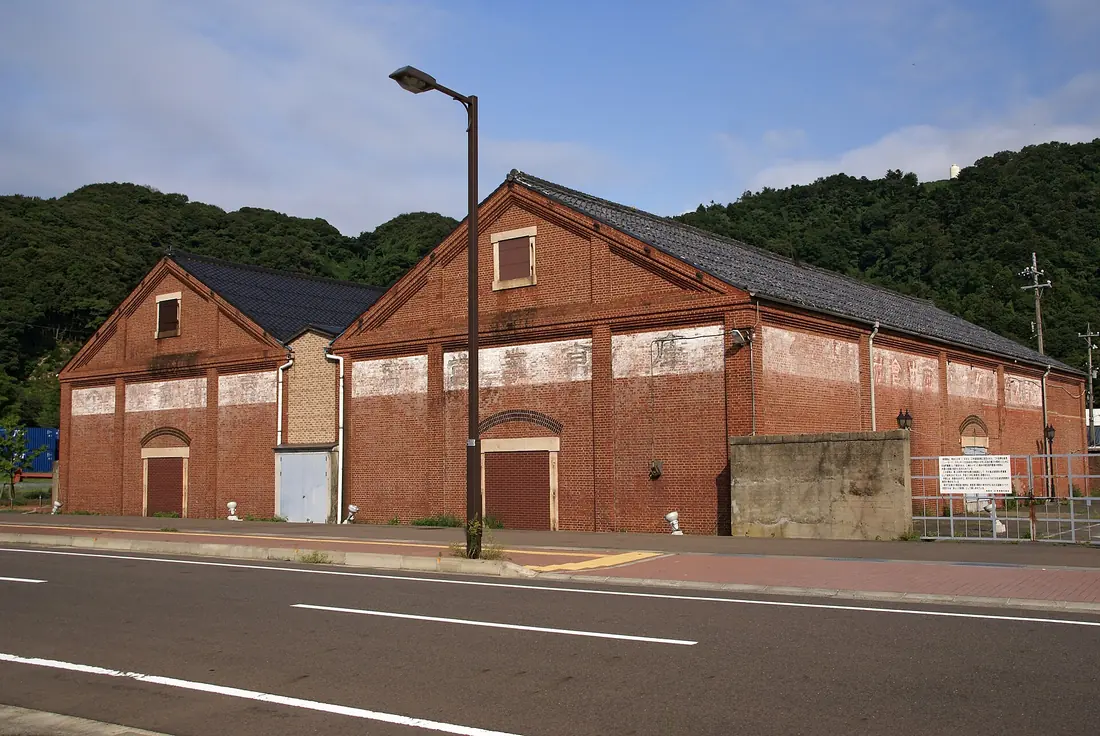
1905 oil warehouses reborn as a rail diorama (¥400) and a restaurant wing — the easy lunch answer in the museum quarter. Closed Wednesdays.
3 min from the museumGoogle Maps →Former Tsuruga Port Station
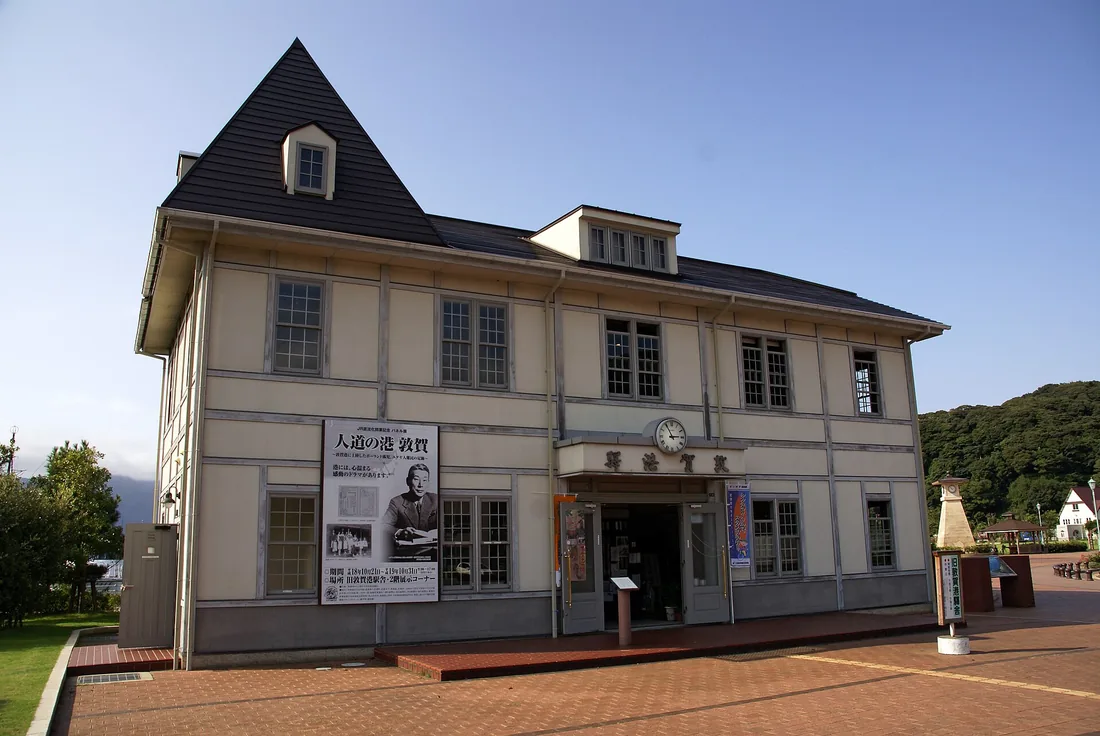
A pocket museum of the boat-train era, when Tokyo–Tsuruga–Vladivostok was the fastest way from Japan to Paris. Free, and honestly twenty minutes is enough.
Free · 2 min on footGoogle Maps →Sauce katsudon at Europe-ken
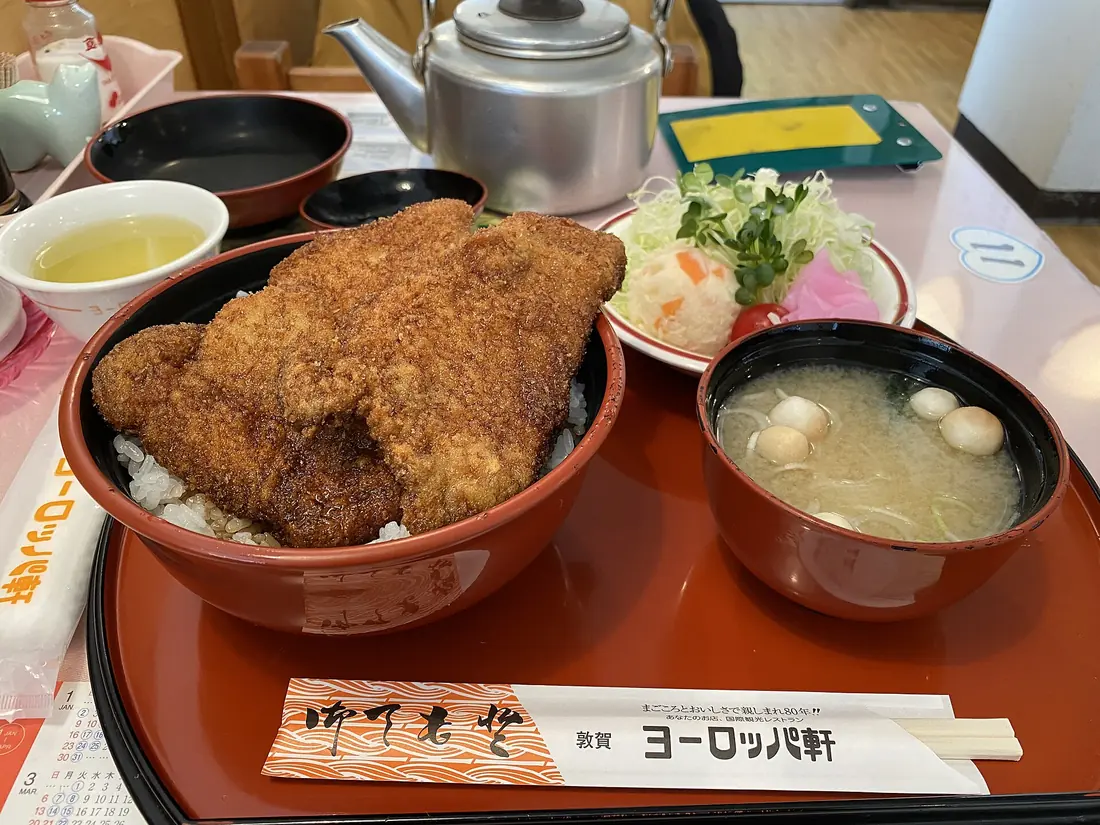
Fukui’s original katsudon — thin cutlets dipped in dark sauce, no egg. The Tsuruga honten opened in 1939. 11:00–14:00 lunch only; closed Mon–Tue.
Near the shrine · ~¥1,200Google Maps →Kehi no Matsubara
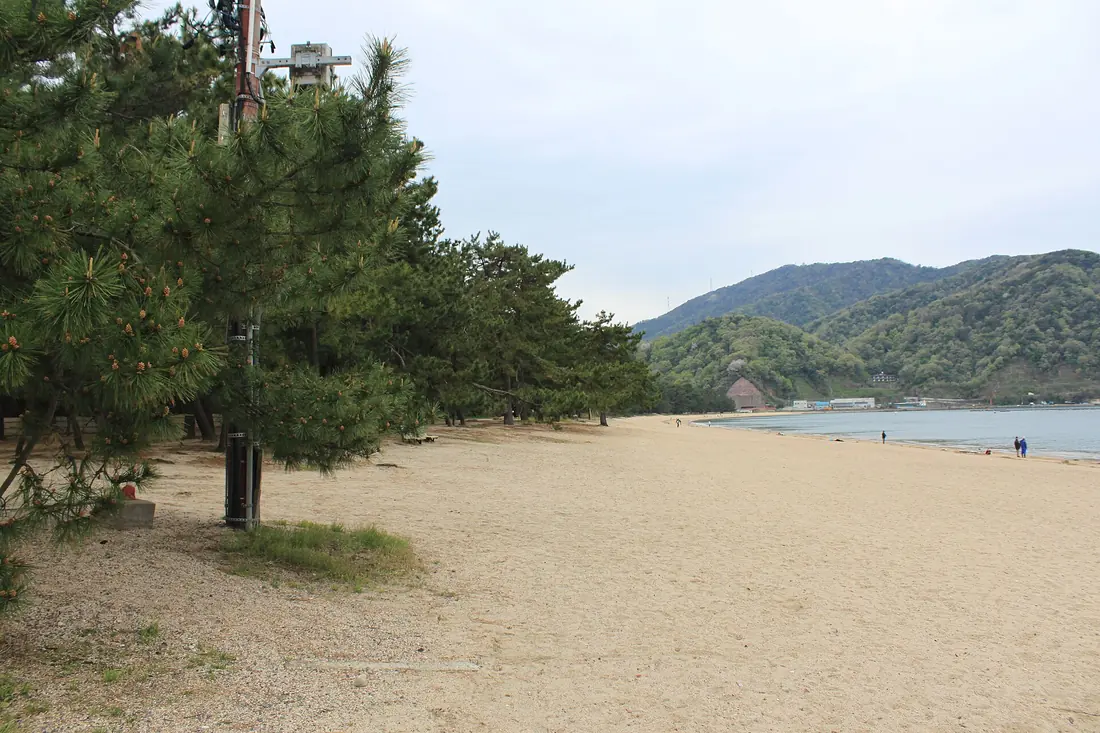
Seventeen thousand pines along 1.5 km of beach — one of Japan’s three great pine groves, and dead flat the whole way. The quiet hour of the day.
Taxi ~10 minFull guide: Kehi Jingu →Symbol Road statues
Twenty-eight bronze Galaxy Express 999 and Space Battleship Yamato figures line the arcade — the town’s 1999 tribute to its port-and-rails century. Free, and great fun to photograph.
Shrine-to-station walkGoogle Maps →Nihonkai Sakana Machi
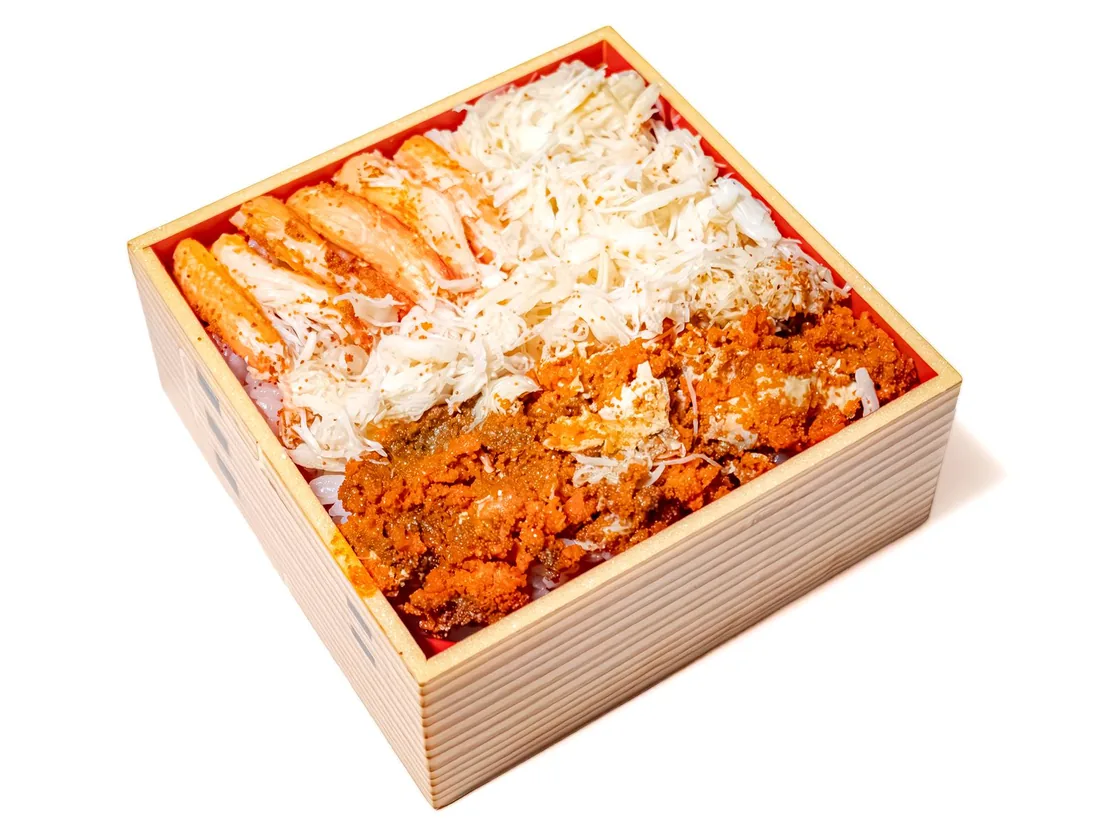
A seafood market hall on the road out of town — sweet shrimp, grilled snacks, and from November to March the Echizen crab that makes Fukui famous.
Bus/taxi from the stationGoogle Maps →Kanegasaki-gu
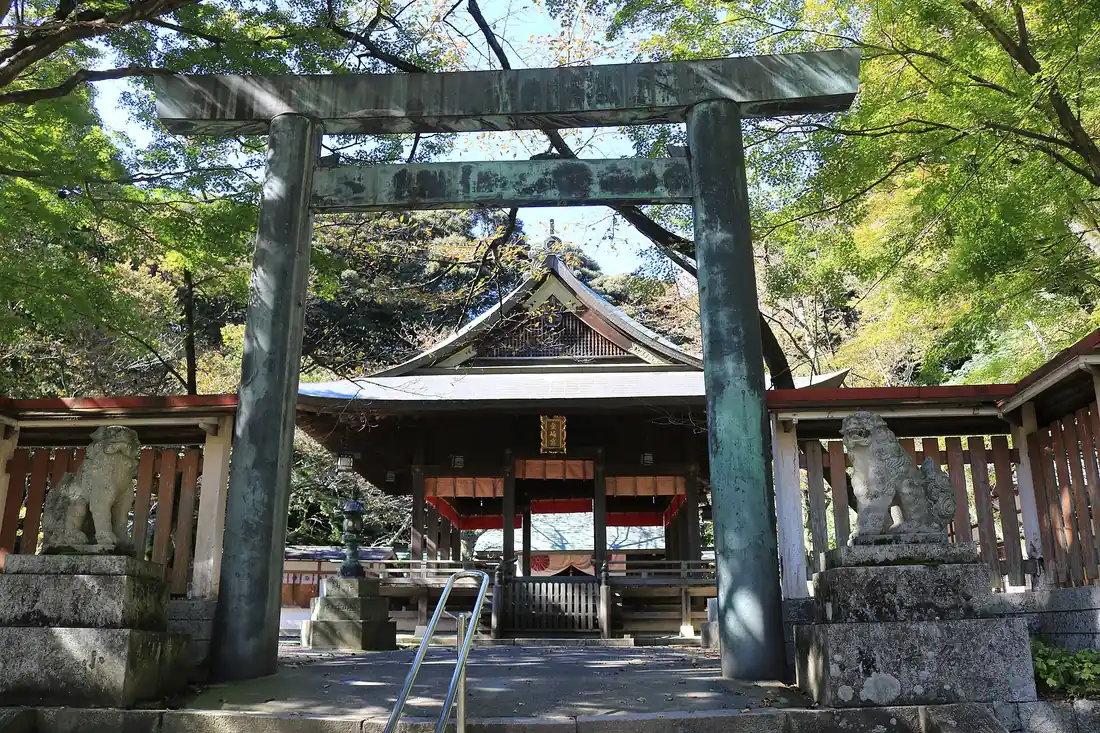
The “love shrine” on the hill over the museum quarter — a short stair climb, a harbor view, and in early April the cherry-blossom flower-exchange festival.
Stairs above the Red BrickGoogle Maps →Chienamiki bookstore at otta
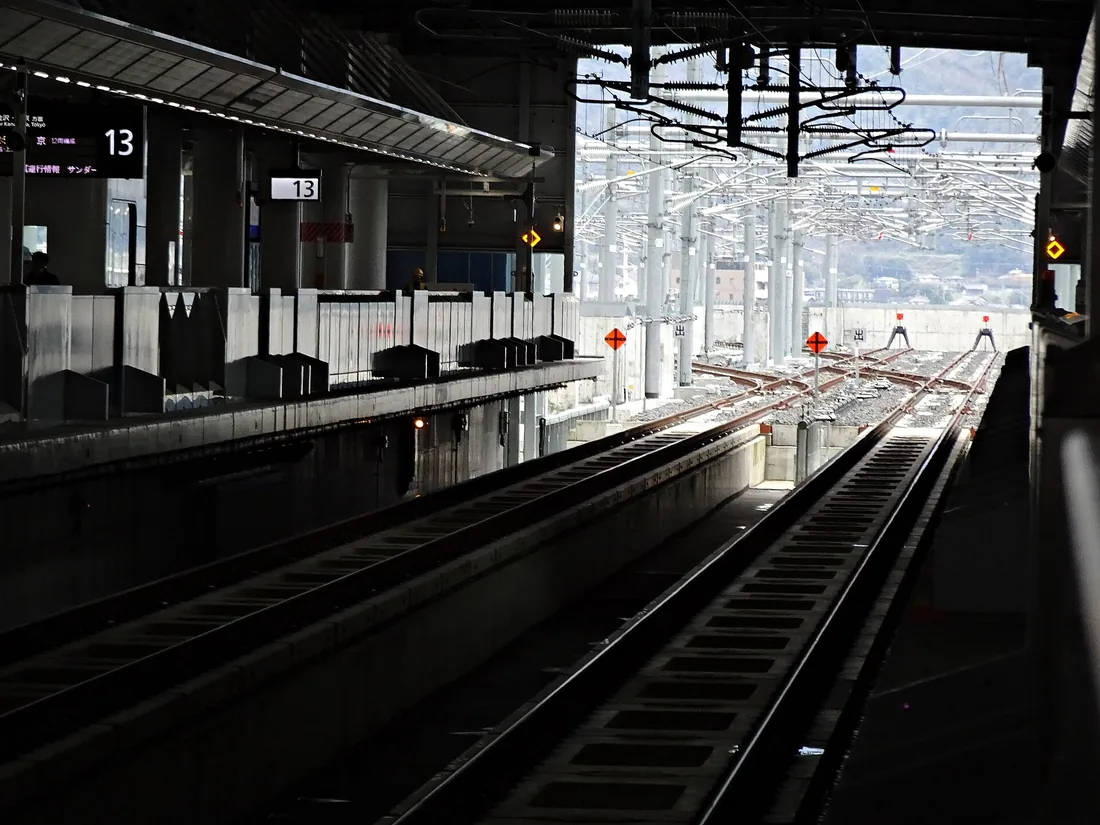
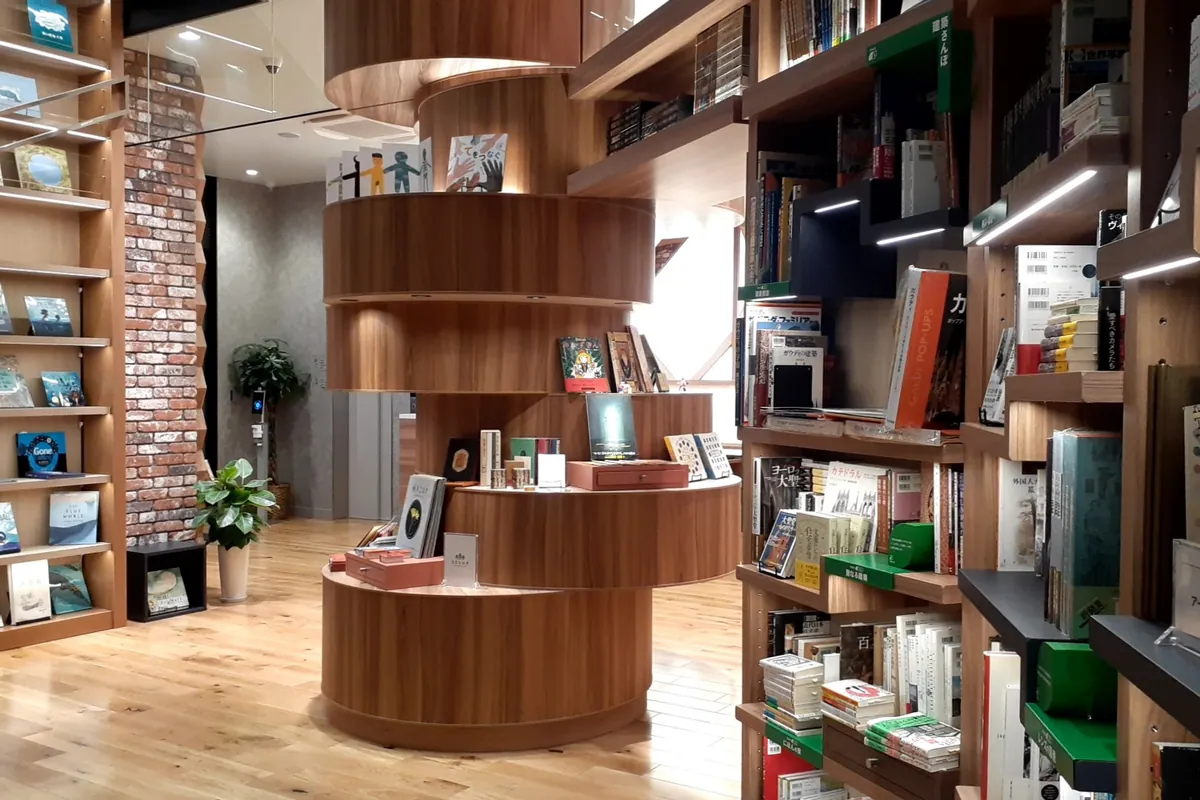
A curated forest of a bookshop beside the shinkansen station — the pleasant surprise of the newest corner of this very old port. Ten dry minutes before the shuttle home.
At the stationGoogle Maps →