This is the first edition of a monthly column, and it begins with a confession: this column launched before its mailbox had received a single letter. Rather than invent letters — this site does not do that — edition one answers the questions we see asked over and over in cruise forums, Roll Call threads and the search terms that bring people here.
From next month, the questions come from you. Here is how to send one.
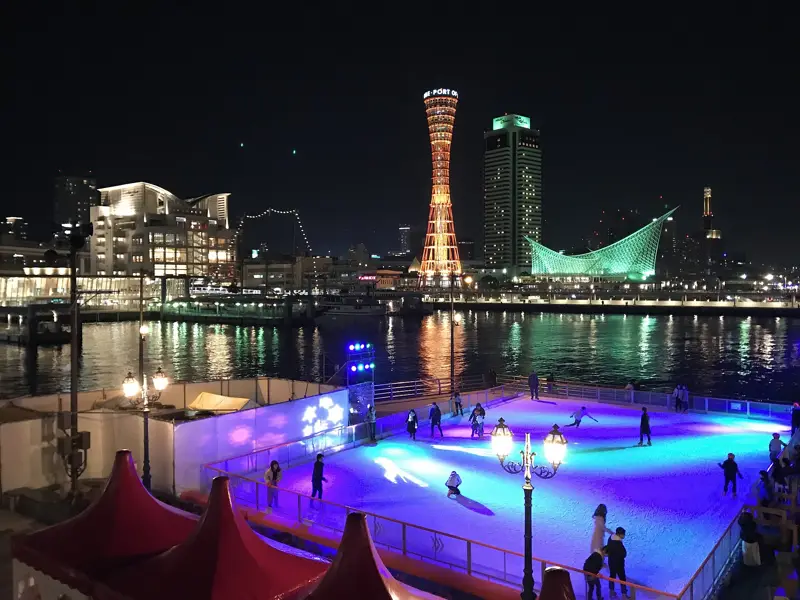
“We dock in Kobe for ten hours. Is Kyoto actually doable, or is that a tourist trap answer?”
Doable, with discipline. The train is about an hour each way from Sannomiya, so a ten-hour stop ashore gives you roughly six hours in Kyoto after transfers and margins. That is enough for one district done properly — Fushimi Inari early, or Gion and Higashiyama at walking pace — and not enough for a greatest-hits sprint, which is how people end up seeing four queues and no Kyoto.
The honest fork: if your call is under eight hours, Kobe itself is the better day, and we say so in the full arithmetic here. If you sail from Osaka instead, the train is half as long and the whole question relaxes.
“Everyone says take cash. How much, actually?”
About ¥10,000 per person per port day — and most days you will spend less. That covers a market lunch (¥1,500–3,000), local transport (¥600–1,500), shrine entries and snacks. Cards now work in city restaurants and stations; the places worth crossing Japan for — market counters, neighbourhood bathhouses, yatai, small shrines — still run on cash.
Two mechanics worth knowing: 7-Eleven ATMs take foreign cards and sit near every port we cover, and coins matter — the ¥100 lockers, ¥100 bath entries and ¥210 museums of this coast are the texture of a good day. The port-by-port table is here.
“First Japan cruise. Do we book ship excursions or wing it?”
Neither, exactly. Japanese ports are the easiest in the world to do independently — safe, punctual, honestly signed — and every port guide on this site carries free timed plans for 2–3, 4–6 and 8-plus hour stop ashores with the 60-minute reserve already built in. That is the default answer.
A booking earns its price in three specific cases: it solves language (a market you cannot read), queue risk (a weekend attraction against an all-aboard time), or scattered logistics (a port where the sights fight the shuttle timetable). That test is exactly how our editor’s picks list is chosen — and why several ports have no pick at all.
“Is November too late for a Japan cruise? The lines barely sail then.”
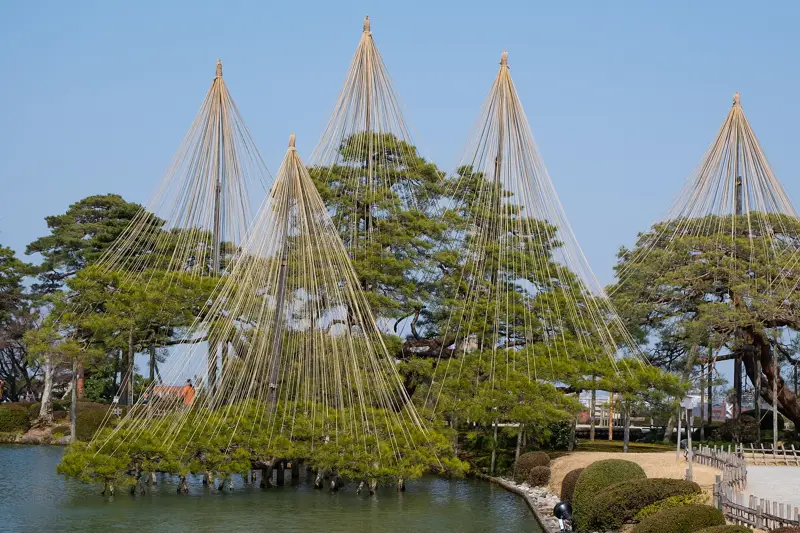
Too late for the itinerary planners; arguably the best month for you. November on this coast means snow crab season opening in Kanazawa and Sakaiminato, the rope cones going up over Kenroku-en’s pines, maples at their peak, oyster huts opening in Sasebo — and the clearest air of the autumn for Fuji from a Shimizu deck.
The catch is supply: sailings thin out sharply. If a repositioning itinerary puts you on this coast in November, take it over the same route in August, and read the winter port guide before you decide anything.
“We’re in Naha in January. Everyone else on the ship is disappointed. Should we be?”
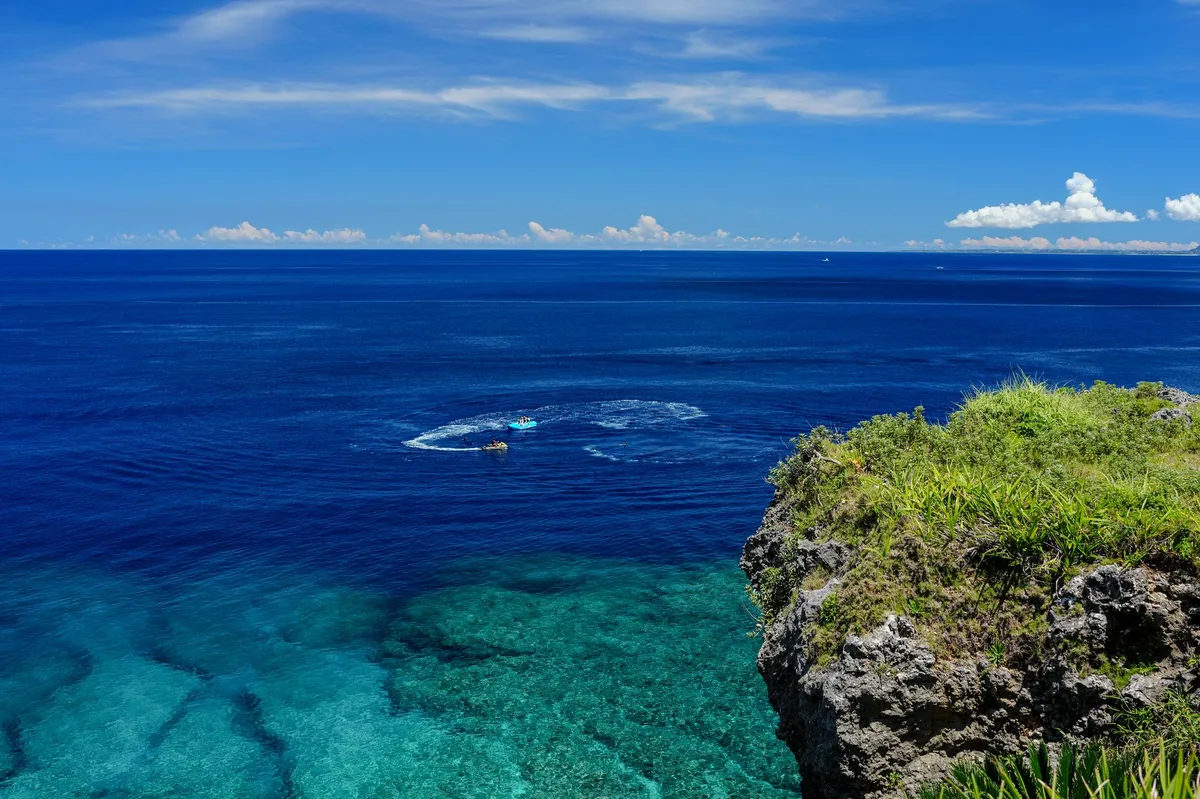
No — you drew one of the better cards. Naha is the only Japanese port with a genuine winter season: 17–19°C, dry, clear, everything open, and Japan’s first cherry blossom starting in late January, months before the mainland sees a petal. The disappointment on your ship belongs to people who wanted beach weather; what you actually have is the Ryukyu kingdom, the market and the pottery street in perfect walking temperatures, with no crowds.
The Naha guide has the January plan. Pack a light jacket and dinner-table bragging rights.
Got a better question than these? Send it in — ship, date and hours ashore make the answer sharper. A selection appears here monthly, first names only, with permission.
Guided days at the ports in this article
Shared cars with a guide first; each page says who should skip it. Booked through Viator; there is no tour desk at the pier.
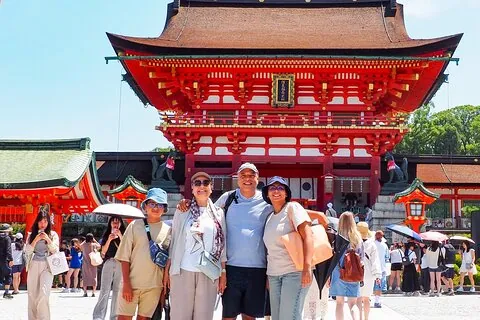 KobePrivate car · per personOn-time return promised5.0★ · 36
Private Car Tour to Kyoto & Beyond | Kobe/Osaka Shore Excursion
A private car day from Kobe to Kyoto, Nara, Himeji or Osaka, built around your ship's schedule, for up to eigh…
from US$292 per person · max 8Why it is here →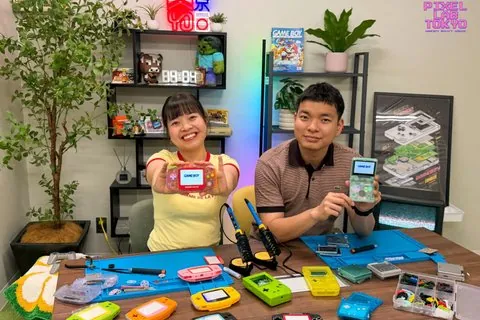 TokyoSmall group5.0★ · 202
Pixel Lab Tokyo: Gameboy Mod Workshop (Classic/Advance/SP)
A three-hour workshop building and customising your own Game Boy, Classic, Advance or SP, to take home.
from US$350 per person · max 8Why it is here →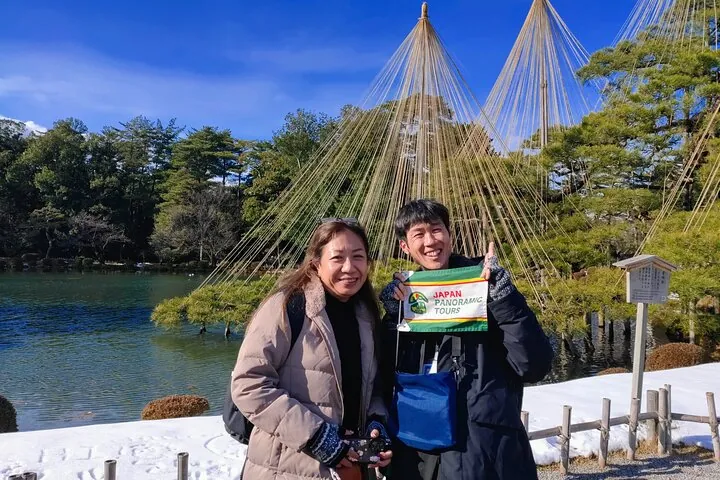 KanazawaShared car · per person5.0★ · 384
Kanazawa Highlights: Garden, Castle, Samurai & Geisha+Taxi
A three-hour small-group walk with an English-speaking guide through Kenrokuen, the castle grounds, the Nagama…
from US$56 per person · max 15Why it is here →If you book, we may earn a small commission at no extra cost to you. It never decides what we recommend.