PORT OF JAPAN
Hakodate Before 9am: The Morning-Market Playbook for Early Calls

Home / Journal

Hakodate · 3 min read

Hakodate Before 9am: The Morning-Market Playbook for Early Calls

Ships dock early in Hakodate — and the market has been up since dawn. How to eat the famous kaisendon at 7am, catch a squid, and own the day before the crowds.

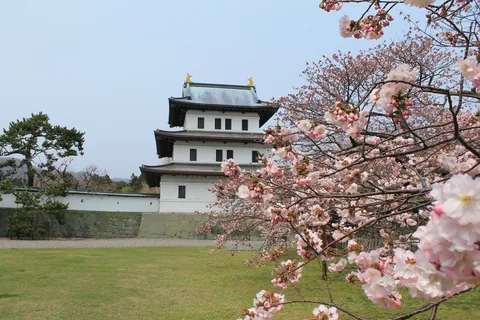
Photo: くろふね / CC BY 4.0

· Updated · Takumi Yamada, Shizuoka

Most ports make you wait for the day to start. Hakodate had breakfast ready two hours before you docked. The Morning Market — four blocks of crab tanks, uni counters and shouting grandmothers — peaks exactly when cruise passengers walk off. This is the rare port where the first hour is the best hour.

The 90-minute playbook

Clock Move
+0:00 Walk/tram from the wharf toward the station
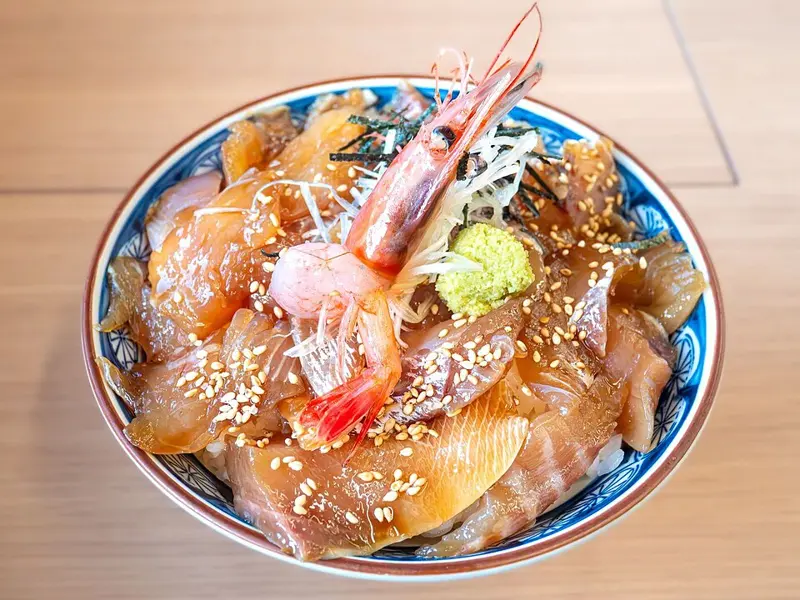
+0:15 Kikuyo Shokudo: the three-color don. Yes, at 7am. Especially at 7am
+1:00 Ekini Market’s live-squid pond — catch it, they slice it
+1:20 Fruit stalls: a Hokkaido melon wedge for dessert
+1:30 Out — with the whole port day still unspent

That’s the market-morning plan in essence, and it composes with everything: slopes and churches after (the half-day), the star fort on long calls, even the night-view gamble if you sail late.

Three market rules

  1. Cash-friendly, card-tolerant. Small stalls prefer yen; the sit-down shokudo take cards.
  2. The tanks are the menu. Point, nod, eat. English survives fine here.
  3. Buy nothing perishable until the way back — unless your ship is close enough to run the crab home. (From the common wharves, it genuinely is. This may be the only port where “carry the crab back to the ship” is a plan.)

Dock early, eat early, and by 9am you’ve done the thing this city is famous for — with your entire call still in hand. The clock never starts better than this.

Book before you sail

Guided days at the ports in this article

Shared cars with a guide first; each page says who should skip it. Booked through Viator; there is no tour desk at the pier.

If you book, we may earn a small commission at no extra cost to you. It never decides what we recommend.


Takumi Yamada

Editor, Port of Japan · Tokyo, Japan

A Japanese traveler who walks these ports with a stopwatch and a bus timetable. Every plan on this site is timed from the gangway and back, and says what it leaves you before all-aboard; every number is checked against an official source before it is published. How the site is checked → · Ask a question

Quick answers

Questions this raises

What time does the Hakodate Morning Market open?

Stalls run from about 6am (some earlier in summer) until early afternoon. For cruise passengers it's perfect reversed logic: dock at 8, and the market is already two hours into its day a few minutes from the berth.

What should you order at the morning market?

Kaisendon — the seafood rice bowl. Kikuyo Shokudo's three-color version (uni, ikura, crab) is the institution since 1956. Beside it, the live-squid fishing pond at Ekini Market turns breakfast into sport.

Is the morning market walkable from the cruise terminal?

From the common wharves it's a short walk or a few tram minutes to the station-side market blocks. Check your daily program: some berths run a shuttle that drops within two blocks of the stalls.

Which Japanese port has the best morning market?

Hakodate is the one Port of Japan singles out: four blocks of crab tanks, uni counters and fruit stalls beside the station, running from about 6 am until early afternoon, so an 8 am ship arrives two hours into its day. Order kaisendon, the seafood rice bowl; Kikuyo Shokudo's three-colour version with uni, ikura and crab has been the institution since 1956, and Ekini Market's live-squid pond turns breakfast into sport. From the common wharves it is a short walk or a few tram minutes.

How do I order food in Japan without speaking Japanese?

At market counters the tanks are the menu: point, nod and eat, and English survives fine. Hakodate's Morning Market is the model, where you point at the three-colour kaisendon at Kikuyo Shokudo or catch a squid in Ekini Market's pond and they slice it for you. Small stalls prefer yen while the sit-down shokudo take cards, and it is best to buy nothing perishable until you are on the way back to the ship.

Plan these ports

Guides mentioned here

All ports →