Pick your hours and you get a finished day — every step timed from the gangway and back, and each route says how much room it leaves you before all-aboard. Swap anything you don't fancy.
Round trips are measured from the gangway and include getting back. Two stops in the same direction overlap, so a real day usually comes in under the total you see, never over it.
¥250–300 by distance (day pass ¥800)every 8 min, about 9:00–17:00, weekdays and weekends (Yachigashira branch every 16 min)IC cards OK
How to get there
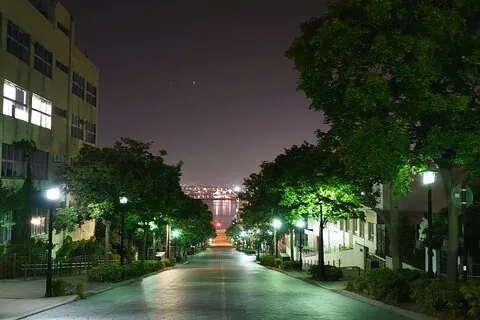
① Tram from Hakodate-Ekimae — Jujigai stop for the warehouses and Nijukken-zaka, Suehiro-cho for Hachiman-zaka
Fares rose in December 2025 — older guides still print ¥210–260 and a ¥600 pass. The fare box gives no change and does not change ¥2,000+ notes; IC cards work.
The one rule: be back on board 60 minutes before all-aboard — every day above already banks it.Phones auto-switch to local time, but all-aboard runs on ship time. Check the daily programme's clock, not your lock screen.More to pick from on the Hakodate guide and theTop 10.
MY SHIP DAY — fill this in before you walk off
Ship
Date
Docked at (berth)
All-aboard (SHIP time)
My deadline = all-aboard − 60 min
Last shuttle back
Phones auto-switch to local time; all-aboard runs on ship time. Write both if they differ.
GETTING AROUND — the facts that don't change by day (today's times: ship's program or Google Maps)
Morning market & Station: From the Wakamatsu terminal: walk 3 min (300 m) From Minato-cho: ship shuttle or taxi, about 20 min (6 km)
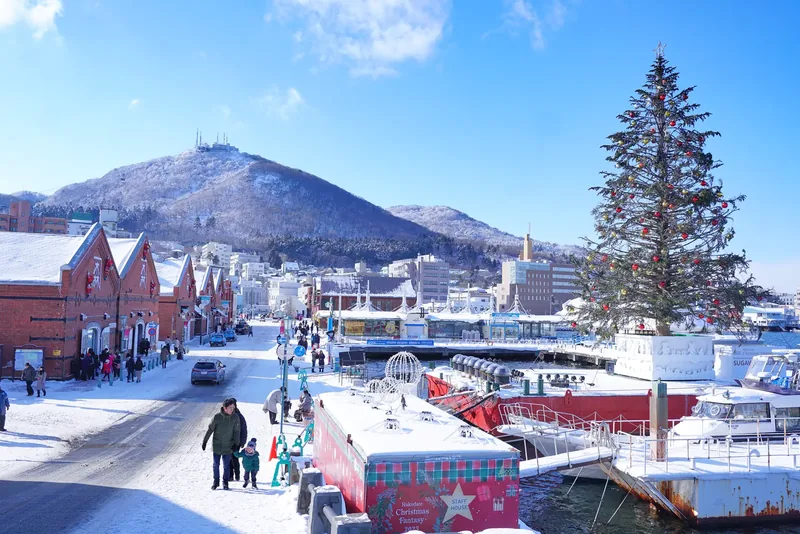
Motomachi & the Bay warehouses: ① Tram from Hakodate-Ekimae — Jujigai stop for the warehouses and Nijukken-zaka, Suehiro-cho for Hachiman-zaka Fare ¥250–300 by distance (day pass ¥800). every 8 min, about 9:00–17:00, weekdays and weekends (Yachigashira branch every 16 min).
SHOW THIS TO A TAXI DRIVER — 運転手さんへ
Please take me back to the cruise ship (Hakodate port)
クルーズ船乗り場までお願いします
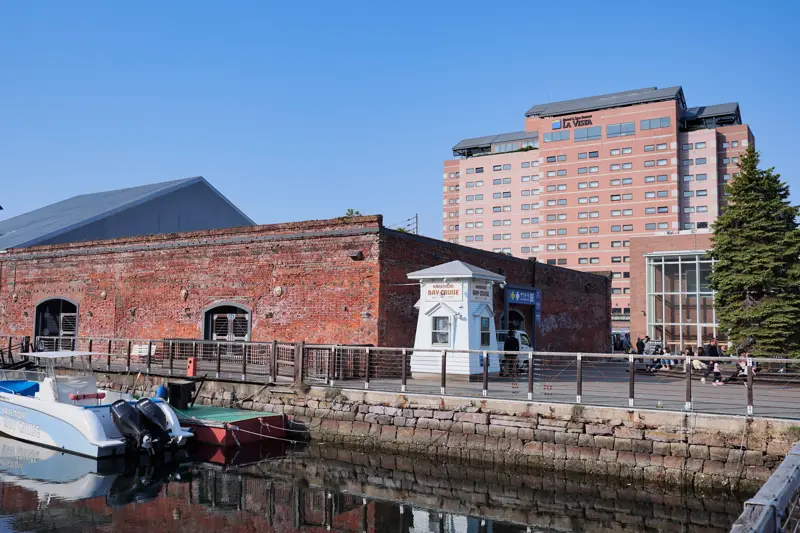
Kanemori Red Brick Warehouses
金森赤レンガ倉庫
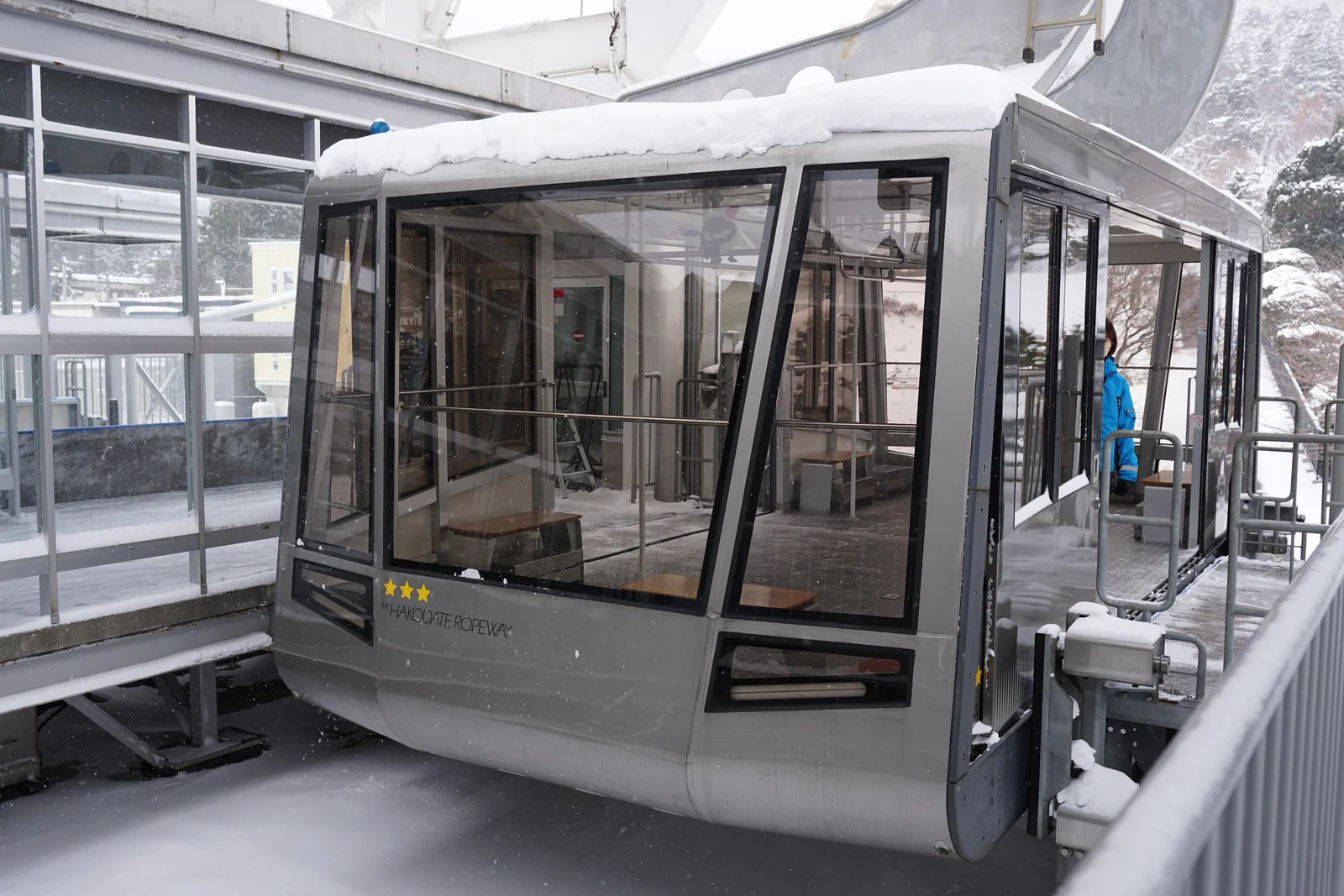
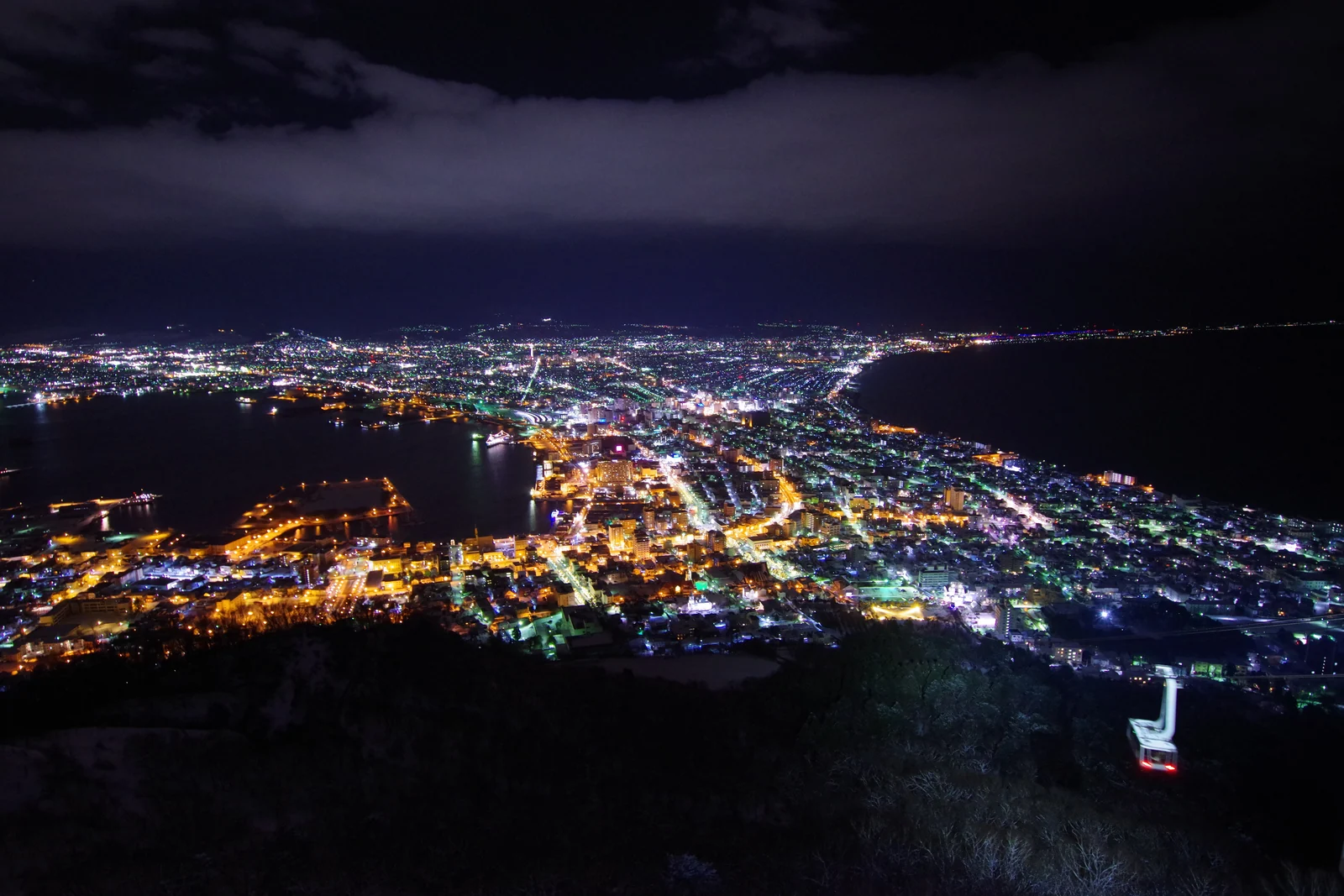
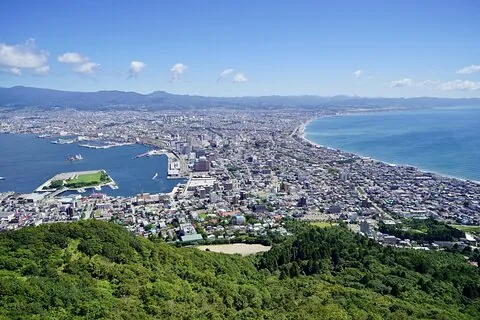
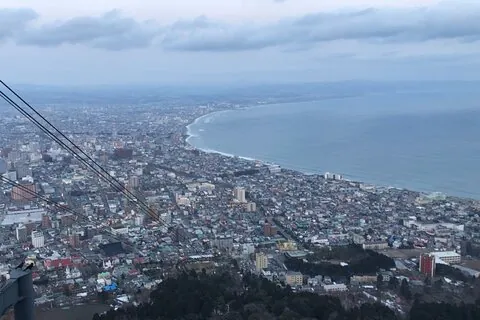
Mt. Hakodate ropeway
函館山ロープウェイ
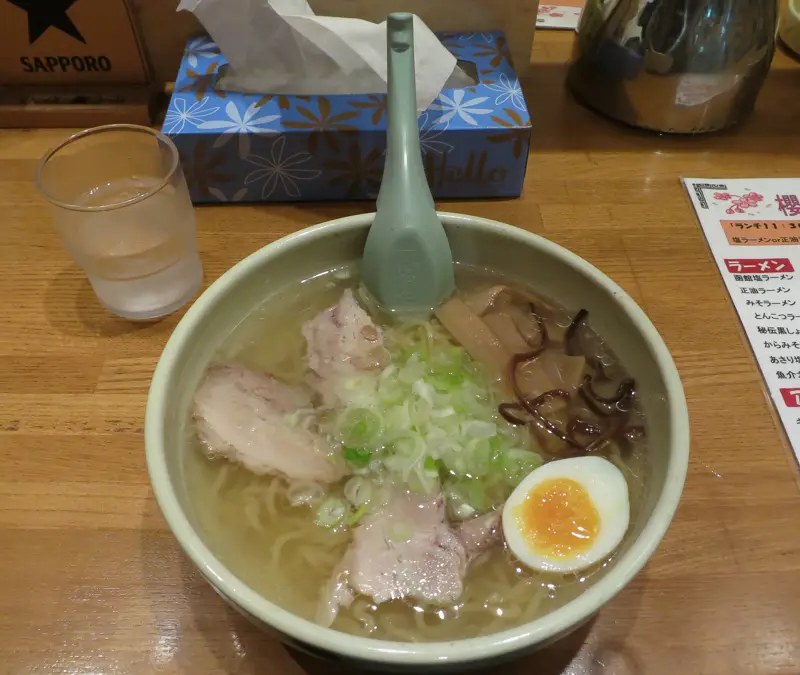
Shio ramen at Ajisai
函館麺厨房あじさい本店
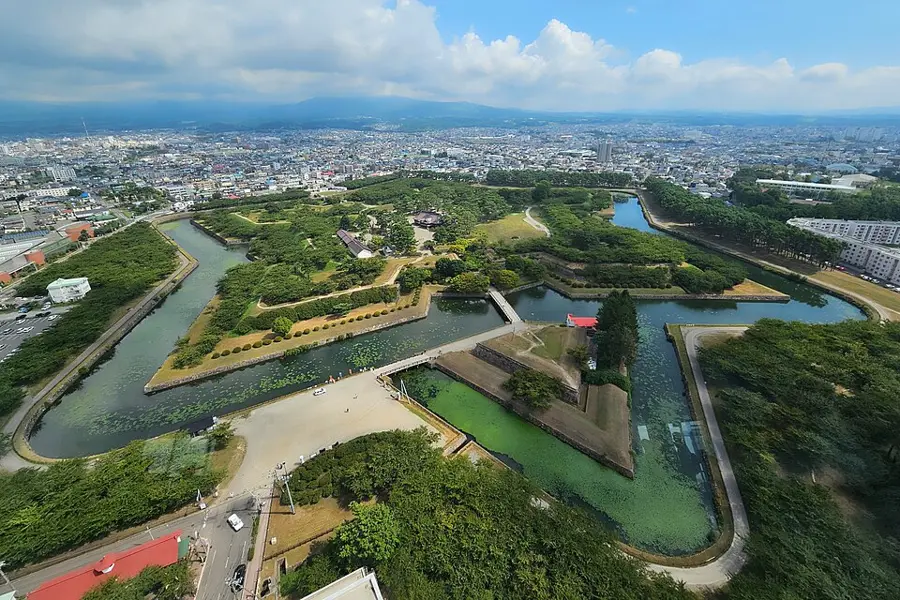
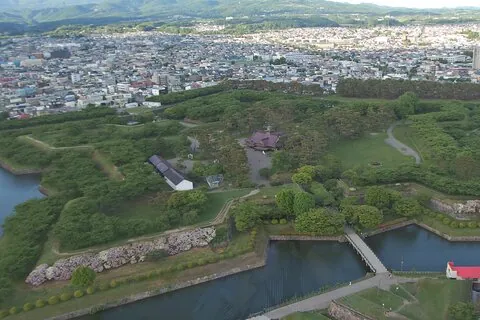
Goryokaku star fort
五稜郭
Point at a line. Taxis are metered and honest; tipping is not expected in Japan.
THE TWO-MINUTE PORT TALK — read aloud at breakfast
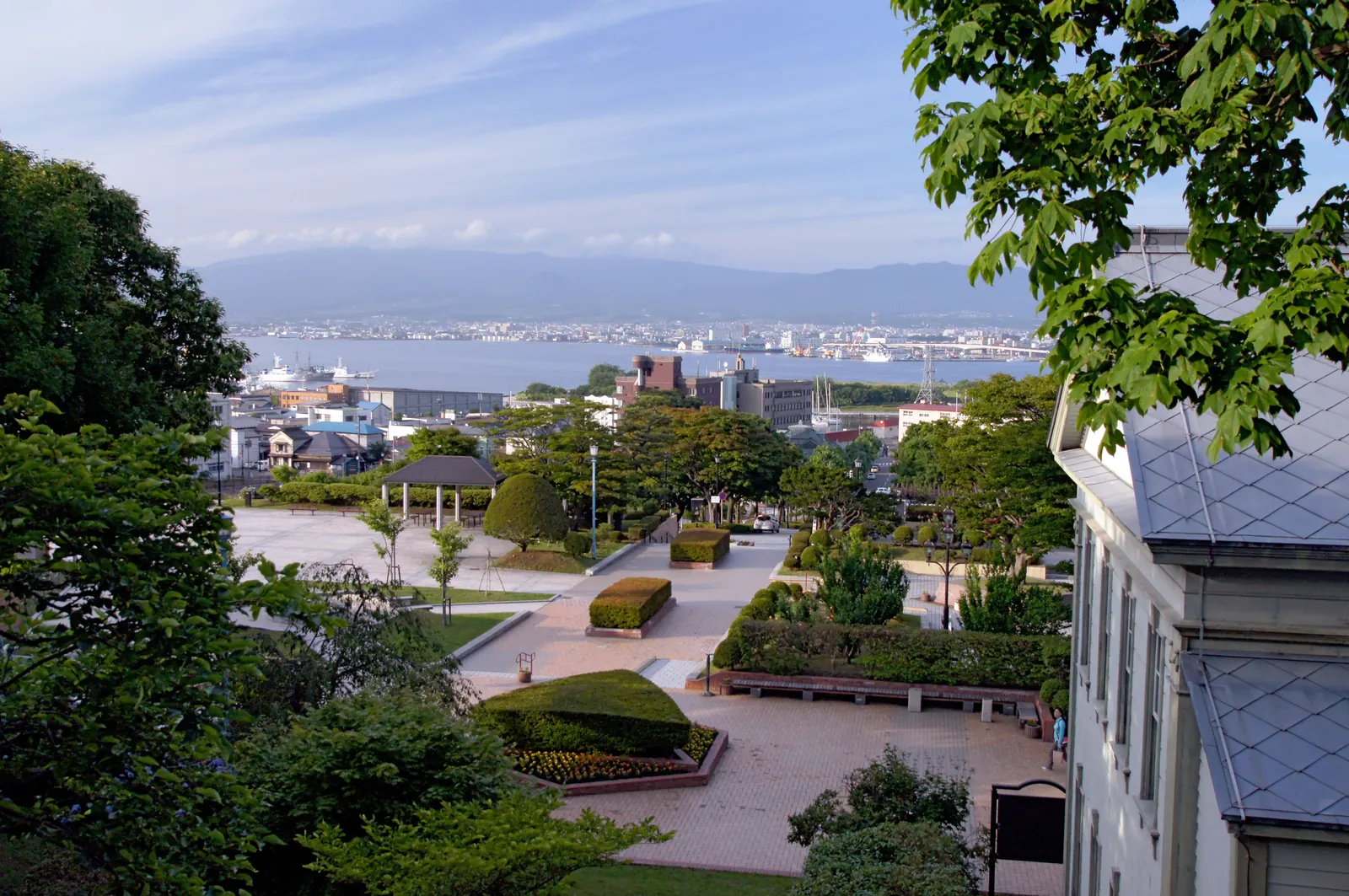
The opening of Japan. Japan opened two ports to the world in 1854, and this was one of them — not for trade, but as a filling station for American whalers. Everything the city looks like today follows from that, and from three catastrophic fires.
Goryōkaku. In the winter of 1868 a defeated navy sailed north, occupied a European-style fortress, and held what may have been the first election in Japanese history. Then they lost, and with them went the samurai era.
The Ainu. Hakodate was built over a village called Usukeshi in 1454. Three years later the first great uprising began, over a knife. Everything on this hillside sits on top of a story most visitors are never told.
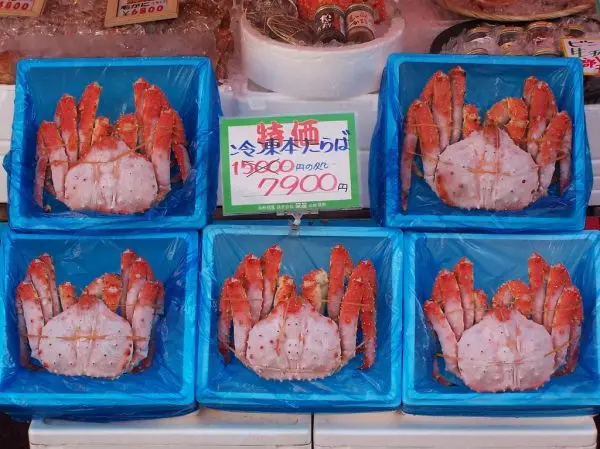
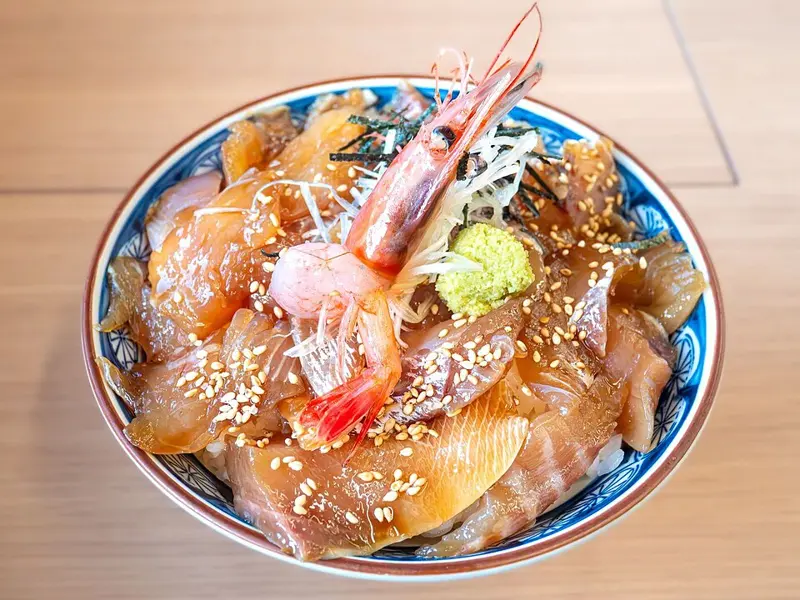
Why the seafood here is better. Ask why Hokkaido uni tastes better and most guides say "the cold water." That is half an answer. The real one is that sea urchins eat kelp — and Hakodate is the single largest kombu producer in Japan.
The one rule: be back on board 60 minutes before all-aboard — every plan above already banks it. · Free guide: port-of-japan.com/hakodate/ · By Takumi Yamada, Tokyo, Japan