~2.5h on slopes — the round trip from the gangway, with the 60-minute margin kept aside.
Tap a photo to see it large. 4 photographs, each credited.
Russian domes, a British consulate and slope-top views down every street — the port that opened Japan first still looks the part. Wear the comfortable shoes.
Why this city looks like nowhere else in the country
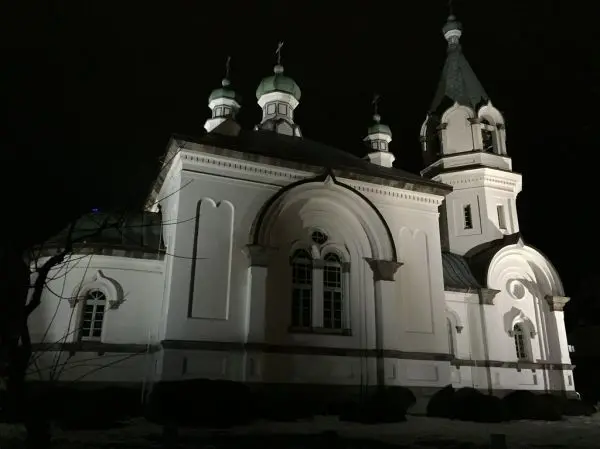
Hakodate was one of the first two Japanese ports opened to foreign ships in 1854, and the consulates, churches and trading houses went up this slope. Within a few hundred metres you pass a Russian Orthodox church, an Anglican one and a Catholic one, which is a fair summary of what the treaty era did to this town.
Japan opened two ports to the world in 1854, and this was one of them — not for trade, but as a filling station for American whalers. Everything the city looks like today follows from that, and from three catastrophic fires.
When the Black Ships forced Japan open in 1859, Hakodate was one of the first two ports to comply — and Motomachi is what compliance built: a Russian Orthodox church with candy-dome spires, a British consulate rose garden, a colonial-yellow Public Hall with a ballroom, all stacked on slopes that aim straight down at the harbor.
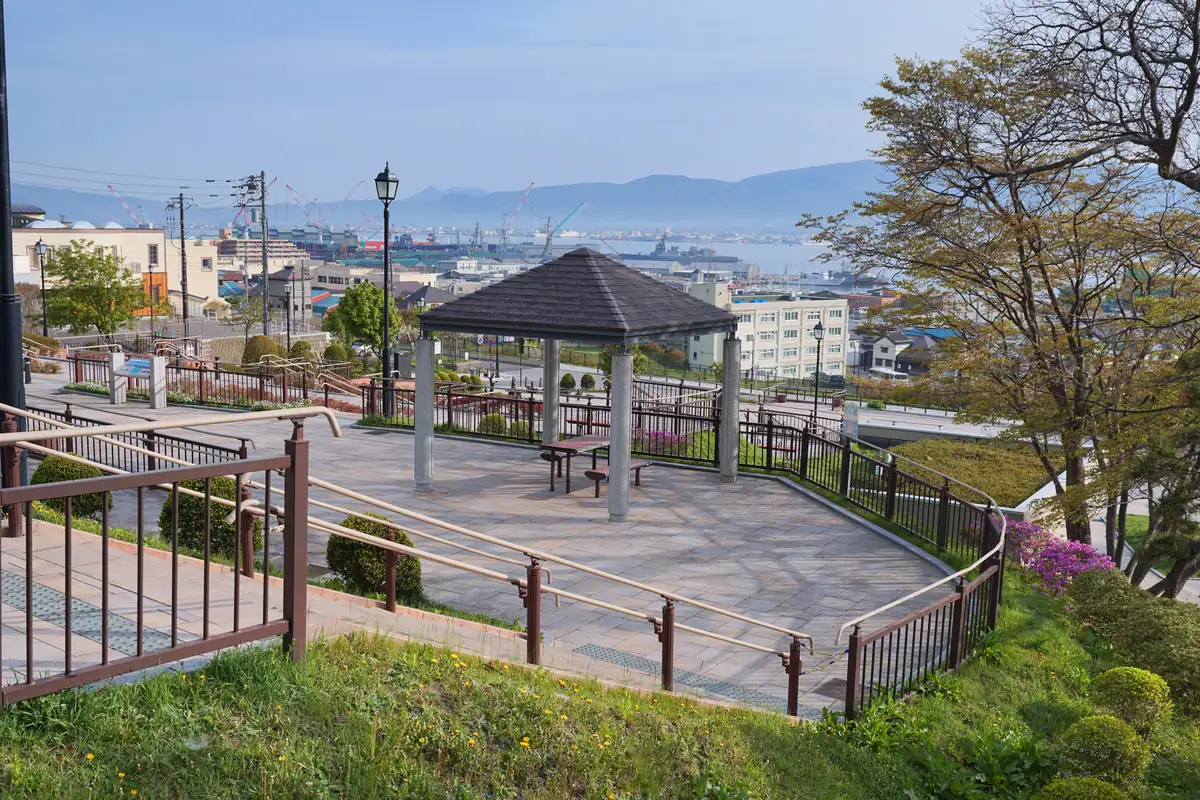
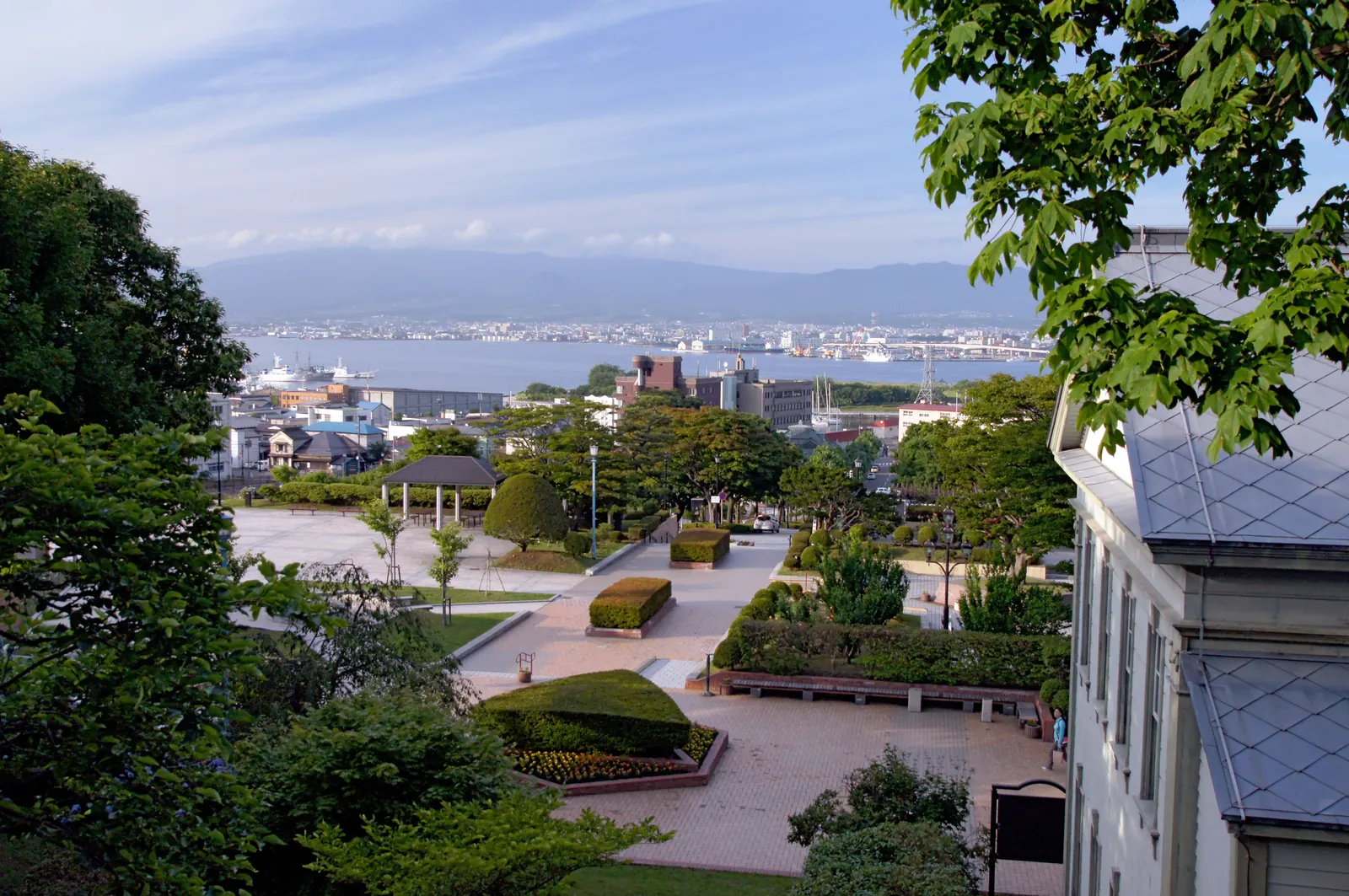
The genius of the district is the grid: every uphill street ends in sky, every downhill one ends in sea. Hachiman-zaka — the postcard slope — frames your own ship at its foot. Golden hour turns the whole hillside amber, which is precisely when late-sailing passengers should be standing on it.
In the Ainu village of Usukeshi. The name Hakodate follows
Japan opens two ports: Shimoda and Hakodate
American, then Russian, then British
Consecrated in October; St. Nikolai arrives the next year
Motomachi's slopes hold the whole story within a fifteen-minute walk. Guided port walks add the fires and the consuls, which the plaques mostly leave out.
Both pins on one map, so the distance is a fact rather than a feeling.
Each of these still lands you back aboard with the hour to spare on a 6-hour stop ashore.
Steady rather than brutal — think fifteen minutes of purposeful uphill to the church block. Trams and taxis reach the top streets if the grade worries you; walking down Hachiman-zaka is the reward either way.
The Old Public Hall (the ballroom and balcony) first; the Orthodox church accepts visitors outside services for a small donation. The streetscape itself — free — is the main exhibit.
Each one is a finished day we have walked and timed, with this stop in it. Read the route rather than assembling it yourself.
Each of these still lands you back aboard with the hour to spare.
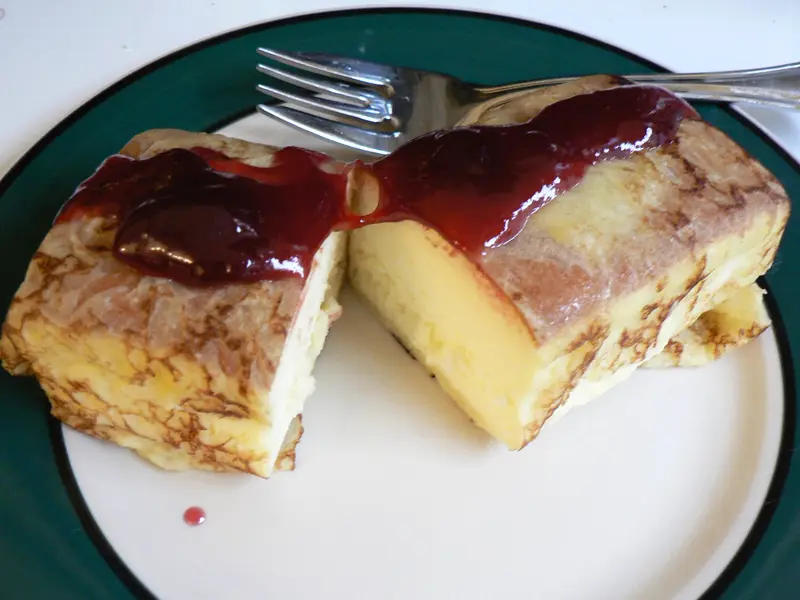 3 hr 30 min for both
Cheese omelet cakes that dissolve on contact — Hakodate’s proudest confection, boxed for travel.
See the detail →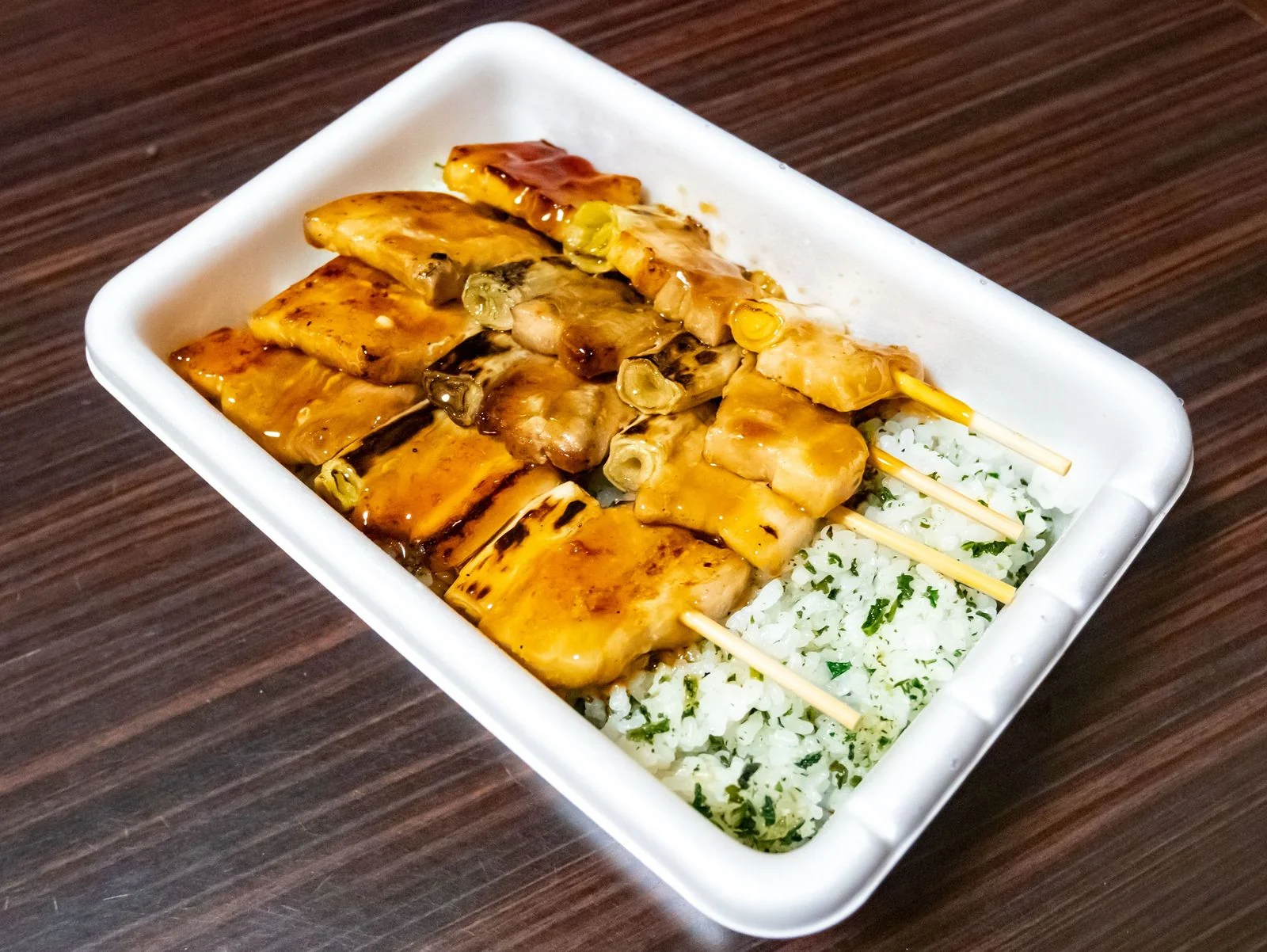 3 hr 30 min for both
A local chain’s pork-skewer bento with a cult following — order at the counter, eat on the harbor wall.
See the detail →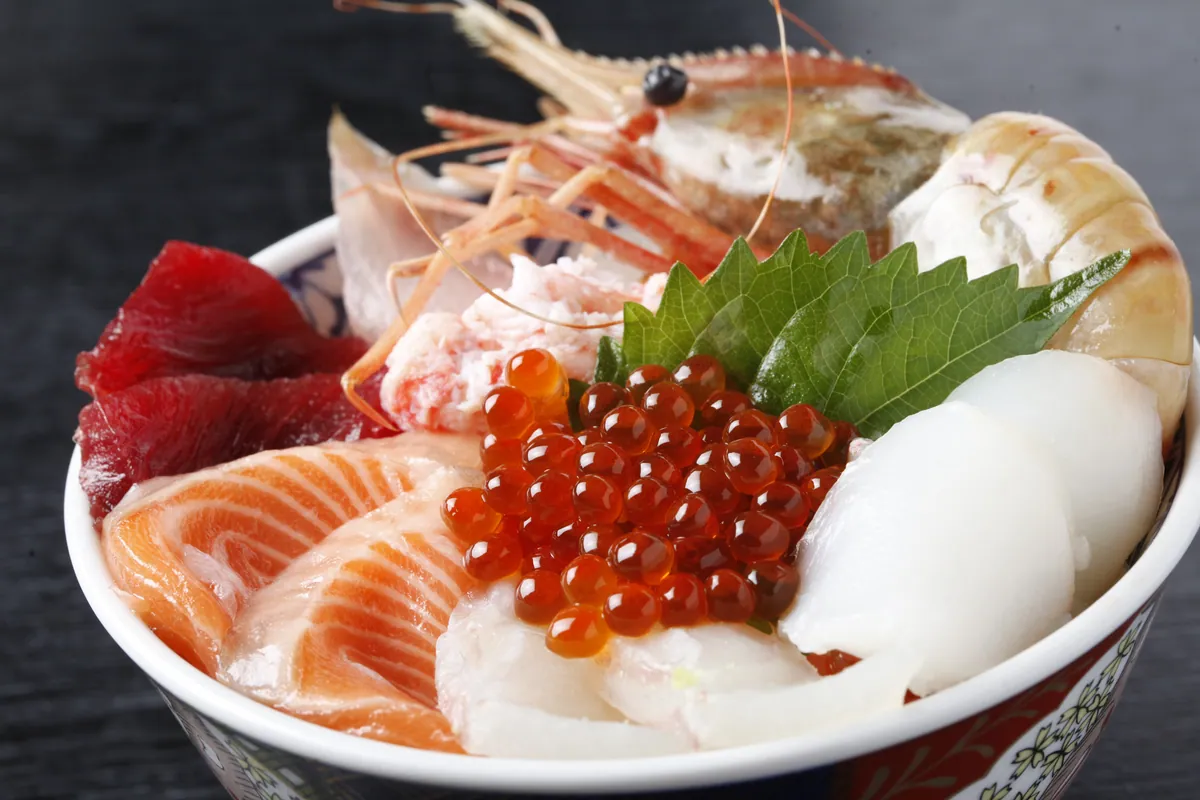 4 hr for both
Uni, ikura and crab over rice at 7 a.m., a hundred meters of squid tanks from the Wakamatsu berth (from Minatocho, ride the shuttle first).
See the detail →No typing needed — jump straight in:
Just docked? — the gangway toolStart from your shipThe ride from every berthAsk the editorGlossary