
 Photo: Iban Lopez Luna / Pexels
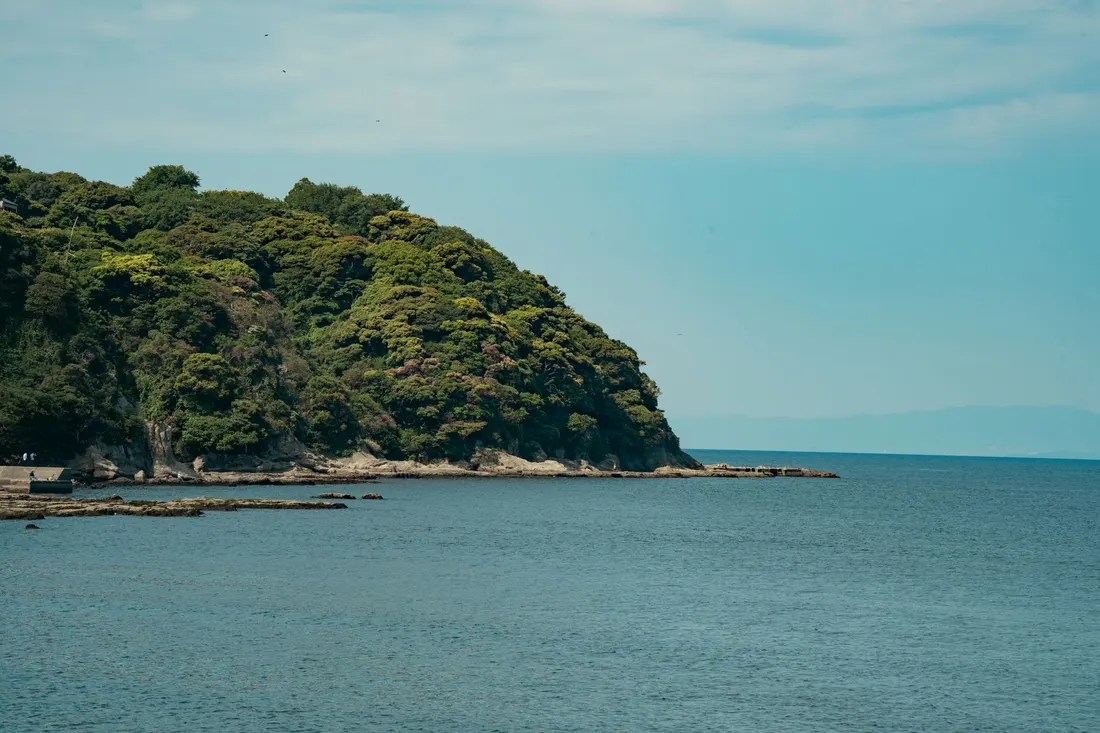
A crescent of sand between two headlands, backed by pines, facing the open Pacific — and famous in Japan for a moon-viewing tradition rather than for swimming, which the currents make dangerous. The Ryoma statue stands at the northern end, 13 metres including its plinth, funded by public subscription in 1928 and largely paid for by students.
He faces southeast, out to sea. That is the point of the whole composition: a man from a peripheral province looking at the ocean he wanted Japan to sail out into, from the beach he grew up near.
Five things the plaques won't tell you
- Fix your return taxi before you get out. There is no rank at the beach and phone-hailing is unreliable.
- Do not swim. The current is genuinely dangerous and there are no lifeguards.
- Around Ryoma's birthday in November the city erects scaffolding so you can stand at eye level with the statue.
- The Sakamoto Ryoma Memorial Museum is a short walk up the headland and handles the history properly.
- The small aquarium beside the beach is dated but charming, and good in rain.
That is the point of the whole composition: a man from a peripheral province looking at the ocean he wanted Japan to sail out into, from the beach he grew up near.
Guided days from Kochi
Booked before you sail — there is no tour desk at the pier. Booking through these links supports the site.
Questions people ask here
How do you get to Katsurahama from Kochi cruise port?
By taxi, about 10–15 minutes and from about ¥1,840: the beach is 5.2 km from the cruise terminal across Urado Bridge. No bus serves the port. Book the return pickup before you get out of the car. From the city centre it is 30–47 minutes by the MY-YU bus or the Tosaden Katsurahama line.
Can you swim at Katsurahama?
No. The currents are genuinely dangerous and there are no lifeguards; the beach is famous in Japan for moon-viewing rather than swimming. It is a place to walk, look at the Pacific, and stand under the Ryoma statue.