Why Kochi is worth getting off the ship for
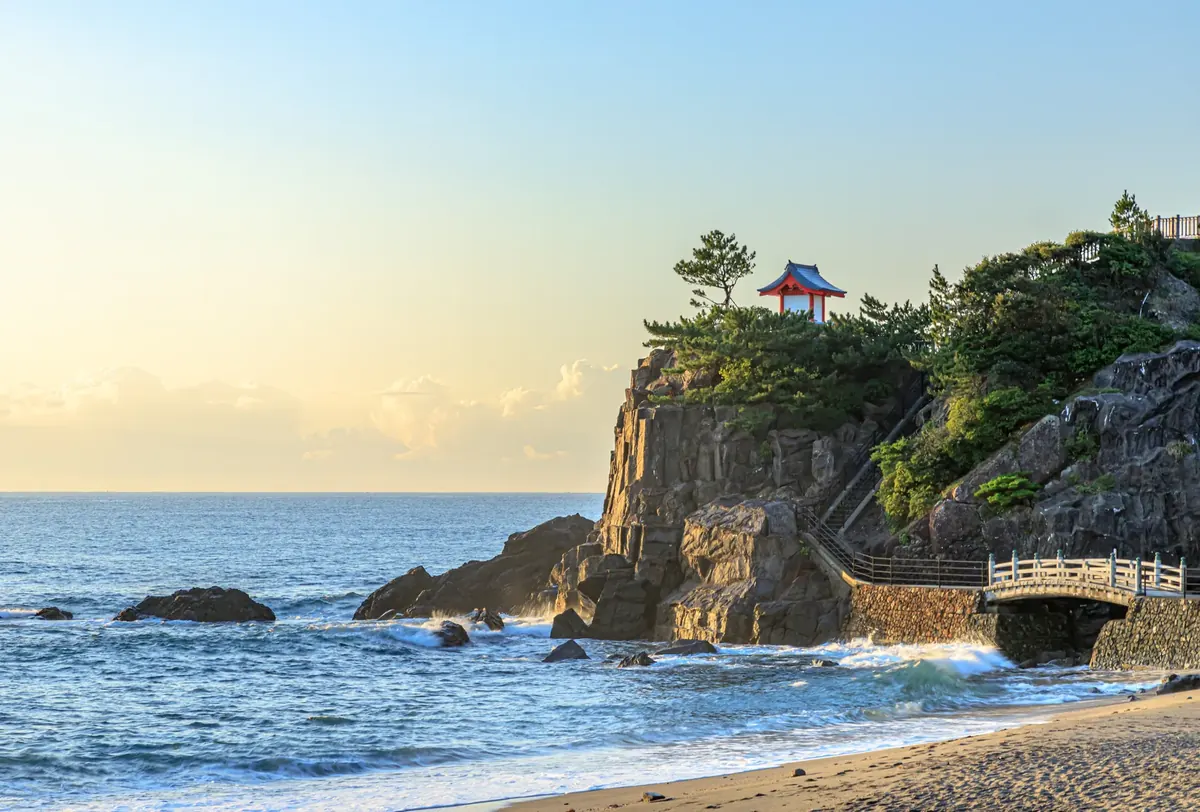
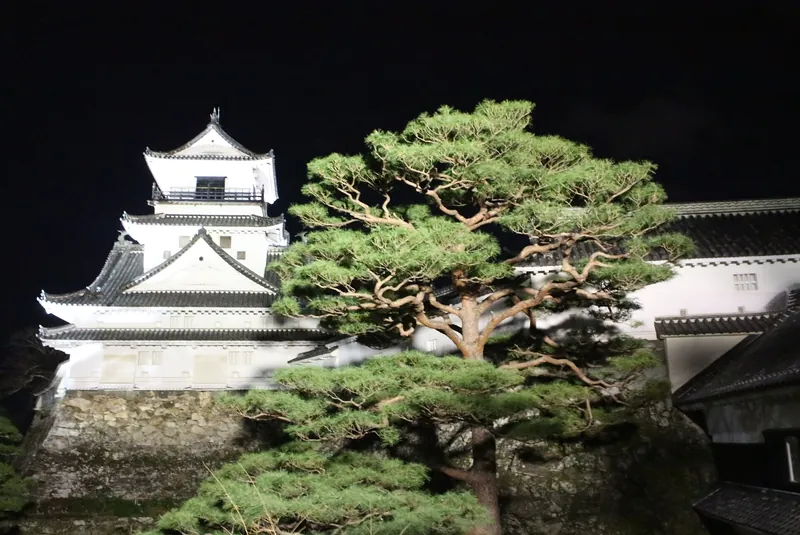
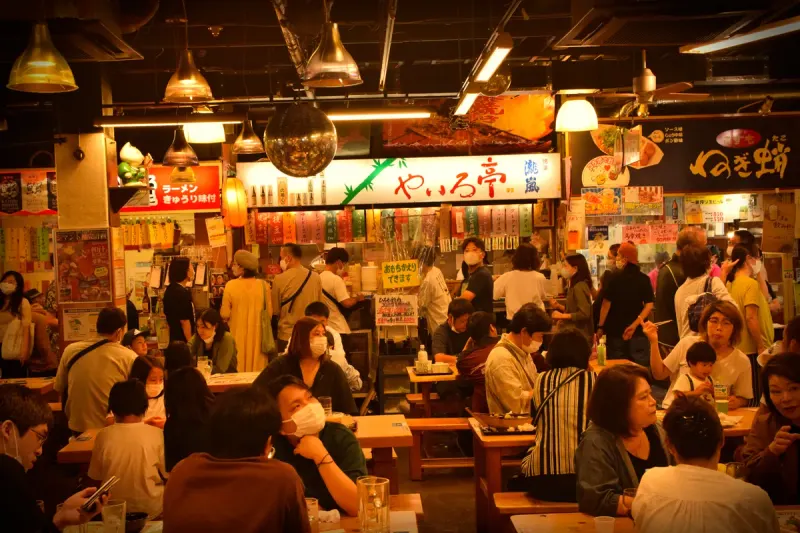
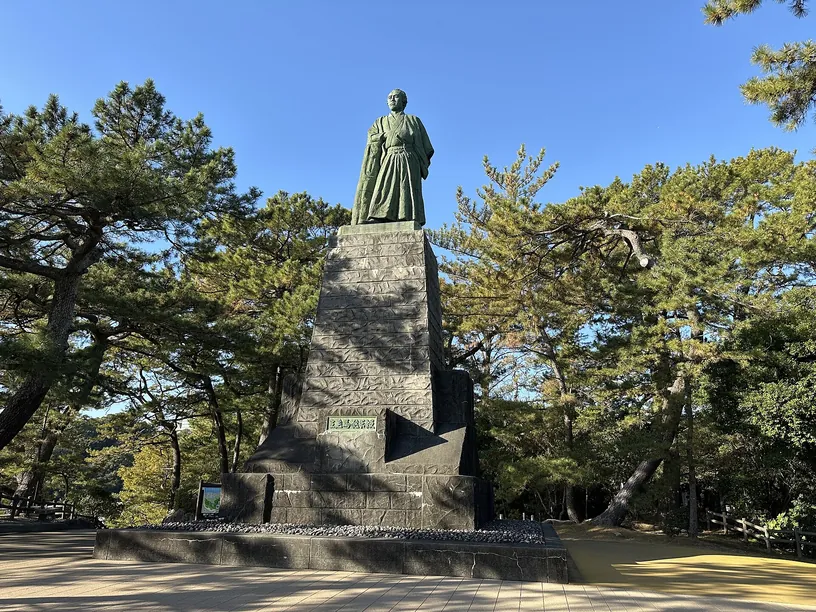
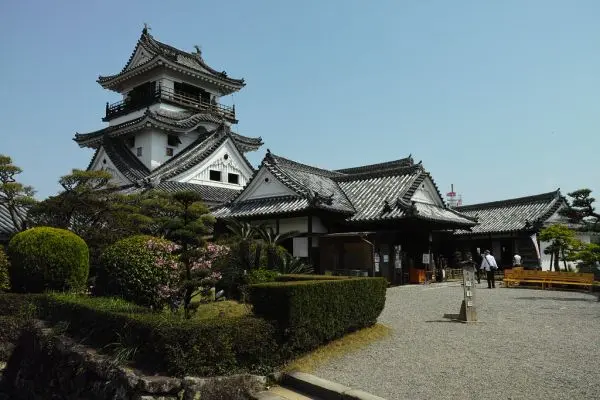
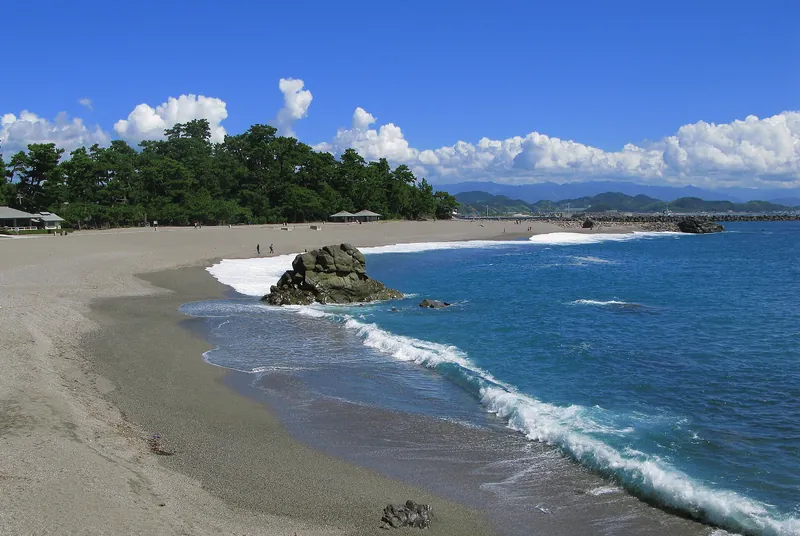
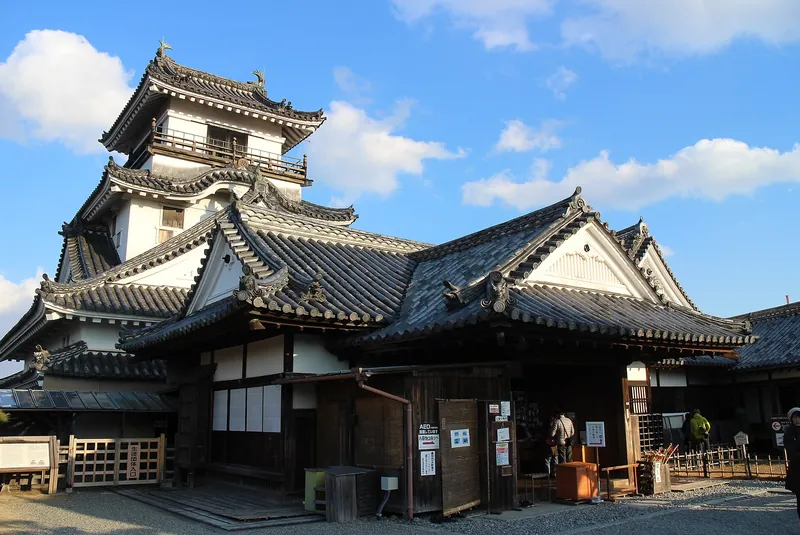
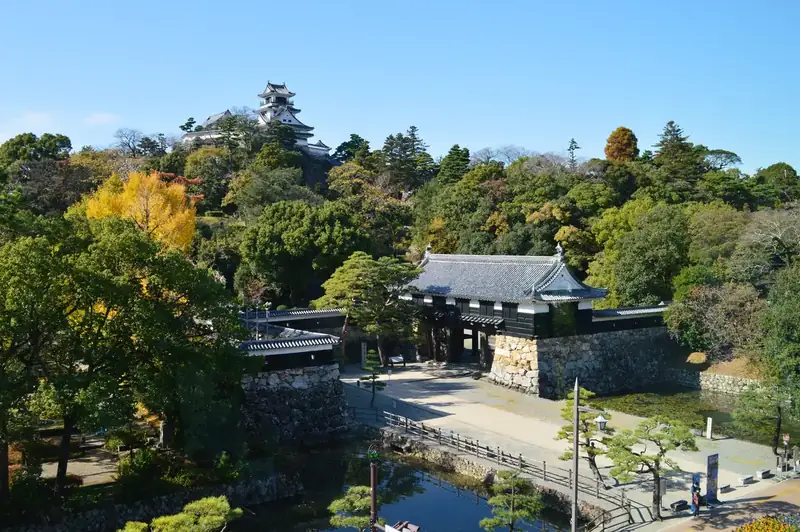
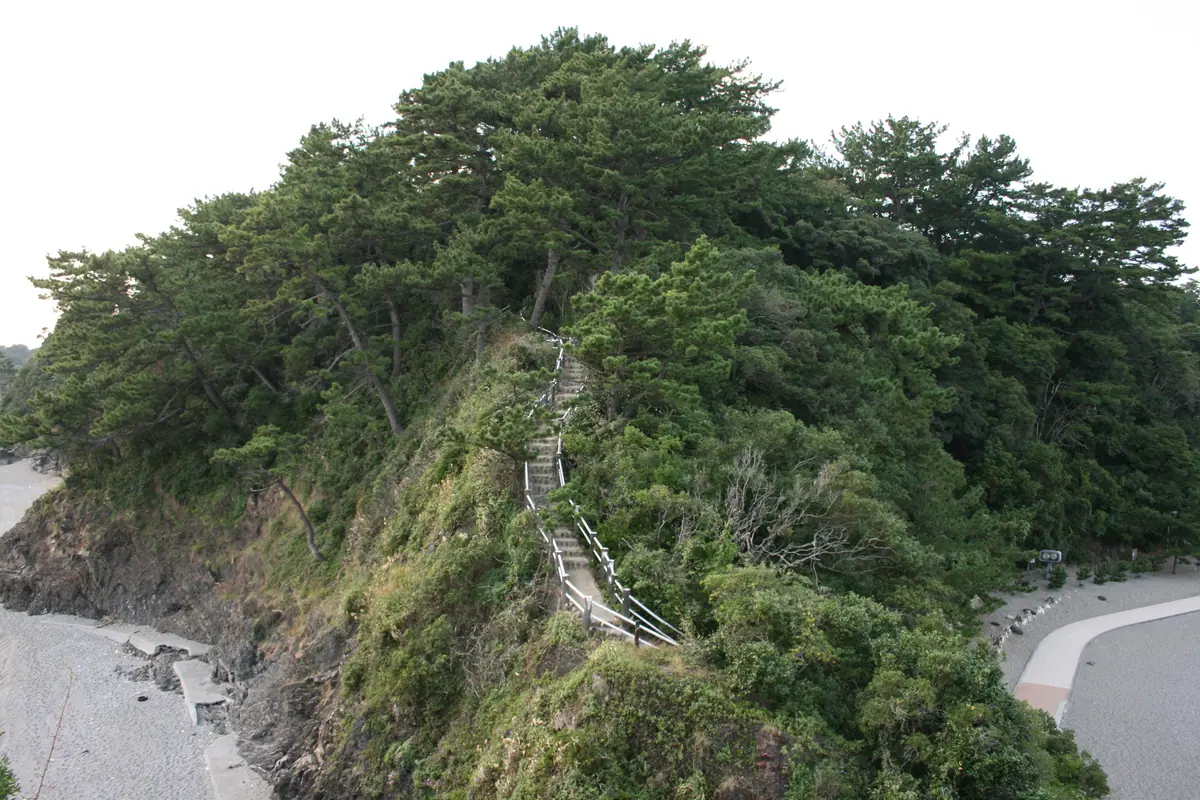
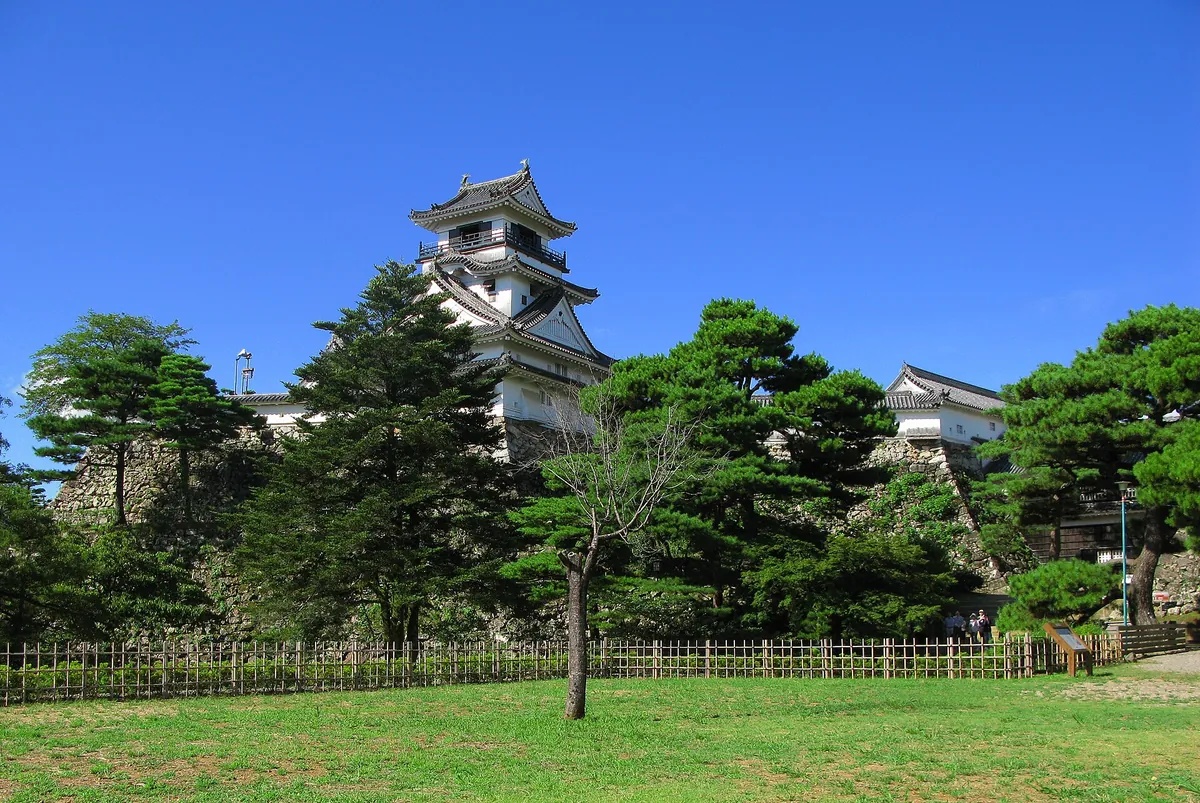
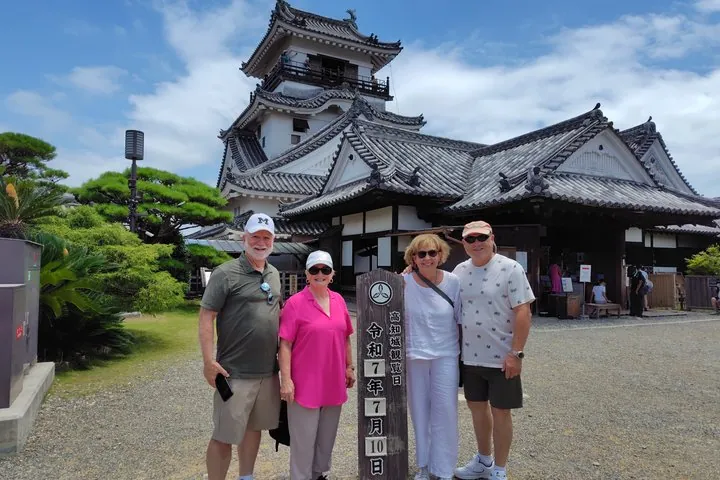
Kochi is the port many passengers had not heard of before the itinerary arrived. Once you are off the ship, the day comes down to three things. Kochi Castle is one of only twelve castles in Japan that still have their original keep, and you climb its wooden stairs to the top. Hirome Market is a roofed hall of food stalls and shared tables, where bonito is seared over burning straw and served thick with salt. And Katsurahama is a Pacific beach under pines, where the statue of Sakamoto Ryoma looks out over the ocean.
The difficulty is the port. Kochi New Port is a working harbour on the edge of Urado Bay, 8–10 km from the centre, and you cannot walk anywhere from it. The town is a 25–30-minute shuttle ride away. But one fact changes the plan, and most cruise guides get it wrong. Katsurahama is beside the port. It is 2 km across the bay mouth and 5.2 km by road over Urado Bridge, a taxi ride of about 10–15 minutes. Guides that call it "35 minutes" or "a half-day with transport" are timing it from town.
So this guide starts from the ship. The answers come from Kochi Prefecture's own call schedule and records, the Japan Tourism Agency, the bus and tram operators' timetables, and the castle's, market's and museum's published hours, all checked on 30 September 2026.
First: which berth are you at?
Every call is at Kochi New Port (Kochi Shinko). The Japan Tourism Agency names the cruise berths as Sanri No.7 Wharf, Berths 1–4. The prefecture's schedule calls them by number, and two matter to you:
| Item | Berth 7-3 (most ships) | Berth 7-2 (second ship) |
|---|
| Who uses it | The single ship on a normal day. In FY2025 about 100 of 108 Kochi calls came here, including Ovation of the Seas (168,666 GT) | The second ship on two-ship days: 8 of the 51 calls from October 2026 to March 2027 |
| Where | Sanri No.7 Wharf, Kochi New Port | Next berth along the same wharf |
| Terminal | Cruise terminal opened March 2019; the prefecture says both berths have terminal facilities | As 7-3 |
The rule comes from the schedule itself. From 1 October 2026 to 31 March 2027 the remarks column says "7-2" on eight calls, and every one of them is a two-ship day. Those still ahead are 18, 20, 24, 27 and 30 March. Every other call carries no berth note, and the prefecture's FY2025 and FY2026 records show those calls at 7-3. For you the two berths are the same place: the same wharf, the same approach road and the same shuttle. We could not confirm the exact shuttle boarding point at 7-2, so follow the signs or the ship's staff.
A third berth, 1-6, appears in the records only for small expedition ships (Le Soléal, Heritage Adventurer). No call in the 2026–27 schedule uses it.
Getting from Kochi New Port into Kochi
There are two ways off the wharf: a shuttle to Harimaya-bashi Kanko Bus Terminal, in the centre, or a taxi. Nothing else serves the terminal. The nearest mapped bus stops are about 1.9 km away across industrial lots, and the prefecture asks sightseers not to walk the port roads.
The shuttle. The national transport ministry's Shikoku bureau describes a free shuttle run by Kochi Prefecture and Kochi City to Harimaya-bashi, alongside the cruise lines' own paid buses. Its cost to the authorities has become a problem, and in early 2026 they surveyed passengers on what they would pay and met to review it. The shuttle is part of the prefecture's reception contract to March 2027, but whether it stays free this season was not settled when we checked. Princess lists its Kochi shuttle as paid, and Holland America sells one "to Harimayabashi Bus Terminal (approximately 30 minutes)" from US$18. Ask at the gangway which buses run and what they cost before you buy.
Two rules in the prefecture's specification shape the day. The first bus leaves about an hour after the ship arrives. The last bus arrives back at the port about an hour before departure, so it leaves town about 90 minutes before sailing. The frequency is not published.
| To | How | Time | Cost |
|---|
| Harimaya-bashi (city centre) | City shuttle, or the ship's paid shuttle | 25–30 min | Free in early 2026 (fare under study) / from US$18 (Holland America) |
| Harimaya-bashi | Taxi | about 25 min in traffic | from about ¥3,050 (¥2,720 before 30 Nov) |
| Kochi Castle | Taxi | about 15 min without traffic, longer in town | from about ¥3,550 (¥3,120 before 30 Nov) |
| Hirome Market | Taxi | about 15 min without traffic | from about ¥3,550 (¥3,120 before 30 Nov) |
| JR Kochi Station | Taxi | about 30 min by the tourism agency's figure | from about ¥3,450 (¥3,040 before 30 Nov) |
| Katsurahama | Taxi, over Urado Bridge | about 10–15 min | from about ¥2,150 (¥1,840 before 30 Nov) |
| Makino Botanical Garden | Taxi | about 15 min | from about ¥2,950 (¥2,640 before 30 Nov) |
Taxi times are map-routing estimates without traffic; expect 1.2–1.5 times longer in the city. Fares are the floor of the official Kochi-city tariff for the distance. From 30 November 2026 that is ¥650 for the first kilometre, then ¥100 per 298 m, plus time charges when slow; before then, ¥560 and ¥80 per 269 m. Hourly hire was ¥3,150 per 30 minutes and also rises on 30 November; the new rate was not confirmed. We could not confirm that taxis wait on every call, so arrange one through the port desk or your ship.
In town
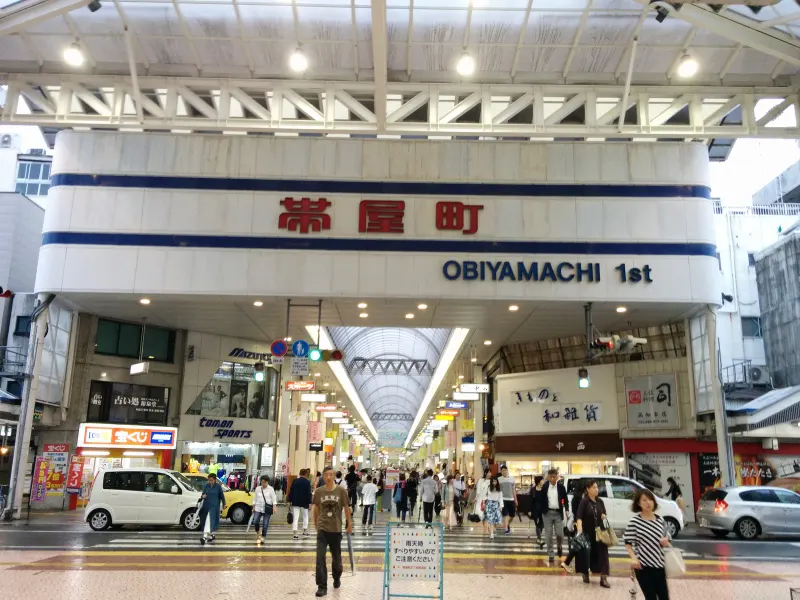
From Harimaya-bashi Kanko Bus Terminal, Hirome Market is about 15 minutes' walk west along the covered Obiyamachi arcade. The castle gate is 200 m beyond it, and the keep about 1.3 km (20 minutes) from the terminal, uphill at the end. You can walk the whole centre, and the arcade keeps you dry.
Tosaden trams cost ¥230 flat in the city zone, which includes Harimayabashi, Kochijo-mae and Kochi-Ekimae. You pay when you get off, at the front door. The fare box gives no change, and the changer on board takes ¥1,000 notes only. Tosaden's riding guide names only its own Desuca card and says nothing about Suica or ICOCA, so carry coins.
Kochi port to Katsurahama: what is actually possible
This is the part cruise guides most often get wrong, and it decides how your day goes.
- From the ship, by taxi. 5.2 km over Urado Bridge, about 10 minutes without traffic and 10–15 with it, from about ¥2,150 (¥1,840 before 30 November). It is the closest sight to the gangway. There is no public transport between the port and the beach. In January 2026 the ministry trialled a port–Katsurahama shuttle because passengers were crowding the sightseeing bus near the port, but whether it will run again has not been announced. Book the return: we could not confirm taxis waiting at Katsurahama, and walking 5.2 km over the bridge is not realistic.
- From town, by the MY-YU sightseeing bus. It runs every day from JR Kochi Station via Harimaya-bashi, Godaisan (Makino Botanical Garden, Chikurinji) and the Ryoma museum to Katsurahama, in about 45 minutes from Harimaya-bashi. It runs six times each way on weekdays and nine at weekends, on holidays and on 20–31 March. You must buy the ticket before boarding: at Kochi Station's Tosa Terrace, the Harimaya-bashi Service Center, or as a mobile ticket in the Jorudan app, paid by card. The Katsurahama ticket (¥1,500) also covers a day of trams in the city zone and one one-way ride on the Tosaden Katsurahama bus, and gives discounts at the castle, the Ryoma museum and the aquarium. There are no seat reservations, and a full bus can leave you behind. One wheelchair per bus, booked by 17:00 the day before on 0120-013-017.
- From town, by the Tosaden Katsurahama-line bus. Via Nagahama, about 30 minutes from Minami-Harimayabashi to Katsurahama and about 25 minutes back. From Katsurahama towards town it leaves about hourly (weekdays on the hour from 9:00 to 14:00, then 15:30 and 16:30). With the MY-YU bus, 1–2 buses an hour link town and the beach. We could not find the fare; carry coins or use the MY-YU ticket.
- Hirome to Katsurahama by taxi is 12.9 km, about 15 minutes without traffic and from about ¥4,650 (¥4,160 before 30 November). Katsurahama back to the ship is the short 5.2 km leg.
The shape that works: the beach at one end of the day, by taxi from or to the ship, and the town at the other end by shuttle. Going out to Katsurahama from town and coming back, then riding the shuttle to the port, costs an hour or more, and that hour is the one you need for the castle.
At the beach. The bronze statue of Ryoma, by the sculptor Motoyama Hakuun and paid for by young local volunteers in the early Showa era, is 5.3 m tall and 13.5 m with its base, and looks out at the Pacific. The statue and the sweep of sand take 45–60 minutes. Above the beach, the Sakamoto Ryoma Memorial Museum opens 9:00–17:00 every day (last entry about 16:30). It costs ¥500, or ¥900 during special exhibitions, and is free for under-18s. It takes cash, cards, e-money and QR payment, and suggests about 90 minutes for both buildings. Its permanent gallery is closed 14–21 January 2027, which falls on Mitsui Ocean Sakura's call on 19 January. The Katsurahama Aquarium opens 9:00–17:00 (last entry 16:30). The beach itself is open-air and free. Swimming is widely reported to be prohibited, so treat it as a beach for looking at the Pacific.
Kochi Castle and Hirome Market: how to do them well
Kochi Castle opens 9:00–17:00, with last entry at 16:30, and closes only from 26 December to 1 January. Adults (18 and over) pay ¥500; under-18s are free. The senior discount is only for holders of a local pass, not for visitors. The ticket office accepts credit cards, e-money and transit IC cards, and the grounds are free. Allow 60–90 minutes for the keep, the Kaitokukan palace hall and the view. The stairs inside the keep are the originals and steep; the tour operators warn about them, and anyone who struggles with steps should see the palace and grounds and skip the upper floors. Anti-termite work at the Tsumemon and Rokamon gates ended on 2 November 2026, and the castle is open as normal.
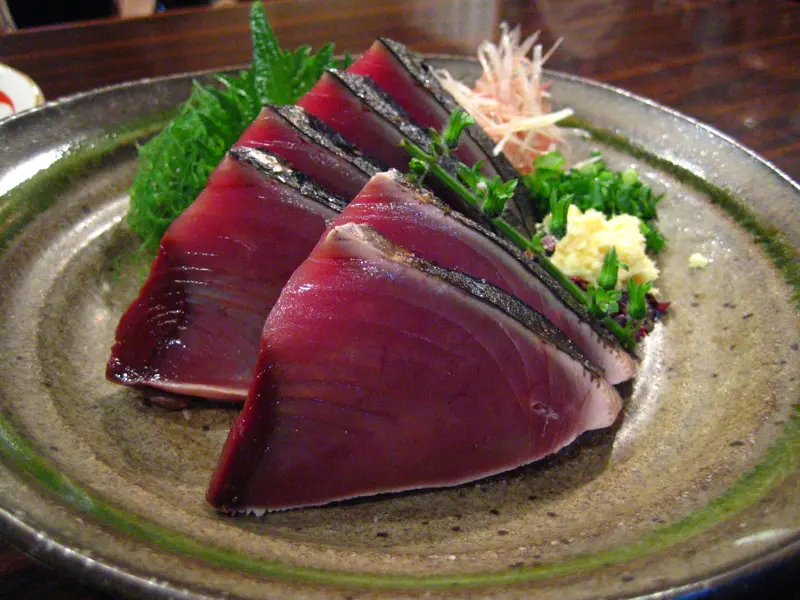
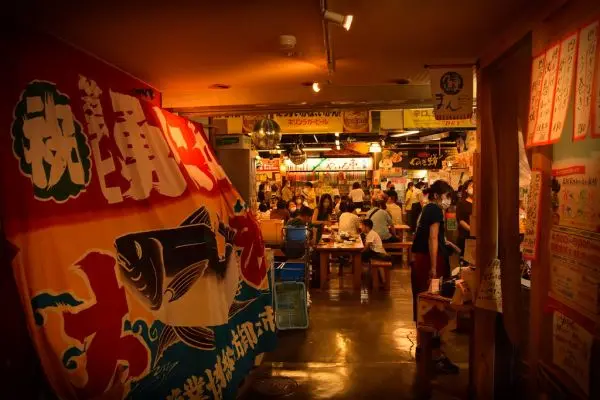
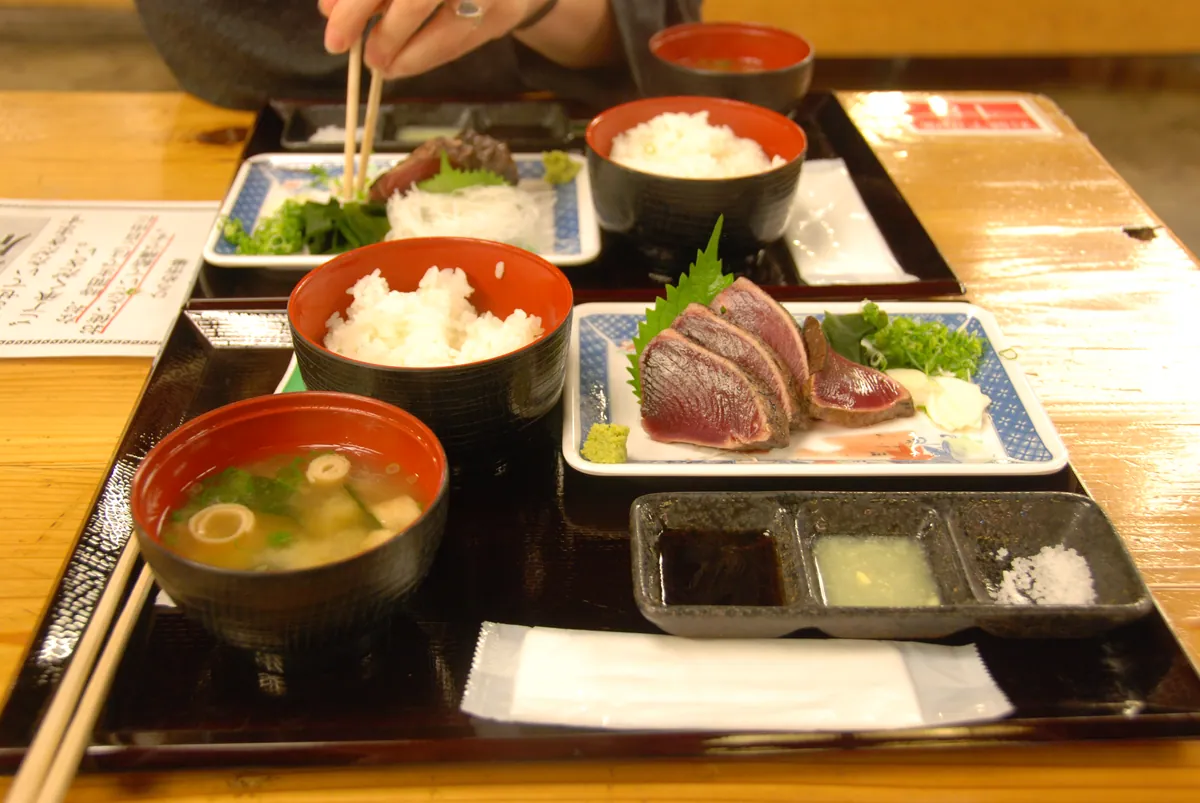
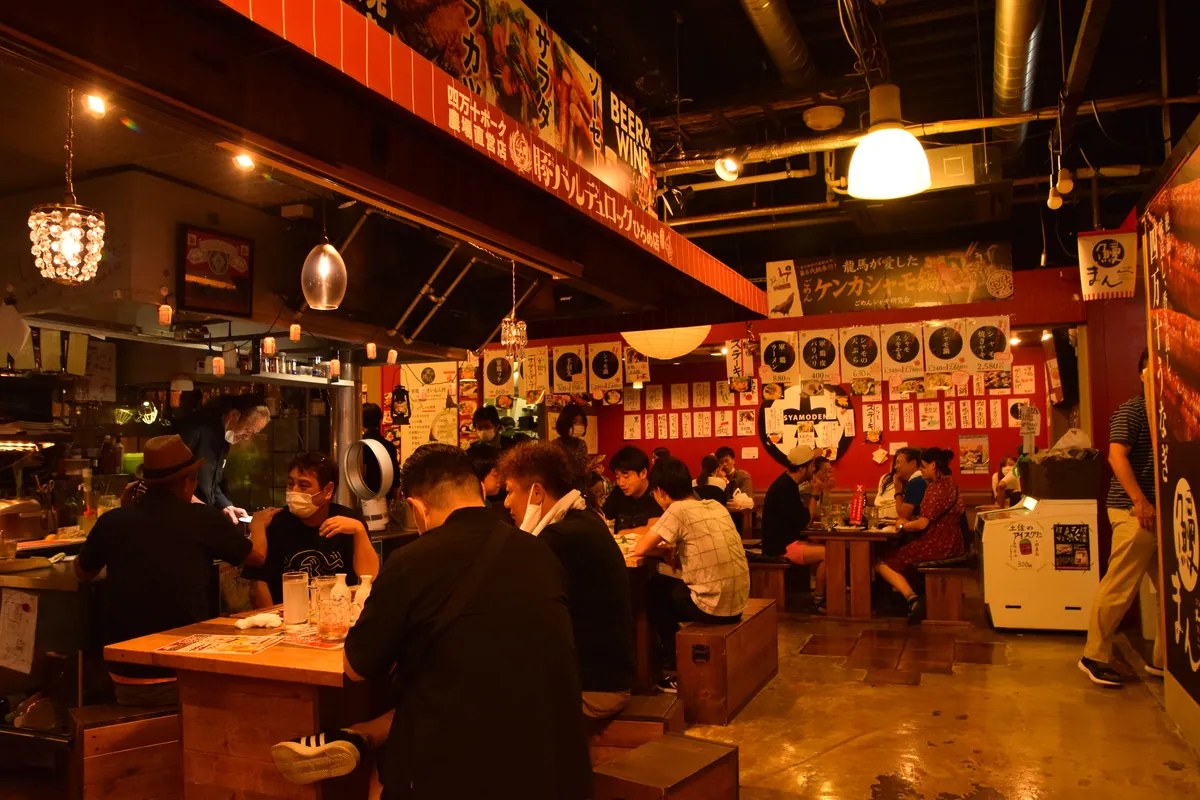
Hirome Market is 200 m from the castle gate, so the two make one block of about three hours in town. It opens Monday to Saturday at 10:00 and on Sunday at 9:00, until 23:00, and each stall keeps its own hours. Entry is free. The stall to know is Myojinmaru, which sears katsuo (bonito) over burning straw in front of you. Order the shio-tataki, with salt. Its Hirome branch serves 11:00–21:00 (Sundays 10:00–20:00) and lists only PayPay and Alipay, so plan on cash. Mid-morning is usually quieter: the hall is known for filling at lunch and again in the evening with a drinking crowd.
Hirome's closure days: in 2027 the market closes on 1 January, 16–18 February, 9–10 June and 6–7 October. None falls on a scheduled call, so the 22 February call is clear. If you do arrive on a closure day, eat at Myojinmaru's Obiyamachi branch in the arcade (lunch 11:30–14:00, cards and Suica/ICOCA accepted) or its Honten on Honmachi.
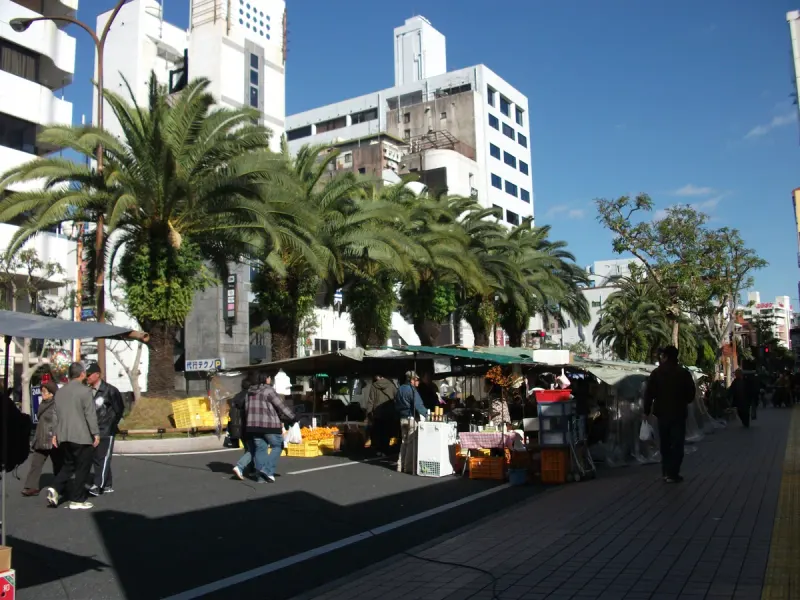
The Sunday Market (Nichiyoichi) is the third thing in town, and it only happens on Sundays. The city counts about 350 stalls along about 1 km of Otesuji, the avenue running up to the castle, selling produce, yuzu and snacks. From October to March it runs 5:30–16:00, except 1–2 January. Four calls still ahead fall on a Sunday: 8 November, and 7, 14 and 21 March. Carry cash.
Godaisan, the hill between town and Katsurahama, is on the MY-YU route about 20 minutes from Harimaya-bashi. It has Chikurinji, temple 31 of the Shikoku pilgrimage, and Makino Botanical Garden, which costs ¥850 and opens 9:00–17:00. The garden charges ¥1,700 during its orchid show from 6 to 28 February 2027, which covers the 22 February call. Its closure days miss every cruise call this season. It is a good addition on a 10-hour call.
The best things to do in Kochi on a port day
Our full list, with the time each takes from the berth, is on the Kochi top 10. Note that its Katsurahama time assumes you start from town. From the ship, the beach is the quickest of the ten. In brief:
- Katsuo tataki, flame-seared: bonito seared over straw at Hirome's Myojinmaru. Bring cash.
- Kochi Castle: an original keep, 60–90 minutes, ¥500, cards accepted.
- Hirome Market: shared tables and dozens of stalls, 200 m from the castle gate.
- Katsurahama beach and Ryoma: 10–15 minutes by taxi from the ship; add 90 minutes for the museum.
- The full Kochi day, guided: castle, Hirome, the botanical garden and Chikurinji, best on a 10-hour call.
- Castle and market half-day: the two town sights with a guide in about four hours.
- The Sunday Market: about 400 stalls on the way to the castle, Sundays only.
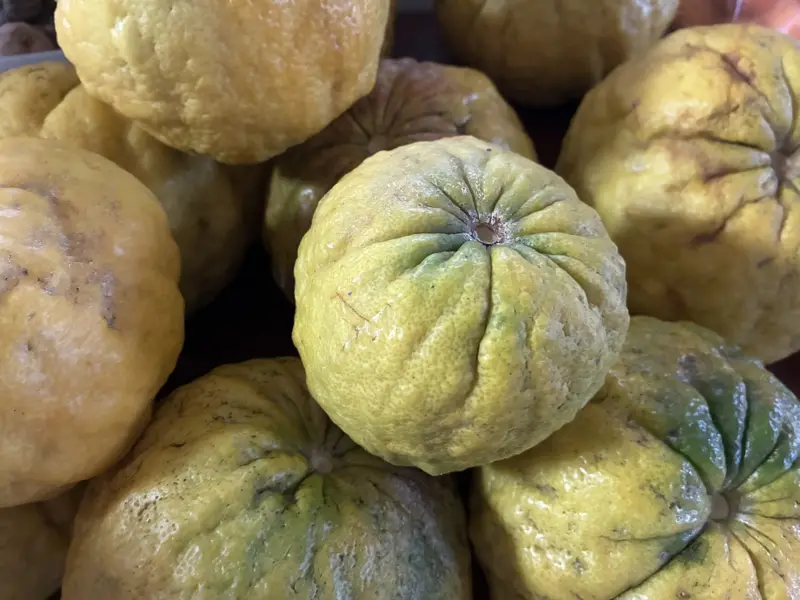
- Yuzu everything: juice, ponzu and sweets from Japan's leading yuzu prefecture, and easy to pack.
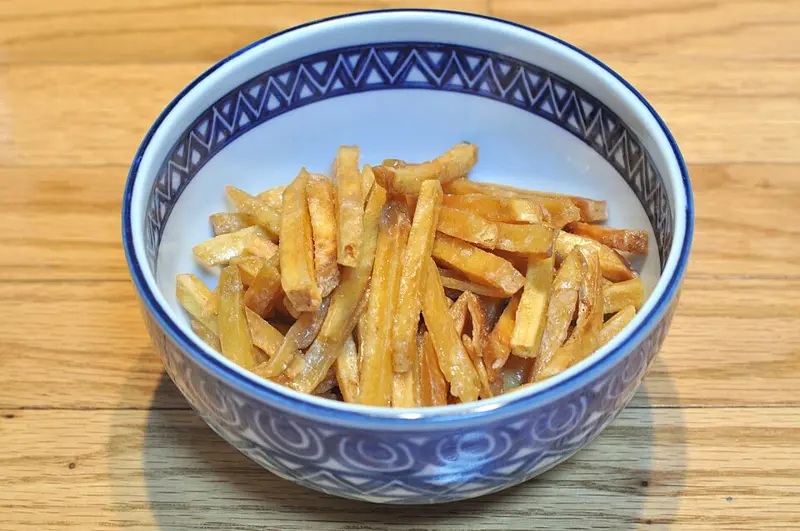
- Imo-kenpi: candied sweet-potato sticks. Imoya Kinjiro's official shop list shows its stores in Hidaka village and in the city's Oroshidanchi district, not in the arcade, so do not count on finding its own shop near Hirome.
- Tosa washi and forged knives: the paper and blades the prefecture is known for.
For how passengers get around at other ports on their first morning, see The First Ten Minutes Ashore.
How to think about your hours
Work backwards from the ship. Your all-aboard time is usually 30 minutes before departure (check the daily programme), you want to be back at the gangway an hour before that, and the first half hour after arrival goes on getting off. So the time you can actually use is the call length minus about two hours.
Kochi takes a little more. The first city shuttle leaves about an hour after arrival, which matches the time it takes to get off anyway. But the last one gets back to the port only an hour before departure, 30 minutes later than your gangway target. Plan on the bus before the last one. Berths 7-3 and 7-2 are on the same wharf and use the same shuttle, so the table applies to both.
| Call | Usable | What fits (berth 7-3 or 7-2) |
|---|
| 4 hours | about 2 | Katsurahama by taxi only: 10–15 minutes each way, 45–60 minutes at the statue and beach. The town does not fit once the shuttle wait and ride are counted. |
| 6 hours | about 4 | One of two: the castle and Hirome by shuttle (about 2¼ hours in town), or Katsurahama and the Ryoma museum by taxi, unhurried. Both only by taxi throughout, for about ¥10,500–11,500 for the car (¥9,000–10,000 before 30 November). |
| 8 hours | about 6 | The castle and Hirome by shuttle, plus Katsurahama by taxi at the start or end of the day, or Godaisan by the MY-YU bus. On a Sunday, add the market. |
| 9 hours | about 7 | All three: Katsurahama, the castle and Hirome, with one taxi leg between the beach and the ship. |
| 10 hours+ | about 8 | All three plus Godaisan (Makino Botanical Garden or Chikurinji), using the MY-YU bus for town → Godaisan → Katsurahama and a taxi to the ship. |
The 2026–27 season from October to March has 51 calls: 13 in October, 7 in November, 4 in December, 2 in January, 1 in February and 24 in March. 27 of them are 9 hours, and the median is 9. The shortest is Mitsui Ocean Sakura on 12 December (09:00–15:00). The longest is Silver Muse on 27 March (to 22:00), when an evening at Hirome, which stays open until 23:00, is possible. There are no overnights. The full list is on cruises to Kochi.
About the return to the ship. Only one Kochi listing, 409671P11, writes it down: "Cruise ship guests are welcome & timely return to the port is guaranteed", and none of the other Kochi tours says anything about getting you back. Several also start in town (at Harimaya-bashi or JR Kochi Station), so the city shuttle or a taxi stands between the tour and your ship, and the last shuttle gets back later than is safe. Three habits protect you. Choose a tour with port pickup when you can. Tell the guide your all-aboard time when you meet. And agree to be back at the gangway an hour before it, which on a shuttle day means catching the bus before the last. For a group choosing between a car and a guide, see A Car With a Driver at Japan's Cruise Ports and our guided options for Kochi.
Money, cards and the practical stuff
Kochi is more cash-bound than the big cities, and the places that matter most on a port day are the ones that want coins.
| Place | Pay with |
|---|
| Trams | ¥230 in coins when you get off (no change; changer takes ¥1,000 notes only), or the local Desuca card |
| City shuttle | Free in early 2026; ask whether a fare applies |
| MY-YU sightseeing bus | Buy the ticket before boarding; the Jorudan mobile ticket takes cards |
| Taxis | Cash is safest; card acceptance is not confirmed officially |
| Kochi Castle | Cards, e-money and transit IC cards |
| Ryoma Memorial Museum | Cash, cards, e-money, QR |
| Myojinmaru, Hirome branch | PayPay and Alipay listed, no cards: bring cash |
| Myojinmaru, Obiyamachi branch | Cards, Suica/ICOCA, PayPay |
| Other Hirome stalls and the Sunday Market | Mostly cash |
Cash machines. There is nothing within about 1.3 km of the terminal. The nearest are convenience stores and a post office 1.3–1.5 km away, which you cannot reach on foot. Get cash in town. Around Harimaya-bashi Kanko Bus Terminal, where the shuttle stops, there is a FamilyMart about 300 m away (open 24 hours), 7-Elevens at about 430 m and 550 m, and two post offices within 250 m (open Monday to Friday). 7-Eleven and Japan Post machines generally accept foreign cards.
Opening days to check against your date.
- Wednesday. In January 2026 a member of the prefecture's tourism committee said "many shops in the shopping arcades close on Wednesdays". Twelve calls this season are on a Wednesday; seven are still ahead, on six days: 11 November, 2 and 9 December, 10 March, 24 March (two ships) and 31 March. The castle, Hirome and the museum are open on Wednesdays. It is the smaller shops in the arcade that may be shut.
- 19 January 2027. The Ryoma museum's permanent gallery is closed (14–21 January).
- 22 February 2027. The Makino orchid show doubles the garden fee to ¥1,700, and Hirome is open (its February closure is 16–18 February).
Tourist help. On ship days the prefecture's reception team, which runs the shuttle, gives guidance from arrival until an hour before departure, in the passengers' languages. Ask them first about the shuttle fare and the last bus.
When to go: seasons and crowds
| Month | Average high / low | Rain | Calls 2026–27 |
|---|
| October | 25.0 °C / 15.6 °C | 208 mm | 13 |
| November | 19.6 °C / 9.7 °C | 130 mm | 7 |
| December | 14.4 °C / 4.2 °C | 83 mm | 4 |
| January | 12.2 °C / 2.1 °C | 59 mm | 2 |
| February | 13.2 °C / 3.1 °C | 108 mm | 1 |
| March | 16.3 °C / 6.4 °C | 175 mm | 24 |
- Rain. Kochi is one of Japan's wettest cities, with 2,666 mm a year and September the wettest month at 398 mm. It is not, as some pages say, the wettest in Japan. Pack a folding umbrella in autumn.
- Typhoons approach Shikoku about three times a year, most often in September (about one a year) and less often in October.
- Cherry blossom. Kochi's normal first bloom is 22 March and full bloom 30 March. In 2026 the dates were 16 and 31 March. The twelve calls from 20 to 31 March 2027 fall in the likely blossom window, and the castle grounds are the place to see it.
- Autumn colour in Shikoku usually arrives around the end of November.
- Crowds. The pressure point is transport: the prefecture reports that big-ship days in holiday periods overload the MY-YU bus. On two-ship days, queue early for the first shuttle, or take a taxi to the beach first.
- Festivals. Yosakoi, Kochi's dance festival, is in August, outside the cruise season.
- Rain plan: Hirome is roofed, the Obiyamachi arcade is covered, and the castle interior and the Ryoma museum are indoors. Katsurahama and the Sunday Market are open-air.
More on timing: Cherry Blossom by Cruise Port.