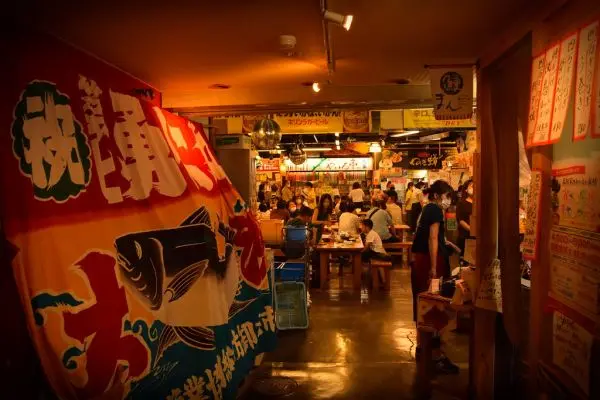
A kilometre long, three hundred years old, every single Sunday
It has run since 1690. Roughly 300 stalls stretch a kilometre down the avenue to the castle gate, and it opens every Sunday of the year except two. If your call lands on one, rearrange everything.
Kochi holds street markets on five days of the week, a system the domain began in 1690 to give farmers in a mountain-locked province somewhere to sell. Four of them are small. The Sunday Market is not.
It runs the length of Otesuji, the avenue leading to Kochi Castle's gate — about a kilometre, with something in the region of 300 stalls, from around dawn to mid-afternoon. It has operated continuously for over three centuries and now closes only for the New Year and for the Yosakoi festival in August.
Not souvenirs. This is a working market and the mix is agricultural: yuzu by the sack, ginger (Kochi grows more than any other prefecture), aubergines, bamboo shoots in spring, sweet potatoes, live plants, cut flowers, dried fish, home-made pickles, hand-forged knives, and old tools laid out on cloth.
The stalls are largely run by the growers. Many are elderly. Prices are written on cardboard and are not negotiable, and nobody is performing for tourists — which is precisely why it is worth an hour.
The thing to eat is <strong>imo-ten</strong> — sweet potato fritters, fried in front of you, sold hot in a paper bag. There is usually a queue and it is always the right decision.
Alongside it: ice crin, a pale yellow street sherbet sold from cool boxes by women in aprons, which Kochi people are sentimental about; grilled corn; and freshly squeezed yuzu drinks that will recalibrate what you thought yuzu tasted like.
The market ends at the castle gate, which is the useful geography. Walk up the avenue, browse to the top, look at the castle, then come back down the other side and finish at Hirome Market for seared bonito. That is a genuinely excellent four hours and it costs almost nothing.
Go early. It starts at dawn and the growers with the good produce sell out and go home; by two in the afternoon the far end is packing up.
Established by the domain so mountain farmers had somewhere to sell
Now closing only for New Year and the August festival
Along Otesuji, ending at the castle gate
Sundays only, from dawn to mid-afternoon. Walk up to the castle, back down the other side, and finish at Hirome.
Every Sunday of the year except New Year and the Yosakoi festival period in August, running from around dawn to mid-afternoon along Otesuji avenue. It has operated since 1690 — over three centuries of continuous Sundays.
Mostly produce and everyday goods rather than souvenirs: yuzu, ginger, seasonal vegetables, plants, dried fish, pickles, hand-forged knives and old tools, largely sold by the growers and makers themselves. The food to eat is imo-ten, sweet potato fritters fried on the spot.
If your call falls on a Sunday, yes. It is a kilometre of working market ending at the castle gate, so it combines naturally with the castle and then Hirome Market for katsuo tataki — an excellent four hours that costs almost nothing. Go early; the best stalls sell out and leave.
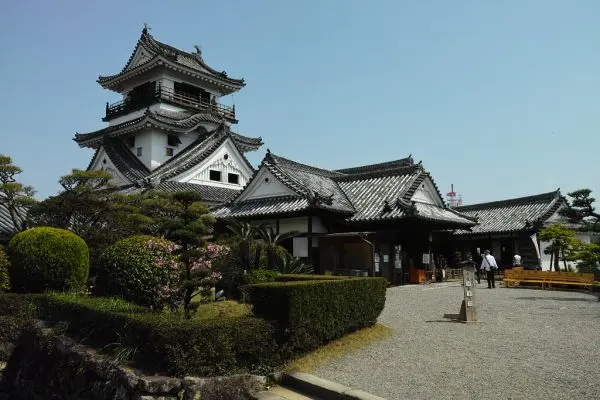
The low-ranking samurai who talked two enemies into ending an era
Read →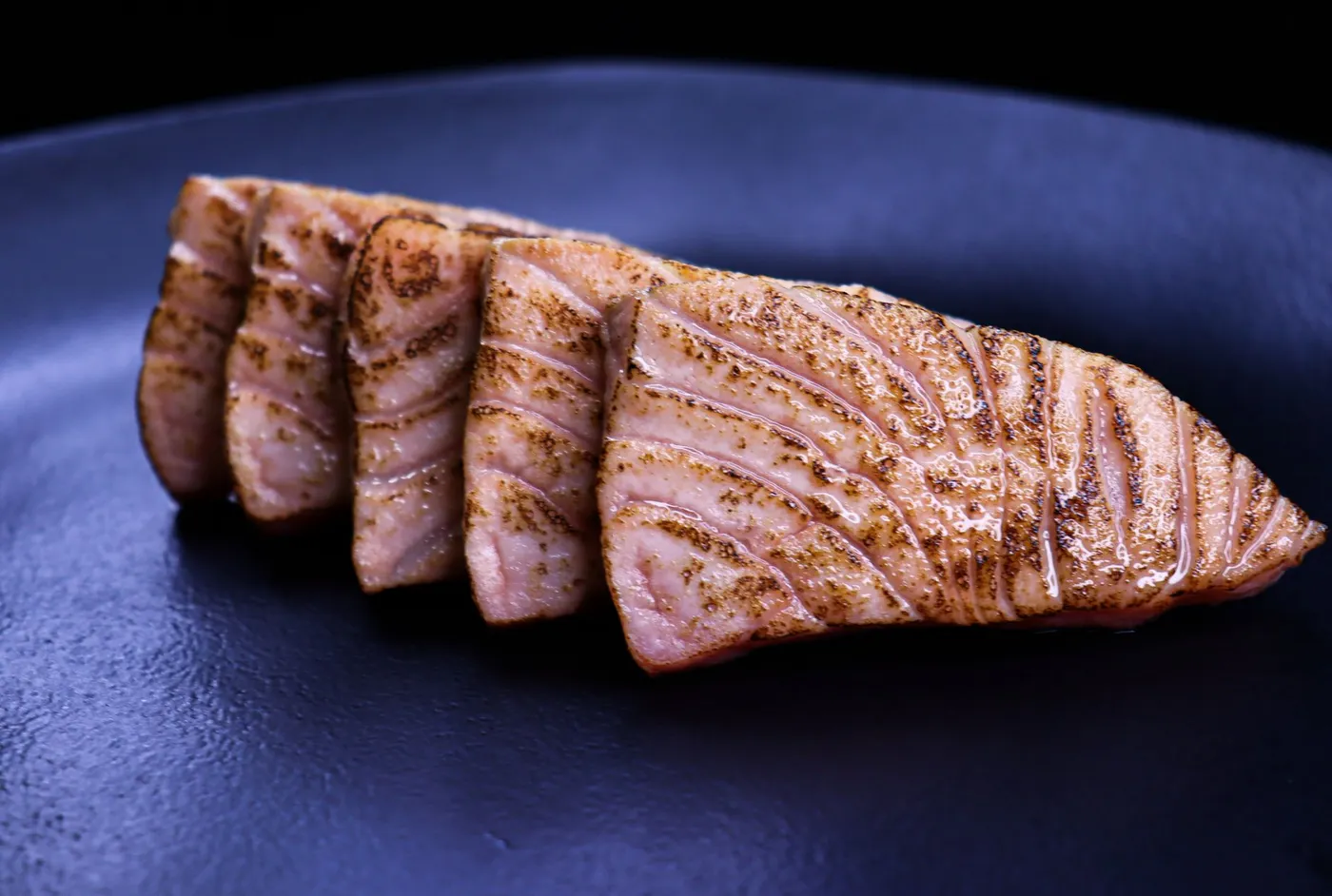
Bonito seared over burning straw, and eaten before the smoke clears
Read →
Invented in 1954 to cheer up a struggling city — now danced in every prefecture
Read →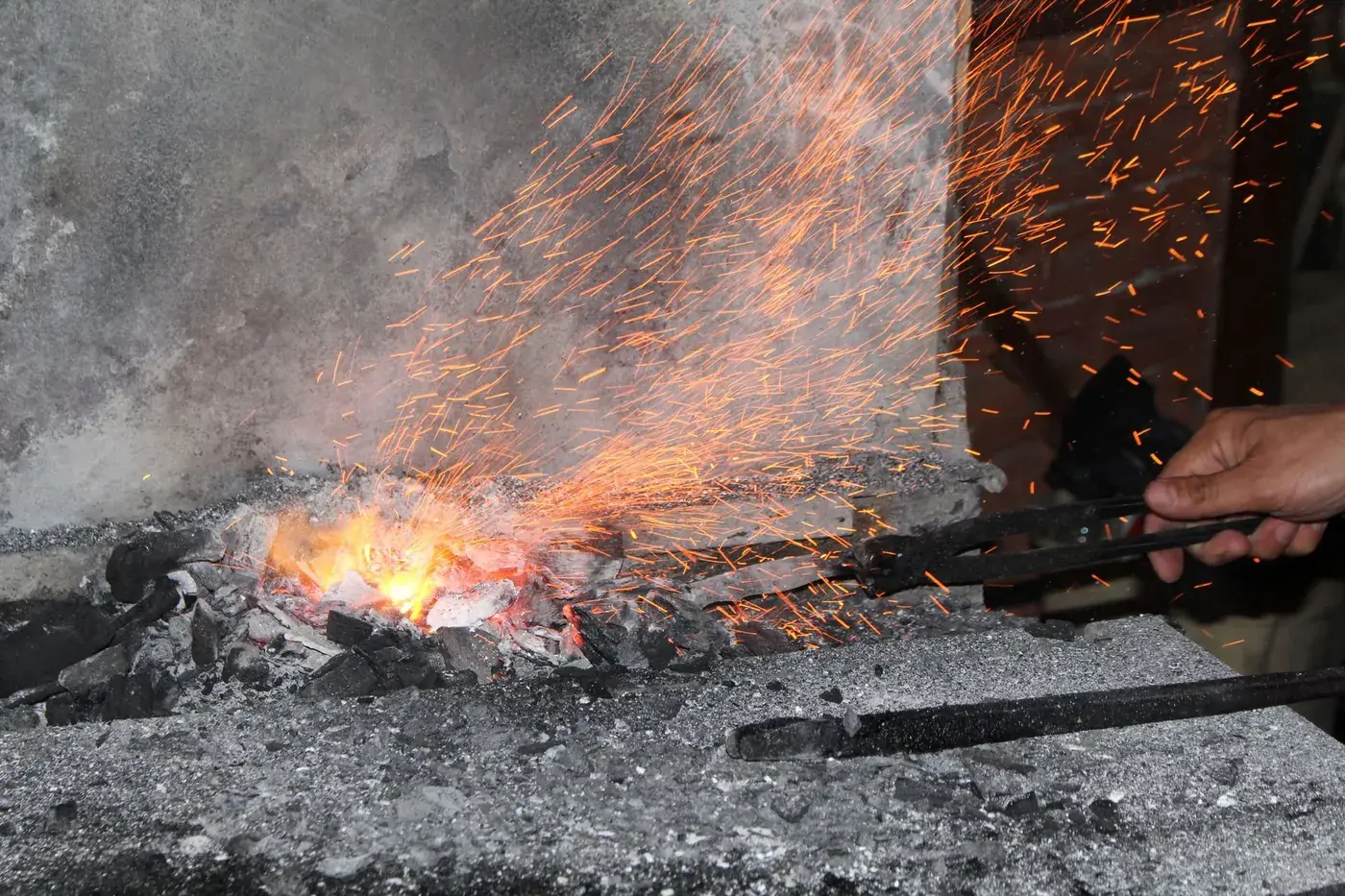
A thousand years of paper, six hundred of forging, in a province of forest and water
Read →No typing needed — jump straight in:
Just docked? — the gangway toolStart from your shipThe ride from every berthAsk the editorGlossary