A thousand years of paper, six hundred of forging, in a province of forest and water
Kochi is 84% forest — the highest of any Japanese prefecture — with fast clean rivers running through it. That single fact produced both the thinnest handmade paper in the world and the knives Japanese farmers have used for six centuries.
Tosa — the old name for Kochi — is mountains and water and very little flat land. It could not grow rich on rice. What it had was timber, charcoal, fast rivers and the raw fibres that grow on steep ground, and both of its great crafts come directly from that inventory.
Paper has been made here for over a thousand years — Tosa washi appears in Heian-period records — and the reason is the water. Papermaking needs cold, clear, mineral-poor water, and the Niyodo and Shimanto rivers are among the cleanest in Japan.
The prefecture makes an extraordinary range, but its distinction is the extreme end: tengujō, a tissue so fine it is measured in grams per square metre in single digits. The thinnest grades run around 1.6 g/m² — thinner than most human hair is wide, and translucent to the point of near-invisibility.
Conservation departments at the British Museum, the Louvre and the Vatican use Tosa tengujō to repair manuscripts. It is strong enough to hold a page together and thin enough that you cannot see it has been done.
That is a genuinely startling fact about a rural Japanese prefecture: some of the world's most valuable documents are held together by paper made on the Niyodo river.
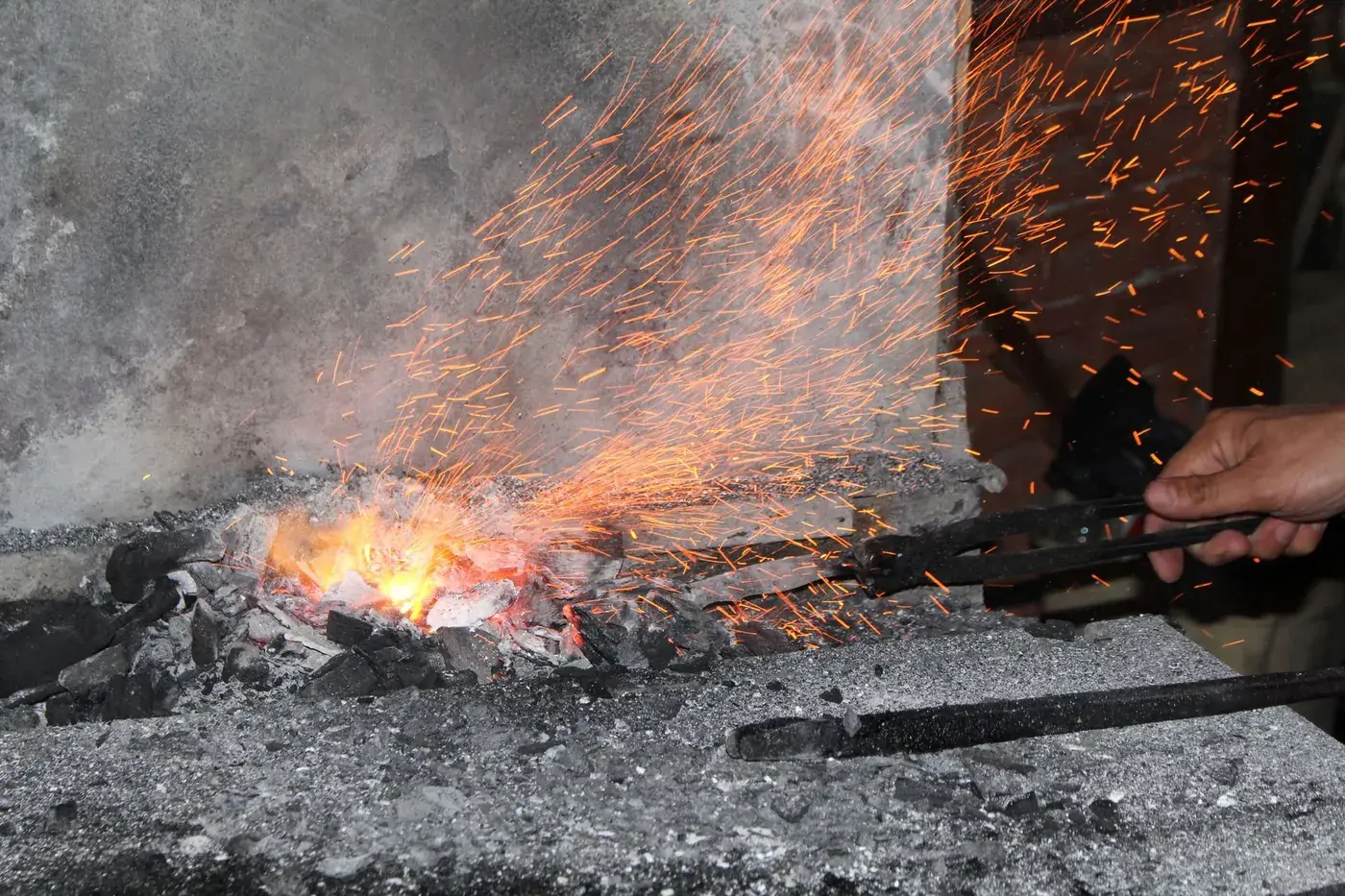
Forging here dates to the Kamakura period, and expanded sharply in the seventeenth century when the domain's forestry policy created enormous demand for axes, saws and billhooks. Unlike the sword-descended traditions of Sakai or Seki, Tosa blades were agricultural — made for people who used them all day, every day, in wet forest.
The defining characteristic is free forging: no fixed dies, no standard patterns. A Tosa smith forges to the customer's hand and job, which is why the tradition survived industrialisation — it was never making commodities. It became a nationally designated traditional craft in 1998.
What you buy today is usually a kitchen knife, and the ones to look at are the rough-finished kuro-uchi blades with the black forge scale left on the flat — cheaper, more durable, and completely unlike a polished city knife.
Both turn up at the Sunday Market, which is the best possible way to buy them — direct from makers, with no shop margin, and with the maker willing to explain. Failing a Sunday, the Obiyamachi arcade has specialists, and the prefectural products hall near the castle carries both.
Made with cold, mineral-poor water off the mountains
Agricultural tools, not swords
Axes, saws and billhooks for a province that was 84% forest
At ~1.6 g/m², thin enough to repair manuscripts invisibly
A traditional craft built on free forging, without fixed dies
The Sunday Market is the ideal place to buy both — direct from makers. Otherwise the Obiyamachi arcade and the products hall near the castle.
Handmade paper from Kochi with over a thousand years of history, made using the exceptionally clean water of the Niyodo and Shimanto rivers. Its most remarkable grade is tengujō, a tissue of around 1.6 g/m² — thinner than a human hair — used by conservators at major museums worldwide to repair manuscripts invisibly.
They descend from agricultural tools rather than swords, and they are free-forged — no fixed dies, no standard patterns, shaped to the user's hand and job. That is why the tradition survived industrialisation. The rough kuro-uchi finish, with black forge scale left on the blade, is the characteristic look.
The Sunday Market, if your call falls on a Sunday — makers sell directly, with no shop margin. Otherwise the Obiyamachi arcade has specialists and the prefectural products hall near the castle carries both paper and blades. Knives must travel in checked luggage; shops will box them for it.
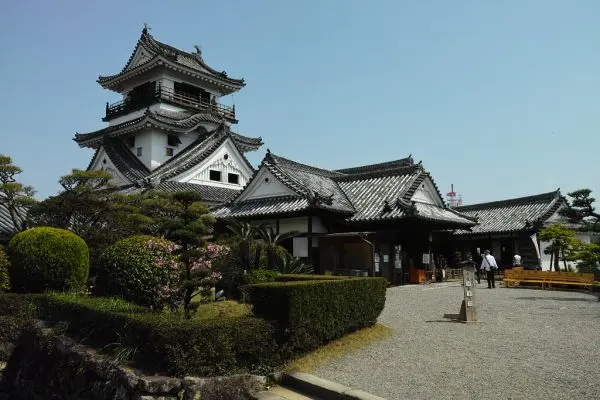
The low-ranking samurai who talked two enemies into ending an era
Read →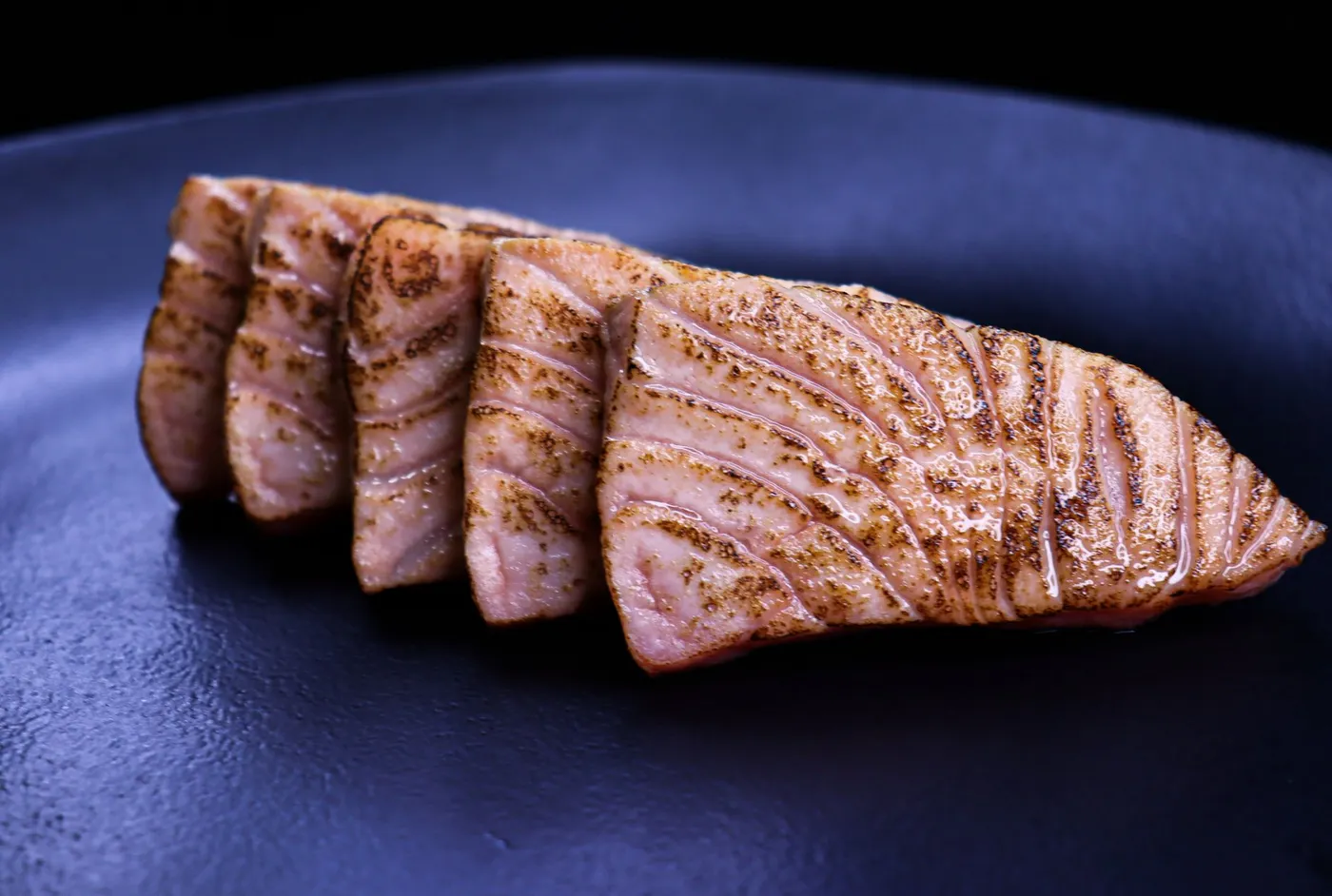
Bonito seared over burning straw, and eaten before the smoke clears
Read →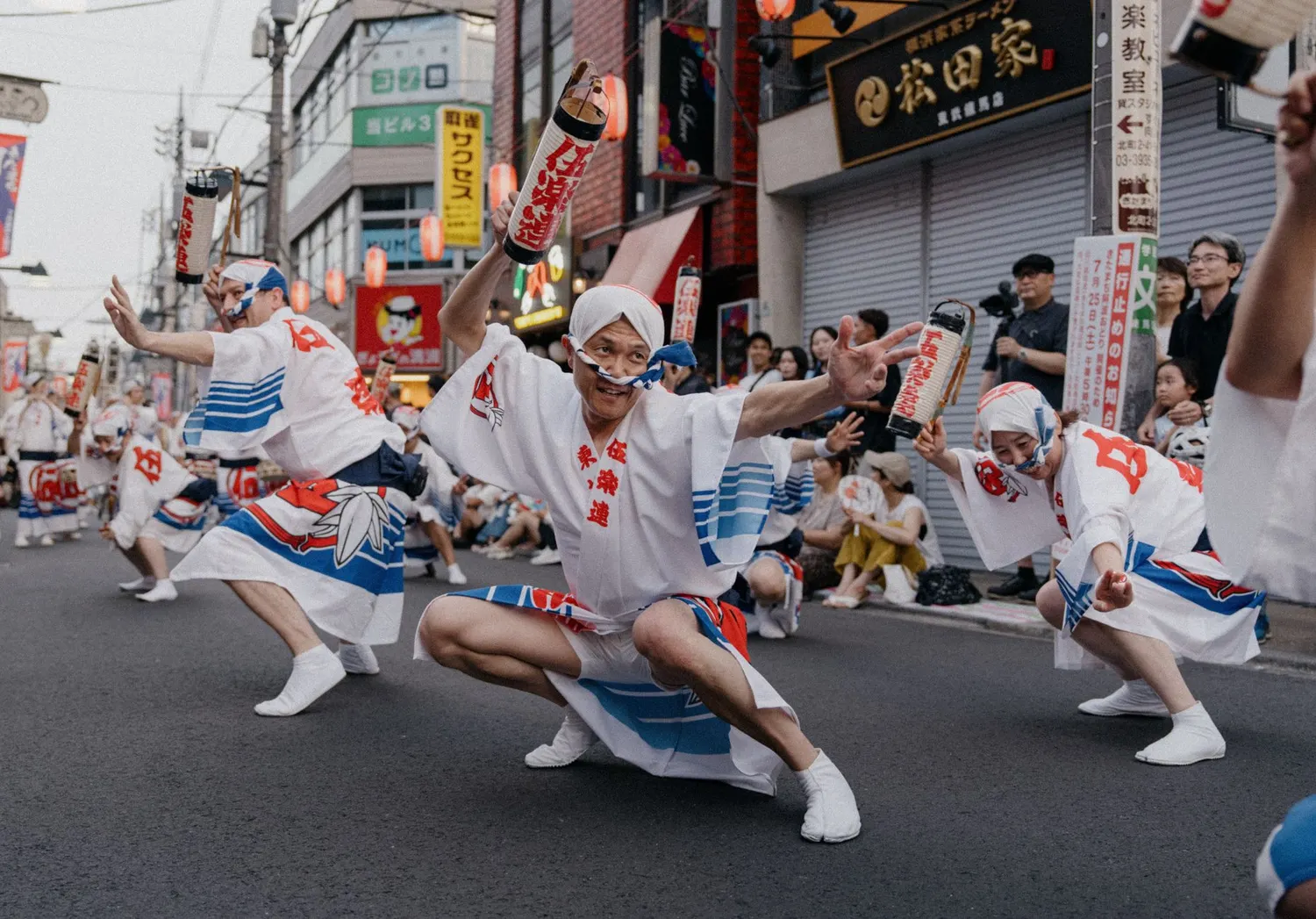
Invented in 1954 to cheer up a struggling city — now danced in every prefecture
Read →
A kilometre long, three hundred years old, every single Sunday
Read →No typing needed — jump straight in:
Just docked? — the gangway toolStart from your shipThe ride from every berthAsk the editorGlossary