Invented in 1954 to cheer up a struggling city — now danced in every prefecture
Most Japanese festivals are centuries old and unchangeable. This one was designed by a chamber of commerce seventy years ago, has almost no rules, and has spread further than any traditional festival in the country.
In 1954, Kochi's economy was flat and its chamber of commerce wanted something to lift the city — and, frankly, to compete with the Awa Odori across the mountains in Tokushima, which had been drawing crowds for centuries.
So they invented a festival. That is unusual enough. What is remarkable is how they designed it.
Yosakoi has essentially two requirements. Dancers must carry naruko — small wooden clappers, originally used to scare birds off the rice — and the music must contain some fragment of the traditional Kochi folk song Yosakoi Bushi.
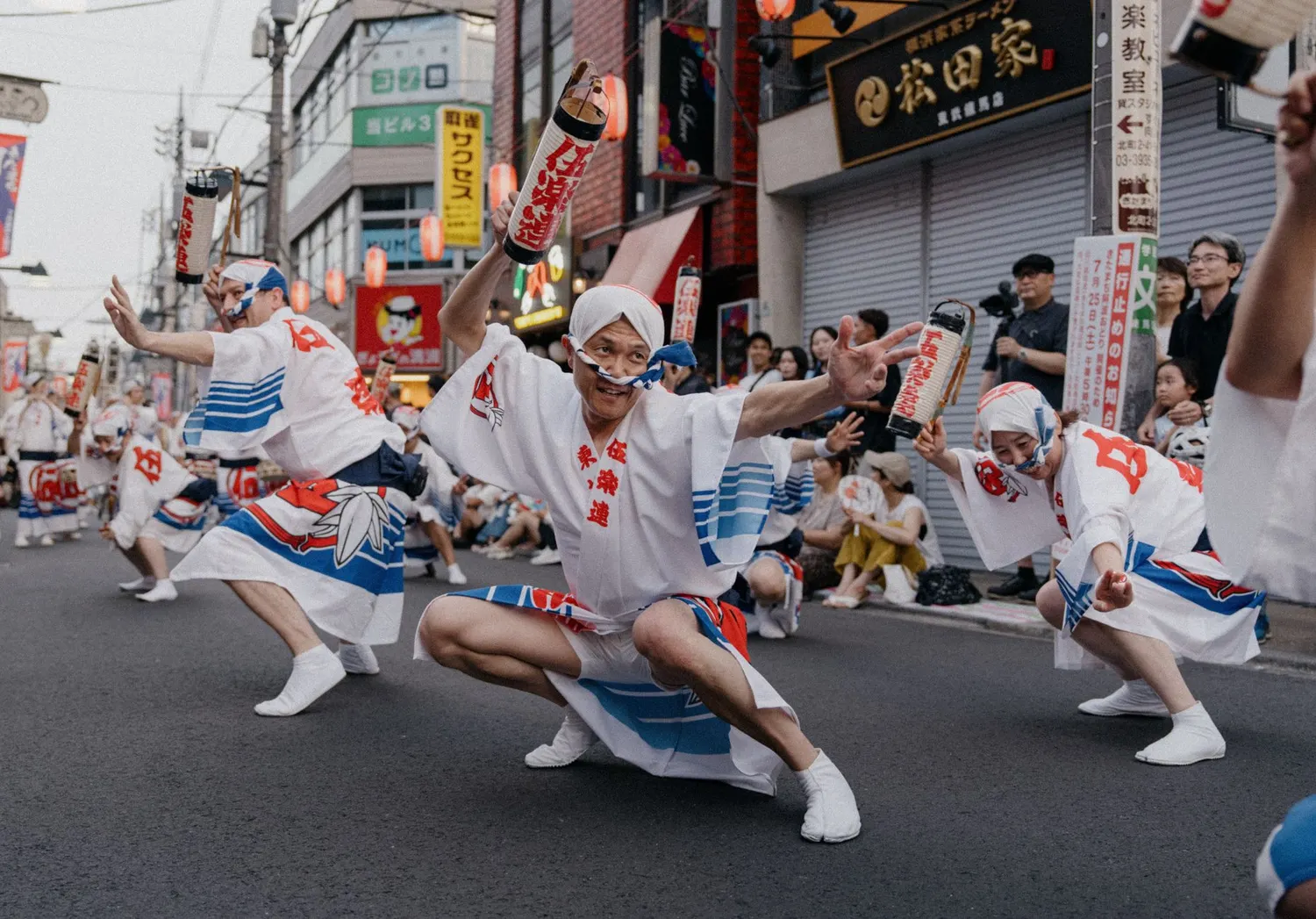
Everything else is open. Choreography, costume, tempo, genre. Teams have used rock, hip-hop, samba and heavy metal. Costumes range from reworked kimono to something closer to stage armour. Teams number up to 150 people and travel with their own sound truck.
A festival with two rules and no tradition to protect turned out to be far more contagious than one with a thousand years of rules.
By the 1990s the format had escaped Kochi entirely. Sapporo students who had seen it started YOSAKOI Soran in 1992, fusing it with a Hokkaido fishing song; that event now draws millions. Versions run in most Japanese prefectures and in Japanese communities overseas.
The original still runs in Kochi over 9–12 August, with around 18,000 dancers across a dozen-odd competition sites through the city. Roads close. Sound trucks crawl. The temperature is brutal and nobody cares.
Two options, both genuine. The Yosakoi Information Exchange Centre near the castle keeps costumes, naruko and video, and will let you try the clappers. And several teams practise year-round in public spaces in the evenings — if you are ashore late and hear the clatter, follow it.
It is also worth knowing why this matters beyond the spectacle. Kochi is a prefecture with a declining population, a mountain-locked geography and no large industry. Yosakoi is the thing it exported. The people dancing are aware of that, and it gives the whole event an edge that a purely traditional festival does not have.
By Kochi's chamber of commerce, to lift a flat economy
The wooden clappers once used to scare birds from the rice
Any genre, any tempo — as long as the folk song is in there somewhere
Students take it north and fuse it with a fishing song
And versions in most prefectures and overseas
August 9–12 is the festival itself. Outside it, the information centre near the castle keeps costumes and clappers and lets you try them.
A dance festival invented in Kochi in 1954 by the local chamber of commerce. It has essentially two rules — dancers must carry naruko wooden clappers, and the music must quote the folk song Yosakoi Bushi — and everything else, from choreography to genre, is open. The original runs 9–12 August with around 18,000 dancers.
Precisely because it has almost no rules. With no tradition to protect, teams could set it to rock, hip-hop or samba and invent their own costumes, which made it endlessly adaptable. Sapporo students founded YOSAKOI Soran in 1992 and versions now run in most Japanese prefectures.
Yes — the Yosakoi Information Exchange Centre near Kochi Castle keeps costumes, naruko and video and lets visitors try the clappers. Teams also practise in public spaces year-round in the evenings, so if you are ashore late and hear the clatter, follow it.
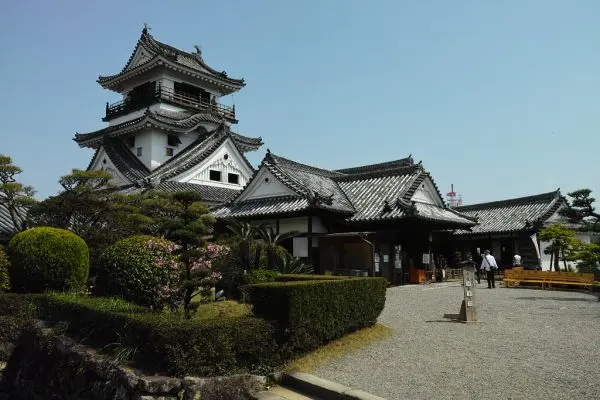
The low-ranking samurai who talked two enemies into ending an era
Read →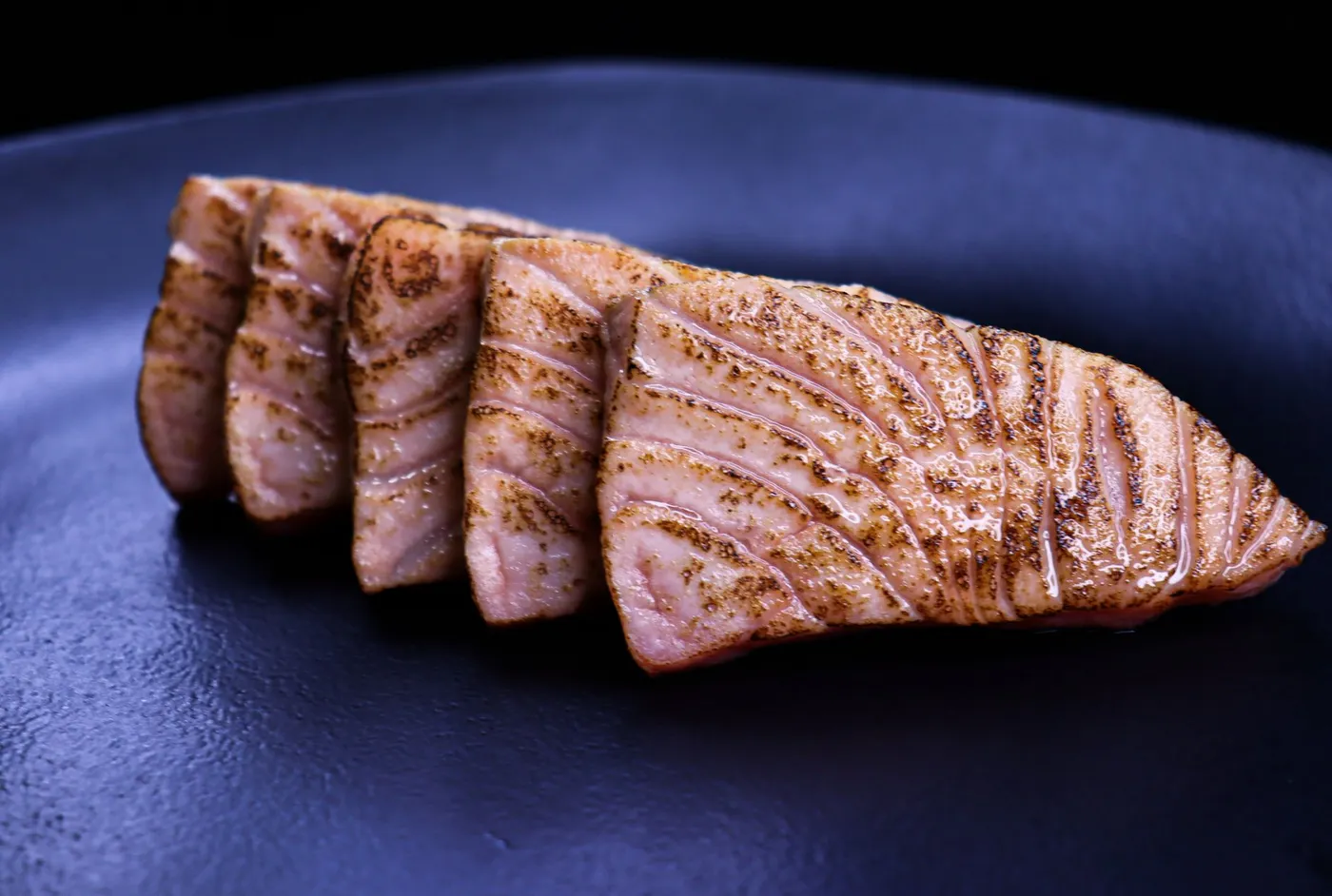
Bonito seared over burning straw, and eaten before the smoke clears
Read →
A thousand years of paper, six hundred of forging, in a province of forest and water
Read →
A kilometre long, three hundred years old, every single Sunday
Read →No typing needed — jump straight in:
Just docked? — the gangway toolStart from your shipThe ride from every berthAsk the editorGlossary