The low-ranking samurai who talked two enemies into ending an era
He held no office, commanded no army, and was murdered at 31 — a month before the shogunate he helped topple actually fell. Japan has been in love with him ever since, and nowhere more than here.
Every Japanese person knows the face: the rumpled kimono, the boots worn with it, the hand inside the lapel. Sakamoto Ryoma was born in Kochi in 1836, into the gōshi — the lower rank of Tosa samurai, tolerated by the upper rank and never quite accepted by it. That resentment shaped everything he did.
He left the domain illegally in 1862, which was a capital offence, and spent the rest of his short life as a man with no official position moving between people who were supposed to be killing each other.
Two things, and they were enough.
First, in 1866, he brokered the Satchō Alliance — an agreement between Satsuma and Chōshū, domains that had been open enemies. Neither would talk to the other; both would talk to him. The document was signed in secret in Kyoto, and at Chōshū's request Ryoma endorsed it on the back in vermilion ink as guarantor. That alliance produced the army that ended the shogunate.
Second, he drafted the Eight-Point Plan on a ship in 1867 — a sketch of a post-shogunate Japan with a bicameral assembly, a constitution, a navy, and treaties renegotiated on equal terms. Much of the Meiji state that followed looks remarkably like that document.
He also founded what is generally called Japan's first modern trading company, and used it to move weapons between the domains he was busy reconciling.
On 10 December 1867 — his thirty-first birthday by the old reckoning — assassins found him at the Ōmiya inn in Kyoto and cut him down along with his friend Nakaoka Shintarō. The killers have never been definitively identified. The shogunate's police unit is the usual suspect; other theories implicate the very domains he had allied.
The shogunate formally surrendered power a month later. He did not live to see the country he had sketched.
Because he is the perfect Tosa story: a low-ranked man from a peripheral province who changed the country by refusing to accept his position in it, and who then died before he could be corrupted by success. Japan loves the noble failure; Kochi loves the outsider who was right.
His bronze statue stands on Katsurahama beach, 13 metres tall including the plinth, facing the Pacific he wanted Japan to sail out into. It was erected in 1928 by public subscription, largely raised by local students. Every year around his birthday the city puts scaffolding beside it so visitors can climb up and stand at eye level with him.
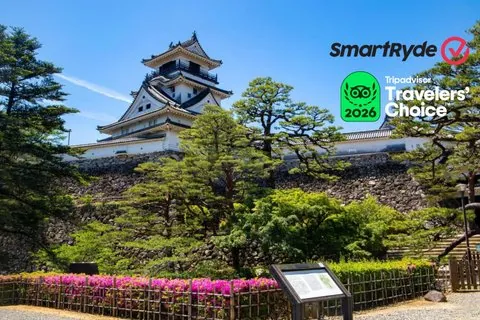
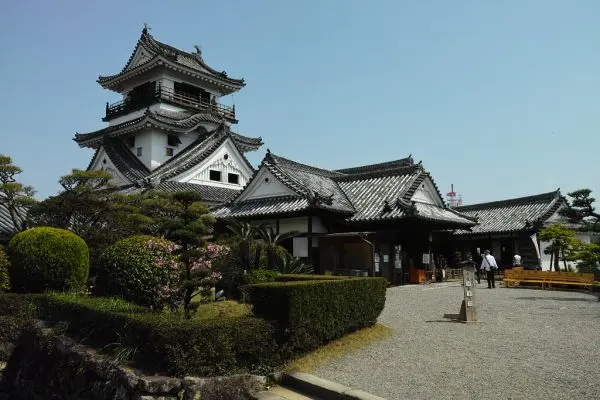
The statue at Katsurahama is 35 minutes by road and needs wheels. In the city, the Kochi Castle grounds and the Sakamoto Ryoma Memorial Museum at Katsurahama cover the history properly. The birthplace is marked by a stone in a residential street, which is quietly the most affecting of the three.
Into the lower gōshi rank of Tosa samurai
A capital offence; he never holds official position again
Endorsed on the back in vermilion ink as guarantor
A bicameral assembly, a constitution, renegotiated treaties
The killers have never been definitively identified
13 m tall, funded by public subscription led by students
Katsurahama needs a car or a tour — it is the one Kochi sight public transport does not solve. The castle and the city museums cover the history without wheels.
A low-ranking Tosa samurai from Kochi who brokered the 1866 alliance between Satsuma and Chōshū — the arrangement that produced the army that ended the shogunate — and drafted an eight-point sketch of a post-shogunate Japan. He held no office, was assassinated in Kyoto at 31 in December 1867, and his killers were never definitively identified.
On Katsurahama beach, about 35 minutes by road from central Kochi, facing the Pacific. It stands 13 metres including the plinth and was funded by public subscription in 1928, largely raised by local students. Katsurahama needs a car or a tour — buses are sparse.
Because he changed the country without rank, army or office, and died before success could compromise him — the archetype Japan finds most compelling. Kochi in particular claims him everywhere: his silhouette is on manhole covers and sake bottles, and the prefecture renamed its airport Kochi Ryoma Airport.
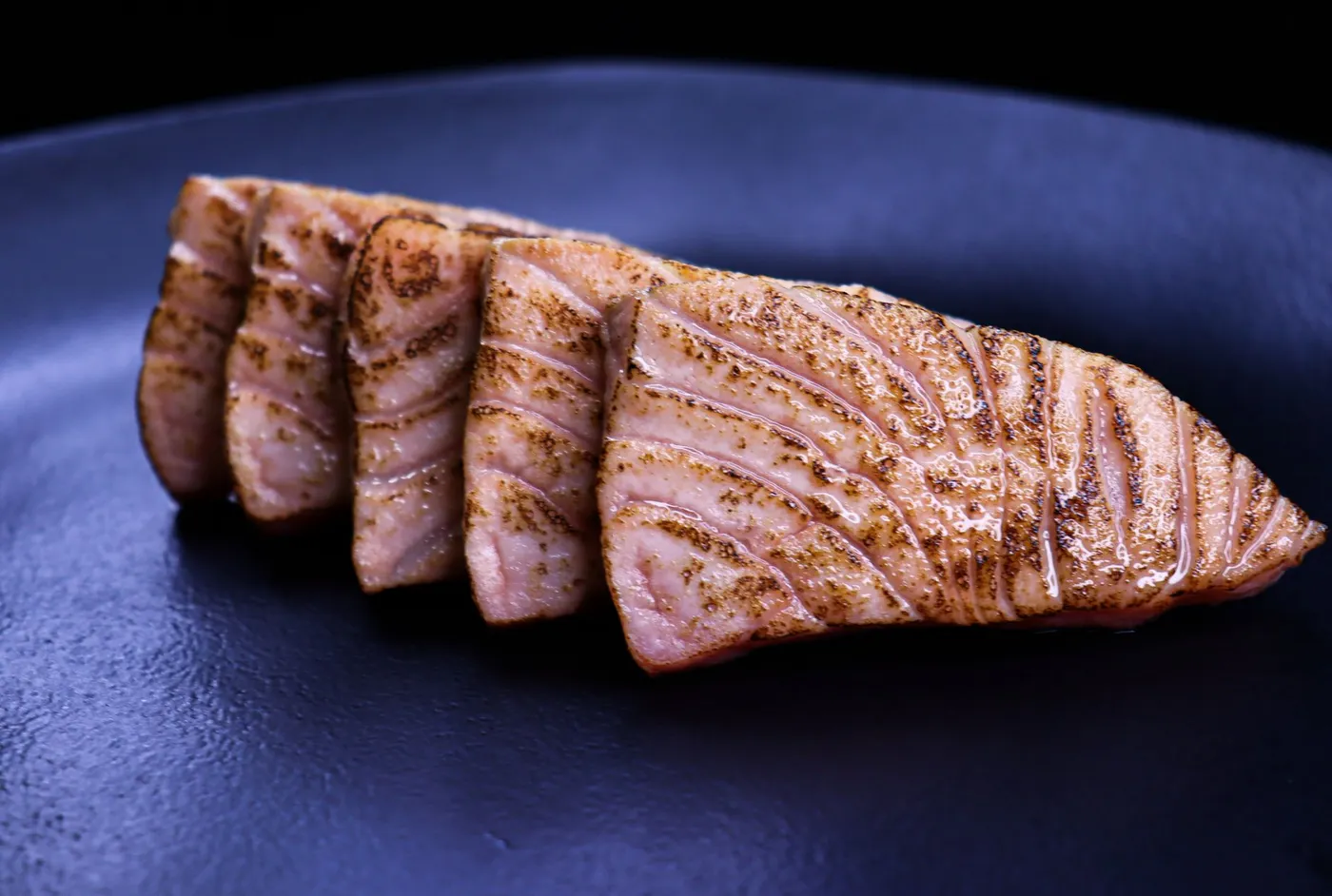
Bonito seared over burning straw, and eaten before the smoke clears
Read →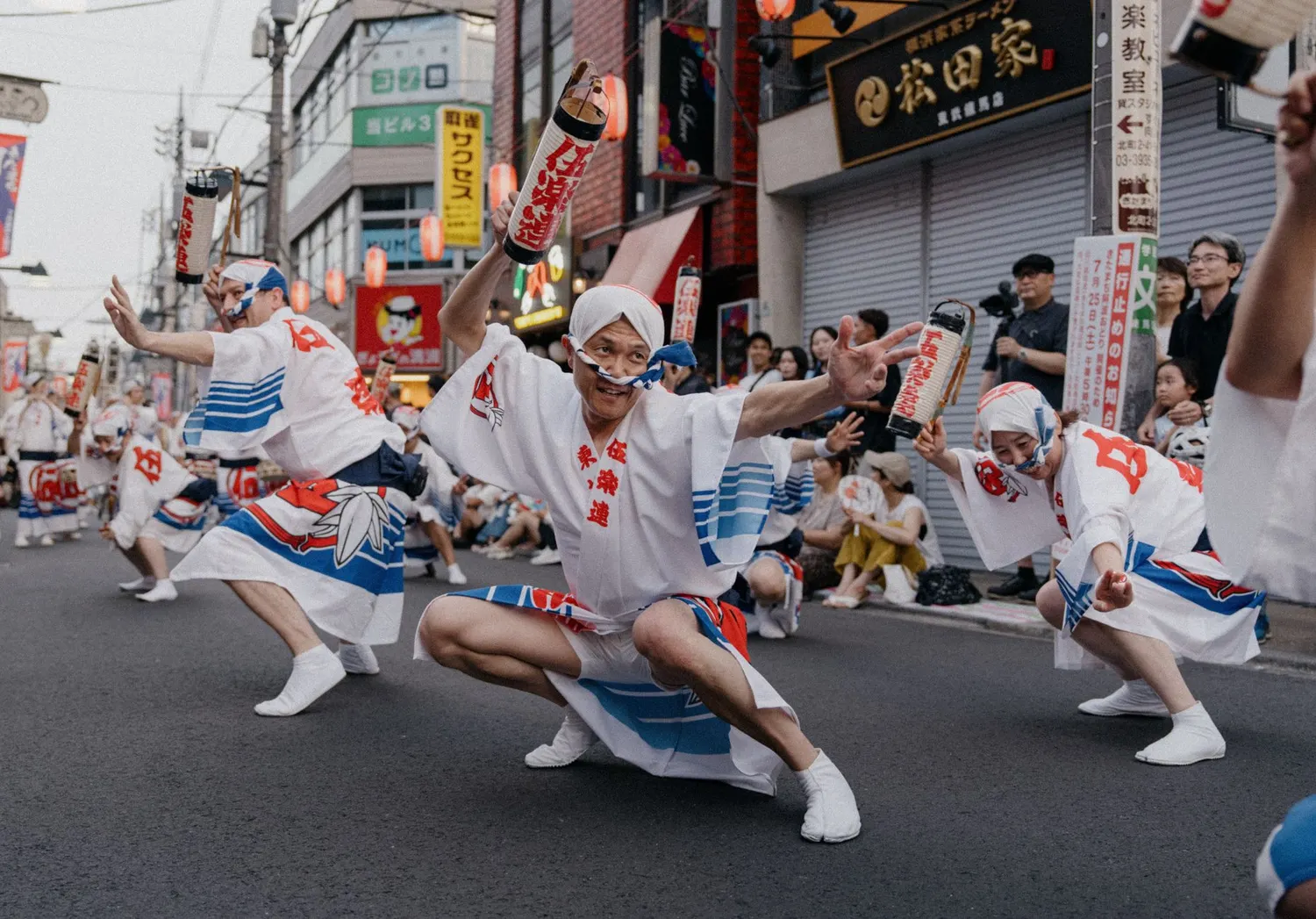
Invented in 1954 to cheer up a struggling city — now danced in every prefecture
Read →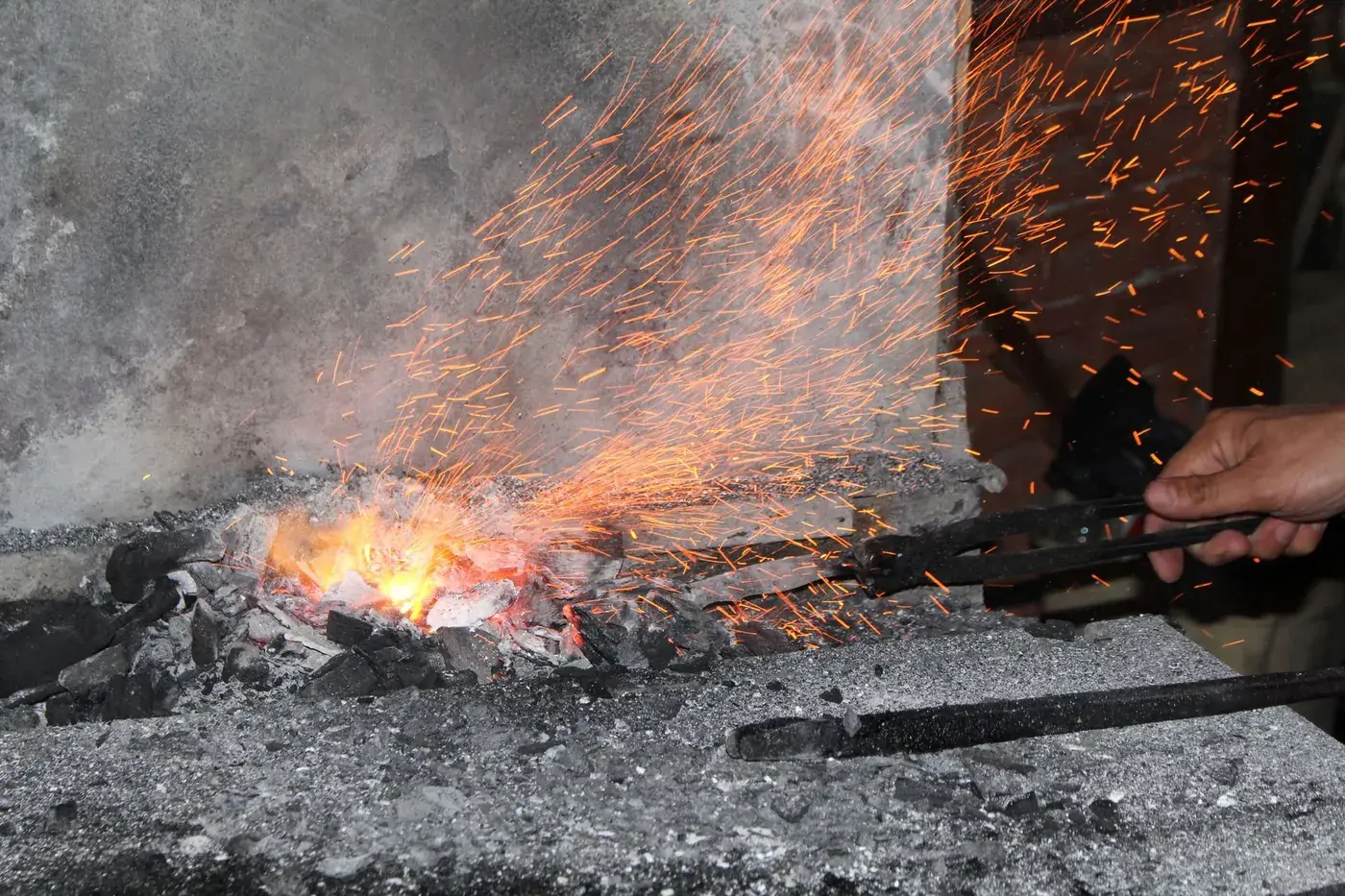
A thousand years of paper, six hundred of forging, in a province of forest and water
Read →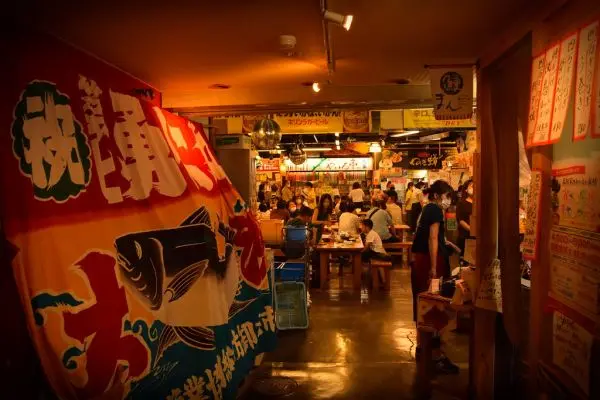
A kilometre long, three hundred years old, every single Sunday
Read →No typing needed — jump straight in:
Just docked? — the gangway toolStart from your shipThe ride from every berthAsk the editorGlossary