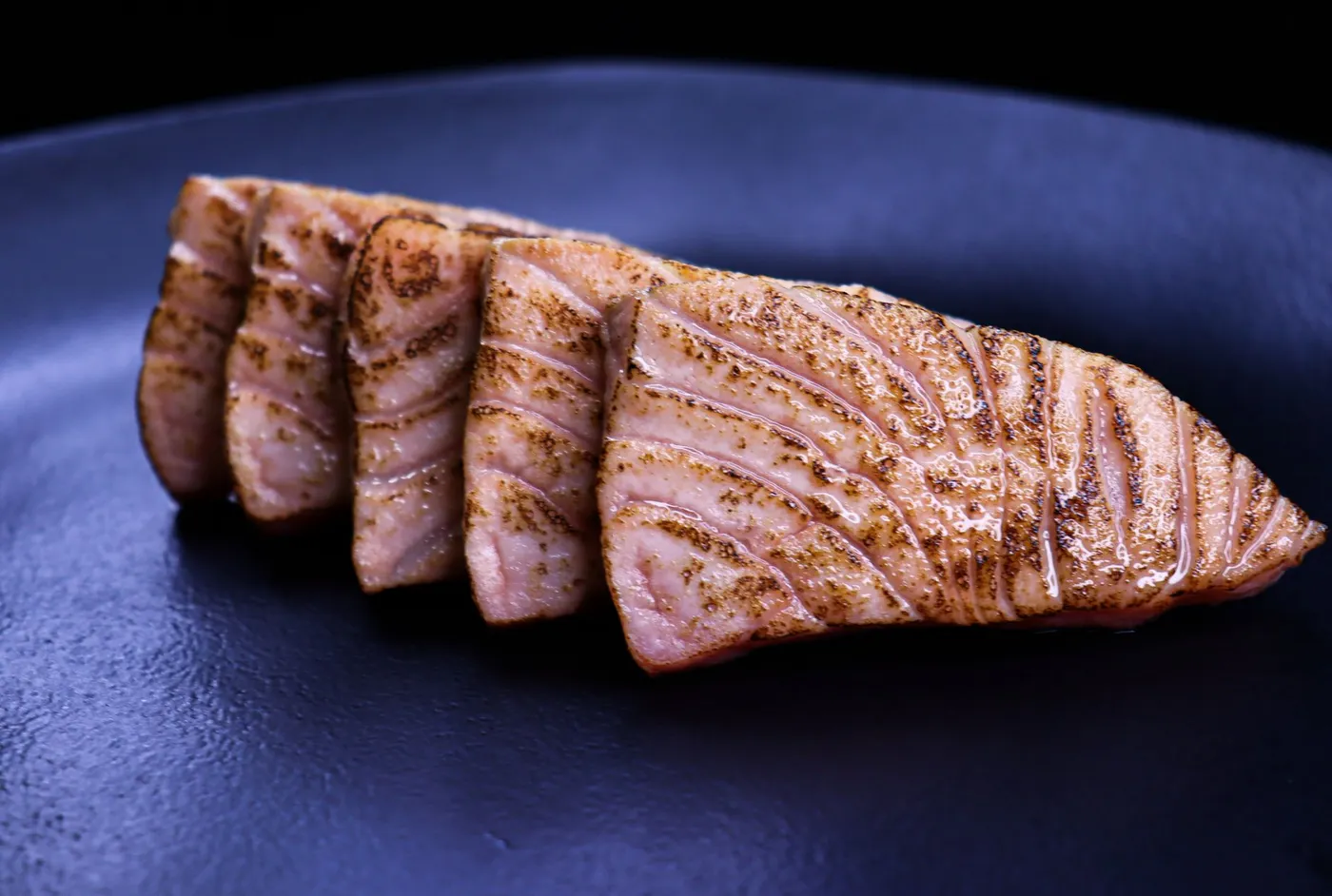
Bonito seared over burning straw, and eaten before the smoke clears
A metre of rice straw burns at around 800°C for less than a minute. The outside of the fish cooks; the inside does not. Everything about this dish is that thirty seconds.
Kochi faces the open Pacific, and the katsuo — skipjack bonito — run past it twice a year on the Kuroshio current. The prefecture eats more of them per head than anywhere else in Japan, and it eats them in a way that is essentially theatre.
A fillet is skewered and held over a fire of burning rice straw. Straw matters: it burns fast and violently, reaching around 800°C, which sears the surface in under a minute without the heat having time to travel inward. Charcoal is slower and cooler and would cook the fish through; straw scorches it and stops.
The result is a fillet with a smoky, almost blackened skin and a centre that is completely raw. It is sliced thick — thicker than sashimi — and served with garlic slices, ginger, spring onion, shiso and either ponzu or, in the more austere local style, simply salt.
Ask for it <em>shio-tataki</em>, with salt rather than ponzu, and a Kochi person will look at you differently. Salt is the version that does not hide anything.
The usual story is practical rather than culinary. One version says fishermen seared the surface to kill surface bacteria while keeping the flesh raw. Another says a seventeenth-century Tosa lord banned raw bonito after cases of food poisoning, and the population complied by searing the outside only — technically cooked, in fact still sashimi. It is exactly the kind of workaround this prefecture enjoys claiming.
Both stories may be tidy inventions. What is certain is the timing: it is best in spring, when the northbound fish are lean and clean, and again in autumn, when the returning modori-gatsuo are fat. Locals argue permanently about which is superior, and the argument is one of the pleasures of eating here.
Hirome Market in the city centre is where visitors should go, and not as a compromise — the stall called Myojinmaru sears in the open, in front of you, and the flames go up two metres. You take the plate to a shared table, and somebody will start talking to you.
Kochi's drinking culture is a thing in itself. The word okyaku means a Tosa banquet, and the prefecture is famous — nationally, and with slight alarm — for how much it drinks. There are dedicated drinking games involving cups you cannot put down until they are empty. On a port day, one beer at a shared table at eleven in the morning is entirely normal here and nobody will think anything of it.
Attributed variously to hygiene and to a lord's ban on raw bonito
The first northbound run — lean, clean, prized for freshness
The returning fish, fat and rich. The other camp's choice
And seared in the open at Hirome Market all day
Hirome Market, any hour. Myojinmaru sears in the open — order shio-tataki and take it to a shared table.
Skipjack bonito seared over burning rice straw — a fire hot enough (around 800°C) and fast enough to blacken the surface in under a minute while leaving the centre completely raw. It is sliced thick and served with garlic, ginger, spring onion and either ponzu or salt.
Because straw burns violently and briefly. It sears the surface before the heat can travel inward, which is the entire point of the dish; charcoal burns slower and cooler and would cook the fish through.
Hirome Market in the city centre — the Myojinmaru stall sears in the open with flames going up two metres, and you carry the plate to a shared table. Order it shio-tataki, with salt rather than ponzu, which is how locals eat it.
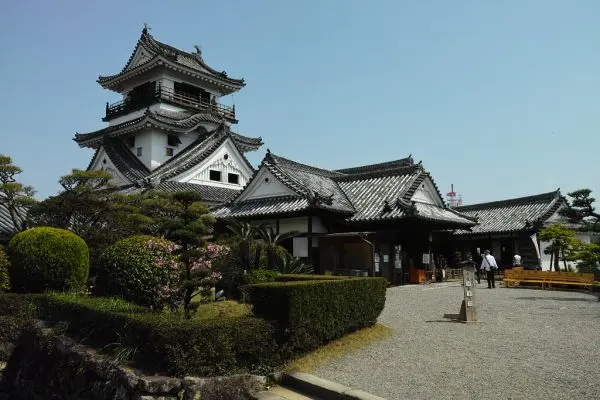
The low-ranking samurai who talked two enemies into ending an era
Read →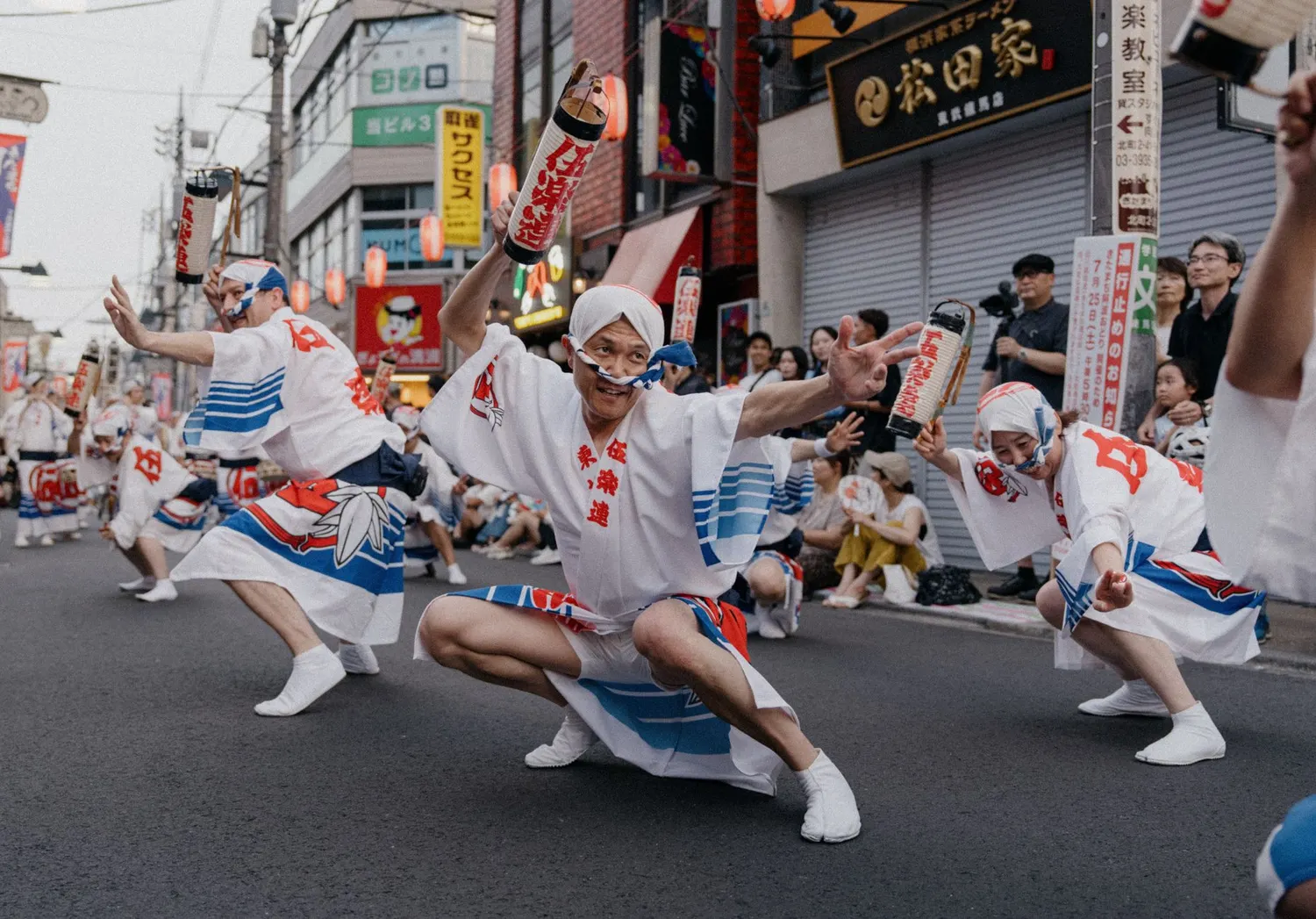
Invented in 1954 to cheer up a struggling city — now danced in every prefecture
Read →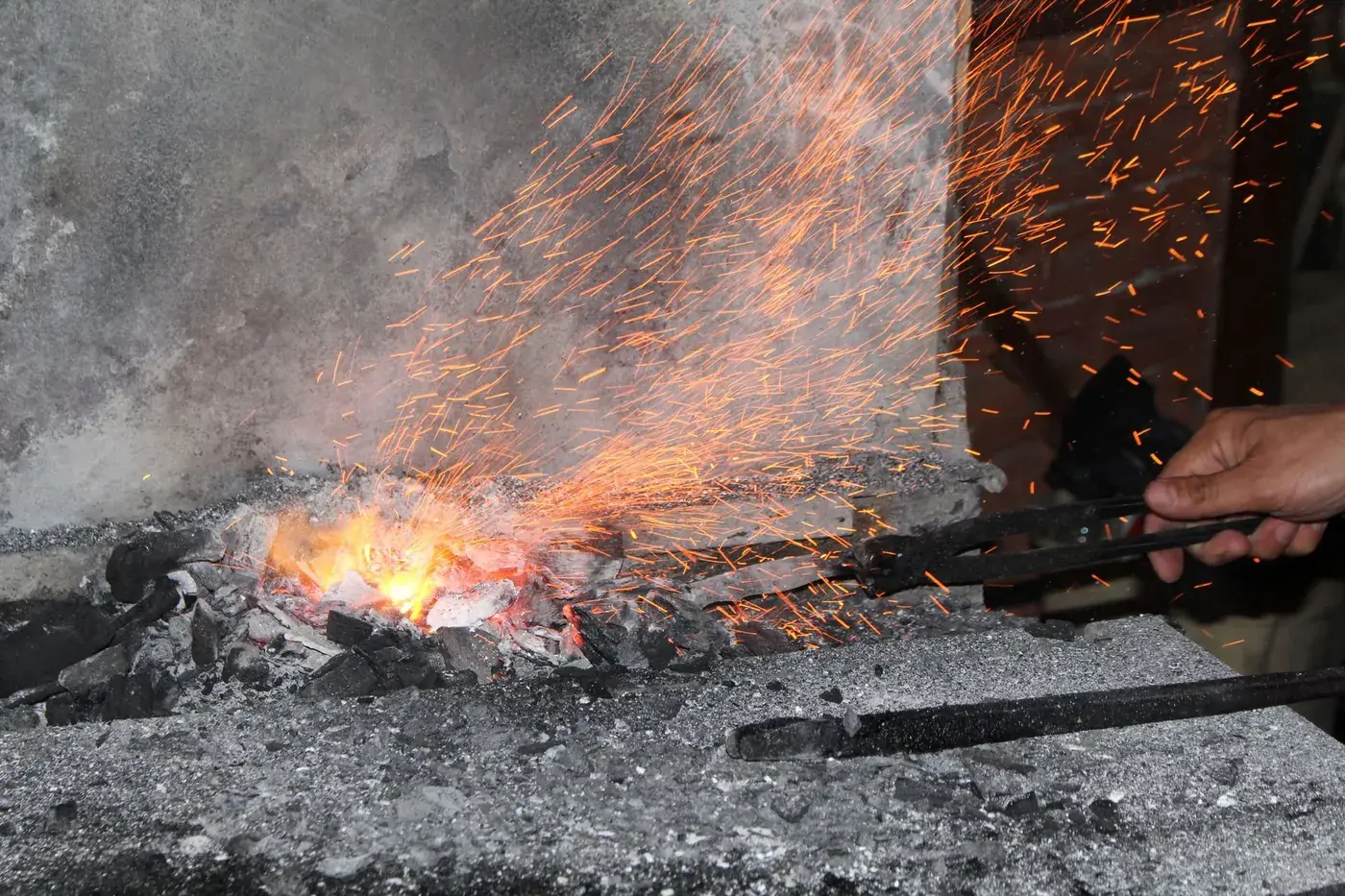
A thousand years of paper, six hundred of forging, in a province of forest and water
Read →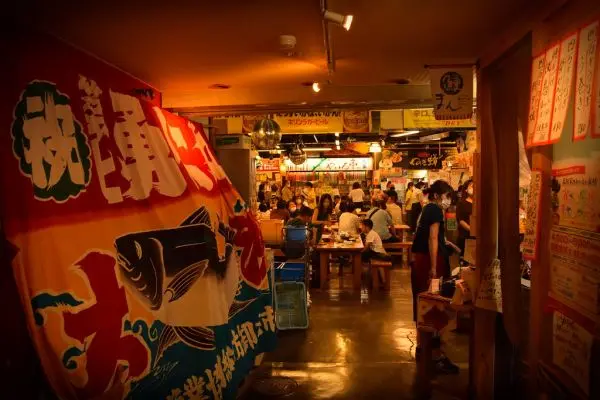
A kilometre long, three hundred years old, every single Sunday
Read →No typing needed — jump straight in:
Just docked? — the gangway toolStart from your shipThe ride from every berthAsk the editorGlossary