01 · The man
Sakamoto Ryoma
He held no office, commanded no army, and was murdered at 31 — a month before the shogunate he helped topple actually fell. Japan has been in love with him ever since, and nowhere more than here.
Read the story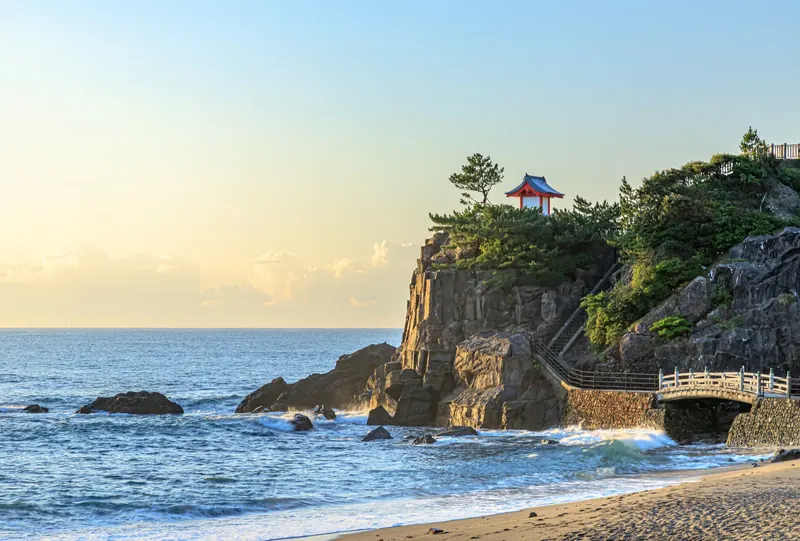 Photo: Adobe Stock / Licensed
Checked against official sources · updated · Takumi Yamada
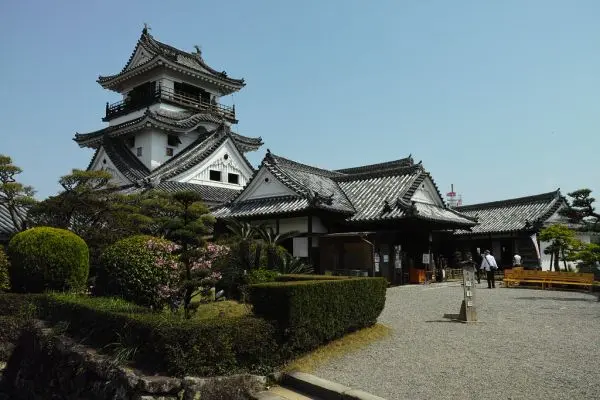
Kochi is a Pacific port in a prefecture that is 84% forest, and the city most passengers arrive knowing nothing about. It has one of Japan's twelve original castle keeps, katsuo tataki, bonito seared over straw, and Sakamoto Ryoma, whose statue faces the sea at Katsurahama. Every ship docks at Kochi New Port, a working harbour about 25 minutes from the centre by shuttle, with the beach 10 minutes away by taxi.
He held no office, commanded no army, and was murdered at 31 — a month before the shogunate he helped topple actually fell. Japan has been in love with him ever since, and nowhere more than here.
Read the story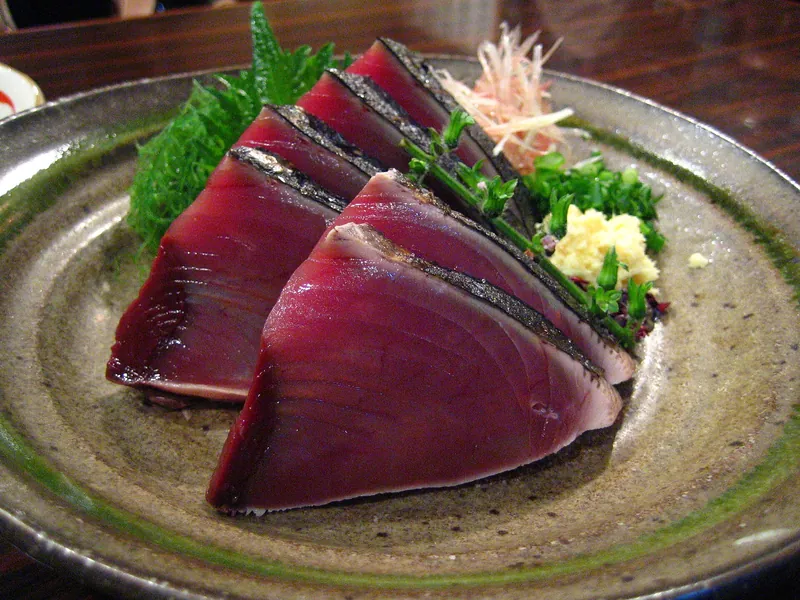
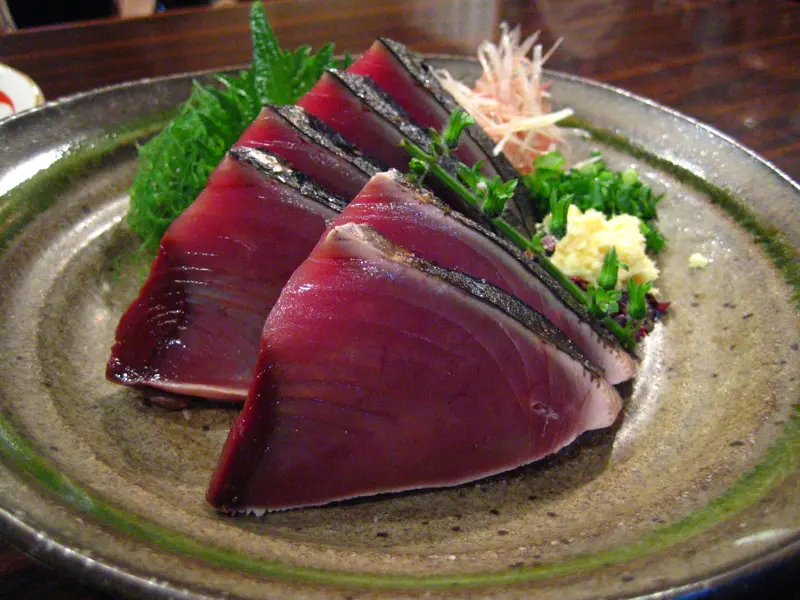
A metre of rice straw burns at around 800°C for less than a minute. The outside of the fish cooks; the inside does not. Everything about this dish is that thirty seconds.
Read the story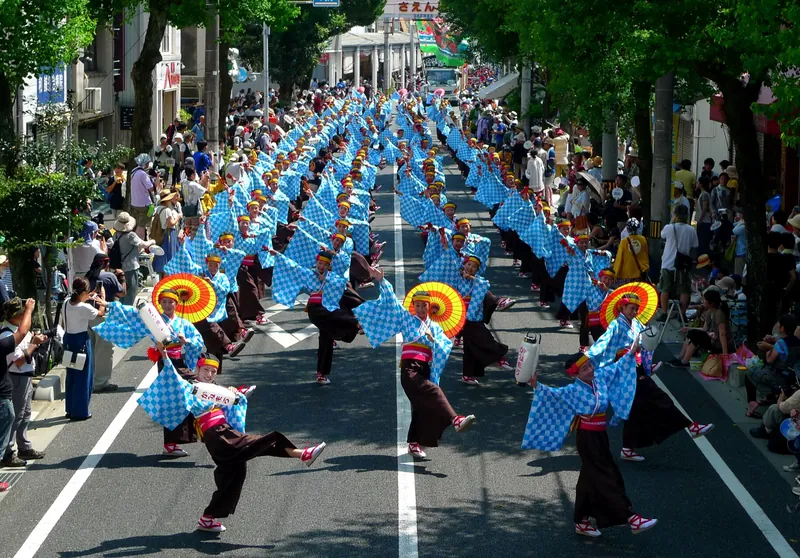
Most Japanese festivals are centuries old and unchangeable. This one was designed by a chamber of commerce seventy years ago, has almost no rules, and has spread further than any traditional festival in the country.
Read the story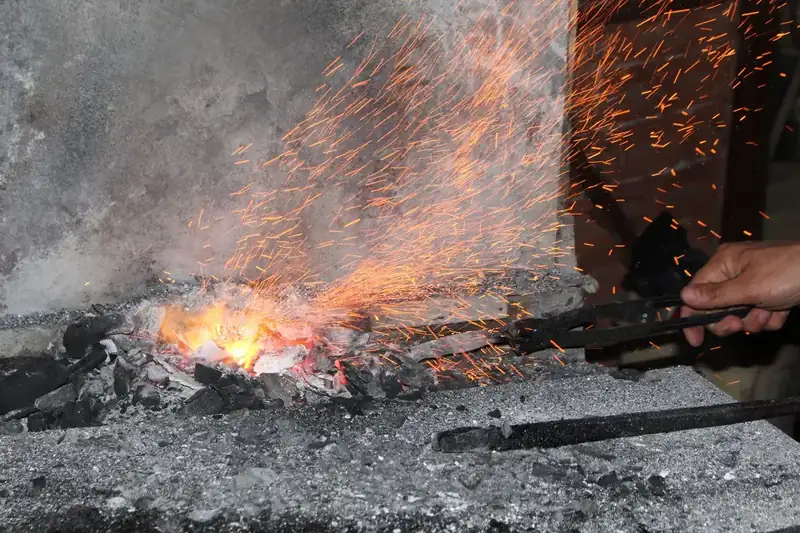
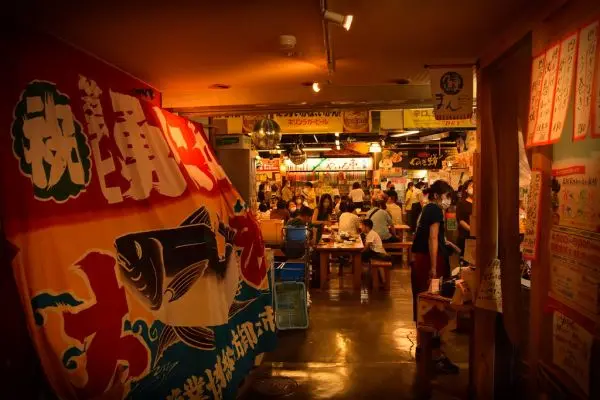
Kochi is 84% forest — the highest of any Japanese prefecture — with fast clean rivers running through it. That single fact produced both the thinnest handmade paper in the world and the knives Japanese farmers have used for six centuries.
Read the story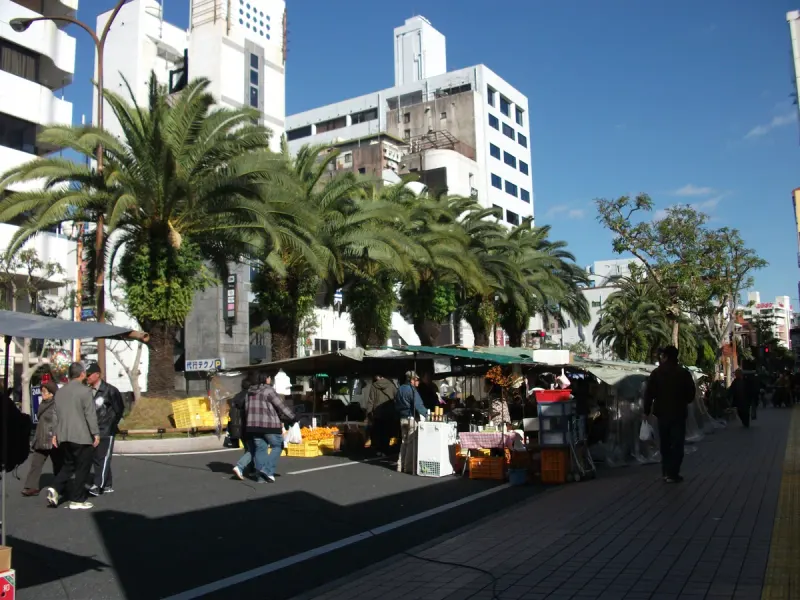
It has run since 1690. Roughly 300 stalls stretch a kilometre down the avenue to the castle gate, and it opens every Sunday of the year except two. If your call lands on one, rearrange everything.
Read the storyCruise seasons run spring to autumn, but the port changes underneath them.
The first northbound bonito — lean and clean. The purists' season.
One of only twelve original keeps, framed in blossom.
Bamboo shoots at the Sunday Market and comfortable walking everywhere.
Kochi gets serious rain. Hirome Market is roofed and full of people waiting it out.
Yosakoi teams practise in the evenings across the city.
18,000 dancers, roads closed, the whole city out. The Sunday Market pauses for it.
Modori-gatsuo — the returning fish, fat and rich. The other camp's season.
Clear, dry, comfortable, and the market at its most abundant.
The prefecture that grows most of Japan's yuzu, at its peak.
Kochi rarely freezes; the Sunday Market runs regardless.