10 things to do in Kochi
Ranked by one question: if you had a single call here, what would you regret missing? Every entry carries the round-trip time from the berth.
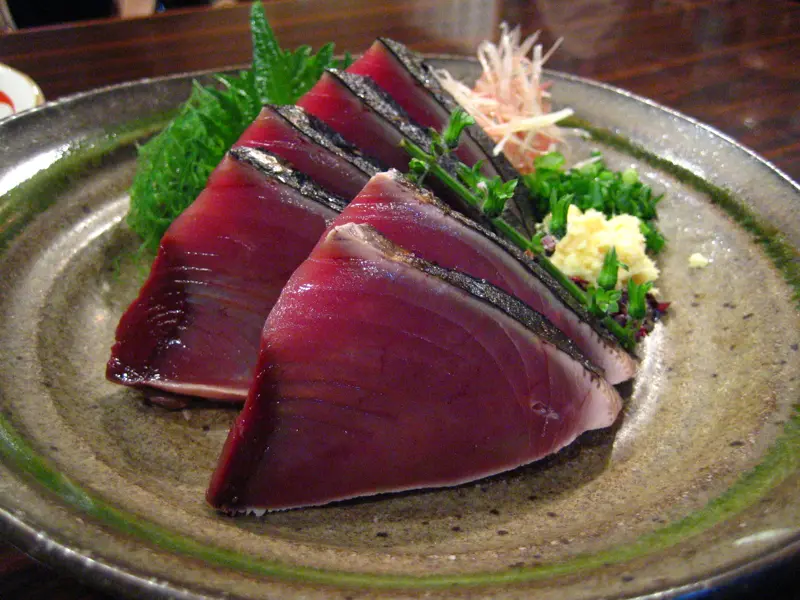
Katsuo tataki, flame-seared
Bonito seared over burning straw, salted, and eaten before the smoke clears — Kochi’s defining dish done theatrically at Myojinmaru’s Hirome Market stall. Non-negotiable.
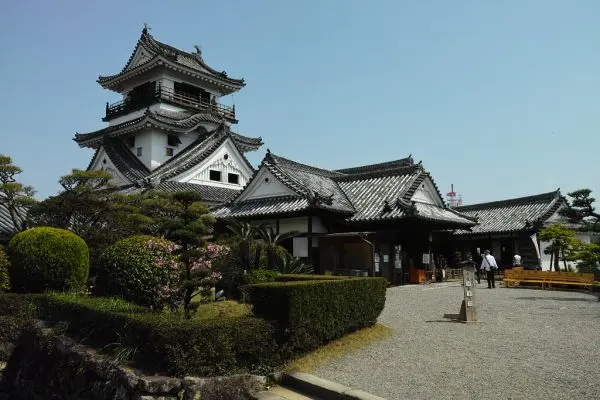
Hirome MarketGoogle Maps →Kochi Castle
One of only twelve original castles — keep, gates and palace all survived. Climb barefoot-steep stairs to the top and understand why nobody ever took it.
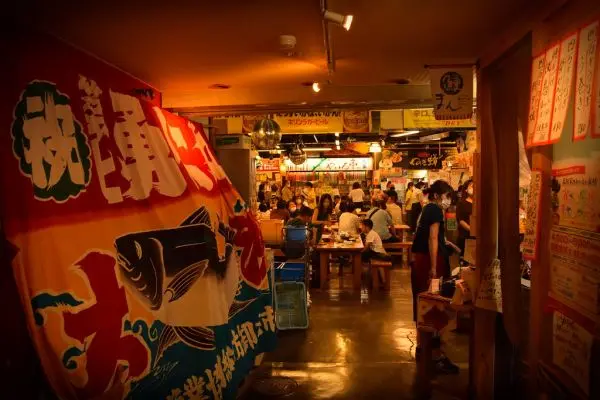
Shuttle + walkFull guide: Kochi Castle →Hirome Market
Sixty stalls, shared tables, day-drinking locals who will toast you — Kochi’s living room. Come hungry, leave with friends you cannot name.
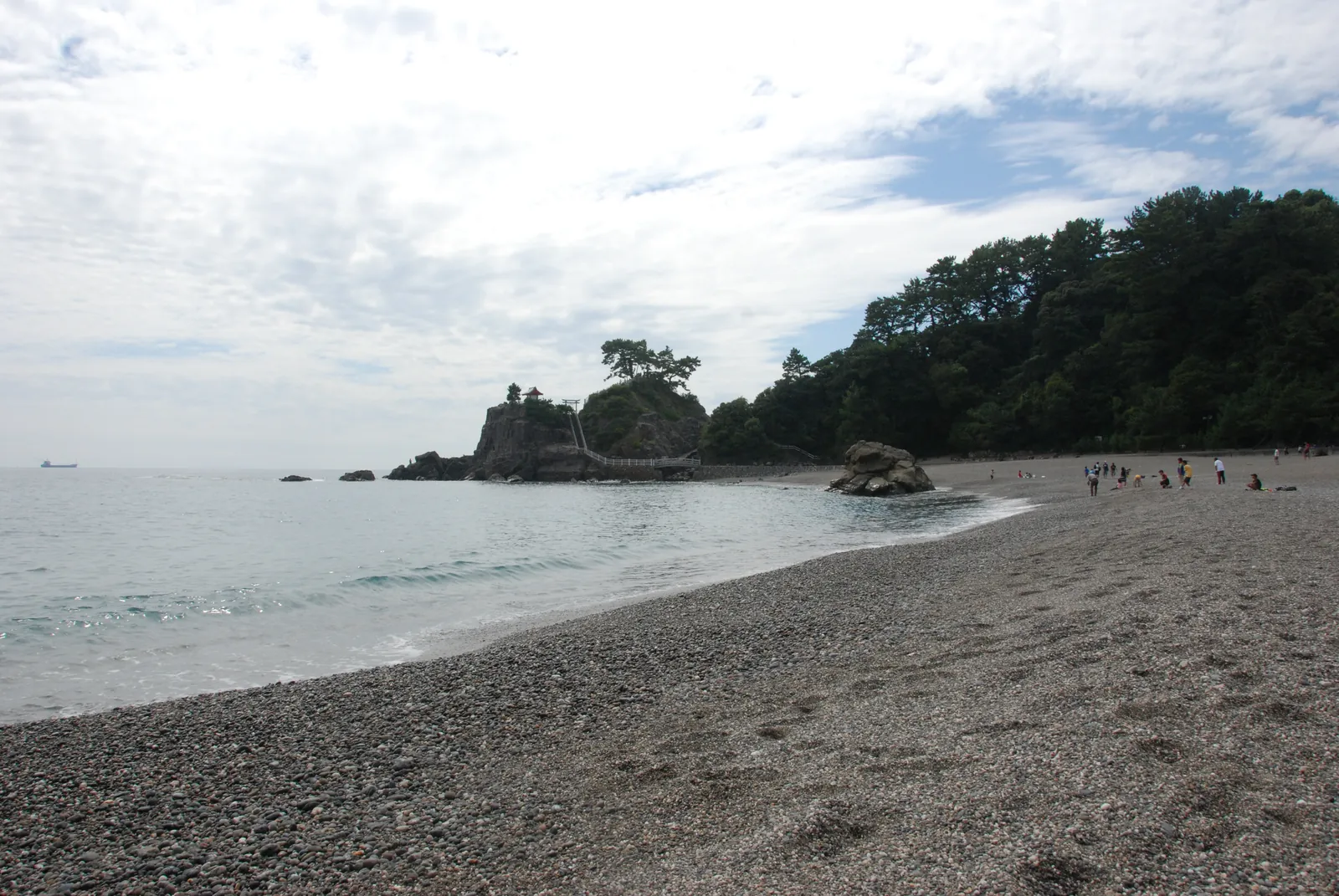
Beside the castleFull guide: Hirome Market →Katsurahama beach & Ryoma
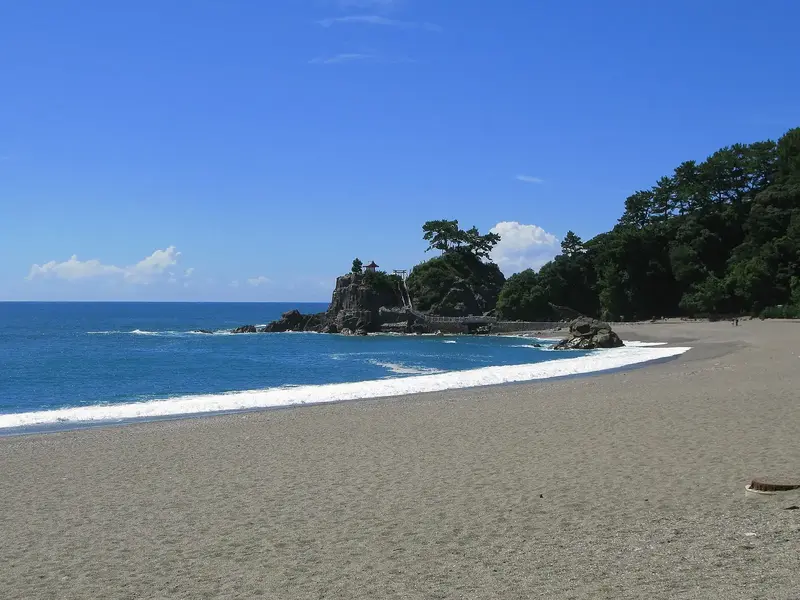
The crescent beach where Sakamoto Ryoma’s statue stares at the Pacific he opened Japan to. Needs wheels — pair it with a guided loop rather than gambling on taxis.
Taxi from the port, 10–15 minFull guide: Katsurahama →
The full Kochi day, guided
Kochi Castle, Hirome Market, Chikurinji temple and the Makino Botanical Garden with a local guide — the most-reviewed guided day at this port. It does not list Katsurahama, so add the beach separately if you want it. Fits only real full-day calls.
Castle & market half-day
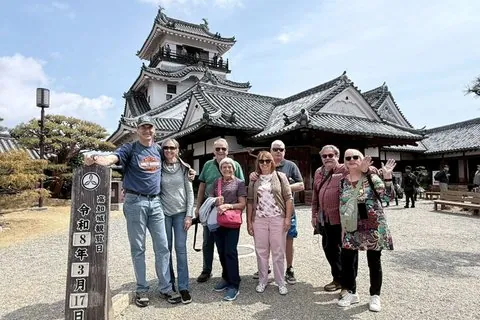
The city’s two anchors with a guide who explains what the plaques do not — and who watches your all-aboard clock so you can stop doing the math.
Sunday Market (Sundays)
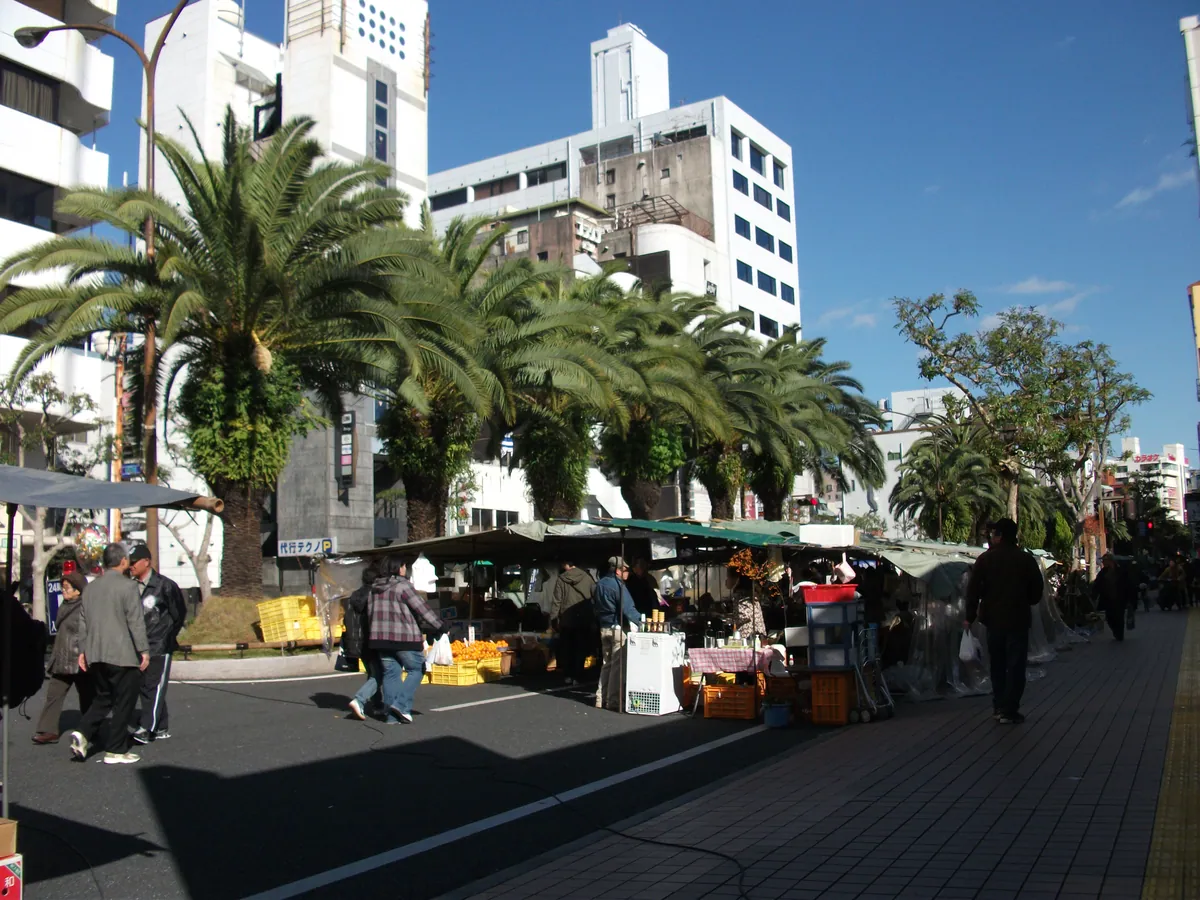
Three hundred years old, a kilometer long: yuzu, tomatoes, knives, ginger the size of fists. If your call lands on a Sunday, rearrange everything else around it.
City centerGoogle Maps →Yuzu everything
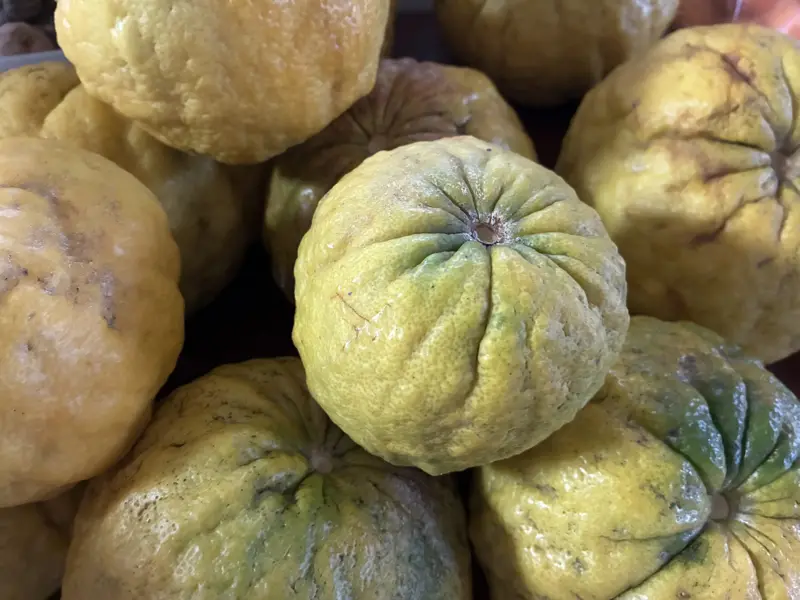
Kochi grows about half of Japan’s yuzu, and it shows up in juice, ponzu, kosho paste and soft serve. Buy the ponzu from Umaji village — chefs hoard it.
City centerGoogle Maps →Imo-kenpi at Imoya Kinjiro
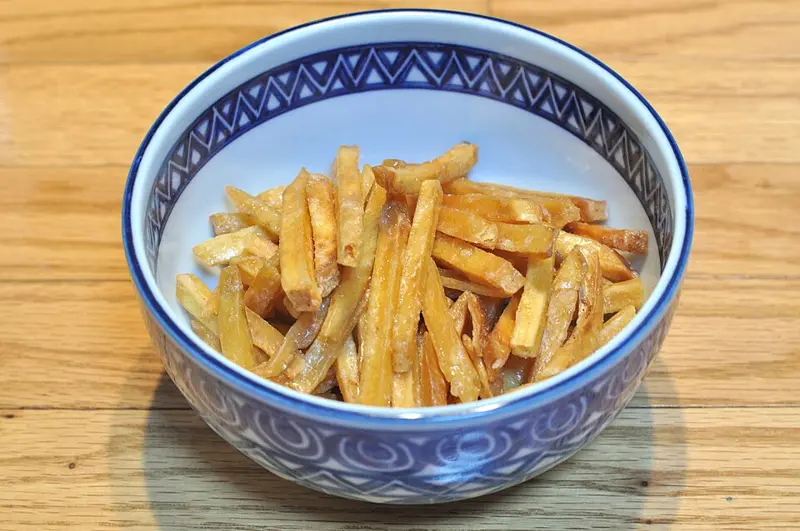
Sweet-potato sticks fried in fresh oil hourly — Kochi’s snack aristocracy. The warm bag from the flagship shames every supermarket version.
Oroshidanchi store, by taxi from the centreGoogle Maps →Tosa washi & forged knives
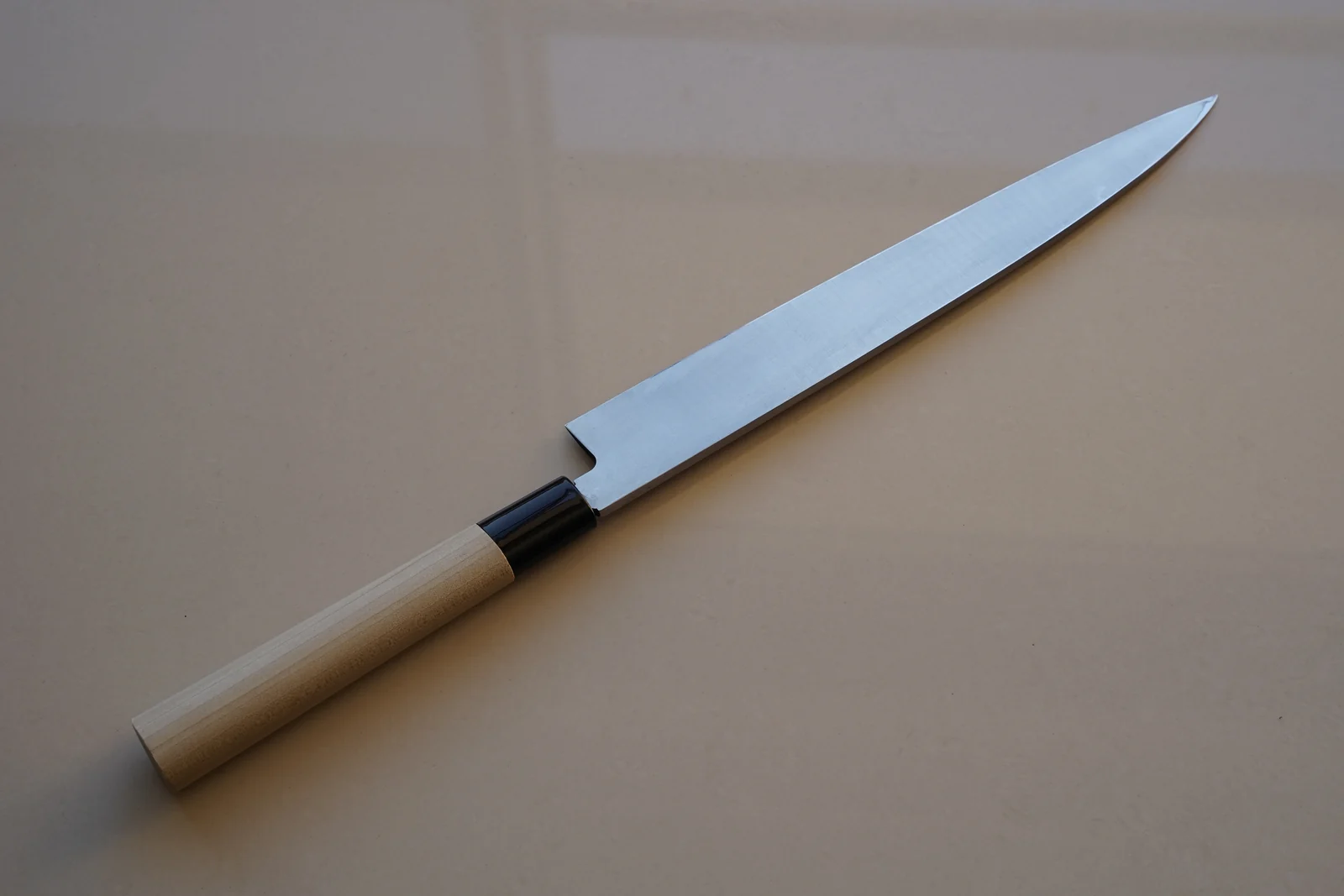
A thousand years of paper and six hundred of blacksmithing — Tosa washi glows and Tosa knives outlive their owners. Both pack flat and clear customs.
Obiyamachi arcadeGoogle Maps →