Home / Ports / Miyakojima / Top 10
The definitive list · Miyakojima10 things to do in Miyakojima
Ranked by one question: if you had a single call here, what would you regret missing? Every entry carries the round-trip time from the berth.
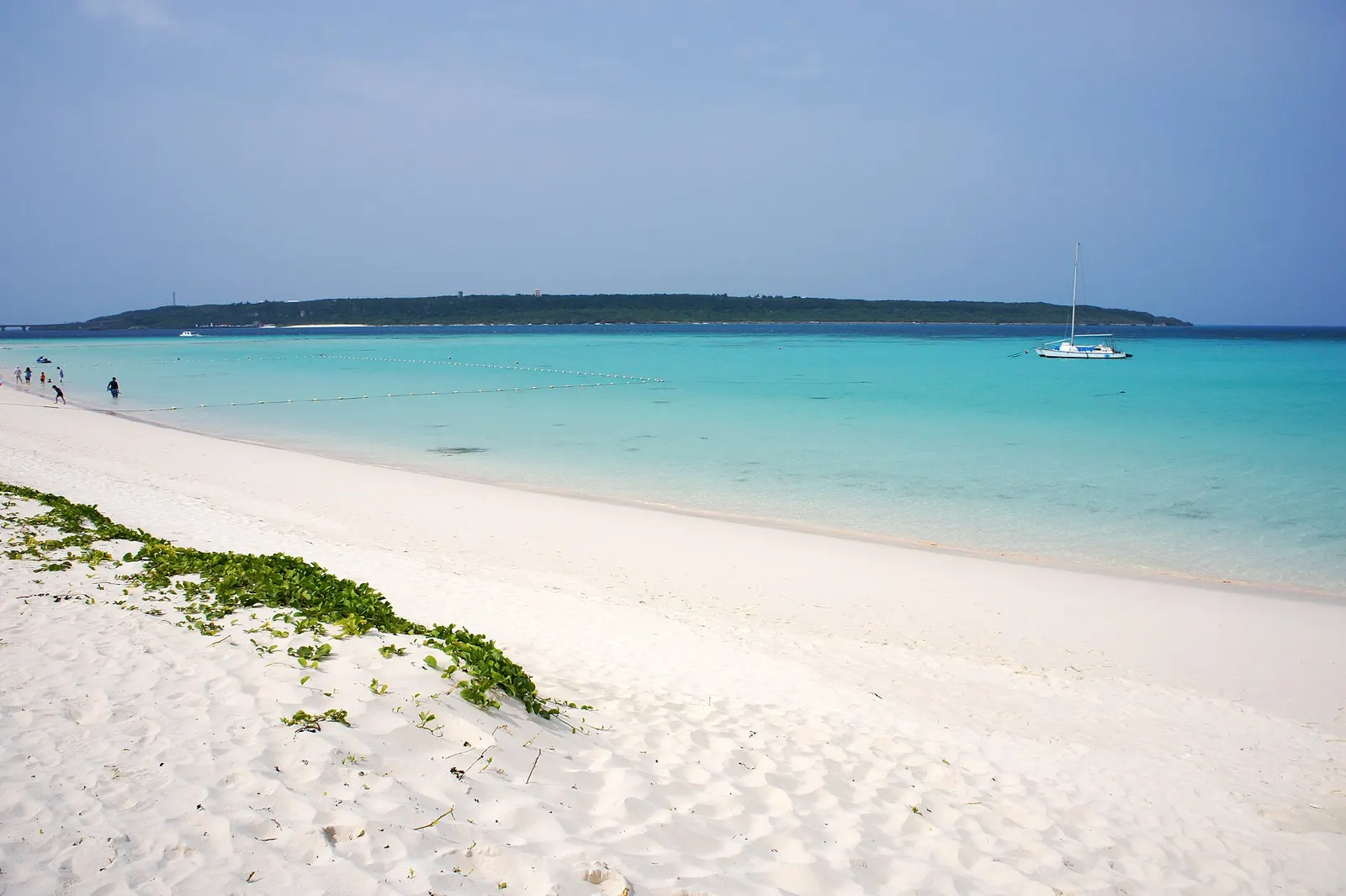
Yonaha Maehama beach
Seven kilometres of powder-white sand facing Kurima island — the beach every Japanese ranking calls the country’s best. Swim in season, walk it barefoot in any month.
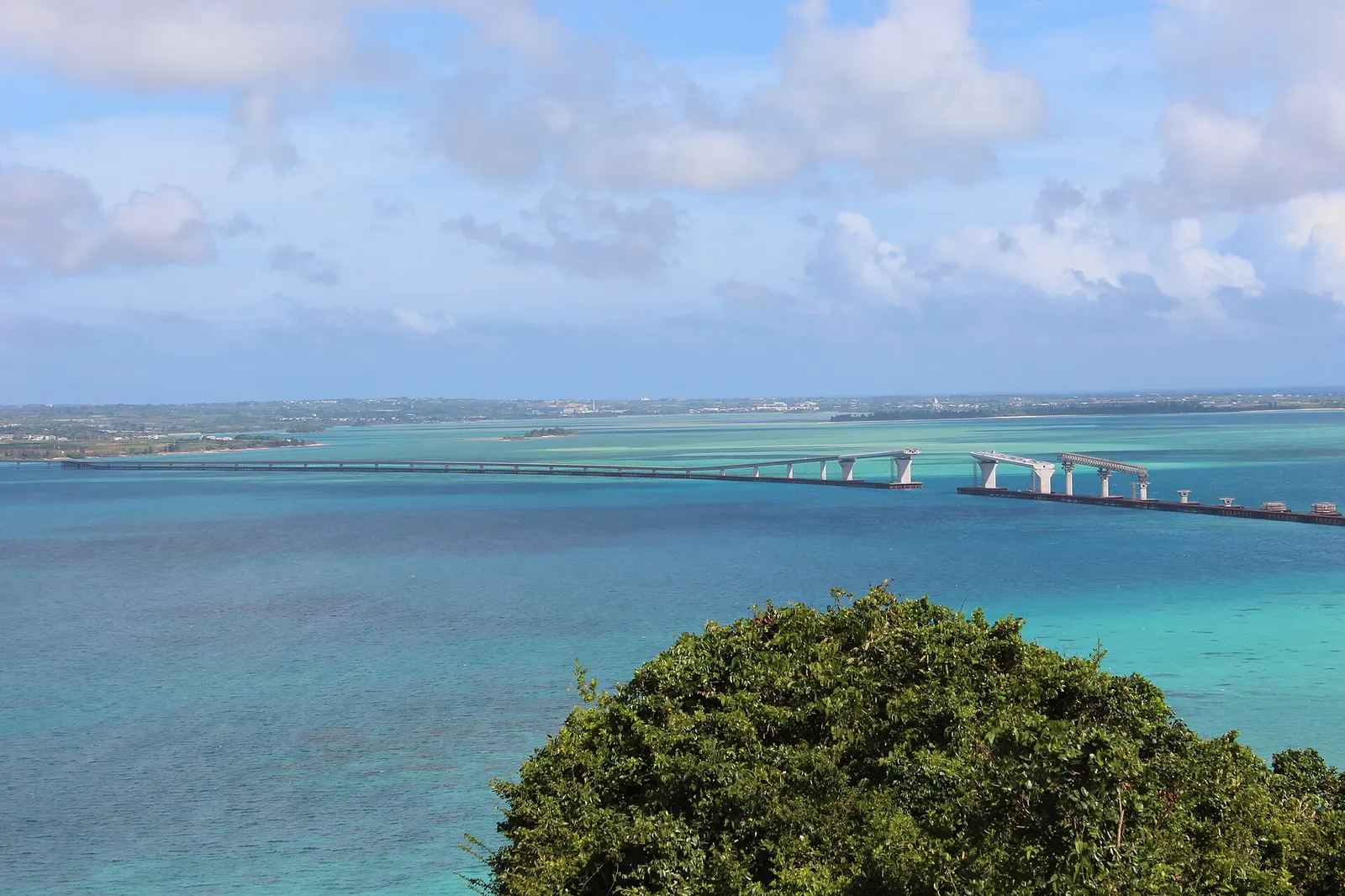
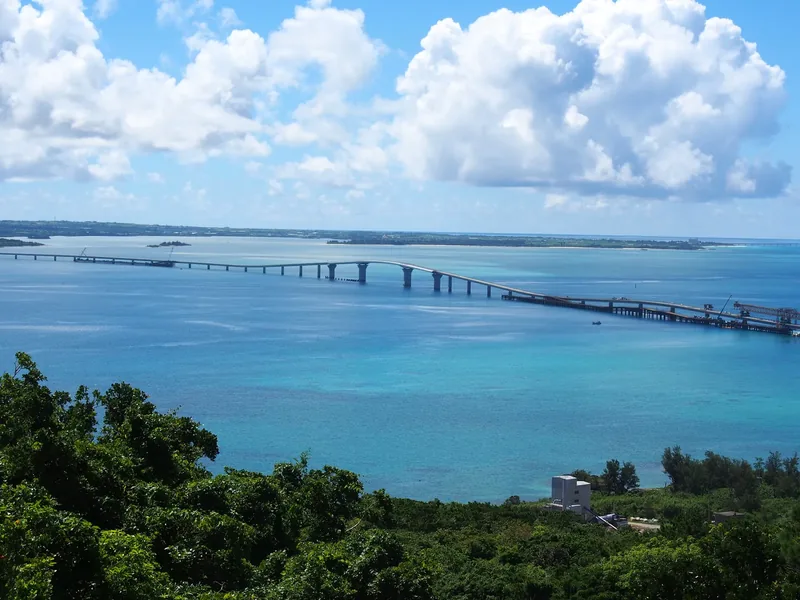
Car ~20 minFull guide: Yonaha Maehama →Irabu Ohashi crossing
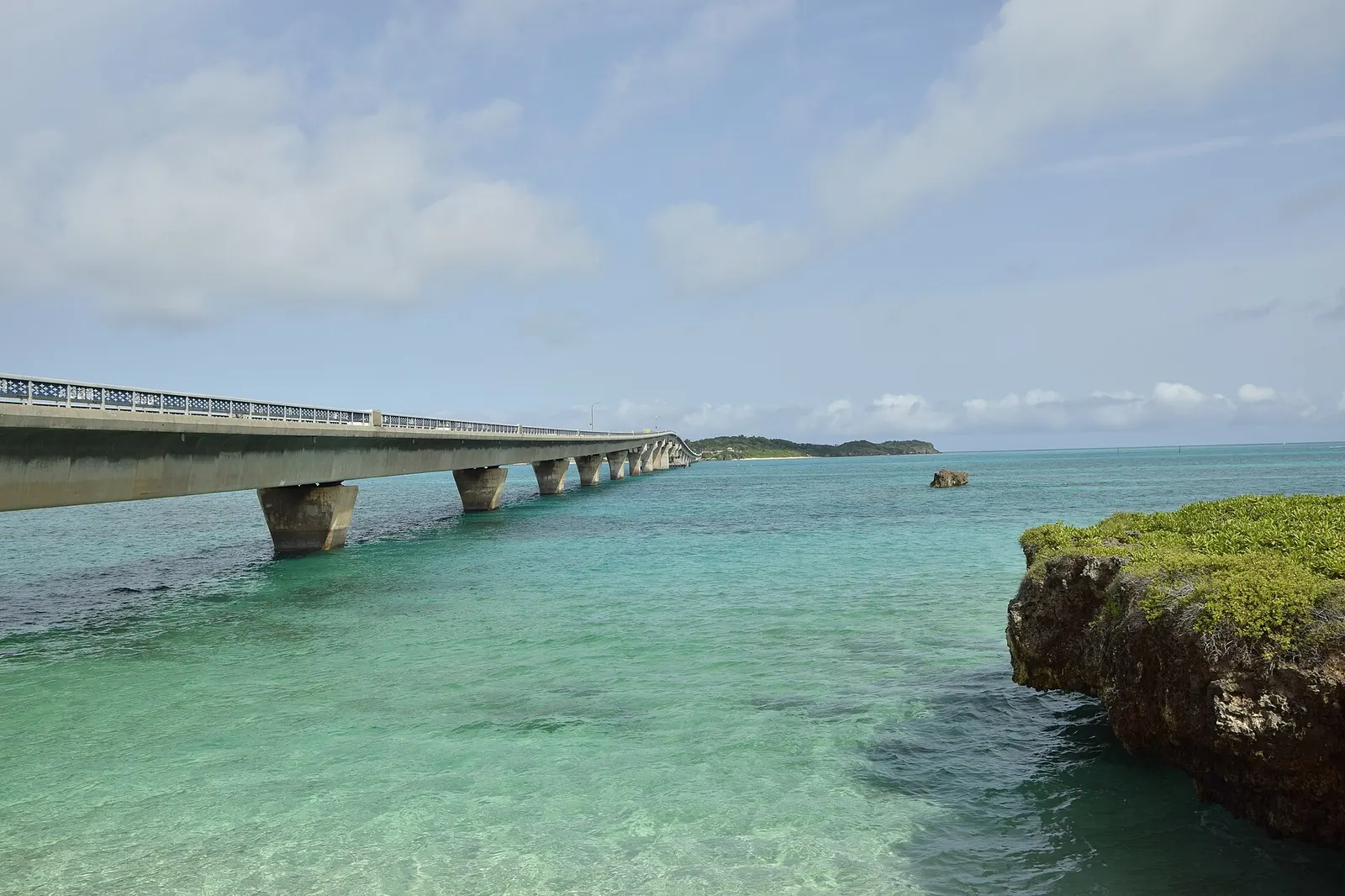
The longest toll-free bridge in Japan — 3,540m humped over open turquoise. The crossing itself is the sight; the far-side lookouts face back at the span.
Car ~10 min to the bridgeFull guide: Irabu Ohashi →Snorkel the reef, guided
The riverless island’s visibility is the whole sales pitch — and it is true. Coral gardens and turtles sit minutes offshore; go with a licensed operator and booked-before-you-sailed times.
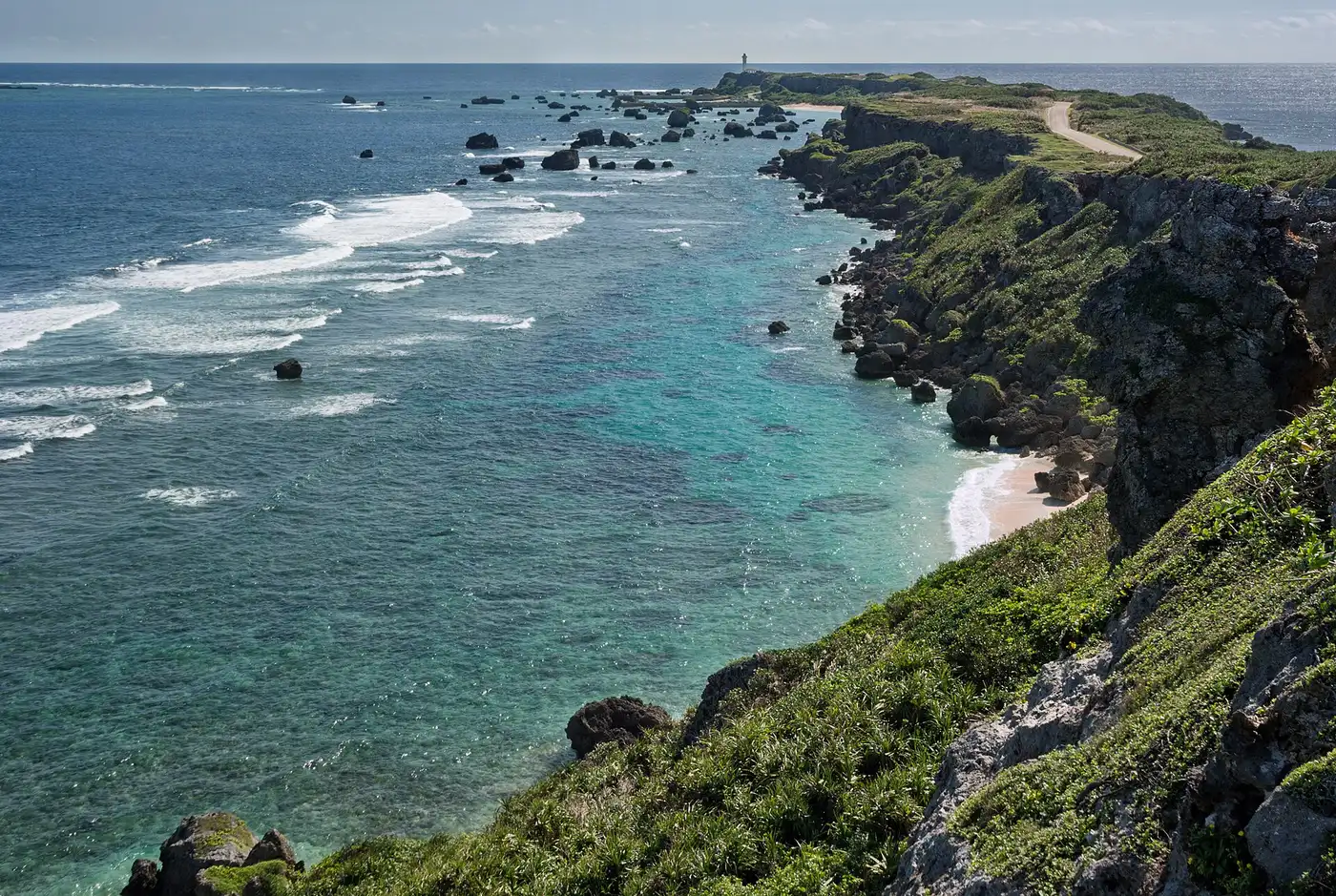
Operator pickupGoogle Maps →Higashi-Henna Cape
A two-kilometre grass blade of cliff dividing two seas, lighthouse at the tip. Nationally designated scenic beauty, and the island’s best walk that is not a beach.
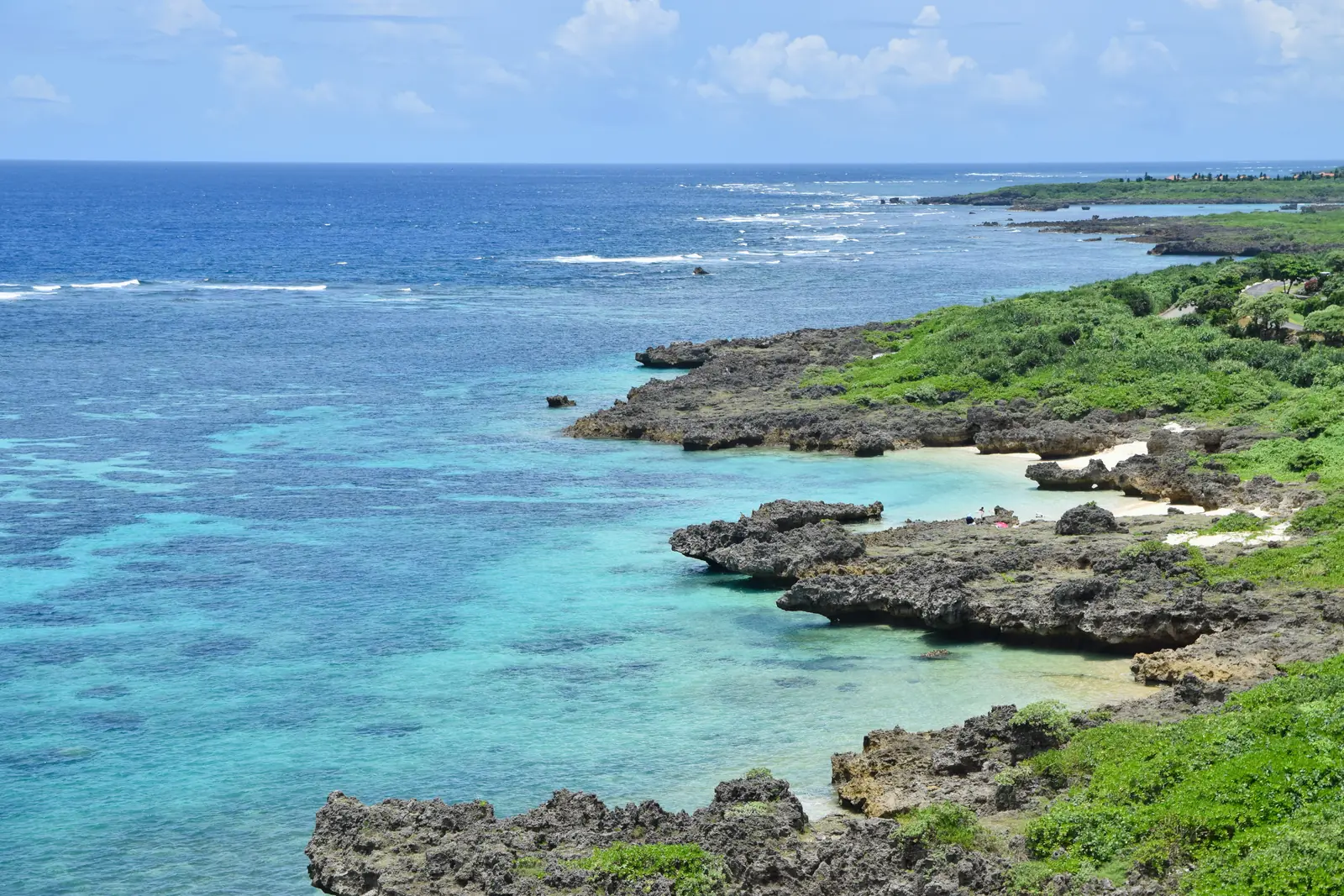
Car ~30 minFull guide: Higashi-Henna Cape →Sunayama Beach
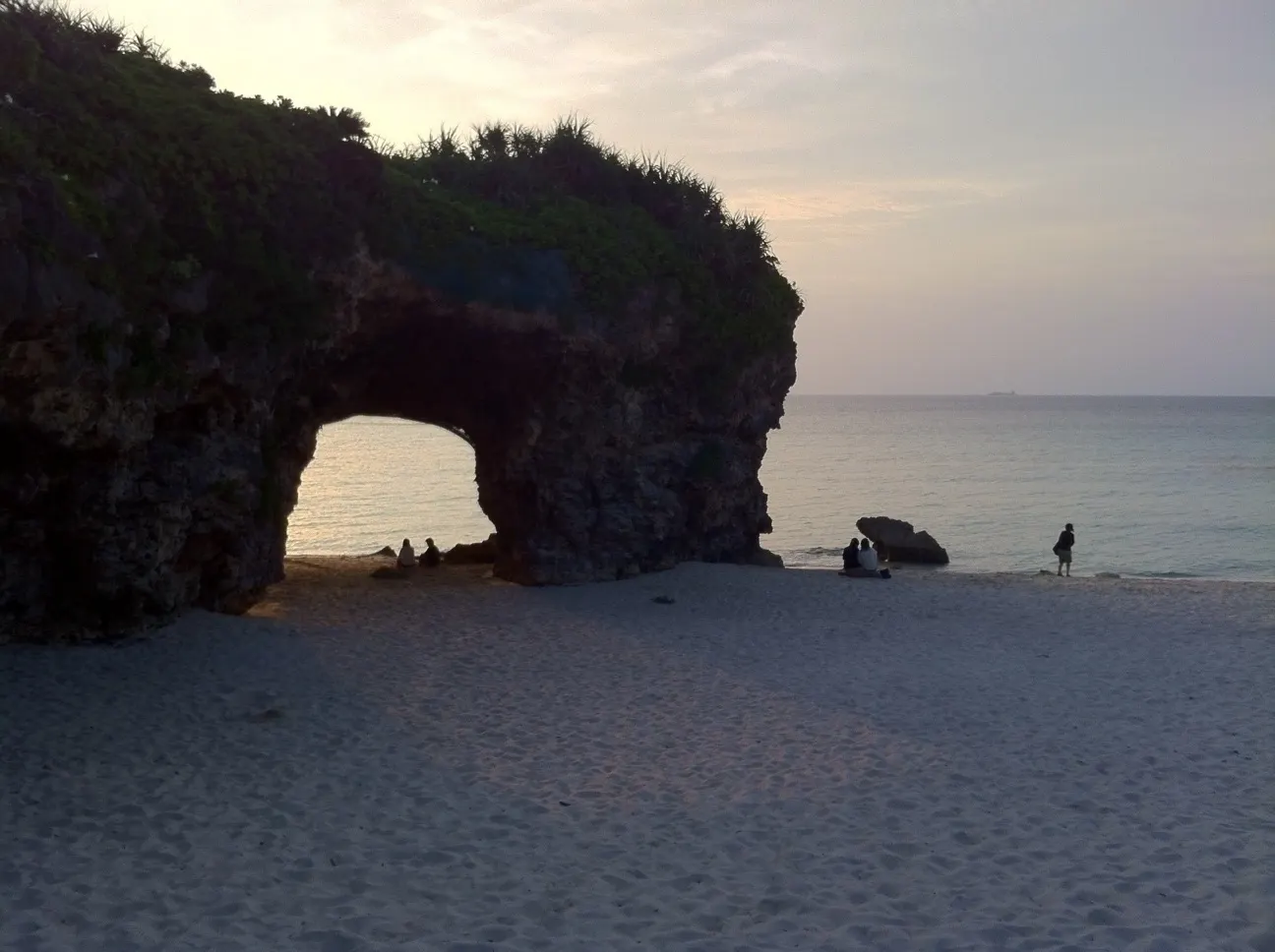
Over a sand dune and down to a cove with a wave-cut arch. The arch is roped off after rockfalls — honesty requires saying so — but the cove remains the island’s prettiest small beach.
Car ~10 min, or ~40 min on footFull guide: Sunayama Beach →Ikema Ohashi & the north cape
The 1992 bridge to a fishing island, with the Yabiji reef — Japan’s largest coral table — under the horizon beyond. Pair with the salt works on the cape road.
Car ~30 minFull guide: Higashi-Henna Cape →Miyako soba at an old house
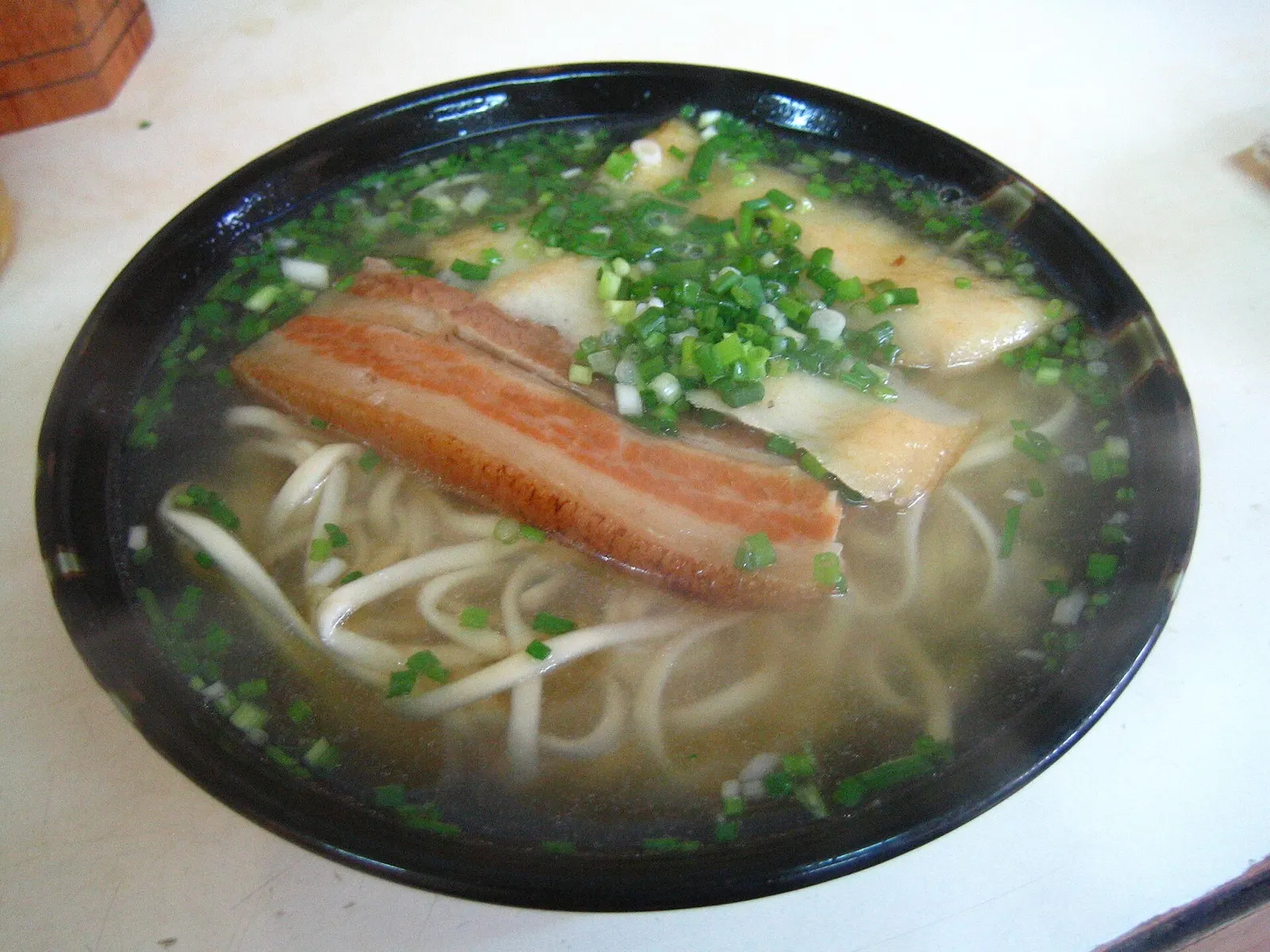
Flat noodles, clean pork-and-fish broth, toppings hidden under the noodles in the old tax-era style — the story of the island in a ¥900 bowl.
Hirara townGoogle Maps →Hirara town walk: utaki, stone, market
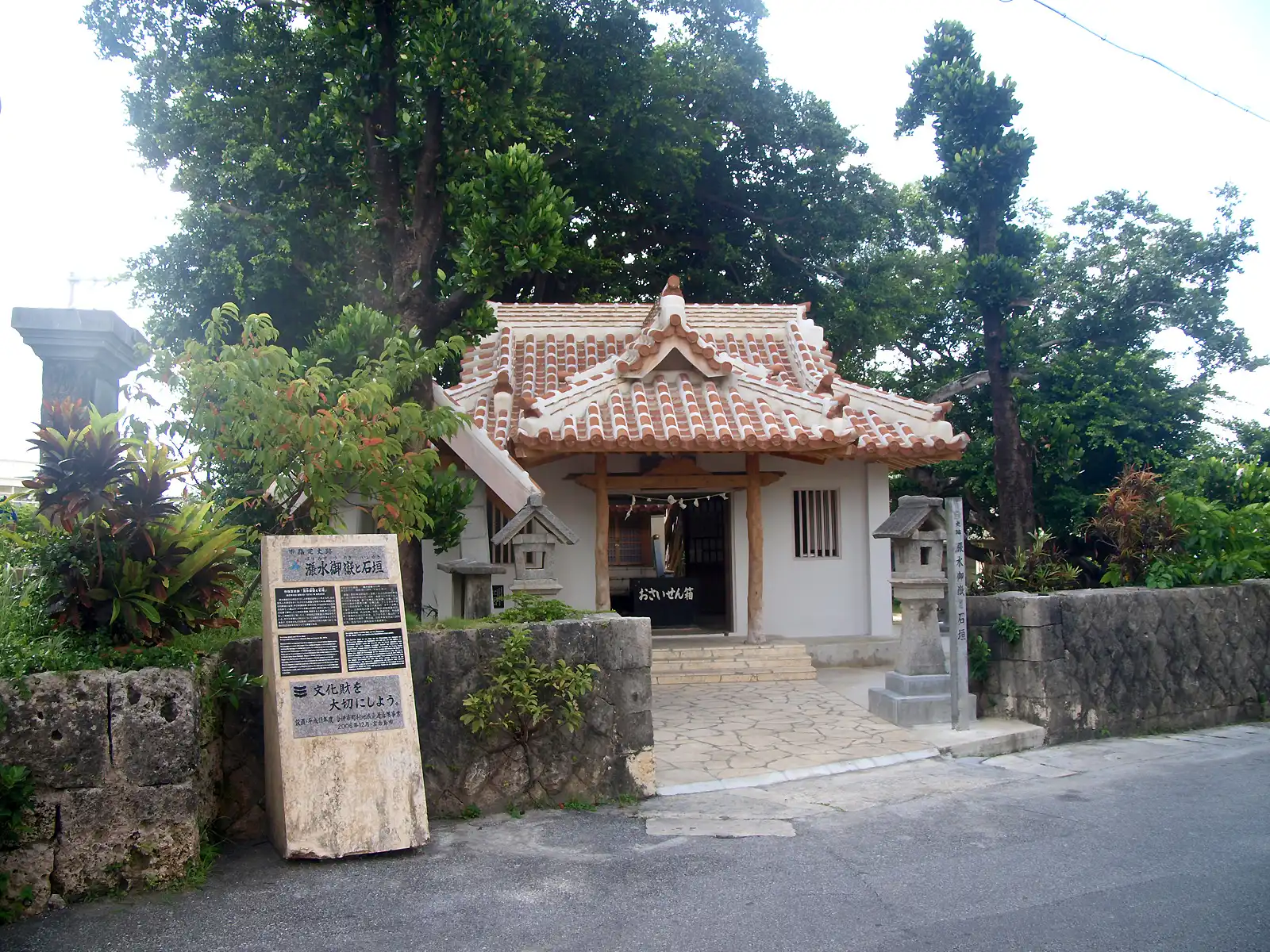
The island’s oldest shrine, the poll-tax stone and the public market inside one flat kilometre — the only major sight cluster reachable from the gangway on foot.
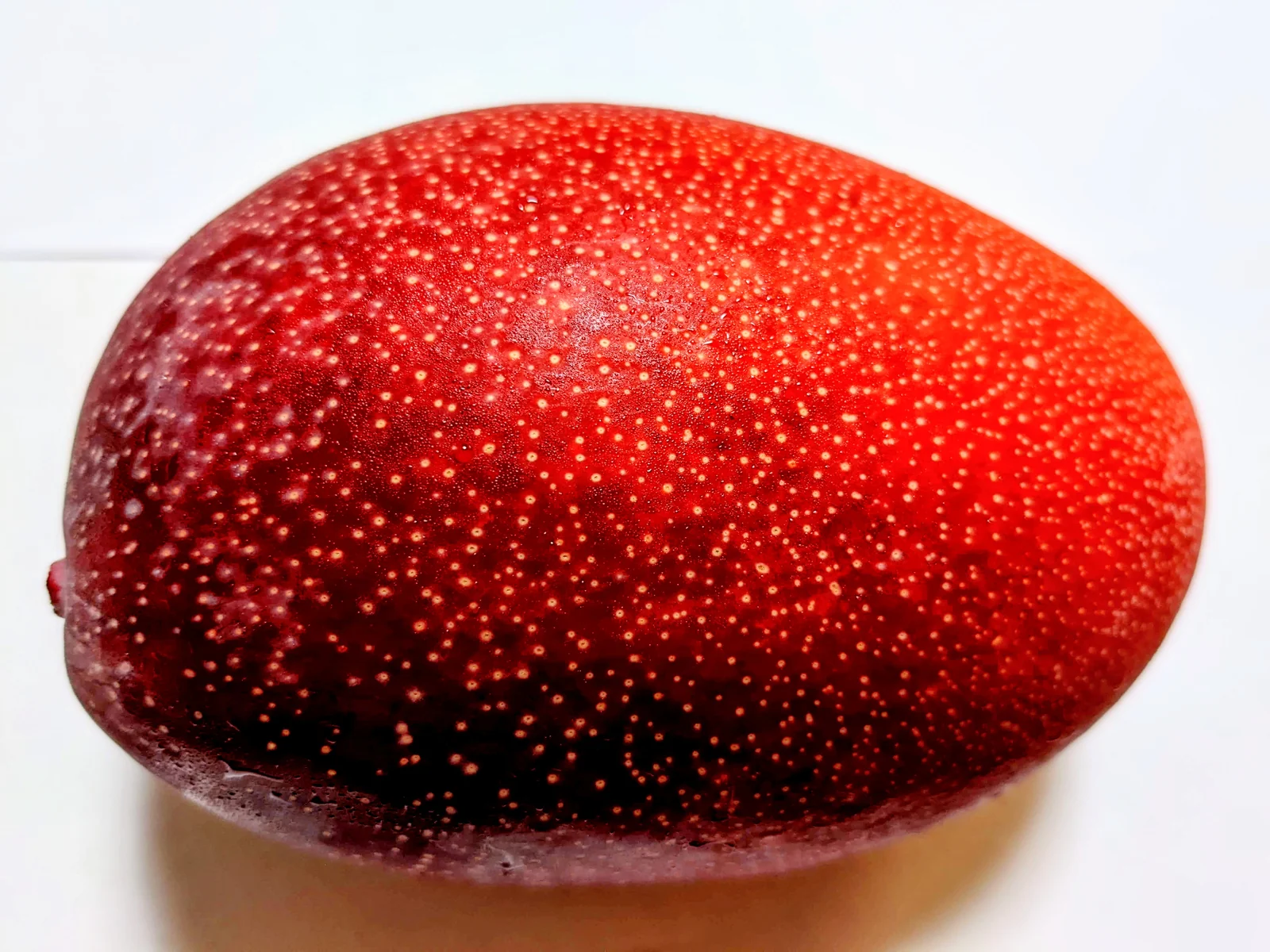
10–20 min walkGoogle Maps →Mango, whole, in season
June to August the island’s farms serve their own fruit over ice at parlour counters. Out of season, honesty says skip it — frozen mango is not the same argument.
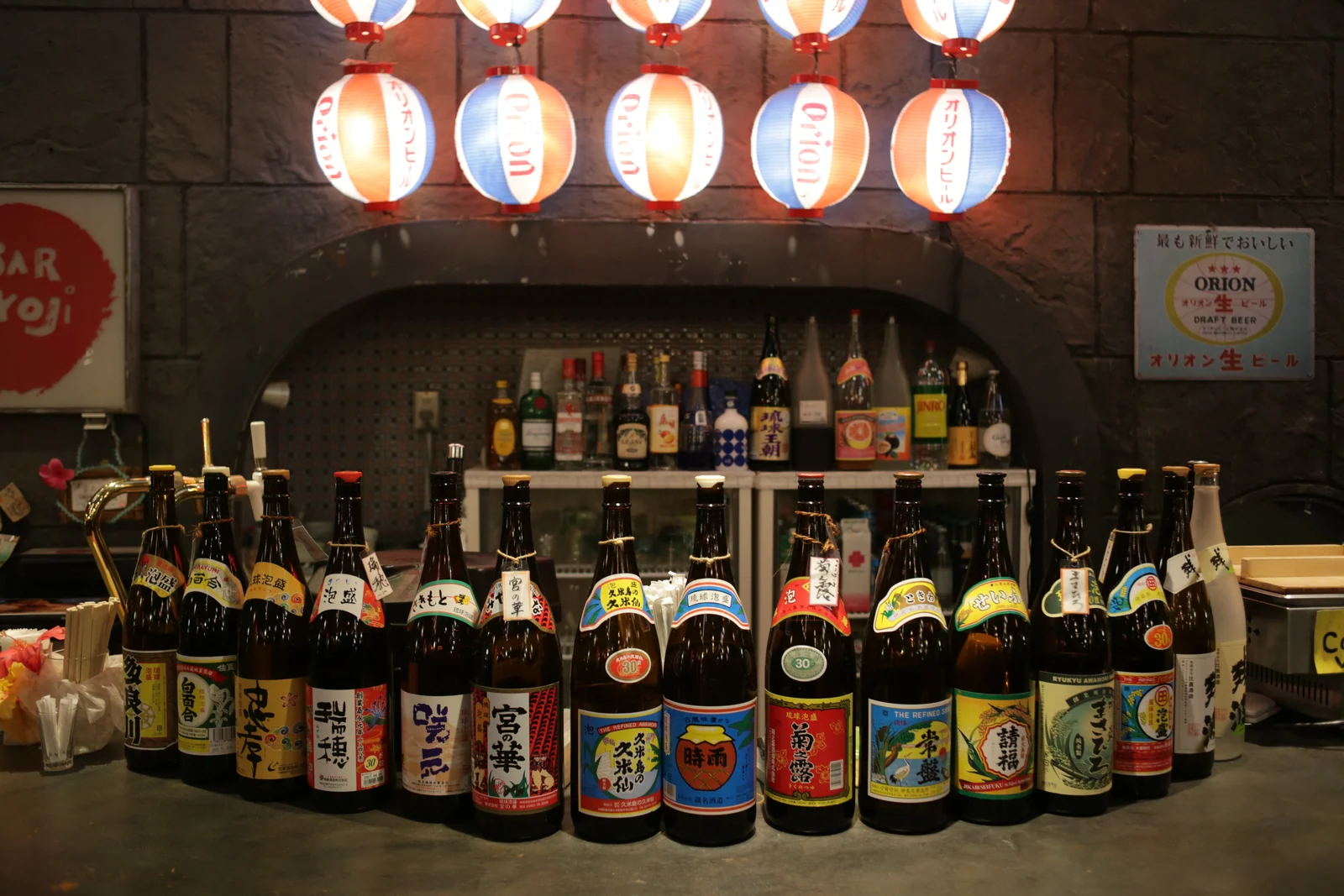
Car ~15 minGoogle Maps →Snow salt & awamori
Yuki-shio powder salt from reef seawater, and the island distilleries’ awamori — the two bottles that carry Miyako home in a daypack.
Museum or town shopsGoogle Maps →