 Photo: Nesnad / CC BY 4.0
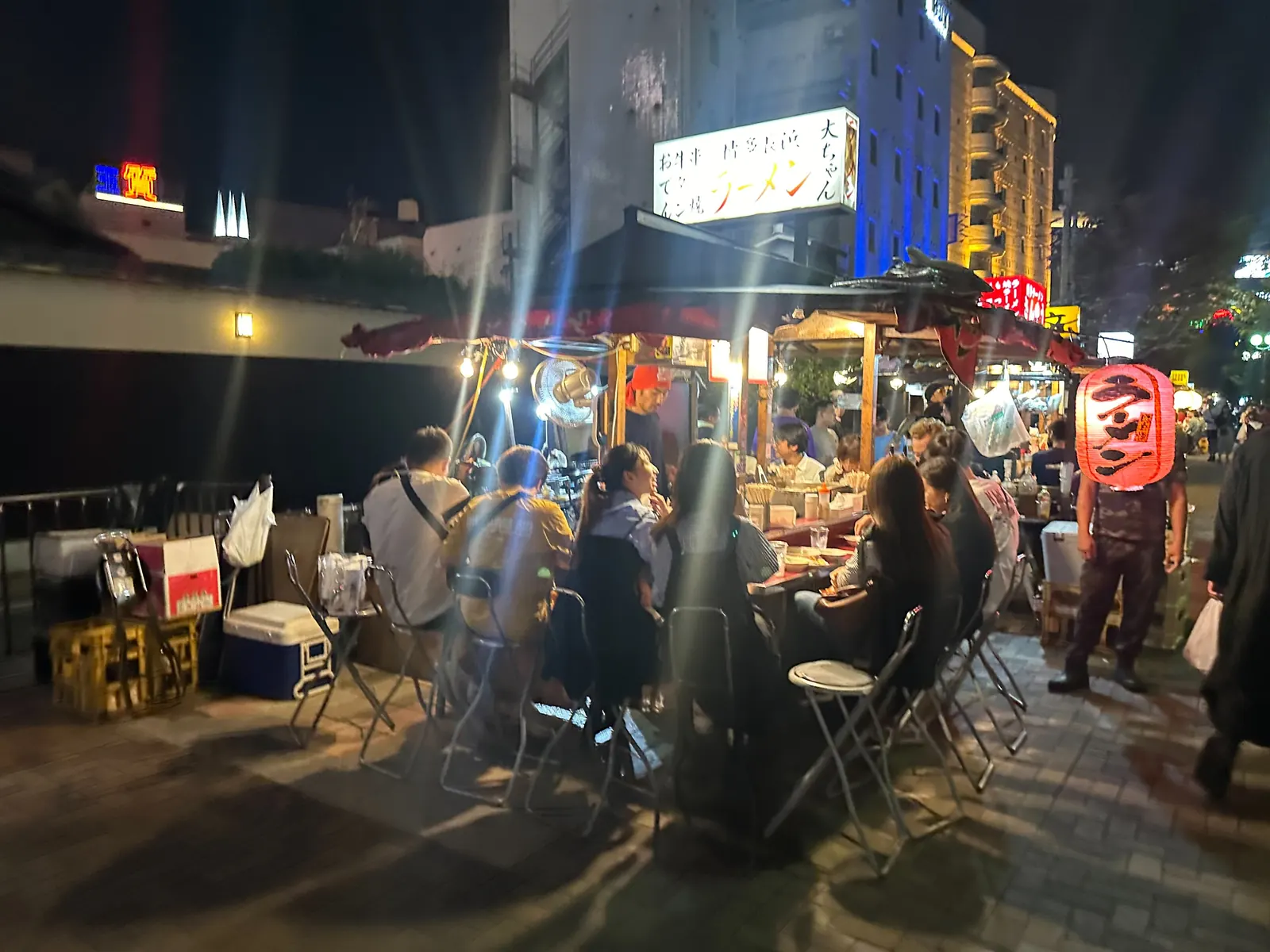
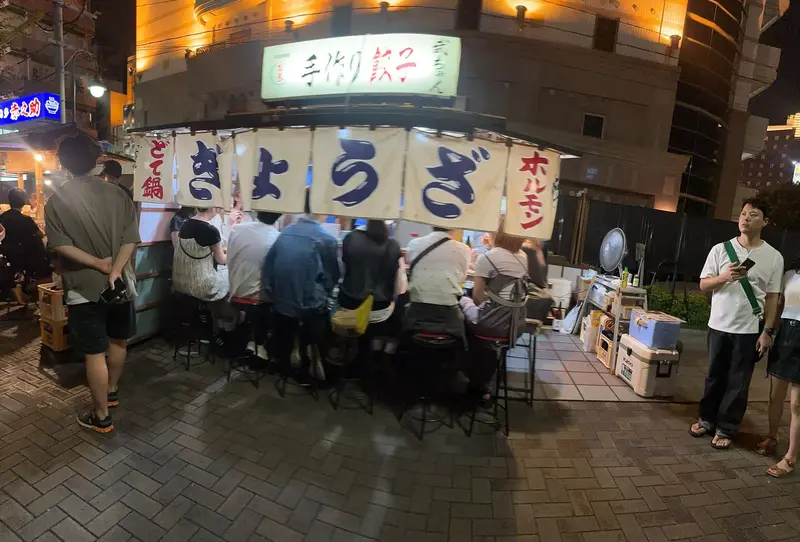
A yatai on Nakasu, after dark
Around a hundred licensed street stalls — the majority of every yatai left in Japan — set up at dusk on the river and are gone by dawn. Eight seats, a plastic sheet, ramen and beer, and the person beside you will talk to you.
Taxi ~15 minFull guide: The yatai →Hakata tonkotsu ramen
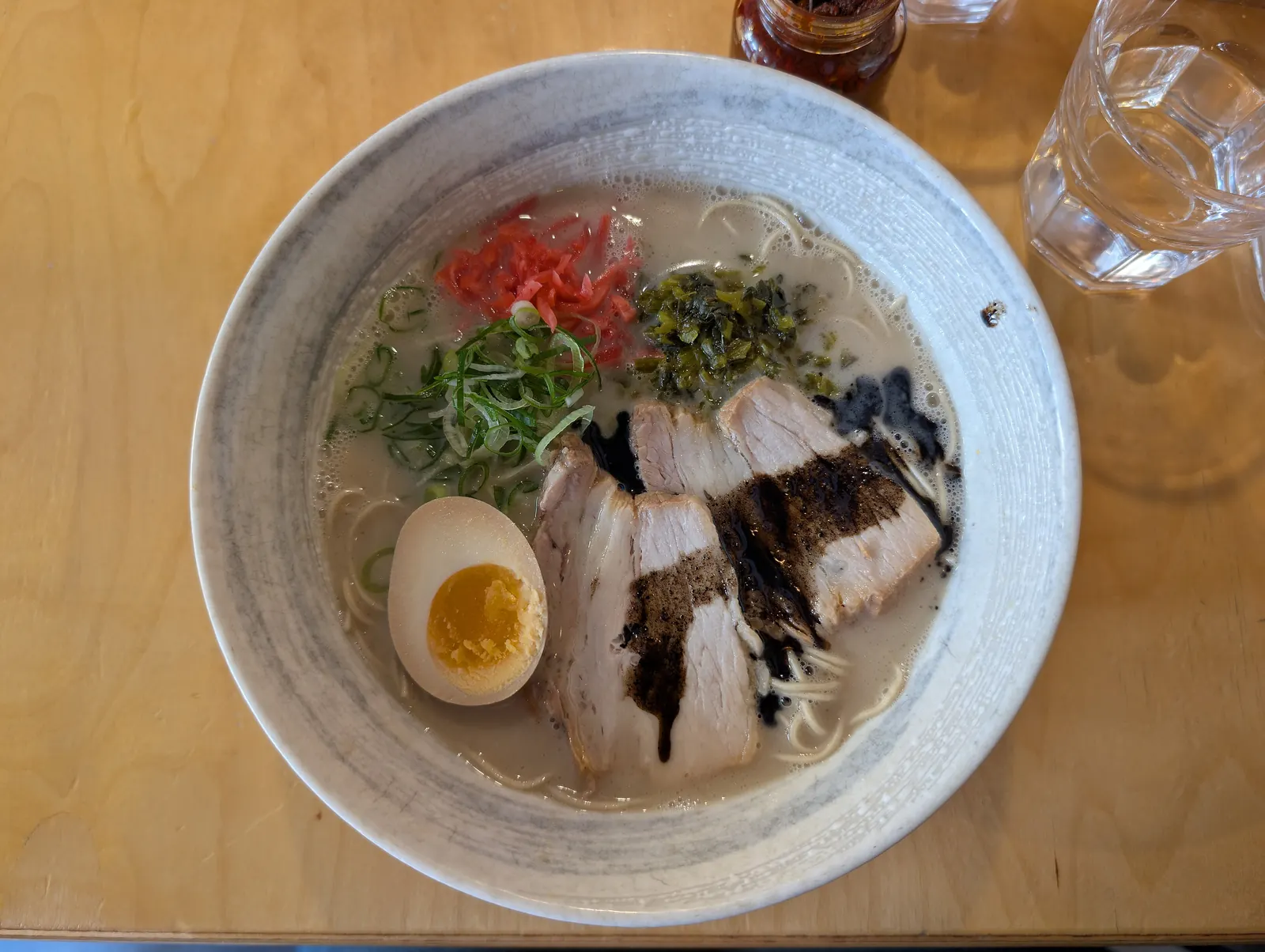
Pork bone boiled until it emulsifies, thin straight noodles that cook in seconds, and kaedama — a second helping of noodles dropped into the broth you have left. Order barikata if you want them firm.
Bus/taxiGoogle Maps →Dazaifu Tenmangu
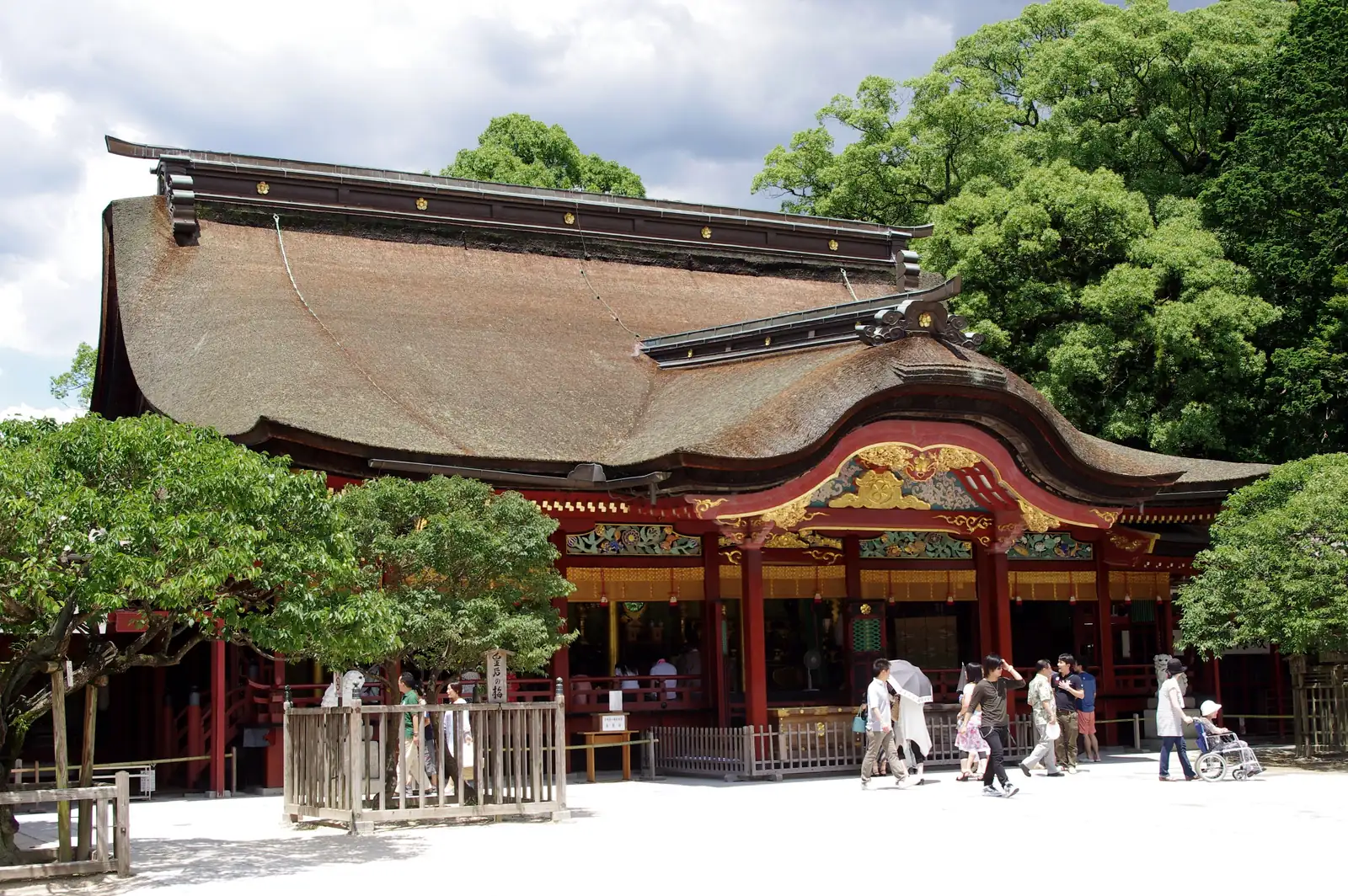
Sugawara no Michizane was exiled here in 901 and died two years later; a series of disasters in the capital convinced the court he had become a god. Students across Japan still come before exams.
Train ~30 minFull guide: Dazaifu Tenmangu →Kushida Shrine and the Yamakasa float
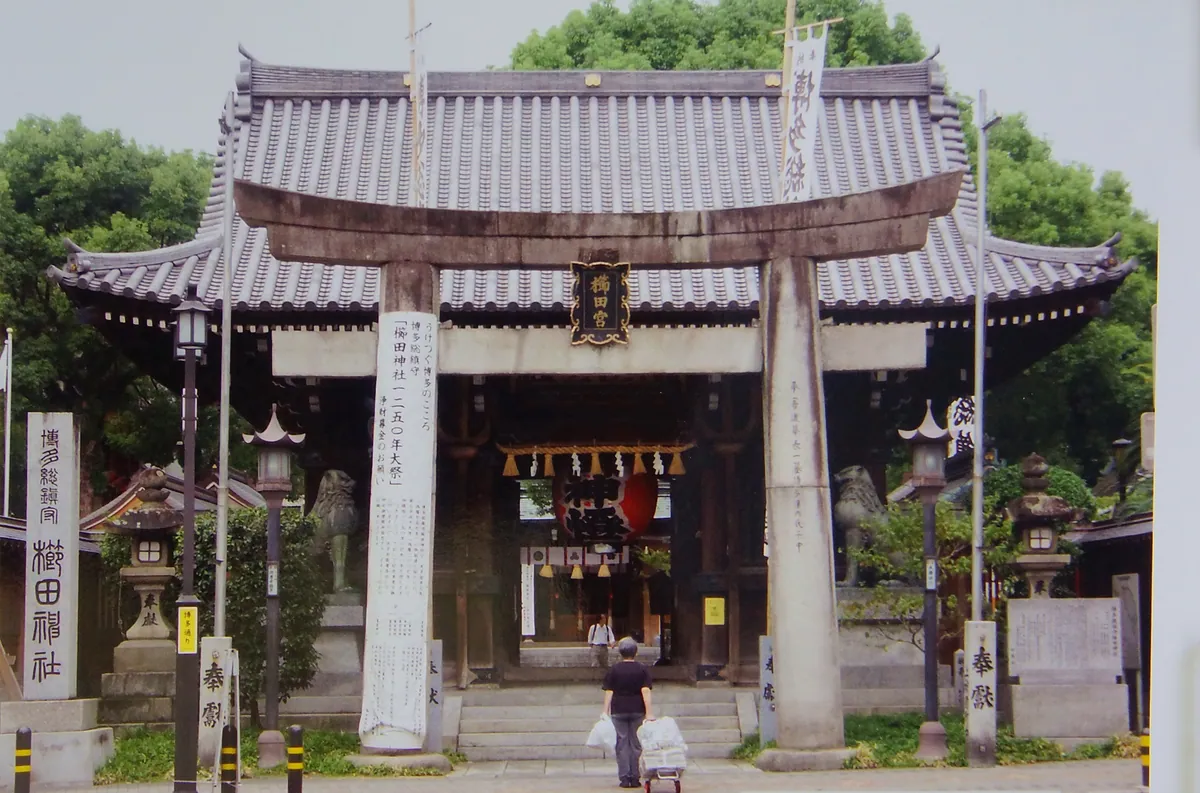
A decorated Yamakasa float stands here all year. In July, one-tonne versions are raced five kilometres through the city starting at 4:59 in the morning, by teams that have trained for it since childhood.
Bus/taxiFull guide: Kushida Shrine →Mentaiko to take home
Spicy cod roe, brought from Korea and reinvented in this city in 1949. It is the souvenir the rest of Japan buys when it comes here, and refrigerated packs travel a day fine.
Hakata StationGoogle Maps →Motsunabe and gomasaba
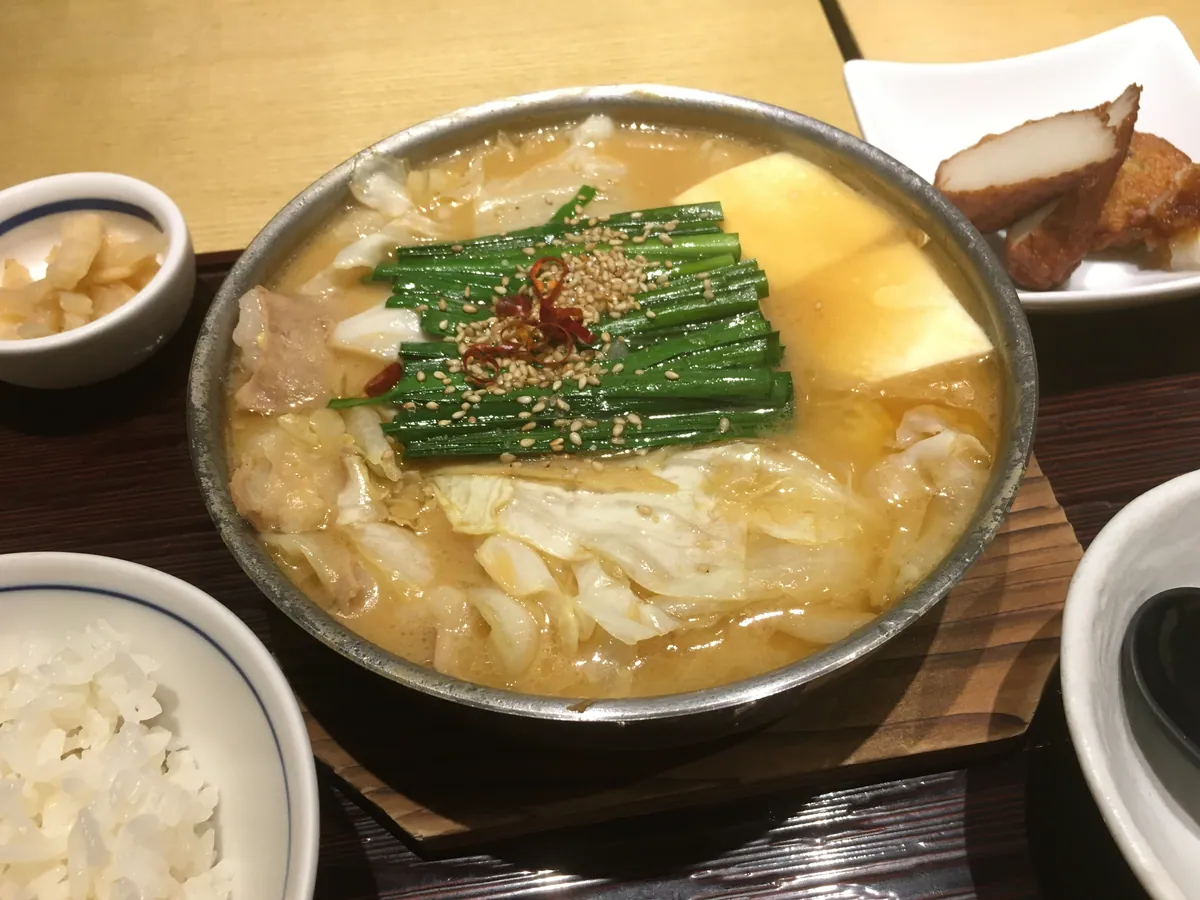
Offal hotpot in a garlic-and-chive broth, and raw mackerel dressed in sesame. Mackerel is normally cooked because it spoils fast; this city is close enough to the boats to serve it raw.
Nakasu/TenjinGoogle Maps →Ohori Park and the castle ruins
The outer moat of Fukuoka Castle, remade as a Chinese-style pond garden with islands and bridges. The castle itself is ruins and stone walls — no keep survives — and the park is where the city actually goes.
Tochoji’s wooden Buddha
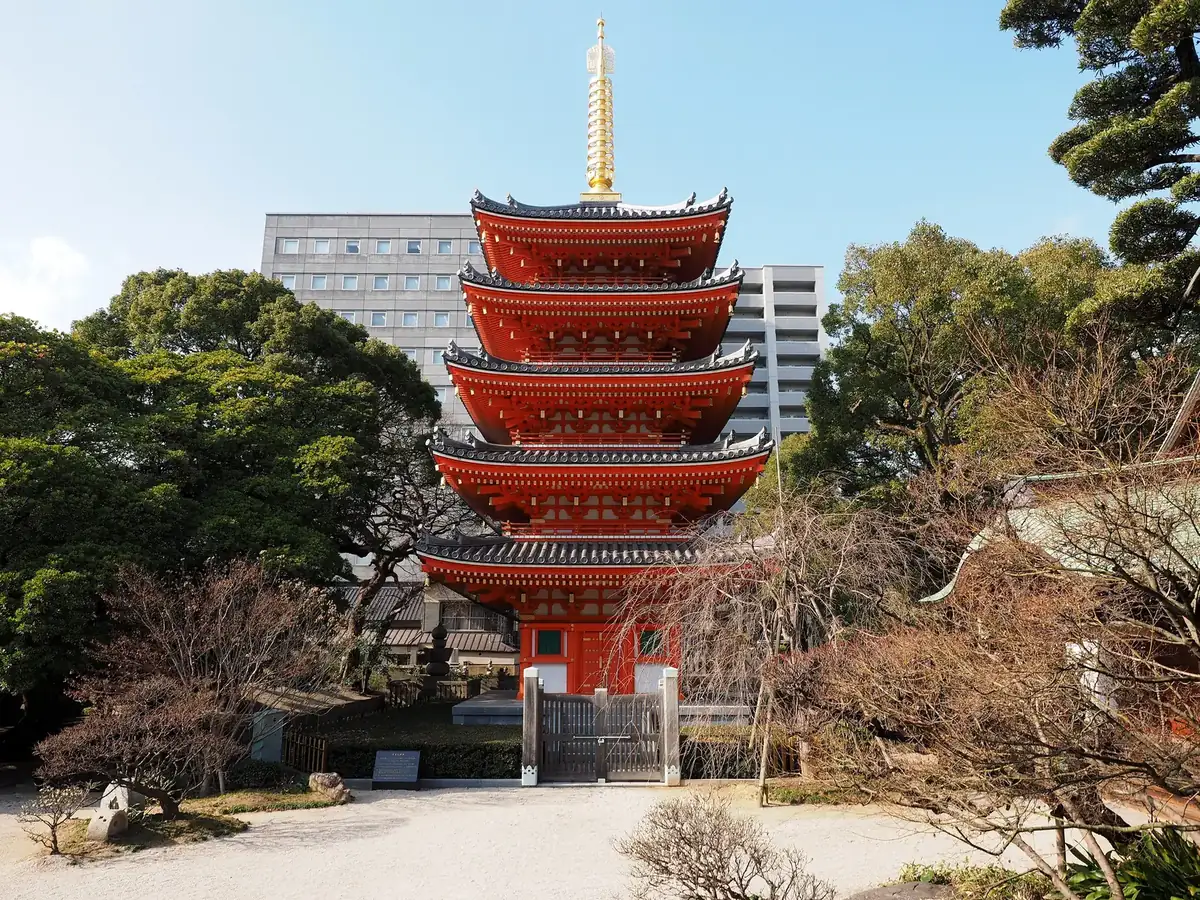
Japan’s largest seated wooden Buddha, over ten metres, with a dark walk-through passage beneath it representing hell. Founded by Kukai in 806 on his return from China, which makes it one of the oldest Shingon temples anywhere.
The Mongol invasion wall
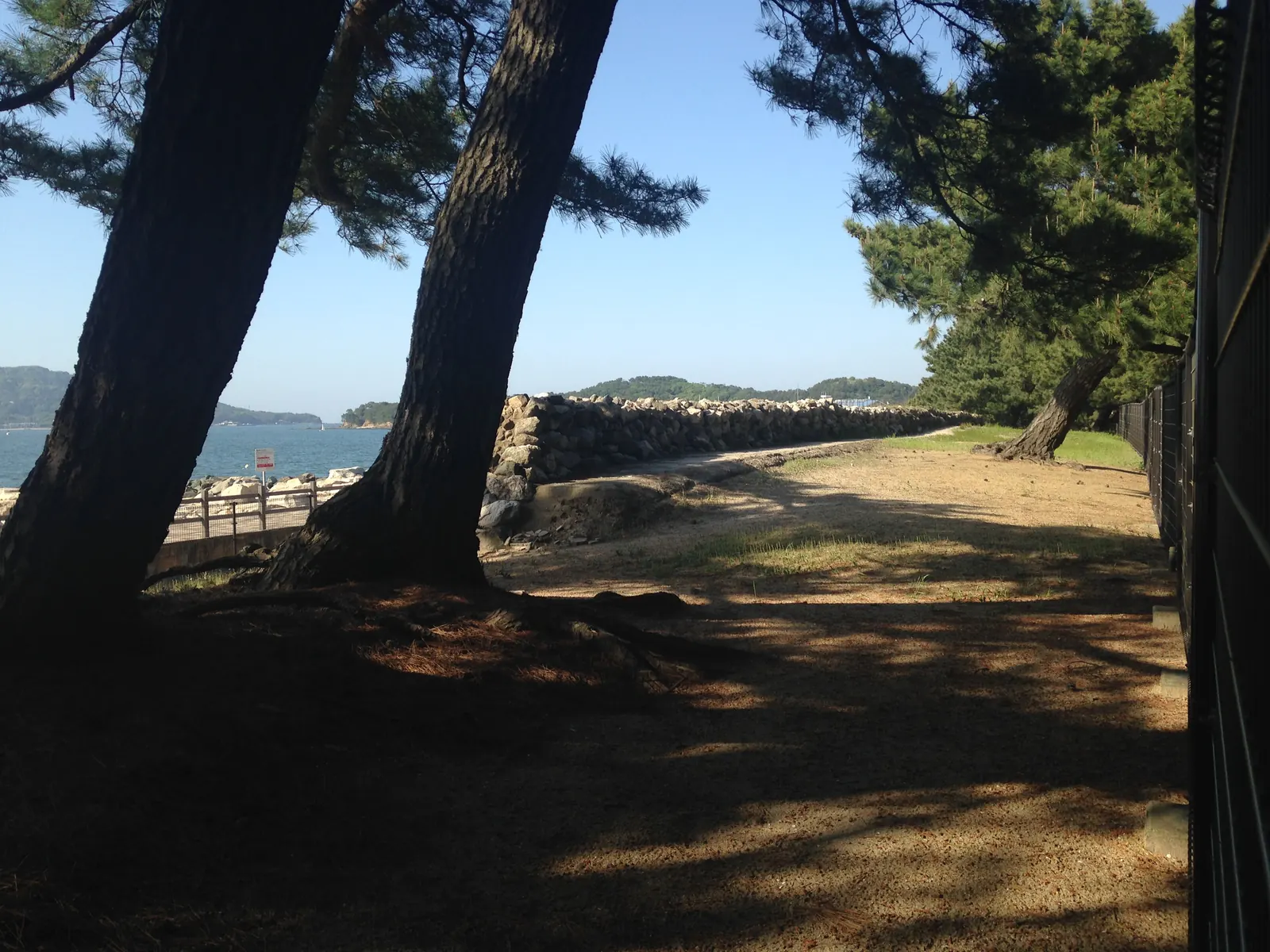
After the Mongols landed in 1274, Japan built a stone wall along twenty kilometres of this bay. When they returned in 1281 it held them offshore until a typhoon destroyed the fleet — the storm that gave the word kamikaze its meaning.
Subway + walkGoogle Maps →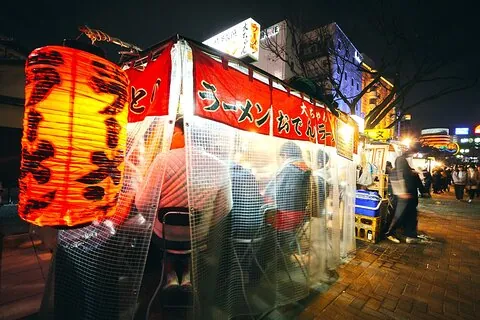
The night city, guided
Yatai, izakaya and whatever follows, with somebody who can order and translate. Fukuoka is one of very few Japanese ports where a late stay is the point rather than a bonus.