Pick your hours and you get a finished day — every step timed from the gangway and back, and each route says how much room it leaves you before all-aboard. Swap anything you don't fancy.
Timed shore plans, measured from your gangway · port-of-japan.com/fukuoka/ · Verified
Finished days, timed from the gangway
Your day in Fukuoka, hour by hour
Pick the one that fits your call. Times count from the moment you step off, and every plan is back on board an hour before all-aboard.
4–6 hours ashore · 3 hr door to door
Hakata in three hours
2–3 hours ashore
On a 4-hour stop that leaves 1 hr spare — the full hour this site recommends, and then some.
+0:00
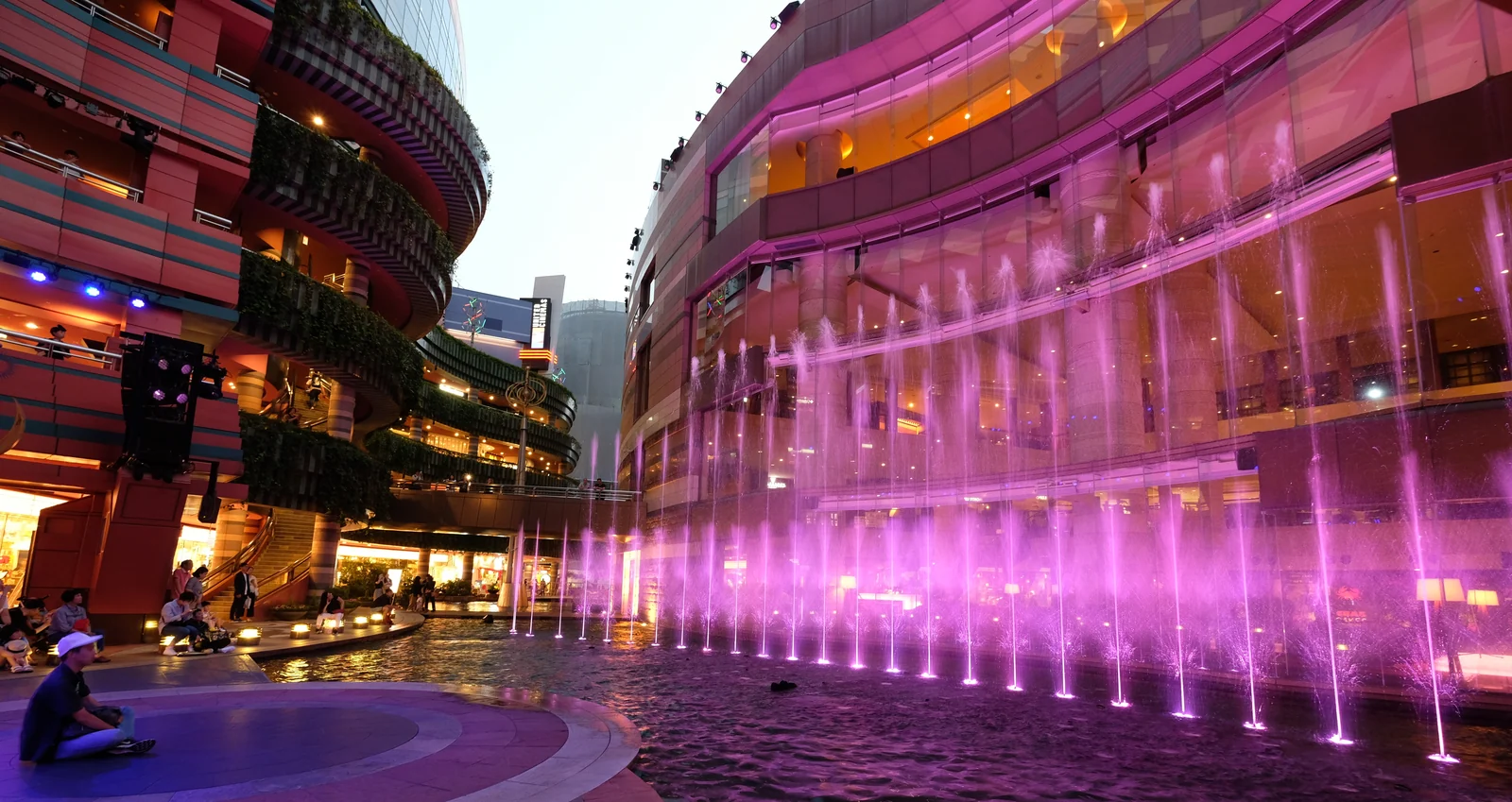
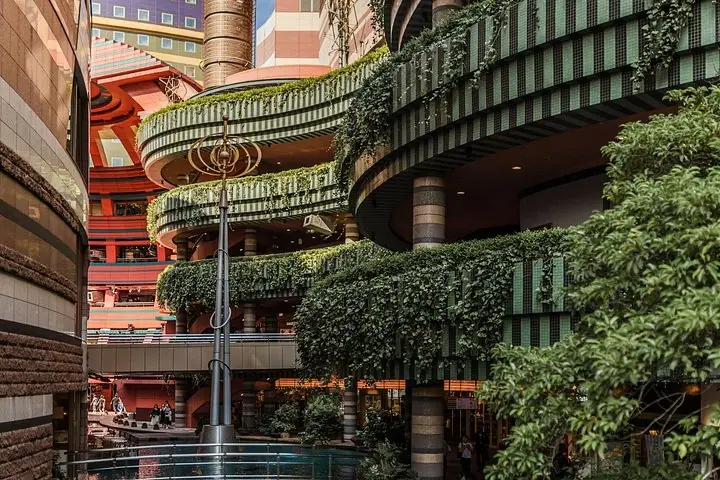
Bus or taxi to Canal City
~15 minutes from Chuo Wharf. Confirm the return before you leave
+0:25
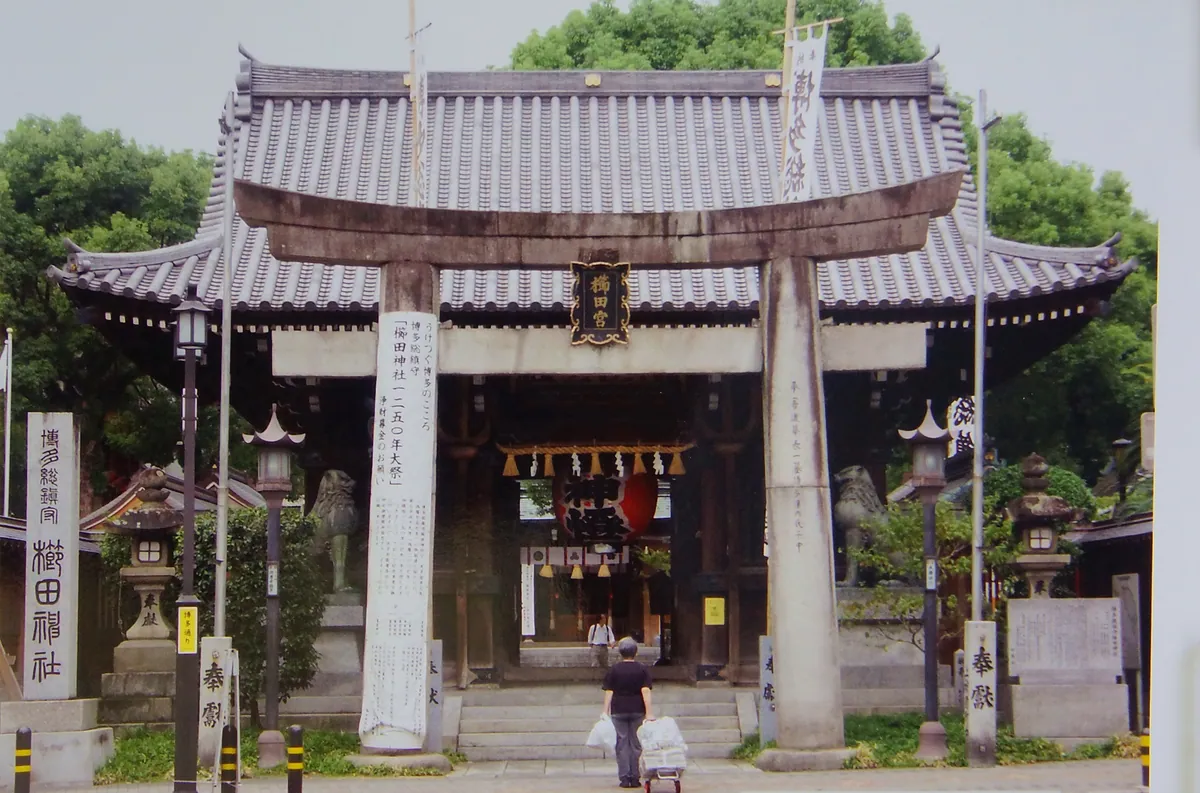
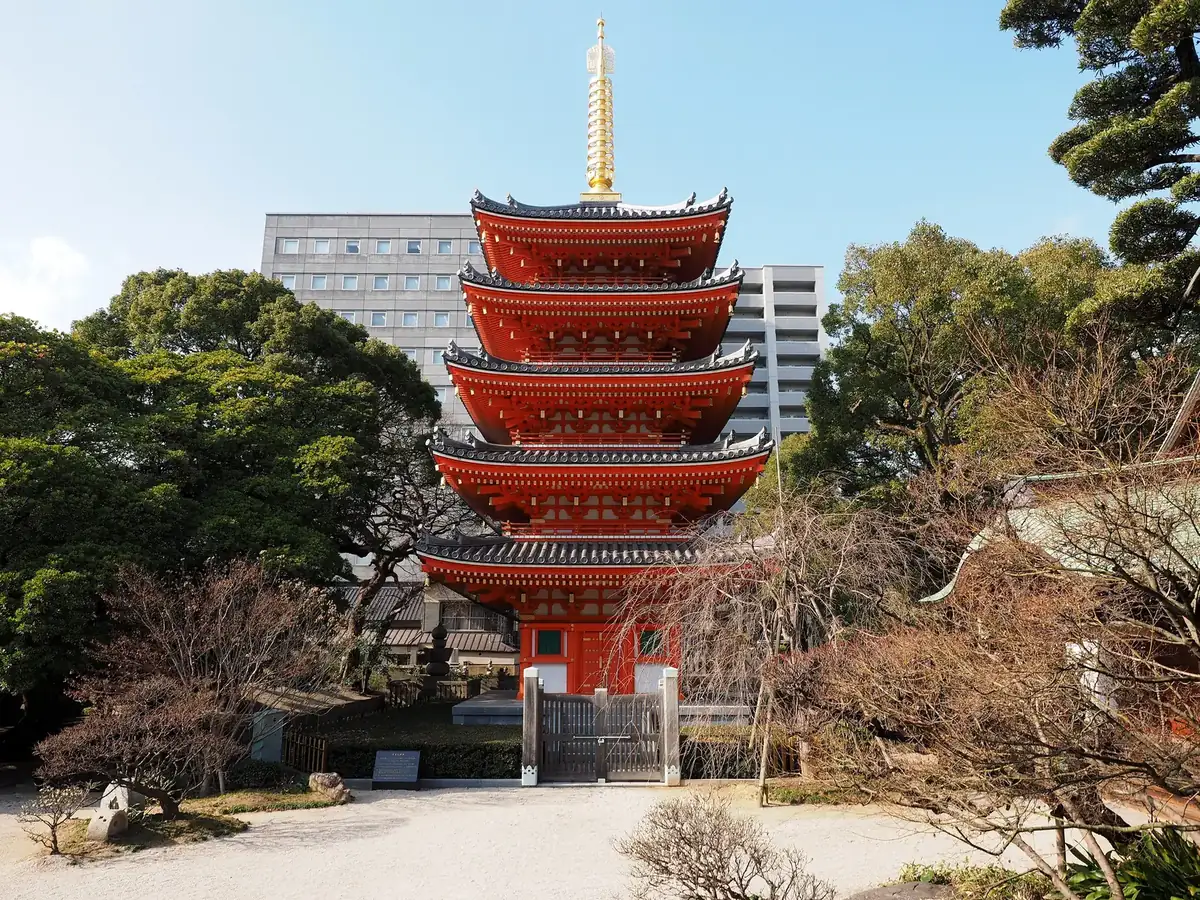
Kushida Shrine
A Yamakasa float stands here all year — one tonne, and raced at 5am every July
+1:05
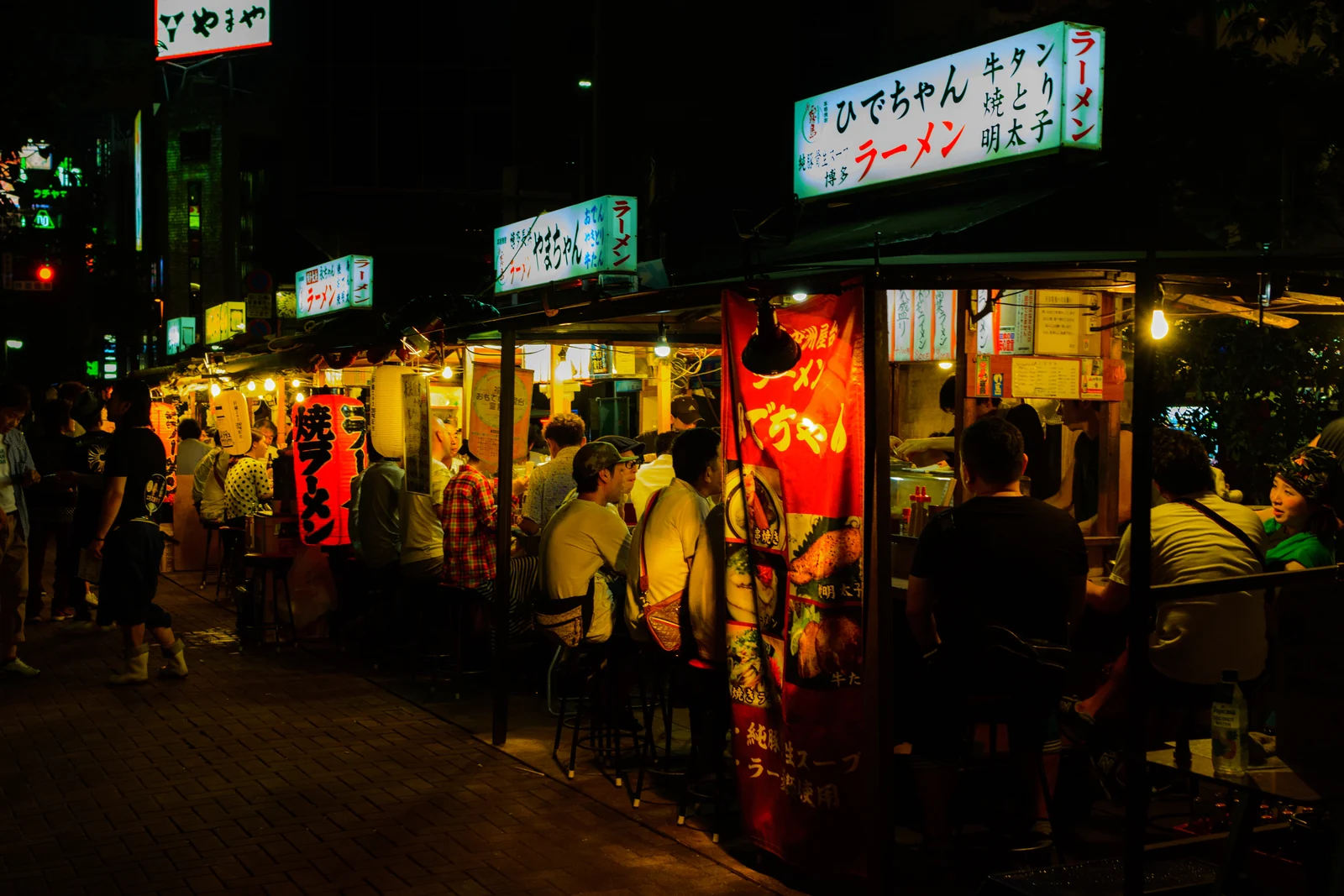
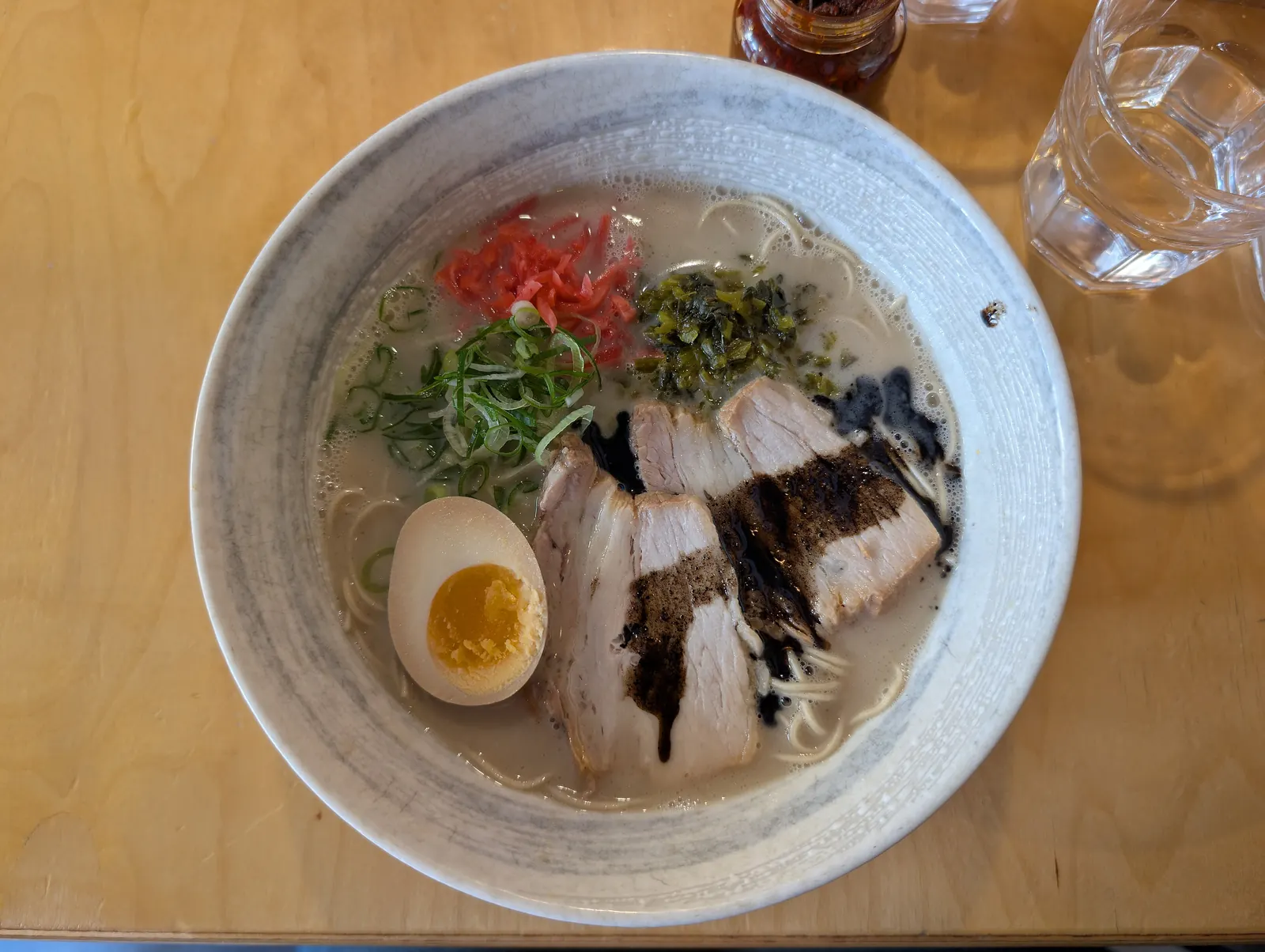
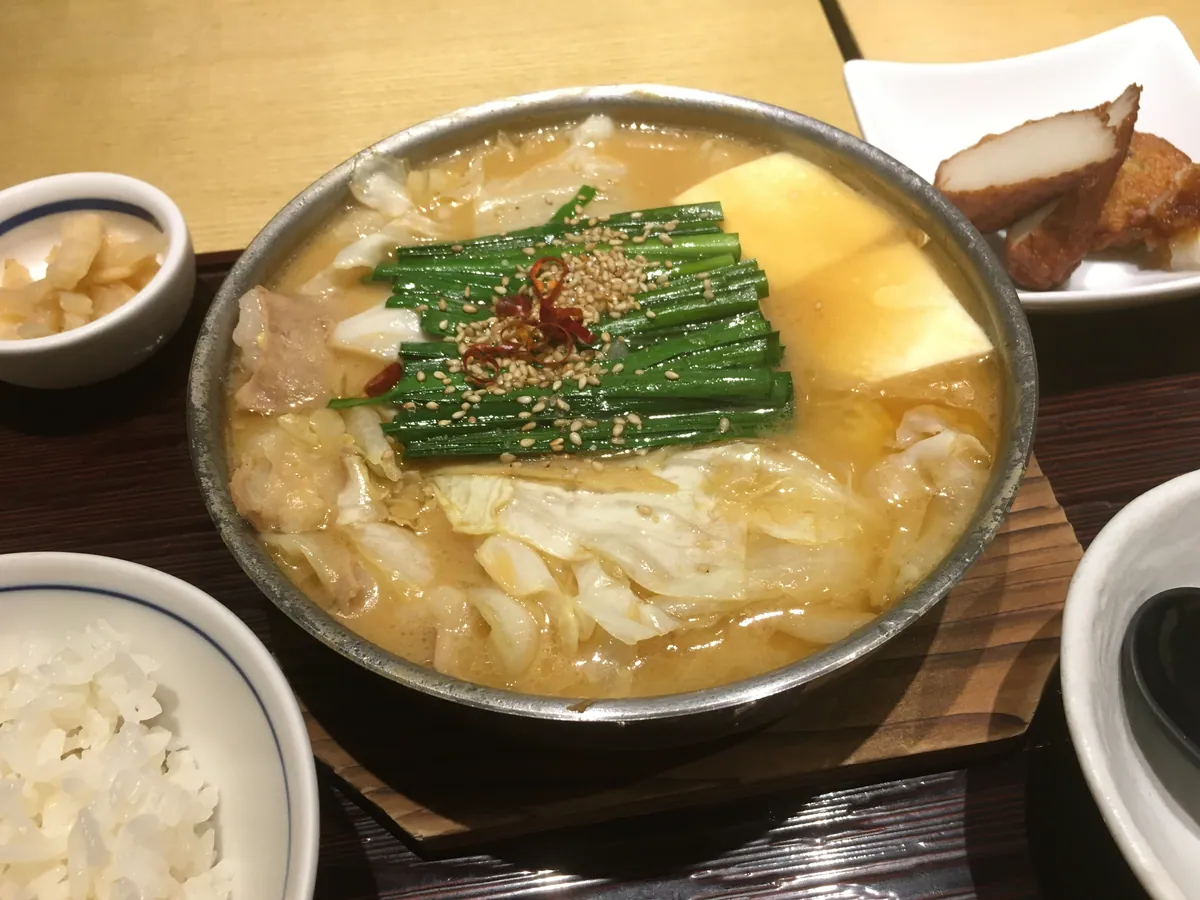
Tonkotsu ramen at a Hakata counter
Thin straight noodles. Ask for kaedama when the bowl is half gone
+1:50
Canal City or the Hakata Machiya folk museum
Both are five minutes from the shrine
+2:30
Back to the berth
Running late? From Hakozaki Wharf rather than Chuo Wharf there is no bus: take a taxi both ways (about 6 minutes and ¥1,900 to Kushida, estimate) and drop the museum if the queue is long.
On a 6-hour stop that leaves 1 hr spare — the full hour this site recommends, and then some.
+0:00
BRT bus to Tenjin
15 minutes, ¥210, every 15 minutes from the International Terminal stop
+0:25
Nishitetsu train to Dazaifu
29 minutes direct (express at :18/:48) or 28 minutes with a change at Futsukaichi, ¥480. The train leaves from Tenjin (Nishitetsu Fukuoka), not the JR station
+1:10
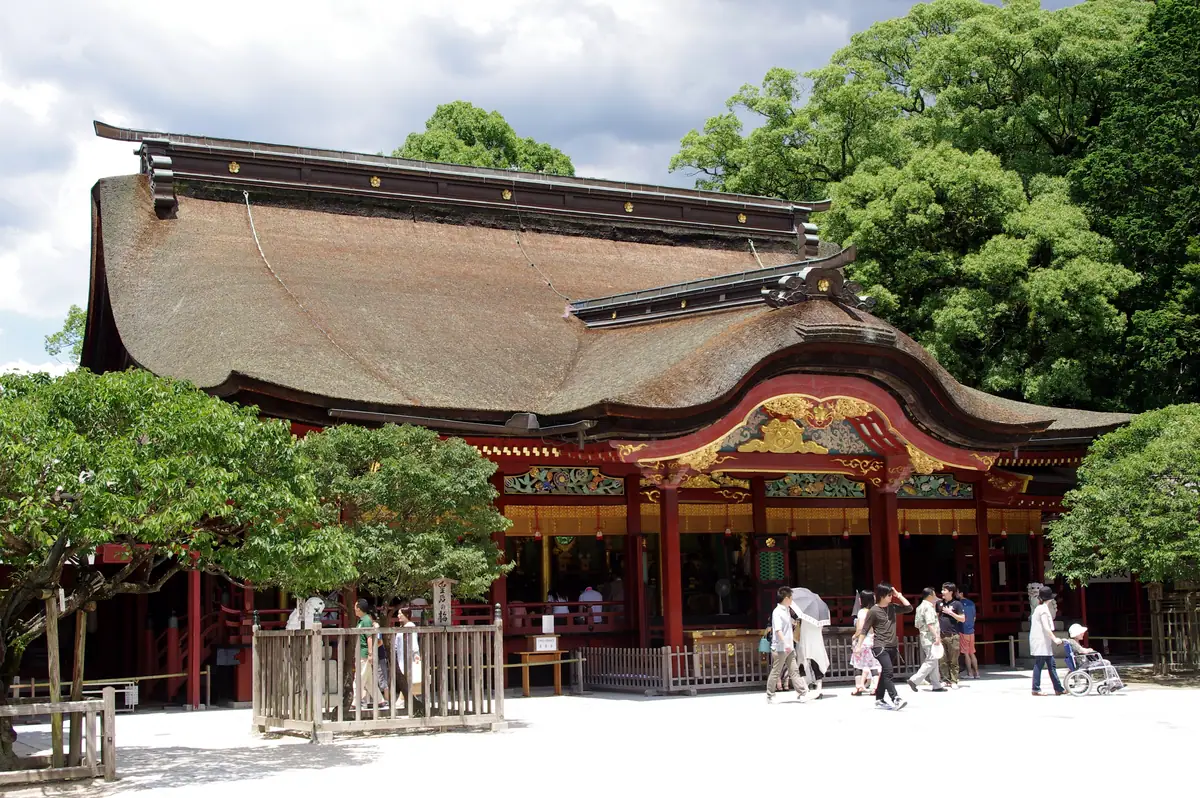
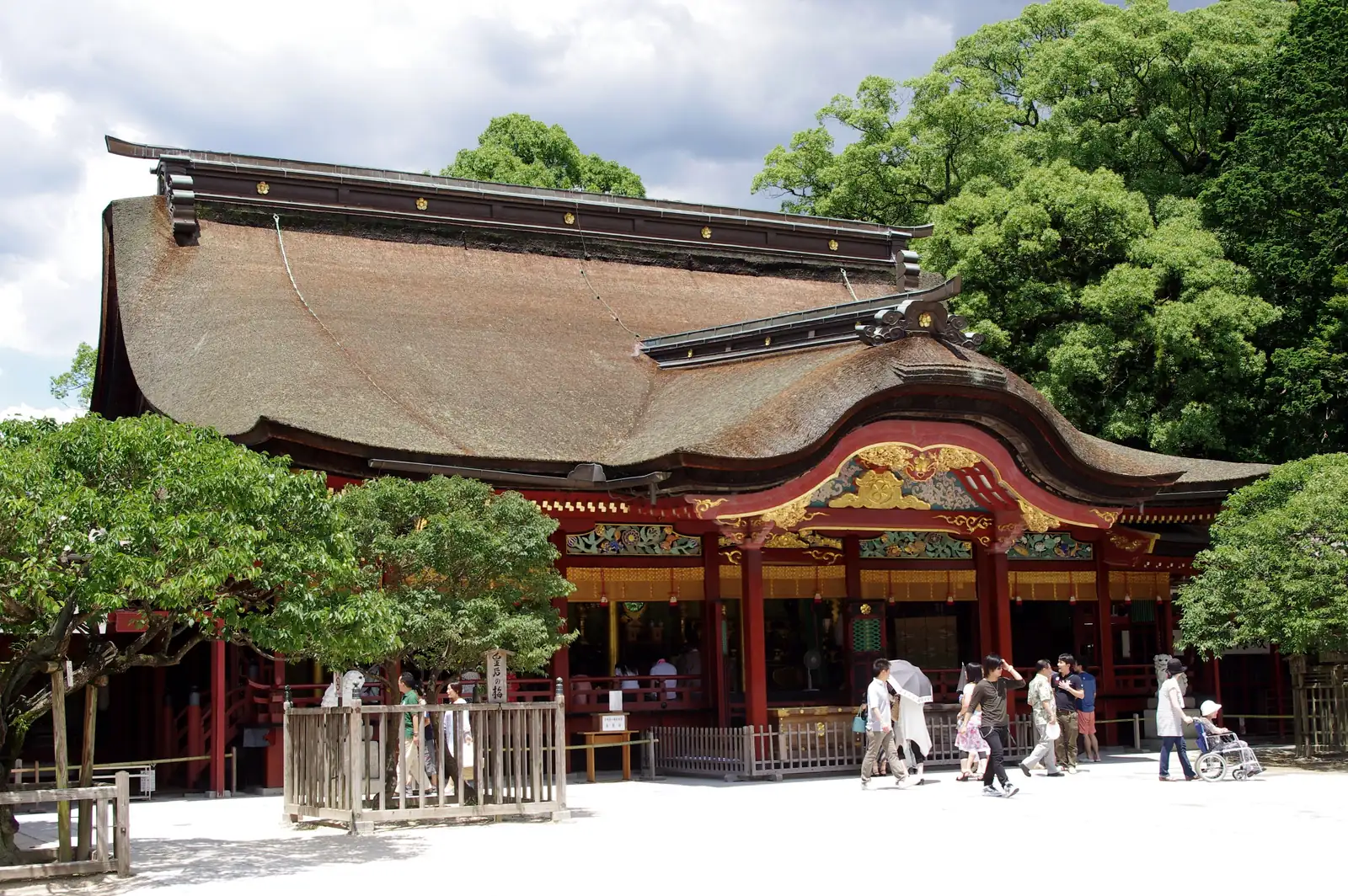
Dazaifu Tenmangu
Built over the grave of an exiled scholar who became the god of learning
+2:15
Umegae mochi on the approach
Grilled to order, eaten walking. The only correct snack here
+2:45
Kyushu National Museum, if you have the hour
Behind the shrine, up an escalator through the hill
+4:00
Train and taxi back
Running late? Behind schedule? Skip the museum and take a taxi from Dazaifu to Hakata Station — about 30 minutes and it removes the change.
Round trips are measured from the gangway and include getting back. Two stops in the same direction overlap, so a real day usually comes in under the total you see, never over it.
The one rule: be back on board 60 minutes before all-aboard — every day above already banks it.Phones auto-switch to local time, but all-aboard runs on ship time. Check the daily programme's clock, not your lock screen.More to pick from on the Fukuoka guide and theTop 10.
MY SHIP DAY — fill this in before you walk off
Ship
Date
Docked at (berth)
All-aboard (SHIP time)
My deadline = all-aboard − 60 min
Last shuttle back
Phones auto-switch to local time; all-aboard runs on ship time. Write both if they differ.
GETTING AROUND — the facts that don't change by day (today's times: ship's program or Google Maps)
Hakata Station: ① From the Cruise Center: ~500 m walk to the "Hakata Port International Terminal" bus stop ② BRT (Hakata-Station direction) or routes 11/19/50 — 18–20 min to Hakata Station (route 88 only runs the other way) Fare ¥260. BRT every 15 min, plus routes 11/19/50.
Tenjin (downtown): ① BRT (Tenjin direction) from the same stop — 15 min to Tenjin One Bldg-mae; or routes 151/152 to Tenjin-kita Back: BRT from Tenjin Solaria Stage-mae (2), every 15 min Fare ¥210. BRT every 15 min.
SHOW THIS TO A TAXI DRIVER — 運転手さんへ
Please take me back to the cruise ship (Fukuoka port)
クルーズ船乗り場までお願いします
Dazaifu Tenmangu
太宰府天満宮
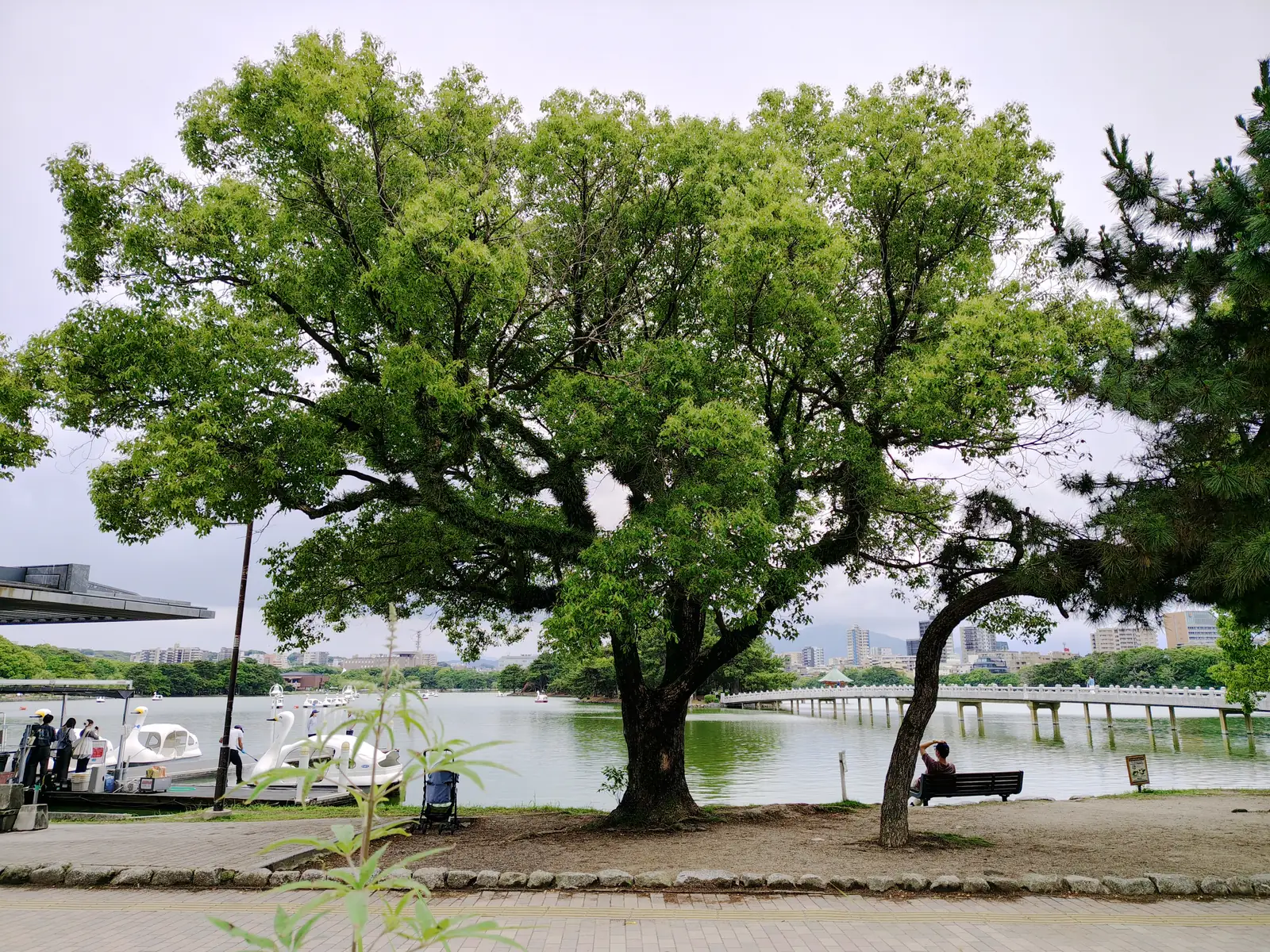
Ohori Park and the castle ruins
大濠公園
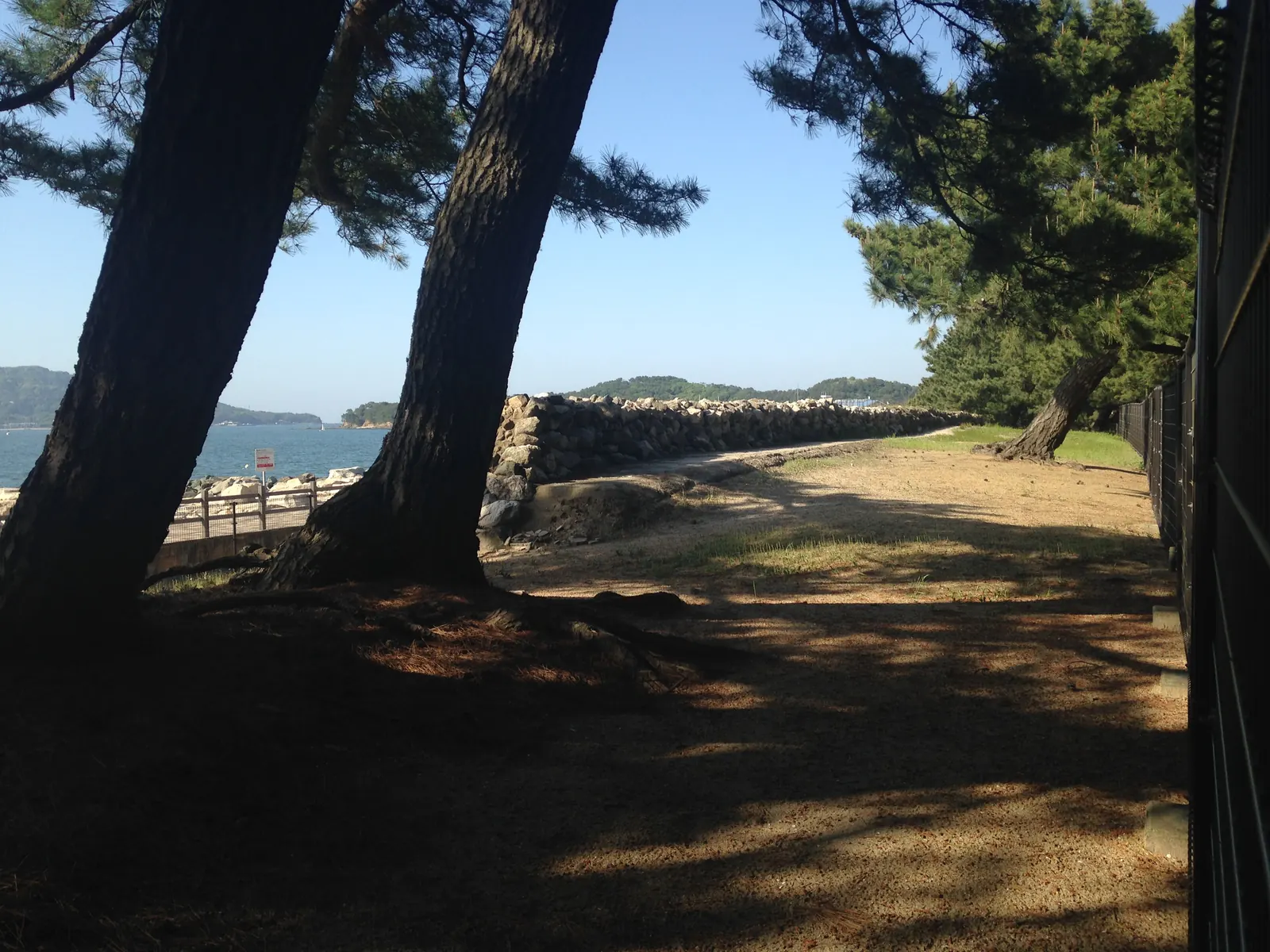
The Mongol invasion wall
元寇防塁
Point at a line. Taxis are metered and honest; tipping is not expected in Japan.
THE TWO-MINUTE PORT TALK — read aloud at breakfast
Two towns, one river. There were two towns here, either side of the Naka river. Hakata to the east was a merchant port a thousand years old. Fukuoka to the west was a castle town built in 1601. They merged in 1889 by one vote, and the compromise is still on every signpost.
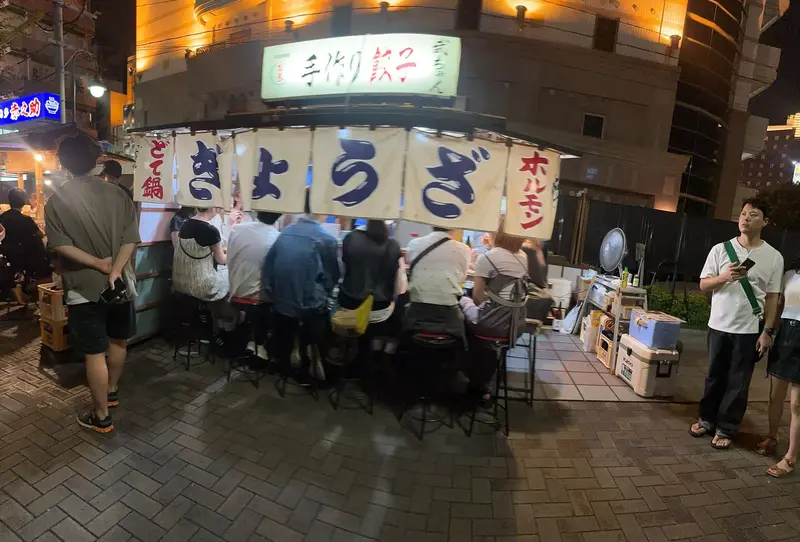
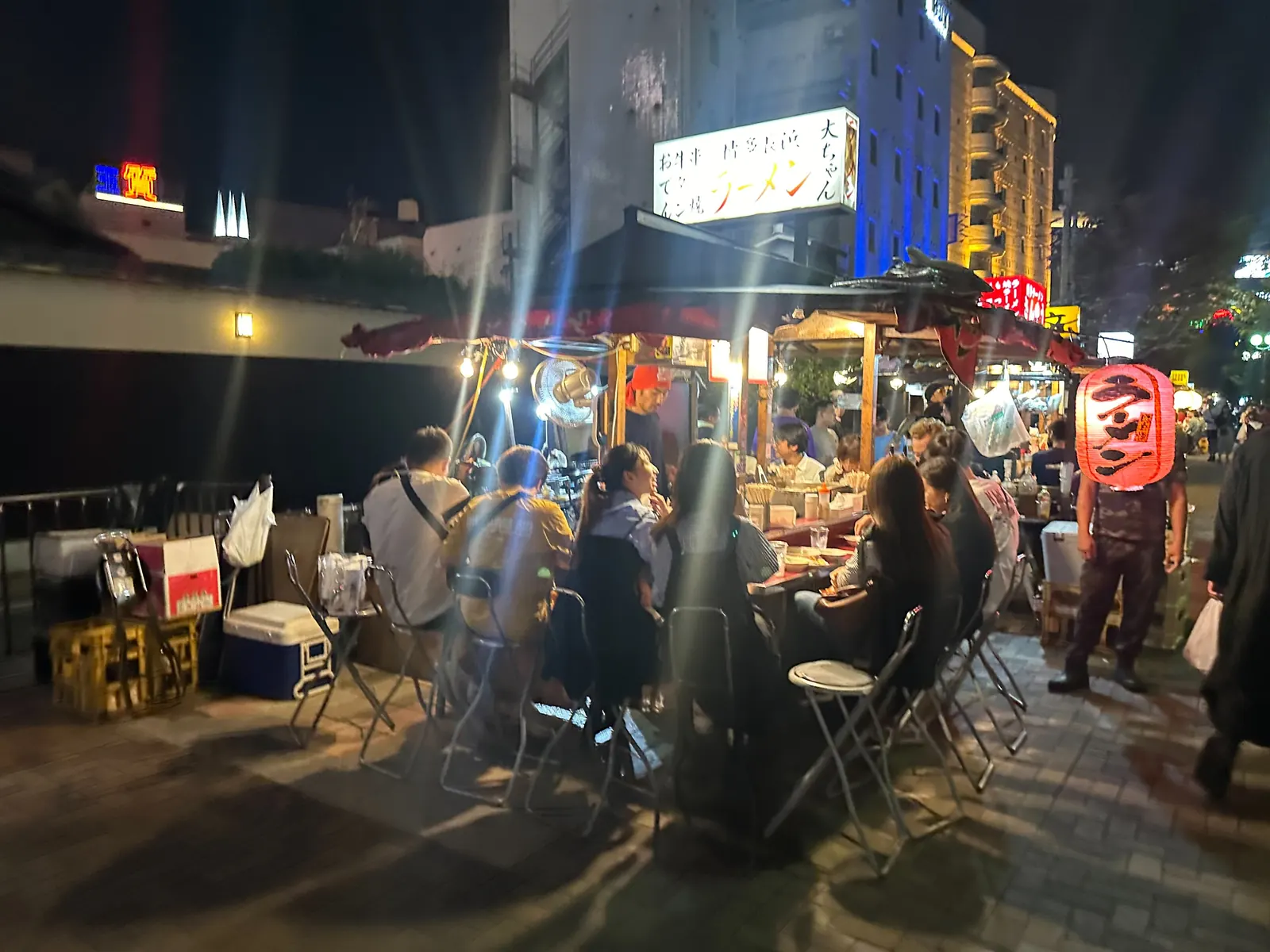
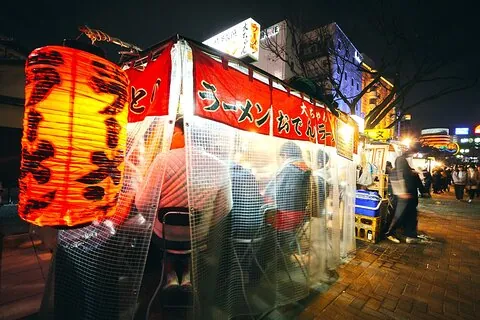
The yatai. After the war, Japanese cities were full of yatai — mobile food stalls set up on the pavement each night. Health rules, road rules and redevelopment removed them almost everywhere. Fukuoka has around a hundred left, which is the large majority of every one still operating in Japan.
Yamakasa. On 15 July, at four fifty-nine in the morning, a one-tonne float leaves Kushida Shrine carried at a run by twenty-six men, with hundreds more rotating in along a five-kilometre course. Seven teams follow at five-minute intervals. It is over by six, and it has run for roughly 780 years.
Tonkotsu. The cloudy white pork broth that now defines Japanese ramen abroad was, by the usual account, a mistake — a pot left boiling too hard in a Kurume stall in 1937. Hakata refined it, added the thin noodles and the refill system, and exported it to the world.
The one rule: be back on board 60 minutes before all-aboard — every plan above already banks it. · Free guide: port-of-japan.com/fukuoka/ · By Takumi Yamada, Tokyo, Japan