
 1 / 6
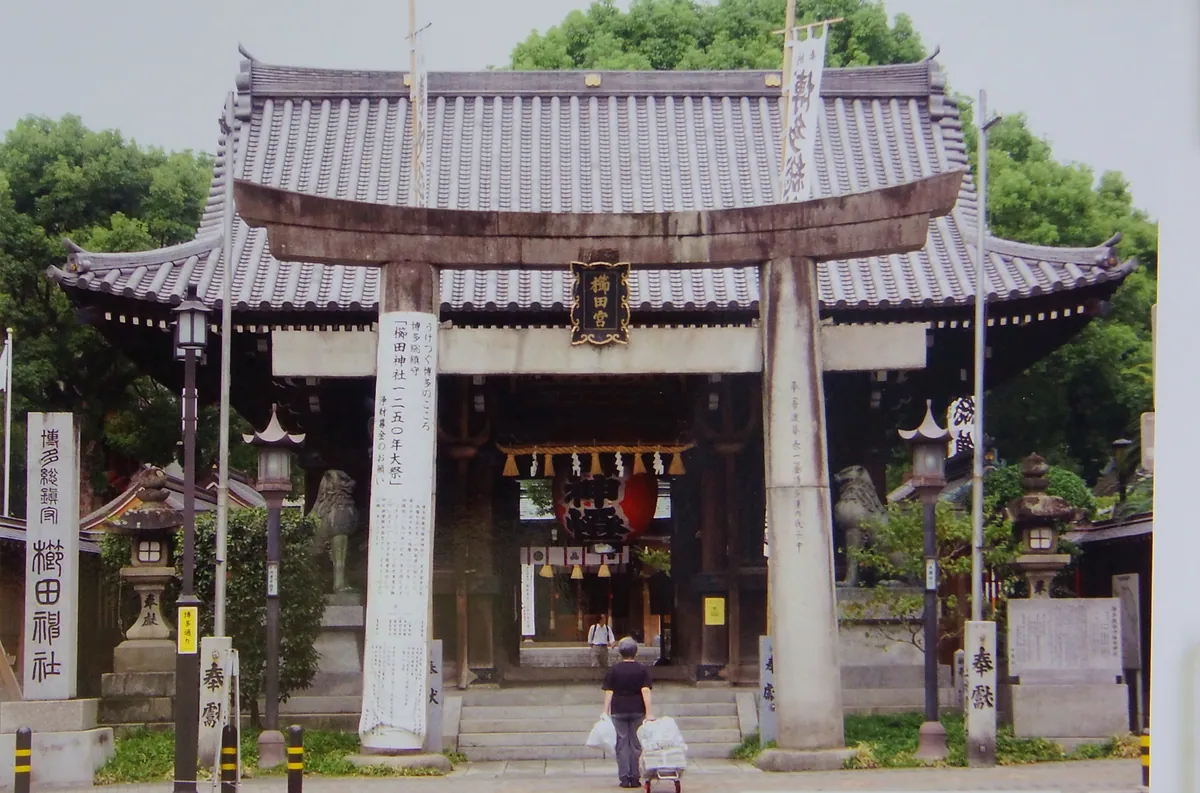
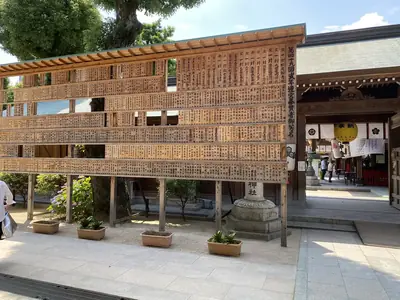
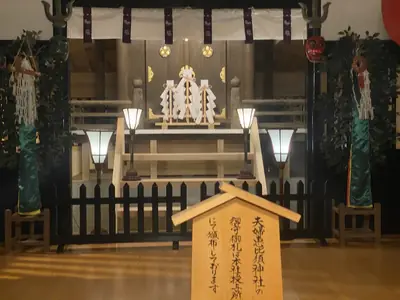
Kushida Shrine and the Yamakasa floatPhoto: mdid / CC BY 2.0
Tap a photo to see it large. 6 photographs, every one credited.
Checked against official sources · updated · Takumi Yamada
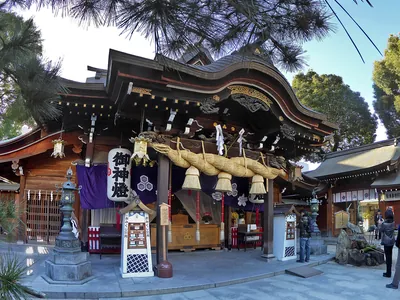
A decorated Yamakasa float stands here all year. In July, one-tonne versions are raced five kilometres through the city starting at 4:55 in the morning, by teams that have trained for it since childhood.
- Short enough to be certain of: 2 hr door to door, so even a tender day works.
- Free; museum ¥200 to visit.
- On a 4–6h ashore call our verdict is "On the way" — it sits between the berth and everything else in the old city.
- It is not only a photo stop: one tonne, five kilometres, at 4:55 in the morning.
- Shrine: check locally — machiya museum 10:00–18:00, closed 4th monday.
- 2 hr door to door needs a 4-hour call: a 2–3 hour stop cannot hold it. Pick something closer instead.
Why Kushida Shrine and the Yamakasa float is famous
One tonne, five kilometres, at 4:55 in the morning
Kushida is the shrine of the Hakata Gion Yamakasa, a festival running since 1241 in which teams race one-tonne floats through the city at dawn. One decorated float stands at the shrine year-round, which is the only way to see the craft without being here in July.
On 15 July, at four fifty-nine in the morning, a one-tonne float leaves Kushida Shrine carried at a run by twenty-six men, with hundreds more rotating in along a five-kilometre course. Seven teams follow at five-minute intervals. It is over by six, and it has run for roughly 780 years.
Hakata’s tutelary shrine, traditionally dated to 757, and the anchor of the city’s merchant half. A decorated Yamakasa float — a tower of figures several storeys high — stands in the grounds all year, replaced each summer, so you can see the thing whatever month you arrive.
In July the racing versions are different: stripped down, about a tonne each, and carried at a run over five kilometres through the city starting at 4:55 in the morning on the fifteenth. UNESCO listed the festival in 2016. The teams are neighbourhood associations and men train for it from childhood.
A monk carried through a plague-stricken town
And still do
Up to ten metres, and photographed by everyone
One tonne, five kilometres, seven teams
Whatever month you arrive, go to Kushida Shrine — a full decorated float stands there all year.
Things worth knowing
- The standing float is in the grounds and free. You do not need the museum to see it.
- Canal City is five minutes on foot — the wet-weather plan for this whole port.
- The Hakata Machiya Folk Museum nearby explains Yamakasa properly and is indoors.
- Early July: the decorated floats go up across the city and the whole district changes.
- Kakiyama舁き山笠 — The racing float. About a tonne, carried at a run.
- Kazariyama飾り山笠 — The decorated tower. One stands at Kushida all year.
Kushida Shrine and the Yamakasa float and your ship
Both pins on one map, so the distance is a fact rather than a feeling.
Where the 2 hr goes
Counted from the moment you step off the gangway, about 30 minutes after the ship arrives. The hour before all-aboard is not in this bar; it is already set aside.
30 minutes each way is the measured figure for bus ~30 min, not the optimistic one. If your ship is late, cut the 1 hr in the middle. Never cut the hour at the end.
Questions people send us
Can I see a Yamakasa float outside July?
Yes. A full decorated float stands in the grounds of Kushida Shrine all year and is replaced each summer, so the object is visible whatever month your ship calls. The racing floats — about a tonne each, carried at a run — only appear from 1 to 15 July.
What is Hakata Gion Yamakasa?
A festival running 1–15 July in which neighbourhood teams race one-tonne floats five kilometres through Fukuoka, with the final run starting at 4:55 in the morning on the fifteenth. UNESCO inscribed it in 2016, and the teams are community associations whose members train for it from childhood.
Routes that already include it
Each one is a finished day timed from the official timetables, with this stop in it. Read the route rather than assembling it yourself.
What to put beside it
Each of these still lands you back aboard with the hour to spare.
 3 hr 30 min for both
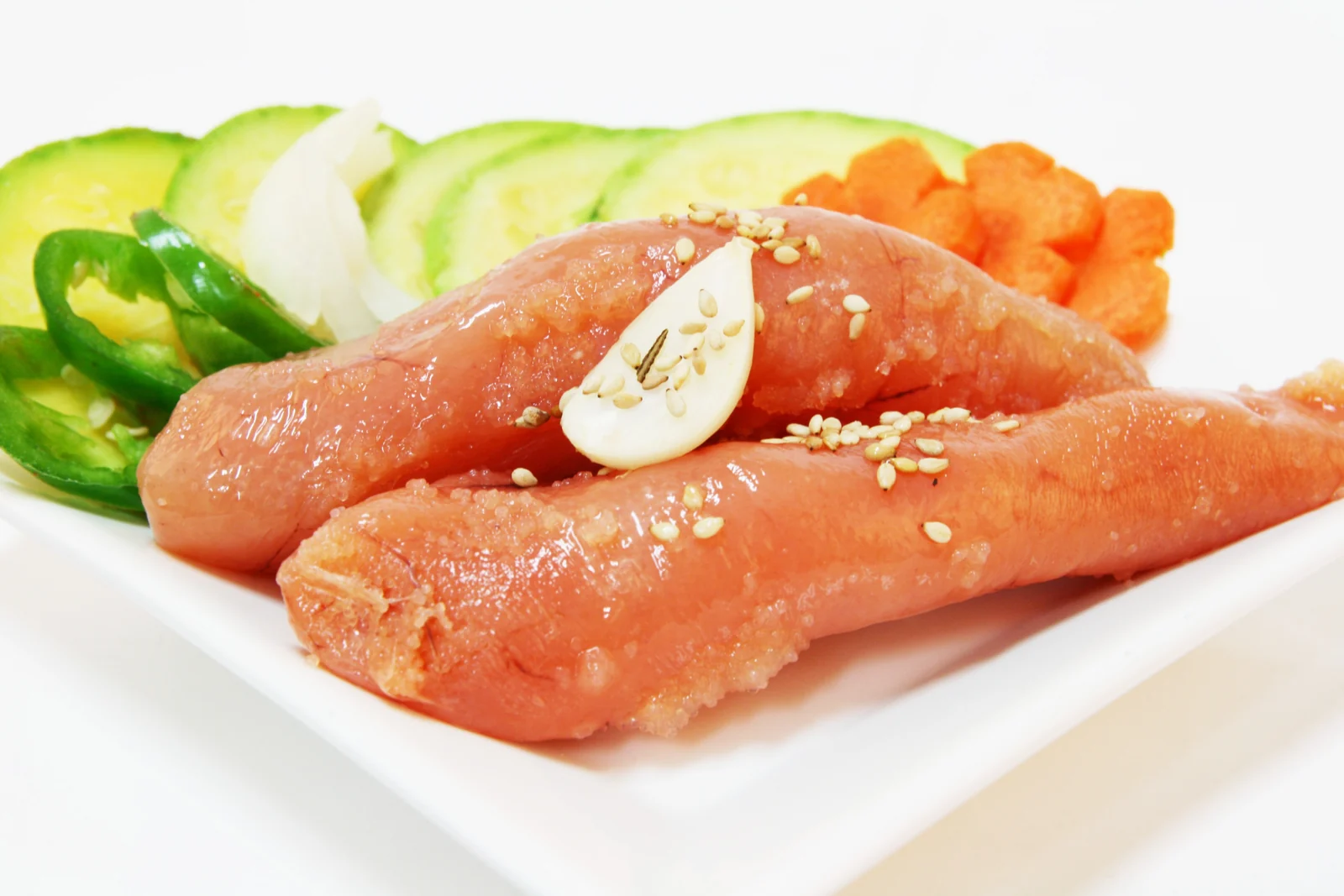
Mentaiko to take home
Spicy cod roe, brought from Korea and reinvented in this city in 1949.
See the detail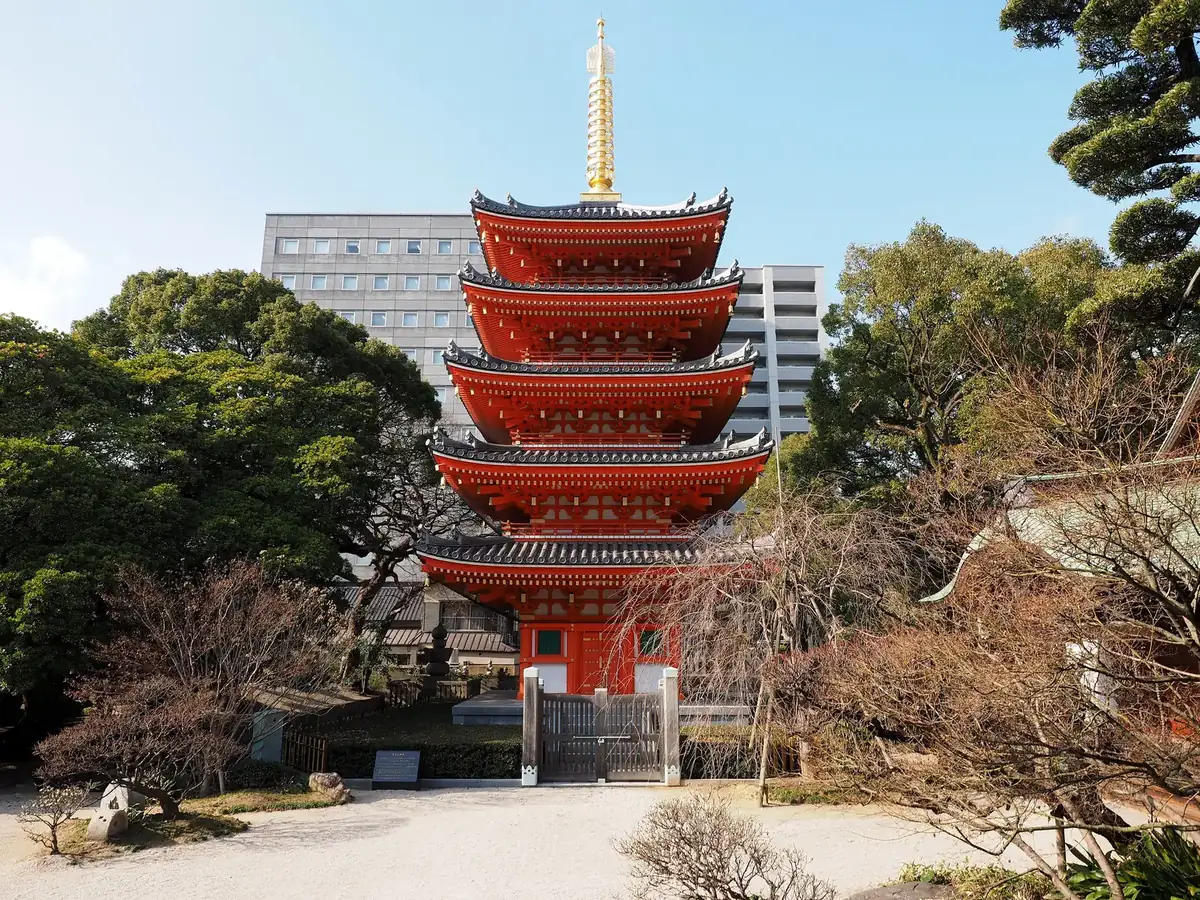 3 hr 30 min for both
Tochoji’s wooden Buddha
Japan’s largest seated wooden Buddha, over ten metres, with a dark walk-through passage beneath it representing hell.
See the detail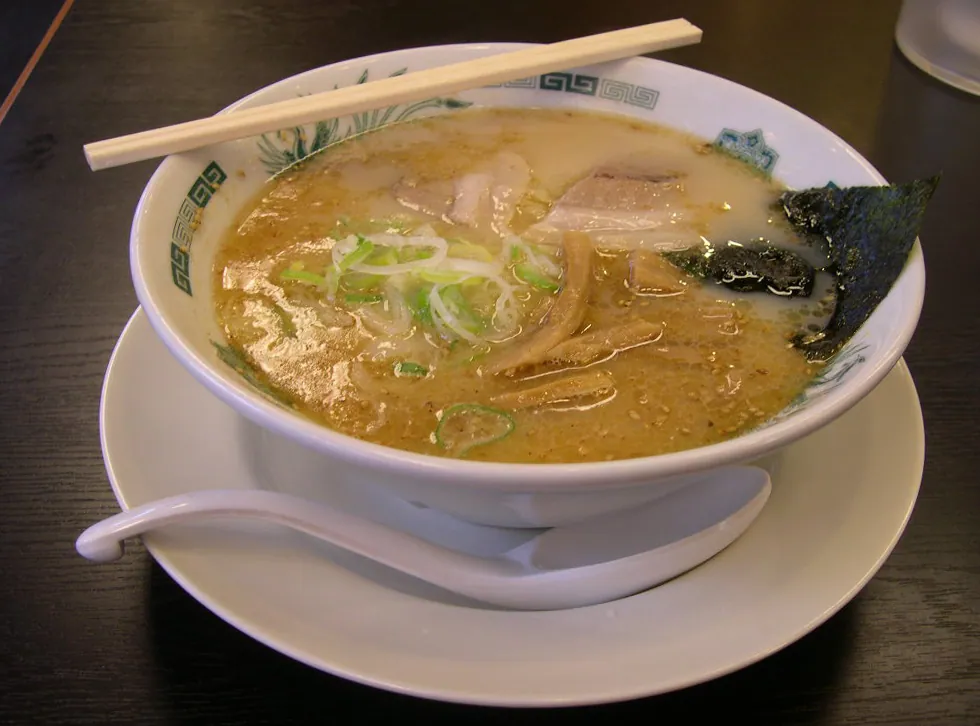 4 hr for both
Hakata tonkotsu ramen
Pork bone boiled until it emulsifies, thin straight noodles that cook in seconds, and kaedama — a second helping of noodles dropped into the broth you have left.
See the detail