~2h — the round trip from the gangway, with the 60-minute margin kept aside.
Tap a photo to see it large. 8 photographs, each credited.
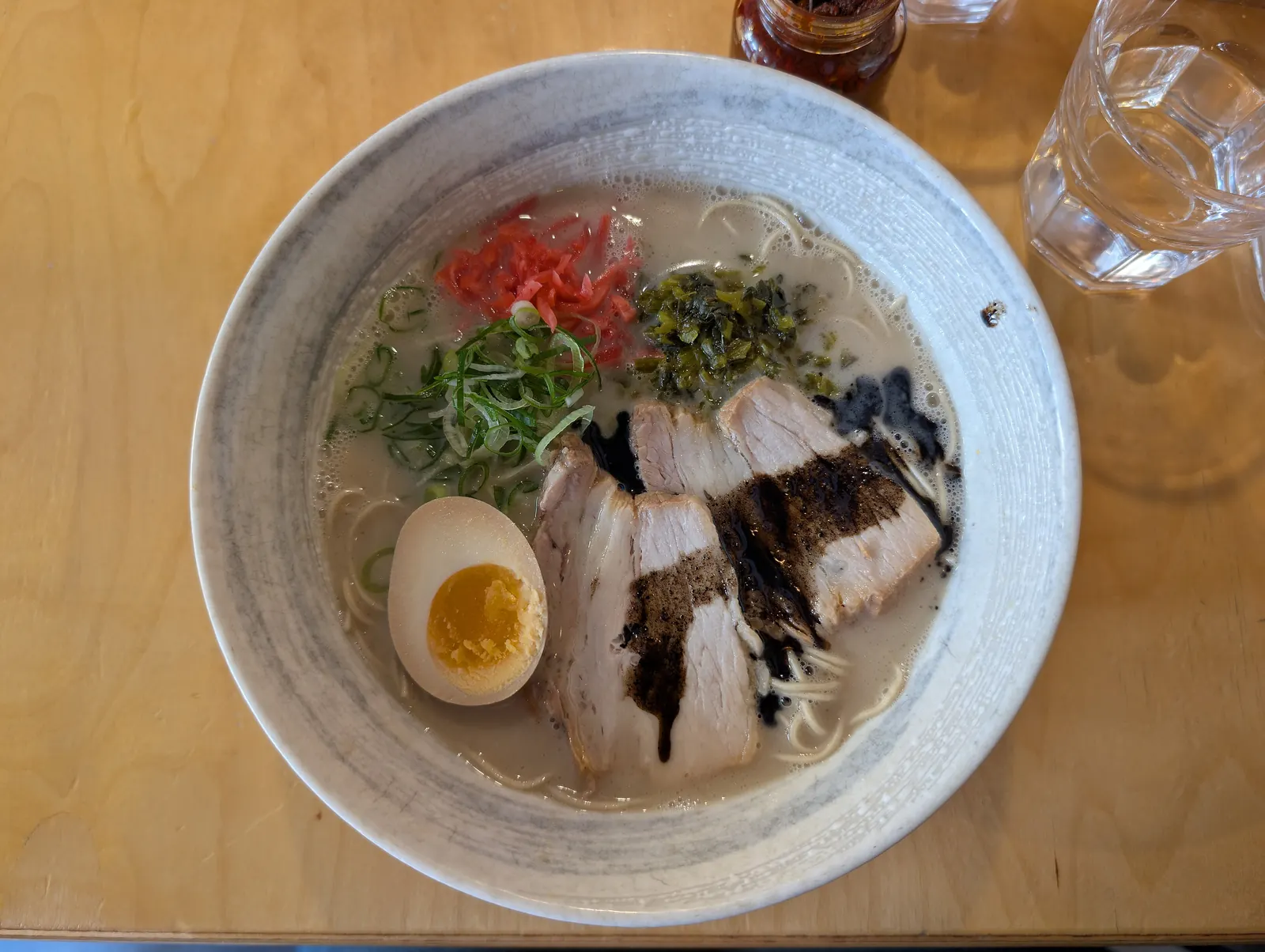
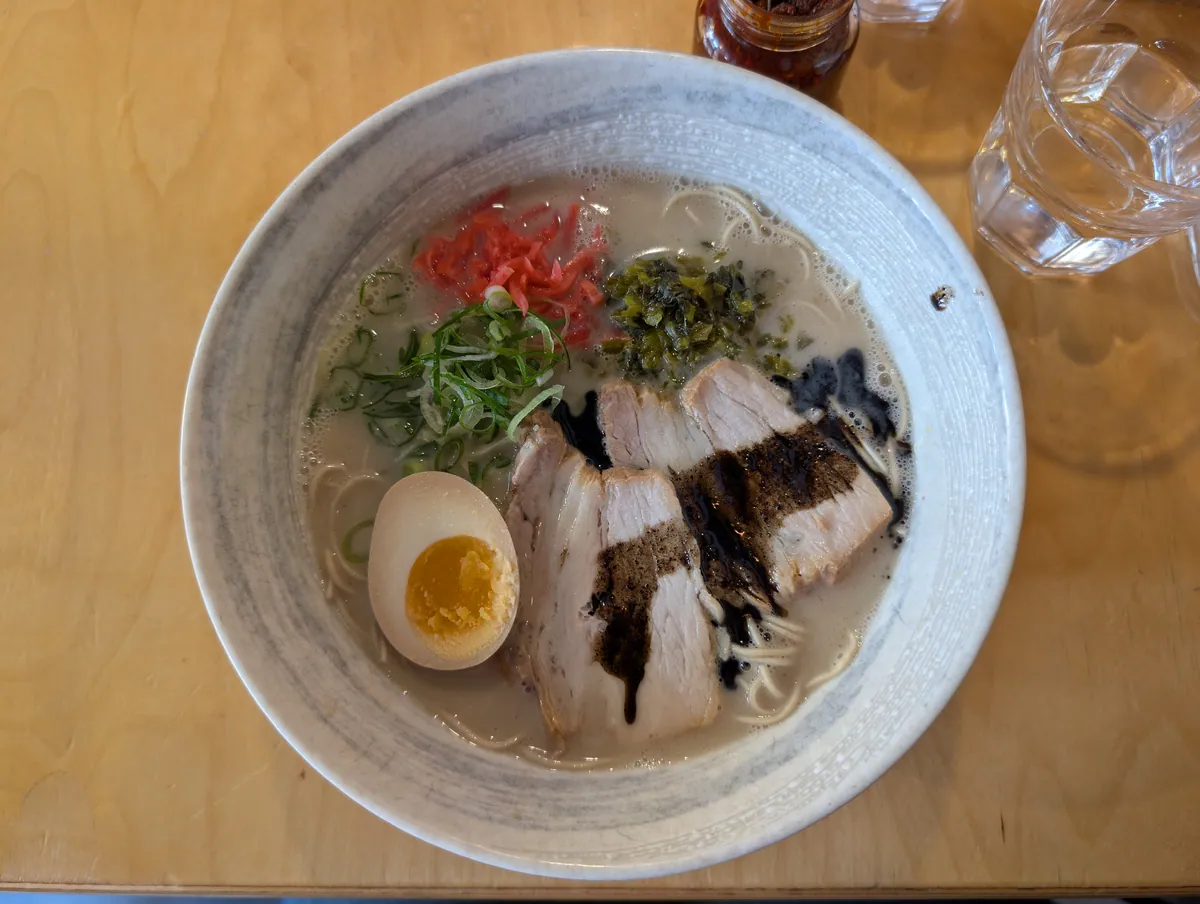
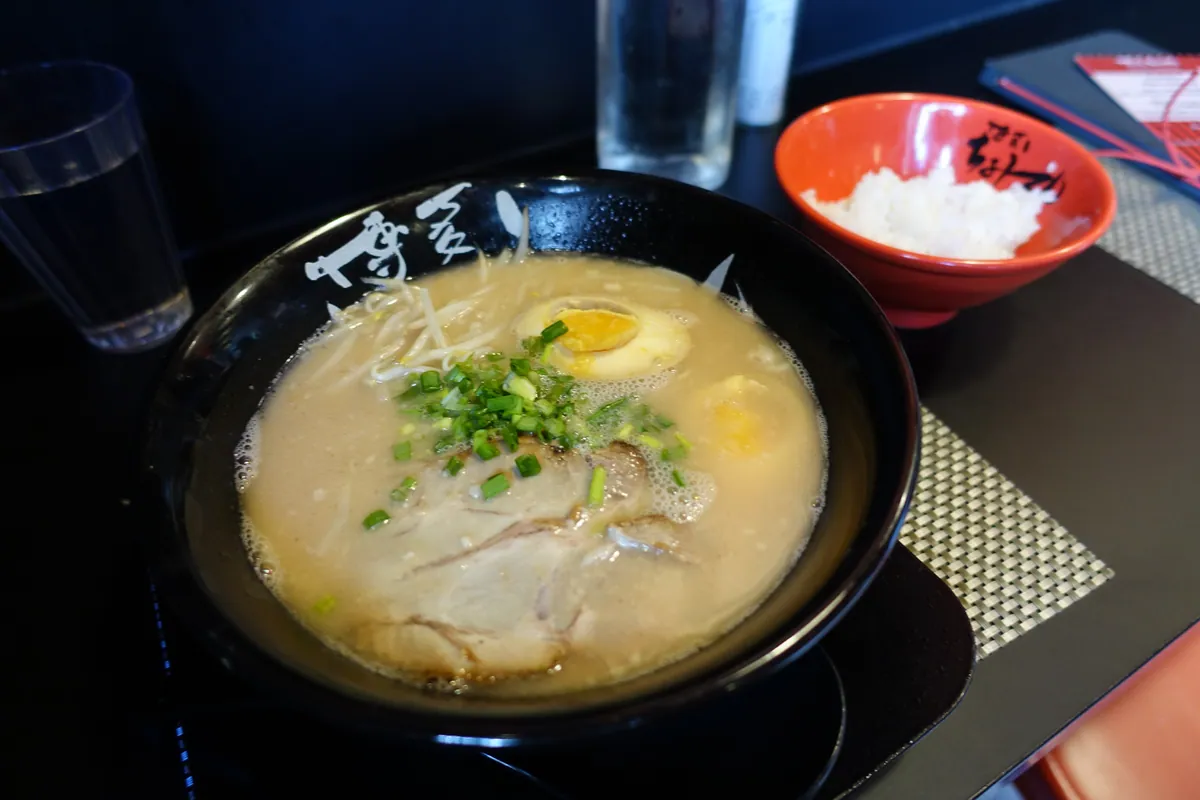
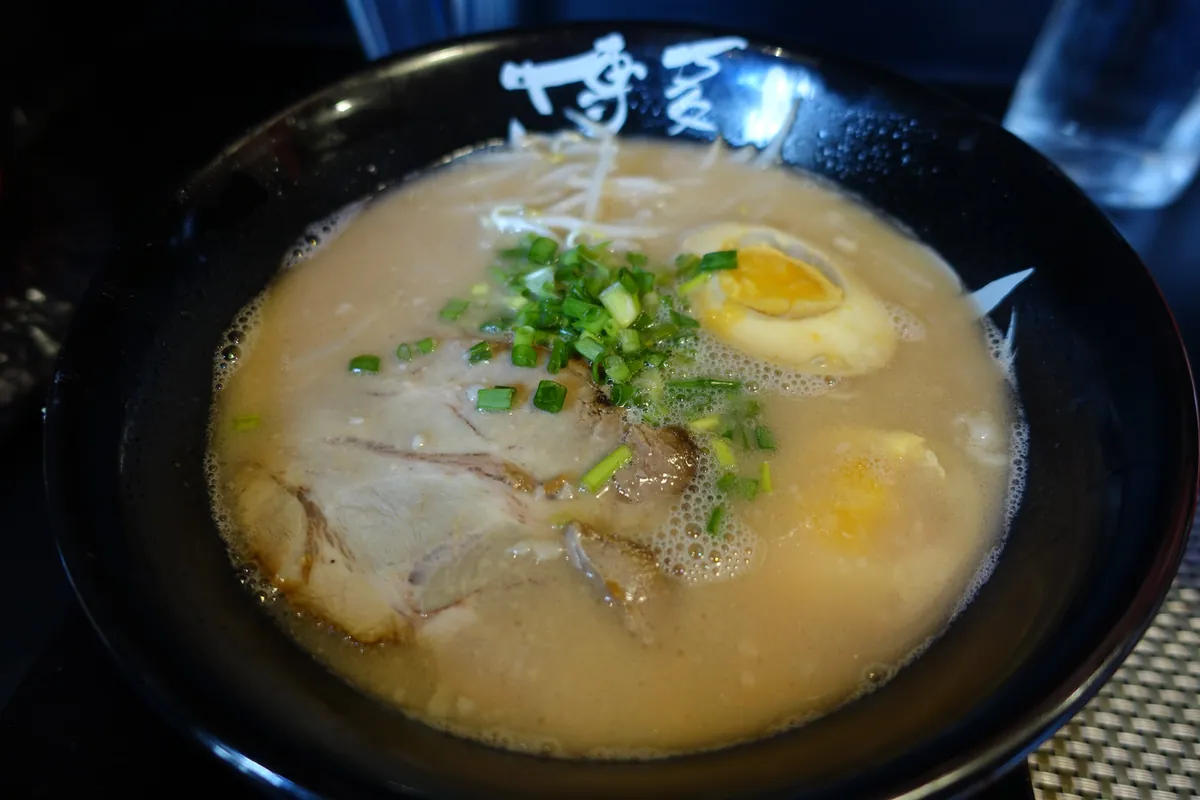
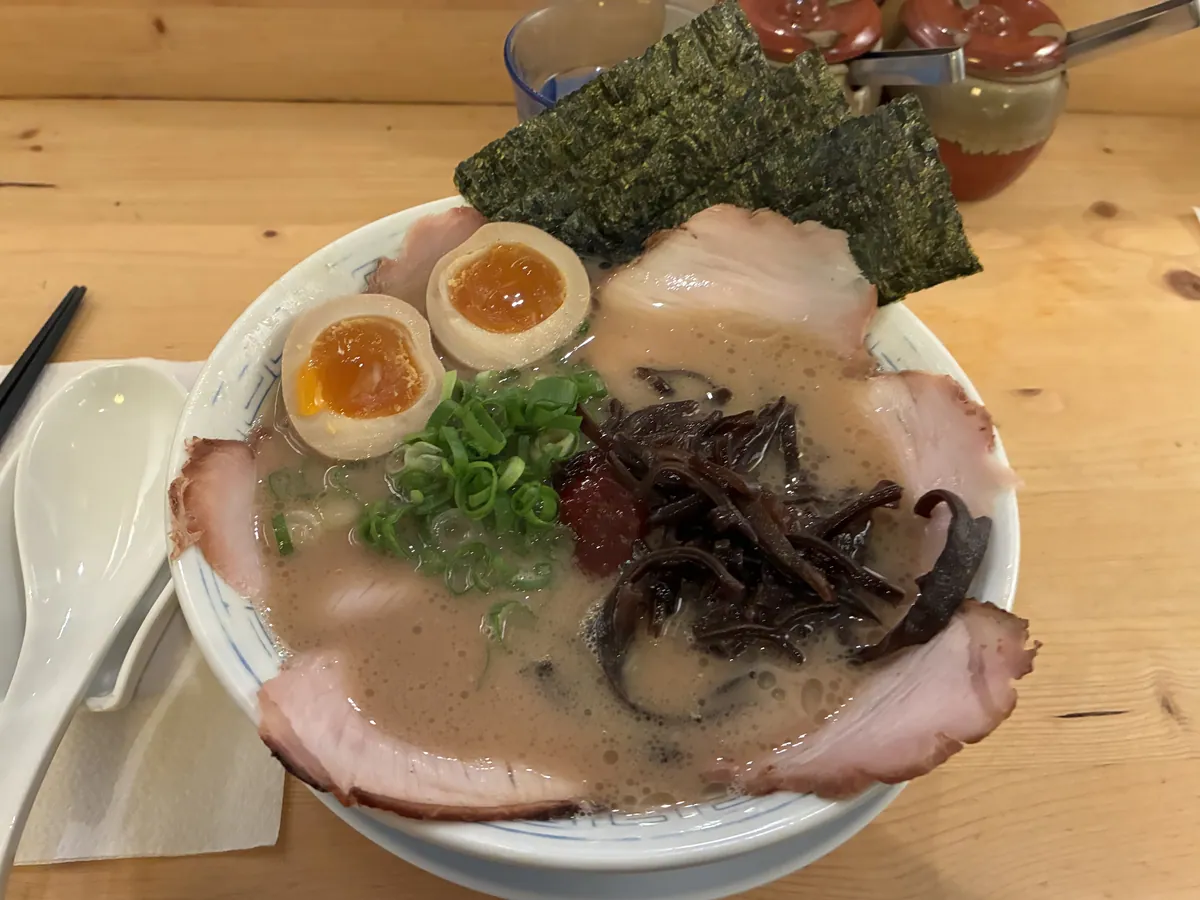
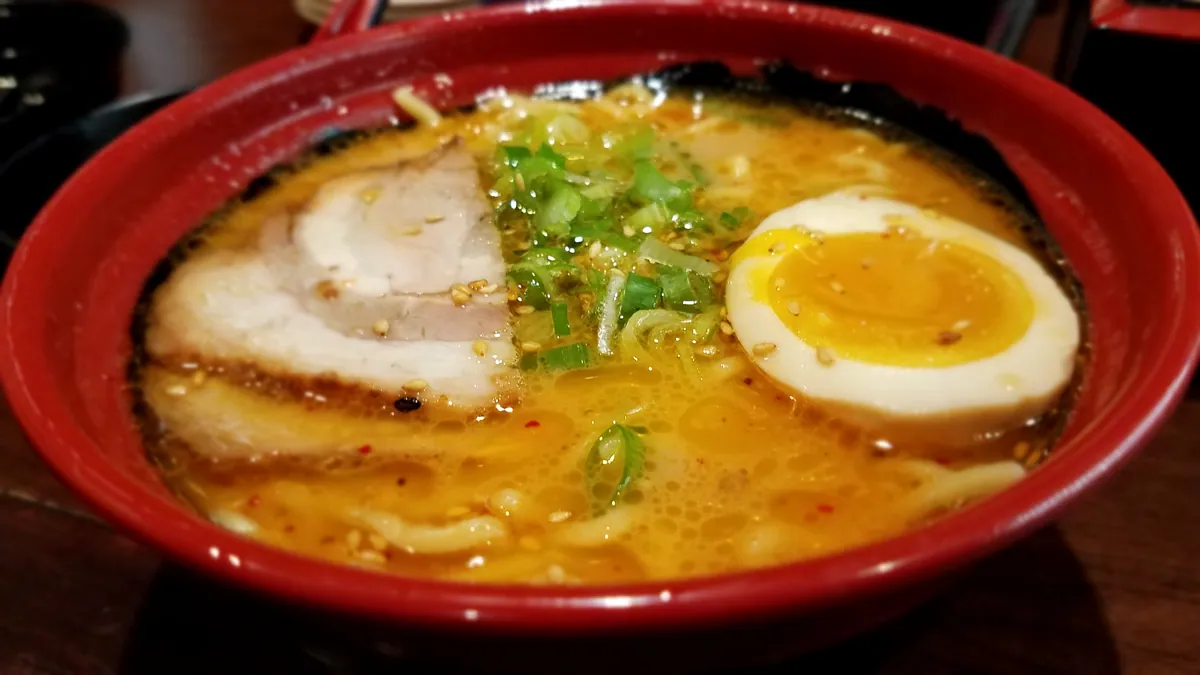
Pork bone boiled until it emulsifies, thin straight noodles that cook in seconds, and kaedama — a second helping of noodles dropped into the broth you have left. Order barikata if you want them firm.
An accident in 1937, and the vocabulary you need to order it right
Tonkotsu is pork bone boiled until the marrow emulsifies, and it was created in this region in the 1930s. The thin straight noodles exist because yatai needed to serve fast, which is also why kaedama, a second helping of noodles into your remaining broth, is a Hakata invention.
The cloudy white pork broth that now defines Japanese ramen abroad was, by the usual account, a mistake — a pot left boiling too hard in a Kurume stall in 1937. Hakata refined it, added the thin noodles and the refill system, and exported it to the world.
And the broth turns white
Thin straight noodles that cook in seconds
A second helping into the broth you have left
Lighter at the source than abroad
Order barikata, add the free mustard greens, and call kaedama when the bowl is half gone.
The one the queue agrees on, the one people who live here use instead, and the one nearest your ship. Opening days change; check before you build a day around one.
The head shop of the chain that exported the solo booth. Order by paper form; the booth is the point.
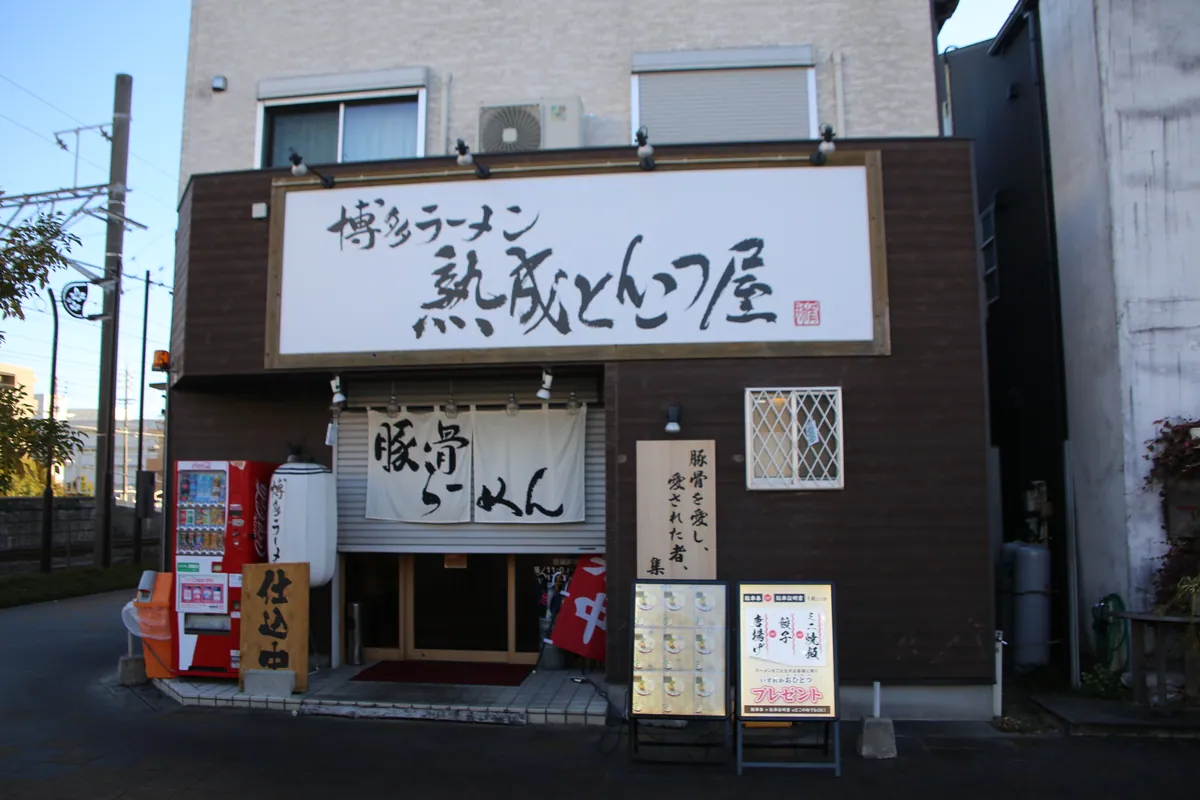
Open in Google MapsWhere locals goShin-Shin Tenjin HontenShinShin 天神本店The tonkotsu locals name first. Thin noodles, clean broth, and kaedama is expected.
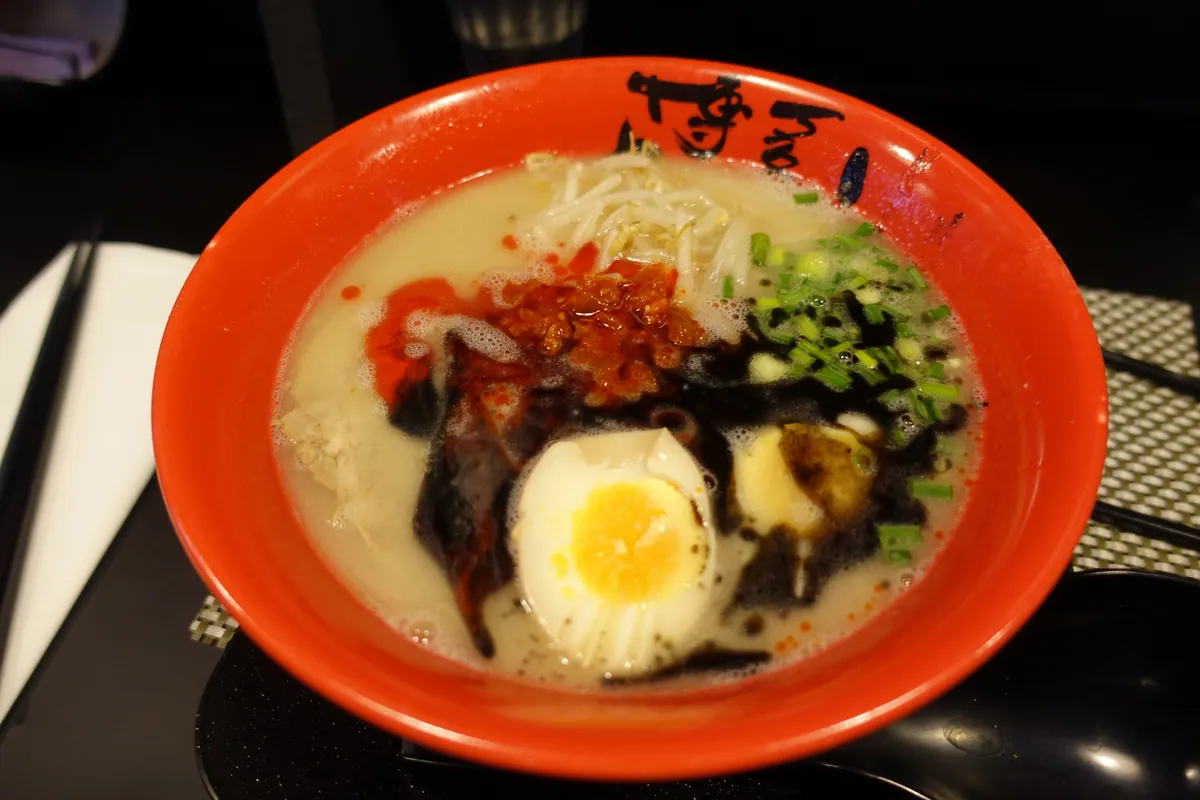
Open in Google MapsClosest to the berthHakata Issou博多一双By Hakata Station, known for a thick foamed broth that is unlike the classic style.
Open in Google MapsBoth pins on one map, so the distance is a fact rather than a feeling.
Counted from the moment you step off the gangway. The hour before all-aboard is not in this bar; it is already set aside.
20 minutes each way is the honest figure for bus/taxi, not the optimistic one. If your ship is late, cut the 1 hr 20 min in the middle. Never cut the hour at the end.
Each of these still lands you back aboard with the hour to spare on a 6-hour stop ashore.
Each one is a finished day we have walked and timed, with this stop in it. Read the route rather than assembling it yourself.
Each of these still lands you back aboard with the hour to spare.
 3 hr 30 min for both
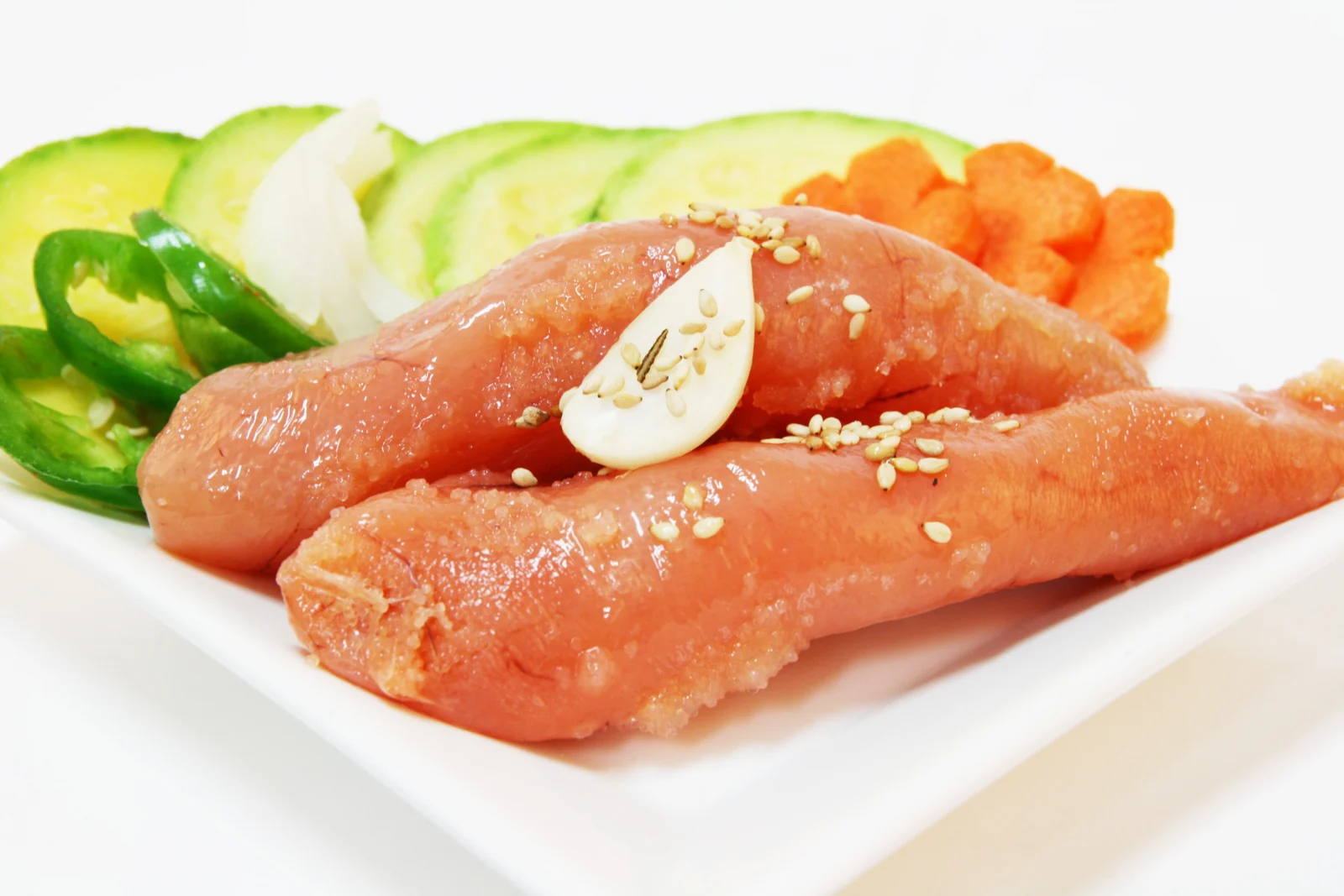
Spicy cod roe, brought from Korea and reinvented in this city in 1949.
See the detail →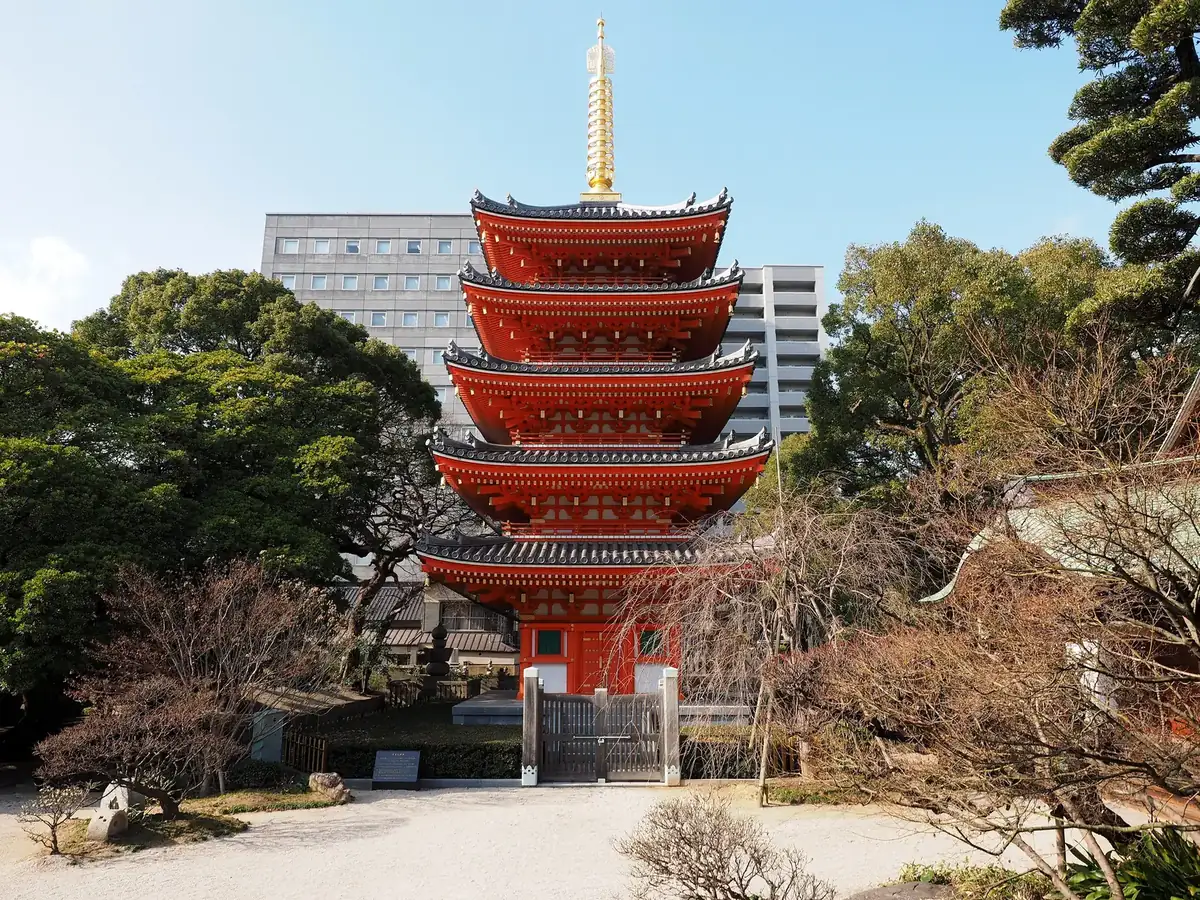 3 hr 30 min for both
Japan’s largest seated wooden Buddha, over ten metres, with a dark walk-through passage beneath it representing hell.
See the detail →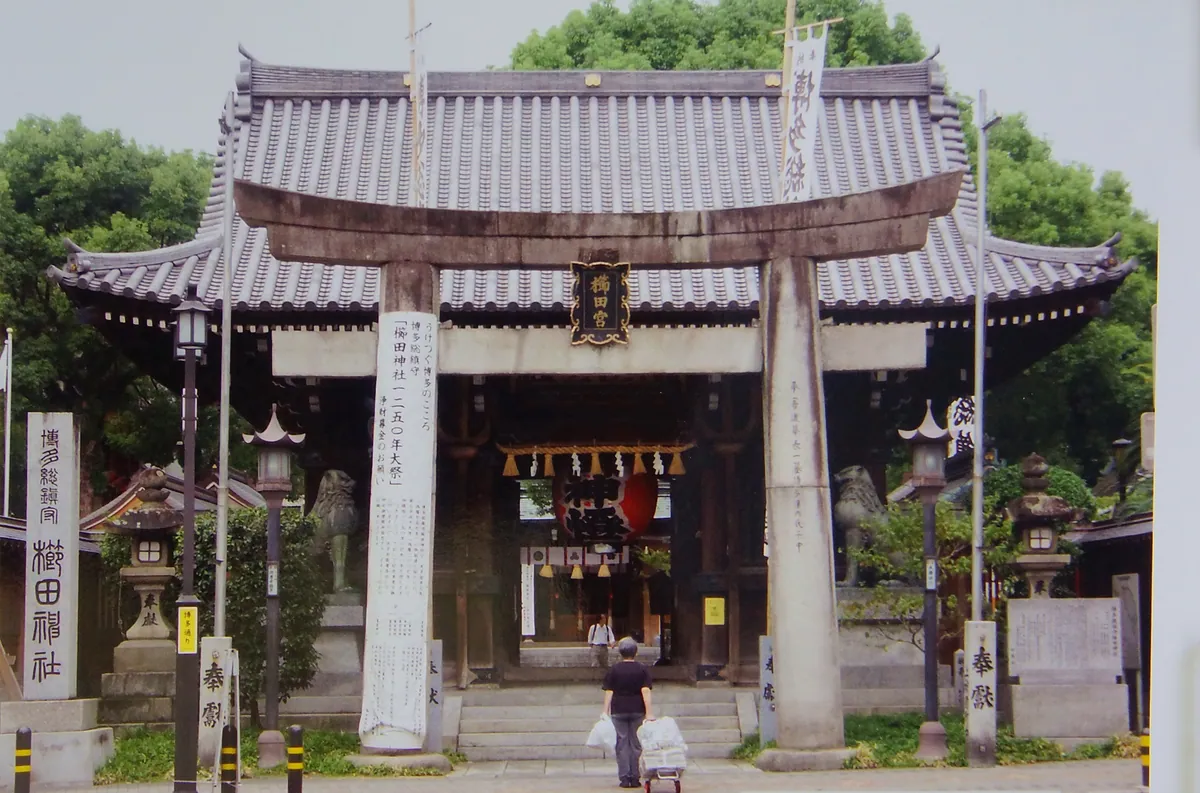 4 hr for both
A decorated Yamakasa float stands here all year.
See the detail →No typing needed — jump straight in:
Just docked? — the gangway toolStart from your shipThe ride from every berthAsk the editorGlossary