
 1 / 10
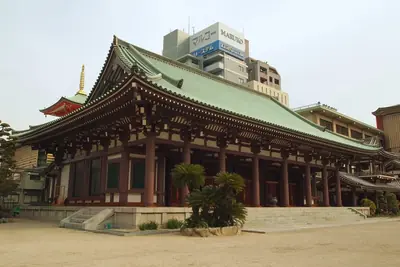
Tochoji’s wooden BuddhaPhoto: Hirho / CC BY-SA 4.0
Tap a photo to see it large. 10 photographs, every one credited.
Checked against official sources · updated · Takumi Yamada
Japan’s largest seated wooden Buddha, over ten metres, with a dark walk-through passage beneath it representing hell. Founded by Kukai in 806 on his return from China, which makes it one of the oldest Shingon temples anywhere.
- Short enough to be certain of: 1 hr 30 min door to door, so even a tender day works.
- On a 4–6h ashore call our verdict is "Perfect" — combine the buddha hall, kushida shrine and a ramen lunch within the old hakata quarter.
- Unverified — a listing supervised by the temple gives 9:00–17:00 daily; the temple's own site could not be found. phone the temple or check locally..
- 1 hr 30 min door to door needs a 3.5-hour call: a 2–3 hour stop cannot hold it. Pick something closer instead.
Why Tochoji’s wooden Buddha is famous
Tochoji was founded by Kukai in 806, immediately after he returned from China with esoteric Buddhism, which makes it one of the oldest Shingon temples in Japan. The seated wooden Buddha inside is 10.8 metres and took four years to carve. It was finished in 1992, so it is genuinely new and genuinely enormous.
Fukuoka's own tourism guide calls it Japan's largest wooden statue of a seated Buddha at 10.8 metres, with about 5,000 small Buddhas along the wall behind it. The temple is traditionally said to have been founded in 806 by Kukai on his return from China, and it is the head temple of the Kyushu branch of the Shingon sect.
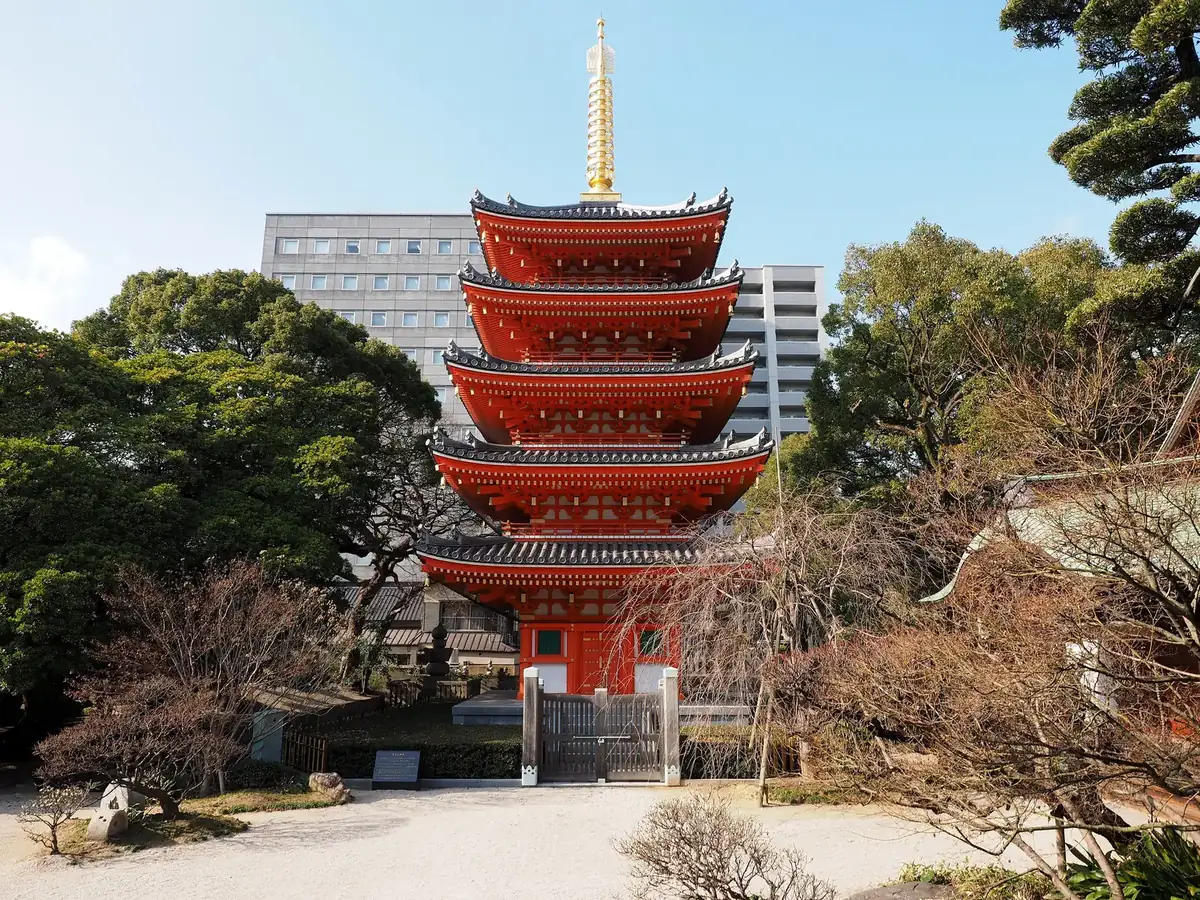
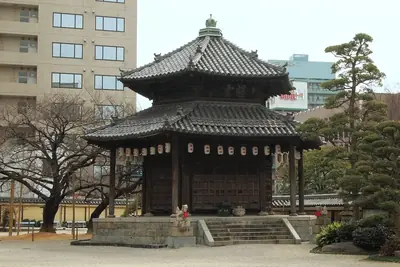
What makes it a short-call favourite is that you can walk inside the base. The tourism guide describes an opening in the pedestal that leads along a path hung with hell scrolls, in darkness, towards a light-filled image of heaven; a ring touched halfway is said to ensure entry to the next world. The grounds also hold a five-storey pagoda finished in 2011 after 37 years of construction.
The catch is that opening hours and the fee are not confirmed from an official source, and the temple is part of a lane of temples rather than a major sight. It pairs naturally with Kushida Shrine and Canal City, but alone it is not worth a long trip if rain or a late return is a risk.
Things worth knowing
- Take the subway one stop from Hakata Station to Gion rather than walking; the temple is about a minute from Gion Station according to the city's tourism guide.
- Allow time for the hell and paradise passage: the path under the pedestal is dark, so go slowly and hold the rail.
- Hours and entrance fees were not confirmed from an official page; take small coins and expect last entry near 16:45 as some listings suggest.
- Walk on to Jotenji and Ryuguji temples: the tourism guide's Hakata Old Town course lists them at 5 and 3 minutes' walk.
Tochoji’s wooden Buddha and your ship
Both pins on one map, so the distance is a fact rather than a feeling.
Where the 1 hr 30 min goes
Counted from the moment you step off the gangway, about 30 minutes after the ship arrives. The hour before all-aboard is not in this bar; it is already set aside.
about 10 minutes each way is the measured figure for subway, not the optimistic one. If your ship is late, cut the 1 hr 10 min in the middle. Never cut the hour at the end.
Questions people send us
How big is the wooden Buddha at Tochoji?
Fukuoka's tourism guide gives it as Japan's largest wooden statue of a seated Buddha at 10.8 metres. About 5,000 small Buddha statues line the wall behind it.
How do I get to Tochoji from Hakata cruise port?
Walk about 500 m to the International Terminal stop, take the bus to Hakata Station (about 15 minutes, ¥260), then ride the subway one stop to Gion. The temple is about a minute from Gion Station. Allow about 45 minutes each way. If you are pairing it with Kushida Shrine, the BRT (Hakata-Station direction) to Gofukumachi is quicker: about 10 minutes, ¥210, then about 800 m on foot to the shrine.
What are Tochoji's opening hours and admission?
We could not confirm either from an official source. A listing supervised by the temple gives 9:00–17:00 daily, and several guides cite a small charge for the hall, but both are unverified. Check locally on the day.
What to put beside it
Each of these still lands you back aboard with the hour to spare.
 3 hr for both
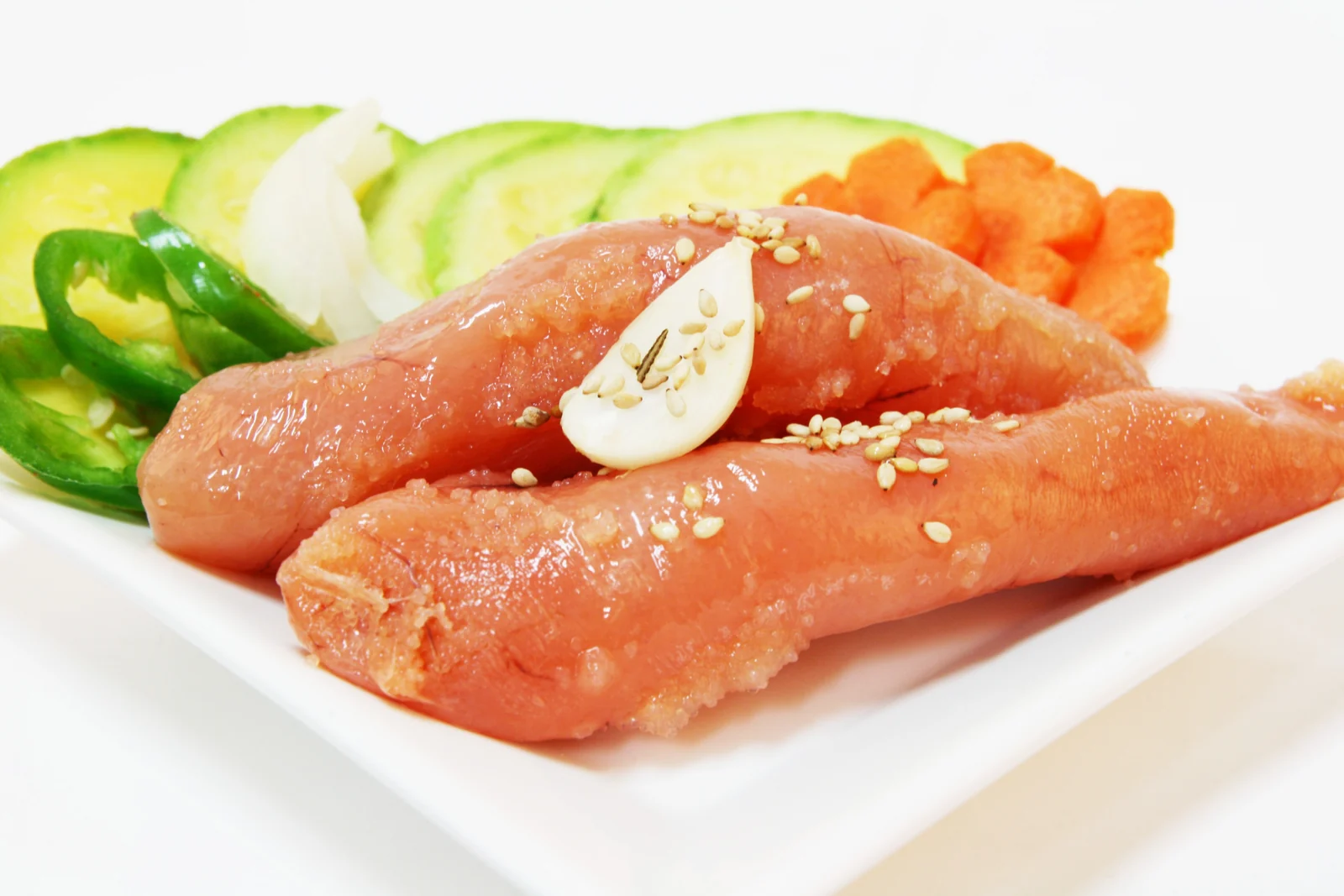
Mentaiko to take home
Spicy cod roe, brought from Korea and reinvented in this city in 1949.
See the detail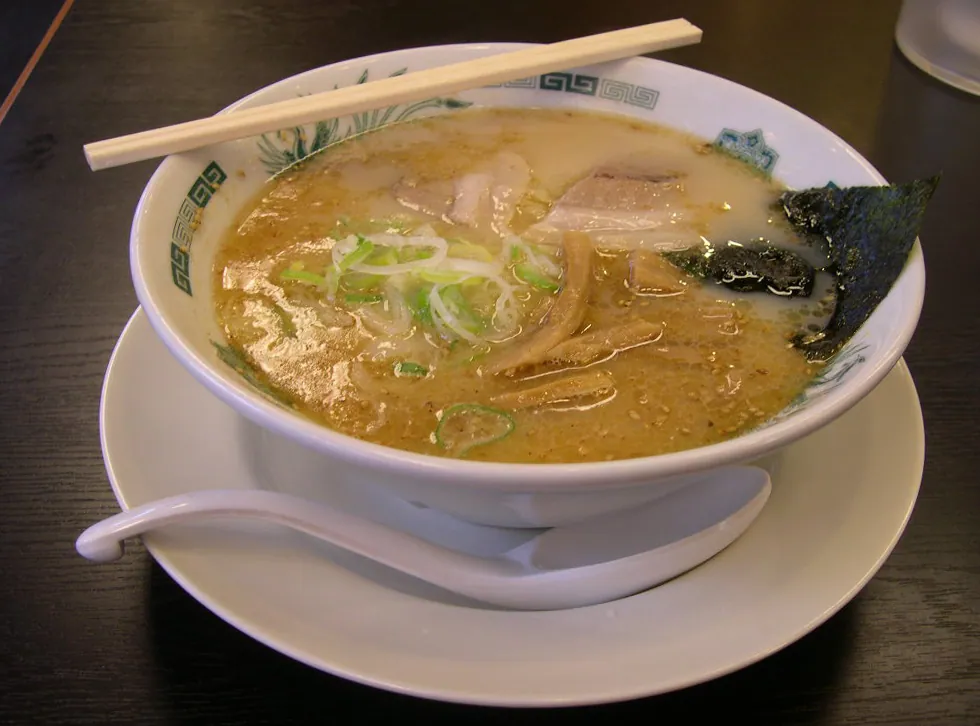 3 hr 30 min for both
Hakata tonkotsu ramen
Pork bone boiled until it emulsifies, thin straight noodles that cook in seconds, and kaedama — a second helping of noodles dropped into the broth you have left.
See the detail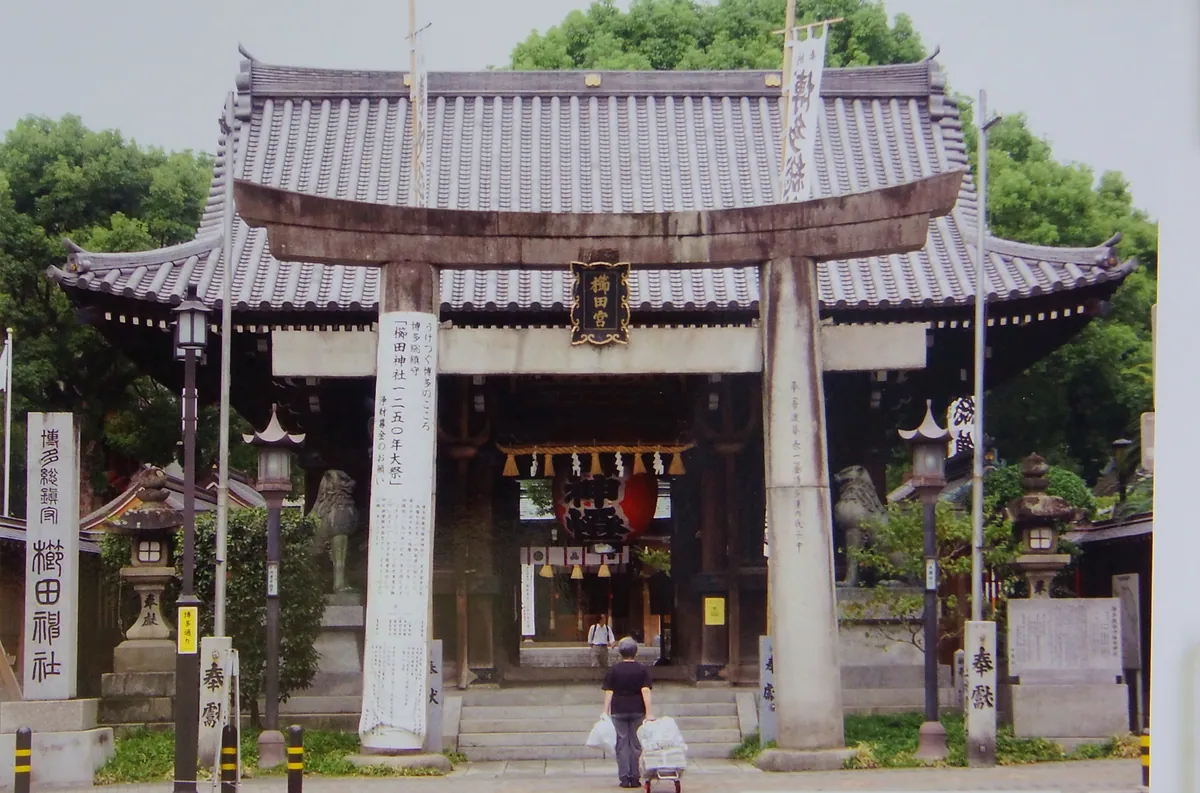 3 hr 30 min for both
Kushida Shrine and the Yamakasa float
A decorated Yamakasa float stands here all year.
See the detail