~2.5h — the round trip from the gangway, with the 60-minute margin kept aside.
Tap a photo to see it large. 8 photographs, each credited.
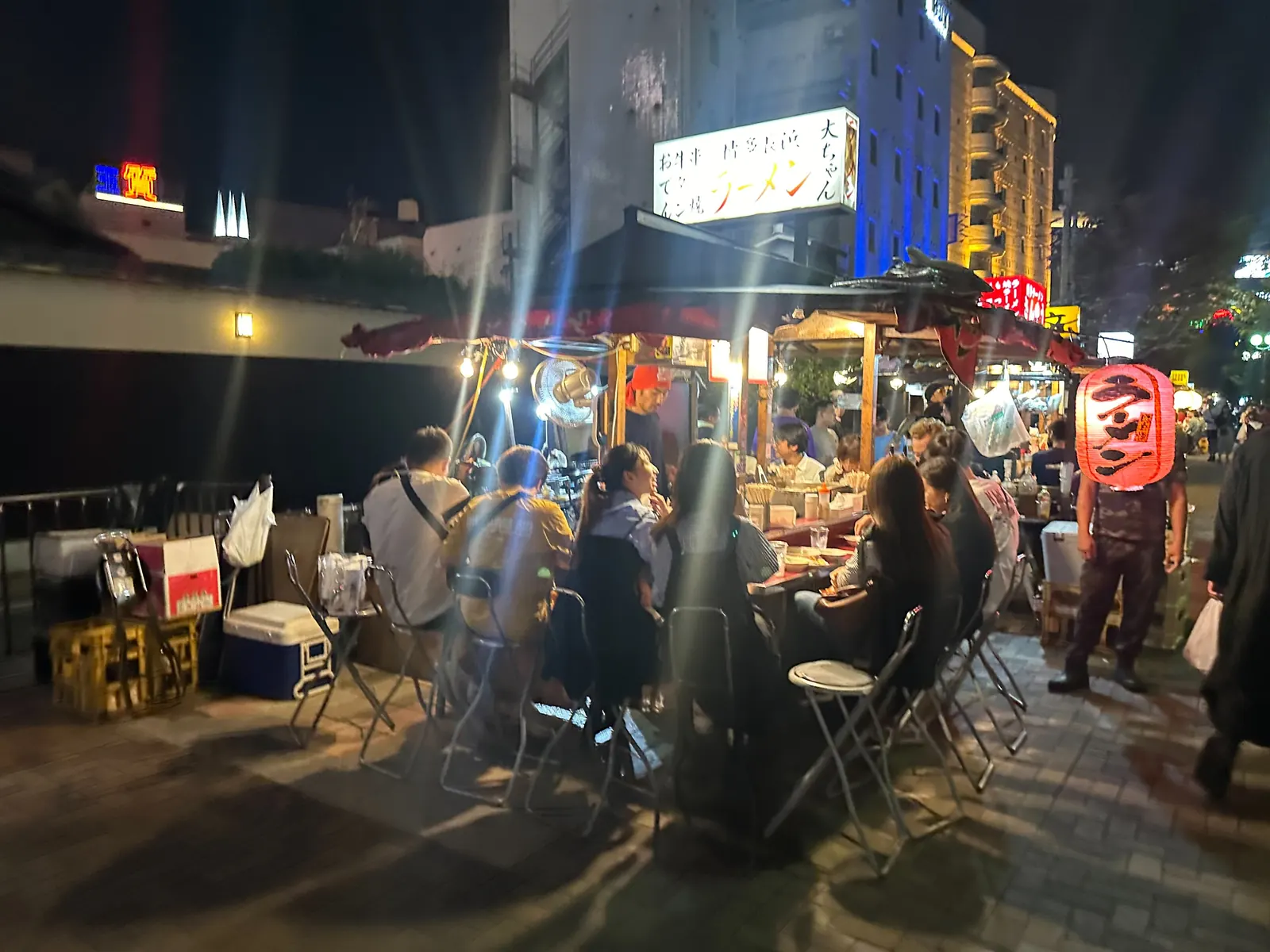
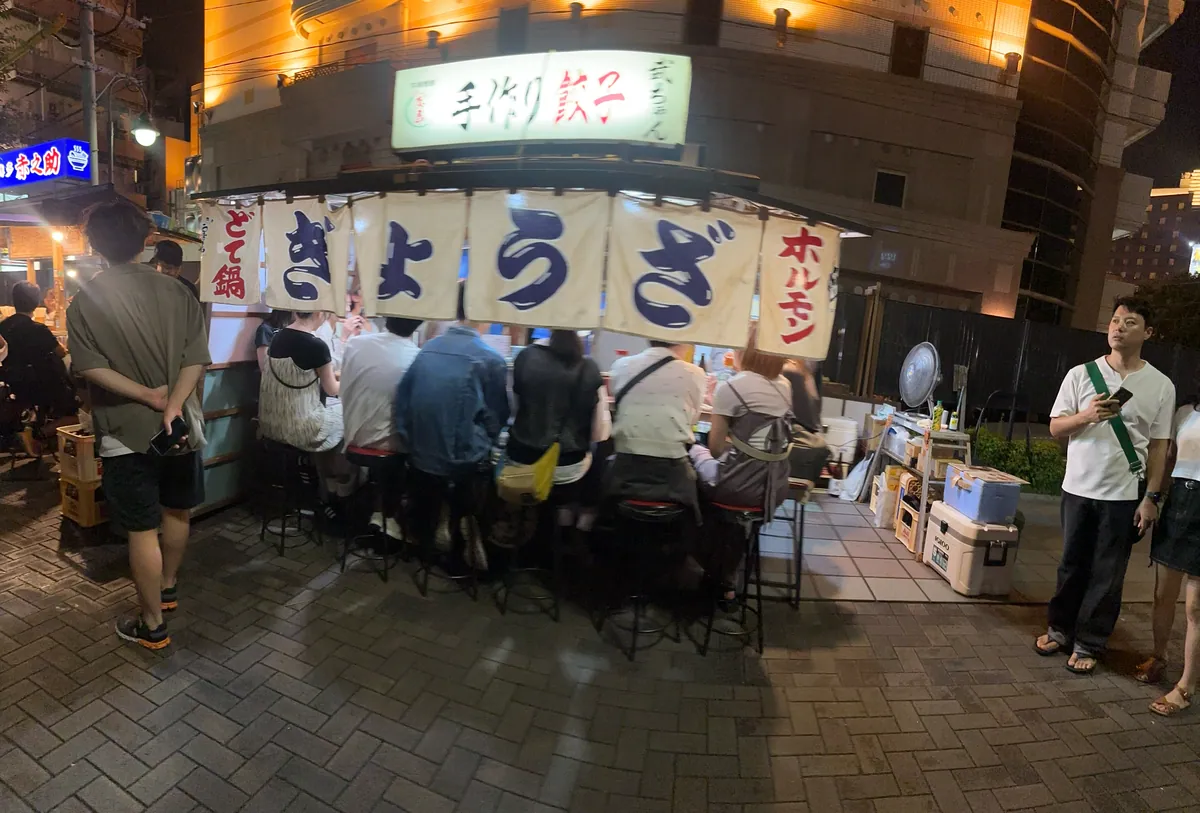
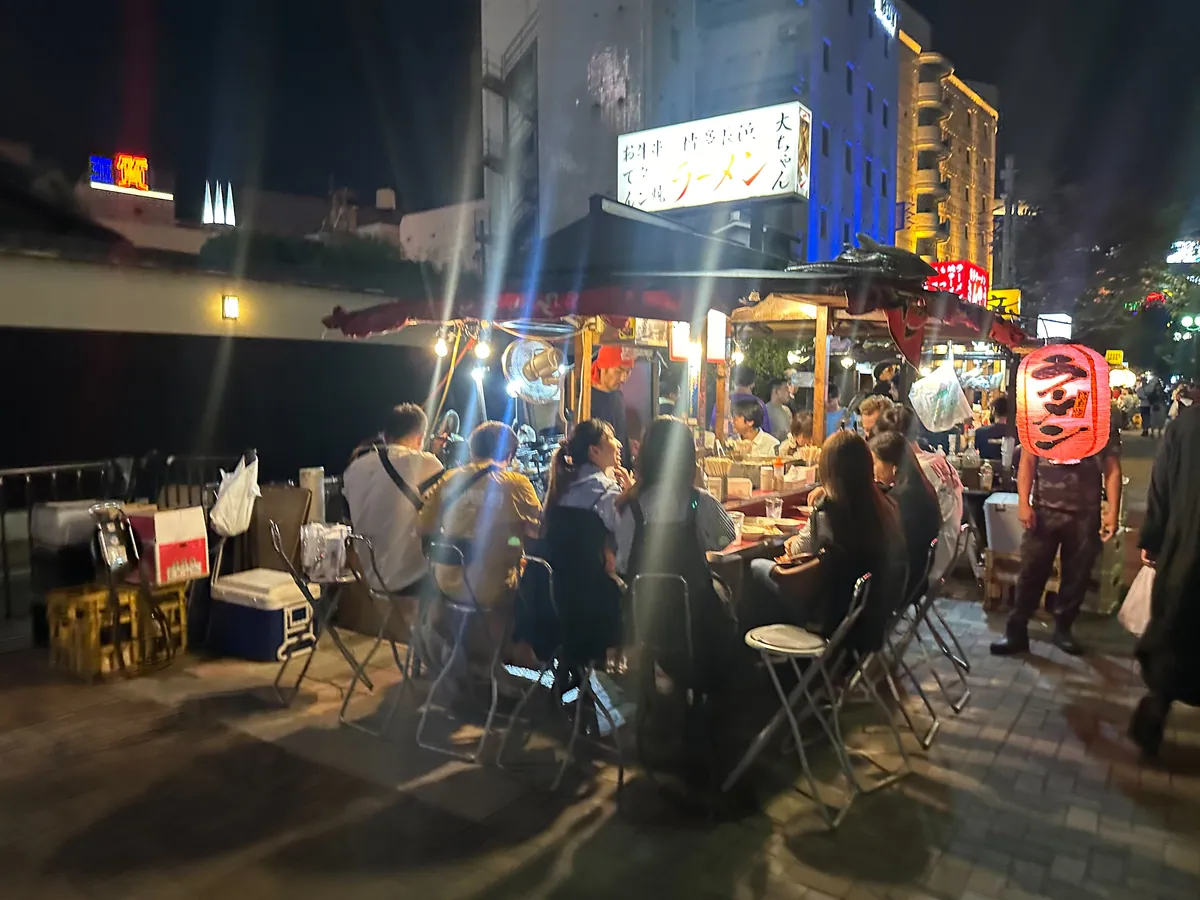
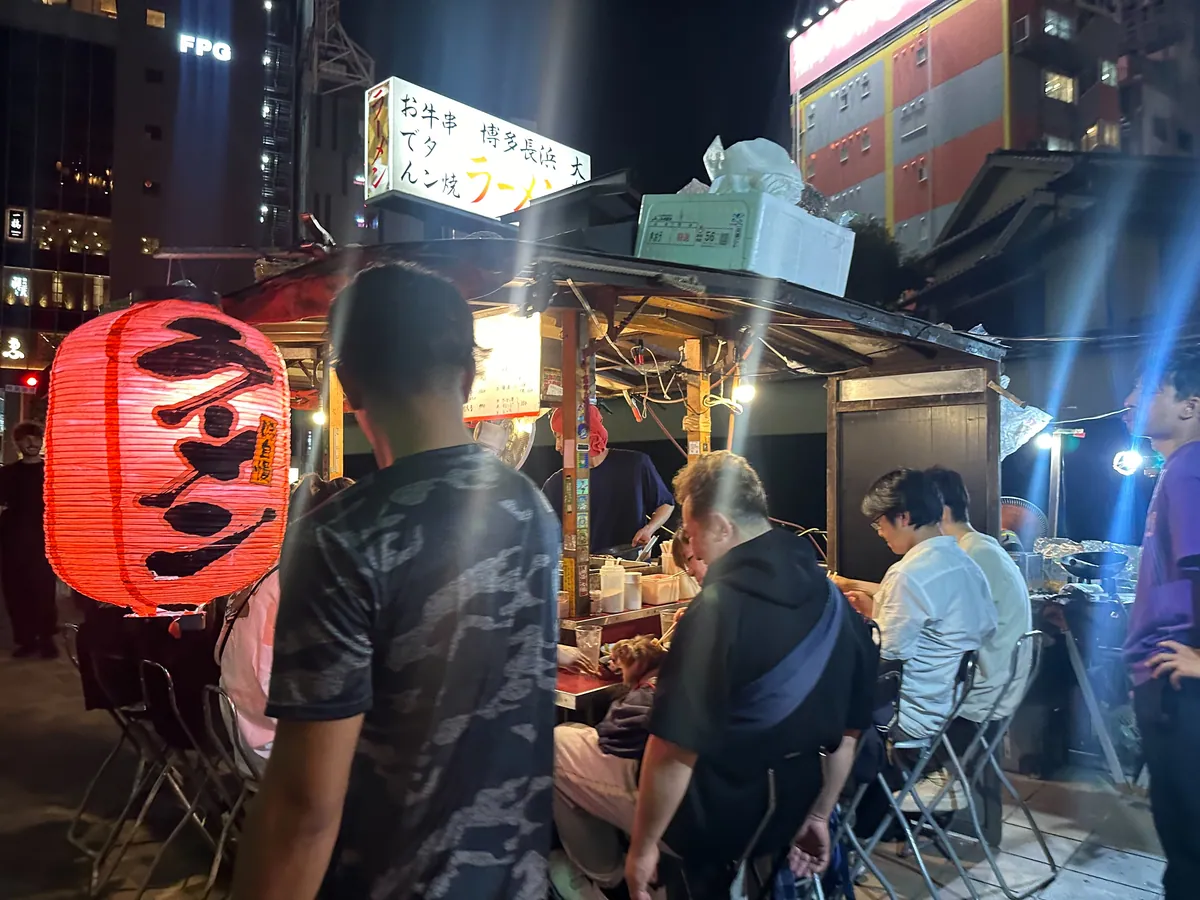
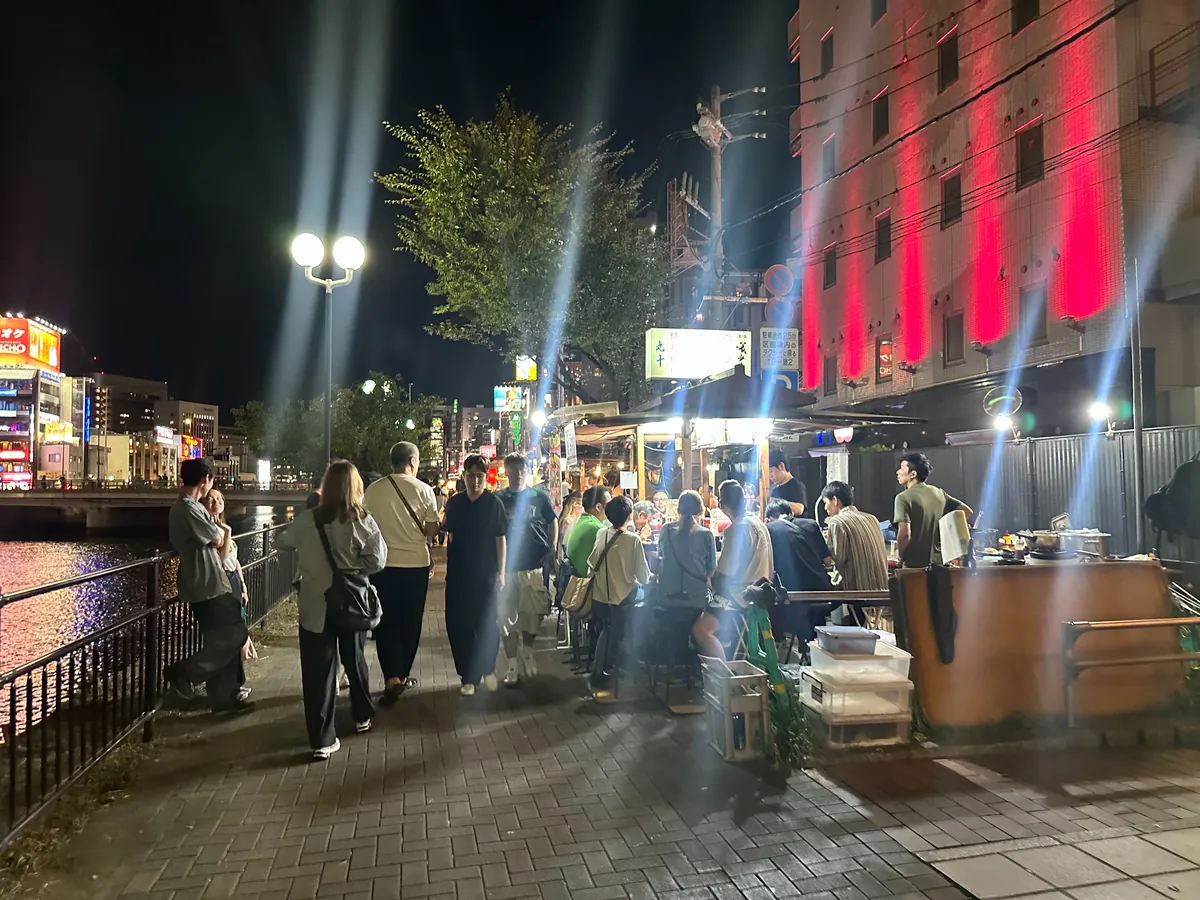
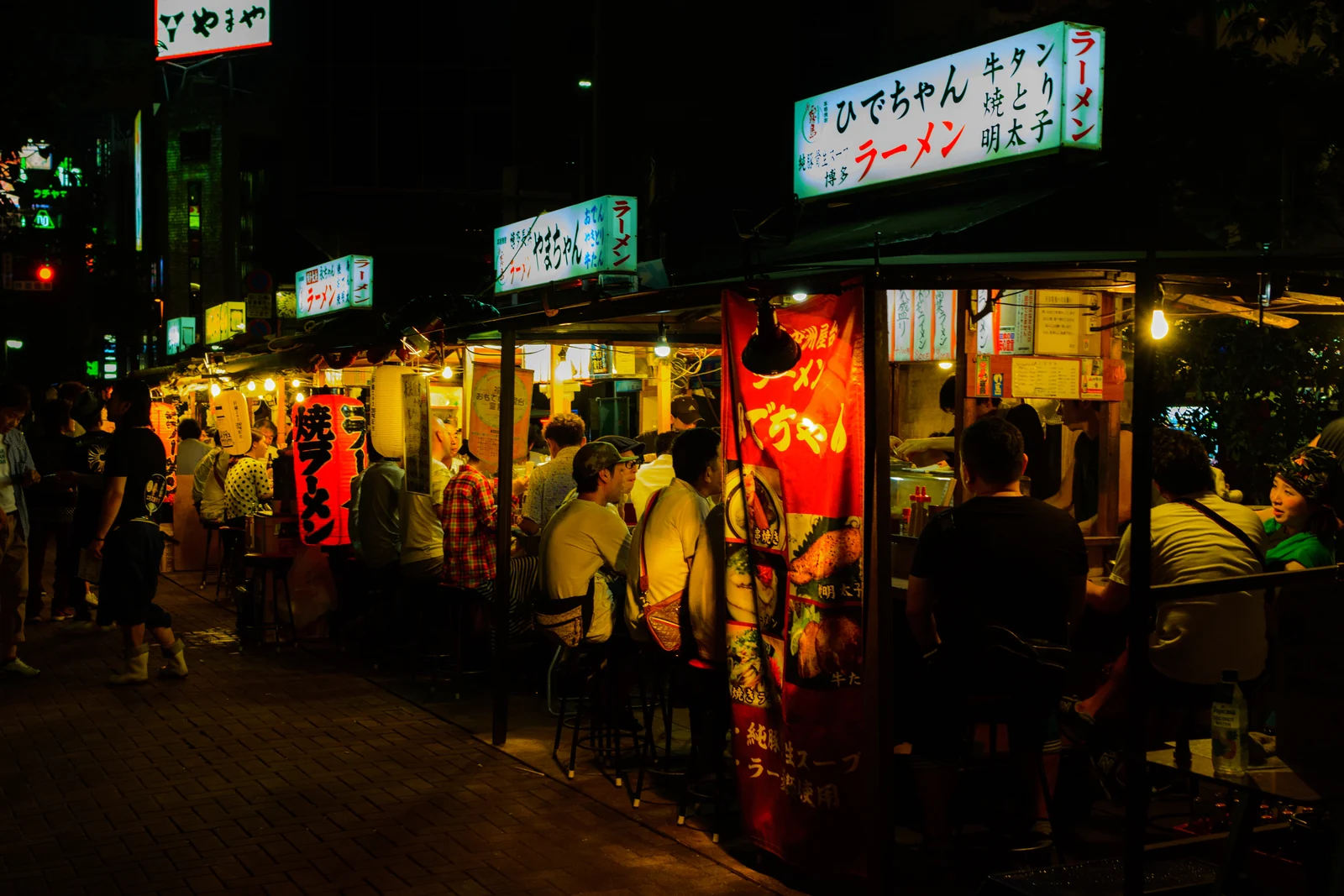
Around a hundred licensed street stalls — the majority of every yatai left in Japan — set up at dusk on the river and are gone by dawn. Eight seats, a plastic sheet, ramen and beer, and the person beside you will talk to you.
Japan regulated its street stalls almost out of existence. This city refused.
Yatai are licensed street food carts that set up on the pavement at dusk and are gone by dawn. Fukuoka has roughly a hundred of them, more than the rest of Japan combined, protected by a city ordinance after decades of decline elsewhere. Ten seats, no walls, and you talk to whoever is beside you.
After the war, Japanese cities were full of yatai — mobile food stalls set up on the pavement each night. Health rules, road rules and redevelopment removed them almost everywhere. Fukuoka has around a hundred left, which is the large majority of every one still operating in Japan.
Yatai were everywhere in post-war Japan and were regulated almost out of existence. Fukuoka kept them: roughly a hundred licensed stalls, the large majority of all that survive nationally, set up at dusk along the Nakasu riverfront and in Tenjin and dismantled before morning.
Each one is about eight seats under a plastic sheet, run by one or two people who need your seat to turn over. That constraint is what makes it work — you eat, you drink, you talk to whoever is beside you, and you leave. It is the most sociable hour available in any Japanese port.
Cheap food where there were no kitchens
Permits die with the operator
New operators, including young ones
Inspected, licensed, and gone by dawn
One stall, one hour, cash, and talk to whoever is beside you. That is the entire instruction.
The one the queue agrees on, the one people who live here use instead, and the one nearest your ship. Opening days change; check before you build a day around one.
The riverside line of carts that appears at dusk. Ten seats each, no walls, and you talk to whoever sits down.
Open in Google MapsWhere locals goTenjin yatai天神 屋台Where Fukuoka eats rather than where it photographs. Fewer carts, less English, better odds of a seat.
Open in Google MapsClosest to the berthNagahama yatai長浜 屋台By the fish market, and the birthplace of the thin-noodle Nagahama ramen style.
Open in Google MapsBoth pins on one map, so the distance is a fact rather than a feeling.
Counted from the moment you step off the gangway. The hour before all-aboard is not in this bar; it is already set aside.
15 minutes each way is the honest figure for taxi ~15 min, not the optimistic one. If your ship is late, cut the 2 hr in the middle. Never cut the hour at the end.
Each of these still lands you back aboard with the hour to spare on a 6-hour stop ashore.
Licensed open-air food stalls of about eight seats, set up at dusk along the Nakasu river and in Tenjin and dismantled before dawn. Fukuoka has roughly a hundred of them — the large majority of every yatai left in Japan, after regulation removed them almost everywhere else.
No. They open from about six in the evening. If your ship sails before then, eat tonkotsu ramen at a Hakata counter instead — it is excellent, and it is not the same experience, which is worth being honest about.
Each one is a finished day we have walked and timed, with this stop in it. Read the route rather than assembling it yourself.
Each of these still lands you back aboard with the hour to spare.
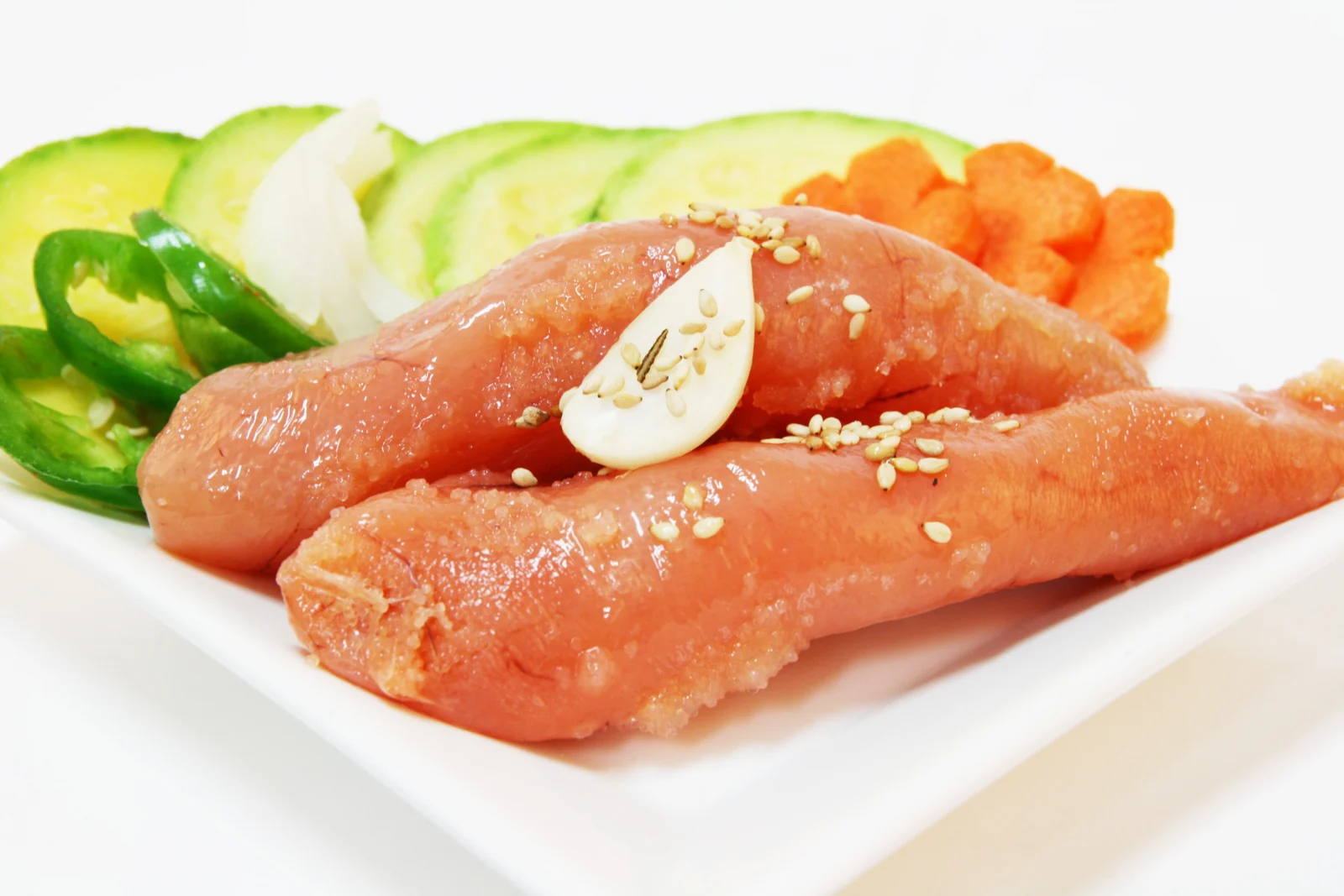 4 hr for both
Spicy cod roe, brought from Korea and reinvented in this city in 1949.
See the detail →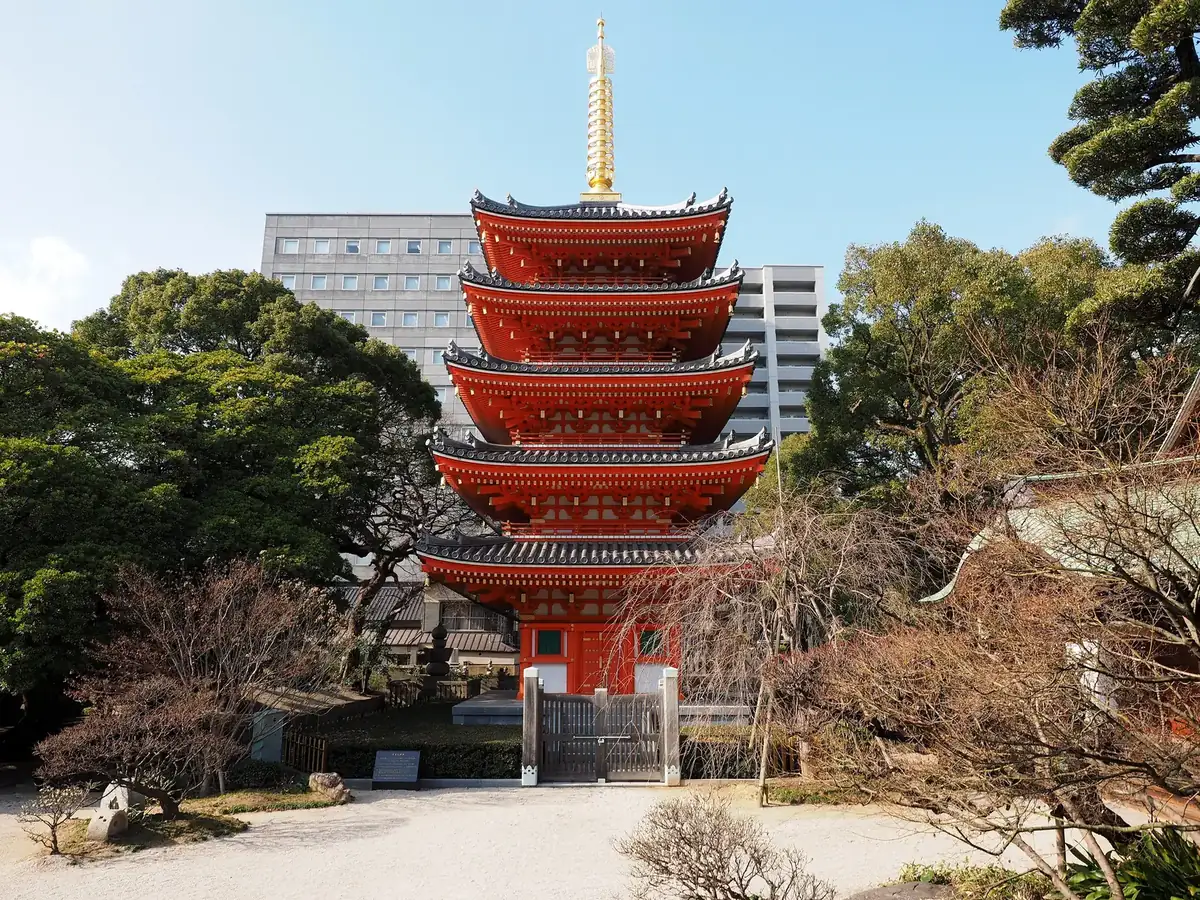 4 hr for both
Japan’s largest seated wooden Buddha, over ten metres, with a dark walk-through passage beneath it representing hell.
See the detail →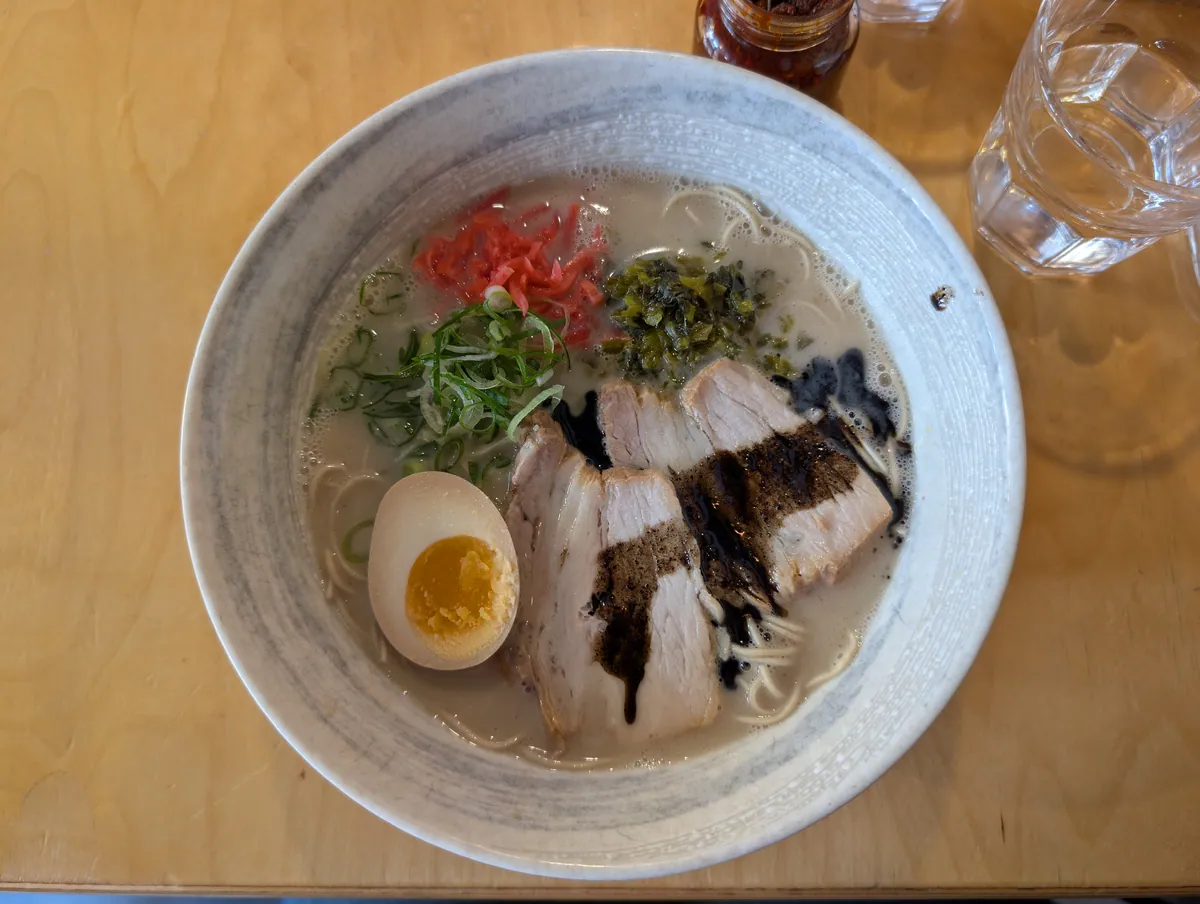 4 hr 30 min for both
Pork bone boiled until it emulsifies, thin straight noodles that cook in seconds, and kaedama — a second helping of noodles dropped into the broth you have left.
See the detail →No typing needed — jump straight in:
Just docked? — the gangway toolStart from your shipThe ride from every berthAsk the editorGlossary