~3h — the round trip from the gangway, with the 60-minute margin kept aside.
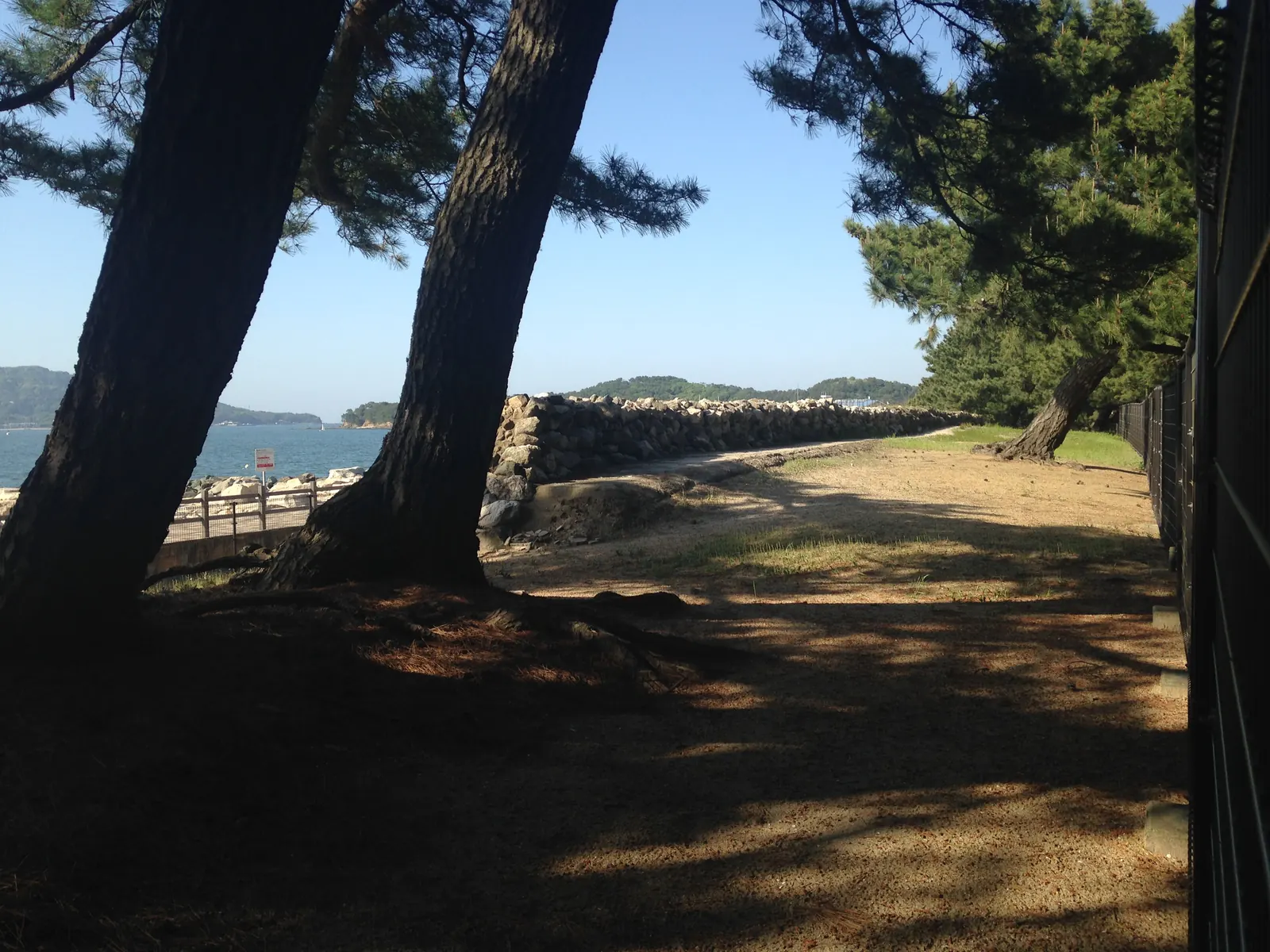
After the Mongols landed in 1274, Japan built a stone wall along twenty kilometres of this bay. When they returned in 1281 it held them offshore until a typhoon destroyed the fleet — the storm that gave the word kamikaze its meaning.
Two invasions landed on this bay, and the word kamikaze came from what stopped them
In 1274 and 1281 the Mongol fleets landed here, and between the invasions Japan built twenty kilometres of stone wall along this coast. The second fleet never got past it, and then a typhoon finished the job, which is where the word kamikaze comes from. Sections of the wall are still in the dunes.
Kublai Khan sent two fleets against Japan and both made for this bay. The second was among the largest seaborne invasions in history before the twentieth century. What stopped it was a typhoon — and the word Japan used for that storm, kamikaze, was still being used seven centuries later.
Massed formations against single combat
~20 km of stone, paid for by the western domains
And the wall keeps it off the beach
Japan calls it kamikaze — the divine wind
Take the subway west and walk to the Genko Borui at Ikinomatsubara. Low stones under pines, and nobody there.
Each of these still lands you back aboard with the hour to spare on a 6-hour stop ashore.
Each of these still lands you back aboard with the hour to spare.
 4 hr 30 min for both
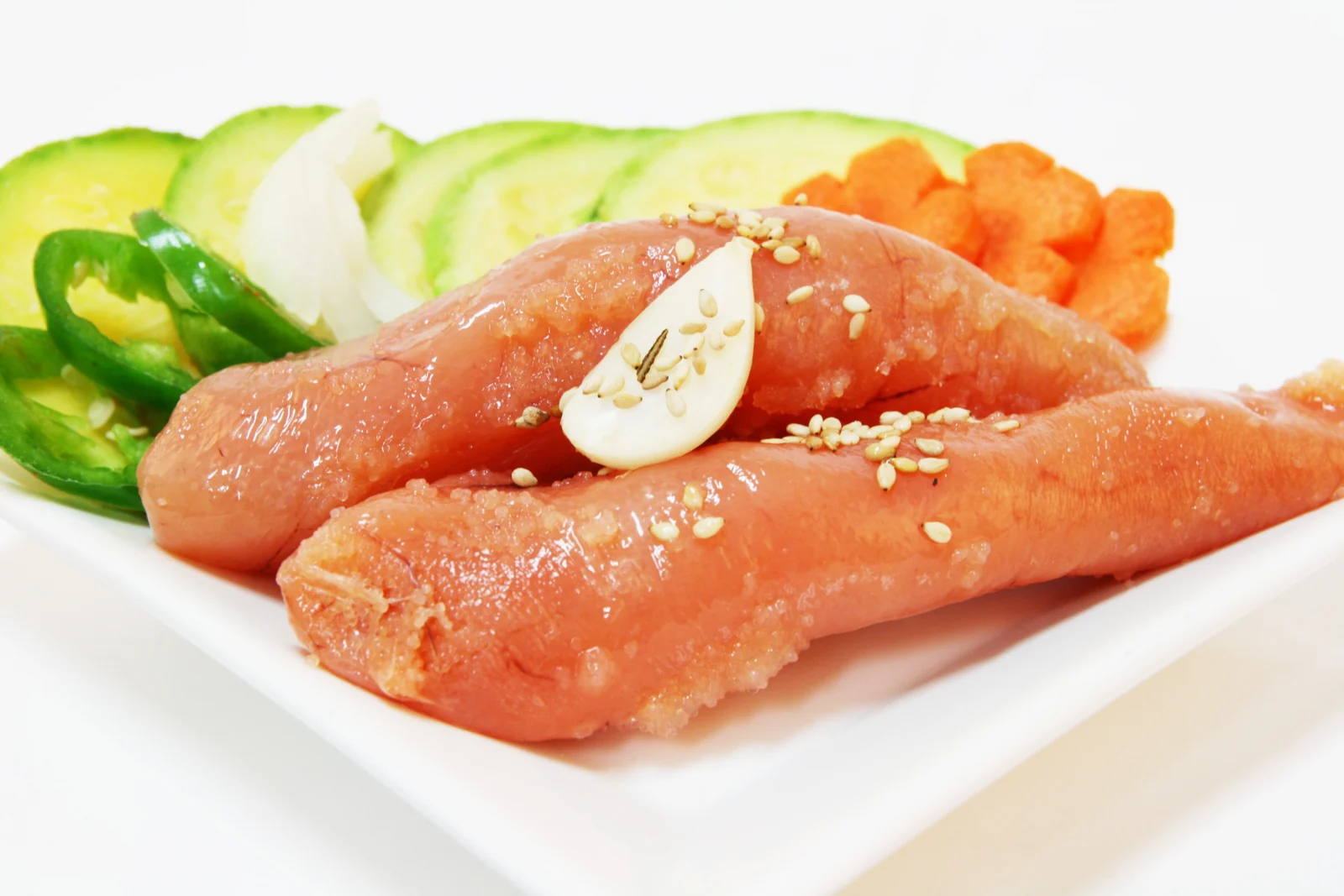
Spicy cod roe, brought from Korea and reinvented in this city in 1949.
See the detail →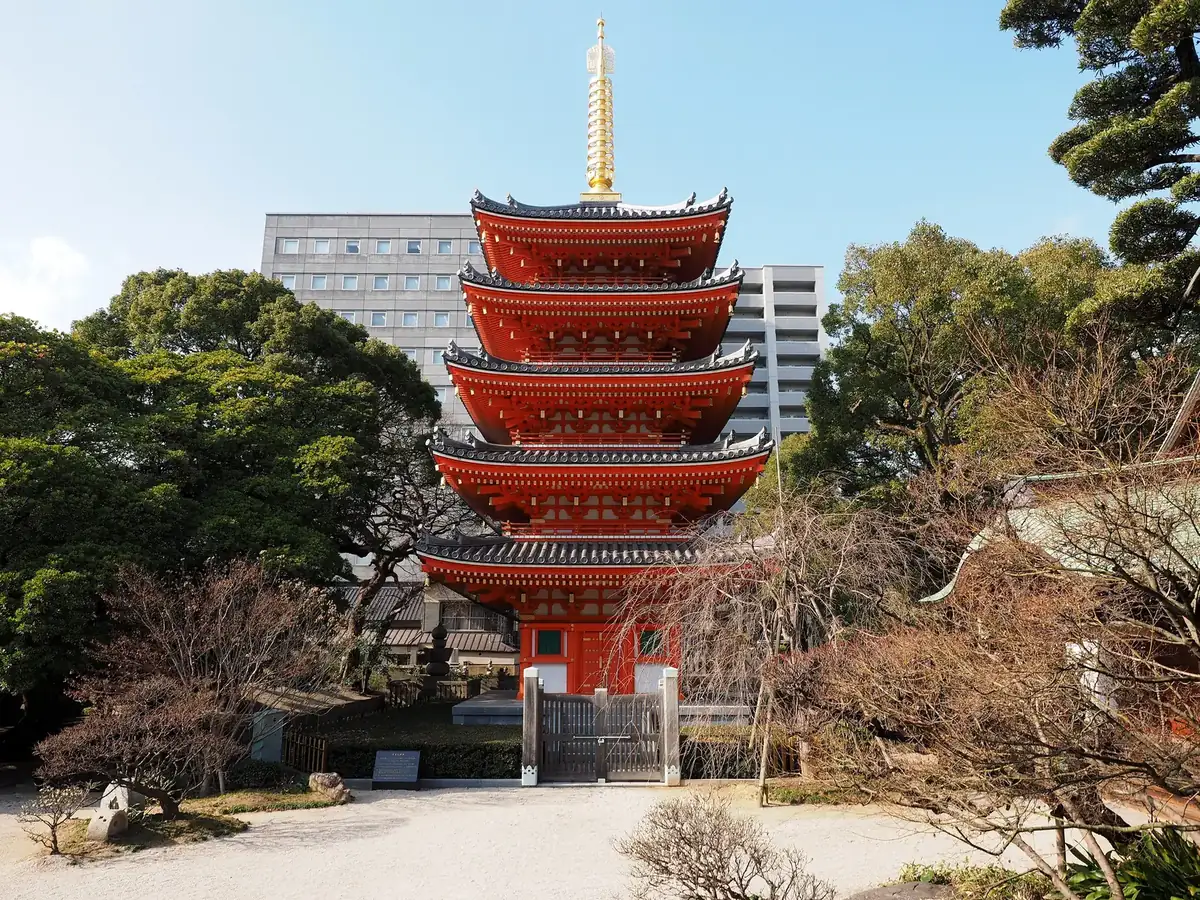 4 hr 30 min for both
Japan’s largest seated wooden Buddha, over ten metres, with a dark walk-through passage beneath it representing hell.
See the detail →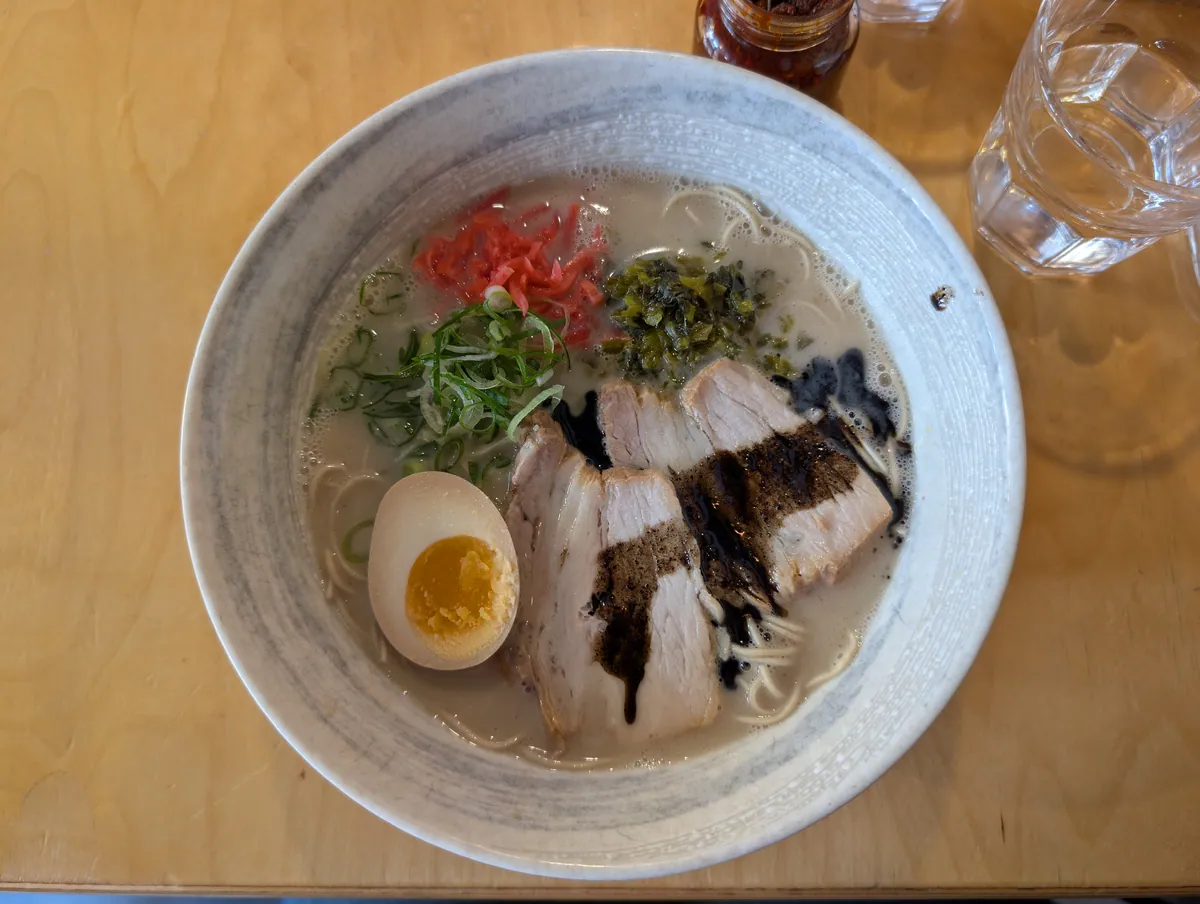 5 hr for both
Pork bone boiled until it emulsifies, thin straight noodles that cook in seconds, and kaedama — a second helping of noodles dropped into the broth you have left.
See the detail →No typing needed — jump straight in:
Just docked? — the gangway toolStart from your shipThe ride from every berthAsk the editorGlossary