
The divine wind
Two invasions landed on this bay, and the word kamikaze came from what stopped them
Kublai Khan sent two fleets against Japan and both made for this bay. The second was among the largest seaborne invasions in history before the twentieth century. What stopped it was a typhoon — and the word Japan used for that storm, kamikaze, was still being used seven centuries later.
In 1274 a Mongol and Korean fleet landed on Hakata Bay. The Japanese defenders, organised around single combat and individual challenge, were unprepared for massed formations, gunpowder bombs and coordinated archery. They were pushed back — and then the fleet withdrew to its ships and a storm destroyed much of it.
The wall
Japan assumed they would return, and built. Along roughly twenty kilometres of this bay, the shogunate ordered a stone defensive wall — the Genko Borui — about two metres high, faced with stone, with the cost distributed among the western domains by the amount of land they held.
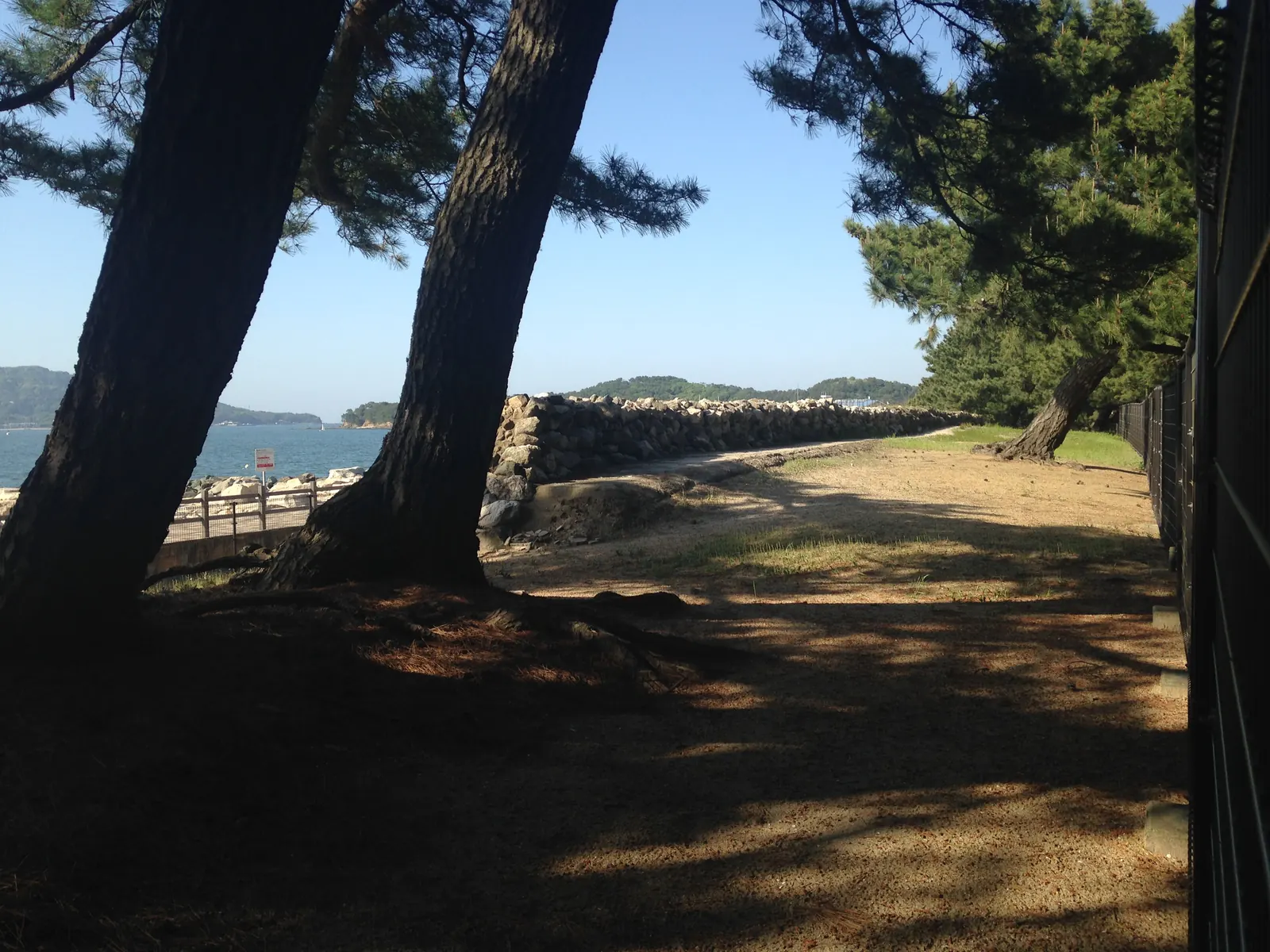
It took about five years. Sections survive, half-buried in the pine groves along the shore at Ikinomatsubara and Nishijin, and you can walk to them on the subway.
In 1281 the second fleet arrived — very large, with forces from Korea and from the recently conquered Song empire. The wall held them off the beach for weeks.
The storm
Unable to land in force, the fleet stayed at anchor through the summer. In August a typhoon came through and destroyed it. Losses were enormous, and the invasion ended.
Japan understood this as divine intervention — a kamikaze, a wind of the gods, sent because the country was under supernatural protection. Marine archaeology at Takashima, off this coast, has since recovered wreckage, anchors and Mongol seals from the seabed.
What it cost, and what it meant
The shogunate won and then could not pay for it. The defenders had fought a defensive war with no conquered land to distribute, and the resulting resentment among warrior families contributed to the collapse of the Kamakura shogunate half a century later.
And the idea outlived the event by seven hundred years. In 1944, when Japan named its suicide attack units, it reached back to this bay for the word.
How it happened
- 1274The first invasion lands on Hakata Bay
Massed formations against single combat
- 1276–81The Genko Borui wall is built
~20 km of stone, paid for by the western domains
- 1281The second, much larger fleet arrives
And the wall keeps it off the beach
- Aug 1281A typhoon destroys the fleet
Japan calls it kamikaze — the divine wind
- 1333The Kamakura shogunate falls
Partly on debts from a war with no spoils
Where this becomes real on your port day
Take the subway west and walk to the Genko Borui at Ikinomatsubara. Low stones under pines, and nobody there.

The vocabulary of the invasions
- Genko 元寇
- The Mongol invasions of 1274 and 1281.
- Genko Borui 元寇防塁
- The stone wall along the bay. Sections survive in the pines.
- Kamikaze 神風
- "Divine wind." The typhoon of 1281, and the word reused in 1944.
- Takashima 鷹島
- The island off this coast where the wrecks were found.
FAQ
Where did the Mongol invasions of Japan land?
On Hakata Bay, at what is now Fukuoka, in both 1274 and 1281. After the first attempt, Japan built a stone defensive wall — the Genko Borui — along roughly twenty kilometres of the bay, and sections still survive half-buried in the pine groves at Ikinomatsubara and Nishijin.
What does kamikaze originally mean?
Divine wind. It referred to the typhoon that destroyed the second Mongol fleet at anchor off Hakata Bay in August 1281, which Japan understood as supernatural protection. The word was revived in 1944 to name the suicide attack units — seven centuries after the storm it described.
More from Fukuoka
Why the city is called Fukuoka and the station is called Hakata
Read →
Japan regulated its street stalls almost out of existence. This city refused.
Read →
One tonne, five kilometres, at 4:59 in the morning
Read →
An accident in 1937, and the vocabulary you need to order it right
Read →