What Fukuoka is
Fukuoka in 5 stories
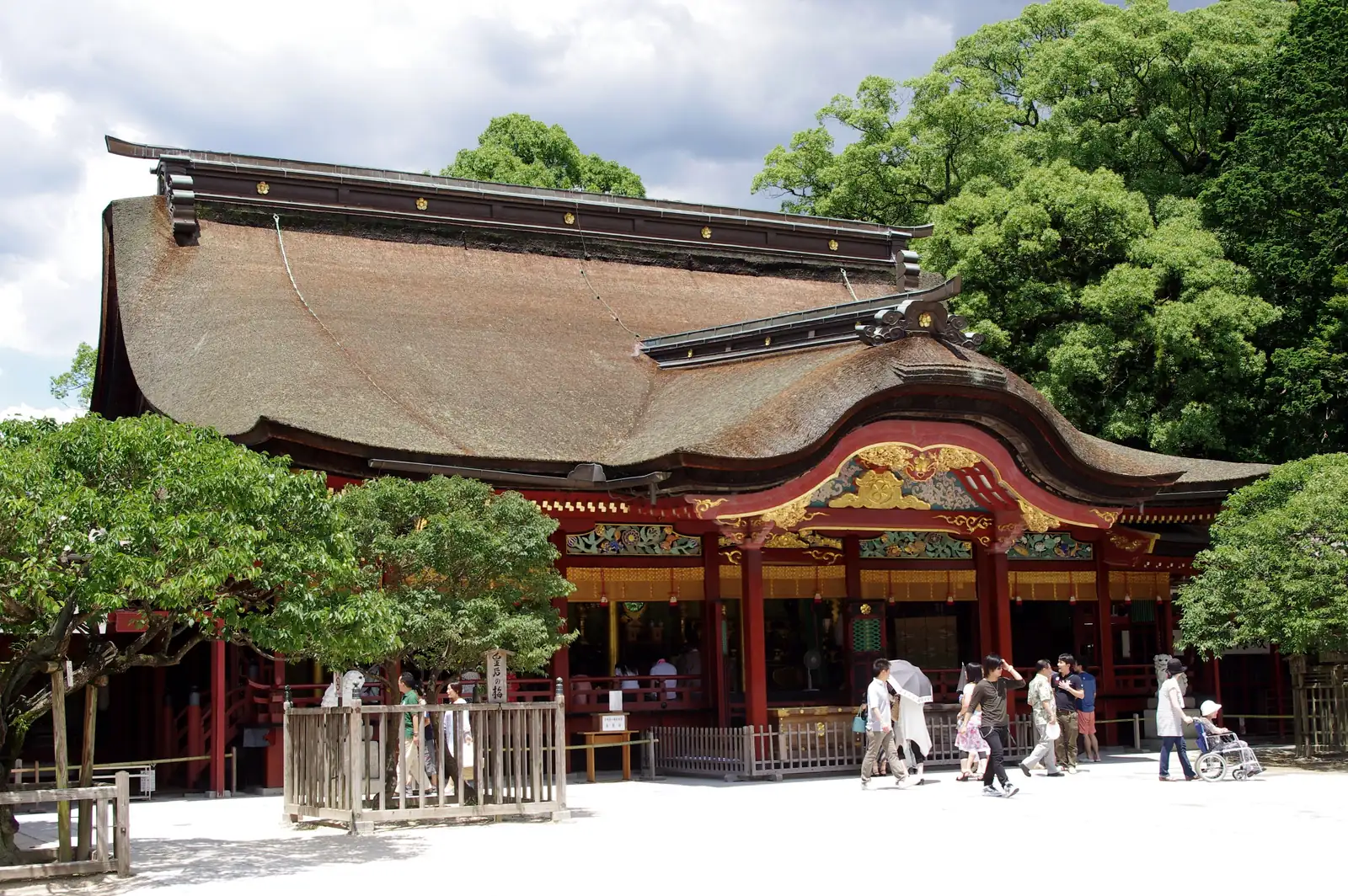
Fukuoka, Japan's joint-busiest cruise port, is really two towns: Hakata, a merchant port a thousand years old, and Fukuoka, a castle town built in 1601, merged in 1889. It is known for tonkotsu ramen, for Dazaifu Tenmangu, the shrine to the god of learning, and for the yatai, a hundred food stalls that open at dusk. Your ship docks at Chuo Wharf, with the old merchant town within 3 km and Tenjin 15 minutes away by bus.
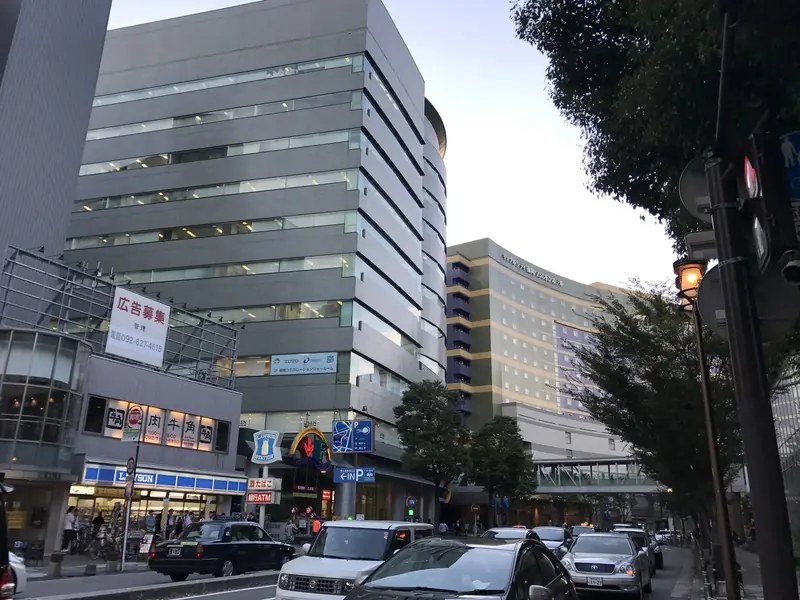
01 · The historyThere were two towns here, either side of the Naka river. Hakata to the east was a merchant port a thousand years old. Fukuoka to the west was a castle town built in 1601. They merged in 1889 by one vote, and the compromise is still on every signpost.
Read the story → 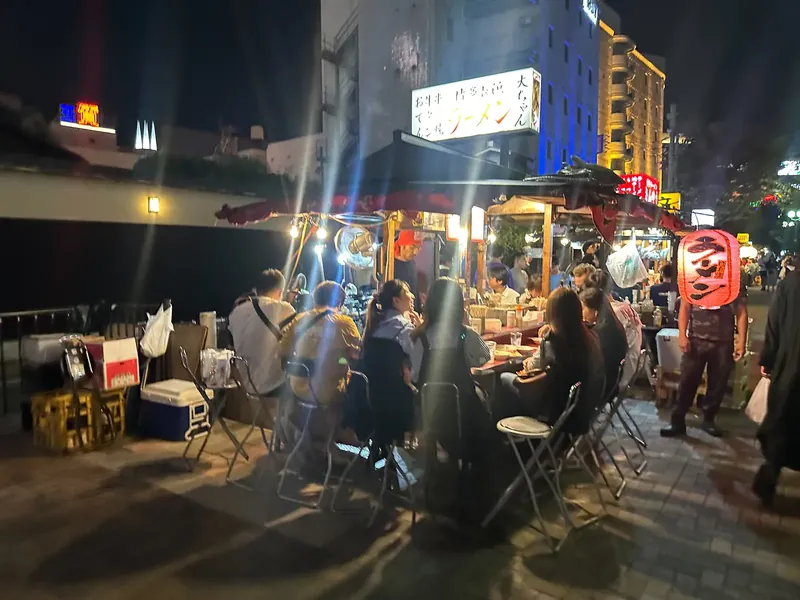
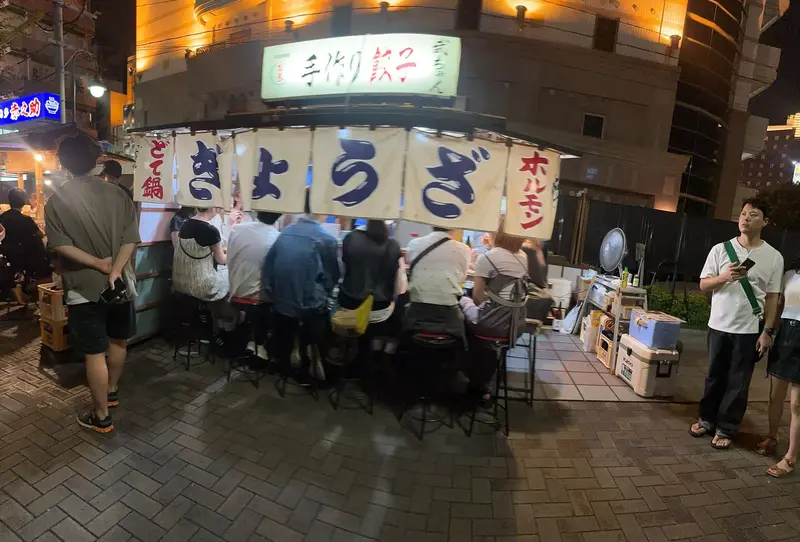
02 · The stallsAfter the war, Japanese cities were full of yatai — mobile food stalls set up on the pavement each night. Health rules, road rules and redevelopment removed them almost everywhere. Fukuoka has around a hundred left, which is the large majority of every one still operating in Japan.
Read the story → 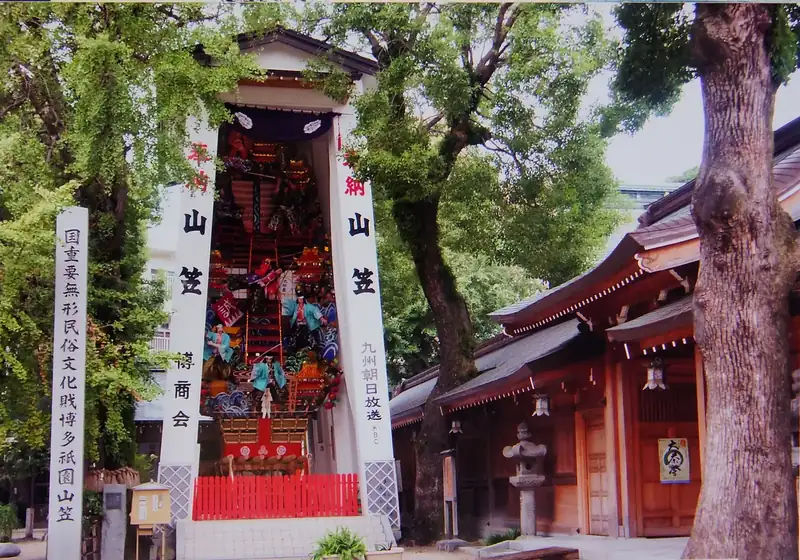
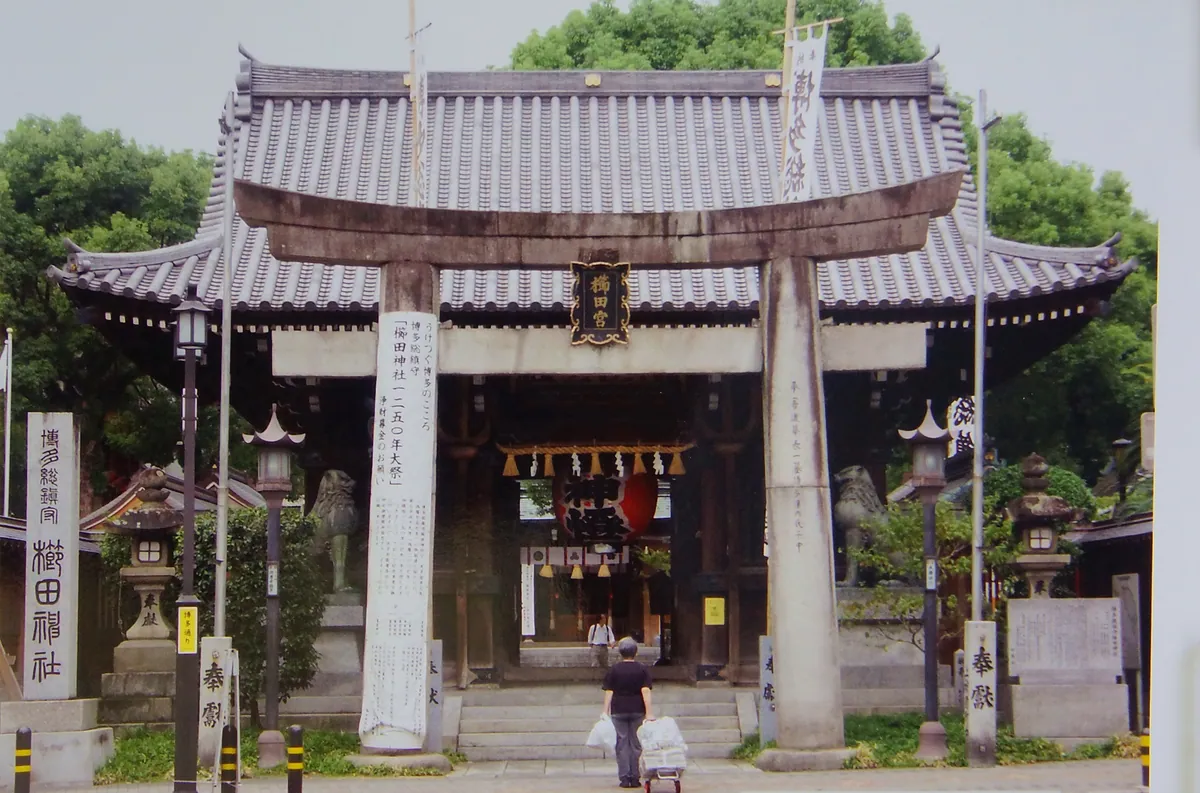
03 · The festivalOn 15 July, at four fifty-nine in the morning, a one-tonne float leaves Kushida Shrine carried at a run by twenty-six men, with hundreds more rotating in along a five-kilometre course. Seven teams follow at five-minute intervals. It is over by six, and it has run for roughly 780 years.
Read the story → 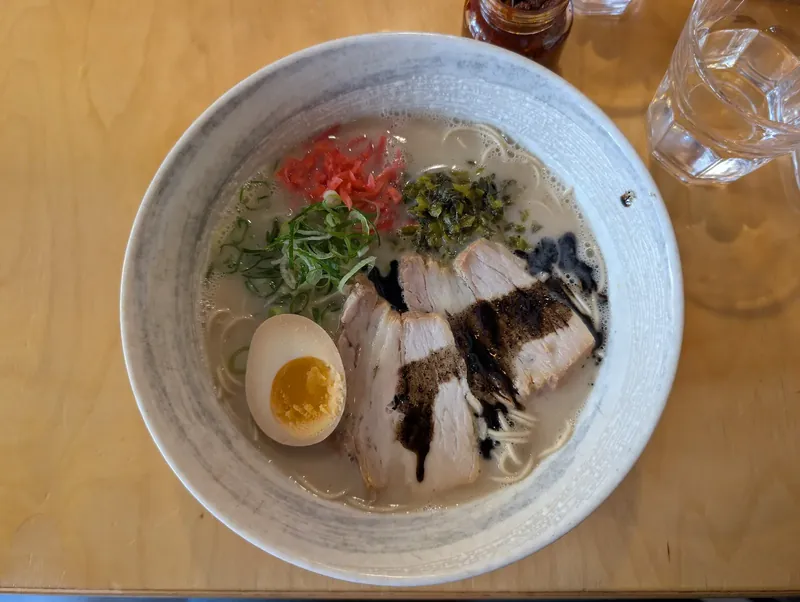
04 · The bowlThe cloudy white pork broth that now defines Japanese ramen abroad was, by the usual account, a mistake — a pot left boiling too hard in a Kurume stall in 1937. Hakata refined it, added the thin noodles and the refill system, and exported it to the world.
Read the story → 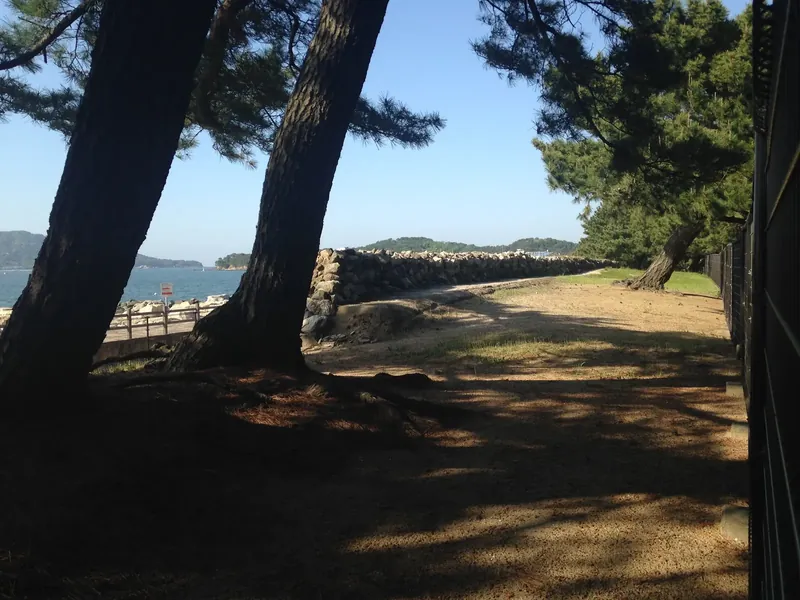
05 · The invasionsKublai Khan sent two fleets against Japan and both made for this bay. The second was among the largest seaborne invasions in history before the twentieth century. What stopped it was a typhoon — and the word Japan used for that storm, kamikaze, was still being used seven centuries later.
Read the story →