
Two towns, one river
Why the city is called Fukuoka and the station is called Hakata
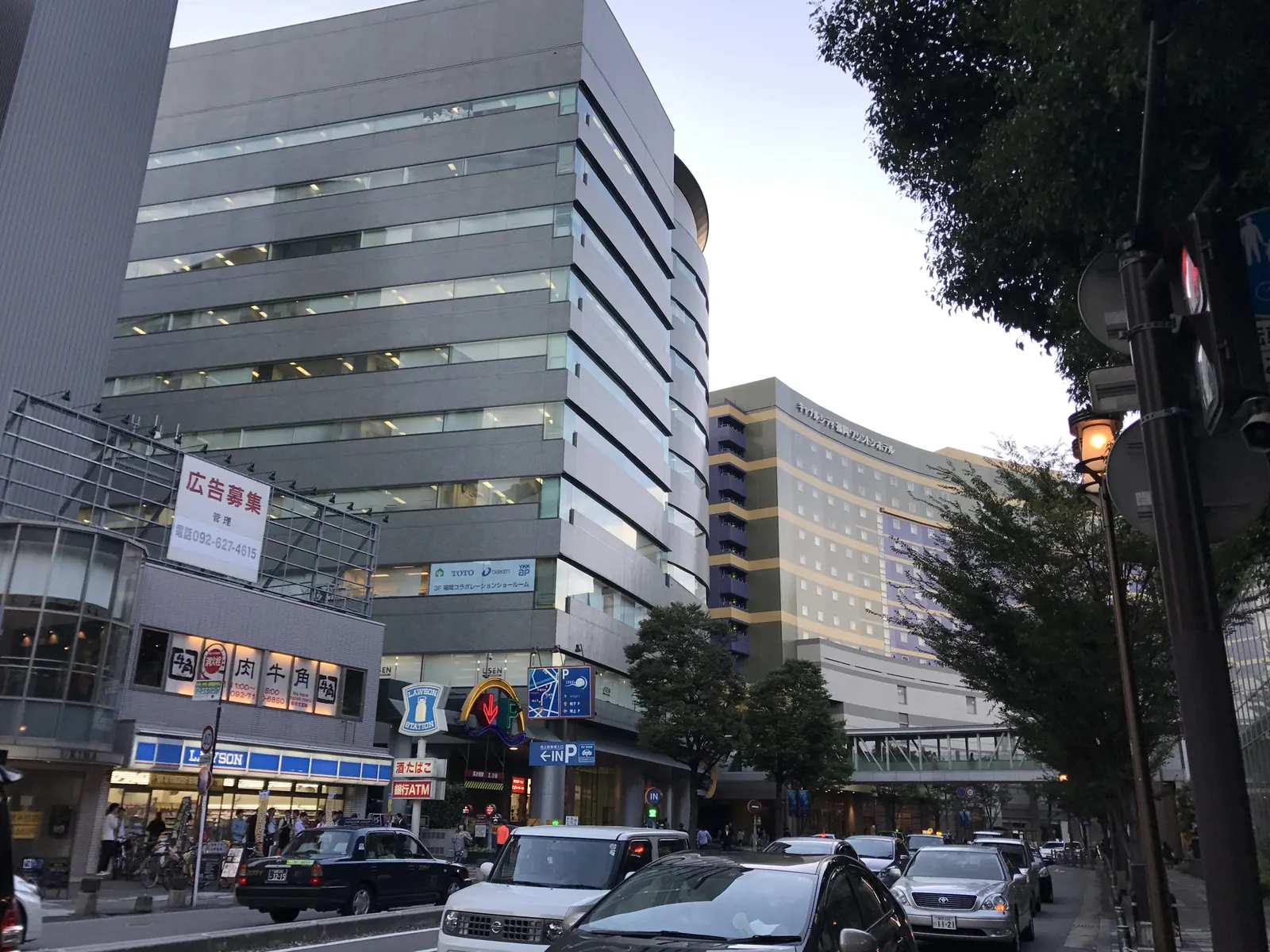
There were two towns here, either side of the Naka river. Hakata to the east was a merchant port a thousand years old. Fukuoka to the west was a castle town built in 1601. They merged in 1889 by one vote, and the compromise is still on every signpost.
Hakata was trading with China and Korea by the eighth century and was the main gateway for goods, monks and ideas entering Japan from the continent. Tea, Zen, and probably udon arrived through this port. It was a merchant town: no lord, no castle, and a lot of money.
Fukuoka was created in 1601 when Kuroda Nagamasa, rewarded after Sekigahara, built a castle west of the river and named the town after his family’s ancestral place in Okayama. Samurai lived there. Merchants stayed east.
The vote
When the two merged into a single municipality in 1889, the name was put to the city assembly. Fukuoka won — by an account that has become local legend, on the chairman’s casting vote after a tie.
Hakata was not finished. When the railway came, the main station was named Hakata Station, and it still is. So the city is Fukuoka, the station is Hakata, the ward is Hakata, the ramen is Hakata, the festival is Hakata, and the airport is Fukuoka.
Visitors assume this is confusing. Locals find it entirely reasonable, and will tell you which half of the city they are from.
The difference is still there
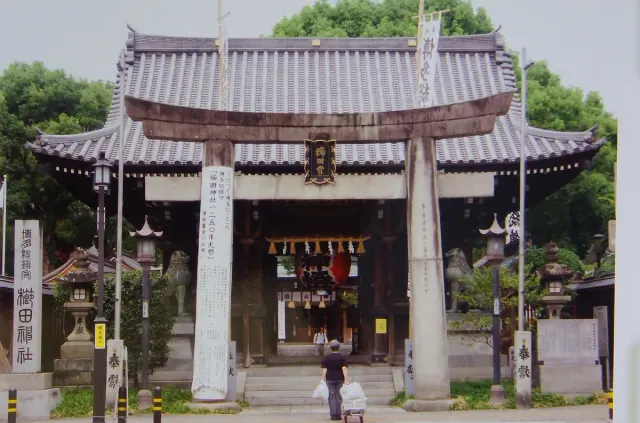
The old merchant half — east of the river, around Kushida Shrine and Canal City — keeps the festivals, the crafts and the food names. Hakata-ori silk, Hakata ningyo dolls, Hakata Gion Yamakasa.
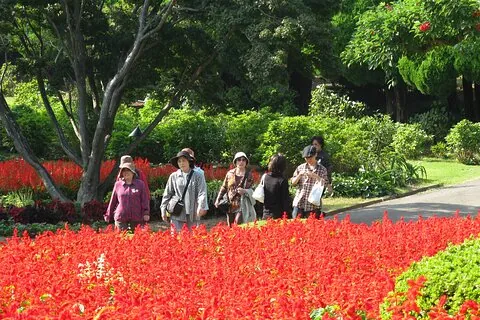
The old castle half — west, around Ohori Park and Tenjin — has the government offices, the department stores and the park that was once the castle’s outer moat. The castle itself is ruins; no keep survives.
And why the port matters now
Fukuoka is the closest major Japanese city to the Asian mainland — closer to Seoul than to Tokyo. That is why it was the landing point for everything from Buddhism to the Mongol fleet, and it is why it now sits at the top of Japan’s cruise-call rankings — first outright in 2024, joint-first with Yokohama in 2025.
How it happened
- 8th c.Hakata is Japan’s gateway to the continent
Trade, monks, tea and Zen come through
- 1601Kuroda Nagamasa builds a castle west of the river
And names the town Fukuoka
- 1889The two towns merge; Fukuoka wins the name
By a casting vote, in the local telling
- laterThe station is named Hakata
And still is
- todayTop of Japan’s cruise-call rankings
First in 2024; joint-first with Yokohama in 2025
Where this becomes real on your port day
Use "Hakata" for food and festivals, "Fukuoka" for the city. Nobody explains it; everybody notices.
The vocabulary of the two towns
- Hakata 博多
- The merchant half, east of the river. The food and the festivals.
- Fukuoka 福岡
- The castle half, west. The city’s official name since 1889.
- Nakasu 中洲
- "Middle sandbank" — the island between them, and the yatai.
- Hakata-ori 博多織
- The silk weave, made here for over seven centuries.
FAQ
Is it Fukuoka or Hakata?
Both. They were separate towns either side of the Naka river — Hakata a merchant port over a thousand years old, Fukuoka a castle town founded in 1601 — that merged in 1889. The city took the name Fukuoka; the main railway station took the name Hakata. Locals use Hakata for the food, festivals and crafts, and Fukuoka for the city and airport.
Why is Fukuoka Japan’s busiest cruise port?
It is the closest major Japanese city to the Asian mainland — nearer to Seoul than to Tokyo — which made it the historical gateway for trade with China and Korea and makes it the natural first or last Japanese call on regional itineraries. It led Japan’s cruise-call count outright in 2024 and was joint-first with Yokohama in 2025, at 209 calls each.
More from Fukuoka
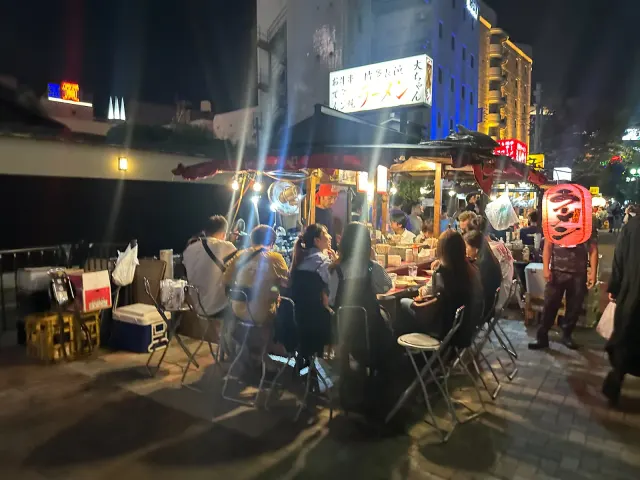
Japan regulated its street stalls almost out of existence. This city refused.
Read →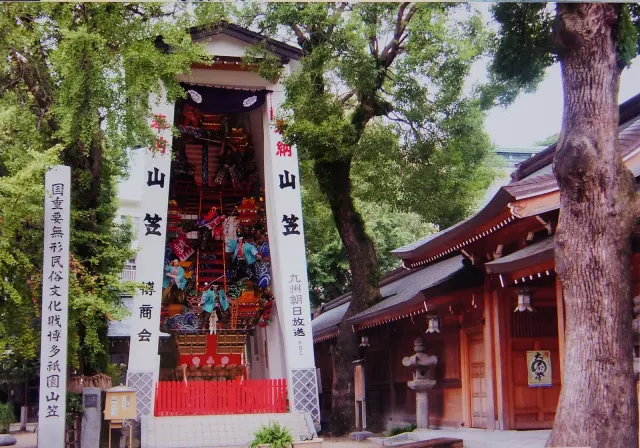
One tonne, five kilometres, at 4:59 in the morning
Read →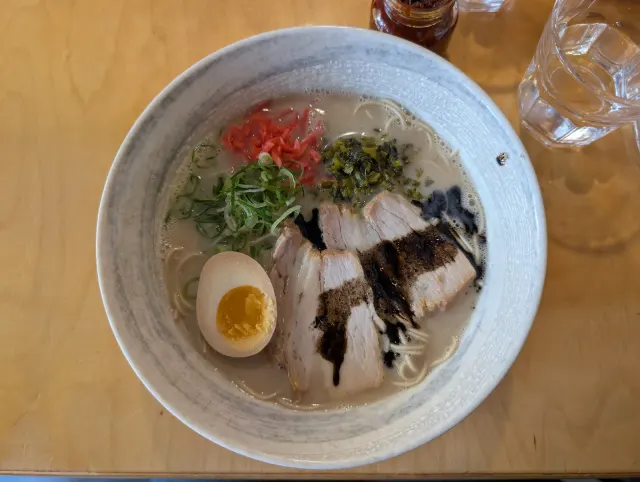
An accident in 1937, and the vocabulary you need to order it right
Read →
Two invasions landed on this bay, and the word kamikaze came from what stopped them
Read →