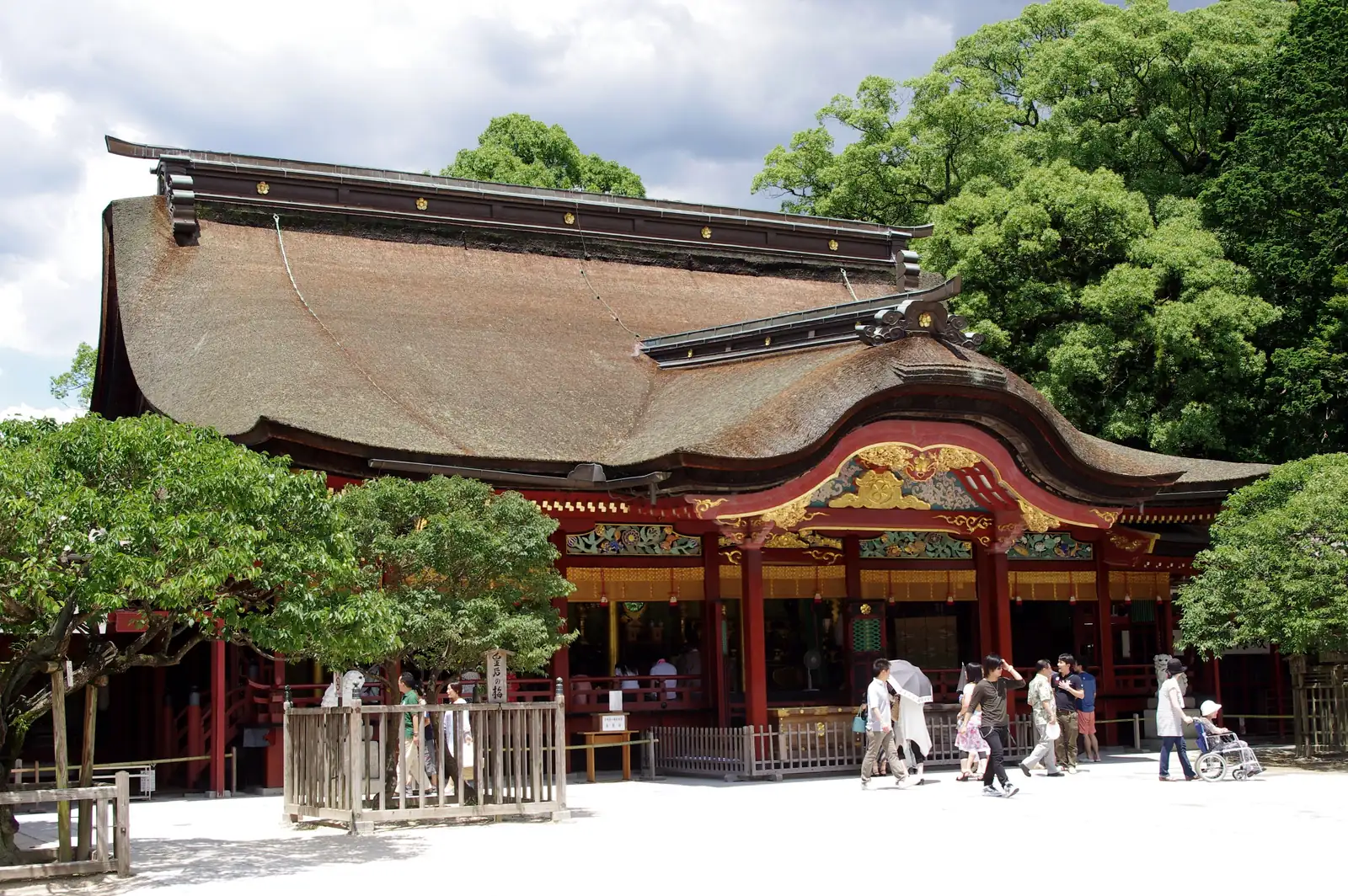
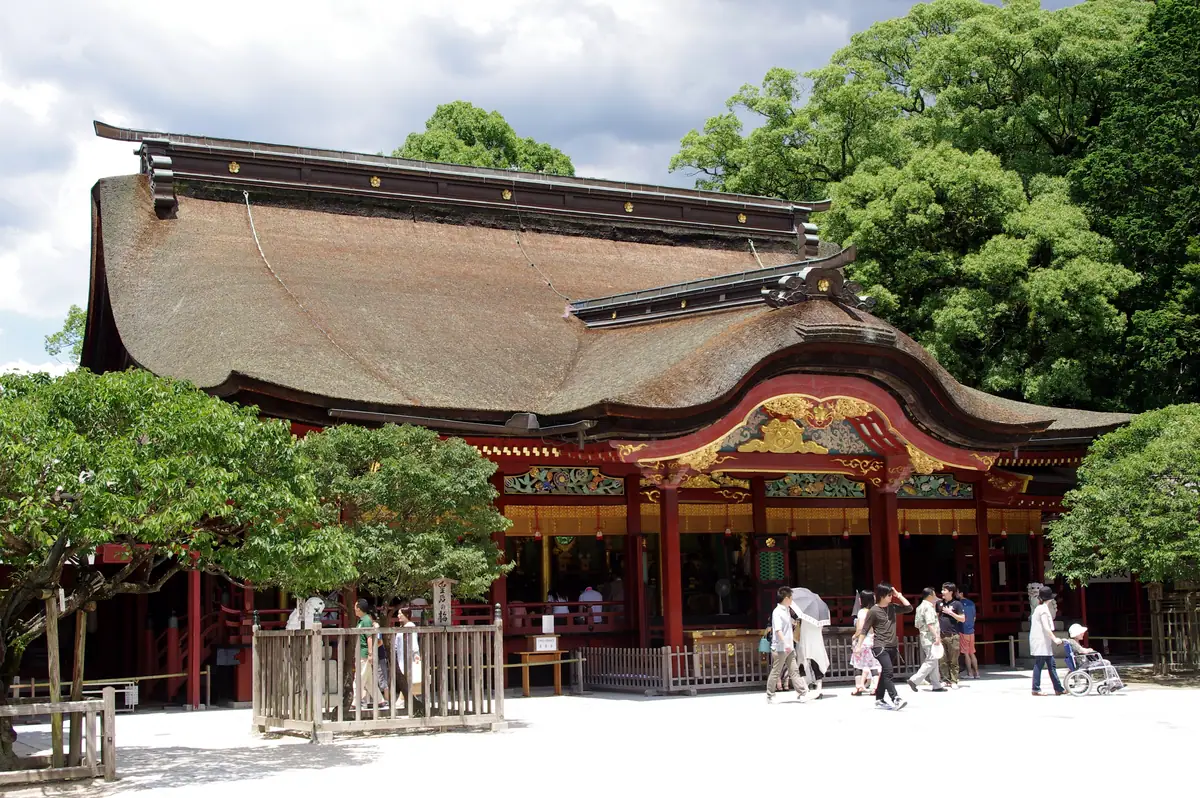
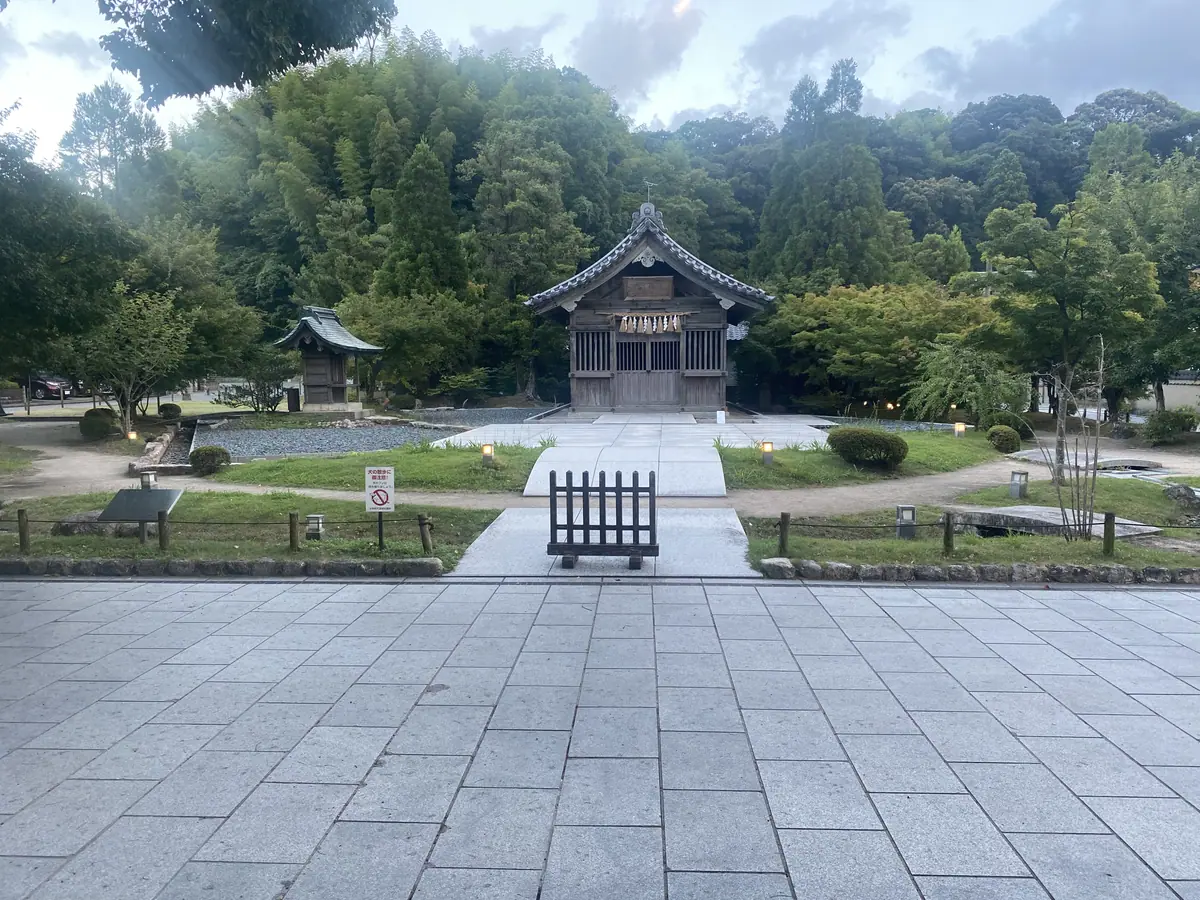
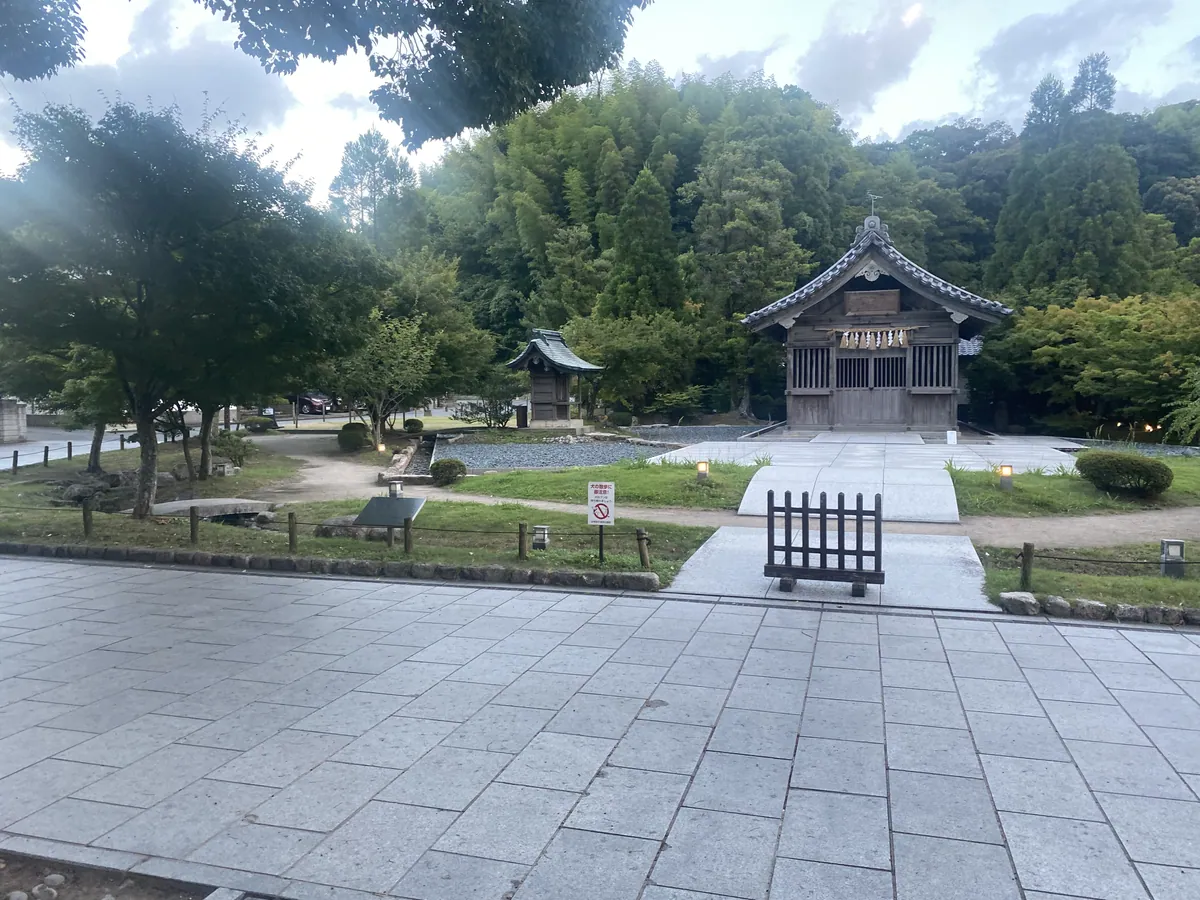
~4h — the round trip from the gangway, with the 60-minute margin kept aside.
Tap a photo to see it large. 4 photographs, each credited.
Sugawara no Michizane was exiled here in 901 and died two years later; a series of disasters in the capital convinced the court he had become a god. Students across Japan still come before exams.
Dazaifu Tenmangu is built over the grave of Sugawara no Michizane, a 9th-century scholar exiled here and posthumously deified as the god of learning after a run of disasters was blamed on his angry spirit. Students come by the busload before exams. The plum tree by the hall is said to have flown from Kyoto to follow him.
Sugawara no Michizane was a brilliant scholar and minister who was outmanoeuvred at court, exiled to Dazaifu in 901, and died here two years later. A run of disasters in the capital — lightning striking the palace, deaths among his rivals — convinced the court that he had become a vengeful spirit, and they deified him to calm him down.
He is now Tenjin, the god of learning, and students come from across Japan before examinations. The shrine stands over his grave. The main hall emerged in 2026 from its first full restoration in 124 years — fresh lacquer, a new roof — and the celebrated temporary shrine that stood in for it, with a forest planted on its roof, has been dismantled now that its work is done.
Both pins on one map, so the distance is a fact rather than a feeling.
Counted from the moment you step off the gangway. The hour before all-aboard is not in this bar; it is already set aside.
30 minutes each way is the honest figure for train ~30 min, not the optimistic one. If your ship is late, cut the 3 hr in the middle. Never cut the hour at the end.
Sugawara no Michizane, a ninth-century scholar and minister exiled here in 901 who died two years later. Disasters in the capital afterwards convinced the court he had become a vengeful spirit, so he was deified — and is now Tenjin, the god of learning, visited by students before examinations.
About four hours round trip: fifteen minutes to Hakata Station, thirty by train with one change, ninety minutes on site, and the same back. On a four-to-six-hour stop ashore it should be the only thing you do.
Each one is a finished day we have walked and timed, with this stop in it. Read the route rather than assembling it yourself.
Each of these still lands you back aboard with the hour to spare.
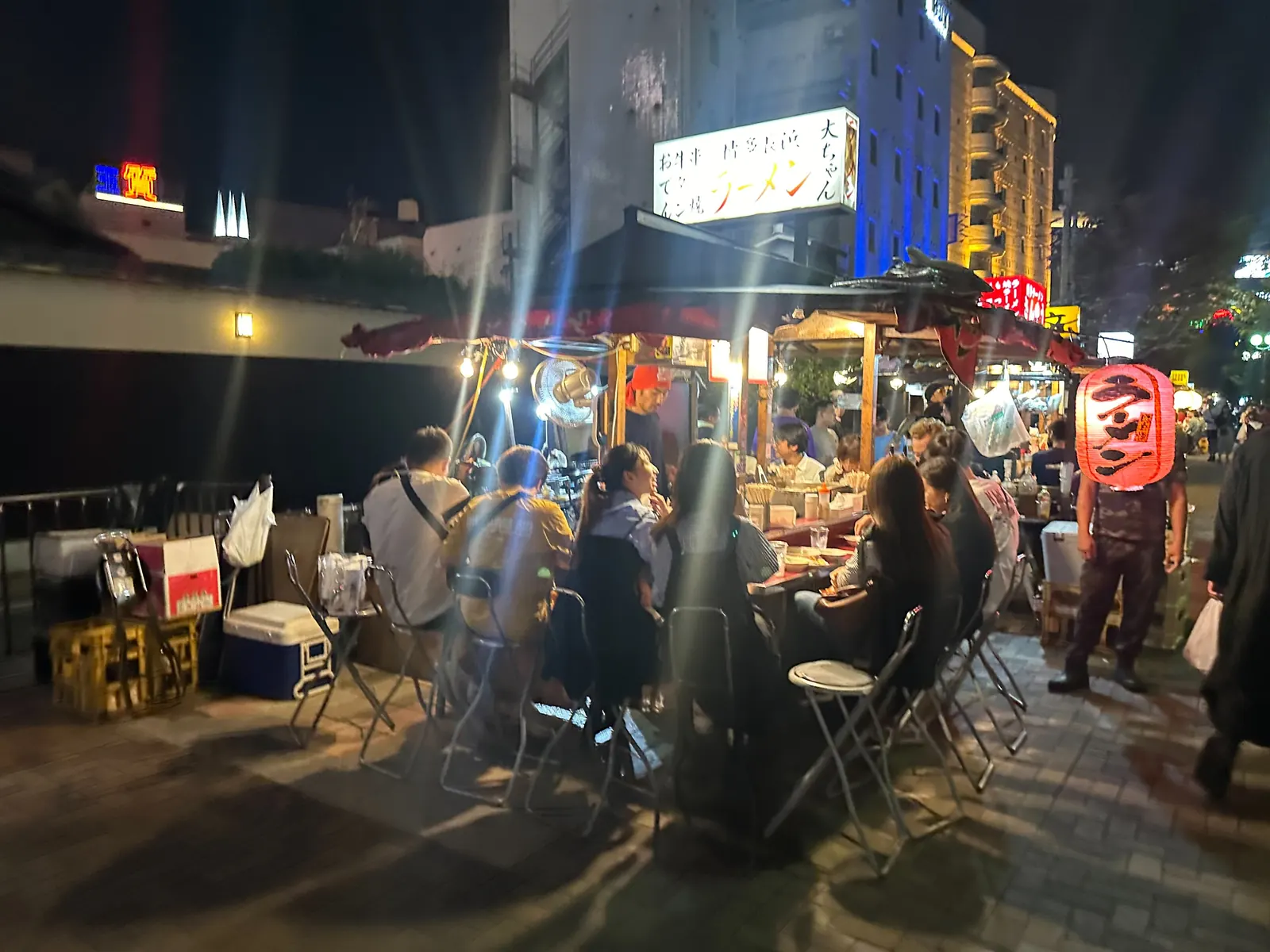 Eat · ~2.5h
Around a hundred licensed street stalls — the majority of every yatai left in Japan — set up at dusk on the river and are gone by dawn.
See the detail →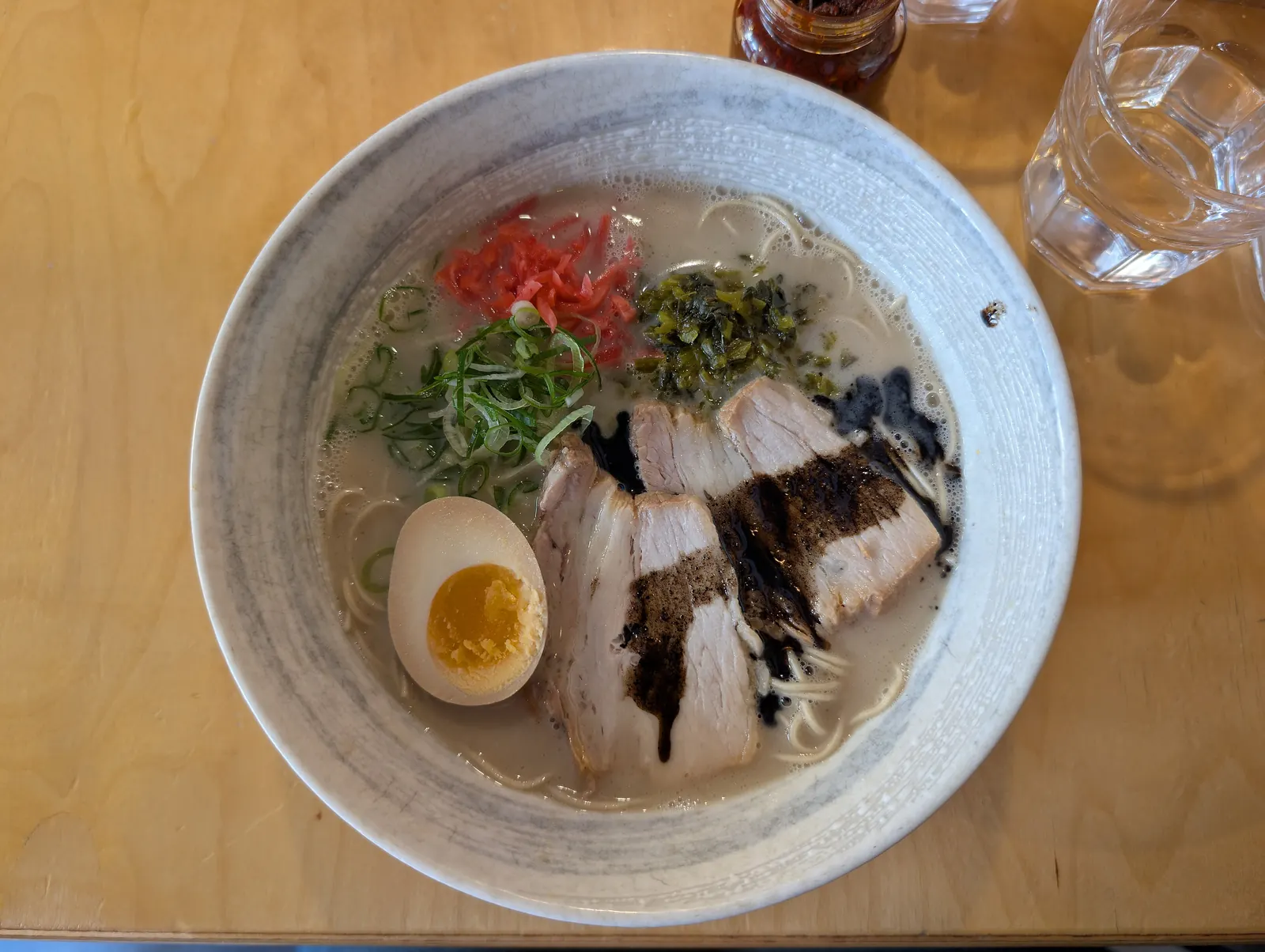 Eat · ~2h
Pork bone boiled until it emulsifies, thin straight noodles that cook in seconds, and kaedama — a second helping of noodles dropped into the broth you have left.
See the detail →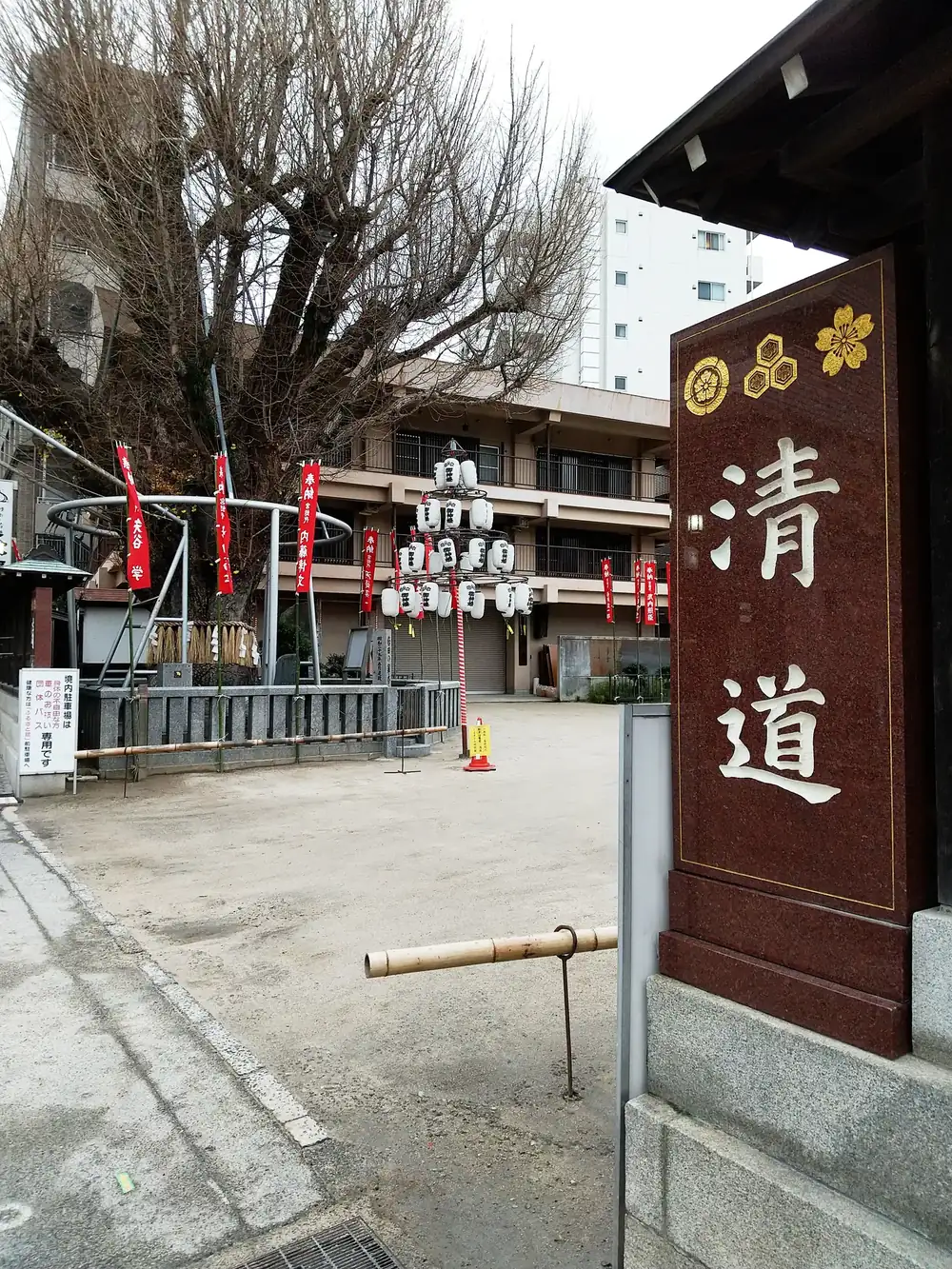 See · ~2h
A decorated Yamakasa float stands here all year.
See the detail →No typing needed — jump straight in:
Just docked? — the gangway toolStart from your shipThe ride from every berthAsk the editorGlossary