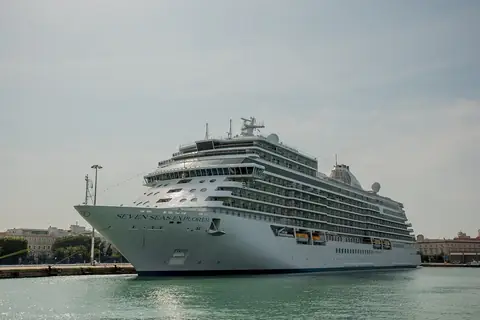
A Regent passenger this winter admitted what everyone feels by day six: the castles and temples had merged into one continuous memory with different ticket stubs. This is not a character flaw. It is what happens when every port serves the same excursion template — and the antidote is knowing that every Japanese port has a first-class non-temple day hiding behind the brochure.
One per port, all 24, all from our own guides:
The North
- Hakodate — breakfast in the morning market: pick your squid, eat it minutes later, 7am, beside the station.
- Aomori — Wa Rasse: real Nebuta festival floats glowing in a dark hall. The most joyful museum in Japan.
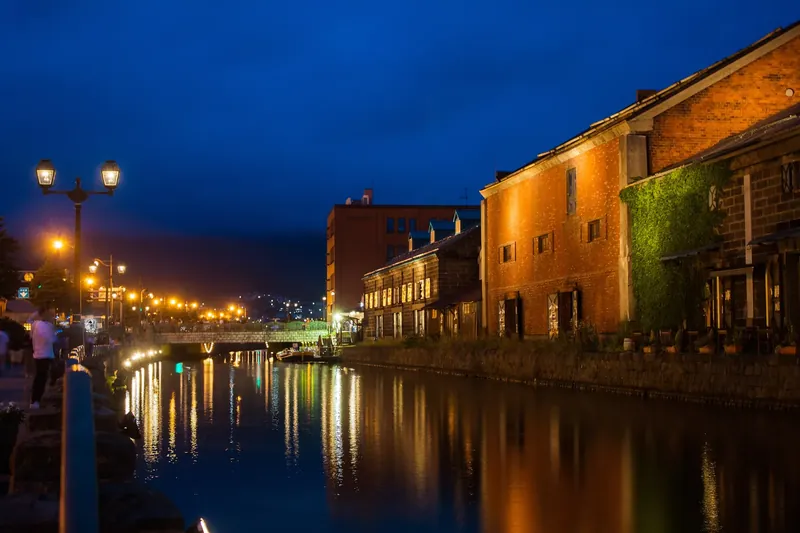
- Otaru — glassworks and music boxes in herring-boom warehouses; the whisky pilgrimage to Yoichi if you booked ahead.
- Akita — the Kanto festival center lets you try balancing the twelve-metre lantern pole yourself. Humility guaranteed.
Tokyo Bay & Pacific
- Tokyo — skip one temple, descend one depachika: a department-store food hall the size of a supermarket, every counter a masterclass.
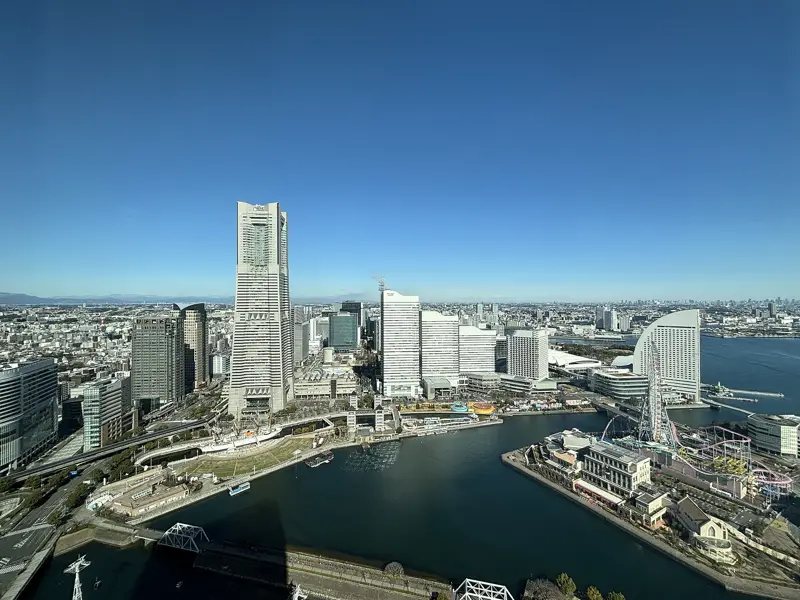
- Yokohama — the Cup Noodles Museum: design your own cup, laugh the whole time. Multigenerational catnip.
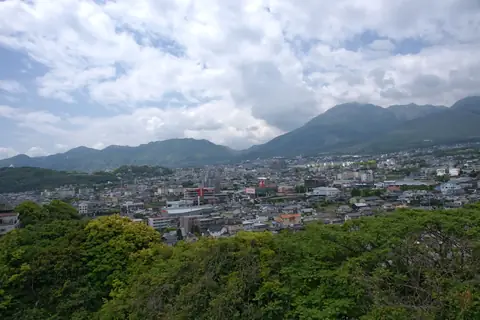
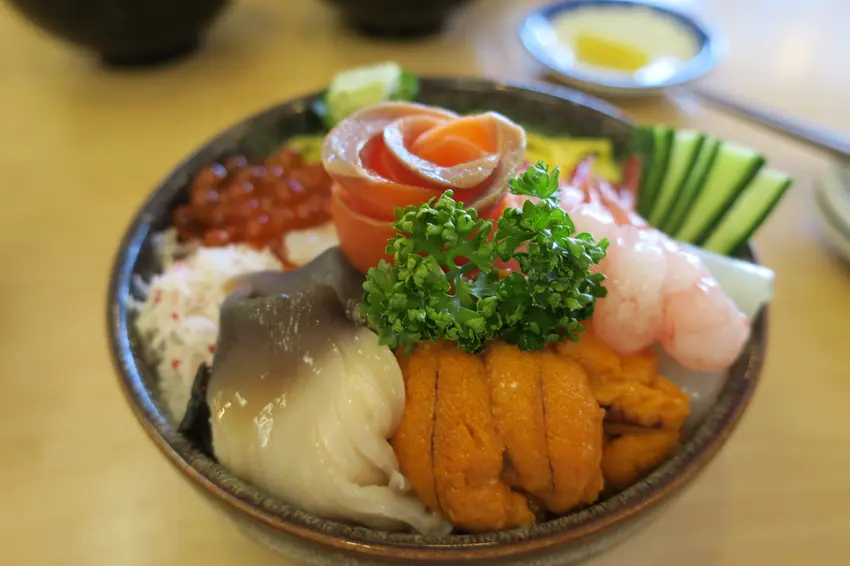
- Shimizu — tuna at Kashi-no-Ichi, in Japan’s leading tuna port, at fishmonger prices — and the mountain, if the data smiles.
- Kochi — Hirome Market: sixty stalls, shared tables, seared bonito still smoking. A stranger will toast you within ten minutes.
Inland Sea
- Kobe — Nada’s sake district: brewery museums, free pours, the craft behind the label.
- Osaka — Kuromon market, then learn to flip takoyaki yourself rather than admire another keep.
- Hiroshima — okonomiyaki at a counter where the griddle is the stage. (The Peace Museum is not a temple and is not skippable — go at the quiet hour.)
- Takamatsu — self-service udon: buy the ticket, drop your own noodles, pay coins. Then the art islands, where the temples are by Tadao Ando.
Kyushu & the South
- Fukuoka — the yatai at dusk: licensed street stalls where the seat next to you is the attraction.
- Nagasaki — Dejima: the fan-shaped island where Europe met Japan for 200 years. History, zero incense.
- Sasebo — the Kujukushima boat through 208 islets, then a certified burger built to order.
- Kagoshima — the commuter ferry to an active volcano; foot-bath with a crater view.
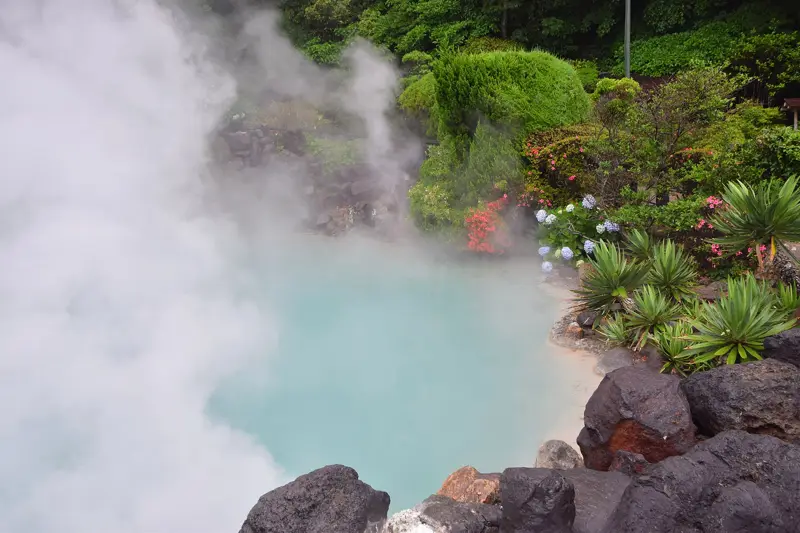
- Beppu — cook lunch in a steam vent, then get buried in geothermal sand by professionals.
- Naha — Makishi market: buy downstairs, they cook it upstairs. The Ryukyu kingdom’s kitchen.
- Ishigaki — the glass-bottom boat over Kabira’s pearl beds; Taketomi’s lanes by buffalo cart.
- Miyakojima — drive the 3,540-metre Irabu bridge over impossible blue. The crossing is the sight.
Japan Sea & Overseas
- Kanazawa — Omicho market’s crab counters, and gold-leaf everything — including the ice cream.
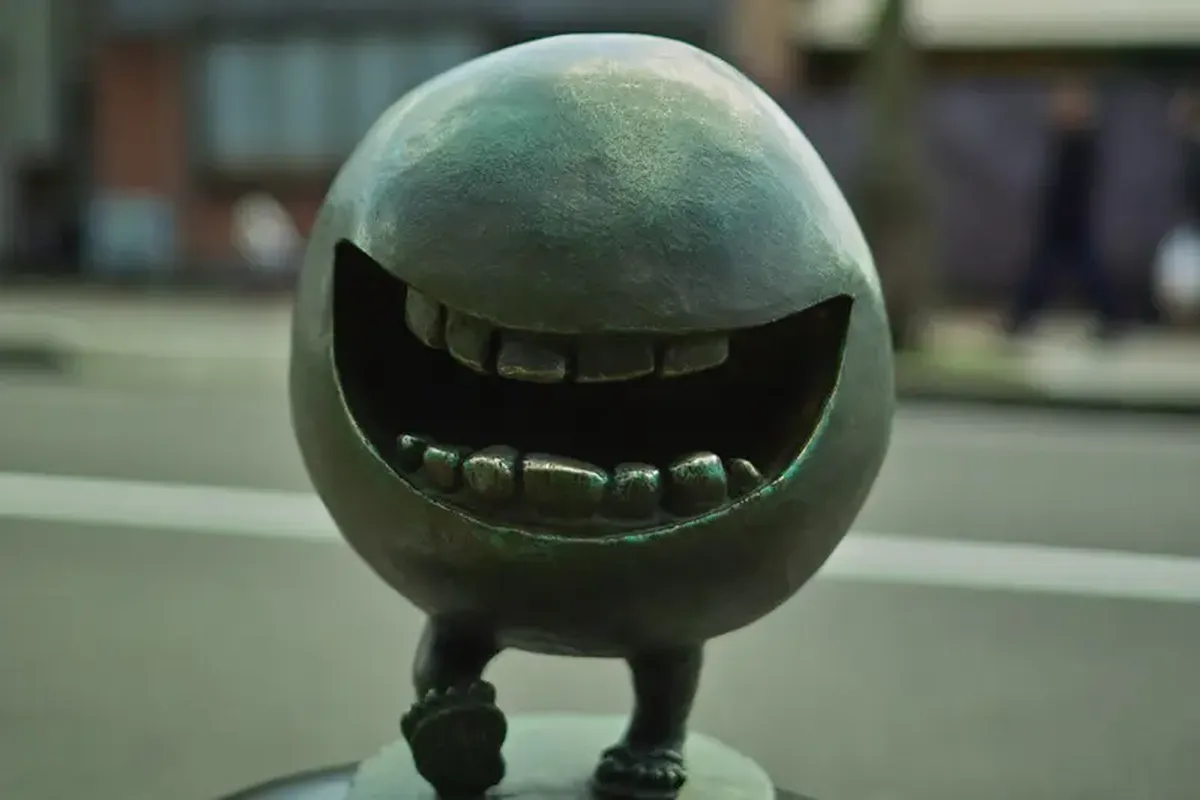
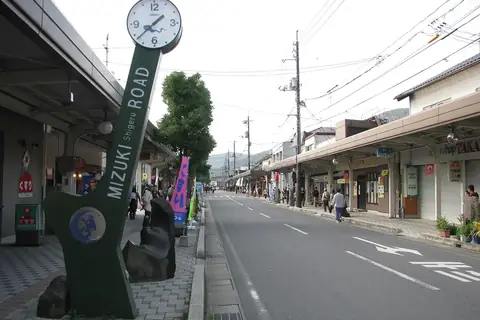
- Sakaiminato — 177 bronze yokai: a street of friendly monsters, courtesy of a manga master. Technically spiritual, zero solemnity.
- Busan — Jagalchi’s fish-market theatre and Gamcheon’s pastel maze.
- Keelung — Miaokou night market: the temple is there, but you’ll be facing the food.
How to use this
Alternate. Temple day, market day, industry-or-nature day — the same ports, experienced as three different countries. Your ship’s brochure runs one template; your timed plans already carry the alternatives, and now you know which one to reach for when the gates start to blur.
Every entry above links to the full guide with times from the berth. Written for everyone on day six of their first Japan cruise — it happens to us too.
Guided days at the ports in this article
Shared cars with a guide first; each page says who should skip it. Booked through Viator; there is no tour desk at the pier.
 OtaruSmall group5.0★ · 4
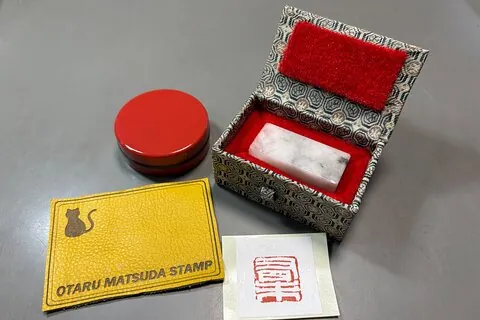
Create an Original Seal with Natural Stone and Otaru Artisans
A 90-minute workshop carving your own name seal in soft natural stone, guided by Otaru artisans.
from US$56 per person · max 15Why it is here →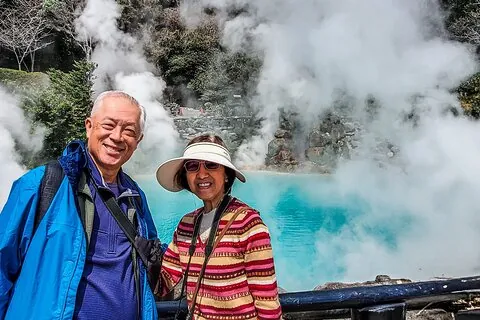 BeppuPrivate car · per group5.0★ · 16
Beppu Guided Private City Tour with Transport
A private five-hour car tour of Beppu, where you choose three or four stops from the hells, the Takasakiyama m…
US$260 per person for 2 · US$519 per carWhy it is here →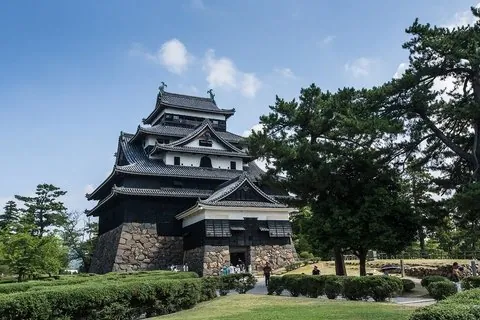 SakaiminatoShared car · per personOn-time return promised
Sakaiminato Semi Private Tour for Cruise Passengers
A five-hour small-group run from the cruise terminal to Matsue Castle and the Adachi Museum of Art, with both …
from US$220 per person · max 15Why it is here →If you book, we may earn a small commission at no extra cost to you. It never decides what we recommend.