 Photo: Andrei I / Pexels
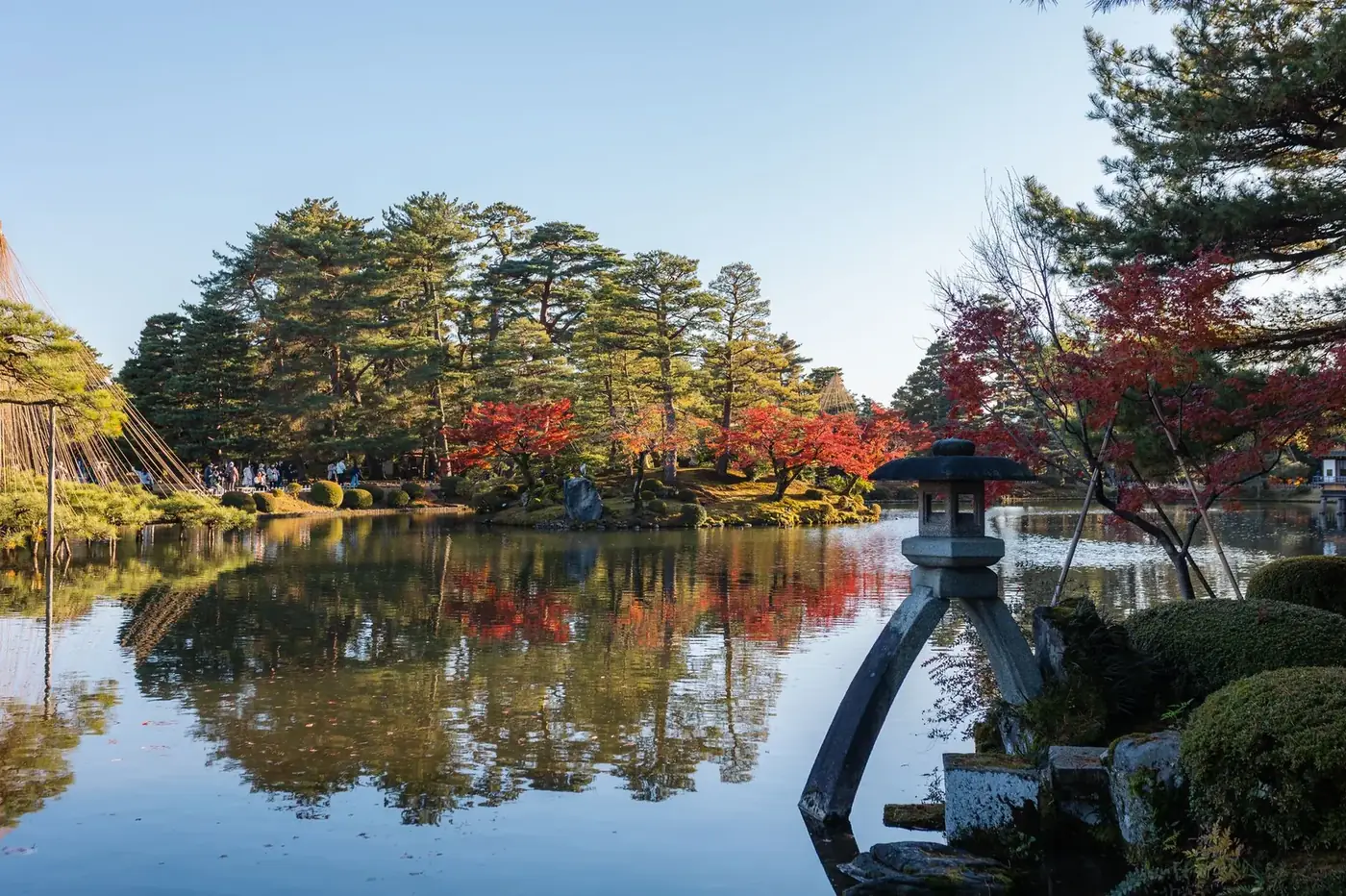
Kenroku-en garden
One of Japan’s three perfect gardens — two-legged lanterns, ancient pines under snow ropes, water borrowed from a river ten kilometers away. The reason Kanazawa is on your itinerary.
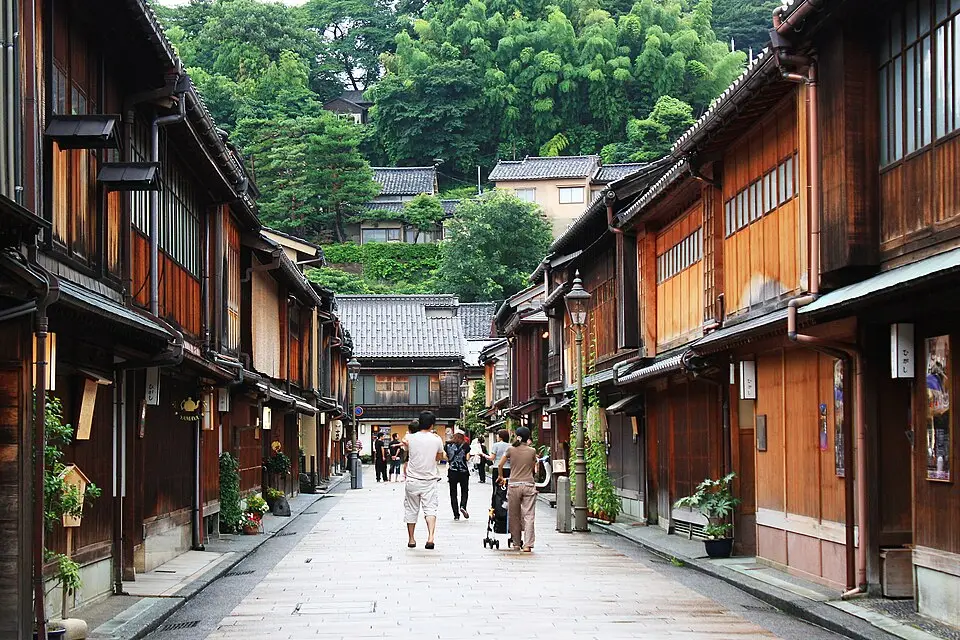
Shuttle + busFull guide: Kenroku-en →Higashi Chaya teahouse district
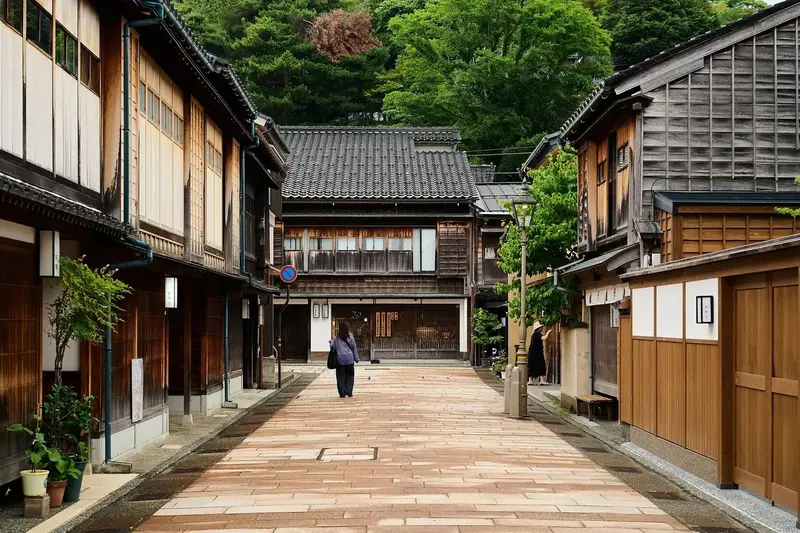
Lattice-fronted geisha houses from the 1820s, now cafes and gold-leaf ateliers. Go early or late — mid-day belongs to the crowds, dawn belongs to you.
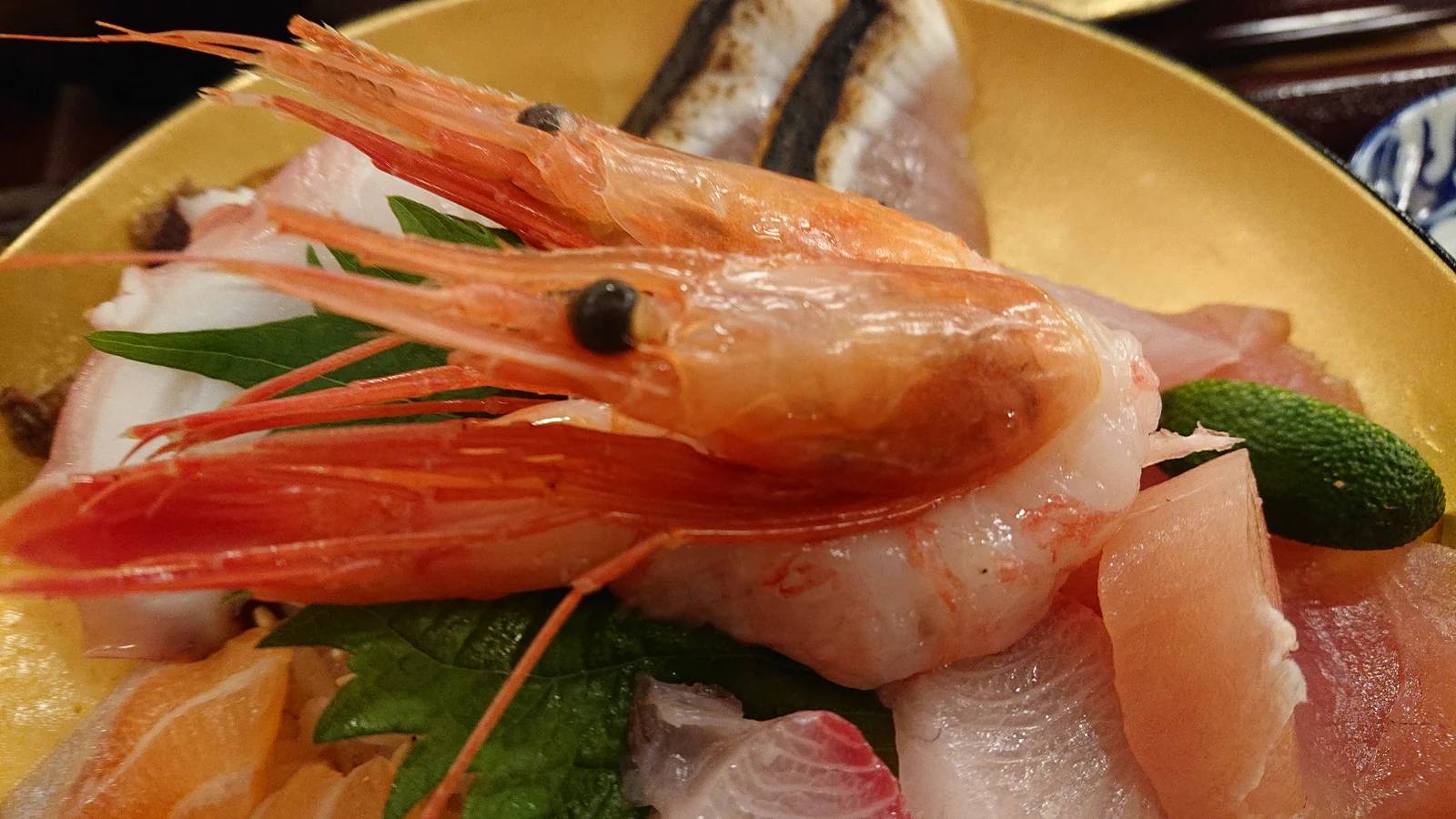
Bus/taxi hopFull guide: Higashi Chaya →Seafood bowl at Omicho
The 300-year-old market’s morning glory: snow crab in season, sweet shrimp and uni year-round, stacked over rice while the stallholders shout. Arrive before eleven.
Via shuttleFull guide: Omicho Market →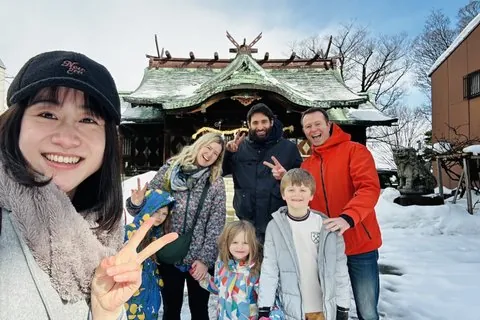
Kenroku-en with a local guide
The garden explained — why that stone, why that pine, what the lords were saying with water. Kanazawa’s most-reviewed tour by a wide margin.
Gold-leaf soft serve
A whole sheet of edible gold laid over ice cream — Hakuichi started the craze and still does it with the most ceremony. Absurd, delicious, obligatory.
Kanazawa Castle Park
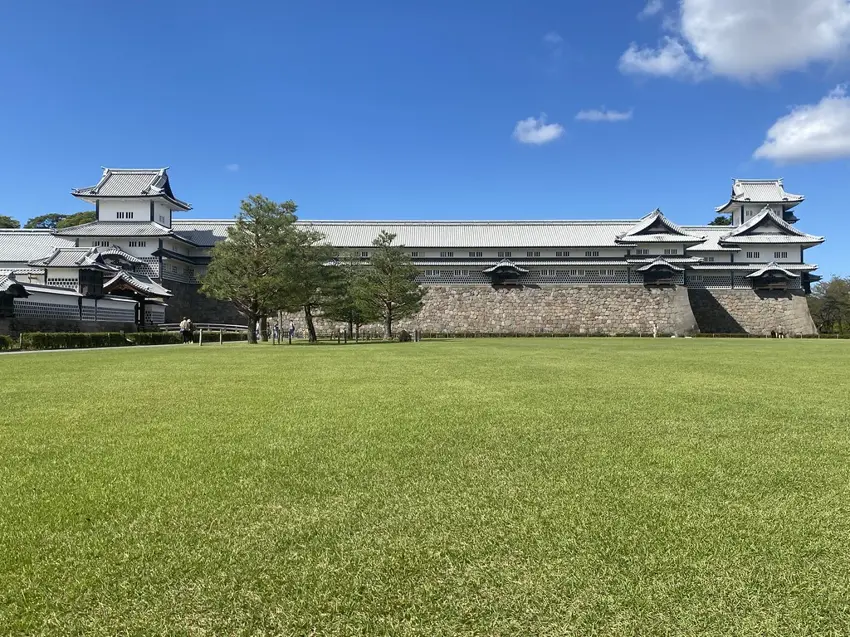
The Maeda lords’ restored fortress — lead-tiled roofs built to be melted into bullets in a siege that never came. Free lawns, and the gate pairs naturally with Kenroku-en.
Beside the gardenFull guide: Kanazawa Castle Park →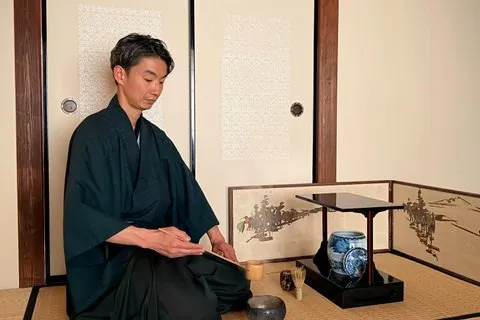
Tea with a machiya master
Seventy minutes of ceremony in a wooden townhouse with a tea master who explains every gesture. Small, quiet, and the thing guests remember over the garden.
21st Century Museum
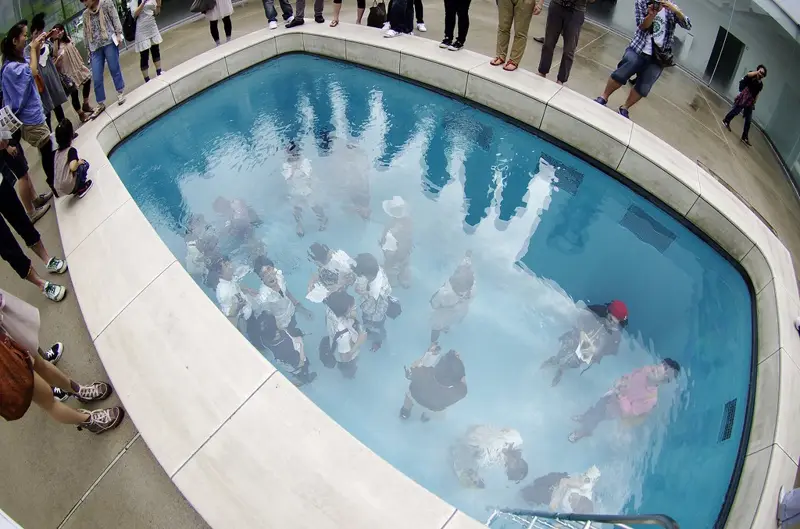
Leandro Erlich’s "Swimming Pool" lets you stand underwater, dry — but going below needs an exhibition ticket and a same-day time slot, and it is shut 19–30 October 2026. The exhibition zone closes on Mondays (and 27 October 2026); the whole museum closes for renovation from 6 May 2027 to about March 2028.
Beside Kenroku-enFull guide: 21st Century Museum of Contemporary Art →Kutani ware at Kaburaki
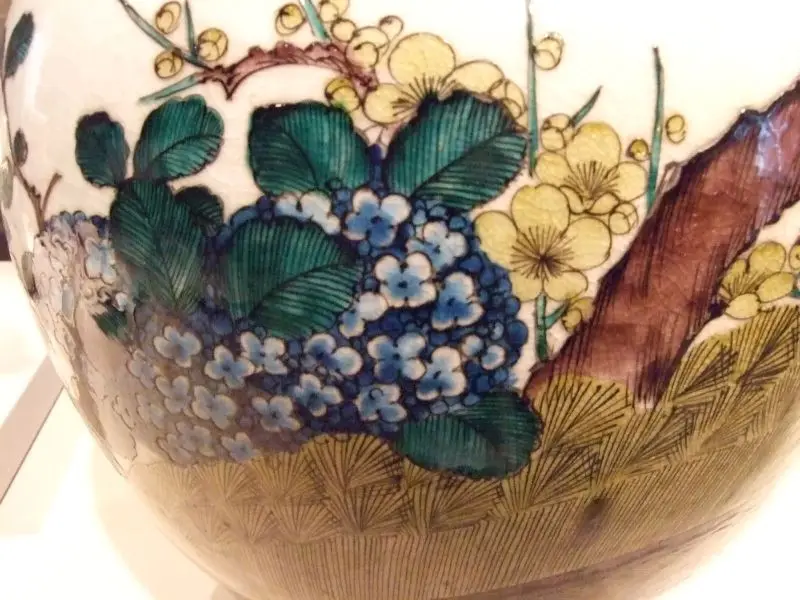
Five-color porcelain painted since 1655 — Kaburaki has dealt it since 1822 and ships worldwide. One guinomi sake cup carries the whole tradition home.
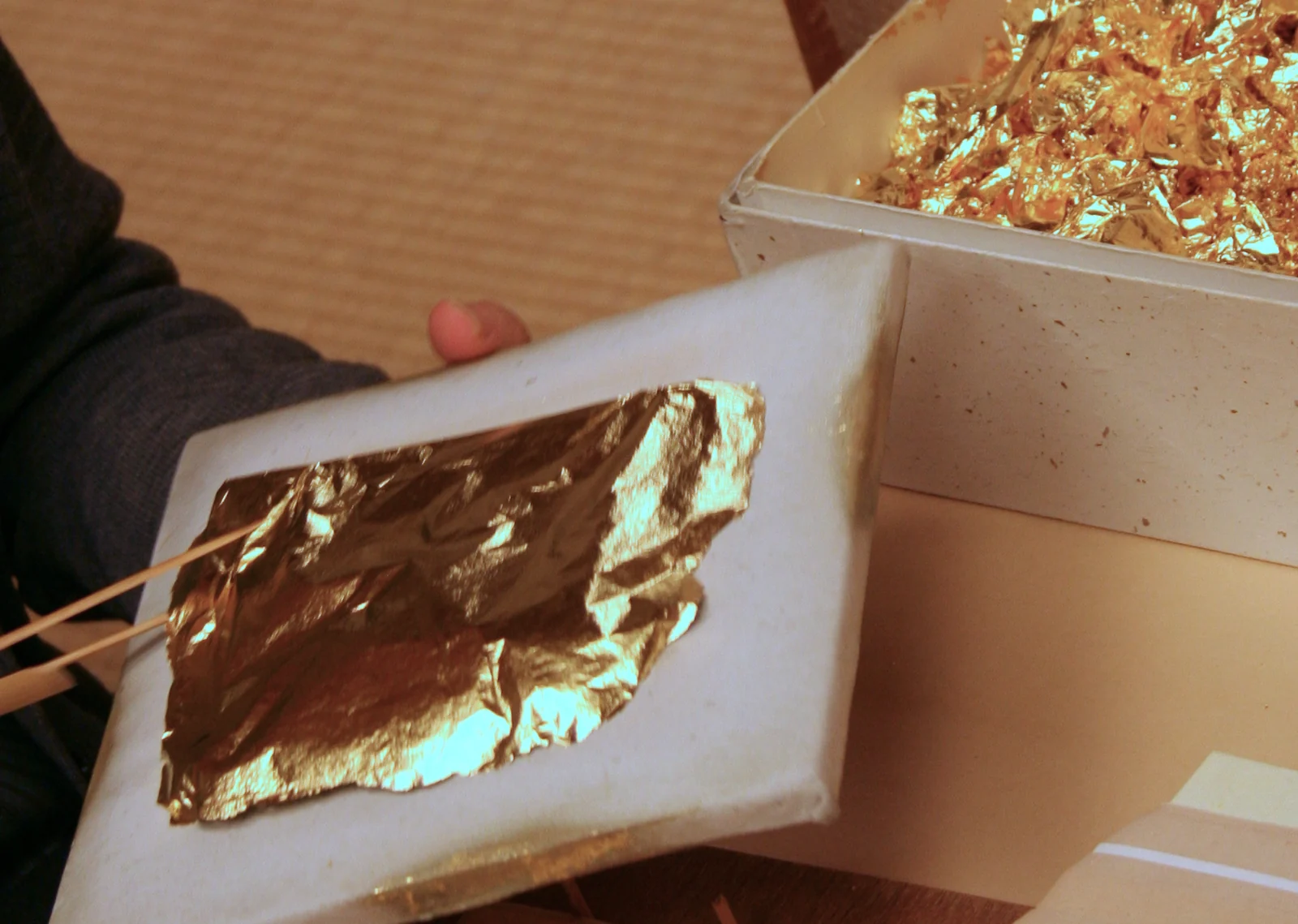
Korinbo areaGoogle Maps →Gold leaf everything
Kanazawa makes almost all of Japan’s gold leaf — cosmetics, chopsticks, even wall panels. Hakuichi’s Higashiyama store gift-wraps the affordable end of opulence.
Higashi ChayaFull guide: Higashi Chaya →