Pick your hours and you get a finished day — every step timed from the gangway and back, and each route says how much room it leaves you before all-aboard. Swap anything you don't fancy.
Round trips are measured from the gangway and include getting back. Two stops in the same direction overlap, so a real day usually comes in under the total you see, never over it.
¥310weekdays 1–2 an hour from 10:10 (none 07:25–10:10); weekends 9 a day. Last bus back from Station West stop 6: 18:13 weekdays, 15:45 weekends/holidaysNo Suica — coins
How to get there
① Hokutetsu route 04 (a few 19s) from the "Kanazawa Port Cruise Terminal" stop to Kanazawa Station West exit — 28–35 min
Some ships run a shuttle — check your daily programme. Ships at Ohama Wharf (MSC Bellissima) have no usable daytime bus: shuttle or taxi (~¥3,700 to the station)
Suica/ICOCA-type cards are not accepted on Hokutetsu route buses; pay cash (¥1,000 notes changed on board), a Hokutetsu ICa card, or tap a contactless Visa/Mastercard/JCB/Amex on and off. The Loop Bus in town does take Suica-type cards.
The one rule: be back on board 60 minutes before all-aboard — every day above already banks it.Phones auto-switch to local time, but all-aboard runs on ship time. Check the daily programme's clock, not your lock screen.More to pick from on the Kanazawa guide and theTop 10.
MY SHIP DAY — fill this in before you walk off
Ship
Date
Docked at (berth)
All-aboard (SHIP time)
My deadline = all-aboard − 60 min
Last shuttle back
Phones auto-switch to local time; all-aboard runs on ship time. Write both if they differ.
GETTING AROUND — the facts that don't change by day (today's times: ship's program or Google Maps)
Kanazawa Station: ① Hokutetsu route 04 (a few 19s) from the "Kanazawa Port Cruise Terminal" stop to Kanazawa Station West exit — 28–35 min Some ships run a shuttle — check your daily programme. Ships at Ohama Wharf (MSC Bellissima) have no usable daytime bus: shuttle or taxi (~¥3,700 to the station) Fare ¥310. weekdays 1–2 an hour from 10:10 (none 07:25–10:10); weekends 9 a day. Last bus back from Station West stop 6: 18:13 weekdays, 15:45 weekends/holidays.
Kenroku-en garden: ① Get to Kanazawa Station (above) ② Castle Town Loop Bus from Station East exit, stop 7 — get off at Kenrokuen-shita·Kanazawa Castle Fare ¥220 per ride (day pass ¥800 — buy before boarding, not sold on the bus). every 15–20 min.
SHOW THIS TO A TAXI DRIVER — 運転手さんへ
Please take me back to the cruise ship (Kanazawa port)
クルーズ船乗り場までお願いします
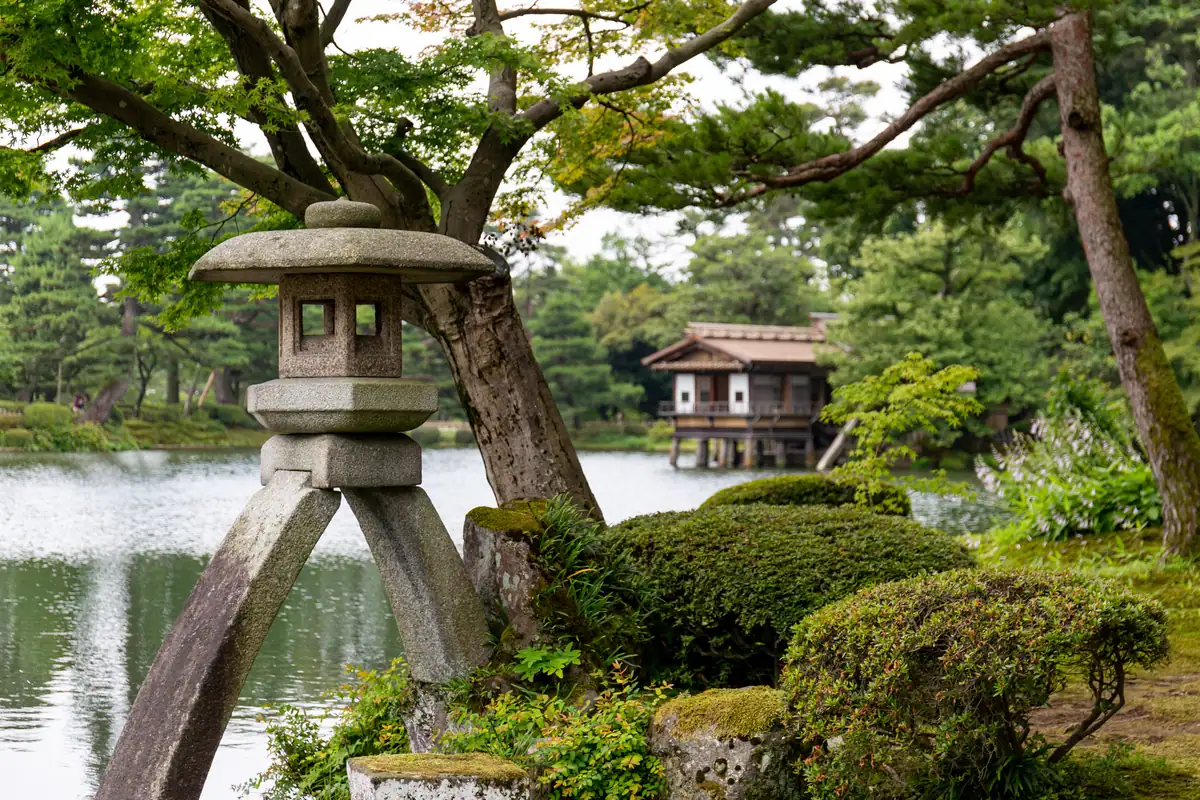
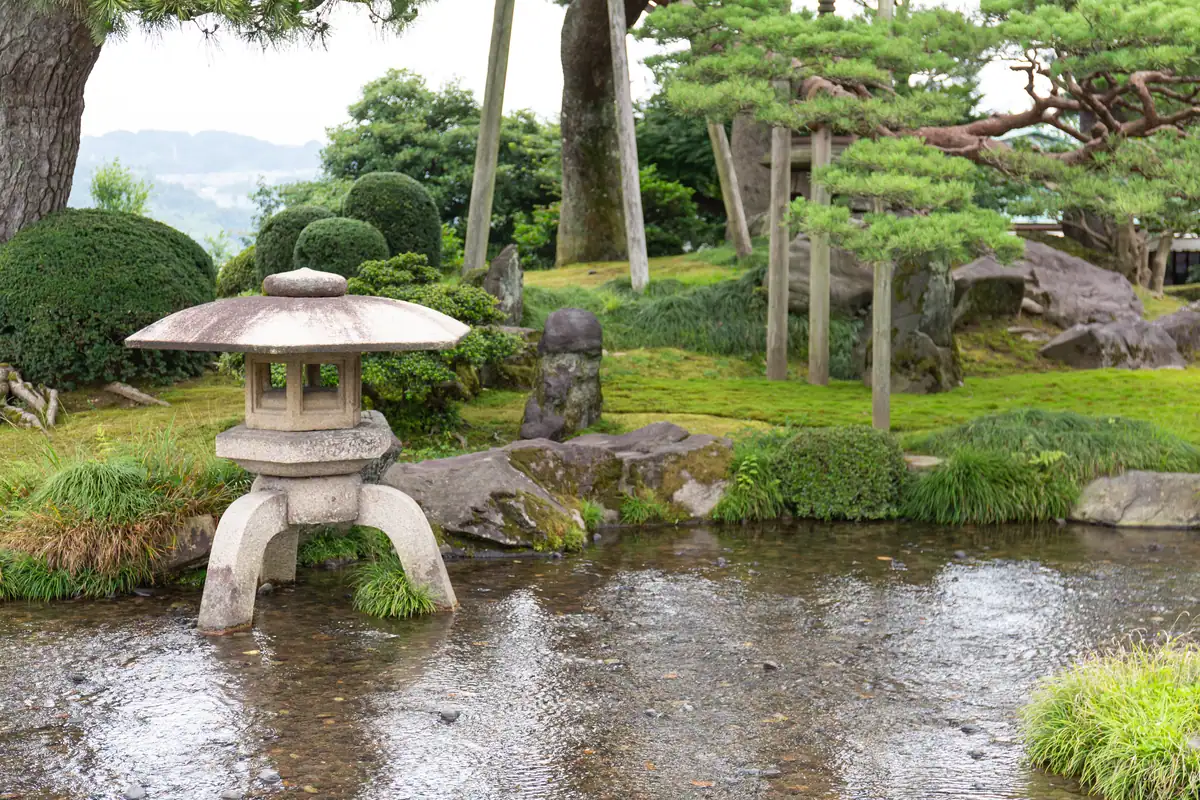
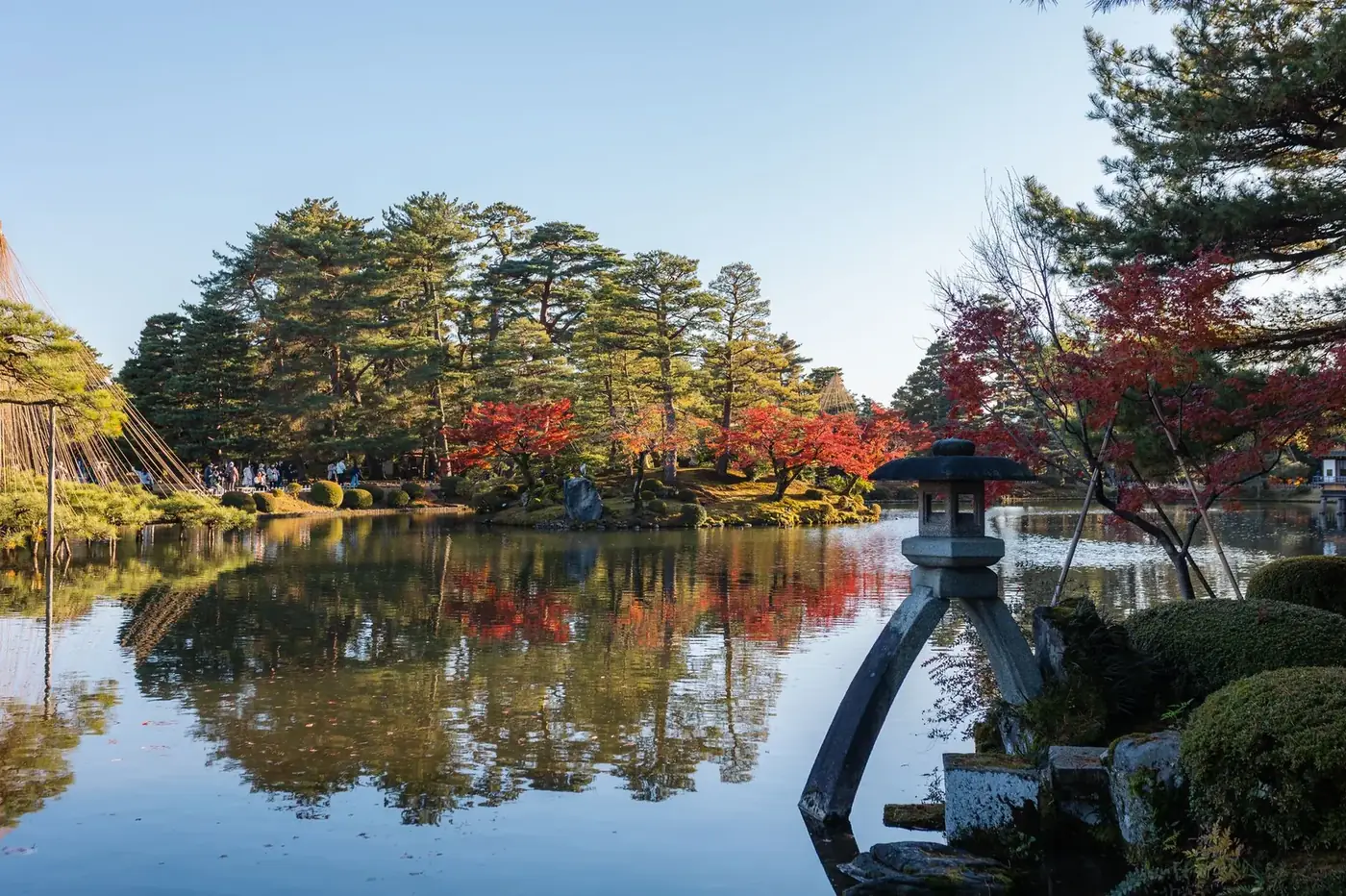
Kenroku-en garden
兼六園
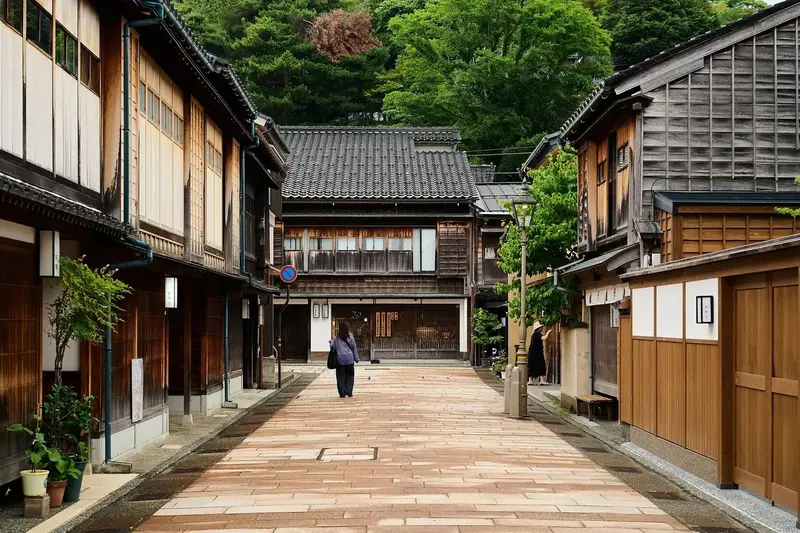
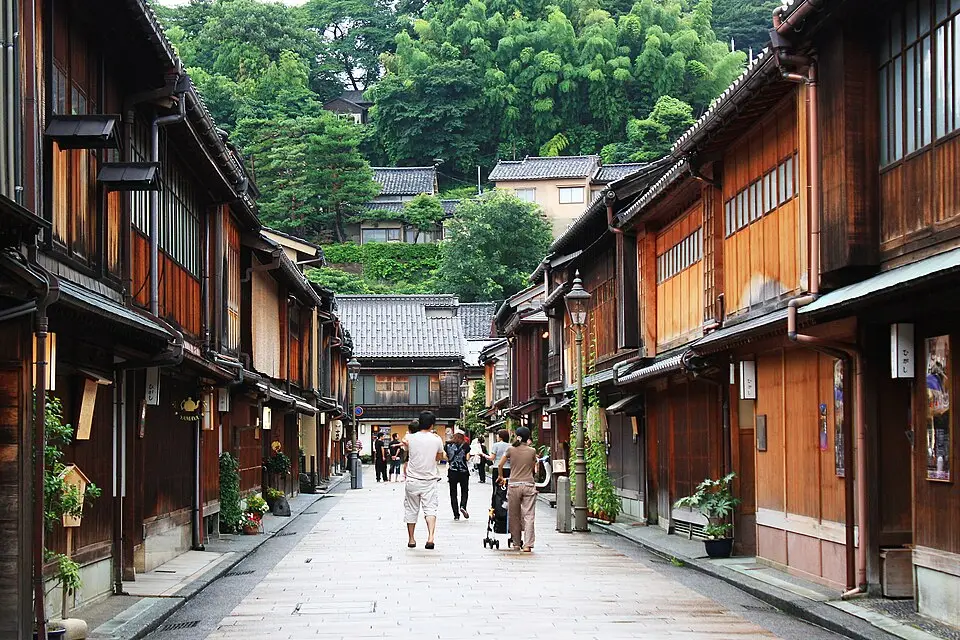
Higashi Chaya teahouse district
ひがし茶屋街
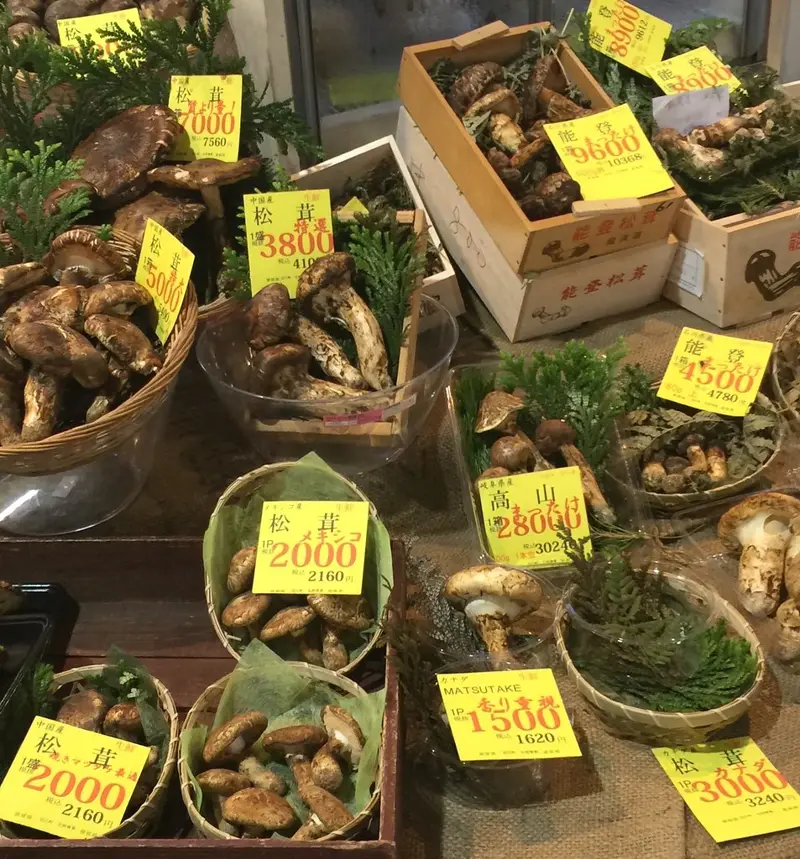
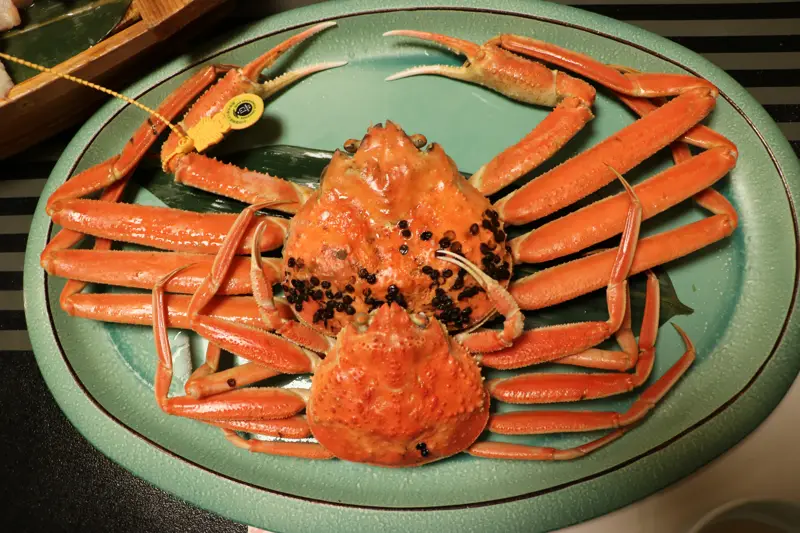
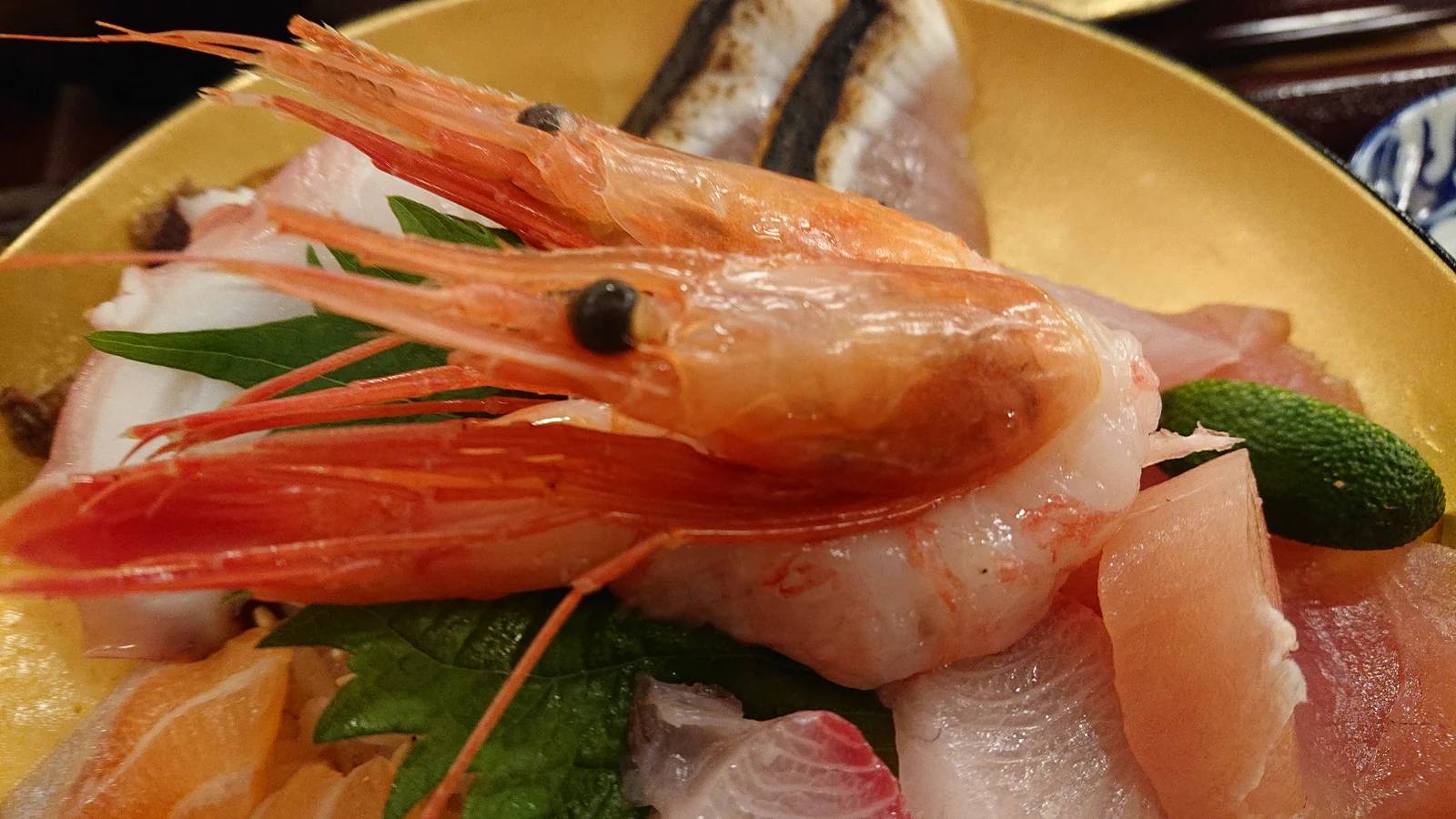
Seafood bowl at Omicho
近江町市場
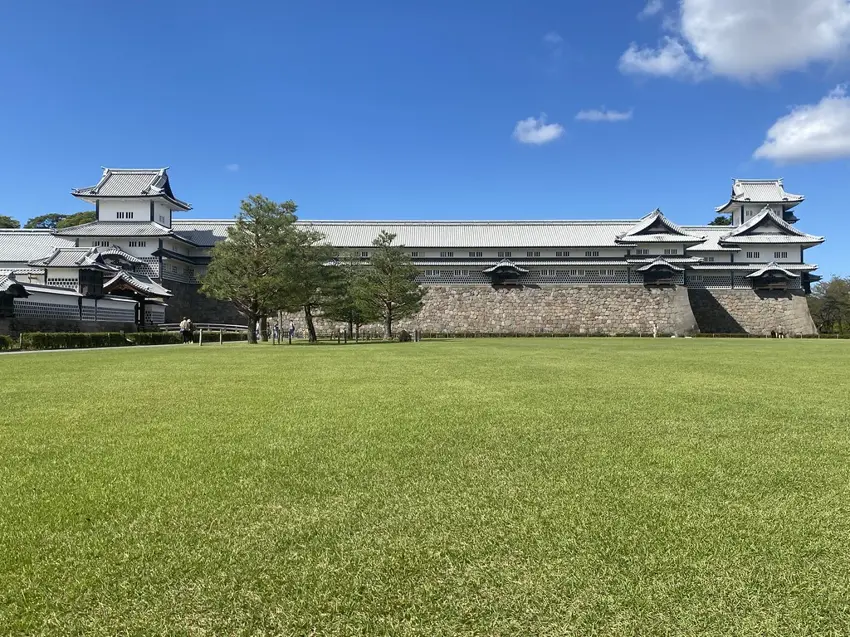
Kanazawa Castle Park
金沢城公園
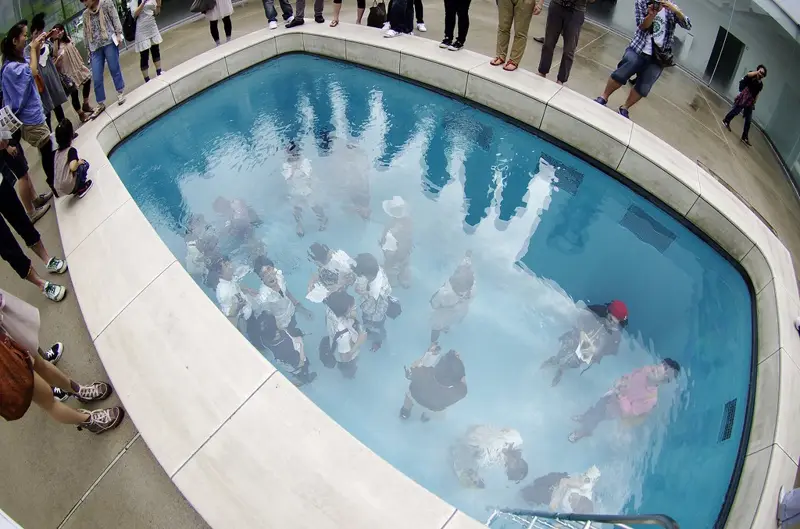
21st Century Museum
金沢21世紀美術館
Point at a line. Taxis are metered and honest; tipping is not expected in Japan.
THE TWO-MINUTE PORT TALK — read aloud at breakfast
A million koku. Kaga was the wealthiest domain in Japan after the shogun's own lands — a million koku of rice a year. Being that rich and that far from Edo was dangerous, so the Maeda lords deliberately spent the money on art instead of armies. That decision is the reason this city looks the way it does.
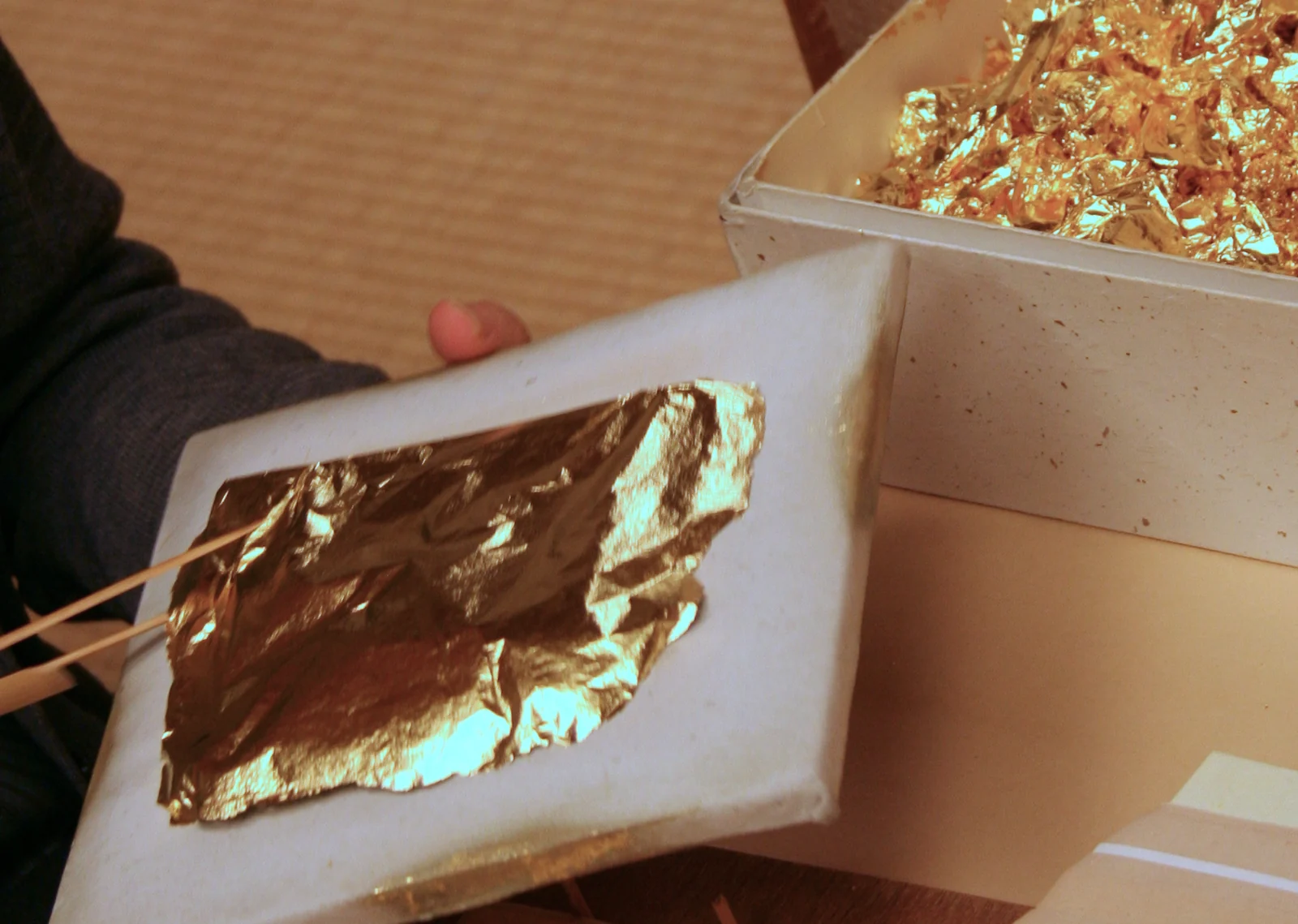
Gold leaf. A sheet of Kanazawa gold leaf is around one ten-thousandth of a millimetre thick — thin enough that light passes through it green. Essentially all of Japan's production happens here, and the reason is the weather.
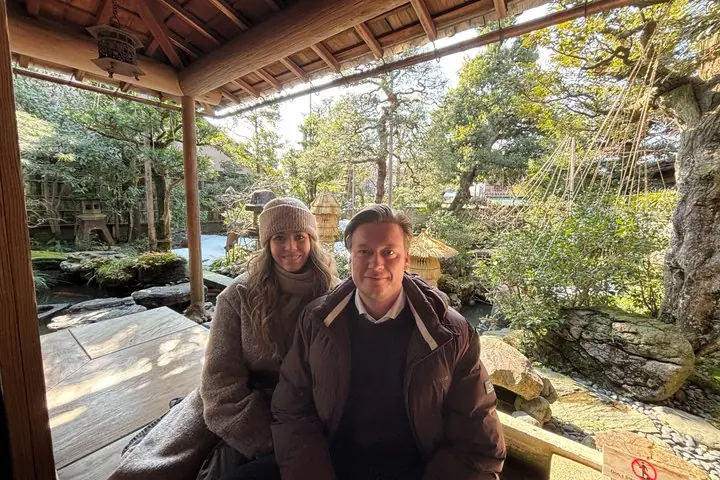
Kenroku-en. The name means "the garden of six combined qualities" — and the six are paired opposites that classical Chinese theory said could not exist together. Spaciousness and seclusion. Artifice and antiquity. Water and panorama. The claim is that this garden has all six.
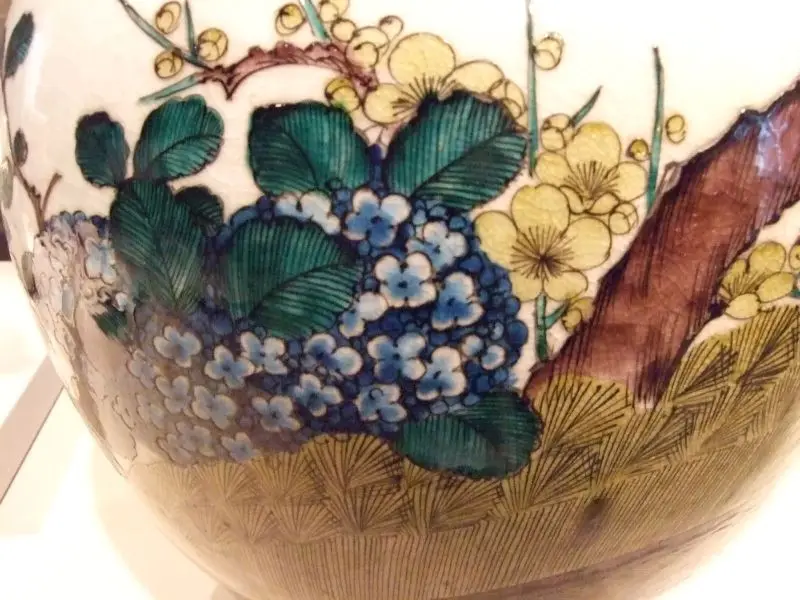
Kaga yuzen and Kutani. Kyoto's yuzen dyeing is bright, gold-touched and stylised. Kanazawa's is dark, realistic, and deliberately includes a hole eaten in a leaf. That difference is a two-hundred-year argument about what beauty means, and it is still going.
The one rule: be back on board 60 minutes before all-aboard — every plan above already banks it. · Free guide: port-of-japan.com/kanazawa/ · By Takumi Yamada, Tokyo, Japan