~4.5h with transfers — the round trip from the gangway, with the 60-minute margin kept aside.
Tap a photo to see it large. 8 photographs, each credited.
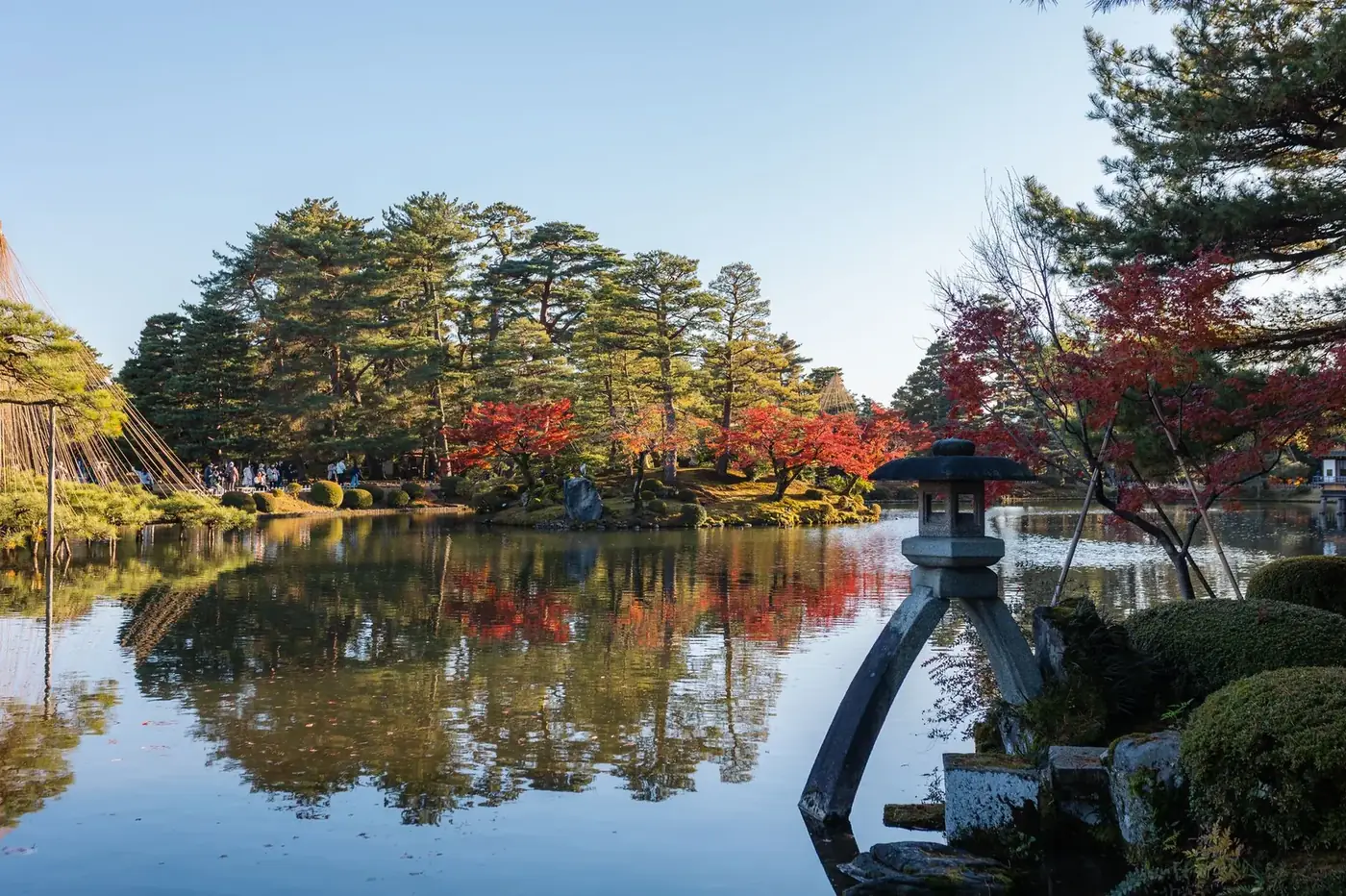
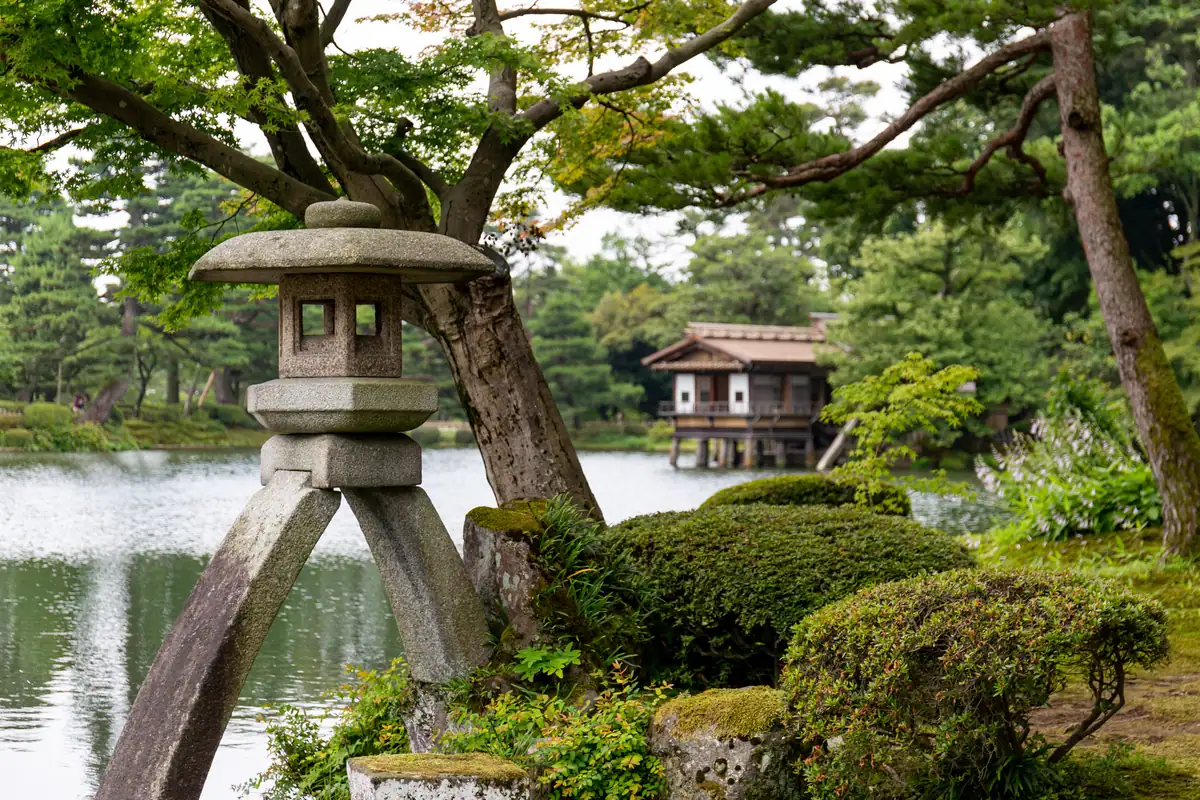
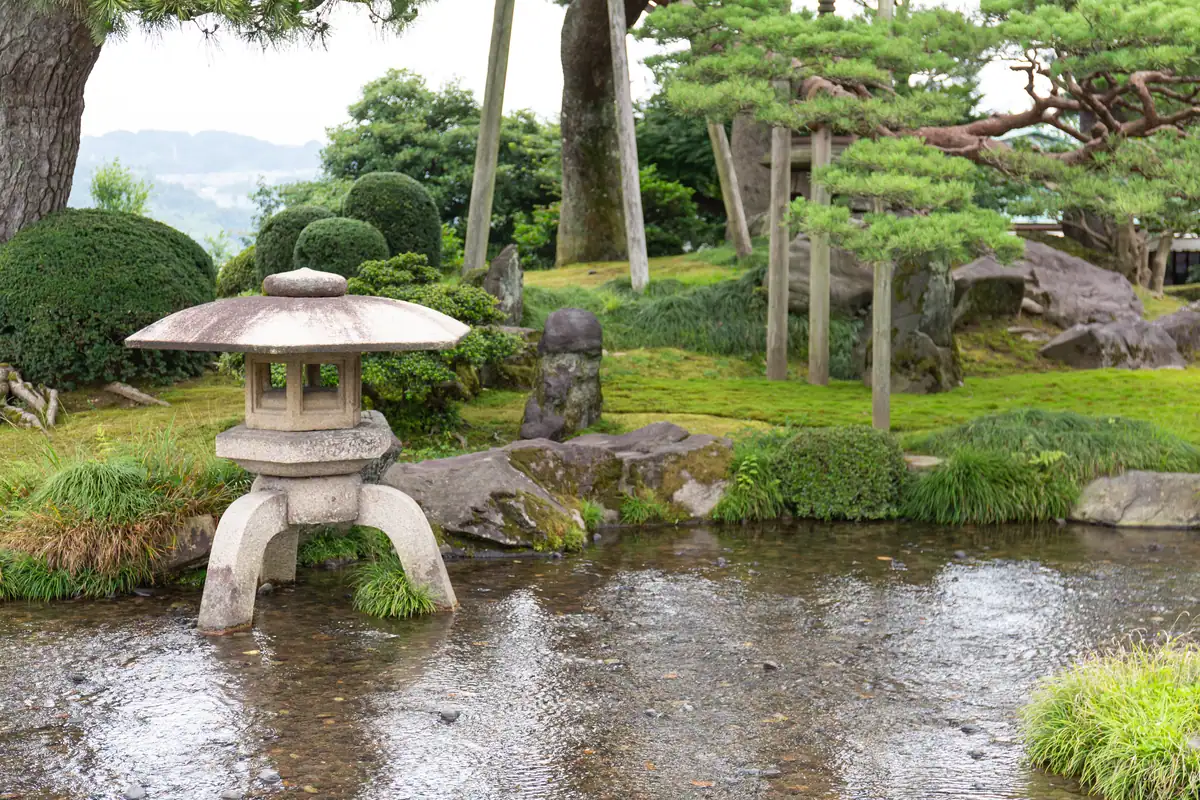
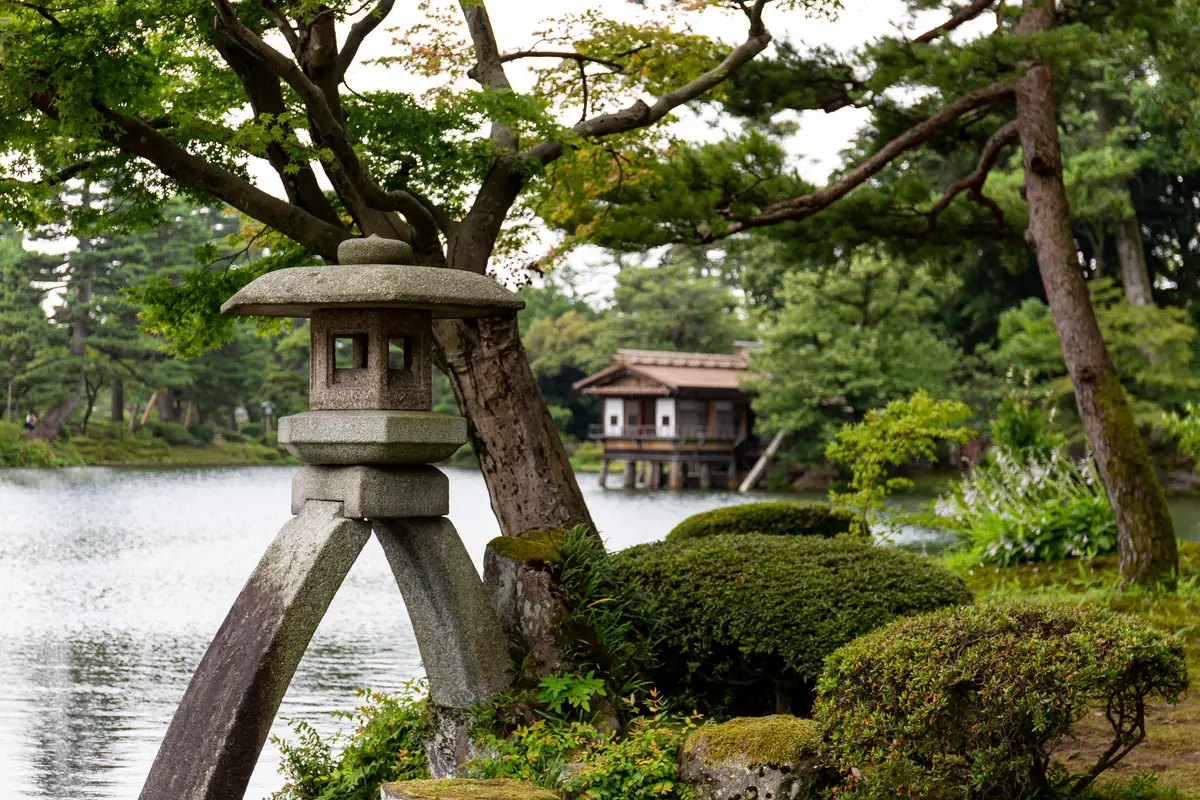
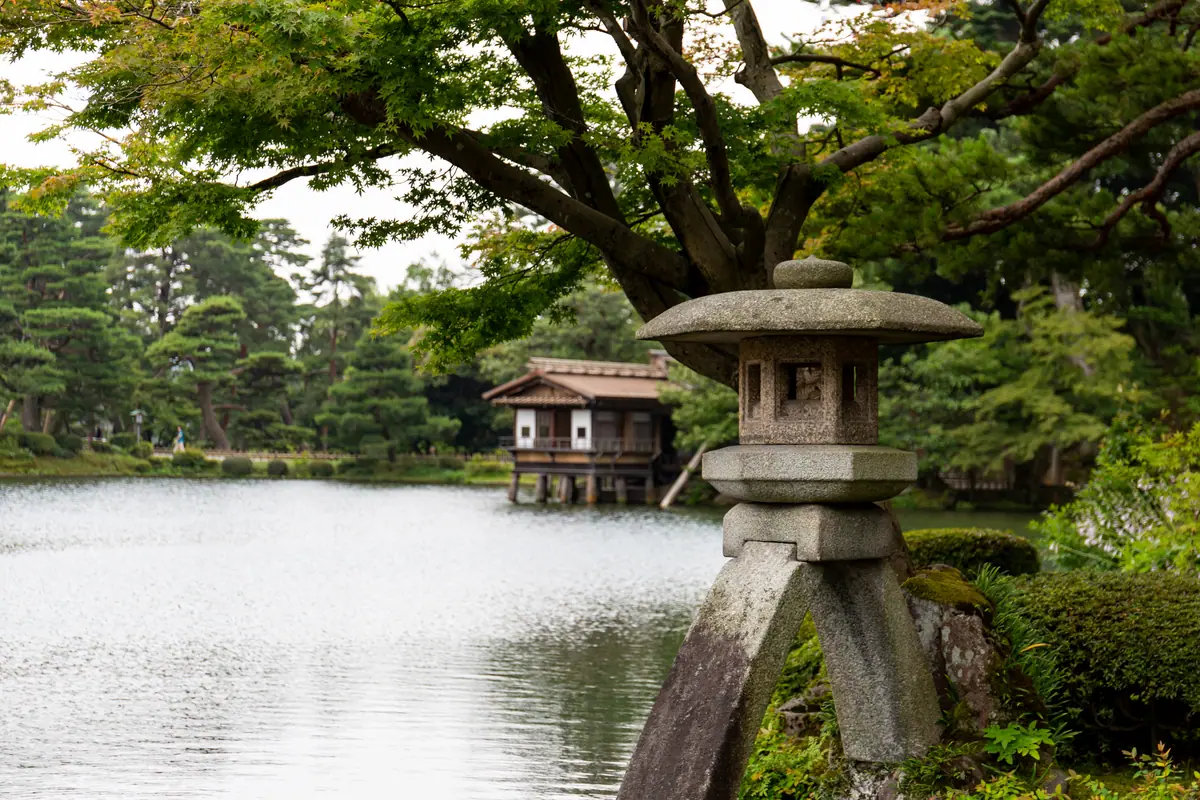
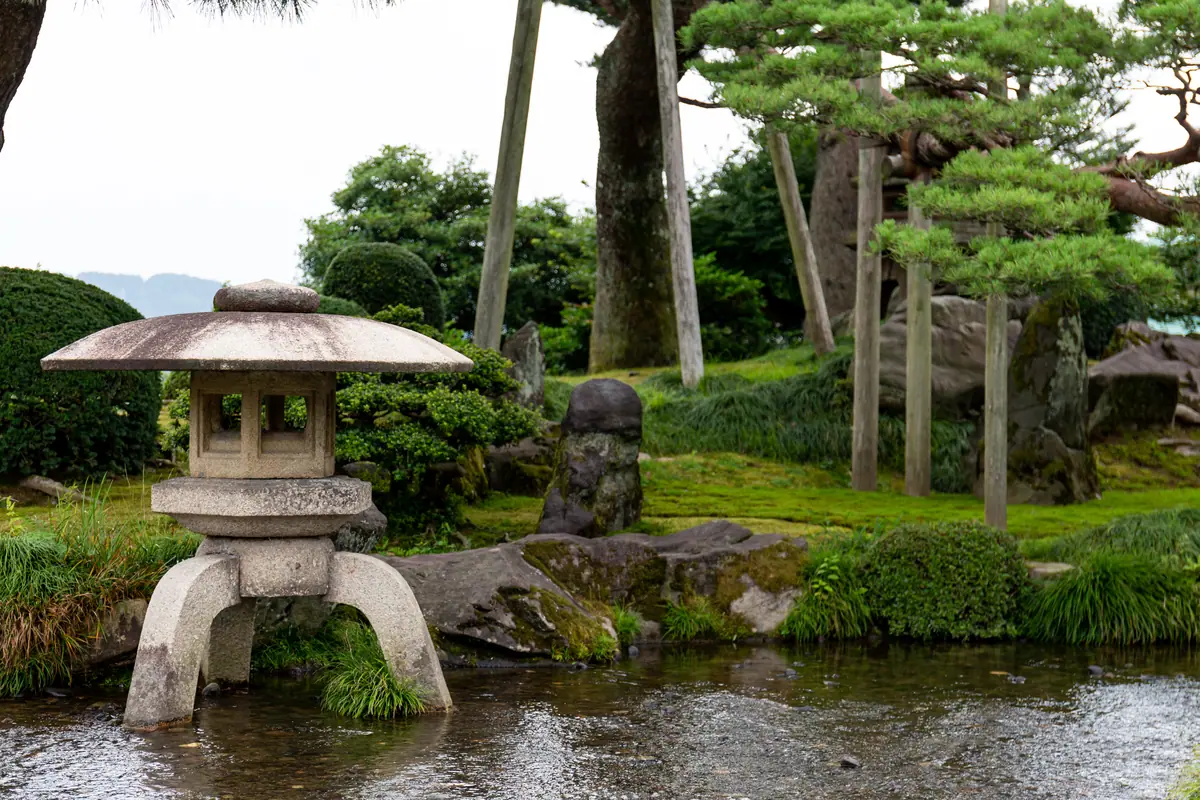
One of Japan’s three perfect gardens — two-legged lanterns, ancient pines under snow ropes, water borrowed from a river ten kilometers away. The reason Kanazawa is on your itinerary.
Six qualities that should not coexist, in one garden, over two centuries
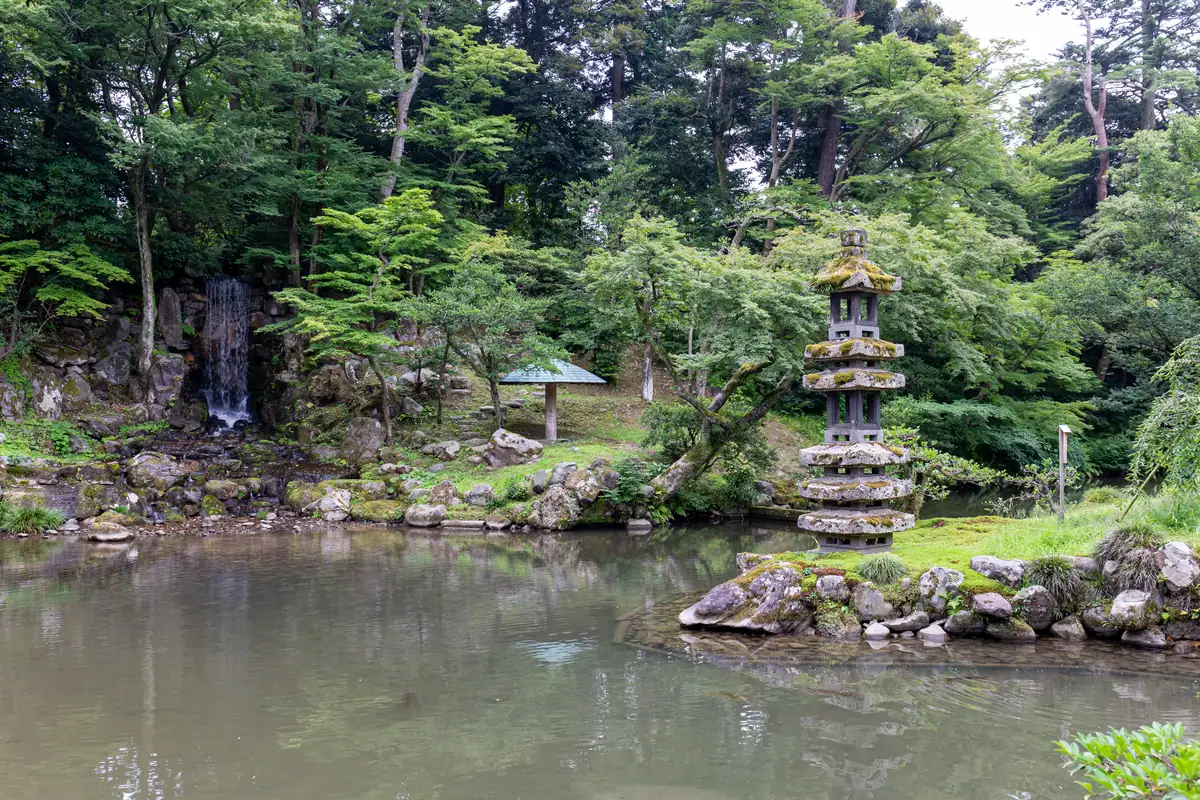
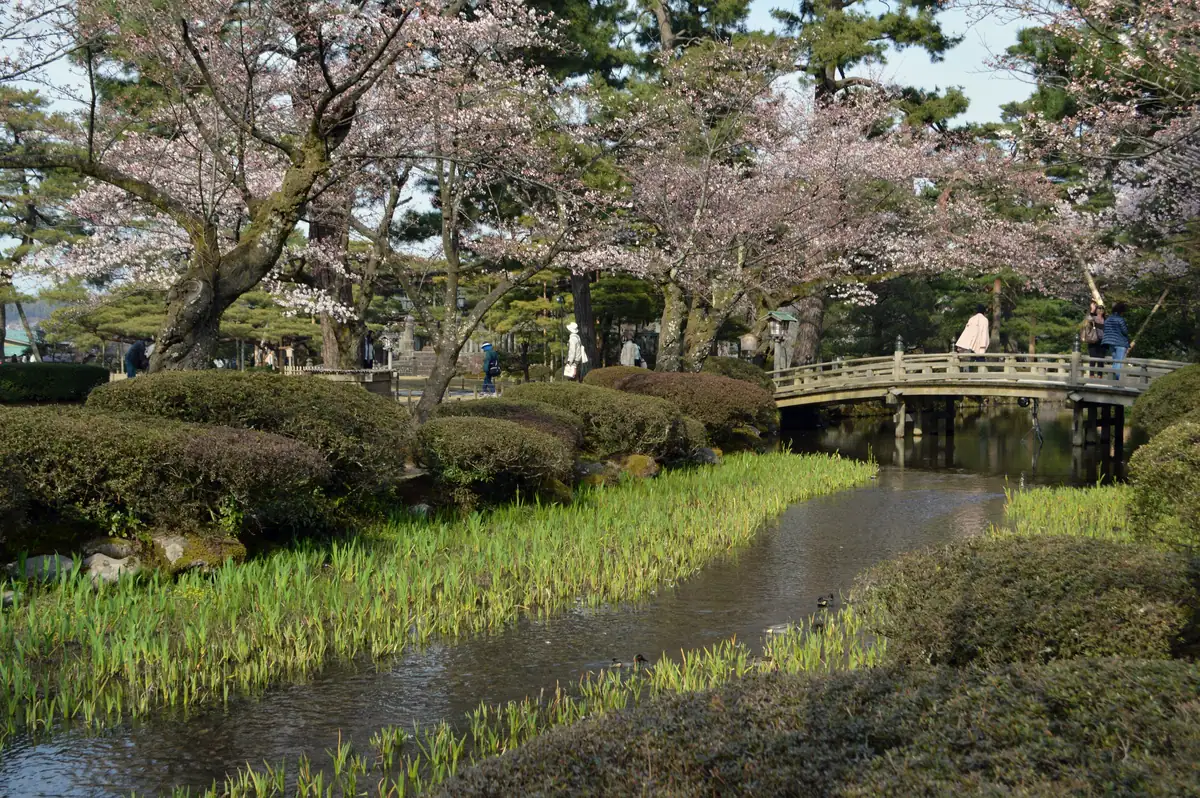
One of Japan's Three Great Gardens, begun by the Maeda lords in the 1670s and opened to the public in 1874. The name means the garden of six qualities, a Chinese idea that a perfect garden holds six attributes that normally exclude each other. In winter its pines are held up by yukitsuri, rope cones against snow.
The name means "the garden of six combined qualities" — and the six are paired opposites that classical Chinese theory said could not exist together. Spaciousness and seclusion. Artifice and antiquity. Water and panorama. The claim is that this garden has all six.
The name means "the garden of six combined qualities" — three opposed pairs from a Song-dynasty Chinese text that were said to be impossible together: spaciousness and seclusion, artifice and antiquity, water and broad views. It is designed as a strolling course so the qualities take turns as you walk.
Successive Maeda lords worked on it from 1676 across two centuries. The ponds are fed by a channel dug in 1632 that brings water more than ten kilometres by gravity and siphon alone — no pumps, then or now, which is why the fountain works.
10+ km, by gravity and siphon, to feed the ponds
Expanded by successive lords for two centuries
The oldest building in the garden
One of the three great gardens of Japan
Arrive at opening, or in the free early-morning window. The same garden at eleven is a different and worse experience.
Both pins on one map, so the distance is a fact rather than a feeling.
Ninety minutes for the garden, two hours if you add Kanazawa Castle Park directly across the road. Add about thirty-five minutes each way from the cruise port, which sits outside the city — so a four-hour stop ashore is the realistic minimum for doing it properly.
At opening, or in the free early-morning window offered in most seasons. For the spectacle, come between 1 November and mid-March when the yukitsuri rope cones are rigged over the pines against wet snow — that is the version Japanese visitors travel for.
Each one is a finished day we have walked and timed, with this stop in it. Read the route rather than assembling it yourself.
Each of these still lands you back aboard with the hour to spare.
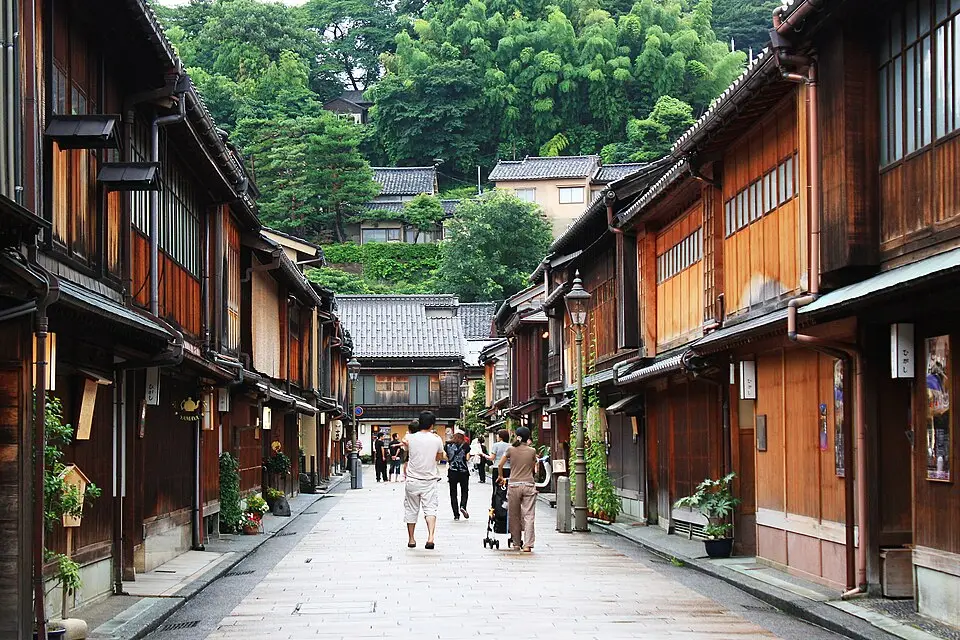 See · ~4h
Lattice-fronted geisha houses from the 1820s, now cafes and gold-leaf ateliers.
See the detail → Eat · ~3.5h
The 300-year-old market’s morning glory: snow crab in season, sweet shrimp and uni year-round, stacked over rice while the stallholders shout.
See the detail → Do · ~4.5hThe garden explained — why that stone, why that pine, what the lords were saying with water.
See the detail →No typing needed — jump straight in:
Just docked? — the gangway toolStart from your shipThe ride from every berthAsk the editorGlossary