Six qualities that should not coexist, in one garden, over two centuries
The name means "the garden of six combined qualities" — and the six are paired opposites that classical Chinese theory said could not exist together. Spaciousness and seclusion. Artifice and antiquity. Water and panorama. The claim is that this garden has all six.
Successive Maeda lords worked on this ground from 1676 onward, expanding and rebuilding it across roughly two hundred years. It opened to the public in 1874 and is consistently named one of Japan's three great gardens.
The framework comes from a Song-dynasty Chinese text describing what an ideal garden requires. The qualities come in three opposed pairs: spaciousness and seclusion, artifice and antiquity, water and broad views. Each pair works against the other — a garden large enough to feel open cannot easily feel intimate.
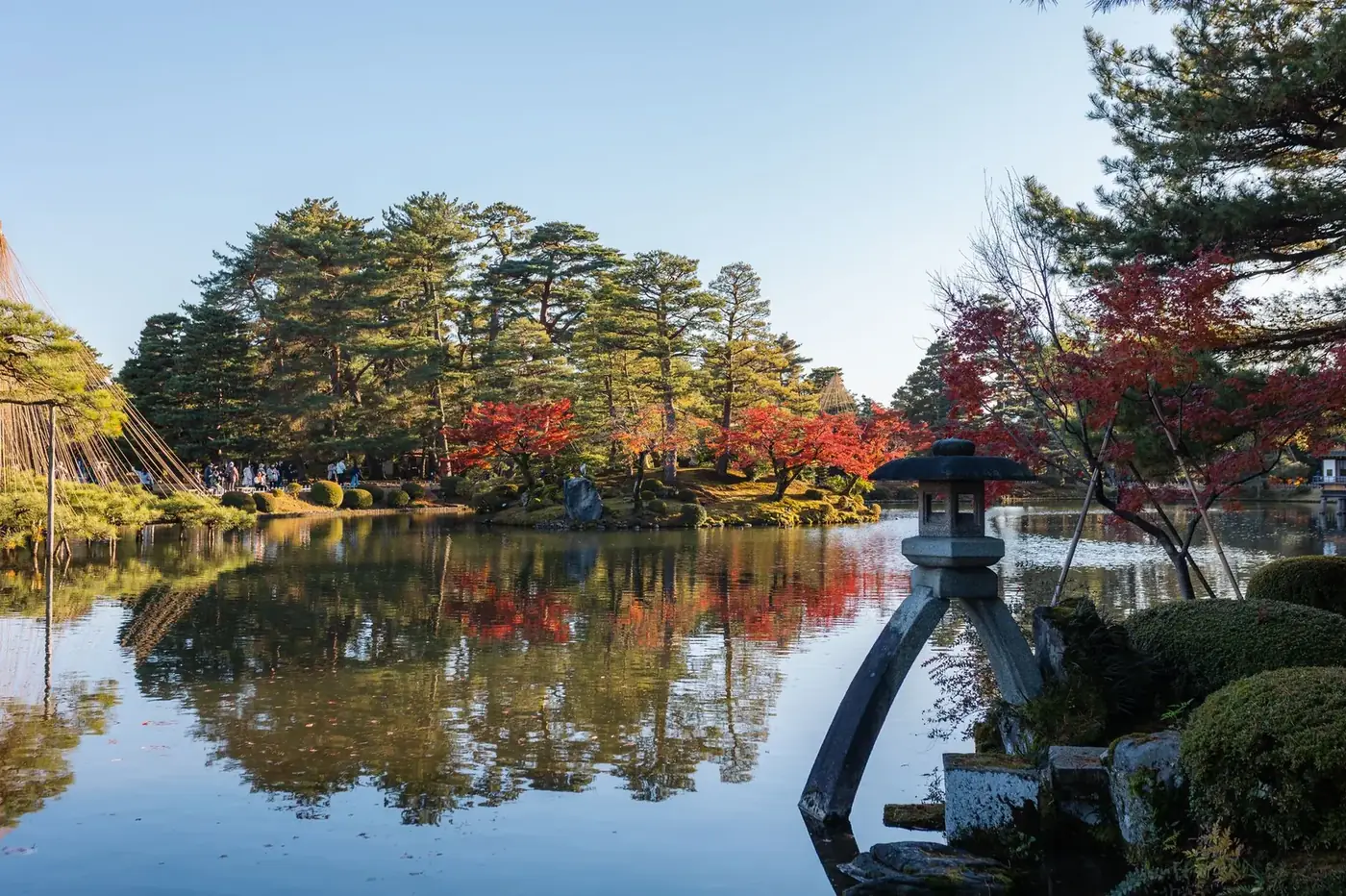
Kenroku-en solves it by being a strolling garden: you do not view it from one point. The composition changes as you walk, and the qualities take turns.
The Kotoji lantern — two legs of unequal length, standing at the edge of Kasumi pond — is the most photographed object in the city. It is also much smaller than the photographs imply.
The ponds are fed by a channel dug in 1632 that brings water more than ten kilometres from the Sai River, and it runs by gravity and siphon alone — no pumps, then or now. The fountain in the garden, one of the oldest in Japan, is driven purely by the pressure difference from the pond above it.
That is a seventeenth-century civil engineering project undertaken so that a garden would have moving water. It says as much about Kaga's wealth as the gold does.
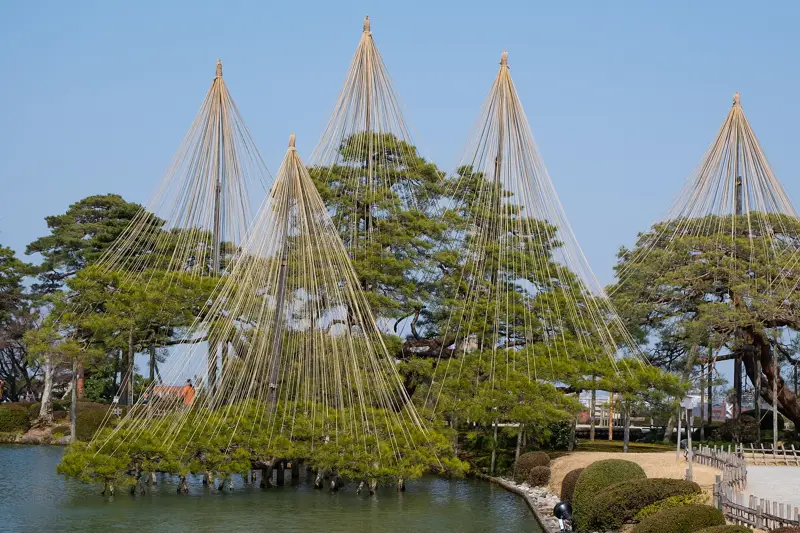
From 1 November the gardeners rig yukitsuri — ropes hung from central poles in conical arrays and tied to the branches of the pines, to carry the weight of wet Sea of Japan snow.
They are not decorative and they are strikingly beautiful, and the sight of a hundred trees under rope cones against grey November sky is the version of this garden that Japanese people travel for. They come down in mid-March.
10+ km, by gravity and siphon, to feed the ponds
Expanded by successive lords for two centuries
The oldest building in the garden
One of the three great gardens of Japan
Rope cones against the snow; down again in mid-March
Arrive at opening, or in the free early-morning window. The same garden at eleven is a different and worse experience.
Three opposed pairs drawn from a Song-dynasty Chinese text: spaciousness and seclusion, artifice and antiquity, abundant water and broad views. Each pair works against the other, which is why the garden is designed as a strolling course — the composition changes as you walk, and the qualities take turns.
At opening, or in the free early-morning window offered in most seasons — check the time at the gate. For a specific spectacle, come between 1 November and mid-March, when the yukitsuri rope cones are rigged over the pines to carry wet snow. That is the version Japanese visitors travel for.
The richest domain in Japan spent three centuries proving it was not a threat
Read →
Ninety-nine percent of Japan's gold leaf is beaten in this one city
Read →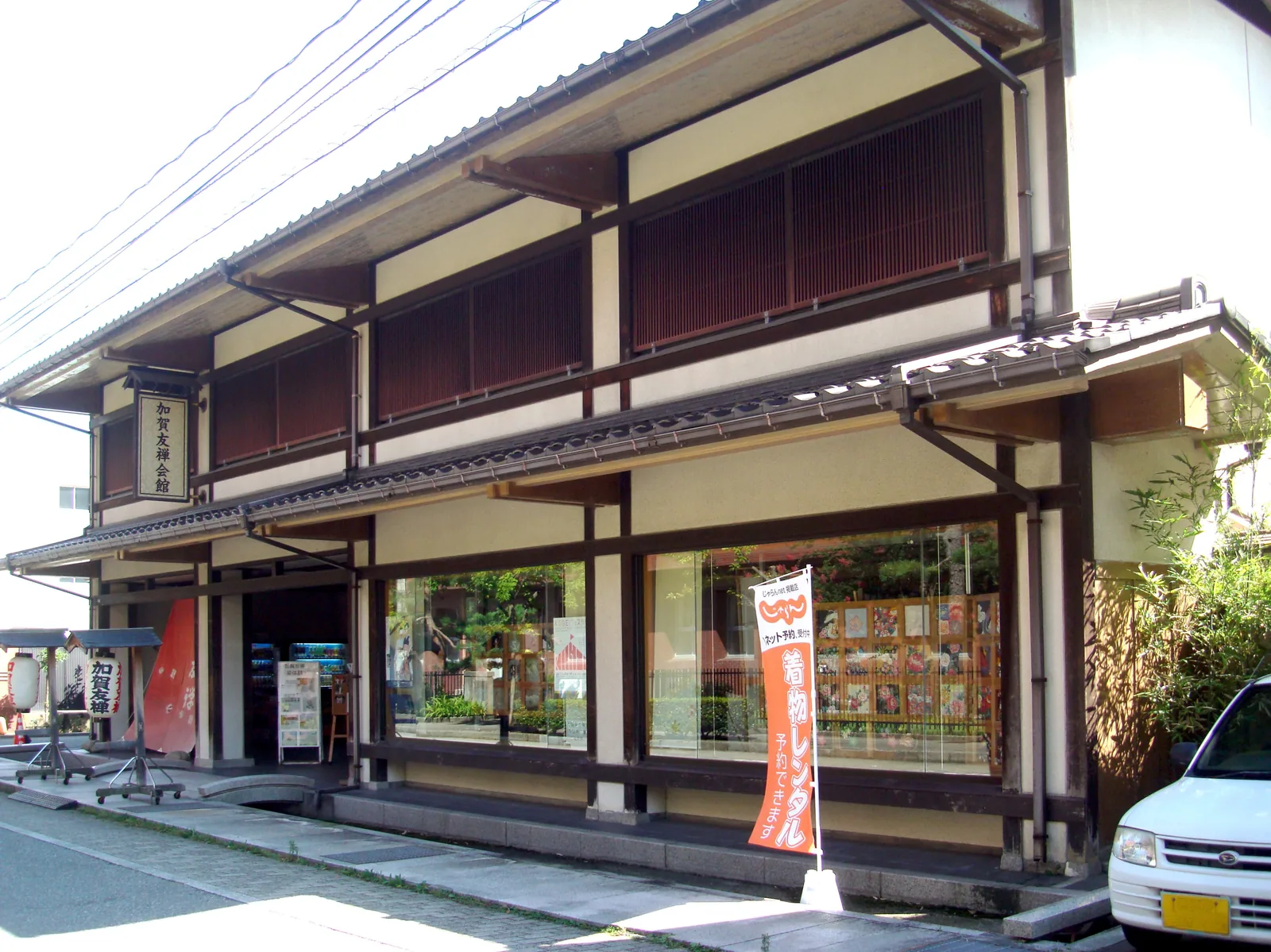
Dyeing with five colours and a deliberate insect bite
Read →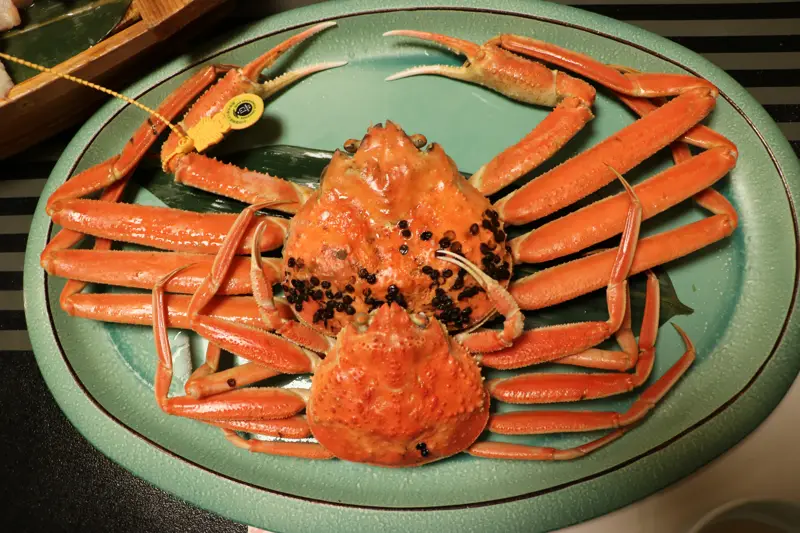
Winter crab, cold-water fish, and a soy sauce district beside the port
Read →No typing needed — jump straight in:
Just docked? — the gangway toolStart from your shipThe ride from every berthAsk the editorGlossary